In 1869, the “Contract for the Construction of Tramways and Facilities in Dersaadet” was granted to the Istanbul Tramway Company, founded by Karapano Efendi for 40 years. In the following years, the company expanded its field of activity and, from 1881 onward, became known as the Dersaadet Tramway Company.
History of the Istanbul Tramway
One of the first horse-drawn tramways was established on the Azapkapı-Beşiktaş route, and this line was later extended to beautiful Ortaköy. Then the Eminönü-Aksaray, Aksaray-Yedikule, and Aksaray-Topkapı lines opened. In the first year of operation, 430 horses were used for 4.5 million passengers, bringing 53 thousand Liras in profit.
Later, additional lines opened on Voyvoda, Kabristan Street-Tepebaşı-Taksim-Pangaltı-Şişli, Bayezid-Şehzadebaşı, Fatih-Edirnekapı-Galatasaray-Tünel, and Eminönü-Bahçekapı. The tram started to operate within the borders of the Ottoman Empire and, as the empire expanded, tram systems were later established in other major cities such as Thessaloniki, Damascus, Baghdad, Izmir, and Konya.
In 1880, the idea of stations and stops began on the tram lines. Before that, trams would stop wherever passengers wanted, which naturally slowed the system down. In 1883, a tram line was installed in Galata, Tepebaşı, and Cadde-i Kebir (today’s İstiklal Street), where rails can still be seen in the Taksim area.
In 1911, the Beşiktaş and Şişli tram depots opened in 1912. When the Balkan War began in 1912, all 430 horses belonging to the Istanbul Tram Company were sold for 30 thousand Liras, and Istanbul remained without the tram for nearly a year. After the First World War began, transportation in Istanbul stopped again for eight months two years later.
In 1914, horse-drawn tramways had to be stopped. The shouting in the streets to warn pedestrians to step back and give way to the tram had become part of city life, but the 45-year adventure of horse-drawn tram travel came to an end. Around this same period, the transition to electric tram operation began. In 1913, Turkey’s first power plant in Silahtarağa was established, and in 1914 the tram network moved toward electric trolley operation.
In 1933, by Atatürk’s direct order for the 10th anniversary celebrations of the Republic, tram and bus services in Istanbul (320 trams and 4 buses) were fully put into service. The Tramway Plant was nationalized in 1939 and connected to the General Directorate of IETT Enterprises in accordance with law numbered 3645.
Electric trams served on both sides of the city for fifty years, but on the European side they were eventually seen as unable to keep up with the ever-increasing speed of Istanbul. In 1961, the Anatolian side also said goodbye to trams, and trolleybuses were activated instead.
The nostalgic tram in modern Istanbul
In 1989, after the restoration of some old wagons preserved in the museum, the electric tram returned to service for nostalgic purposes as a symbolic line. It was placed on İstiklal Street, a setting that suited such a symbol perfectly. The nostalgic tram began to operate again on the Taksim-Tünel line, recalling the old days.
Today, it remains the current representative and living example of electric trams in the city. It operates on a 1,870-meter line between Taksim and Tünel and carries 2,500 passengers a day. More than a means of transport, the red-and-white wagon has become an icon not only of İstiklal Street but also of Taksim itself.
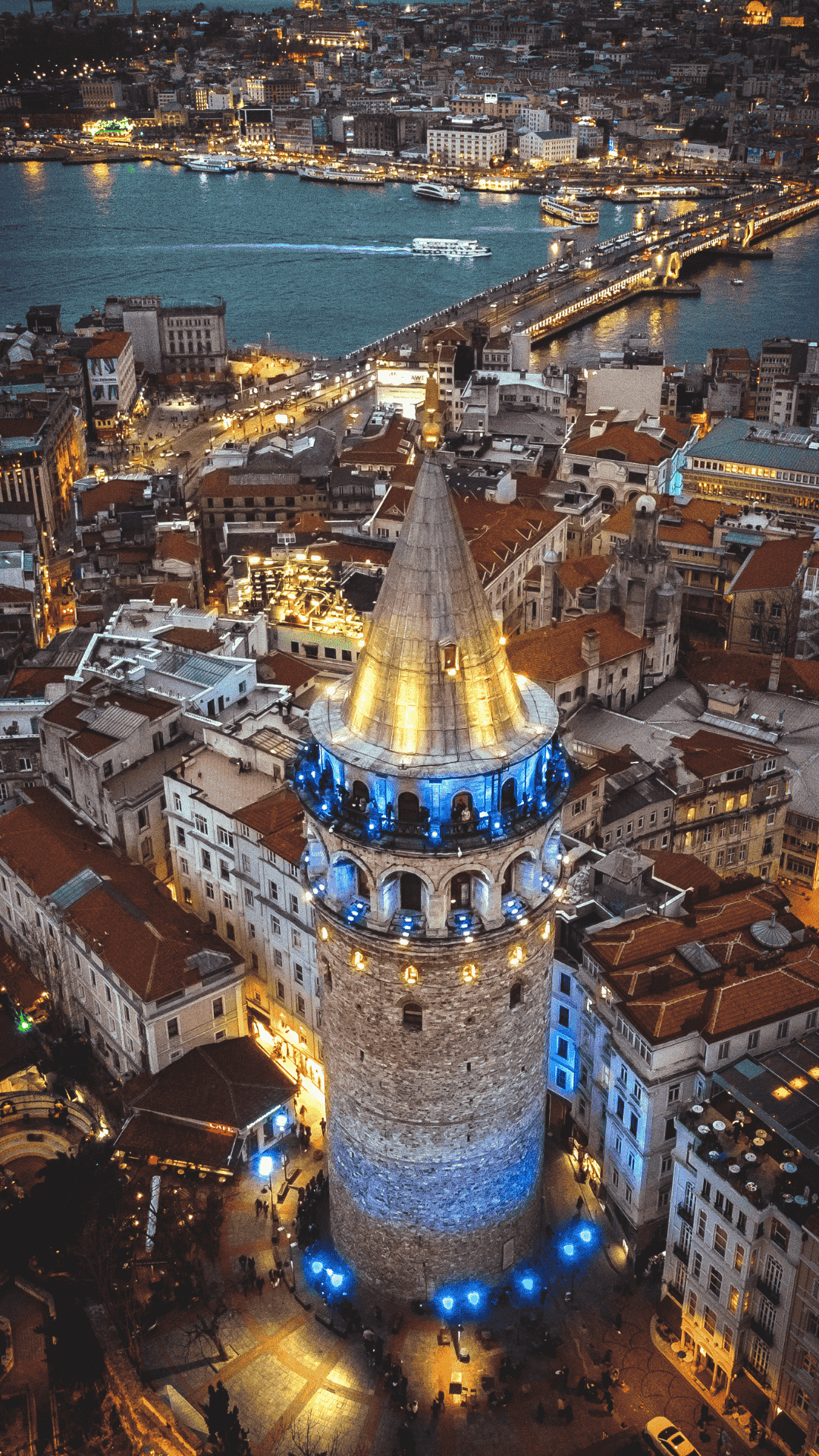
If you are exploring this part of the city, the tram ride pairs naturally with a walk toward Taksim Square or down to Galata Tower. For visitors spending time on the Historic Peninsula, Istanbul’s rail transport heritage also connects meaningfully with landmarks such as the Grand Bazaar.
Istanbul tramway opening hours
Nostalgic Tram opening hours:
- Workdays and Saturdays: 07:00 – 22:45
- Sundays: 07:30 – 22:45
As schedules can change over time, it is always wise to check the official operator pages at Metro Istanbul and IETT before your visit.
Why the tramway still matters
The Istanbul tramway is more than a transport story. It reflects how the city modernized, how daily life changed, and how a practical urban system eventually became a cultural symbol. From horse-drawn cars in the 19th century to the nostalgic line on İstiklal Street, the tram remains one of the most recognizable pieces of Istanbul’s urban memory.