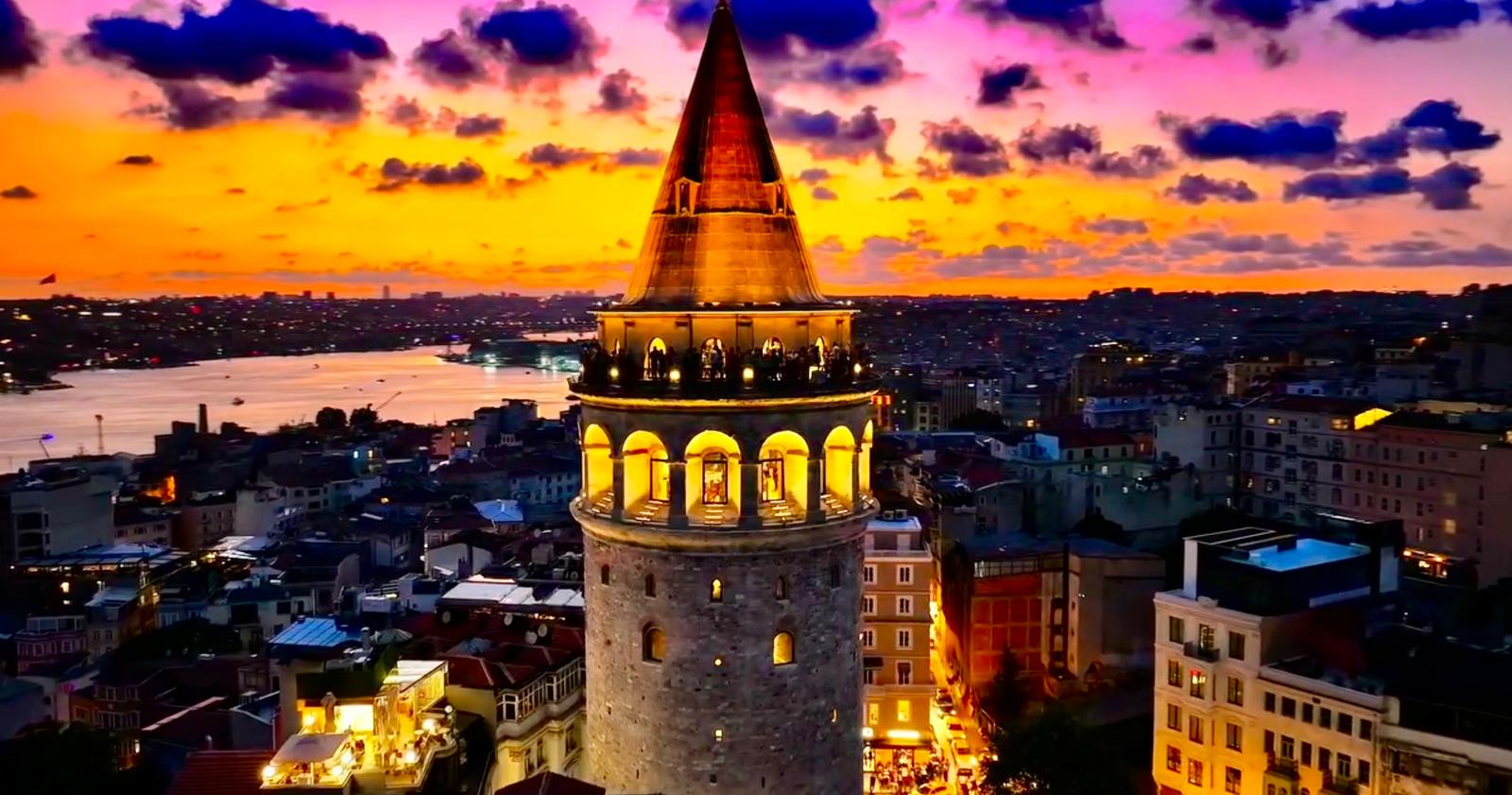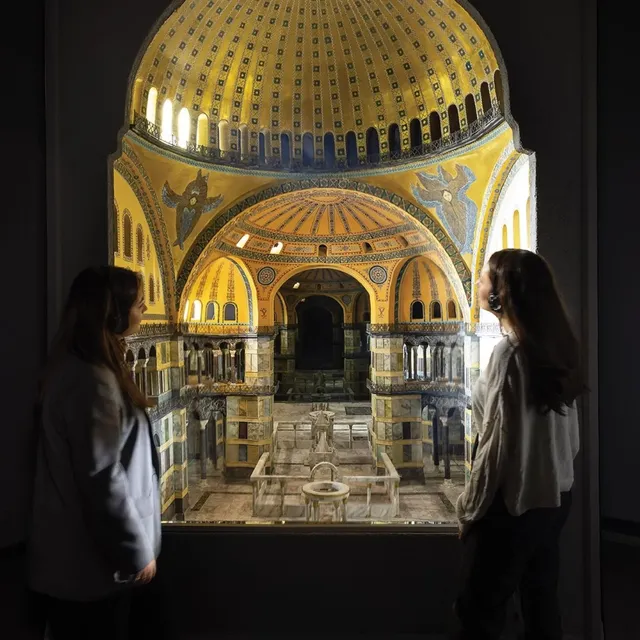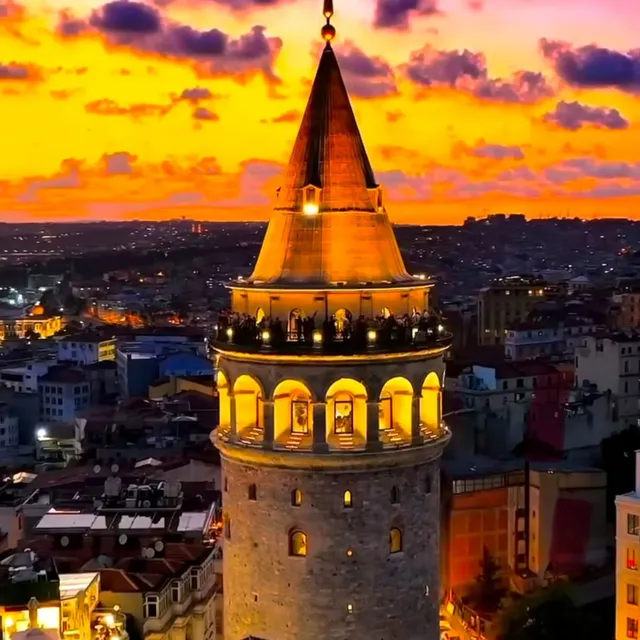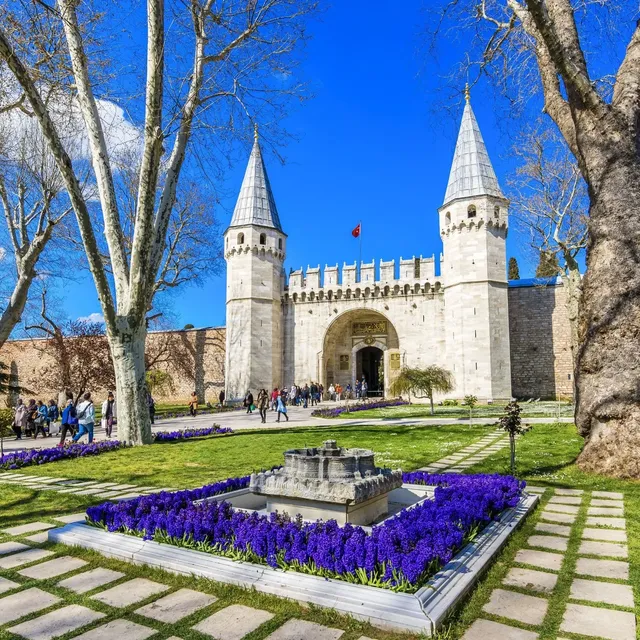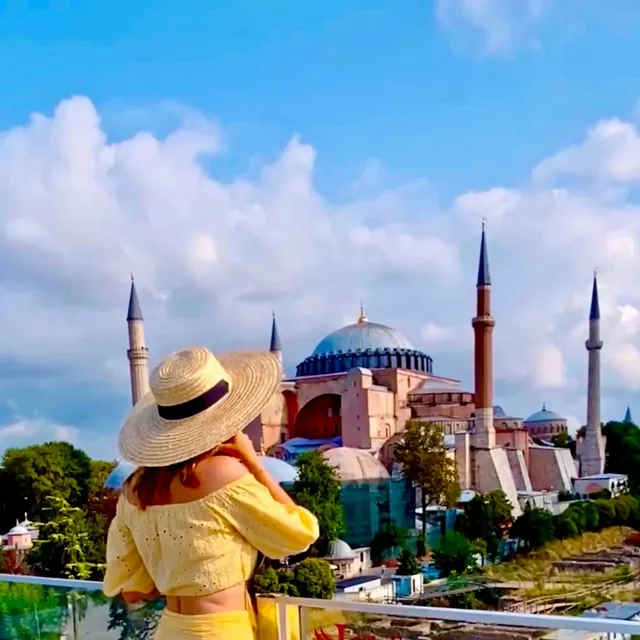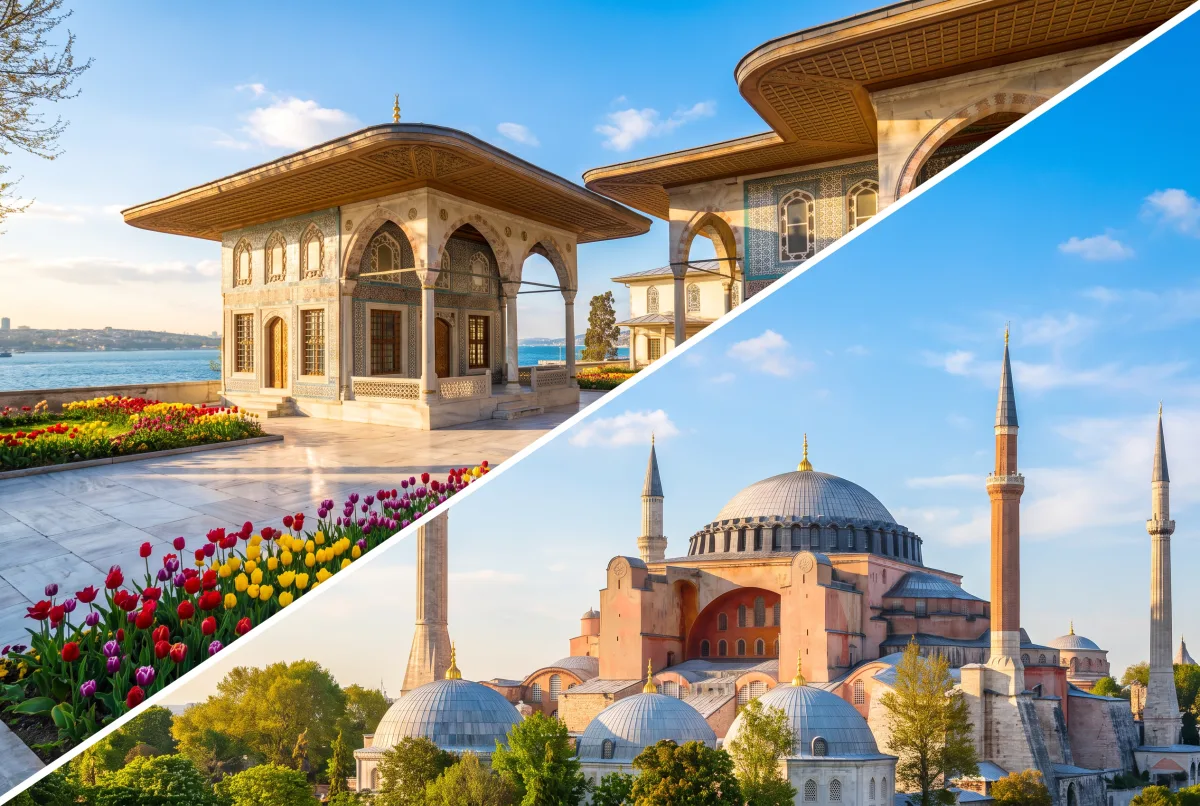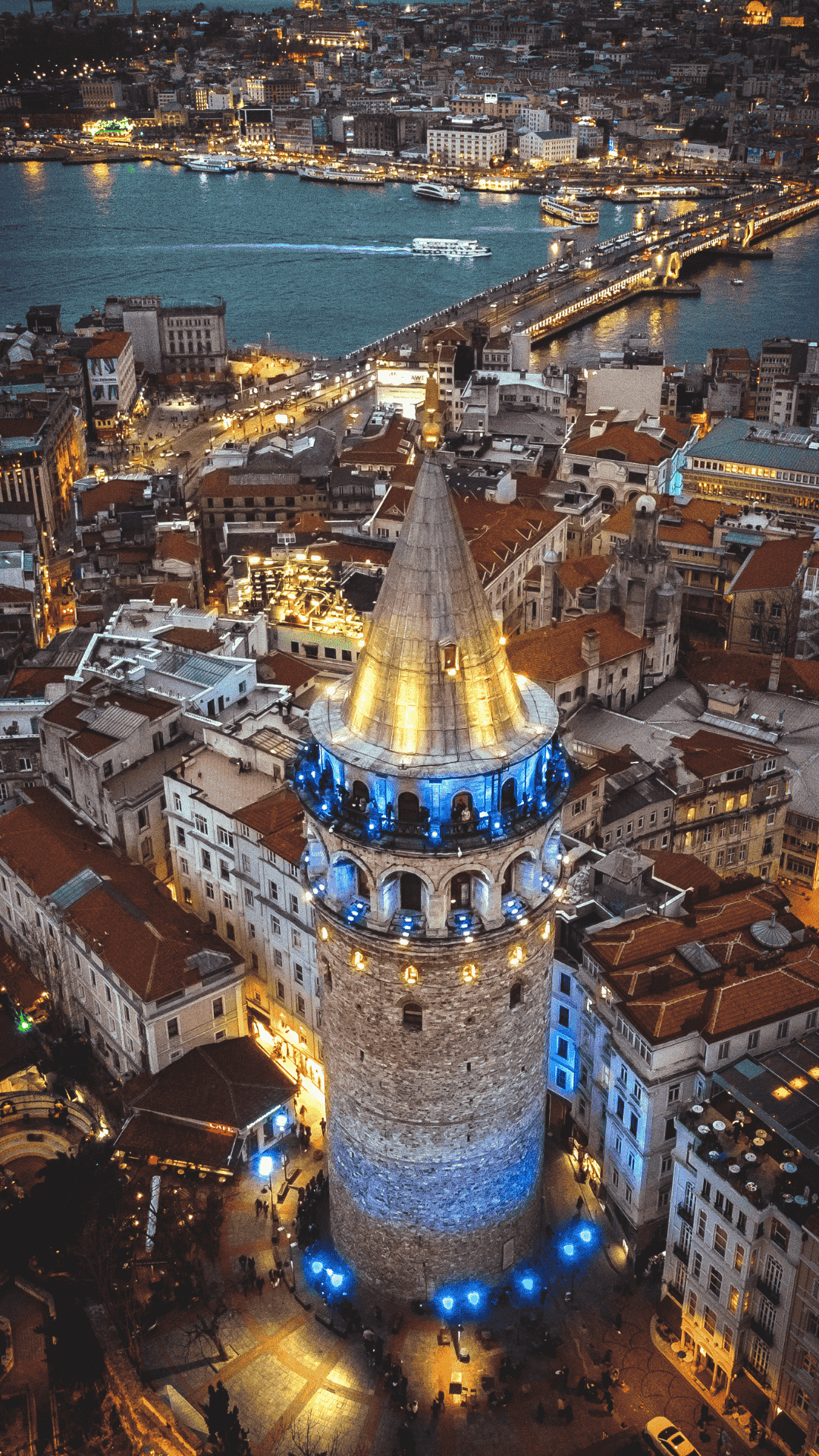
After taking control of the routes by which the Byzantines might receive foreign support, the Ottomans made sure that the Genoese, who were in control of Galata Tower, remained neutral. Following these preparations, the Ottoman army mounted an attack by both land and sea. The Turks breached the city from all sides and destroyed the Byzantine defenses. Around noon on 29 May 1453, Fatih Sultan Mehmed entered the city through the Topkapı gate and immediately paid a visit to Hagia Sophia. The conquest of Istanbul changed world history.
Order was restored to Istanbul quickly after the conquest. It was immediately announced that the inhabitants of the city would be able to continue practicing their own religions and traditions without interference. Sultan Mehmed, who took on the title of “Conqueror” (Fatih) after the conquest, ordered that the Greek community choose a head for the Orthodox Greek Patriarchate, which was without a patriarch at the time. The city’s Jewish community, whose positive behavior during the conquest had been noticed, retained the right to maintain their synagogues.
Furthermore, a house of worship was appointed for the Turkish-Jewish Karayim Community at the site of the Arpacılar Mosque. Istanbul had become a world city containing a mosaic of different religions. Fatih Sultan Mehmed’s first action after the war was to begin the repair of damaged areas in the city. The first major reconstruction effort involved repairing the city walls, which had been seriously damaged during the conquest. As reconstruction continued, several new areas of settlement were also formed. Property that had been abandoned was given to those who had served in the conquest.
The ottoman era after the conquest
In order to increase the Muslim population in the city, Muslims living in Anatolia and Rumeli were encouraged to migrate to Istanbul. When this did not suffice, a sultanic decree was sent to the empire’s provinces requiring a certain number of people from every class to relocate to the city. Christians and Jews from a number of different regions were also brought to Istanbul, where they settled in specific neighborhoods. Near the end of 1457, a large fire in the former Ottoman capital of Edirne caused new migrants to come to Istanbul.
In 1459, the city was divided into four administrative districts, each with unique demographic features. Within fifty years after the conquest, Istanbul had become the largest city in Europe. Although Istanbul entered the fifteenth century as a large city, it suffered significant damage in the earthquake of 14 July 1509, known as the “Minor Doomsday.” Aftershocks continued for over forty-five days, and thousands of buildings in the city collapsed. In 1510, Sultan Bayezid II employed around eighty thousand people to rebuild the city yet again.
The rise of Istanbul during the reign of Süleyman the Lawgiver
Throughout the history of the Ottoman Empire and under every sultan, Istanbul remained the privileged first city of the empire. New works and monuments were continuously added to the city, and historical monuments of every period and people were protected with care. In particular, the forty-six-year period between 1520 and 1566, when Sultan Süleyman the Lawgiver ruled, witnessed an era of ascendance for both Istanbul and the empire as a whole.
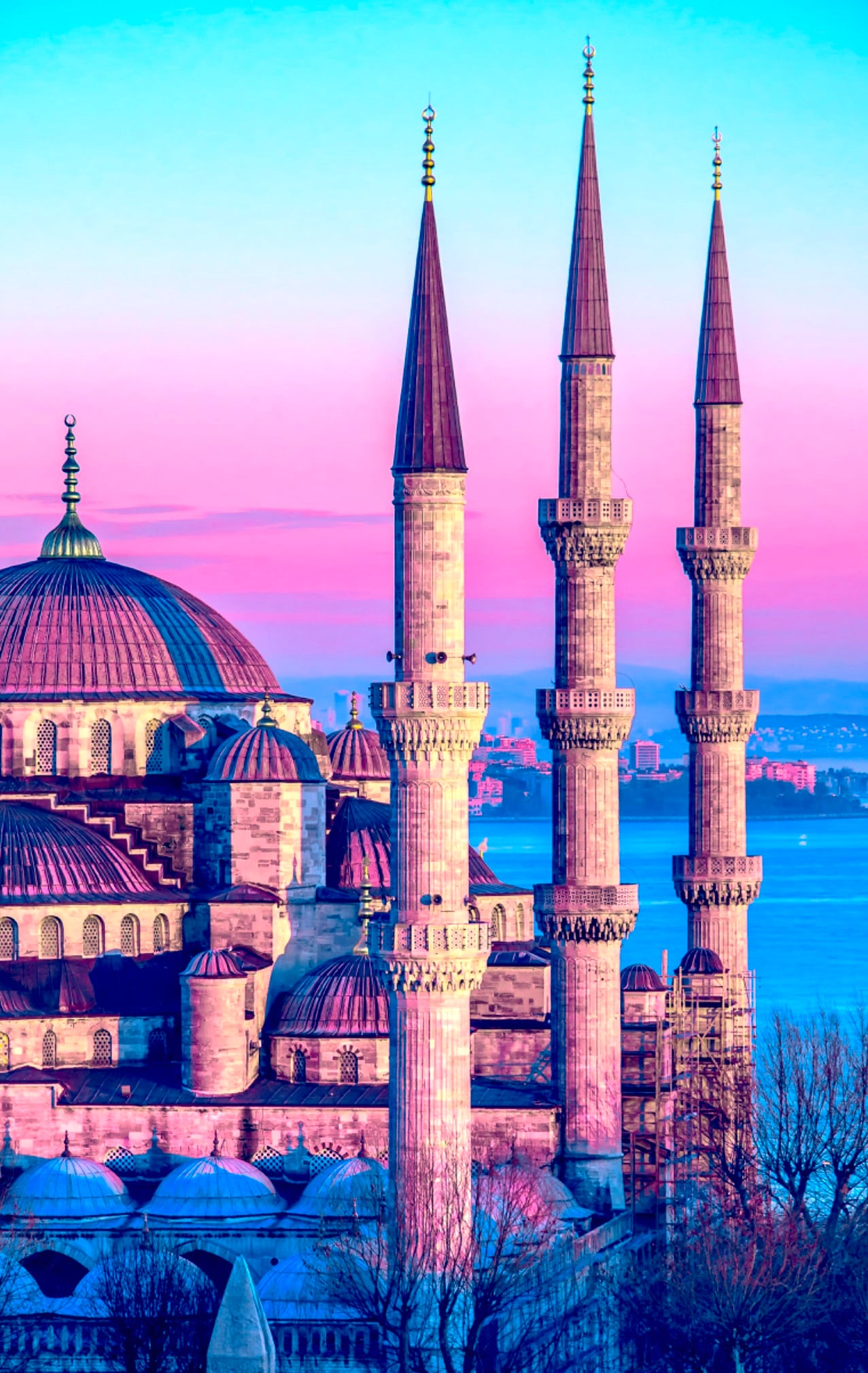
During the reign of Süleyman, a large number of important architectural works were built in Istanbul. In particular, the works of Architect Sinan, the most important architect in the history of the empire, gave the city a striking new appearance. Among the most important works built during this period—almost all of them Mimar Sinan’s buildings—are the Süleymaniye Mosque and dome, the Şehzadebaşı Mosque and dome, the Sultan Selim Mosque and dome, the Cihangir Mosque, the two Mihrimah Sultan Mosques built in Edirnekapı and Üsküdar, and the Haseki dome and Haseki Hamam, which were built in the name of Hürrem Sultan.
When the capital of the Ottoman Empire was transferred from Edirne to Istanbul, the city became an imperial capital for the third time. Throughout the era of westernization, which began in the eighteenth century, the face of Istanbul began to change under the influence of European cities. The process of modernization continued and even increased in the Republican period.
For broader background on the Ottoman Empire, see Britannica. For the historic areas of Istanbul and their global significance, UNESCO’s overview is also useful at UNESCO.