
The Spice Bazaar is Istanbul’s historic covered market near the Eminönü waterfront, known for spices, sweets, tea, dried fruit, and edible gifts. Eminönü is the busy central waterfront district where ferries, markets, mosques, and transport hubs meet.
Key Takeaways
- Buy spices and foods you will actually use at home.
- Judge stalls by freshness, smell, texture, labeling, and willingness to answer questions.
- Fresh lokum, loose tea, nuts, dried fruit, and pomegranate molasses are usually better buys than novelty gift boxes.
- Compare a few stalls before buying, especially for saffron, tea, and sweets.
- Put nearby sightseeing plans after your shopping, not before, if you are carrying sweets or liquids.
What to Buy at Istanbul’s Spice Bazaar

The best purchases are compact, edible, and easy to inspect at the counter. A good short list is sumac, pul biber, cumin, mint, Turkish tea, dried apricots, pistachios, fresh lokum, and pomegranate molasses. Buy saffron only from a stall that can explain exactly what it is selling.
Spices you will actually use
Sumac is a deep red, tangy spice used over onions, salads, grilled meat, and meze. Look for a sharp citrusy smell and a rich burgundy color rather than a dull brick-red powder.
Pul biber is Turkish red pepper flakes, usually warm, fruity, and less harsh than standard chili flakes. Check that the flakes look slightly glossy rather than chalk-dry, and ask whether the style is mild or hot.
Cumin is an earthy spice common in köfte, soups, and lentil dishes. Mint is a dried herb used in salads, yogurt dishes, soups, and tea blends. These are simple buys, but they make more sense than flashy mixes you may never finish.
Saffron is the dried red stigma of the crocus flower, valued for aroma, color, and delicate flavor. Buy it only if the threads are visibly red, not mostly yellow or orange, and only if the seller can explain origin and grade clearly. If the deal looks improbably cheap, walk away.
Tea, dried fruit, and nuts
Apple tea is a sweet fruit-flavored drink closely tied to tourist shopping in Turkey. Buy a small amount first unless you already know you like it.
Turkish tea is the strong black tea served in tulip-shaped glasses across the country. It is usually a better gift than novelty fruit blends, but ask whether you are buying loose leaf, granules, or a flavored mix.
Dried apricots are a classic edible souvenir. Choose fruit that looks plump and flexible rather than hard or sugar-crusted unless it is clearly labeled as a sugared product. Pistachios are rich green nuts used in sweets and savory dishes; look for bright kernels and a clean nutty smell, not a stale oily scent.
Pomegranate molasses is a thick tart-sweet reduction used in dressings, marinades, and meze. It is one of the most useful food gifts here. Check the ingredient list before buying: the better bottles are straightforward, while weaker ones lean heavily on syrup, sugar, or added acid.
Turkish delight and sweet treats
Turkish delight is a soft gel confection called lokum in Turkish, often flavored with rose, pistachio, pomegranate, mastic, or citrus. Fresh lokum should feel soft and springy, smell clean and distinct, and not leave a gritty sugar crust on the outside.
Buy by weight if possible. Prepacked boxes are convenient, but they are often chosen for packaging first. Ask what was made recently and whether you can taste before choosing. shelf life guidance for fresh Turkish delight sold by weight
Baklava is a layered pastry with nuts and syrup. It is best eaten fresh the same day, so buy it only if you plan to eat it soon rather than carry it through a long sightseeing schedule.
Small edible gifts to take home
The strongest gifts from the bazaar are compact and useful: a small pouch of sumac, a bag of pul biber, sealed tea, a box of fresh lokum, or a carefully wrapped bottle of pomegranate molasses.
If you want broader planning help, start with the main Spice Bazaar guide. Then use nearby area guides for Eminönü and the Galata Bridge if you are building a walk around the market.
Know the market before you buy
What the Spice Bazaar is like
The Spice Bazaar is smaller and easier to navigate than the Grand Bazaar, which makes it a better market for focused food shopping. You will still hear plenty of sales talk, but the smartest approach is simple: walk one lap, note the stalls that look fresh and organized, then go back to buy.
Some sellers serve repeat local shoppers, some serve mostly visitors, and some do both. Quality depends more on turnover, storage, and honesty than on whether a stall looks polished.
How prices and quality usually work
The first price is not always final, especially on sweets, tea, and gift boxes. Light bargaining can happen, but comparison shopping is often more useful than pushing hard at one counter.
Use inspection cues you can verify on the spot:
- Spices should smell vivid, not dusty or flat.
- Nuts should smell fresh, not oily or stale.
- Dried fruit should look flexible and well kept, not brittle or tired.
- Lokum should feel soft and fragrant, not rubbery.
- Bottled products should have clear labels and ingredients.
- Staff should be able to explain what a product is, how to use it, and how to store it.
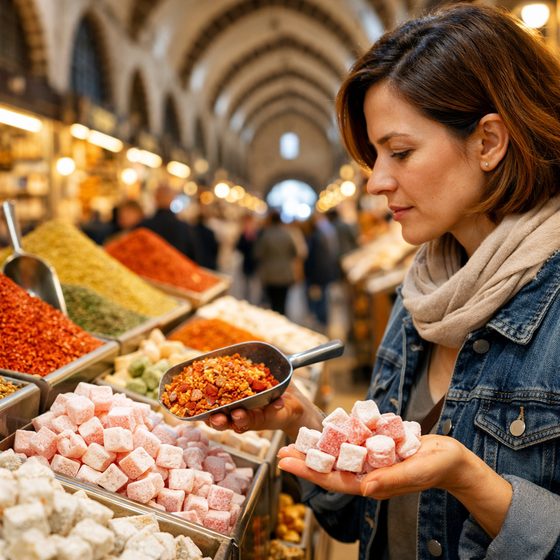
Ask to smell spices. Ask to taste lokum. Ask for a smaller amount. If a seller dodges basic questions or rushes you toward prepacked items, move on.
You should also verify practical details before you plan your stop. Check opening hours, holiday schedules, and whether your preferred payment method is realistic for the stalls you want to use. Spice Bazaar opening hours and holiday closures card acceptance at Spice Bazaar stalls
What to skip at the Spice Bazaar

Tourist-packaged spice pyramids
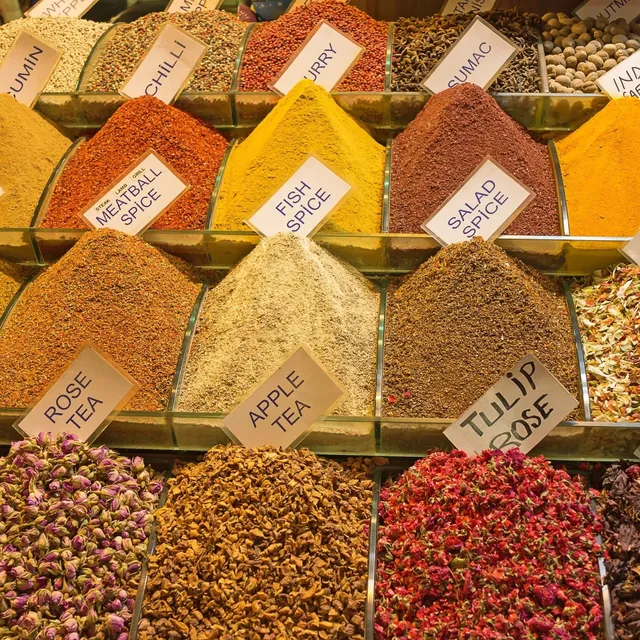
The colorful spice mounds look great in photos, but they are often display-first products. Surface layers can dry out, and the presentation tells you less about freshness than a sealed pouch from active stock.
Choose spices packed from containers the stall is actually selling from, not just displaying.
Generic ceramics and mass-made souvenirs
Iznik-style ceramics are decorative pieces inspired by Ottoman tile art and sold across Istanbul. Some are attractive, but the Spice Bazaar is not the best place to shop this category carefully.
The same goes for magnets, evil eye trinkets, and random gift bundles. They are easy to find elsewhere, and they are rarely the market’s strongest buys.
Anything you cannot inspect or smell
Skip mystery spice blends with miracle claims. Skip tea if nobody can explain what is inside. Skip sweets that look dry, faded, or heavily powdered to hide age.
Also be cautious with fragile liquids if you still have hours of walking ahead. One poorly packed bottle can ruin the rest of your bag.
How to shop well without getting overwhelmed
Questions to ask before paying
Keep your questions short and practical:
- Can I smell this?
- Can I taste this?
- Is this spicy or mild?
- Is this pure or blended?
- When was this made or packed?
- How should I store it?
- Can you pack a small amount?
These questions quickly separate confident sellers from weak ones.
If you are comparing saffron, tea, or lokum, do your loop first and buy last. That one habit cuts down on impulse purchases.
Packing tips for your suitcase
Choose sealed pouches for spices. Ask for double wrapping on sweets. Put liquids in a plastic bag and then in the middle of your suitcase. Nuts and dried fruit usually travel well, but heat can affect texture.
If you are flying soon, check customs rules for food imports before shopping. customs restrictions for taking spices, sweets, nuts, and molasses to major visitor source markets
Card payments are common in central Istanbul, but not every small purchase works the same way, so carry some cash as backup. card acceptance at Spice Bazaar stalls
What to do nearby after shopping
The bazaar sits in one of Istanbul’s easiest sightseeing zones, so it makes sense to pair it with nearby stops once your bags are sorted.
For a short walk, head toward the Galata Bridge or spend time around Eminönü watching the ferry traffic and street food scene. If you want another market experience, continue on to the Grand Bazaar, though it is larger, more varied, and usually more tiring than the Spice Bazaar.
If you want a classic old-city pairing, cross into Sultanahmet for the Basilica Cistern and the Blue Mosque area. The Basilica Cistern is a Byzantine underground reservoir with columns, dim lighting, and raised walkways, a strong contrast to the noise of the market above ground. The Blue Mosque is the historic Ottoman imperial mosque facing Sultanahmet Square, known for its domes, six minarets, and tiled interior. Check visitor access and dress rules before you go. Blue Mosque visitor access hours and dress code
For a slower finish, book a Bosphorus cruise. After the dense lanes of the bazaar, the open water and skyline views are an easy reset.
FAQ
Is bargaining expected at the Spice Bazaar?
Light bargaining is possible, especially on sweets, tea, and gift boxes, but comparing a few stalls is usually more effective than negotiating hard with one seller.
Should I bring cash or can I use cards?
Many central Istanbul stalls take cards, but not all small purchases work smoothly, so it is smart to carry some cash too. card acceptance at Spice Bazaar stalls
Can I take spices and sweets home through customs?
Usually yes, but rules vary by destination and product type, especially for nuts, liquids, and packaged foods. Check your home country’s import rules before buying. customs restrictions for taking spices, sweets, nuts, and molasses to major visitor source markets
What are the Spice Bazaar opening hours?
Hours and holiday closures can change, so confirm before you go. Spice Bazaar opening hours and holiday closures
What is the best time to visit the Spice Bazaar?
Earlier in the day is usually easier for browsing because the lanes are less crowded and sellers have more time to answer questions.