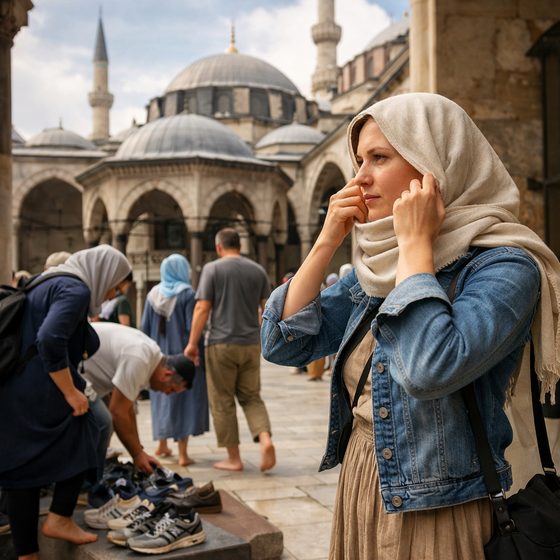
Quick checklist
| Topic | What visitors should do |
|---|---|
| Women | Cover shoulders and knees; bring a scarf for the prayer area |
| Men | Wear sleeves and bottoms that cover the knee |
| Children | Neat, modest clothing is best; rules are usually applied more lightly |
| Shoes | Remove before carpeted prayer spaces; wear clean socks |
| Prayer-time access | Expect pauses before and during prayers; Friday noon is the hardest time for sightseeing visits |
Istanbul mosque dress code
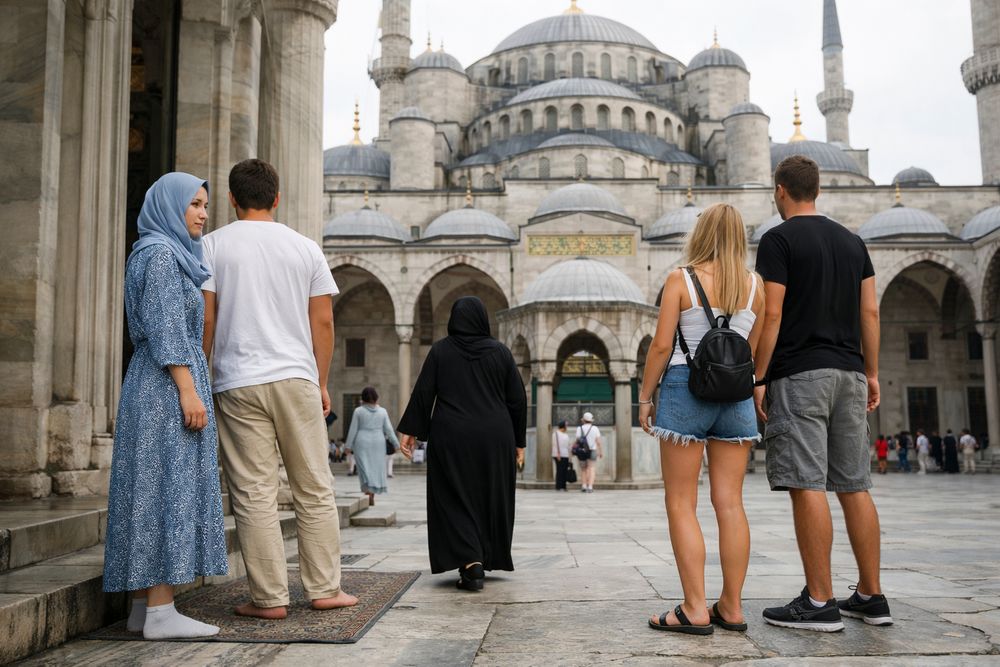
The basic rule is modest, respectful clothing for everyone. In practice, that means no short shorts, no crop tops, no bare shoulders, and no tight gym wear that reads as beach or workout clothing.
If you are planning one mosque stop in a larger sightseeing day, dress for the strictest venue first. A light scarf and a spare pair of socks in your day bag solve most problems fast.
A working mosque does not ask you to dress elegantly. It asks you to dress respectfully. That distinction matters in Istanbul, where many visitors arrive from a cruise, a walking tour, or a hot tram ride in full summer sun. You do not need formal clothes. You do need covered shoulders, covered knees, and a calm attitude once you cross the threshold.
What to expect before you enter
Prayer hall is the main carpeted interior where worship takes place and where dress, shoe removal, and quiet matter most.
Visitor entrance is the door or route set aside for tourists, often separate from the entrance used by worshippers.
Friday noon prayer is the busiest weekly congregational prayer period, when visitor access is most likely to pause or tighten.
Mihrab is the prayer niche that marks the direction of Mecca; it is one of the focal points of the mosque interior, not a spot to crowd for photos.
At most major mosques, you will approach through a courtyard or entry zone where signs explain the current rules. Do not assume one mosque works exactly like the next.
Security checks may be present. Bag screening can happen, especially at headline sites: current security screening procedures at Blue Mosque, Hagia Sophia, and Süleymaniye Mosque
Some entrances are set aside for worshippers, while others are for visitors. Follow the staff directions and floor markings, even when the line seems slower than it should be.
Shoes, bags, and head coverings
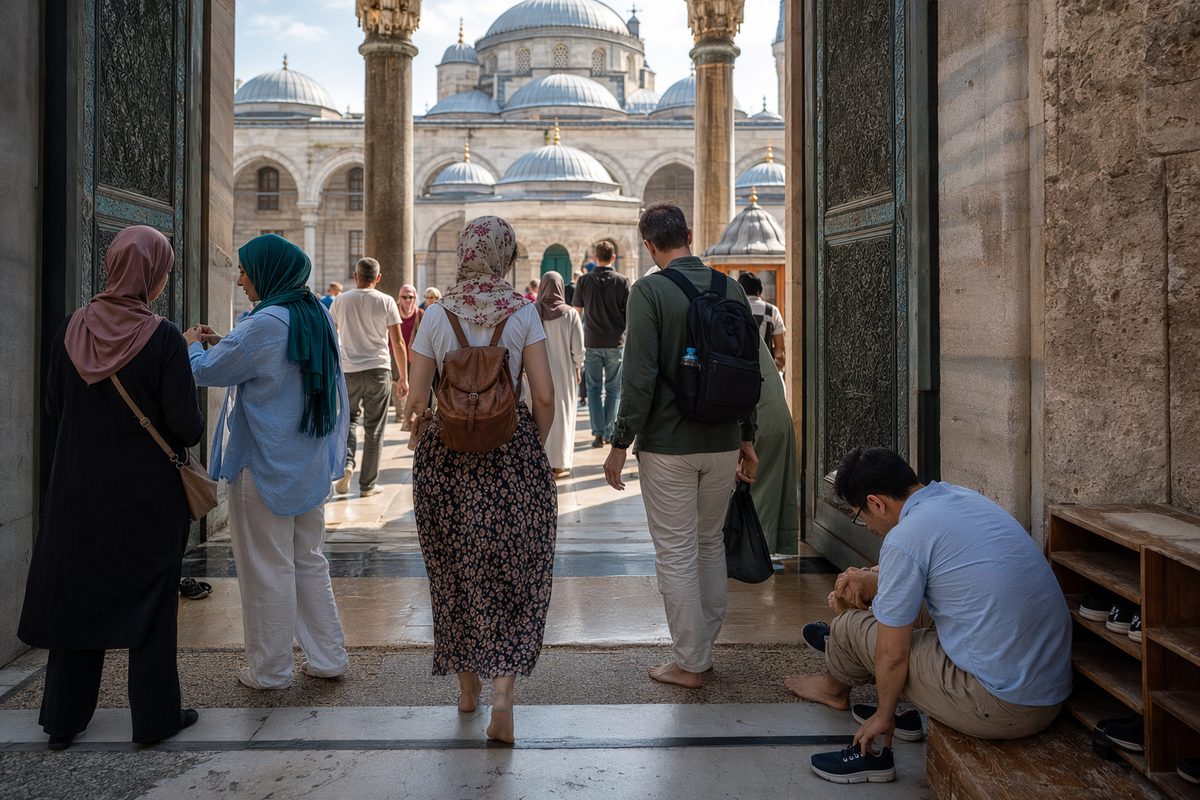
Shoes come off before you step onto carpeted prayer floors. You may be given a thin plastic bag for your shoes, or you may need to carry them by hand: current shoe-bag practice at major visitor mosques
Wear clean socks. It sounds minor. It is not.
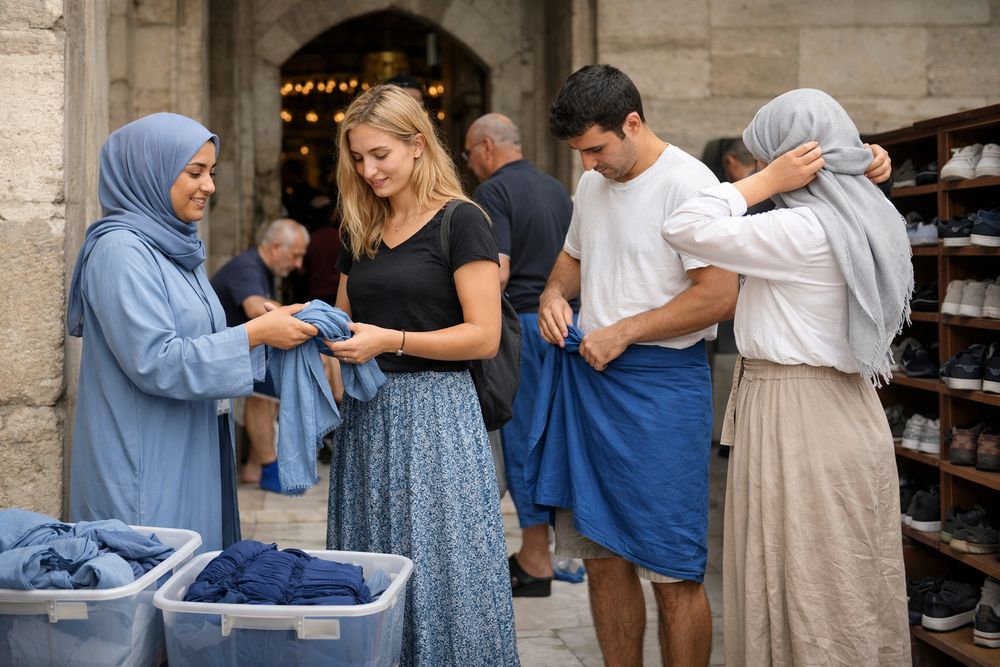
For women, a scarf should cover the hair before entering the prayer space. Some mosques provide coverings at the entrance, but availability and style vary: whether major mosques currently lend or sell headscarves and cover-up garments
Men do not need head coverings. Hats are usually better removed inside unless there is a clear practical reason to keep one on.
Large backpacks are awkward in crowded prayer halls, slow you down at security, and make it easier to bump people in tight visitor lanes. Pack light if you plan to visit several sites in one day.
Prayer times and visitor access
Prayer time is the set period when Muslims gather for one of the five daily prayers. Visitor access often pauses before and during these prayers, especially around Friday noon.
You do not need to memorize the daily schedule. You do need to expect interruptions. Prayer times shift through the year, so always verify on the day: where visitors can confirm same-day prayer times and access windows for Istanbul mosques
Friday is the most sensitive day for sightseeing visits to active mosques. The noon prayer is especially busy, and some sites may restrict tourists for longer periods: current Friday visitor restrictions at major Istanbul mosques
If your schedule is tight, aim for a mid-morning or mid-afternoon visit outside prayer periods. It is usually calmer, and the shared space feels less strained.
Etiquette inside a working mosque
The best behavior is quiet, observant, and unobtrusive. You are not entering a museum first. You are entering a place where people may be praying, reading, resting, or grieving.
Keep your phone silent. Walk slowly. Speak softly if you need to say anything at all.
Do not step in front of someone who is praying. If you are unsure where to move, wait a moment and let a staff member guide you.
Avoid public displays of affection. Do not eat inside the prayer area. Water may be fine in some outer spaces, but use judgment and follow posted signs.
If you sit, keep a respectful posture. Stretching out, leaning back casually against sacred furnishings, or treating the carpet like a picnic mat will look wrong immediately.
The mood inside a major Istanbul mosque can change quickly. A room that feels almost museum-quiet one moment can fill with worshippers just before prayer. That change is your cue to shrink your footprint: move to the visitor edge, lower your camera, and stop talking.
Photography, noise, and personal space
Photography is often allowed in visitor areas, but never assume all spaces are fair game. Flash is a bad idea, and photographing people at prayer is intrusive even if no one stops you.
Children and older worshippers deserve extra distance. Avoid pointing a phone directly into someone's face while they read, pray, or sit in reflection.
Tripods, posed fashion shoots, and comic selfies are the fastest way to look out of place. If a photo would feel rude in a church during a service, it will probably feel rude here too.
Where to stand and where not to go
Many mosques separate visitor lanes from worship areas with ropes, partitions, or carpet boundaries. Stay within the marked zone, even if the perfect view is three steps beyond it.
Minbar is the raised pulpit used for sermons. Like the mihrab, it is part of the worship setting, not a decorative backdrop for close-up photos.
Some mosques also have areas used mainly by women for prayer. Do not wander into reserved sections because they seem less crowded.
If you want to pause and absorb the interior, choose a side position where you are not blocking circulation. Avoid sitting directly in the center of a passage line.
What women, men, and children should wear
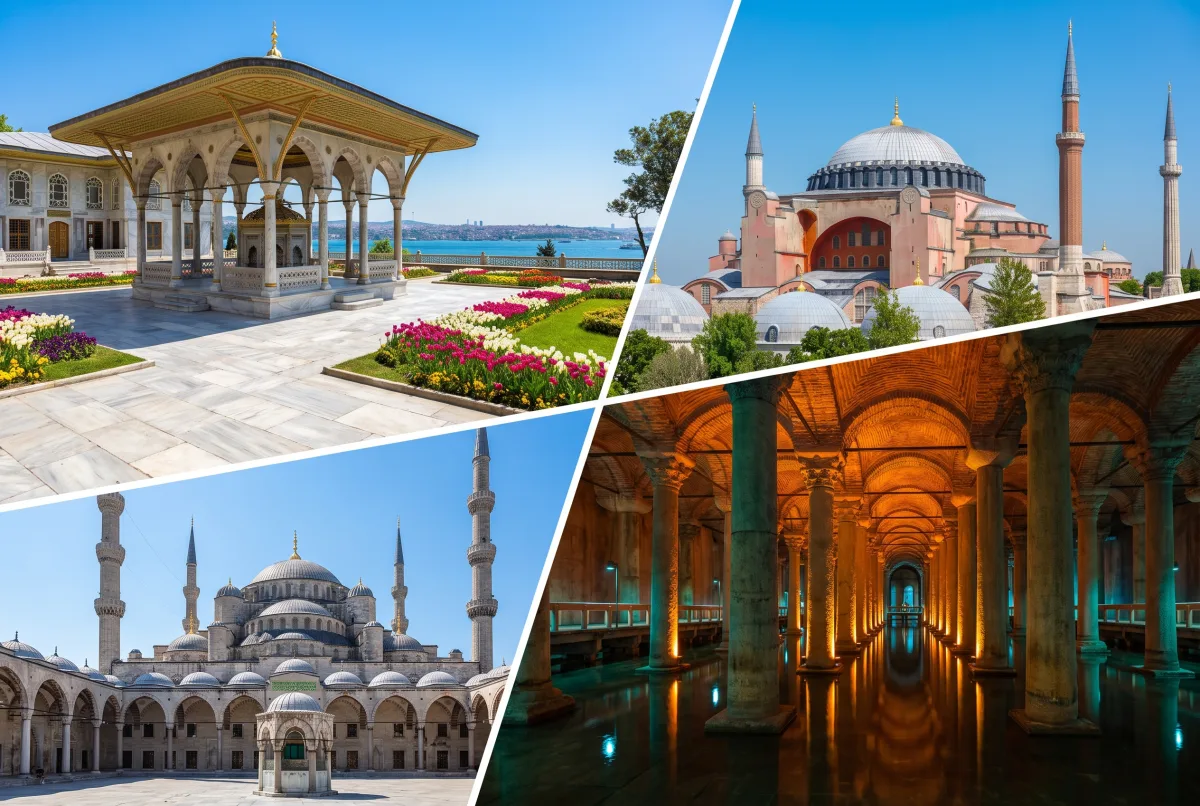
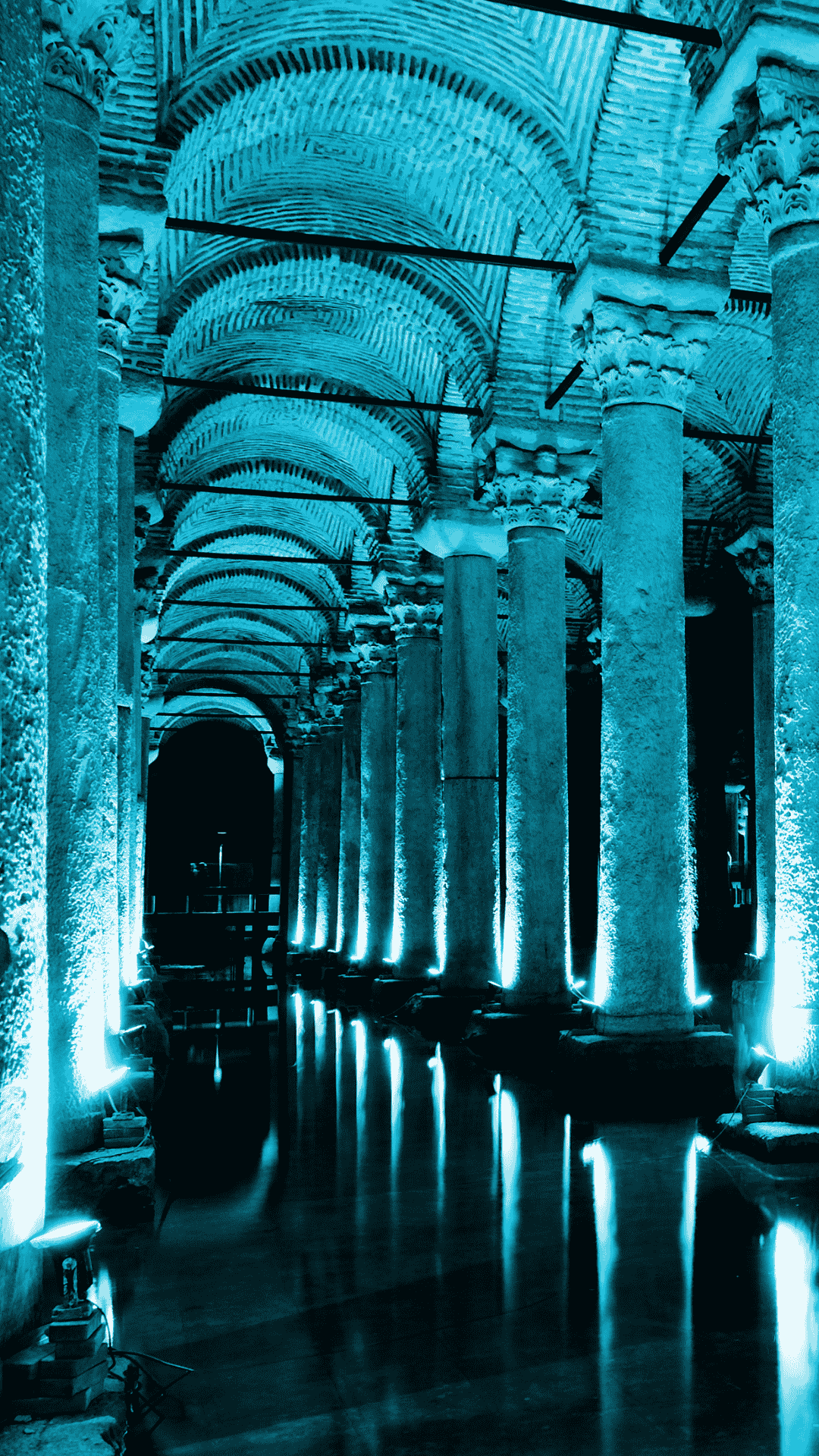
The easiest way to plan is to build one mosque-ready layer into your sightseeing outfit before you leave the hotel. That matters even more if your route runs from Hagia Sophia to the Blue Mosque, across Sultanahmet Square, and on to the Basilica Cistern in one stretch.
What women should wear
Women should aim for covered hair, covered shoulders, and legs covered below the knee, ideally to the ankle. Loose trousers, a long skirt, or a maxi dress with a light layer works well.
The most useful item is a scarf you already know how to wear comfortably. Bringing your own is usually easier and quicker than relying on whatever may be available at the entrance.
What men should wear
Men should choose trousers or long shorts that clearly cover the knee, plus a T-shirt or shirt with sleeves. Beachwear, sports vests, and shirtless layers under open tops are poor choices.
A common problem for men is assuming tourist-casual equals mosque-appropriate. In summer, light cotton trousers or breathable loose shorts that fully cover the knee are safer than athletic wear.
What children should wear
Children have more flexibility, but they should still look neat and reasonably covered. If an outfit is designed for the beach, it is probably wrong for a mosque.
For families, the practical issue is less strict enforcement and more comfort inside a quiet space. Easy shoes, water before entry, and a short visit usually work better than pushing children through a long, crowded stop.
Summer brings the hardest clothing decisions. Linen trousers, light cotton shirts, and breathable long layers work better than heavy denim. Good planning is less about fashion and more about removing friction. If you are comfortable, covered, and carrying little, you will move through these spaces with less stress and more attention for the architecture itself. For broader route planning, it also helps to pair this with a practical Istanbul itinerary or planning page on your site.
Major mosques visitors ask about
Each mosque has its own flow, crowd pattern, and access rules. The etiquette basics stay the same, but the visitor experience is not identical.
Blue Mosque
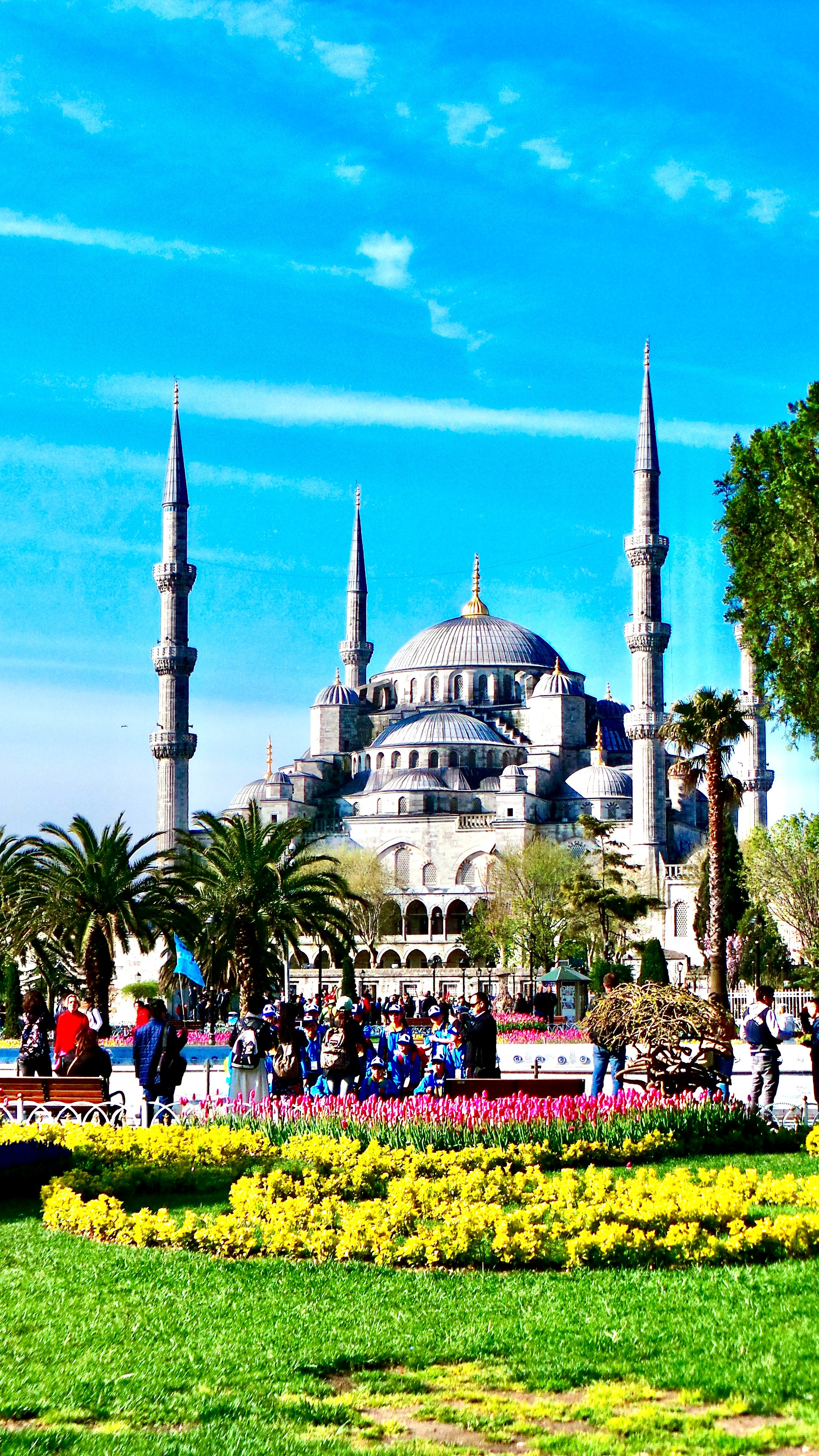
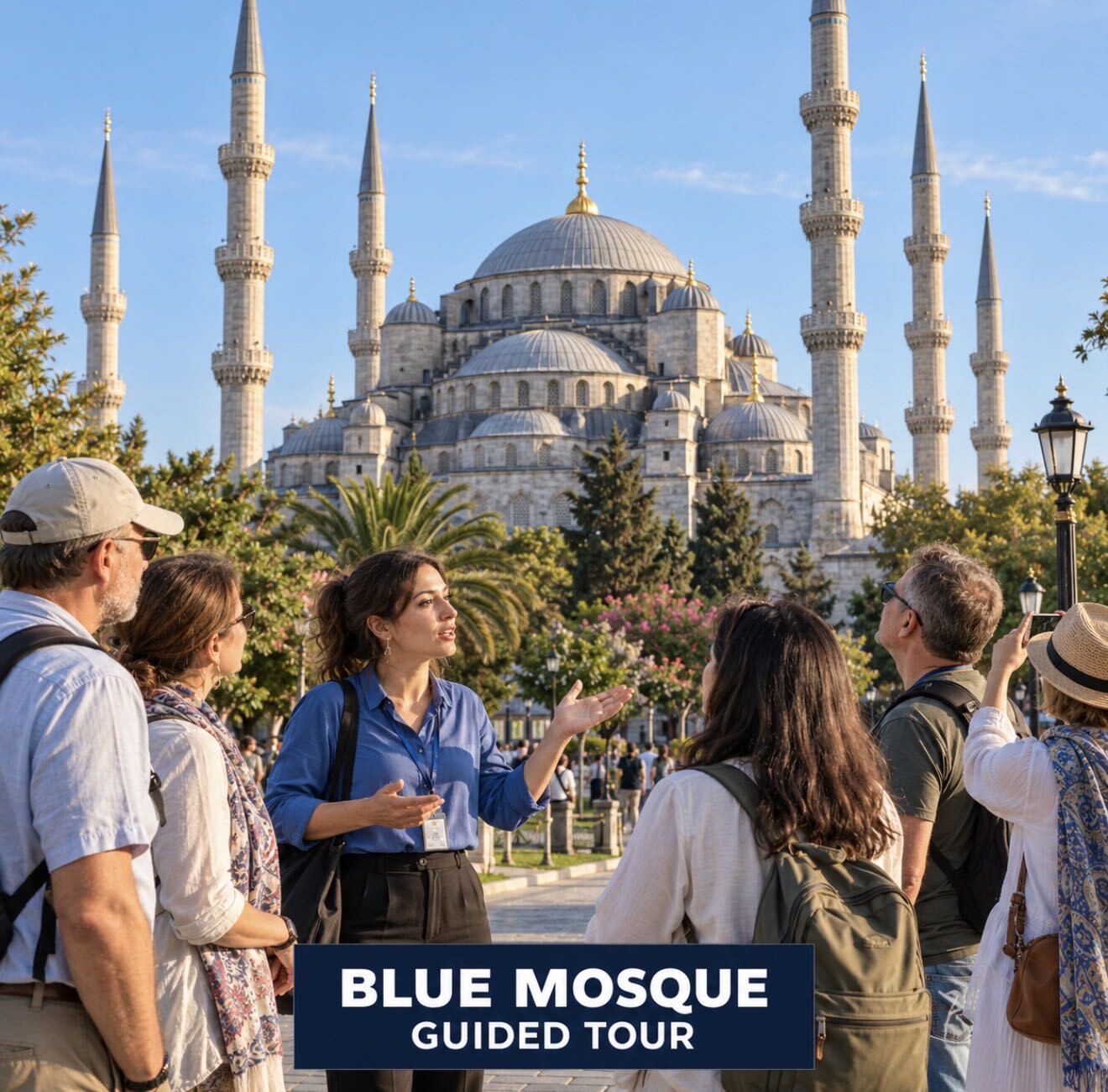
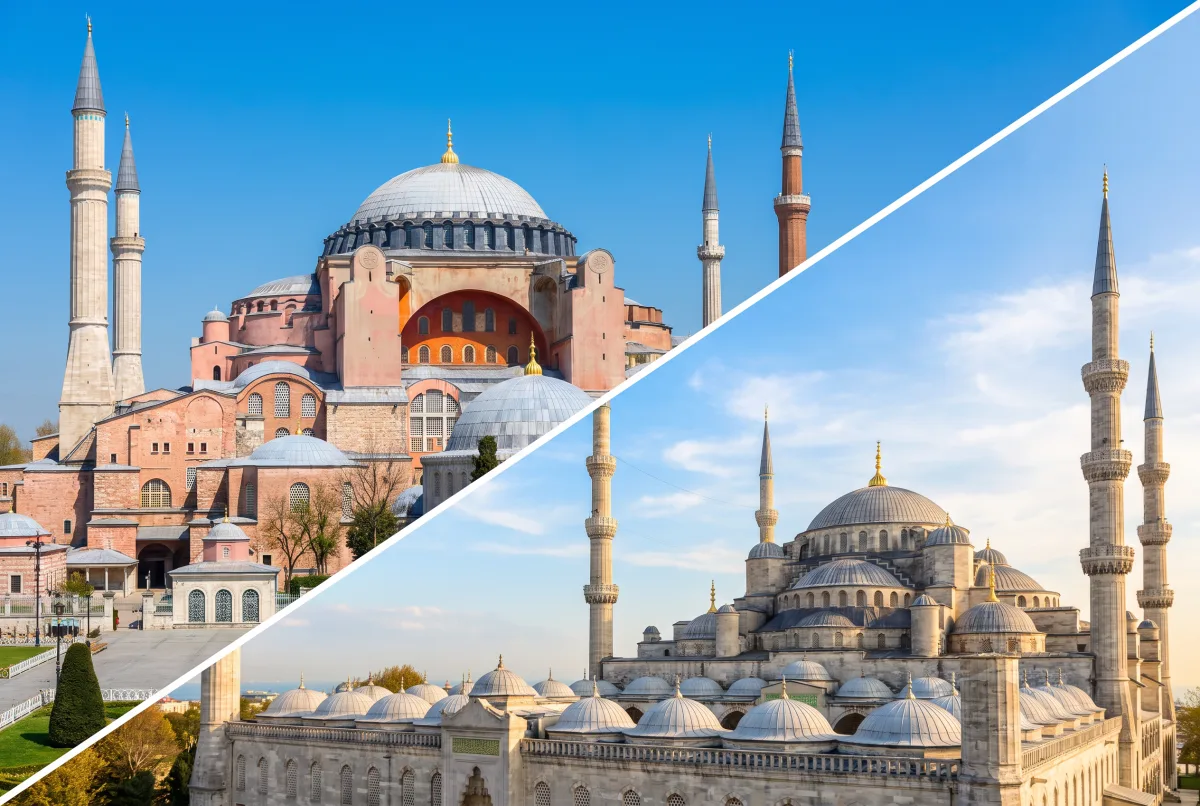
The Blue Mosque is Istanbul's best-known active mosque for first-time visitors, and Blue Mosque entry is FREE.
Dress standards are taken seriously here because the building receives huge visitor numbers. If you arrive underdressed, staff may direct you to use available coverings if they are offered: current cover-up provision policy at Blue Mosque
The main pitfall here is underestimating the queue and turning up in the middle of a Sultanahmet sightseeing rush. Give yourself extra time, follow the visitor route, and expect the entrance process to feel more managed than intimate. Its location makes it easy to combine with Sultanahmet Square and nearby landmarks, but that same convenience concentrates the crowds.
Hagia Sophia
Hagia Sophia draws visitors who may think of it first as a monument, yet its current mosque function shapes what you can do inside. Access rules, visitor routes, and screening procedures can change: current visitor route and entry rules for Hagia Sophia
The main difference here is flow. Hagia Sophia often feels more controlled, more segmented, and more dependent on current route design than other mosques. Signage matters, staff directions matter, and the line between visitor space and worship space can feel stricter than people expect.
The common mistake is arriving with a museum mindset and expecting to wander freely. If Hagia Sophia is central to your day, it helps to read a practical guide before you go. Our page on Hagia Sophia covers the site in more detail.
Süleymaniye Mosque
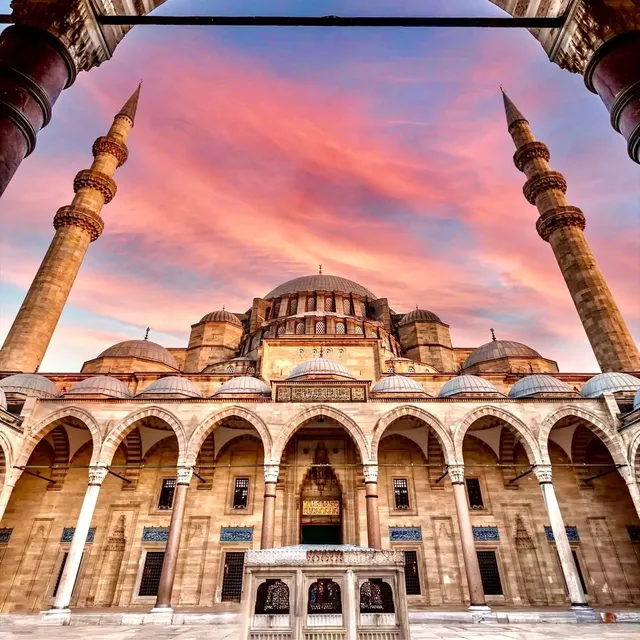
Süleymaniye Mosque often feels calmer than the Sultanahmet giants, though it remains a working mosque with the same expectations of modest dress and respectful behavior. Its hilltop setting makes it a strong stop on a wider old-city route, often paired with the Grand Bazaar, Eminönü, or a longer historic walk.
The visitor flow here is usually less compressed than at Blue Mosque and less tightly choreographed than at Hagia Sophia. That quieter rhythm can make the visit feel easier, but it also means you need to read the room for yourself instead of relying on crowd barriers to tell you where to slow down.
A common pitfall at Süleymaniye is treating the calmer atmosphere like permission to relax the rules. It is still a prayer space first. Keep your voice down, avoid drifting into worshipper areas just because they seem open, and pay attention to prayer activity before setting up for photos.
Another practical issue is the hilltop location. Visitors sometimes arrive already tired from uphill walking and then rush the visit, skip the courtyard pause, or forget they still need mosque-appropriate clothing after a long neighborhood wander. If you include Süleymaniye in a full day, build in a little buffer so the stop does not feel like an afterthought.
For many visitors, this is the most peaceful major mosque experience in central Istanbul precisely because it is less frantic. If you arrive dressed properly, stay aware of active worship, and give the site a little time, it can be one of the easiest mosque visits in the city.
Common mistakes and easy fixes
- Arriving in hot-weather street clothes that are fine outdoors but wrong for the mosque. Fix: carry one modest layer and a scarf.
- Showing up just as access pauses for prayer. Fix: check same-day timing and keep your route flexible.
- Treating the interior like a photo set. Fix: take a few quick photos from the visitor zone and then put the phone away.
- Forgetting the shoe moment. Fix: wear easy-off shoes and clean socks.
- Packing too many major sights into one block. Fix: leave buffer time if your day also includes Topkapi Palace or a Bosphorus cruise.
Final tips for a smooth visit
Dress modestly before you arrive, not at the door. Carry little. Watch the room. Follow staff instructions without debate.
If a mosque feels full, solemn, or temporarily closed to visitors, accept it and return later. That decision usually saves time and makes the visit more respectful.
Rules can shift by season, crowd level, restoration work, and current site policy, which is why the unresolved checks in this guide matter. Before you go, confirm access windows and entry procedures with official signage or current on-site guidance: current visitor access rules and prayer-time closures at major Istanbul mosques
Istanbul's great mosques are not difficult places to visit. They simply ask for basic awareness. Bring that, and the experience becomes calmer, richer, and far more memorable.