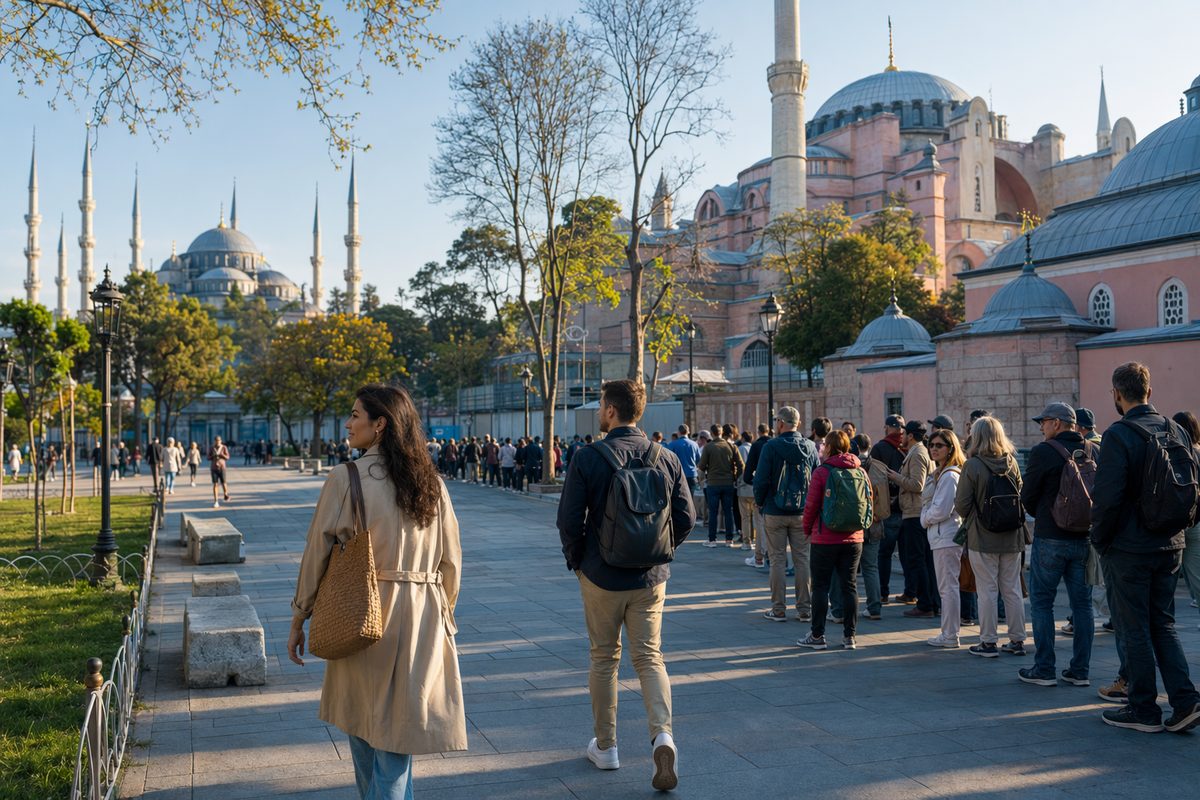
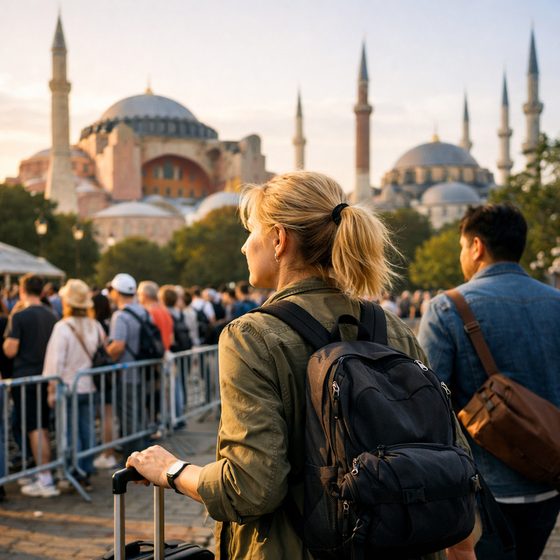
Here is the quick-reference version first.
| Attraction | Does advance booking help? | Best arrival window | What actually causes delays |
|---|---|---|---|
| Hagia Sophia | Sometimes; only if the current official visitor system uses paid entry, hosted entry, or timed access | As early as current visitor rules allow, or later after a major prayer-related surge | Security, visitor-routing confusion, prayer closures, tour-group clustering |
| Blue Mosque | No paid fast track for normal visitor access; entry is free | Between prayer windows, usually earlier in the day | Prayer closures, security, dress-code fixes, crowd waves |
| Basilica Cistern | Yes, this is usually the strongest case for advance timed entry | First slots of the day or a confirmed off-peak timed slot | Timed admissions, compact interior, weather-driven demand, midday crowding |
| Topkapi Palace | Yes if official advance tickets are available; otherwise arrive early | At opening | Entry screening, ticket checks, busy interior rooms, optional sections |
| Dolmabahce Palace | Yes if official timed entry exists; otherwise arrive early | At opening or before the first busy wave | Security, fixed routes, ticket processing, audio-guide or tour clustering |
| Galata Tower | Yes if timed tickets are offered and you want a specific hour | Earlier daytime hours rather than sunset | Controlled capacity, sunset demand, elevator/observation bottlenecks |
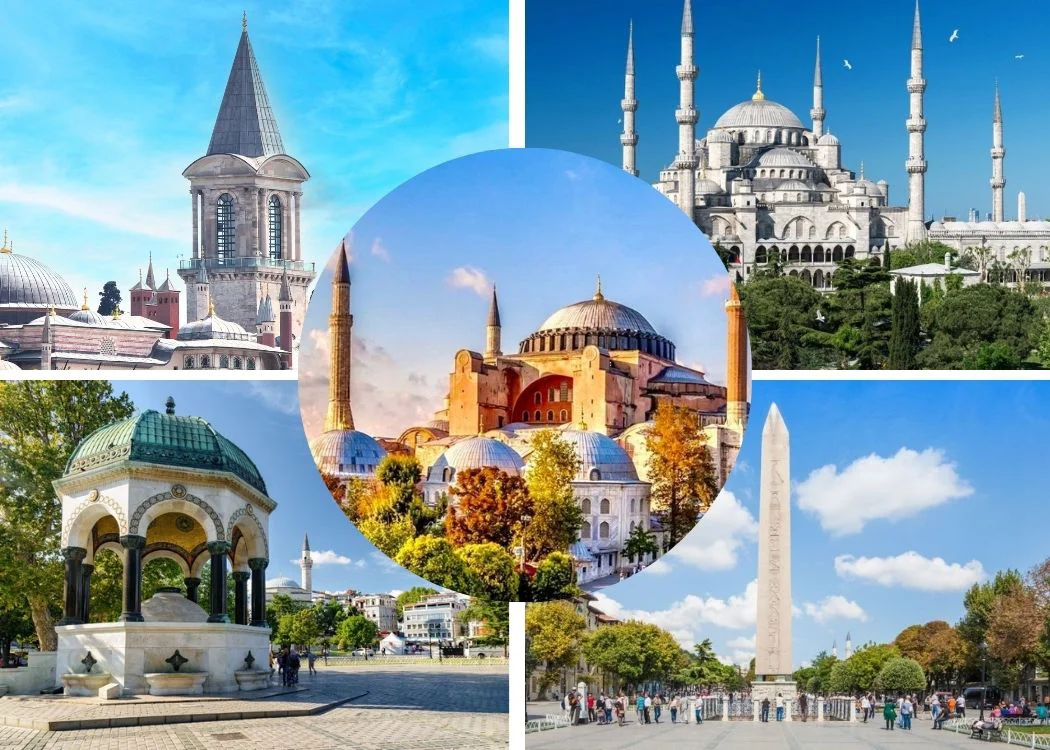
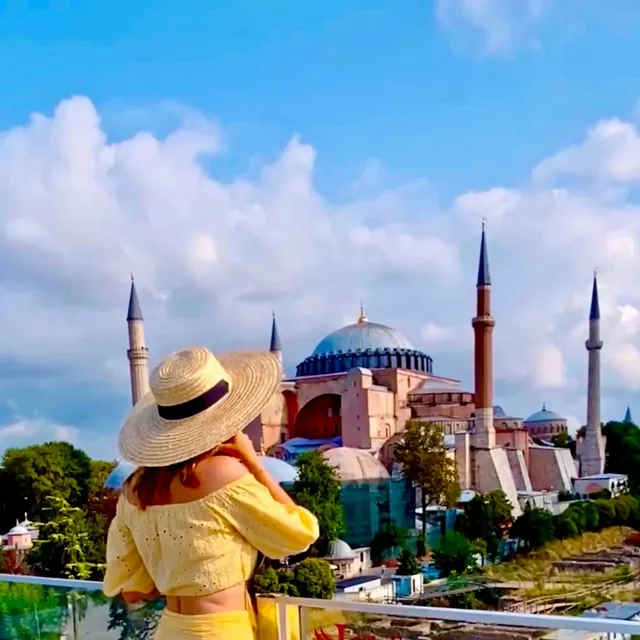
Hagia Sophia is a former Byzantine church and Ottoman mosque, now an active mosque and major visitor site.
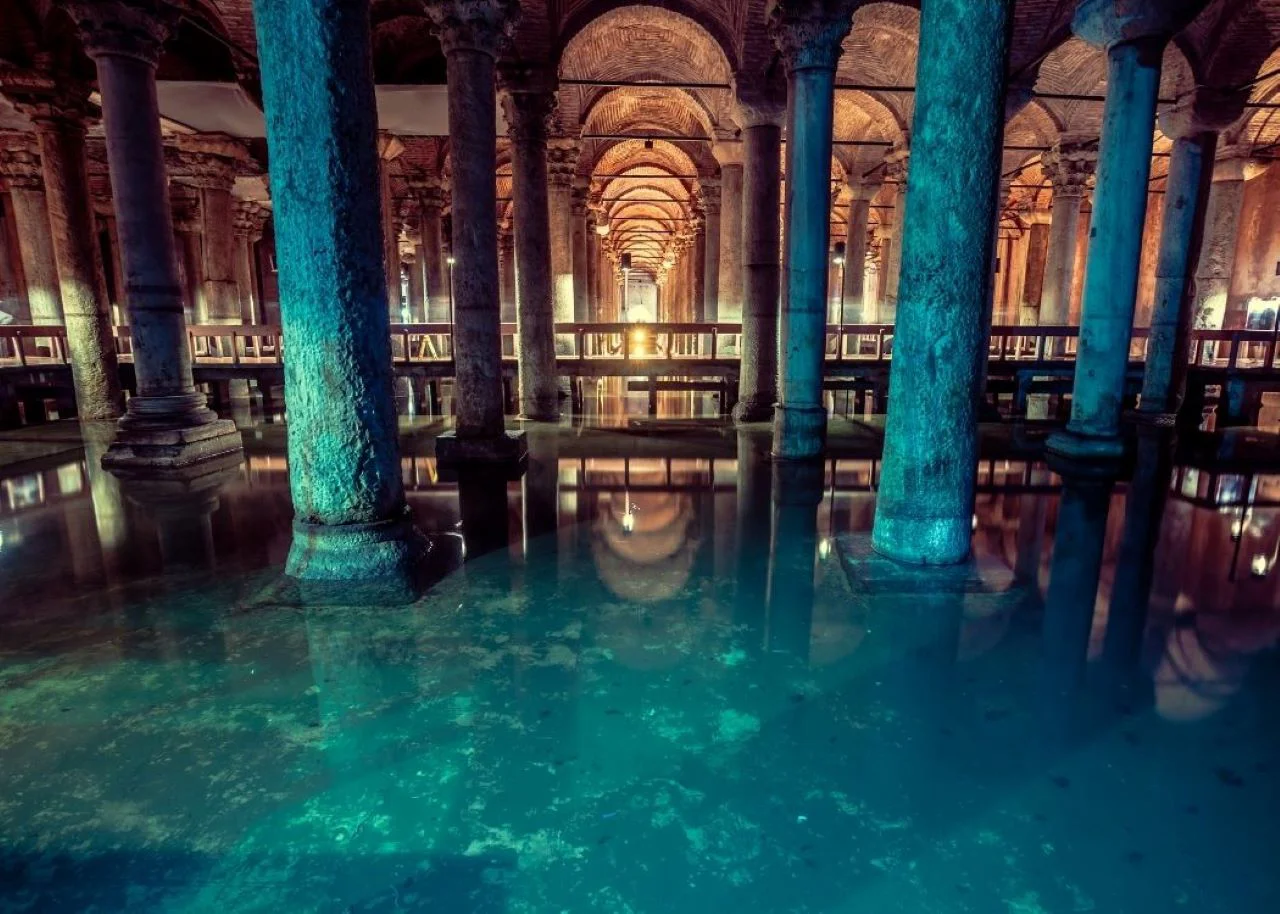
Basilica Cistern is a vast underground Byzantine water reservoir open to visitors.
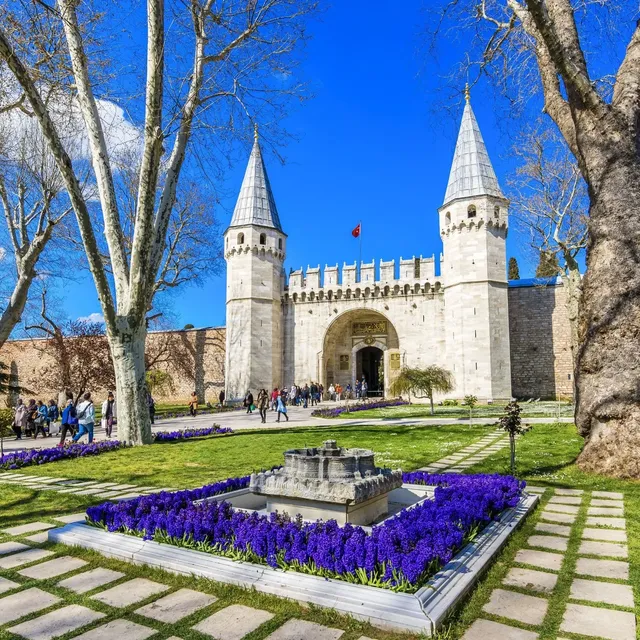
Topkapi Palace is the former imperial residence of the Ottoman sultans.
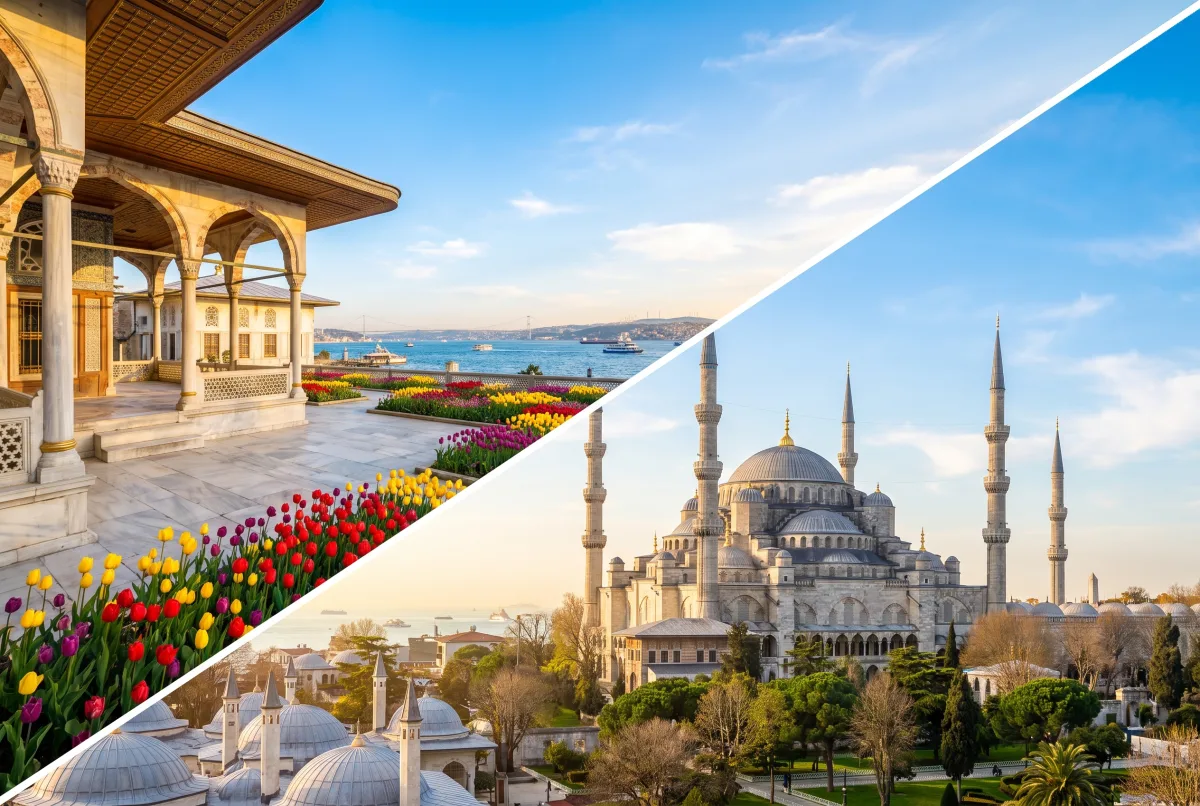
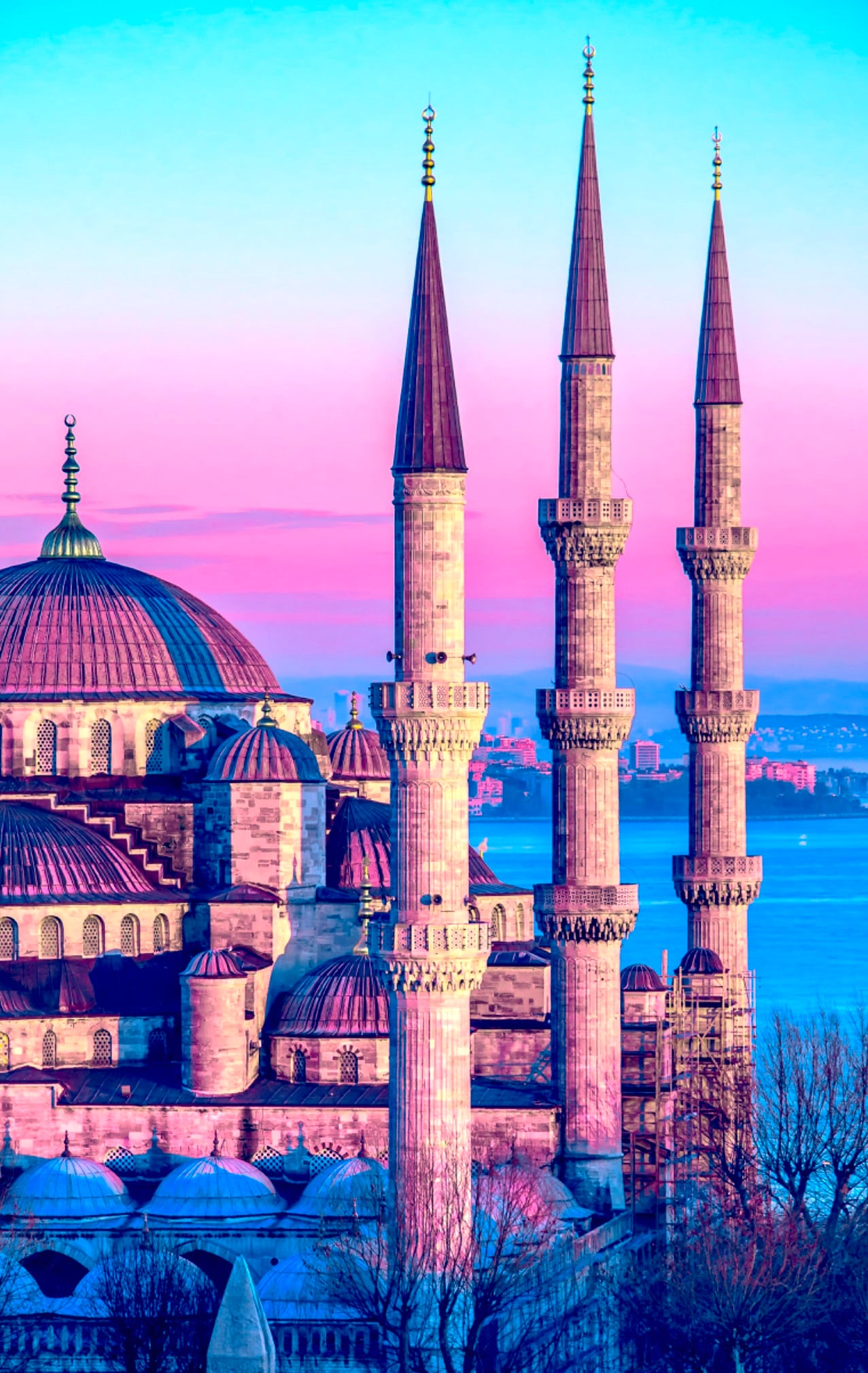
Blue Mosque is an active imperial mosque with free entry for visitors outside worship periods.
Sultanahmet is Istanbul’s old imperial center, where Hagia Sophia, Blue Mosque, Basilica Cistern, and Topkapi Palace sit within a short walk.
Skip-the-Line Istanbul: What Actually Works
The best queue strategy in Istanbul is not one pass or one trick. It is using the right rule for each place:
- Timed ticket: Basilica Cistern first, and sometimes Galata Tower or palace sites if the official system offers it.
- Early arrival: Topkapi Palace and Dolmabahce Palace.
- Prayer-time planning: Hagia Sophia and Blue Mosque.
- No paid fast track: Blue Mosque, where entry is free and payment does not bypass prayer closures or security.
This matters because the city’s biggest sights do not all operate the same way. A museum with controlled admission behaves differently from a working mosque. A palace with security and fixed visitor routes behaves differently again.
A practical rule is to do one high-demand sight at opening, one flexible nearby stop before lunch, and one lower-friction stop later. In Sultanahmet, that can mean Hagia Sophia early, Basilica Cistern on a timed slot, then Blue Mosque between prayer windows.
Use official sources before your visit day, not just marketplace listings. Check current opening days, visitor rules, and prayer-time access policies for each site. For the most reliable update path, verify each attraction on its official ticket page, opening-hours page, or prayer schedule before you go.
For area planning, it also helps to read a local Sultanahmet guide and keep a transport backup ready through an Istanbul transport guide.
Hagia Sophia: Separate the Prayer Line From the Visitor Line
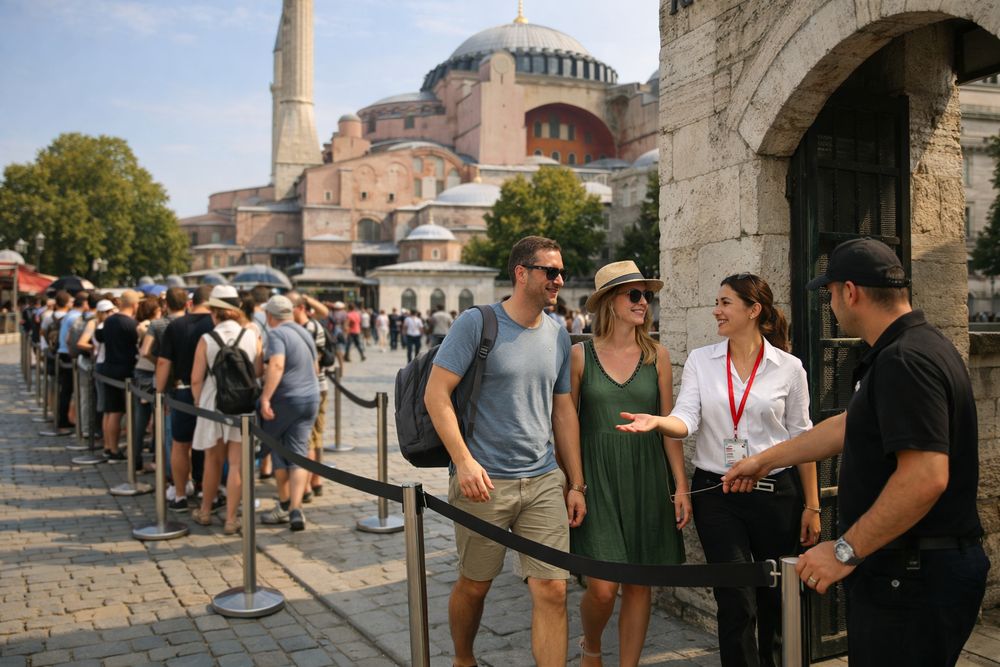
Hagia Sophia is an active mosque with one of the most variable visitor flows in Istanbul. The main mistake here is treating it like a standard museum. Delays usually come from prayer-related access rules, security, and people joining the wrong queue or arriving at the wrong time.
Best arrival windows
Go as early as current visitor rules allow, or choose a later window after a major morning surge has cleared. Avoid arriving right before or during prayer periods. That is when movement becomes stop-start and uncertainty increases.
Check current visitor entrance route, visiting hours, and prayer-time closure rules for Hagia Sophia before you go, ideally against the official visitor information page and the current prayer schedule. If you see several tour groups gathering in the square, expect the line to swell quickly even if it looked manageable a few minutes earlier.
What to book in advance
Use a decision rule here:
- If the official system currently uses paid visitor access or timed entry for non-worship areas: book in advance.
- If access is handled through hosted entry or guided routing: book only if it clearly simplifies the official visitor process.
- If the official route is walk-up only: focus on arrival time, light bags, and prayer-window planning rather than paying extra elsewhere.
Check whether Hagia Sophia requires a paid visitor ticket for non-worship areas, and the latest official pricing on the official ticket or visitor page before publishing.
Dress respectfully and pack lightly. Security is often a bigger delay than the line shape suggests.
After Hagia Sophia, the easiest nearby next stop is Basilica Cistern, Blue Mosque, or Topkapi Palace, depending on your slot times and prayer windows.
Blue Mosque: Avoid Queues Without Paying for Entry
Blue Mosque entry is free. That is the key fact. There is no normal paid ticket that lets you bypass prayer closures or security, so the correct strategy is timing, dress-code readiness, and patience.
Prayer times matter most
Use a simple rule: visit between prayer windows, not near them. If a closure is approaching, do another nearby stop first and return later.
Check current prayer-time visitor access windows for Blue Mosque on the official prayer schedule or current visitor information source on the day. Morning often feels easiest, but exact patterns change by season and group traffic.
If you arrive and find a line forming right after access reopens, it can be smarter to let the first cluster pass rather than joining immediately.
Dress code and security reality
Blue Mosque is where many travelers waste time trying to solve the wrong problem. The issue is not ticketing. The issue is access timing and entry readiness.
Keep these rules in mind:
- Entry is free.
- Payment does not bypass prayer closures.
- Payment does not bypass security screening.
- Dress-code issues can slow you down as much as the queue itself.
Carry what you need before you arrive and avoid bulky bags. If the entrance area looks crowded, use the time for the courtyard or a quick loop through Sultanahmet Square, then return once the first wave has moved.
Blue Mosque pairs well with a timed-entry stop nearby because the two delay patterns are different. A good pairing is Blue Mosque plus Basilica Cistern, or Blue Mosque plus a wider Sultanahmet area guide if you want a lower-pressure old-city morning.
Basilica Cistern: Timed Entry Helps Most Here
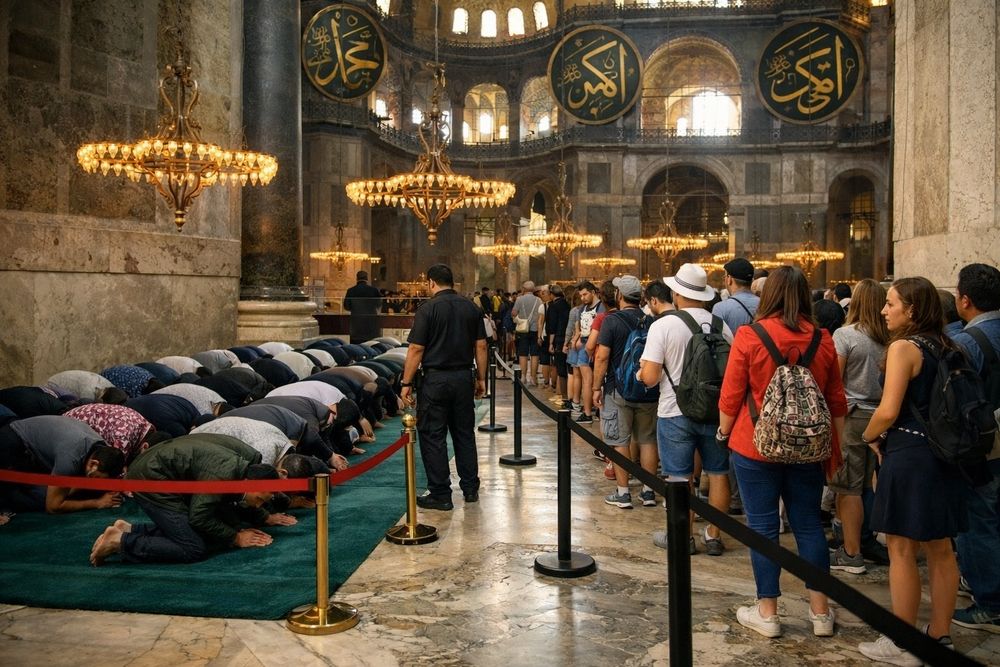
Basilica Cistern is usually the clearest case for advance booking in central Istanbul. It is compact, famous, sheltered from weather, and easy to fit into any itinerary, which is exactly why lines build fast.
Why midday feels slower
Late morning through mid-afternoon is often the slowest-feeling period because the cistern absorbs overflow from the rest of Sultanahmet. Rain, heat, prayer closures at nearby mosques, and delayed tour groups can all push more people here at once.
If official timed entry is available, book it. This is the attraction where a pre-booked slot most often turns a long wait into a short one. Check current ticket options, timed-entry policy, and final admission time for Basilica Cistern on the official ticket page or current visitor information page.
For fewer people in your photos, target one of the first available slots of the day if your schedule allows.
Pair it with Sultanahmet sights
Basilica Cistern works best as part of a short walking sequence. Good combinations include:
- Hagia Sophia first, then Basilica Cistern
- Blue Mosque between prayer windows, then the cistern
- The cistern, then Topkapi Palace if you still have a half day left
Protect this stop from taking over your day. A long wait for a short visit is the classic mistake here.
Topkapi Palace: Use Early Entry and Split the Complex
Topkapi Palace is large, but that does not mean it feels line-free. The main pressure points are the entrance process and the busiest interior sections. If you arrive late and try to do everything in one sweep, the day can start to drag.
Which sections back up first
The first delays usually happen at security and ticket checks. After that, the most popular rooms and optional sections can develop their own bottlenecks.
Use this decision rule:
- If official advance tickets are available: buy ahead.
- If not: arrive at opening and head first to your highest-priority interiors.
- If you want a relaxed visit: split the palace mentally into anchor sections and accept that you may not need every room.
Check current Topkapi Palace opening days, ticket types, and whether separate sections require separate timed entry on the official palace ticket and opening-hours pages.
How much time to allow
Topkapi needs a real block of time. It is usually better as a half-day anchor than as a filler between smaller stops.
If you want another nearby museum without long cross-city transfers, pair it with Istanbul Archaeological Museums. If you are planning the whole old city together, connect it with Hagia Sophia, Basilica Cistern, or a broader Sultanahmet guide.
Dolmabahce Palace: Plan Around Tours and Security
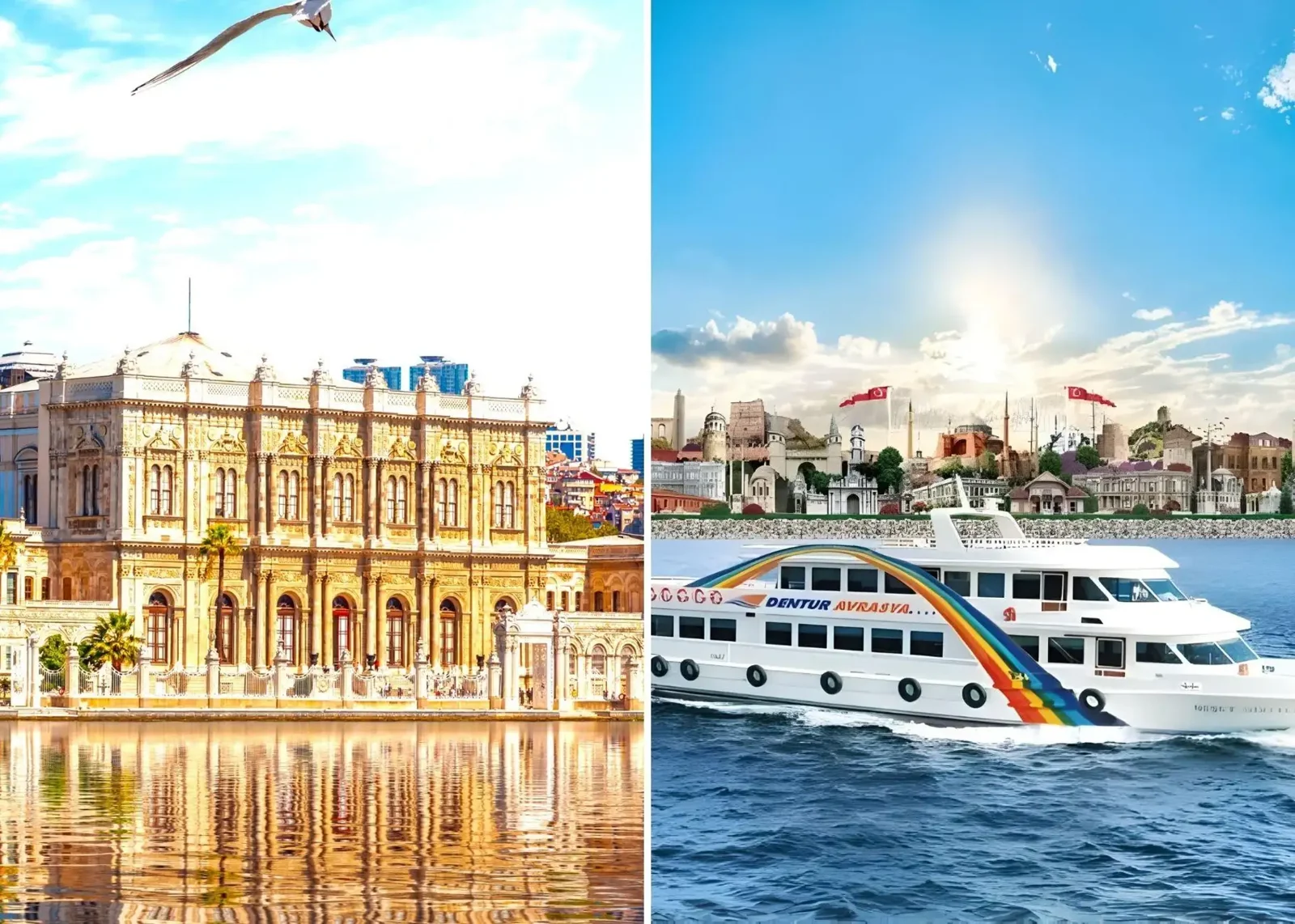
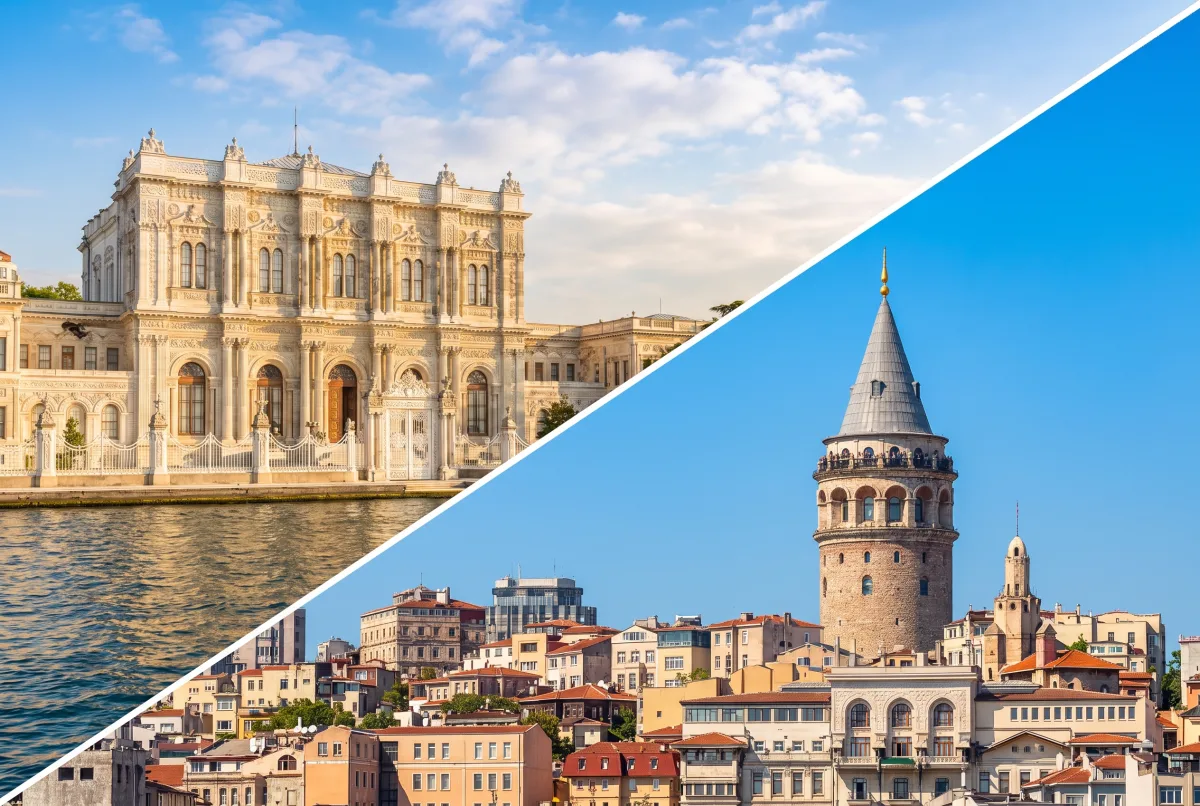
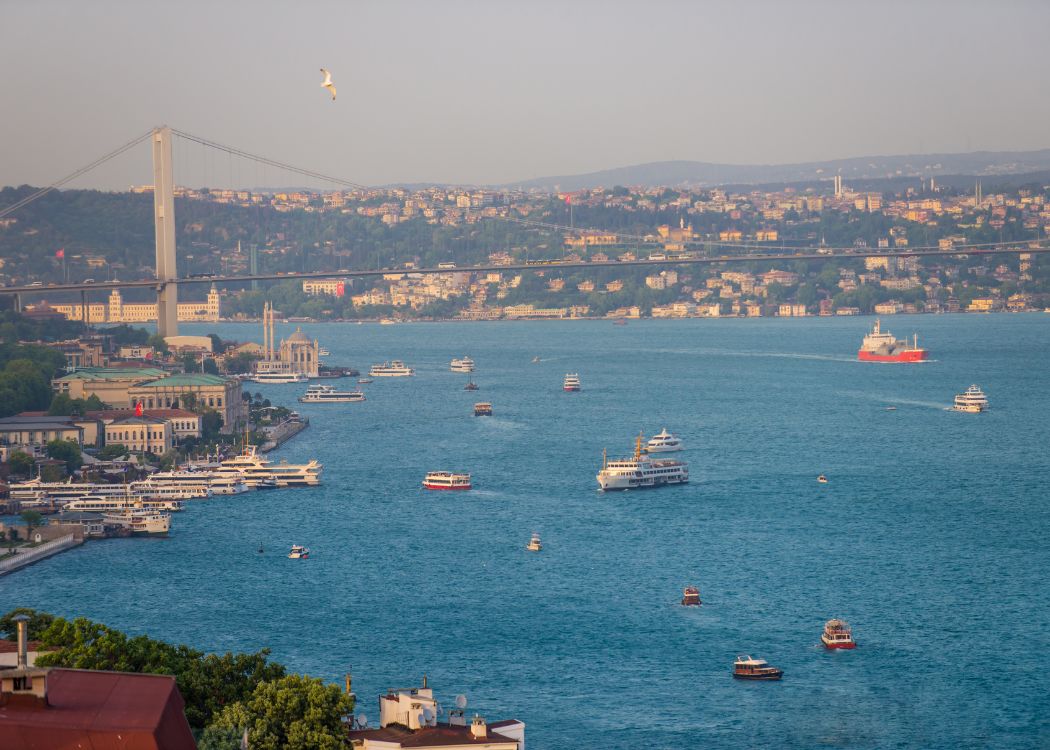
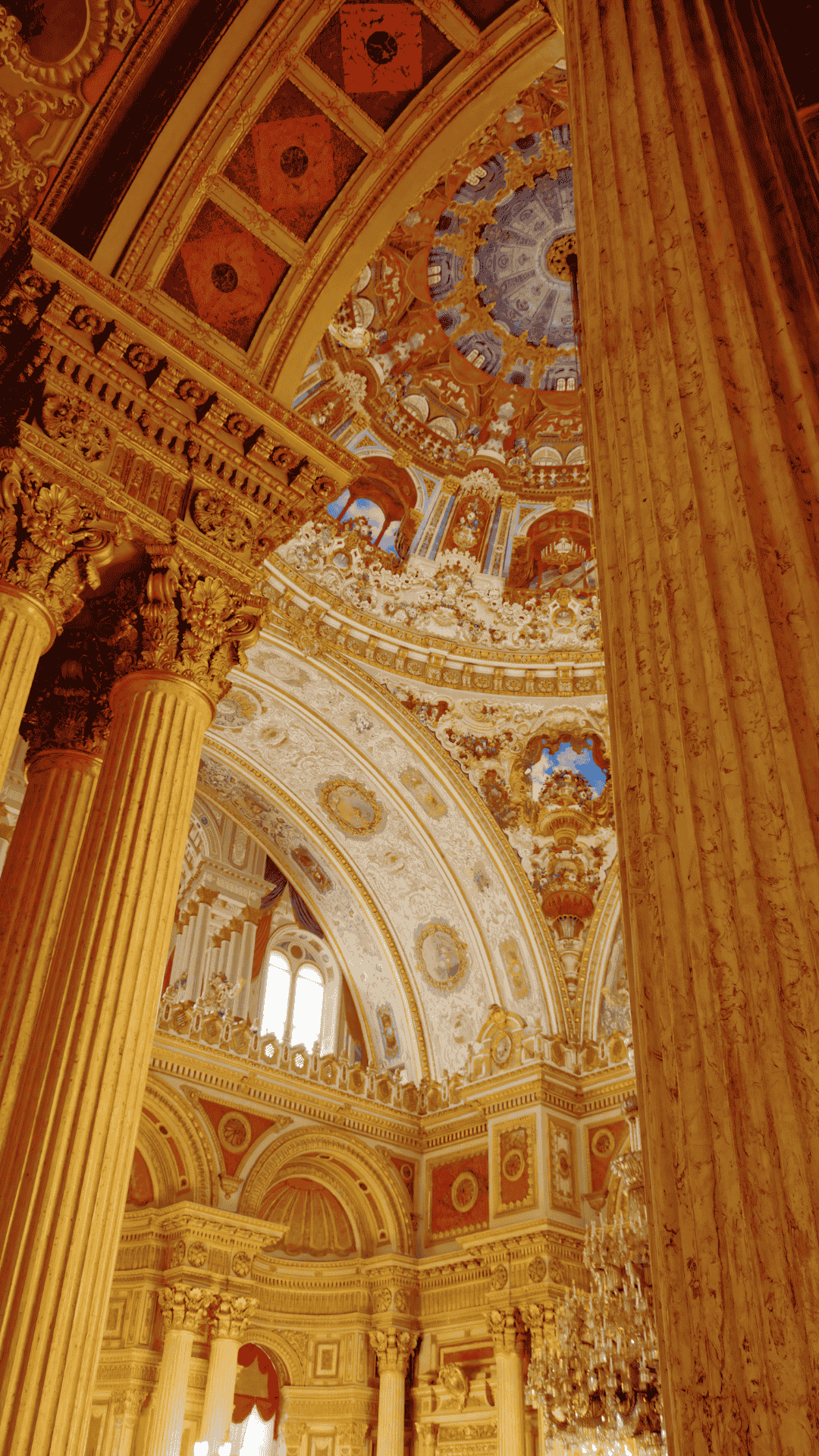
Dolmabahce Palace is a 19th-century Ottoman waterfront palace on the Bosphorus. It has a different queue pattern from Topkapi: more fixed routing, more processing at entry, and less flexibility once visitor waves form.
What slows entry
The main delays are usually security, ticket processing, and clustering around the current visit format, whether that means timed admission, a fixed route, or audio-guide distribution. Even when the line looks moderate, the pace can be slow.
Use this decision rule:
- If the official site offers timed tickets: book the earliest practical slot.
- If the official system is mainly walk-up: arrive before opening or very close to it.
- If your date is flexible: choose a quieter weekday pattern rather than a high-demand weekend-style visit.
Check current Dolmabahce Palace opening days, guided or self-guided format, and ticket structure against the official palace ticket and visitor-information pages.
Once inside, expect the route to be less improvisational than Topkapi, so late arrival gives you fewer recovery options.
Smart Bosphorus-side pairing
Dolmabahce works best if you keep the rest of the day nearby. A strong plan is:
- Dolmabahce at opening
- A Bosphorus-side walk or nearby café break
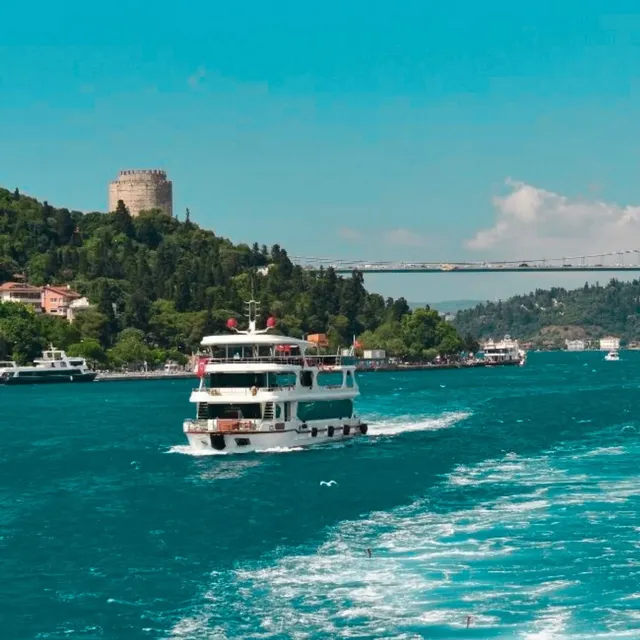
- A later Bosphorus cruise or another waterfront stop once palace demand is higher
This area is less forgiving if you keep zigzagging across the city. Use a local plan and avoid unnecessary transfers during the middle of the day. If you are moving onward, check an Istanbul transport guide first.
For related planning, add an internal stop such as Dolmabahce Palace to your saved list so you are not rebuilding the route on the go.
Galata Tower and Other Queue-Prone Stops
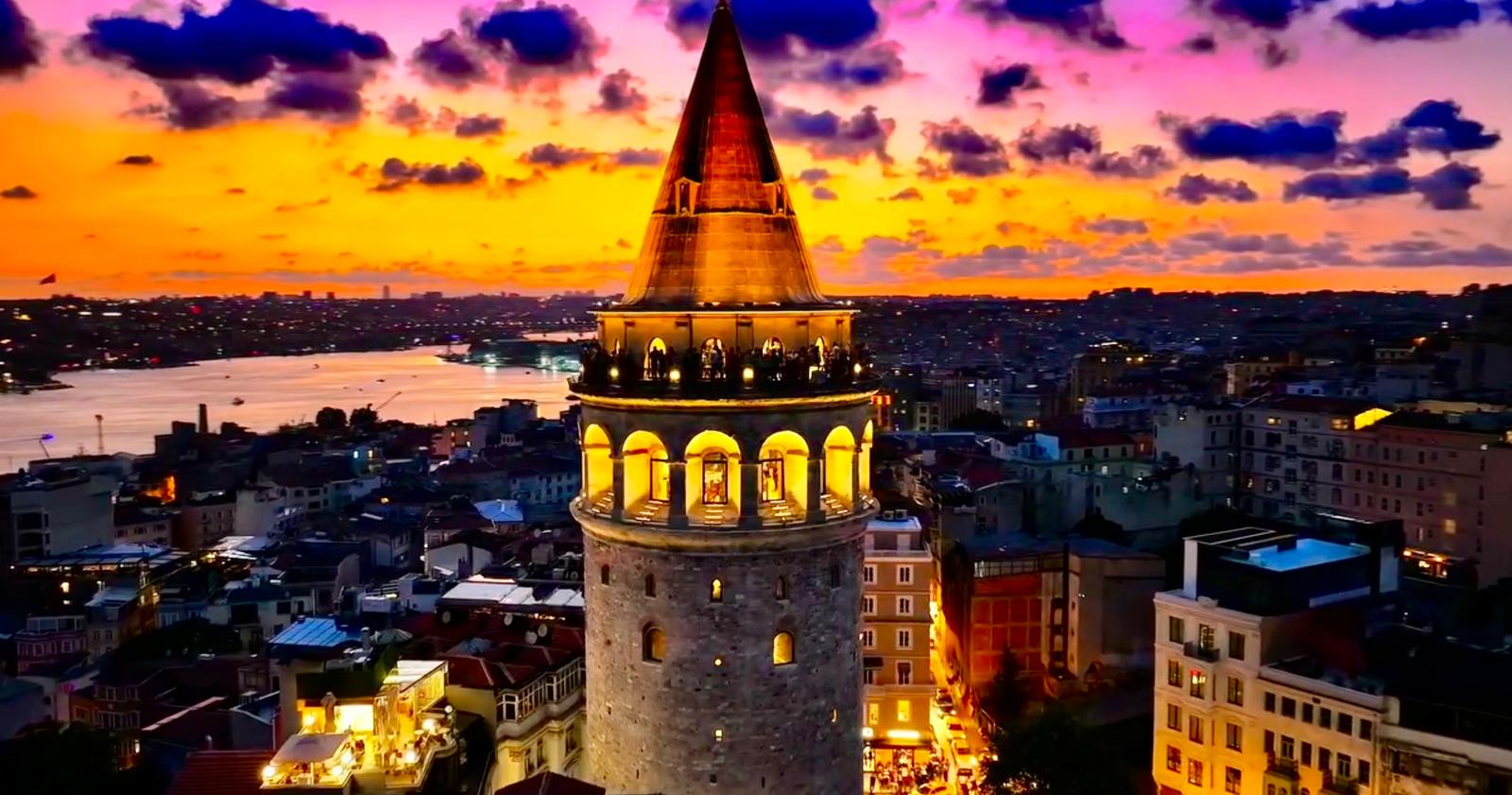
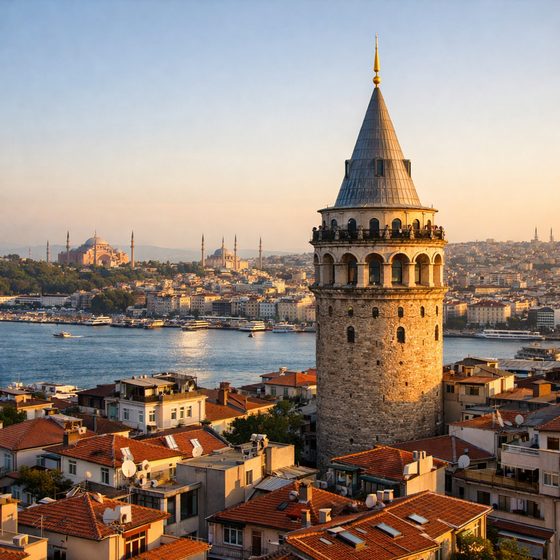
Galata Tower is a medieval stone tower with panoramic city views. The line strategy is straightforward: the closer you get to sunset, the more likely you are to face the day’s worst queue.
Sunset timing
Sunset is popular for a reason, but it is the hardest time to keep efficient. If a specific sunset view matters to you and the official system offers timed admission, book it. If not, choose an earlier daytime hour for a smoother visit.
Check current Galata Tower ticketing method, timed-entry availability, and sunset-hour operating policy on the official ticket and operating-hours pages.
Worth booking ahead or not
Use this rule:
- Galata Tower itself: yes, if official timed booking exists and you want a fixed hour.
- Nearby streets and viewpoints: no, just walk them freely.
- If sunset is your only possible time: expect a queue even with planning.
The neighborhood is easy to enjoy without strict scheduling. You can pair Galata Tower with Istiklal Avenue, Karakoy, or a ferry crossing, then save controlled-entry attractions for earlier in the day.
The same logic applies elsewhere in the city: if the delay comes from controlled capacity, booking helps. If the delay comes from everyone choosing the same scenic hour, timing matters more than a marketplace add-on.
Sample No-Wait Itineraries by Area
Here are practical templates rather than rigid schedules.
Sultanahmet morning-first plan
- Hagia Sophia at the earliest workable visitor window
- Blue Mosque between prayer windows
- Basilica Cistern on a pre-booked timed slot
- Lunch nearby
- Topkapi Palace only if you still have a true half day left
Useful links: Hagia Sophia, Blue Mosque, Basilica Cistern, Topkapi Palace, Sultanahmet Square.
Bosphorus-side plan
- Dolmabahce Palace at opening
- Waterfront break nearby
- Bosphorus cruise or another Bosphorus-side activity in the afternoon
- Cross-city move only after the main palace rush has passed
Useful links: Dolmabahce Palace, Bosphorus cruise, Istanbul transport guide.
Galata-Karakoy plan
- Galata Tower at a non-sunset hour
- Walk the neighborhood at your own pace
- Continue to Istiklal Avenue or ferry onward later
Useful links: Galata Tower, Istiklal Avenue.
Cruise or short-stay plan
If your time is tight, do not attempt all headline sights in one block. Pick one major timed or opening-hour attraction, one free-flex mosque visit, and one backup. Build buffer for transfers and crowd swings. Check current average transfer times from port or hotel districts to major sights by season and traffic pattern using current transport guidance before committing to a tight sequence.
Common Mistakes That Create Long Waits
The most common mistakes are practical, not complicated:
- Arriving in Sultanahmet at the same mid-morning hour as everyone else
- Assuming every line can be solved by paying extra
- Buying a product for Blue Mosque even though entry is free
- Forgetting that payment does not bypass prayer closures or security at active mosques
- Reaching Hagia Sophia without checking current visitor rules first
- Going to Galata Tower at sunset without a confirmed timed option
- Carrying too much through security
- Crossing the city repeatedly instead of planning by district
Official updates matter because routes and access rules can change. Before your trip day, check latest official closure notices, restoration impacts, and special-event access limits for major Istanbul sights.
Final Advice Before You Book
If you want the shortest version, use this:
- Book timed entry for Basilica Cistern when available.
- Start Topkapi and Dolmabahce early.
- Treat Hagia Sophia as a prayer-and-routing question, not just a ticket question.
- Remember that Blue Mosque is free, and no payment bypasses prayer closures or security.
- Avoid sunset at Galata Tower unless that specific hour matters enough to justify the queue.
The best Istanbul queue plan is a mixed plan, not an all-pass plan. Start with your must-sees, check the official pages tied to each item, and shape the day around one district at a time. You will still encounter crowds, but you can avoid turning every famous sight into a line.