That uncertainty is part of the appeal, not a flaw in the story. The heads are memorable because they sit at the intersection of classical myth, Byzantine engineering, and Istanbul’s long habit of rebuilding with older stone. Official Basilica Cistern materials explain the site as a 6th-century cistern associated with Justinian, while art-historical and archaeological writing on spolia, reused architectural material from earlier buildings, helps explain why such striking fragments ended up here at all verify standard dating wording used on current official material verify if any current museum or academic source narrows the origin claim.
Key Takeaways
- The two Medusa heads are at the far end of the cistern and serve as column bases.
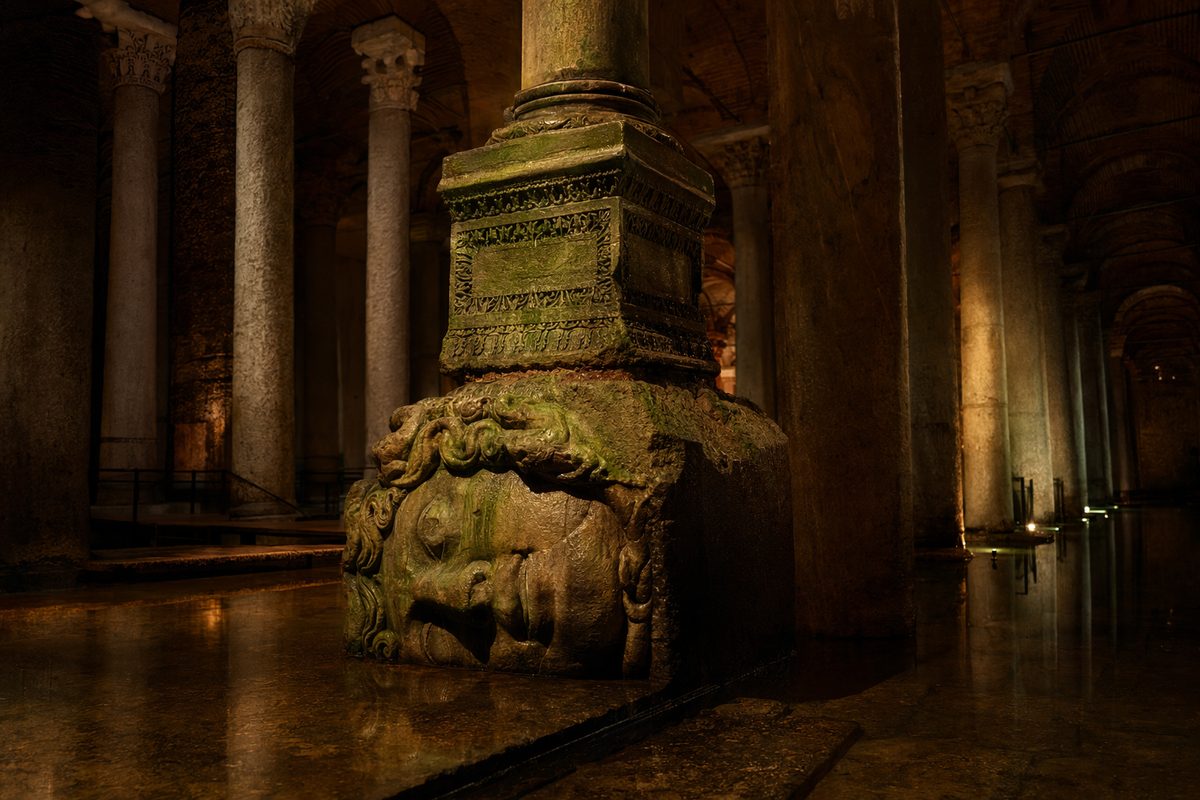
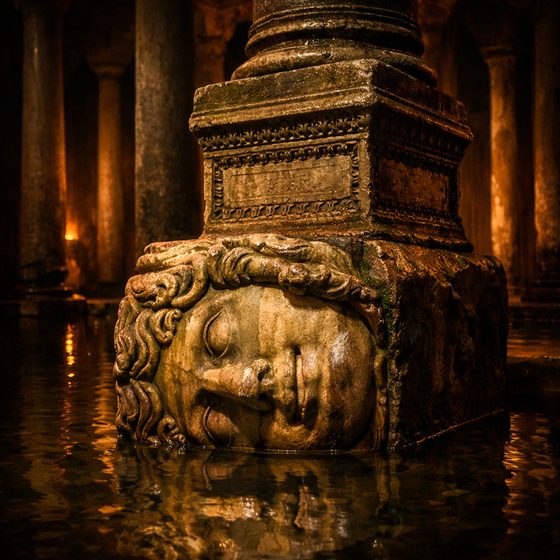
- One head is turned sideways, while the other is upside down.
- The leading theory is practical reuse from an older Roman-era monument.
- A symbolic explanation is possible, but not proven.
- The heads make the most sense when you see them as both sculpture and building material.
What the Medusa heads really mean
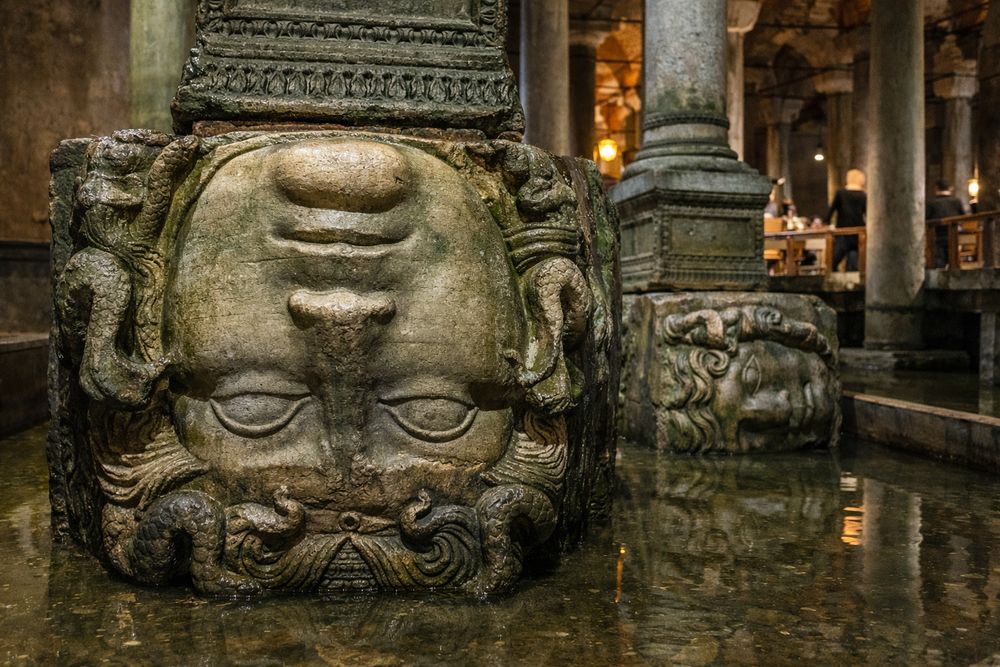
If you are searching for the basilica cistern medusa story, the most honest answer is that the heads do not carry one settled meaning. In Greek mythology, Medusa is the snake-haired Gorgon whose gaze turns viewers to stone. Inside the cistern, though, the heads are not just mythological images. They are reused stone blocks embedded in a working structure.
That distinction matters. Visitors often arrive expecting a hidden-code explanation, but the heads are more compelling as evidence of how cities are actually built. Decorative sculpture from one period can become infrastructure in another. In that sense, the Medusa heads belong as much to Byzantine construction history as to ancient myth.
They also sharpen the site’s larger theme. The Basilica Cistern is not a clean, single-period monument. It is a space where Roman forms, Byzantine needs, Ottoman Istanbul above, and modern museum presentation all meet in one room.
Where the Medusa heads are inside the Basilica Cistern
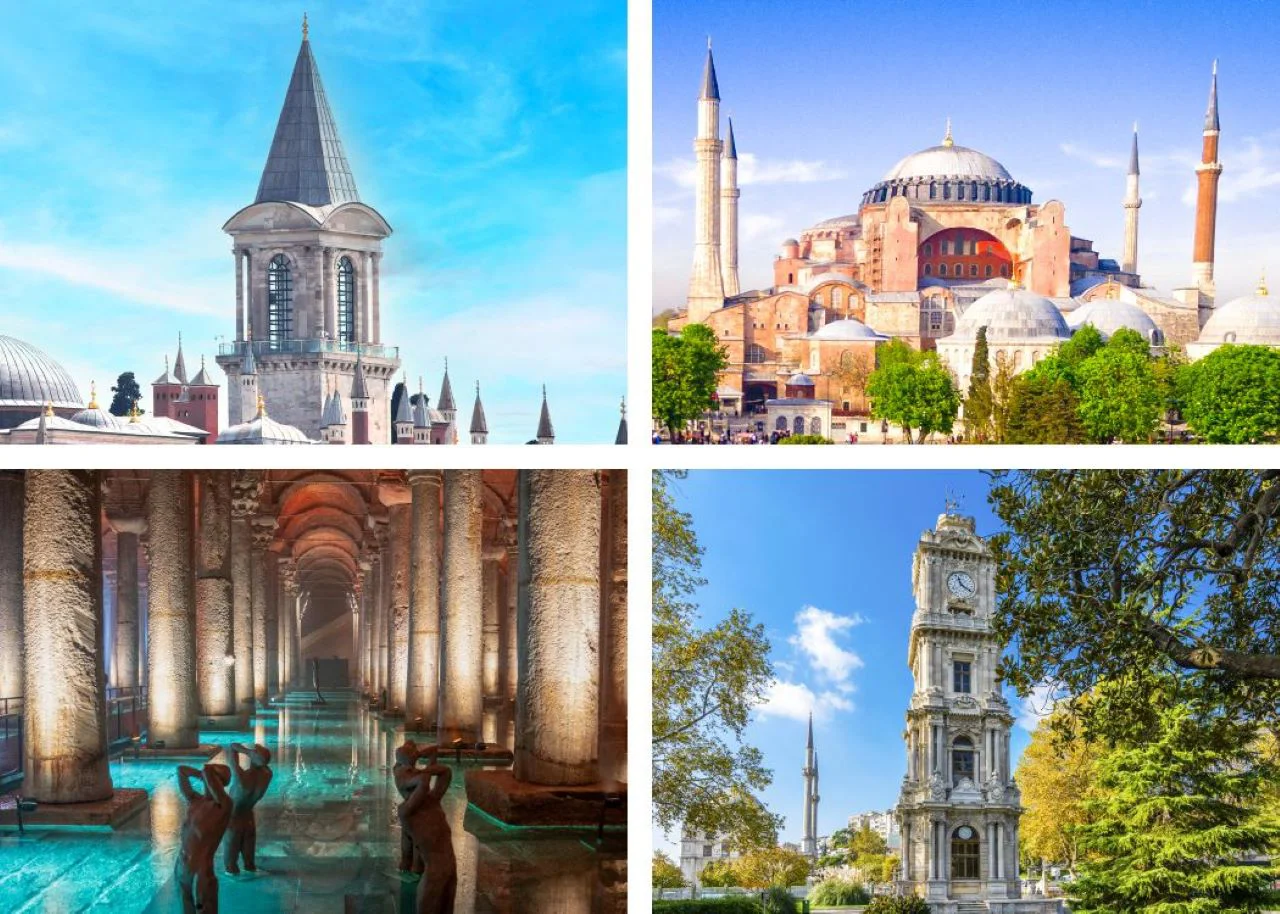
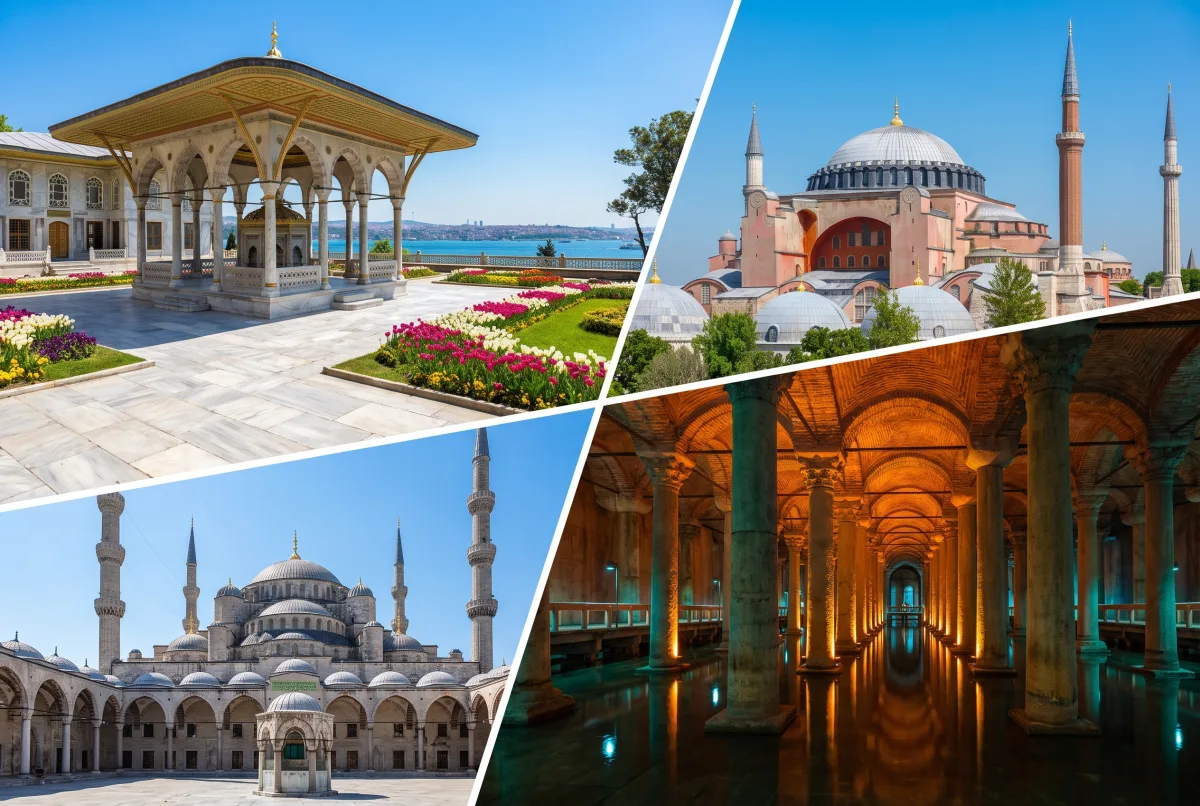
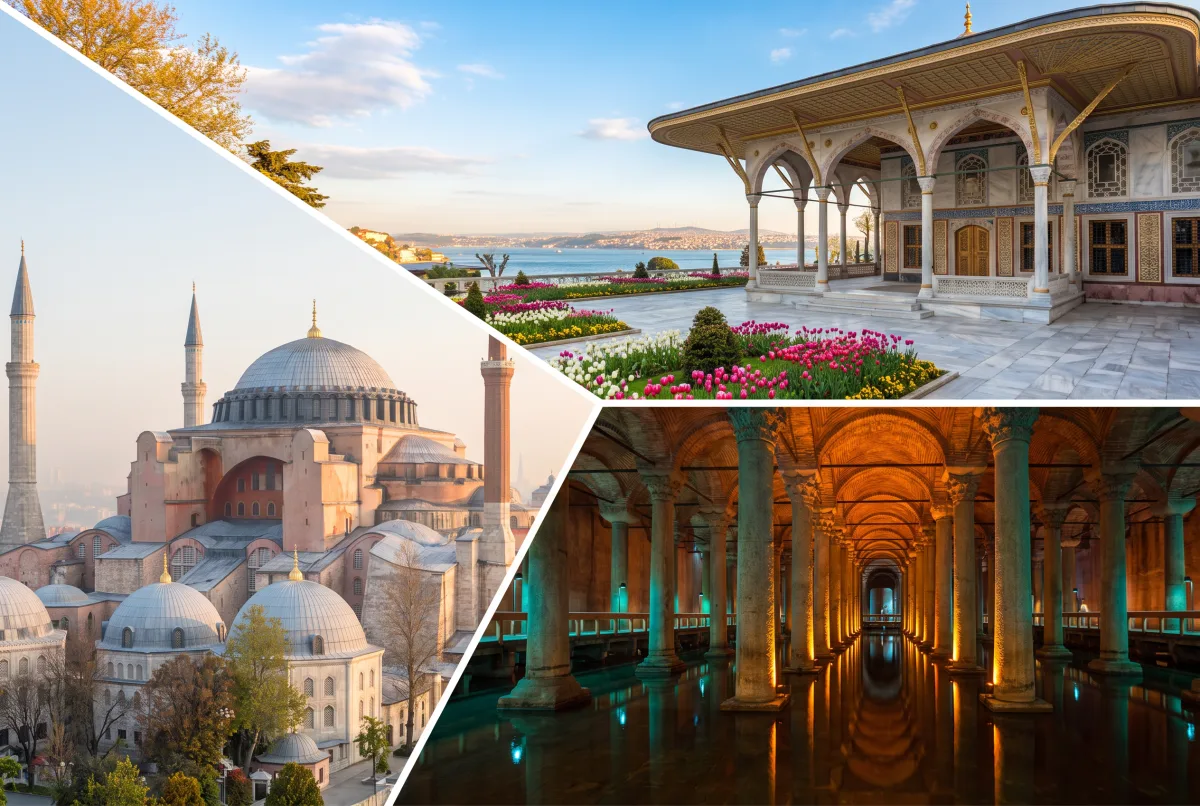
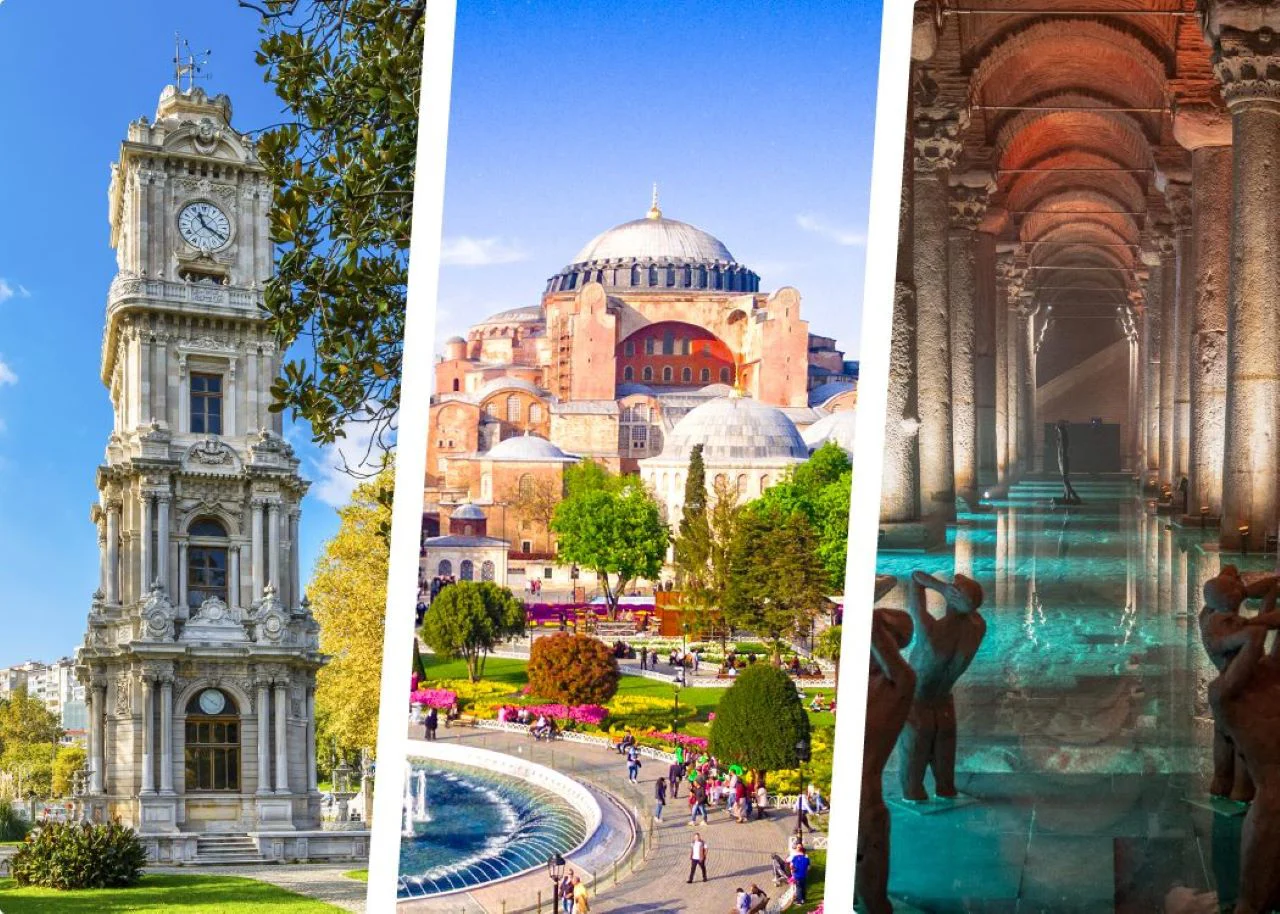
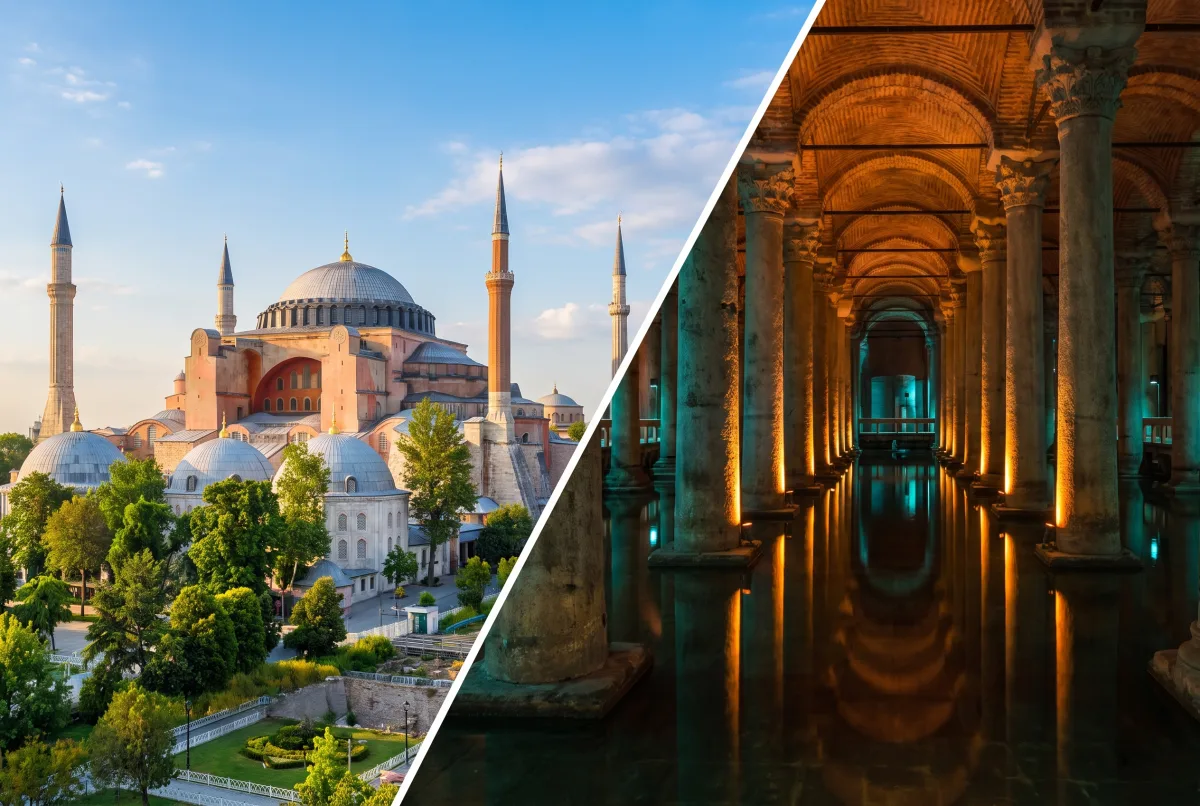
The Basilica Cistern sits in Sultanahmet, Istanbul’s historic core, close to Hagia Sophia and the Blue Mosque. The Medusa heads are placed in the northwestern corner of the cistern at the end of the visitor path verify exact directional description on current visitor route.
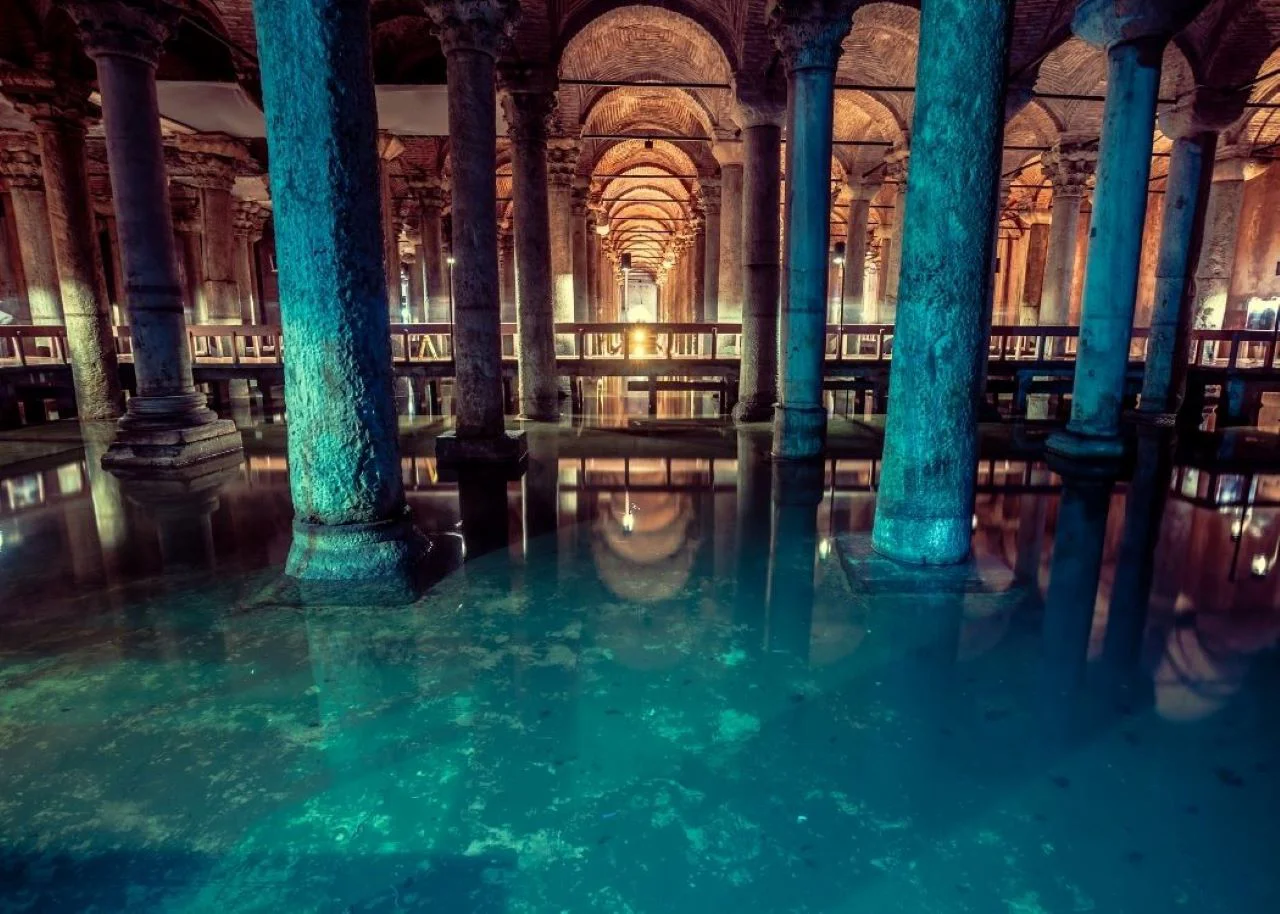
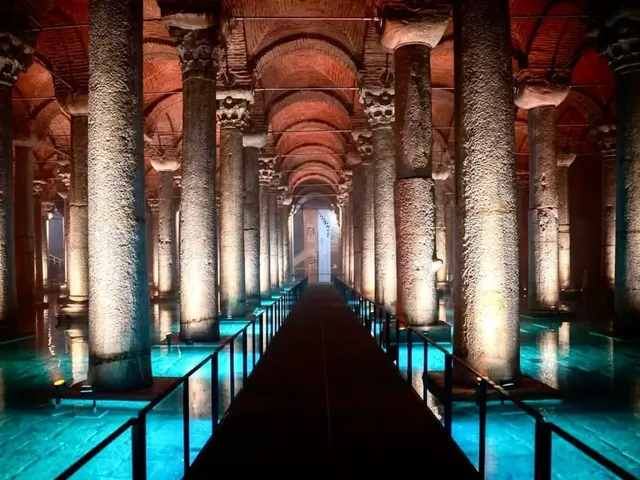
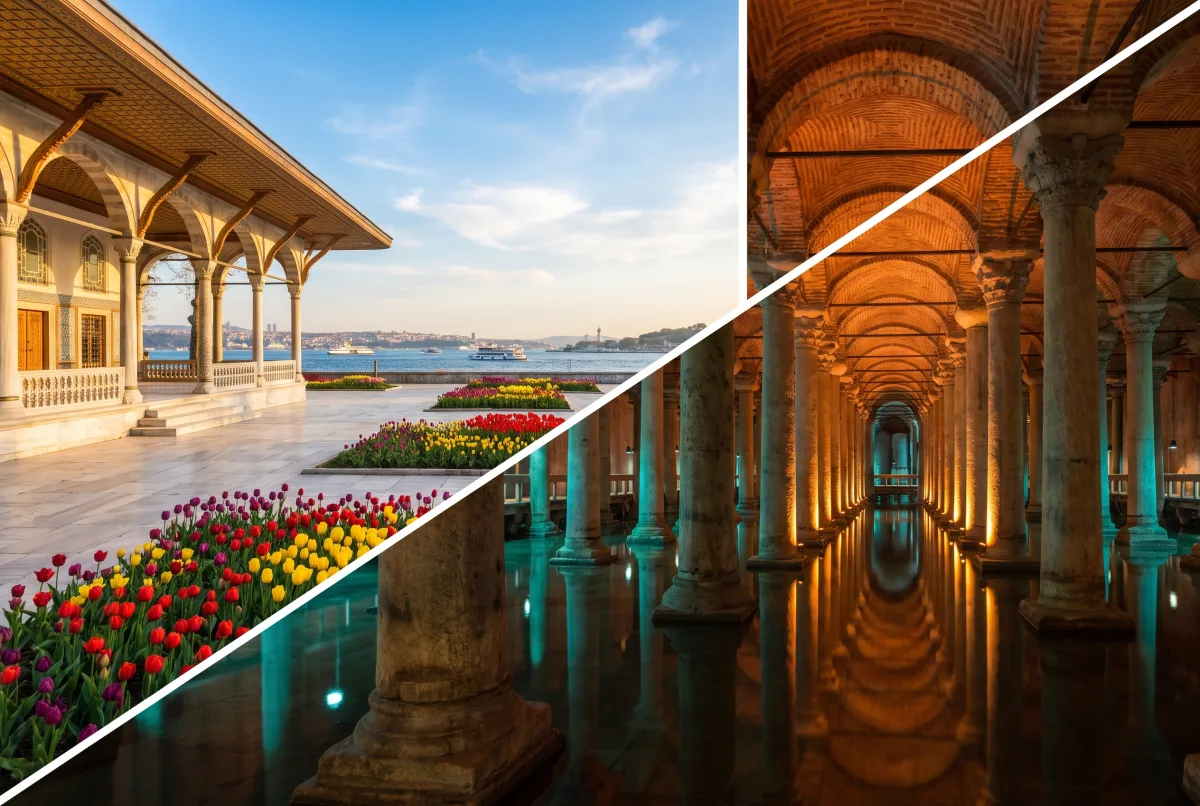
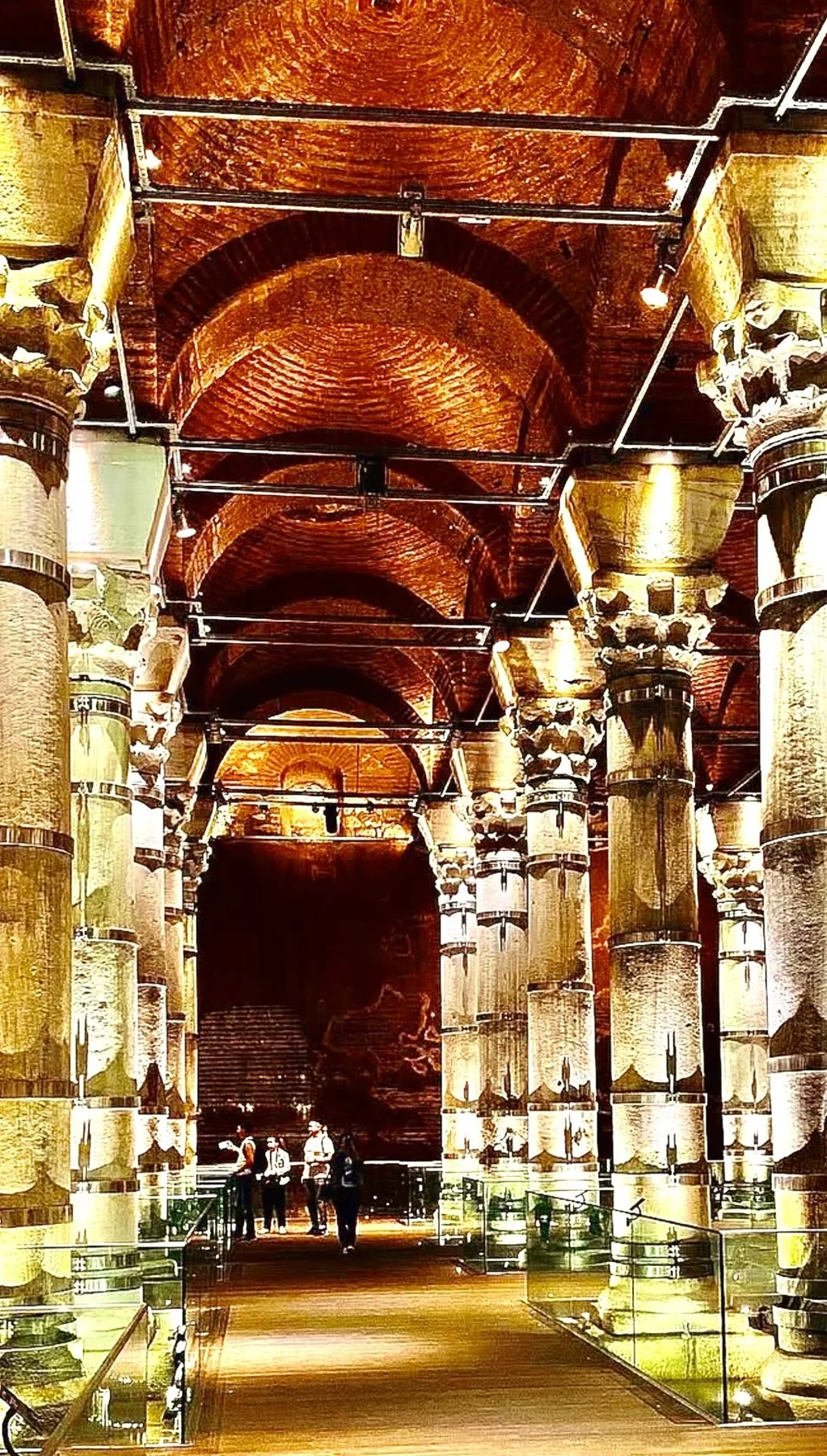
You do not see them immediately. The route leads you through rows of columns, raised walkways, and reflective water before the crowd begins to cluster near the back.
How to find them on your route
Follow the main walkway toward the far end. In practice, there is usually little guesswork because signs, staff direction, and the flow of visitors tend to lead you there confirm current wayfinding setup inside the cistern.
For a better view, let one group pass before stepping closer. Then look at the heads from both sides. The different angles change how the carving reads.
What to look for in the stonework
Each Medusa head functions as a pedestal beneath a column. The orientation alters the effect of each face, so the carvings do not read the same way even though both are large mythological heads repurposed for support.
Look closely at the eyes, lips, and snake locks, but also at the edges, wear, and how the blocks meet the architectural load above. Those details support the practical-reuse argument more than the idea of a carefully staged symbolic display.
The scale is worth noticing too. In photographs, the heads can look like isolated attractions. In person, they make more sense as part of a larger forest of columns.
Why one Medusa is upside down and the other is sideways
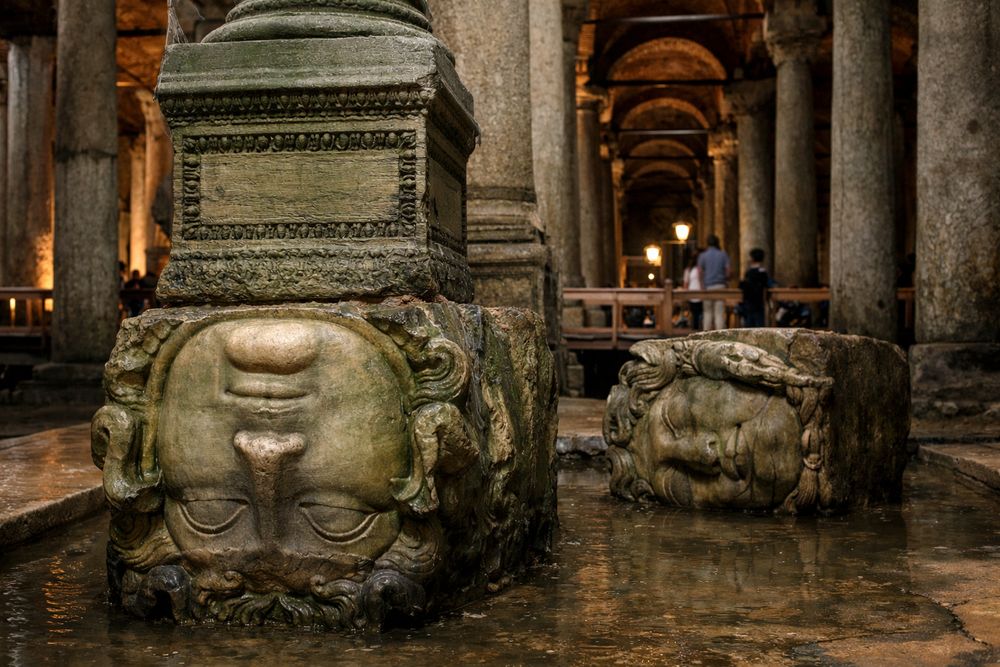
This is the central question, and there is no surviving inscription or contemporary document that gives a final answer. Most explanations fall into two groups: practical reuse and symbolic intent.
The practical reuse theory
This is the strongest theory. Builders needed column bases, had access to large carved blocks from an earlier monument, and set them in whichever orientations gave the right fit and height.
That explanation aligns with what scholars know about late antique and Byzantine building practice. Reused architectural elements, commonly called spolia, are older columns, capitals, reliefs, and stone blocks inserted into newer structures. Spolia are common across Istanbul and the wider former Byzantine Empire, the eastern continuation of the Roman Empire centered on Constantinople.
Seen that way, the Medusa heads are unusual in image but not in principle. Their dramatic appearance may be accidental from a symbolic point of view, even if it feels highly deliberate to modern visitors.
The symbolic theory
A second theory says the heads were turned to neutralize Medusa’s power. Because Medusa’s gaze was associated with petrification, placing the image upside down or sideways may have been understood as a way to disarm it.
The idea is plausible enough to survive in guidebooks and visitor conversation. It also fits Medusa’s ancient reputation as an image of danger and protection. But the evidence is still thin. Without a direct source from the builders, the symbolic reading remains possible rather than proven.
What historians can and cannot prove
Historians can compare the heads with other reused materials, study the cistern’s construction context, and note that the blocks function effectively as supports. They can also point out that reemployment of older sculpture was standard practice in many late Roman and Byzantine settings.
What they cannot do is state the builders’ intent with certainty. So the careful answer is not that the mystery has been solved, but that the practical explanation fits the available evidence best.
How the Medusa heads likely got into the cistern
The Basilica Cistern is generally dated to the reign of Emperor Justinian I in the 6th century according to standard site and municipal descriptions verify standard dating wording used on current official material. The Medusa blocks, however, were probably made earlier and brought in from another Roman-era building.
Their original source is still unknown. They may have belonged to a civic monument, a public building, or another substantial architectural setting, but there is no firm consensus on the exact origin verify if any current museum or academic source narrows the origin claim.
That kind of uncertainty is normal in a city with Istanbul’s building history. Stone moved. Structures collapsed, were dismantled, or were stripped for useful parts. Reuse was not a sign of carelessness; it was a normal and often skilled response to available materials, cost, and time.
For broader background, see our guide to the Byzantine Empire and spolia.
What Medusa meant in the ancient world
In ancient Mediterranean art, Medusa was more than a monster from a story. She was part of the wider Gorgon tradition, and her face could serve an apotropaic role, meaning it was meant to ward off harm. Fierce faces, staring eyes, and exaggerated features often appeared on armor, buildings, and objects as protective devices.
That context helps explain why a Medusa image could carry more than one meaning. To one audience, it might signal danger. To another, protection. To Byzantine builders reusing stone, it may simply have been a strong, available block whose earlier symbolism mattered less than its dimensions.
If you want the mythological background before you visit, read our Medusa mythology explainer.
What the heads feel like in person
The experience is stronger than most photos suggest. You hear the cistern before you fully read it: softened footsteps, drifting voices, and water catching the light beneath the platforms.
Then the heads appear in a setting that refuses museum neatness. They are not isolated on plinths in bright light. They are pinned into architecture under columns, partly obscured by shadow and moisture. That is what gives them their force.
If you have time, first step close to study the carving, then move back several paces. The second view is often better for understanding how the heads belong to the wider geometry of the cistern rather than standing apart from it.
For the full site overview, see our guide to the Basilica Cistern.
How to visit the Basilica Cistern and see the Medusa heads
The Basilica Cistern is one of the easiest major sights to visit in Sultanahmet because it sits within walking distance of several of Istanbul’s headline monuments. Before you go, check the official Basilica Cistern or municipal pages for current hours, ticketing, and entry rules, since these can change current Basilica Cistern opening hours current Basilica Cistern ticket options and prices. If advance booking is available on official channels, it can help during busy periods verify current official advance booking options.
Best time to go
Early morning is usually the best bet if you want a calmer atmosphere verify first entry time. Later afternoon can also be good if tour traffic eases, though that varies by season and day seasonal crowd pattern guidance.
Allow enough time to move slowly rather than treating the cistern as a quick photo stop. Most visitors can see the site in [STAT: typical visitor duration], but the Medusa corner is easier to appreciate if you are not rushing.
Wear shoes with good grip. Humidity, reflective surfaces, and heavy foot traffic can make the walkways feel slick confirm current flooring and safety guidance.
Nearby stops to pair with your visit
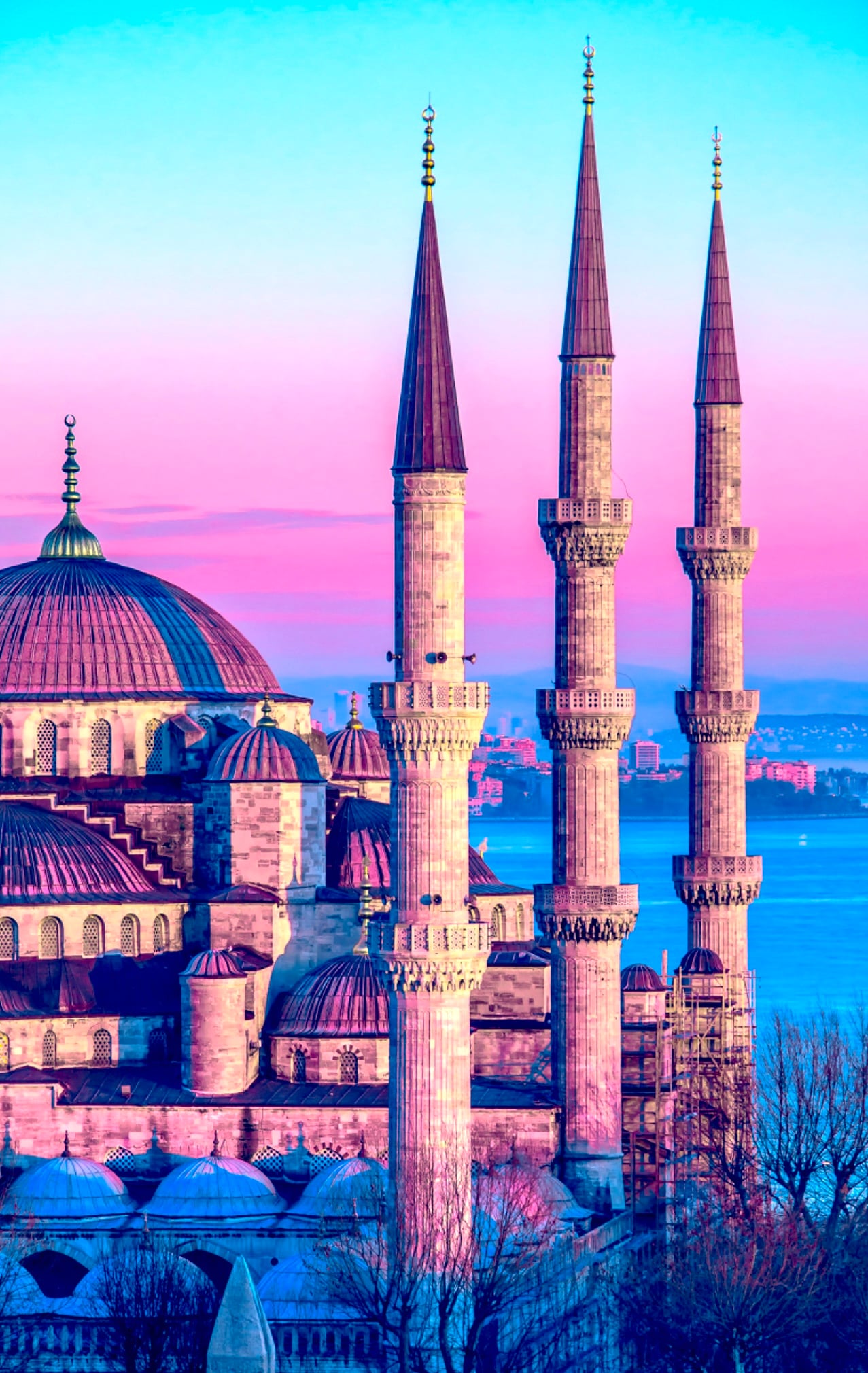
The obvious pairing is Hagia Sophia, which is only a short walk away and adds the imperial and religious context above ground. The Blue Mosque is nearby as well, making it easy to combine two of Sultanahmet’s best-known monuments in one outing.
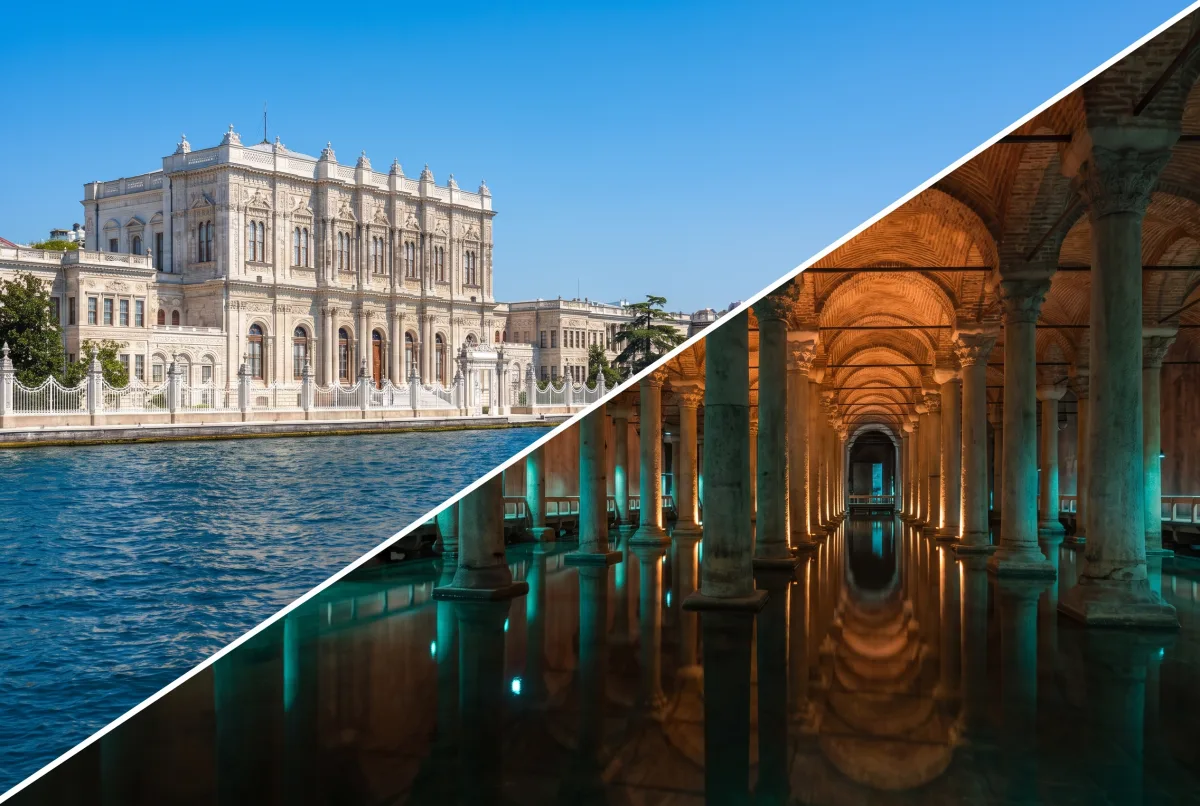
If you want to stay with the theme of underground or late antique Istanbul, add the Binbirdirek Cistern. For a broader neighborhood plan, our Sultanahmet guide helps connect the cistern to nearby squares, monuments, and walking routes. If you want contrast after the dim interior, a later Bosphorus cruise gives you the city in open light and at a different scale.
Final thoughts: mystery, reuse, and the power of place
The Medusa heads are famous because they feel mysterious, but the best answer is not a dramatic secret. It is the simpler and more interesting reality that older sculpture was probably reused in a new structure, and that no source survives to tell us exactly why the blocks were turned as they were.
That does not make the site weaker. It makes it stronger. The heads show how Istanbul was built by layering one era over another, with classical imagery, Byzantine engineering, and modern tourism all meeting in the same dark corner.
So if you visit, go expecting a persuasive theory rather than a solved puzzle. The historical uncertainty remains, but the visual impact is immediate. One head is sideways. One is upside down. Both remind you that practical building decisions can outlast empires and become the image everyone remembers.