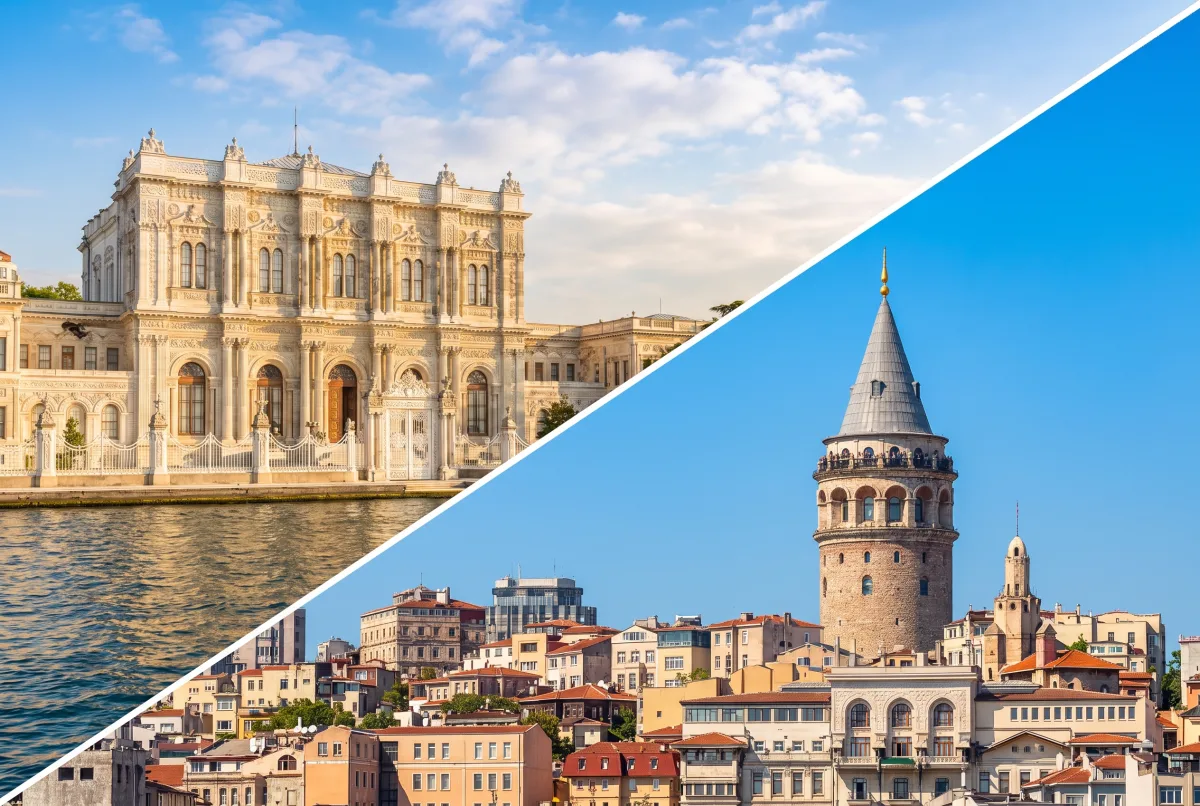
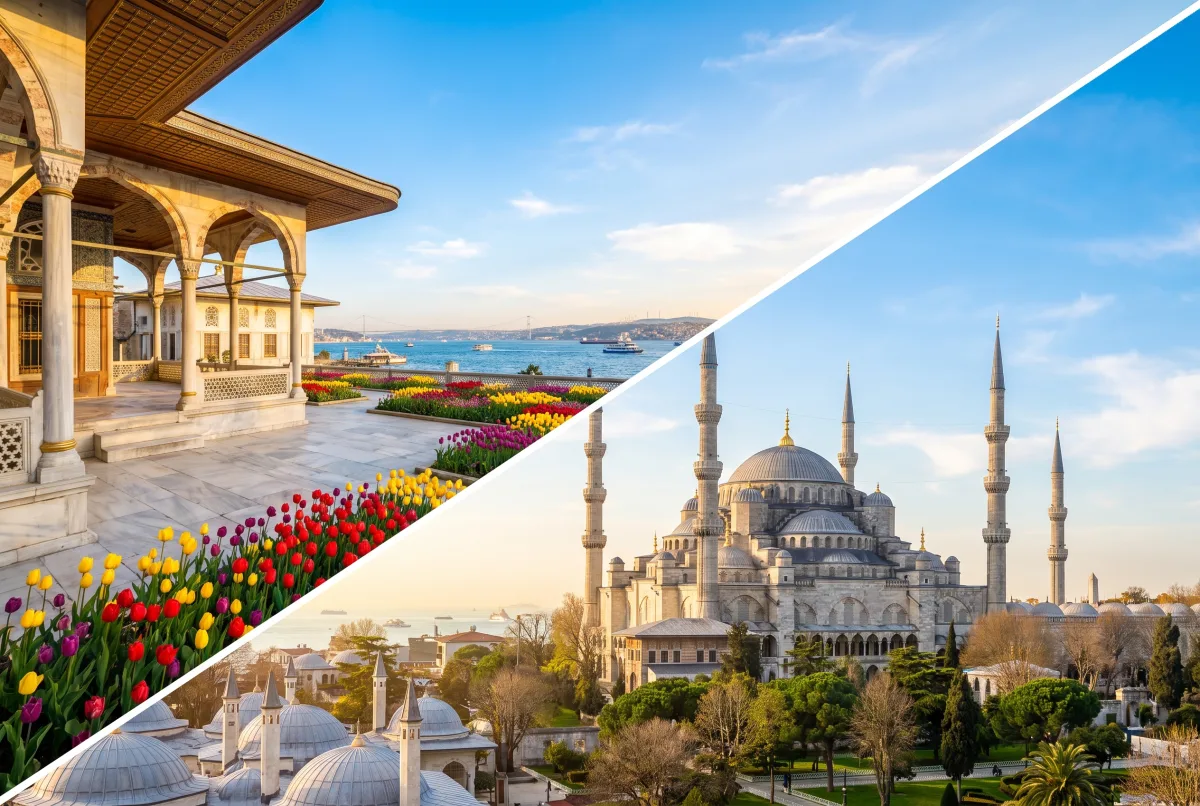
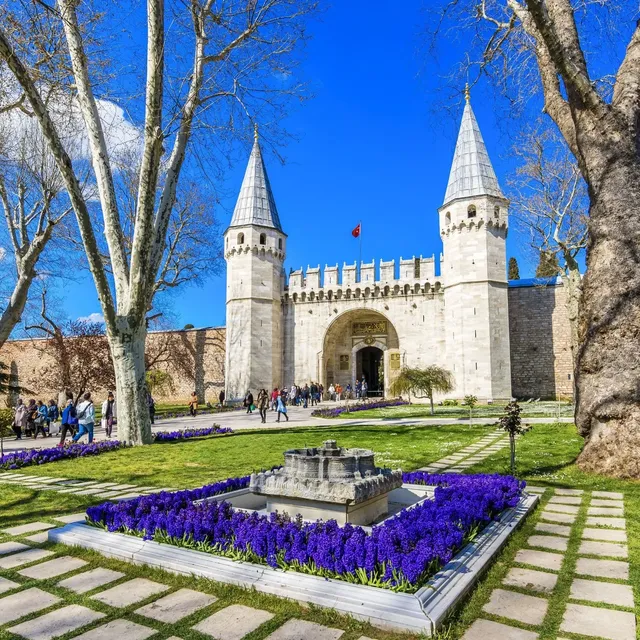
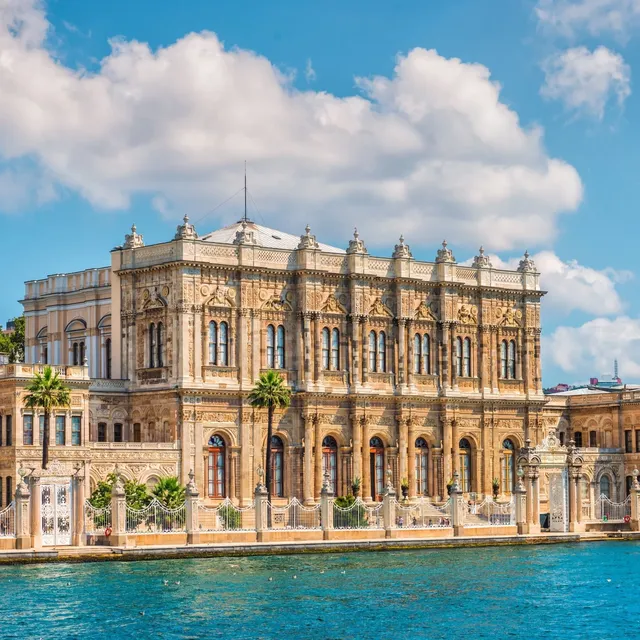
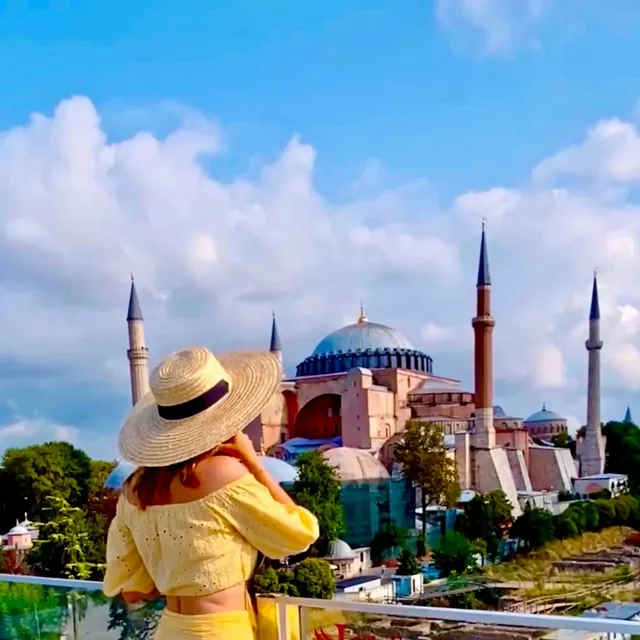
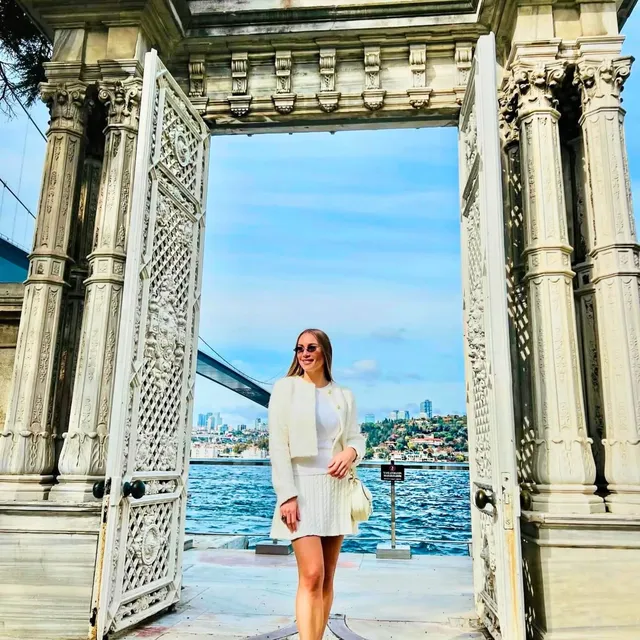
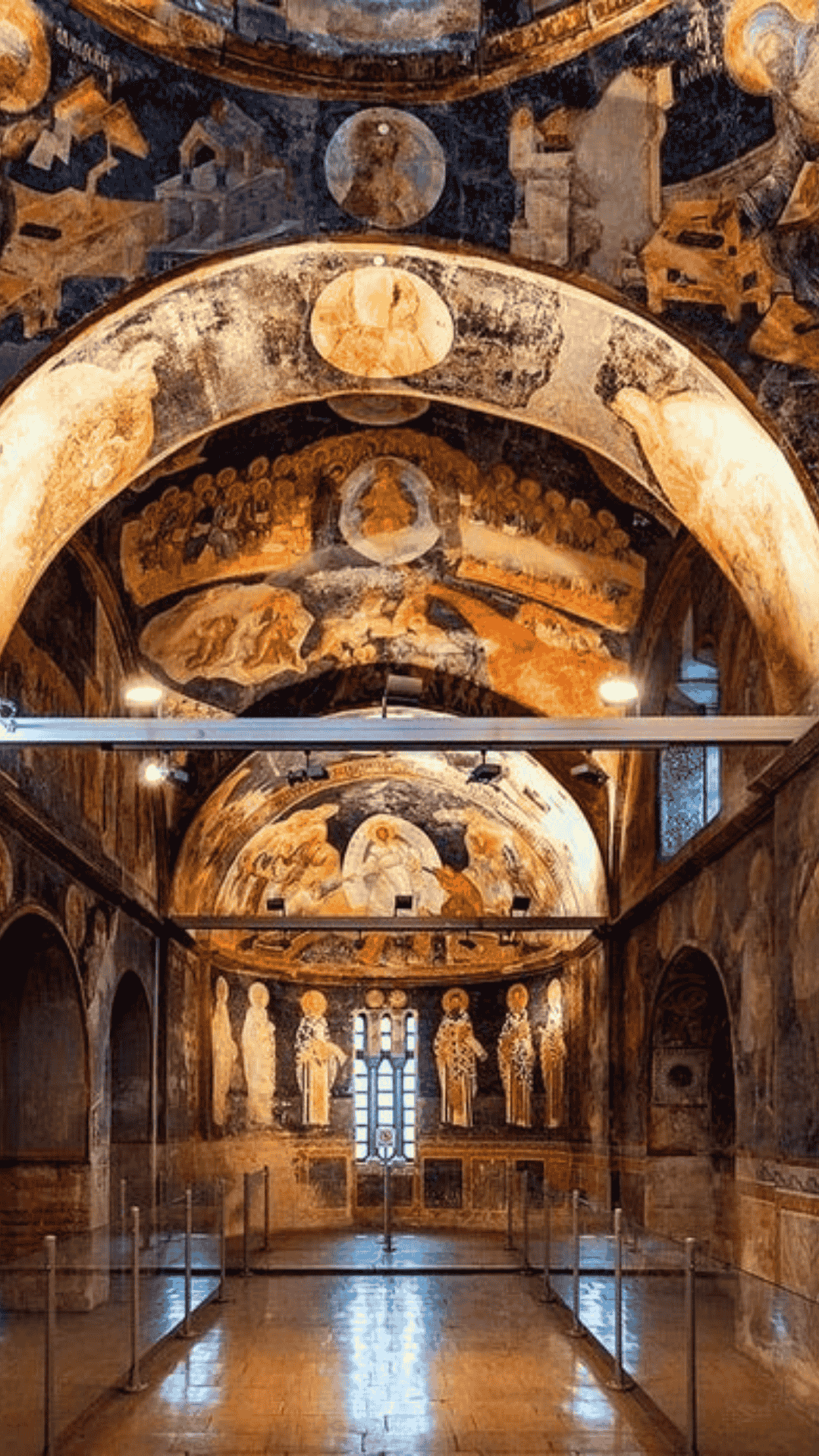
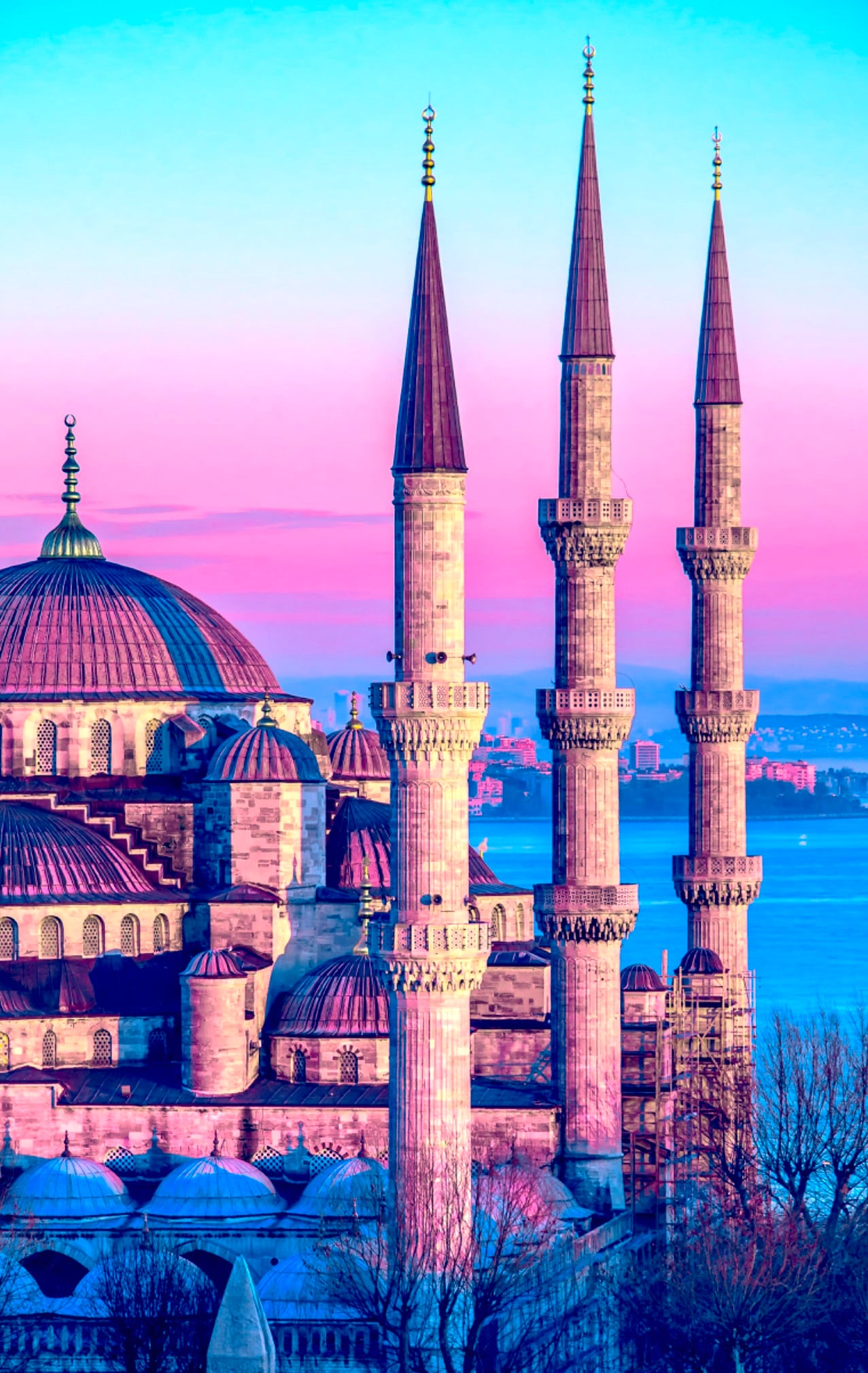
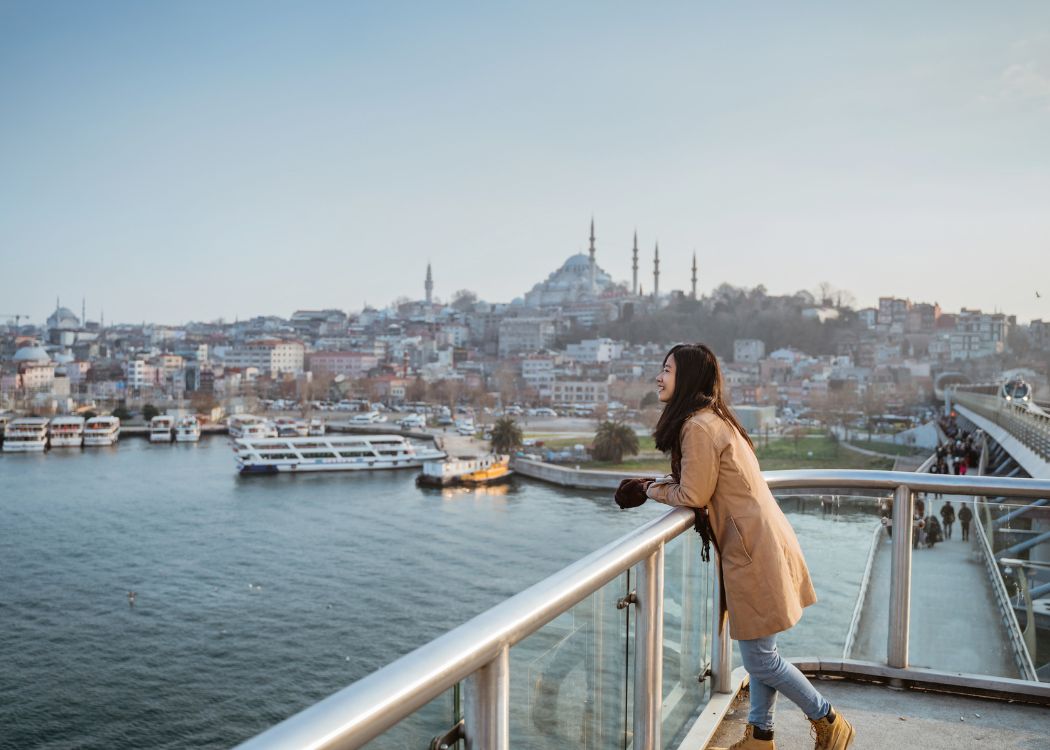
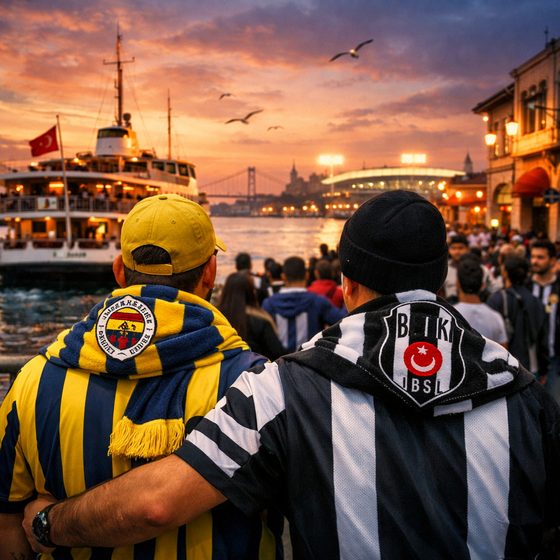
Istanbul is one of the few cities where a morning of focused work can turn into a ferry ride across continents, a long lunch with meze and tea, and an evening walk past skyline views, mosques, bookstores, design shops, and late-night dessert stops. For remote workers, that mix is the appeal. You are not choosing a sterile work base. You are choosing a city that feels alive at nearly every hour.
This guide is designed for travelers planning Working Remotely From Istanbul in a practical, realistic way. Not in the fantasy version where every café has empty tables, silent corners, perfect outlets, and flawless Wi-Fi. Istanbul is too dynamic for that. Some neighborhoods are better for long work sessions. Some are better for after-hours social life. Some cafés are ideal for two focused hours, while others make more sense for email, calls, or a reset between sightseeing stops.
One thing we often tell first-time visitors: Istanbul rewards rhythm more than speed. The people who enjoy remote work here most are usually the ones who stop trying to “do everything” and instead build days around one or two anchor plans. Work in the morning. Explore in the afternoon. Stay local in the evening. Let the city unfold from there.
WORK & EXPLORE Make Your Free Hours Count Protect your focus in the morning, then spend afternoons on ferries, landmarks, and neighborhood wandering.Quick Overview: Remote Work in Istanbul at a Glance
| Question | Short Answer | ||
|---|---|---|---|
| Best area for first-time remote workers | Karaköy, Cihangir, Galata, and Kadıköy offer the easiest balance of cafés, transport, and atmosphere. | ||
| Best area for longer stays | Kadıköy and Moda tend to work especially well for routine, local food, and less tourist-heavy daily life. | ||
| Best area for iconic sightseeing nearby | Beyoğlu-side neighborhoods give easy access to Galata, Istiklal, Karaköy, and transport to Sultanahmet. | ||
| Best café style for laptop work | Specialty coffee shops, larger all-day cafés, hotel lounges, and bakery-café hybrids are usually safer than tiny trend-driven spots. | ||
| Is public Wi-Fi enough? | Not always. A local eSIM or roaming plan makes remote work far easier. | ||
| Do you need a coworking space? | Not necessarily for short trips, but it helps if you take calls often or need full-day reliability. | ||
| Best transport for remote workers | Metro, tram, walking, and ferries. Taxis are useful selectively, but not as a full strategy. | ||
| Most important planning tip | Choose your base around your daily routine, not just postcard views. |
Why Istanbul Works So Well for Remote Travelers
- Lifestyle and logistics in one. Many cities are good for digital nomads because they are efficient. Istanbul works for a different reason: it is layered — you can live many versions of the city without going very far.
- Café culture that carries you. There is enough café culture to work comfortably without needing a coworking membership every day.
- A broad transport network. You can stay in one district and still reach others efficiently thanks to metro, tram, ferries, and walkable streets.
- Food that fits a working day. Choices range from quick, affordable lunches to destination dinners — which matters more than people expect on a working trip.
- Real variety during downtime. Ferries, museums, hammams, rooftop views, or neighborhood wandering — a one-hour break can actually become something memorable.
- Work without exile. Istanbul is excellent for travelers who do not want “remote work” to feel like exile from the destination. That said, it is not friction-free: traffic can be heavy, streets hilly, and weather changes neighborhood moods. Do not expect perfection — understand the city's working rhythm and use it well.
A Realistic Remote Work Routine in Istanbul
The best remote-work days in Istanbul usually do not try to imitate your routine at home. They adapt to the city. Istanbul is at its most rewarding when your work is not colliding with peak movement hours and afternoon fatigue.
Best Neighborhoods in Istanbul for Remote Work
Karaköy
Sits between several useful worlds: the Bosphorus, Galata, Beyoğlu, tram connections, ferry access, and a steady supply of cafés, bakeries, restaurants, and hotel lounges. Especially good if you like doing two to three hours of work, then stepping straight into the city.
Best for Best all-around base for short stays
Galata
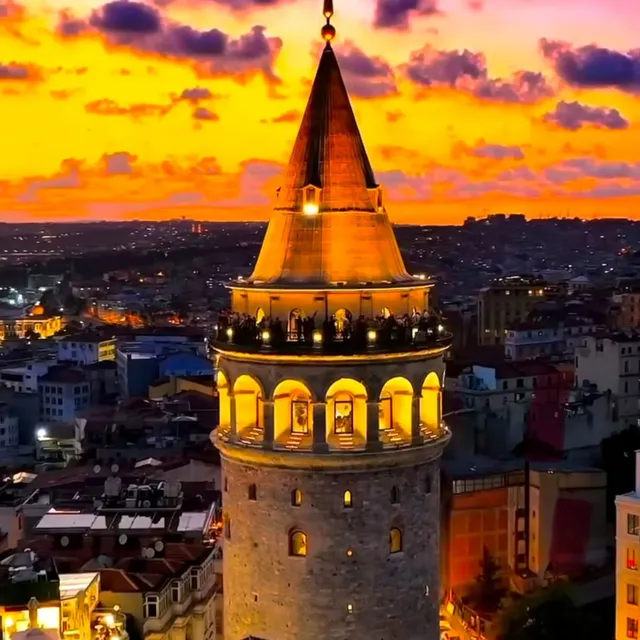
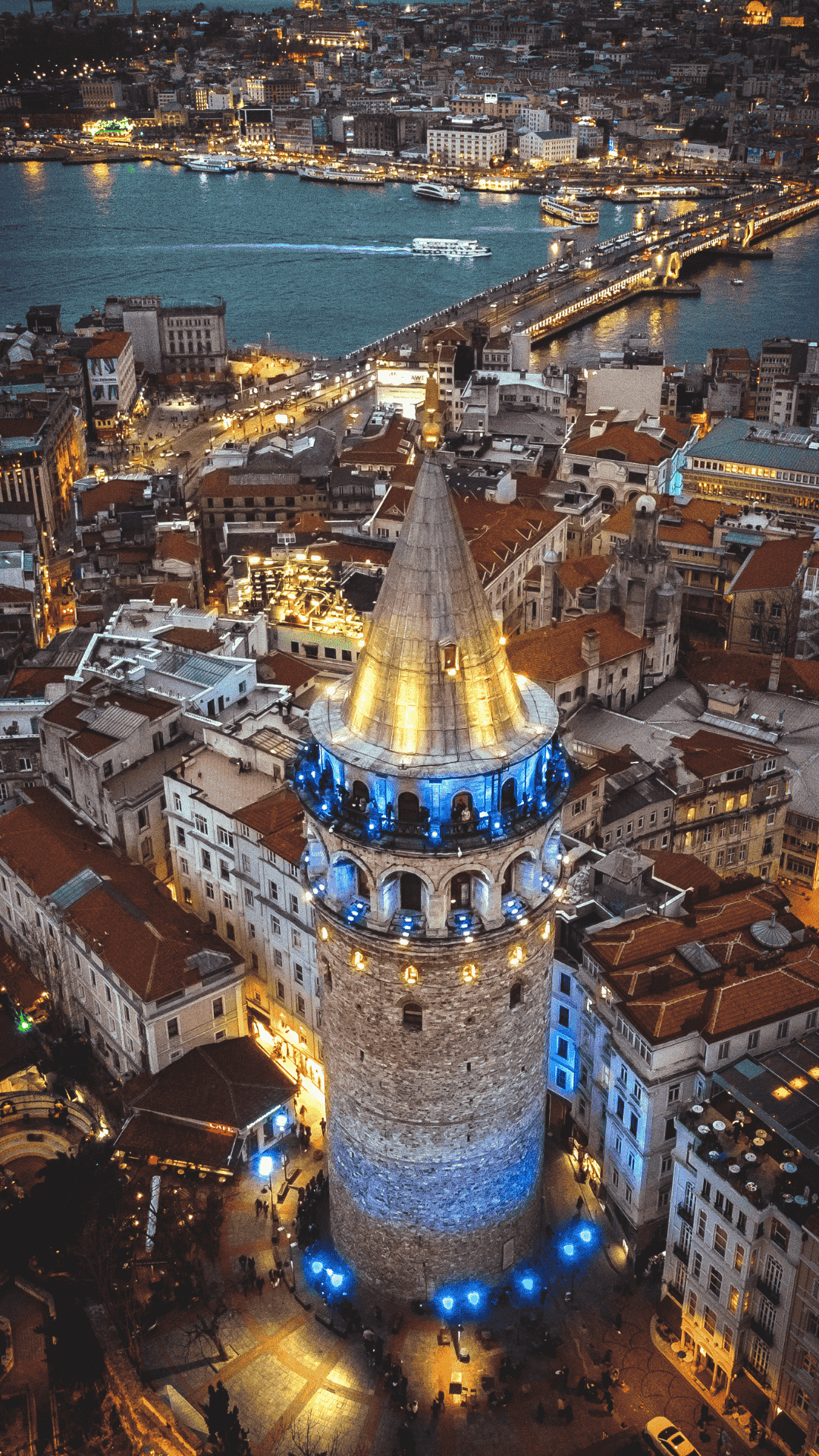
Historic buildings, narrow streets, corner cafés, and design-forward spaces near the tower and Istiklal. Charm comes with stairs, slopes, and occasional crowds — perfect if you care about urban beauty, less ideal for long silent work blocks every day.
Best for Atmosphere, aesthetics, and central access
Cihangir
A softer, more residential-feeling version of central Istanbul: café culture, independent shops, leafy side streets, and a lived-in pace. Especially good for solo travelers, couples, creatives, and remote workers who want neighborhood personality over checklist convenience.
Best for Creative energy and slower daytime work
Kadıköy & Moda
Where longer-stay remote workers settle into a comfortable rhythm: excellent food variety, strong café culture, markets, bookstores, waterfront walks, and scenic ferry commutes. Moda adds leafy streets, sea views, and a brunch-and-coffee culture ideal for feeling temporarily local.
Best for Longer stays and local daily life
Beşiktaş
Dense, fast-moving, youthful, and practical, with strong ferry, bus, and road connections and no shortage of food and coffee. Not always the most serene base — if you need calm focus for deep work, you may prefer somewhere more relaxed.
Best for Energy, transit links, and urban pace
Nişantaşı
A more refined urban experience: broad streets, upscale dining, stylish cafés, and a polished residential feel. Great for comfortable seating and hotel lounges — less iconic in the “classic Istanbul first trip” sense.
Best for Polished cafés and upscale comfort
The Full Guide: Working Remotely From Istanbul
 Strategy
 How to Choose the Right Neighborhood
The biggest remote-work decision in Istanbul is not which café to use. It is where you sleep.
What matters most when choosing your base
- Walking convenience: can you reach multiple cafés, breakfast places, and transit options on foot?
- Transport flexibility: are you close to metro, ferry, tram, or buses?
- Evening atmosphere: lively streets, wine bars, quiet local dining, or early nights?
- Tourist density: near major attractions or slightly outside them?
- Topography: Istanbul's hills matter. A lot.
- Room quality: if accommodation Wi-Fi or desk space is weak, the neighborhood needs stronger café options.
European Side vs Asian Side for remote work
European Side — best for first-time visitors, classic sightseeing, easier access to major landmarks, and denser short-stay options; it can feel busier, more touristy, and more expensive in certain pockets.
Asian Side — best for longer stays, neighborhood life, local rhythm, residential comfort, and strong café culture; less immediate access to historic attractions, though ferries make it manageable.
If you have limited time and want major landmarks, the European Side usually makes more sense. If you are staying longer and care about daily routine, many remote workers end up preferring the Asian Side.
 Karaköy
 Karaköy: Best All-Around Base for Short Stays
One of the smartest choices for remote workers who want convenience without being locked inside a purely tourist district.
Why choose Karaköy — and who it suits
- Walkable access to many work-friendly cafés
- Easy connection to Sultanahmet by tram
- Ferry links to Kadıköy and Üsküdar
- Good hotel selection for modern travelers
- Strong food scene from breakfast through dinner
Choose Karaköy if this is your first trip, your stay is under two weeks, or you want work days to blend easily into sightseeing. Skip it if you want a deeply residential feel or are sensitive to urban noise and foot traffic — it can feel busy around transit nodes and on weekends.
Work rhythm and atmosphere
Mornings are ideal here: settle into a café early, enjoy strong coffee and breakfast, and finish work before the lunch rush. Afternoons are better for movement — walking to Galata Tower, crossing to Eminönü, or taking the tram toward the historic core.
Insider tip: Karaköy works best when you treat it as a flexible base, not an all-day sit-down neighborhood. It shines when paired with short focused sessions and a lot of urban mobility.
Most tourists miss this: the hills above Karaköy change your day more than the map suggests. What looks like a short walk to Galata or Cihangir may feel steeper in practice, especially with a laptop.
Karaköy café strategy
Look for larger specialty coffee shops, side-street cafés, and bakery-style venues a little away from the busiest waterfront lane. Early mornings are ideal; after lunch, crowd levels rise and the energy shifts from work to socializing. Pair your work session with a walk toward Galata Bridge or uphill into Galata — if you are building an Istanbul itinerary, this is one of the easiest neighborhoods to combine with sightseeing.
 Beyoğlu side
 Galata and Cihangir: Atmosphere and Creative Energy
Two neighborhoods where the setting itself becomes part of the working day — with hills as the price of charm.
Galata: atmosphere, aesthetics, central access
Historic buildings, narrow streets, corner cafés, and design-forward spaces — beautiful streets and photogenic work breaks, good café density, close to shopping, culture, and nightlife, and easy for hybrid work-and-explore days.
The trade-off: charm comes with stairs, slopes, and occasional crowd concentration. Some cafés look ideal but are better for conversation than laptop work, and accommodation varies in noise and layout. Perfect if you want even your coffee run to feel like part of the trip; less ideal if you need long silent work blocks every day.
Avoid this mistake: do not book solely for the tower-adjacent streets — they are atmospheric but the busiest. A slightly quieter side street often gives a much better remote-work stay.
Café strategy: the best work spots are often on quieter edges rather than the most photographed lanes. Prioritize upper-floor seating, larger interiors, and places serving breakfast or lunch. Photography lovers will appreciate the textures, stairways, old facades, and skyline glimpses during breaks.
Cihangir: creative energy and slower daytime work
One of the most appealing neighborhoods for a softer, more residential-feeling central Istanbul: relaxed café culture, good for writing, reading, and light laptop sessions, close to Taksim and Istiklal without feeling identical to them, and great local atmosphere for mornings and evenings.
Watch for: not every street is equally convenient — the downhill-uphill pattern matters, and public transport is accessible but not as frictionless as being next to a major interchange.
If you have limited time: work in the morning, walk to lunch locally, then branch out in the afternoon toward Karaköy, Tophane, or Taksim.
Café strategy: best for medium-length sessions rather than full days — begin with coffee, work through the morning, then shift into lunch and a neighborhood stroll toward Tophane or Istiklal.
 Asian side
 The Asian Side: Kadıköy and Moda
Where repeat visitors and longer-stay remote workers settle into a more comfortable rhythm.
Kadıköy: longer stays and local daily life
Excellent food variety, strong café culture, a residential, routine-friendly feel, ferries that make commuting scenic rather than tedious, and a good fit for week-long or month-long stays. Kadıköy gives you room to breathe: breakfast, coffee, lunch, and evening drinks without repeating the same tourist-heavy circuit.
The trade-off: you are not right beside the major historic attractions — the city becomes a two-part experience: your neighborhood life on one side, your sightseeing on the other. Insider tip: for many remote travelers, that separation is actually a benefit. It protects your routine and keeps sightseeing days intentional instead of constantly fragmented.
Café strategy: busy central pockets near the market streets, calmer options as you move outward. One of the easiest districts for a repeatable routine — one place for coffee, another for lunch, another for later-afternoon work, and a waterfront or bar area for evening downtime. For longer stays, that repeatability is a major advantage: you stop “searching” and start living.
Moda: lifestyle, calm, and neighborhood charm
Part of greater Kadıköy, Moda is one of the most pleasant places in Istanbul for a slower remote-work trip: leafy streets, sea views in places, a strong brunch-and-coffee culture, great quality of life, and an excellent balance of work and personal time.
Choose Moda if you are staying longer than a few days and care about atmosphere; if this is a very short first-time sightseeing trip, it may feel too removed. Most tourists miss this: Moda is not about checking sights off a list — it is about making your in-between hours better, which matters a lot on a working trip.
Café strategy: particularly good for calm mornings and slower afternoon work — the neighborhood attracts people who genuinely use cafés as part of daily life, with an easy transition into a walk by the sea.
 European side
 Beşiktaş and Nişantaşı: Urban Pace vs Polished Comfort
Two very different flavors of the European side — youthful energy or refined calm.
Beşiktaş: energy, transit links, urban pace
Dense, fast-moving, youthful, and practical: strong transport connectivity, good everyday eating options, a lively student-and-local atmosphere, and a useful base between central neighborhoods and Bosphorus areas.
Trade-off: it can feel hectic. Streets are busy and noise levels are not always ideal — if you need calm focus for deep work, you may prefer somewhere more relaxed.
Nişantaşı: polished cafés and upscale comfort
A more refined urban experience: broad streets, upscale dining, fashion retail, stylish cafés, and a polished residential feel. Choose it if you want comfort, cleaner visual order, and a less chaotic environment — also a good choice for business travelers extending a stay into leisure time.
The trade-off: it is less iconic in the “classic Istanbul first trip” sense. If your dream is stepping out directly into historic texture, ferries, and landmark density, other neighborhoods may feel more evocative.
Café strategy: look for larger cafés, patisseries, and hotel-adjacent spaces — one of the more comfortable districts for a polished remote-work day with reliable service and a business-casual environment.
 Café playbook
 Work-Friendly Spots and How to Pick a Café
Rather than chasing one “best café,” understand which kinds of spaces suit different kinds of work — not every good café wants laptops all day.
Best types of work-friendly spots
- Specialty coffee shops: strong coffee, modern interiors, laptop-comfortable crowds. Best for email, writing, planning, and solo focus sessions — watch for small tables, limited outlets, and weekend crowding.
- All-day cafés and bakery cafés: often the sweet spot — more seating, more food options, less pressure to leave if you keep ordering respectfully. Best for longer work blocks and combining meals with work.
- Hotel lounges: excellent for calls, discreet meetings, or sessions between check-out and a late flight. Most tourists miss this: a good hotel lounge can save a difficult workday, especially in bad weather or peak café crowds.
- Coworking spaces: worth it for meetings, Zoom-heavy days, privacy concerns, and full-day reliability.
- Restaurant-cafés with daytime seating: surprisingly good for laptop work in Kadıköy, Karaköy, and Nişantaşı — arrive before the lunch rush and gauge the room.
Check these five things before you sit down
- Table size: can you actually work comfortably with a coffee, phone, and laptop?
- Outlet access: never assume.
- Noise profile: music volume matters more than crowd volume.
- Order flow: does the place seem comfortable with longer stays?
- Wi-Fi backup: even if there is Wi-Fi, can you use your own hotspot if needed?
Green flags and signs to move on
Good remote-work fit: a few laptops already in use, staff not moving people through aggressively, enough menu depth for a second order, mixed seating rather than only tiny two-tops, and a location slightly off the highest-pressure sightseeing corridor.
Signs to move on: tiny tables and no visible outlets, a long counter queue with constant seat turnover, no laptop users during peak working hours, a very loud playlist or cramped interior, and staff clearly preparing for meal service.
Avoid this mistake: do not confuse photogenic with functional. Some of Istanbul's prettiest cafés are enjoyable for 30 minutes, not four productive hours.
 Logistics
 Where to Stay and Your Practical Setup
The best accommodation for remote work is often not the most visually dramatic one.
Hotel vs apartment — and what to prioritize
Hotel: best for short stays, reliable service, breakfast, support, and lounge backup — watch for small desks, room size, and variable Wi-Fi quality. Apartment: best for longer stays, kitchen access, routine, and more living space — watch for building noise, Wi-Fi quality, heating/cooling, and steep streets.
When booking, prioritize: strong recent reviews mentioning Wi-Fi, a real desk or workable table, sound insulation if you take calls, walkable access to cafés and transit, and neighborhood fit with your actual plans.
Avoid this mistake: booking in Sultanahmet for a full remote-work stay just because it is famous. It is excellent for sightseeing, but for many modern travelers it is less ideal as a daily work base than Karaköy, Cihangir, or Kadıköy.
Internet, SIM cards, and backup
A reliable mobile connection makes remote work in Istanbul dramatically easier. Even if your hotel and cafés have Wi-Fi, you should still have your own backup.
- Use a local SIM or eSIM with generous data.
- Treat café Wi-Fi as helpful, not essential.
- Download offline maps and key reservation details.
- Keep a portable charger with you if you rely on hotspotting.
Connections vary by building, time of day, and crowd level. The city becomes much easier when you can confidently navigate, message, translate, and hotspot from anywhere.
 Fuel & explore
 Food Strategies and Combining Work With Sightseeing
Food shapes your energy and schedule — and the smartest sightseeing comes from pairing neighborhoods and expectations well.
Best food strategies for working days
Breakfast: choose a neighborhood café or bakery where you can start slowly but not too heavily — a full Turkish breakfast spread can turn a work morning into a very relaxed social event.
Lunch: go local and efficient on workdays — soup, pide, döner, meze-style plates, bakery lunch, or a simple home-style restaurant. Save destination meals for evenings or off days.
Dinner: this is where Istanbul really opens up — seafood by the Bosphorus, meyhane-style dining, modern Turkish cuisine, or a neighborhood ocakbaşı. For food-first planning, explore a broader Istanbul food guide so meals feel intentional instead of random.
Café etiquette for longer stays: order regularly, avoid monopolizing small tables during busy meal service, do not assume every place welcomes calls, and move on gracefully if the atmosphere changes.
Best sightseeing pairings by base
- Karaköy or Galata: pair work with Galata Tower, Istiklal, the Galataport area, ferry rides, and easy access to Sultanahmet.
- Cihangir: pair work with Taksim, art spaces, local dining, and downhill walks toward the Bosphorus.
- Kadıköy or Moda: pair work with market wandering, ferry rides, seaside walks, and dedicated cross-city sightseeing days.
- Beşiktaş: pair work with Bosphorus districts and short hops toward Ortaköy or the Dolmabahçe area.
When a pass or guided tour makes sense
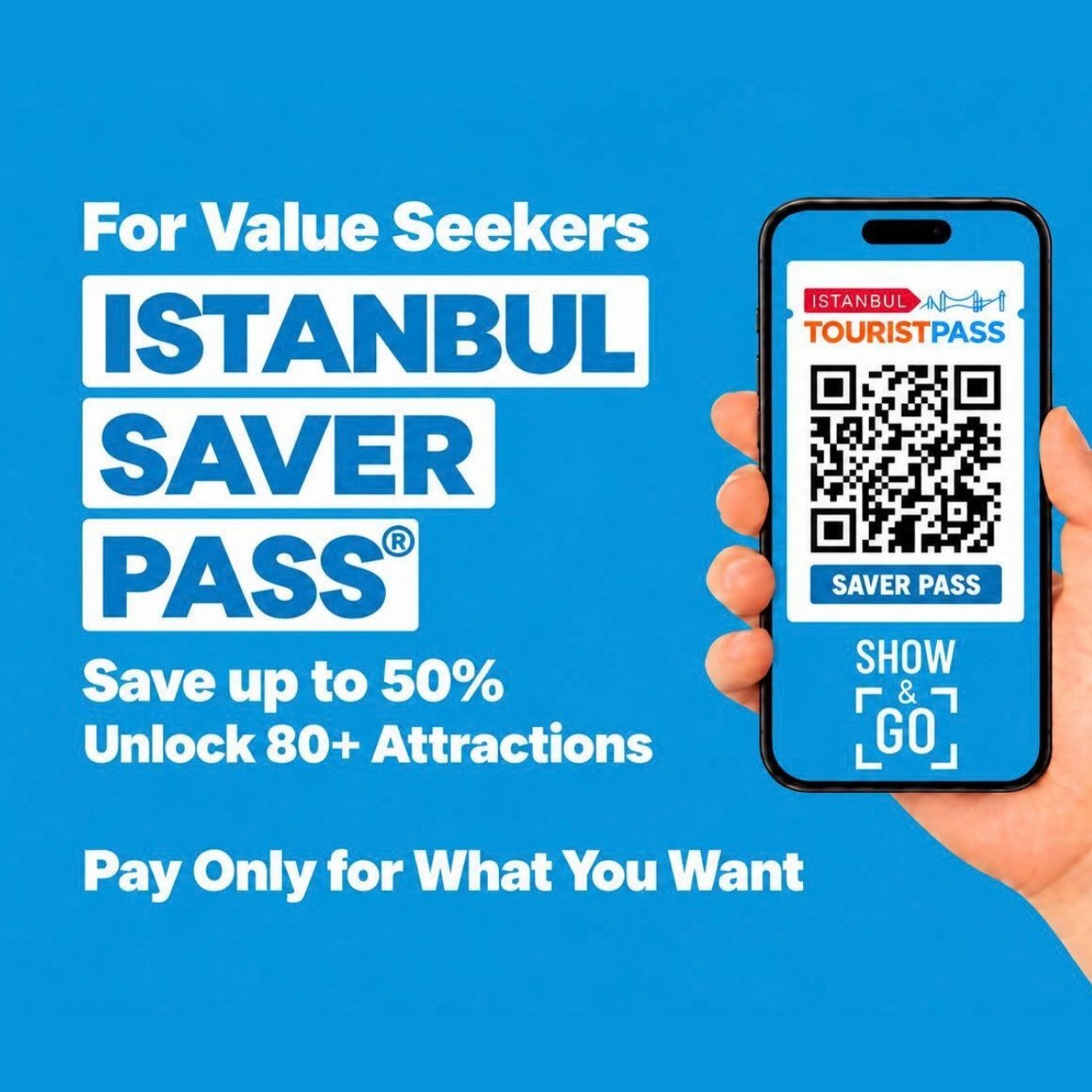
If your trip includes concentrated sightseeing on a few non-working days, an Istanbul tourist pass can be useful — it makes the most sense when you already know you will visit several paid attractions. If your trip is mostly work with occasional wandering, do not overbuy; many travelers pay for more than they realistically use.
Remote workers often have limited fully free time — that is when a well-designed Istanbul tour can add real value. If you only have one free morning for the Old City or one evening for the Bosphorus, guided structure helps you use that time better.
 Putting it together
 Sample 3-Day Plan, Seasons, and Who This City Suits
A structure for balancing work and exploration — plus when to come and whether Istanbul fits your style.
Sample 3-day remote work itinerary
- Day 1 — settle into Karaköy or Galata: arrival and check-in (or hotel lounge after bag drop), a short work block in a nearby café, casual lunch in Karaköy, an afternoon walk through Galata toward Istiklal, and an early dinner with a relaxed reset — not an overplanned night.
- Day 2 — focused work plus one major experience: 8:30 AM to noon focused work session, lunch at a nearby bakery café or lokanta, tram or taxi to Sultanahmet for a short landmark circuit, then a Bosphorus-view dinner or sunset ferry ride.
- Day 3 — Asian Side rhythm: morning ferry to Kadıköy, late-morning work session in Kadıköy or Moda, a market-area or modern café lunch, a Moda walk with a bookstore stop and coastal break, and dinner on the Asian Side for a more local-feeling night.
This structure is often more satisfying than cramming museums, mosques, and neighborhoods into every gap. For a more classic layout, build from a detailed Istanbul itinerary and layer work blocks around it.
Best times of year for remote work
Spring: one of the best overall — pleasant days, lively neighborhoods, easier walking. Summer: long days are excellent for post-work exploring, but heat, humidity, and peak tourism can tire you; choose good air conditioning and work earlier. Autumn: the city regains a calmer rhythm — for many remote travelers the best balance of weather and urban energy. Winter: underrated for focused trips — fewer crowds, cozy café culture, strong off-season atmosphere; the trade-off is weather variability and shorter daylight, when hotel lounges, museums, hammams, and indoor dining matter more.
Photography and content creation
Istanbul gives content creators no shortage of material — and the best moments often happen between planned stops. Neighborhood moods: Galata for historic facades and early morning texture; Karaköy for waterfront energy, urban contrasts, and ferries; Moda for softer lifestyle scenes and sea-adjacent walks; Cihangir for neighborhood corners, cats, and windows; Bosphorus areas for late afternoon light and skyline views.
Most tourists miss this: the city is often most photogenic early in the day, before streets fill and your energy drops. If visuals matter to your work, schedule short morning photo walks before your main work session.
If you have limited time — and who should choose Istanbul
With three to five days: stay in Karaköy, Galata, or Cihangir on a first trip; use mornings for work and afternoons for one area at a time; take at least one ferry ride; spend one evening on the Asian Side if possible; and do not change neighborhoods every day. With one fully free day, prioritize either the historic core or a Bosphorus-and-neighborhood day — not both.
Istanbul is a great fit if you want: a city with strong personality, neighborhood variety and real cultural depth, ferries, food, and memorable off-hours, and a trip that blends productivity with discovery. It may be less ideal if you want: ultra-silent, predictable café work culture every day, a compact city where everything is 15 minutes away, minimal sensory intensity, or a fully frictionless digital nomad bubble. It is not the easiest city in the world — it is one of the richest. For many travelers, that is exactly the point.
Transportation Tips for Remote Workers
The metro is fast and efficient for many key connections; the tram is very useful for historic areas and old-city access. For most city movement, public transport is enough and often better — read a practical transportation in Istanbul guide before arrival if you plan to switch neighborhoods often.
Scenic, memorable, and often one of the best ways to move between the European and Asian sides.
Excellent in the right districts, but factor in hills. Useful estimates: Karaköy to lower Galata is short but uphill; Galata to Istiklal is manageable but stairs slow you down; Kadıköy center to Moda is a pleasant walk; Sultanahmet loops are easy on paper, tiring in crowds and heat.
Useful selectively — especially late at night or with luggage — but not as a full strategy. If you arrive with luggage, laptop gear, and a first-day work obligation, pre-booking an airport transfer is often worth paying for; a smooth arrival can set the tone for everything that follows.
What to Book Ahead vs Keep Flexible
Book or set up ahead
- An airport transfer if you arrive with luggage, laptop gear, or a same-day work obligation
- Accommodation with strong recent Wi-Fi reviews, a real desk, and sound insulation for calls
- A local SIM or eSIM with generous data — treat café Wi-Fi as helpful, not essential
- One or two coworking days per week if your schedule is meeting- or call-heavy
- A guided tour for your one free Old City morning or Bosphorus evening, if free time is scarce
- A tourist pass only if you already know you will visit several paid attractions on free days
Keep flexible
- Café choices — gauge the table size, outlets, noise, and order flow before settling in
- Individual attraction tickets if your trip is mostly work with light exploration — do not overbuy a pass
- Ferry rides and Asian Side evenings — some of the best off-hours need no reservation
- Dinner plans — end an ordinary workday with seafood by the Bosphorus, a meyhane, or a neighborhood ocakbaşı
- Short morning photo walks before your main work session
A Sample Working Day, Hour by Hour
Common Mistakes Remote Travelers Make — and Insider Tips
Avoid these mistakes
- Staying in the “most famous” area instead of the most functional one — historic fame and remote-work comfort are not the same thing
- Underestimating travel time — crossing the city repeatedly between work blocks is exhausting
- Assuming every good café is laptop-friendly — not all of them are built for work
- Overplanning sightseeing on workdays — one meaningful outing beats five rushed stops
- Not having a mobile data backup — one of the easiest mistakes to avoid
- Booking a room without checking work practicality — a tiny stylish room becomes frustrating fast if you need serious screen time
Insider tips
- Work in the morning, explore in the afternoon, stay local in the evening — Istanbul rewards rhythm more than speed
- Treat Karaköy as a flexible base: short focused sessions plus a lot of urban mobility
- A good hotel lounge can save a difficult workday, especially in bad weather or peak café crowds
- The hills above Karaköy change your day more than the map suggests — plan walks accordingly
- Kadıköy's separation from the sightseeing core protects your routine and keeps sightseeing days intentional
- The city is most photogenic early in the day — schedule short morning photo walks before your main work session
Frequently Asked Questions
Is Istanbul a good city for digital nomads?
Which side of Istanbul is better for remote work: European or Asian?
What are the best neighborhoods for working remotely from Istanbul?
Are cafés in Istanbul laptop-friendly?
Do I need a coworking space in Istanbul?
Is Wi-Fi reliable in Istanbul?
Where should I stay in Istanbul if I need to work and sightsee?
Is Kadıköy good for remote workers?
How do I avoid wasting time commuting in Istanbul?
Is Istanbul expensive for remote work travelers?
What is the best time of year to work remotely from Istanbul?
Can I combine work with major sightseeing in Istanbul?
Should I buy an Istanbul pass if I'm working during the trip?
Are airport transfers worth it for remote travelers?
Final Thoughts: How to Make Istanbul Work for You
The best version of working remotely from Istanbul is not about finding one perfect laptop café and staying there all week. It is about building a rhythm that fits the city: choose a neighborhood that supports your real priorities, start work early, use ferries well, protect your best hours for focus, and leave room for long lunches, short walks, and evenings that do not feel wasted. Remote work in Istanbul is at its best when the city still feels like part of your day — not a backdrop, not a checklist, but a place you are actually living in, even briefly.
Explore Istanbul between work blocks