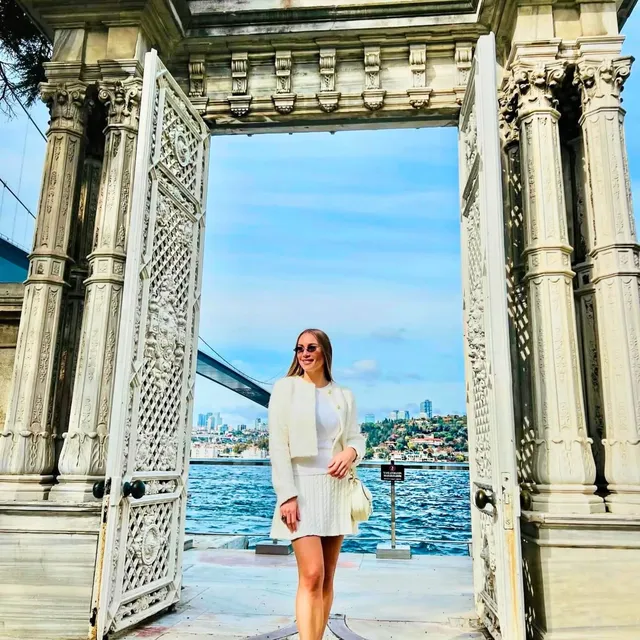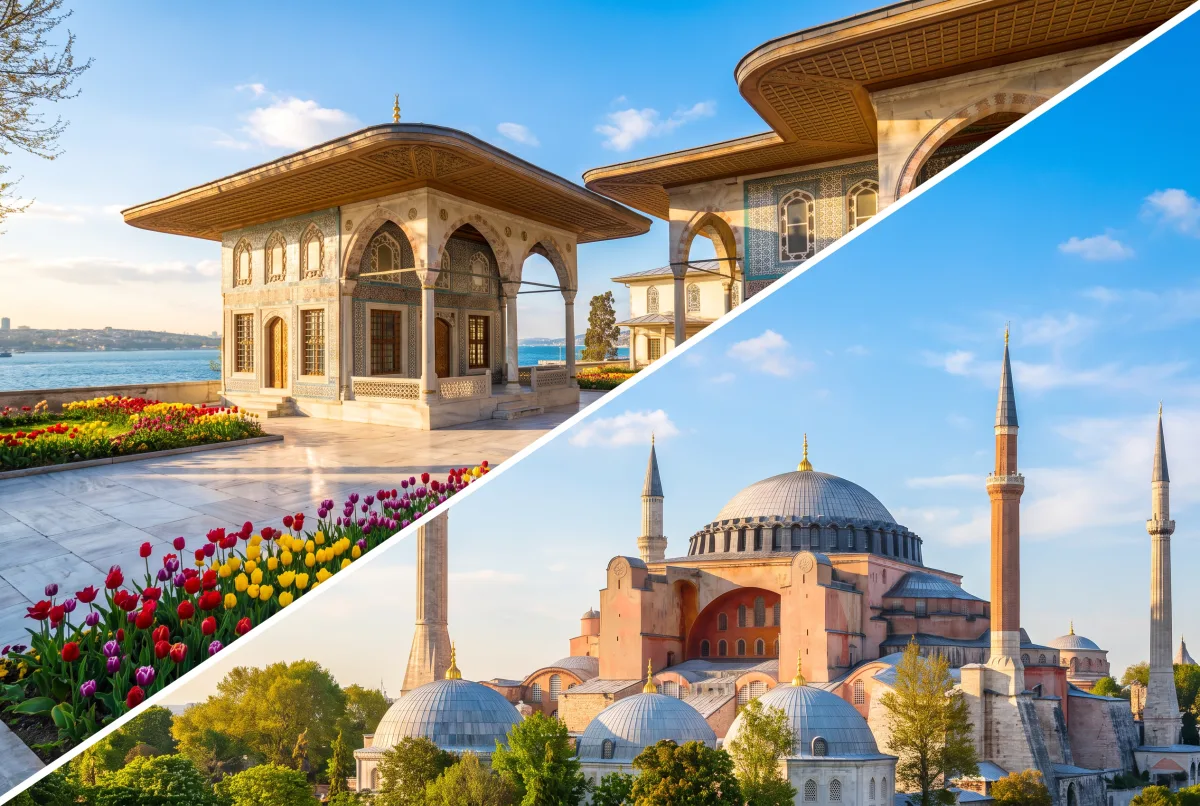
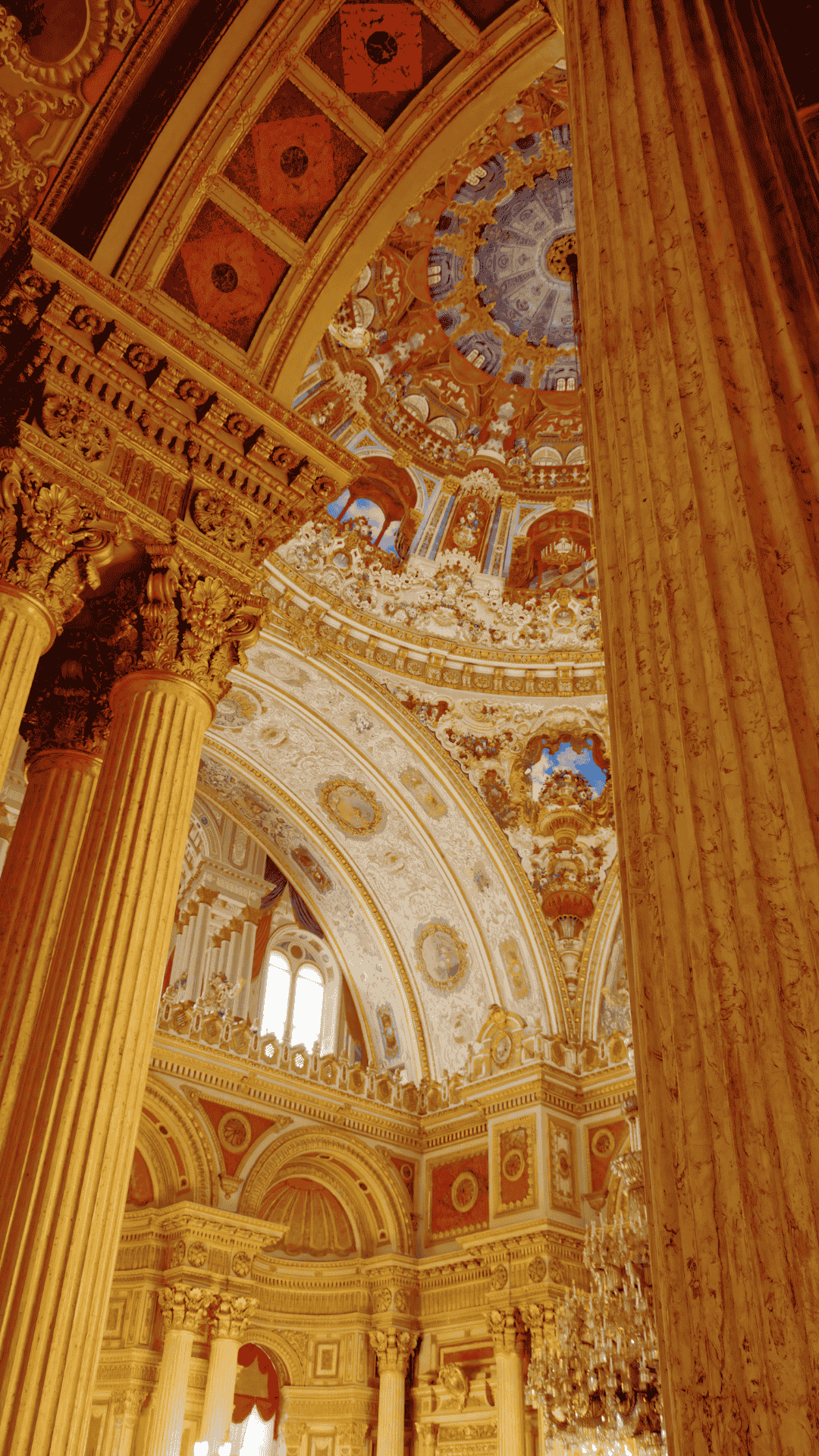
Dolmabahce Palace, Çırağan and Beylerbeyi Palace, Ihlamur and Küçüksu Pavilions, and the Ayazağa, Alemdağ, İcadiye, and Mecidiye villas were built in this period. Also in this era, many state-owned buildings called mebain-i emriyye were constructed. These included postal administration offices in many districts, the Tophane and Maçka arsenals, the Harbiye Ministry, and the Pangaltı Harbiye buildings.
Ottoman period reforms and westernized architecture
This rapid westernization activity left clear traces in architecture. In this period, classical Ottoman architecture was abandoned, and new buildings were made in western styles such as baroque, rococo, neogothic, and ampire. The change in style was not limited to palaces and public buildings; it also penetrated the architecture of mosques.
The period is especially visible along the Bosphorus, where imperial residences and waterfront buildings announced a new visual language for the empire. Many of these structures remain central to understanding Istanbul’s 19th-century transformation. For broader historical context on Ottoman reform movements, readers can consult Britannica.
Infrastructure and urban services in the reform era
In those years, there were notable improvements in infrastructure and urban services. These included the building of a bridge over the Golden Horn, the tunnel (subway), the Rumelian Rail, the launch of Şirket-i Hayriye that administered in-city sea transport, and the establishment of other state offices of Şehremaneti (Municipality).
The same period also saw the hauling of the first telegraph line, the establishment of the Police Force Directorate and the police stations under its control, the servicing of Vakıf Gureba Hospital, and the Horse-Drawn Tram Company. Taken together, these developments show that reform was not only architectural or symbolic; it also affected the everyday functioning of the city.
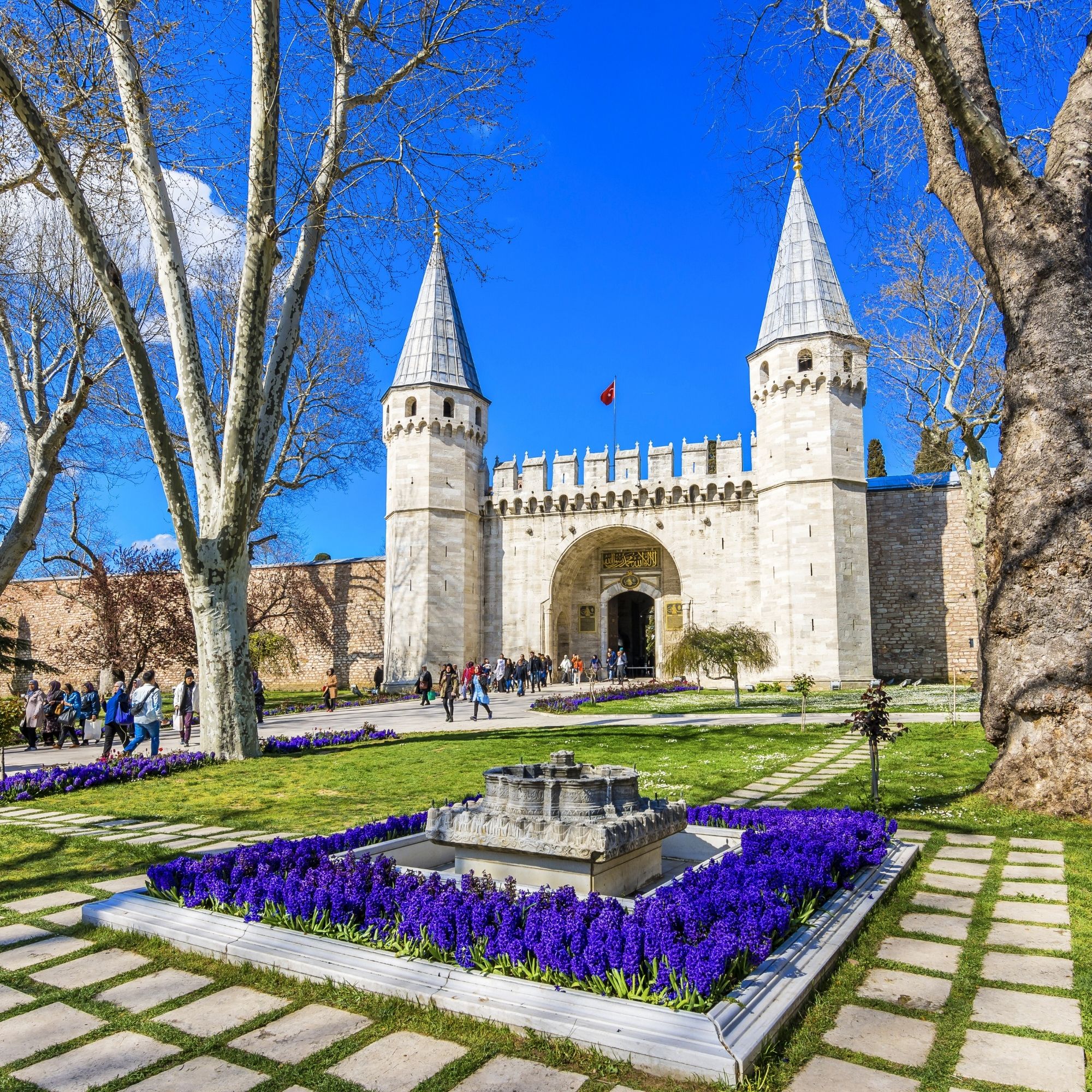
These changes helped connect districts more efficiently and brought Istanbul closer to the model of a modern imperial capital. Transport by sea and land, communication systems, and municipal organization all became more structured. If you want to compare this period with earlier imperial life, Topkapi Palace offers a useful contrast to the later palaces of the reform age.
Modern educational institutions
A great importance was given to the opening of modern educational institutions that would nourish the process of westernization. Darülfünun, the foundation of today’s University of Istanbul, was among the most important developments of the era.
Men’s and girls’ high schools, the School of Architecture, the School of Telegraph Information, the College of Education, Teachers High School, the School of Forestry, the School of Nursery and Midwifery, Mekteb-i Sultani (Lycee of Galatasaray), the School of Industry, and the schools of Medicine and State Administration were among the institutions that started their education period then.
The opening of these schools reveals how the reform period aimed to create new cadres of administrators, professionals, and teachers. Education became one of the main tools for supporting the empire’s westernizing ambitions and for preparing a society able to operate within new administrative and technical systems.
Why this period matters in Istanbul history
The Ottoman reform era stands out as a turning point in Istanbul history because it changed both the skyline and the structure of daily life. Palaces, pavilions, state offices, schools, transport systems, and municipal institutions all point to a city adapting to new political and cultural currents.
Today, many surviving buildings from this period still shape the experience of the city. They help explain how Istanbul evolved from the capital of a classical empire into a more modern metropolis without losing its layered identity. For an overview of the Ottoman Empire and its historical development, see Wikipedia.