Istanbul Throughout History
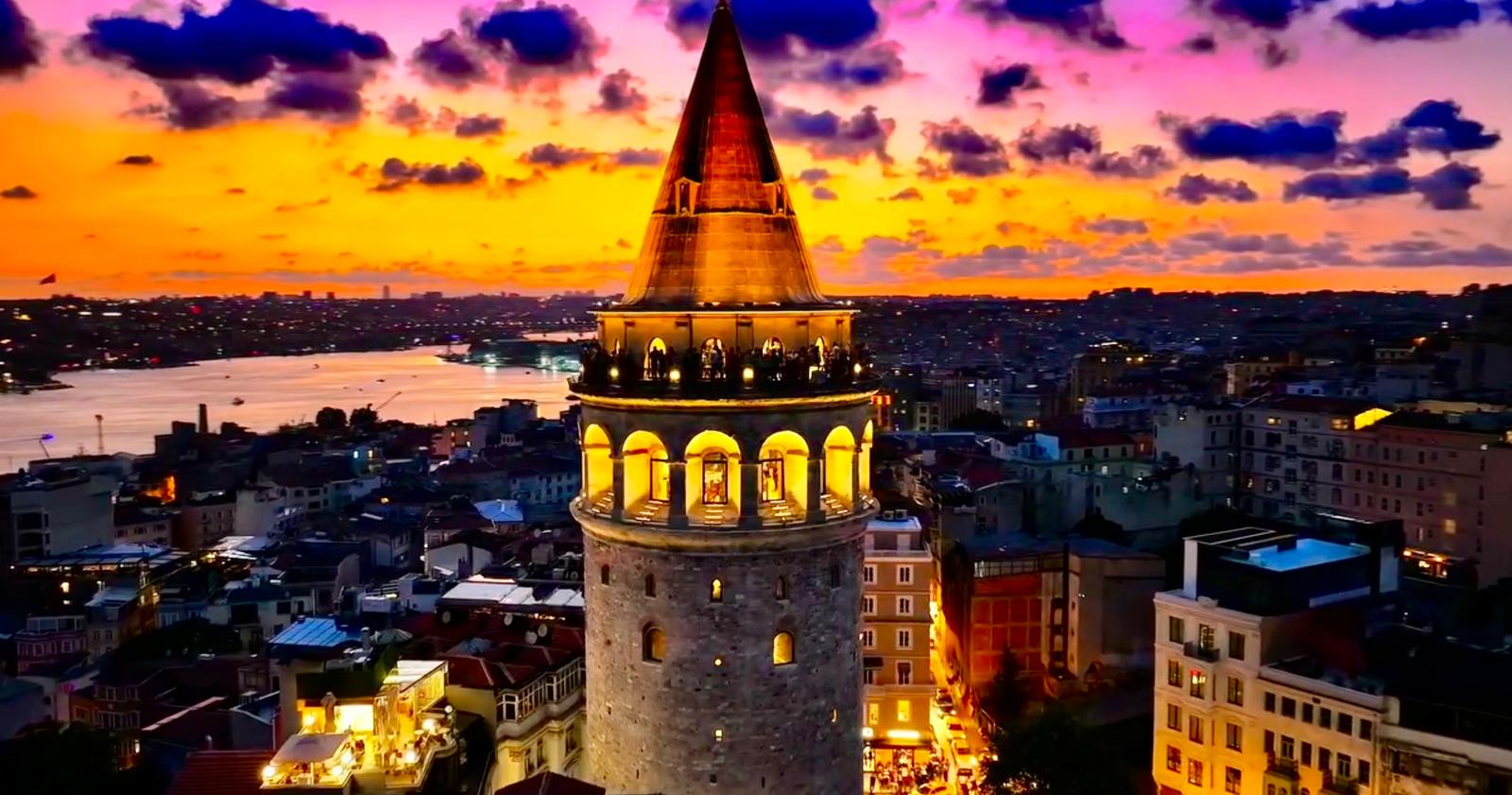
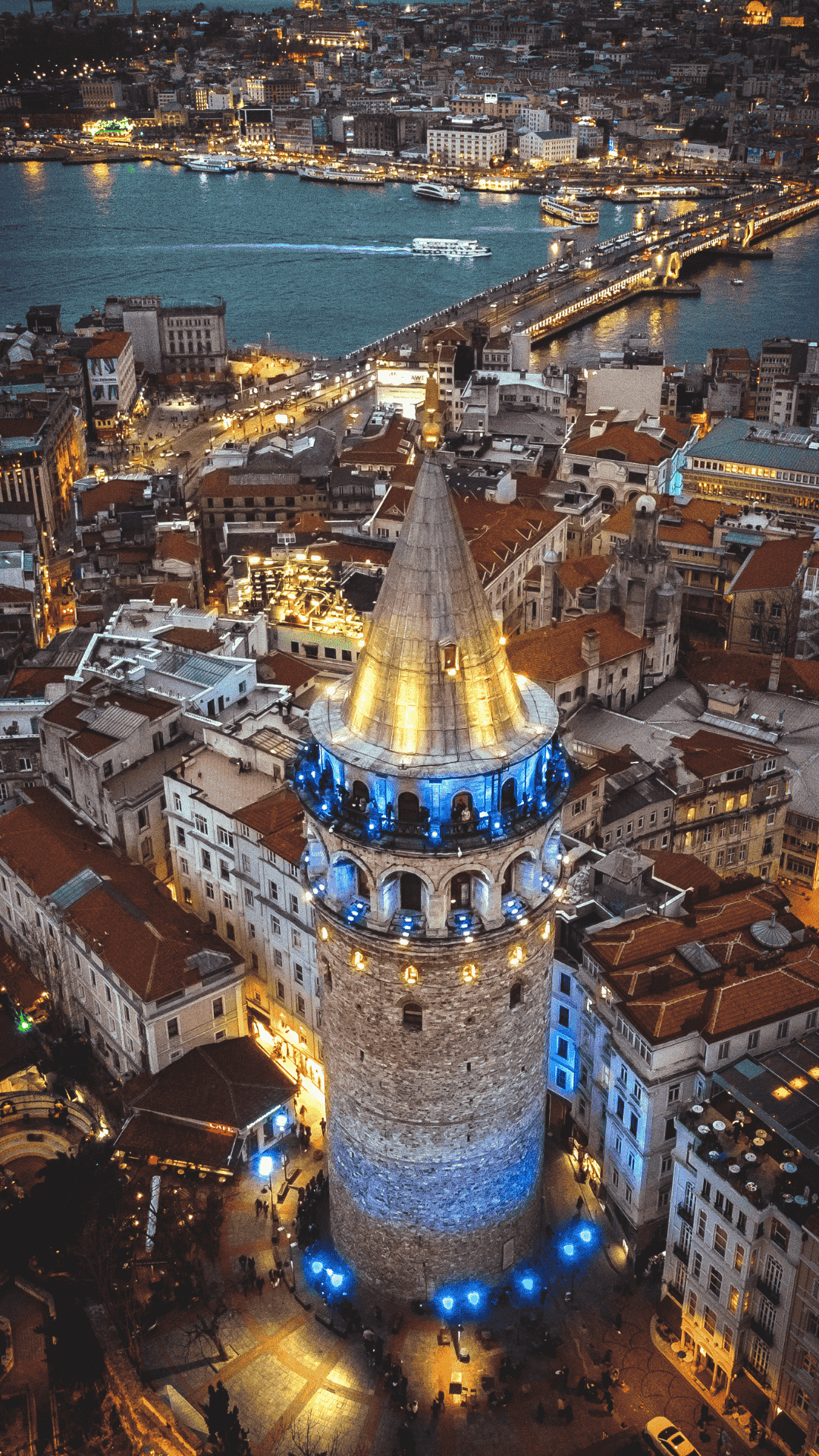
Istanbul is one of the world’s most significant cities, with a history reaching back to 660 BCE. Istanbul began as an ancient Greek city called Byzantium, was known as Constantinople during the Roman and Byzantine periods, and was known as Konstantiniyye and Dersaadet under the Ottoman Empire. Only since the republic era has the city been legally known as Istanbul.
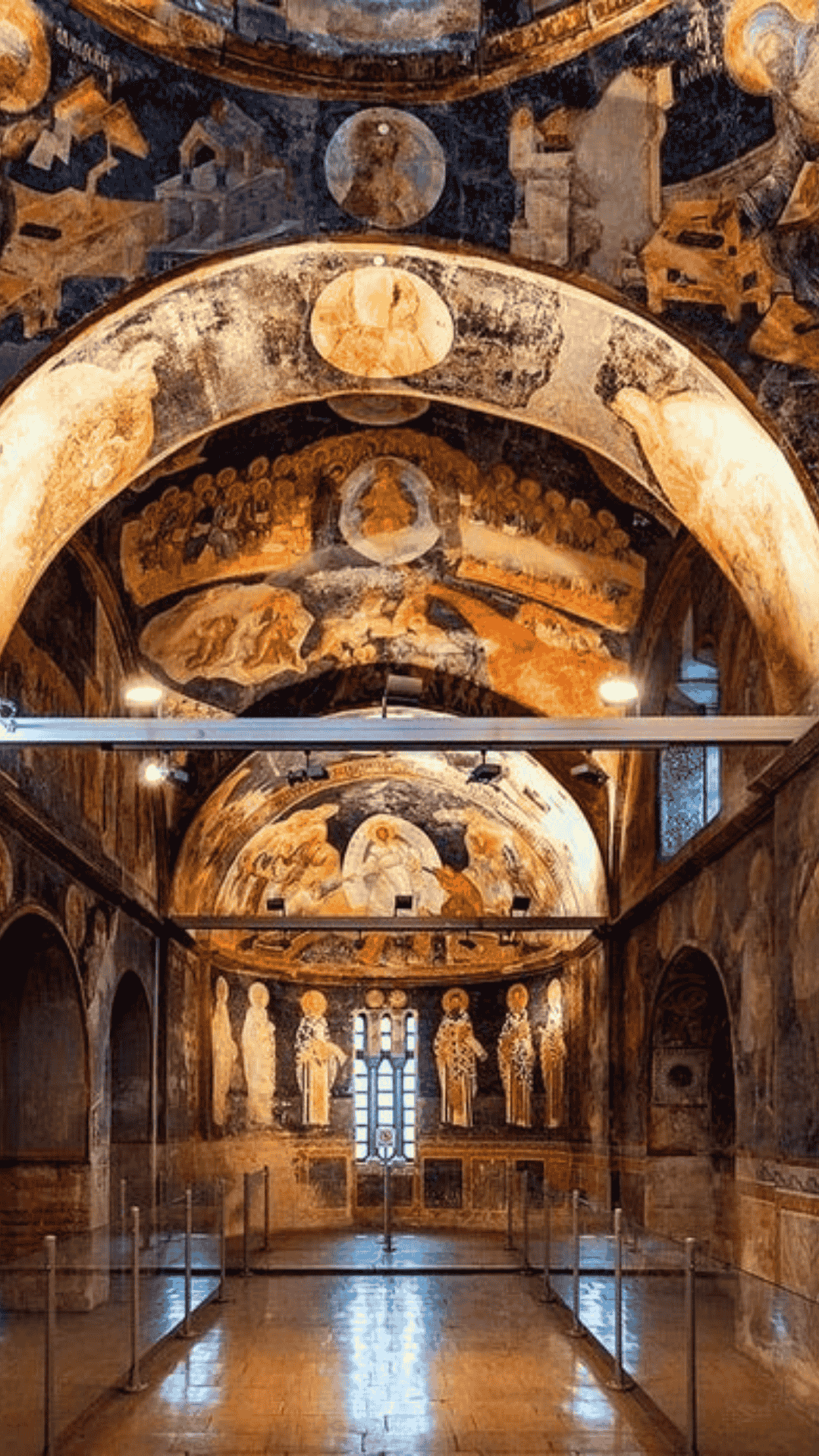
Istanbul’s official history goes back 2700 years, and its historical depth is too great even for the people who live there, let alone tourists. As a result, a few days in Istanbul will not be enough to understand its past. Still, some monuments offer a strong introduction to the Byzantine layers of the city.
Byzantine Empire in Istanbul: Hagia Sophia
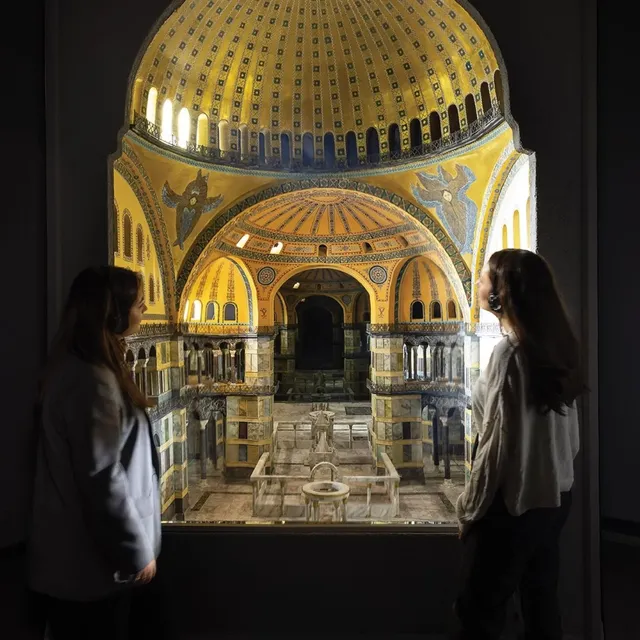
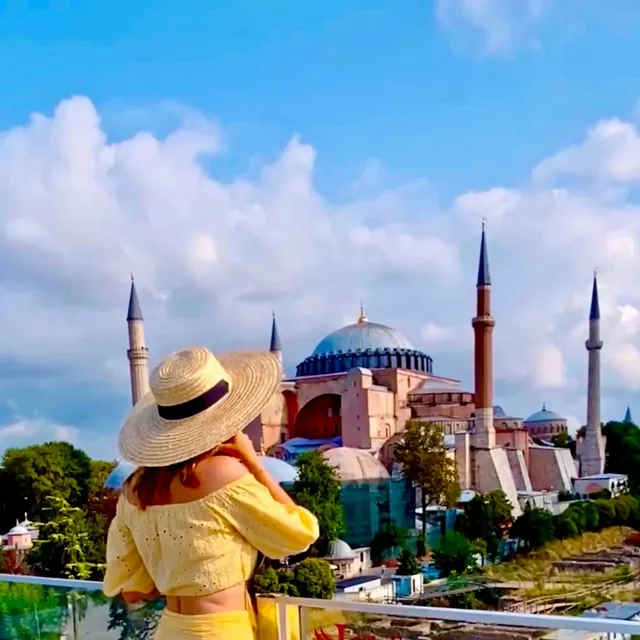
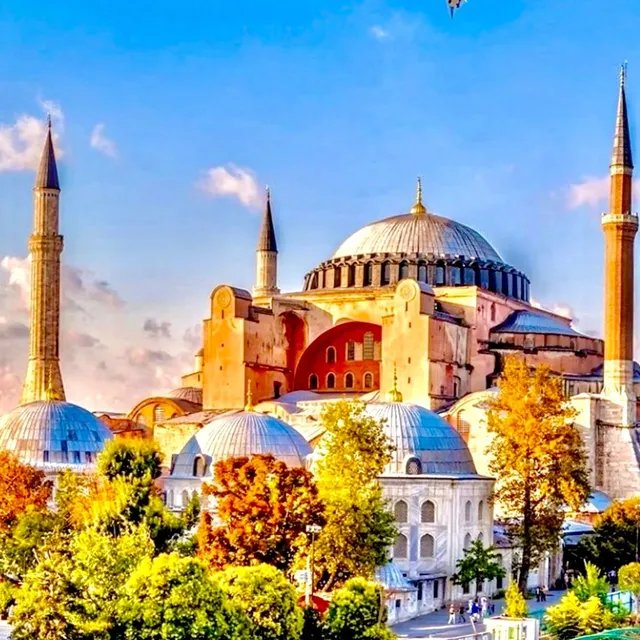
Hagia Sophia, or the Holy Wisdom Cathedral, was constructed in the aftermath of the Nika Revolt, which destroyed many of the city’s structures. Emperor Justinian survived the revolt that killed 30,000 people, and he started to construct magnificent buildings to restore his image. Anthemius and Isidore, appointed by the emperor, then created what became the world’s largest and most magnificent sanctuary of its age.
Built in 537, Hagia Sophia was such a remarkable architectural masterpiece that it took 1000 years to create buildings comparable to it. Similar monuments first appeared in Europe during the Renaissance. In the East, one thousand years after Hagia Sophia, Mimar Sinan constructed mosques that might be compared to it.
For broader historical background, UNESCO’s overview of Istanbul’s historic areas is also useful: UNESCO.
Basilica Cistern
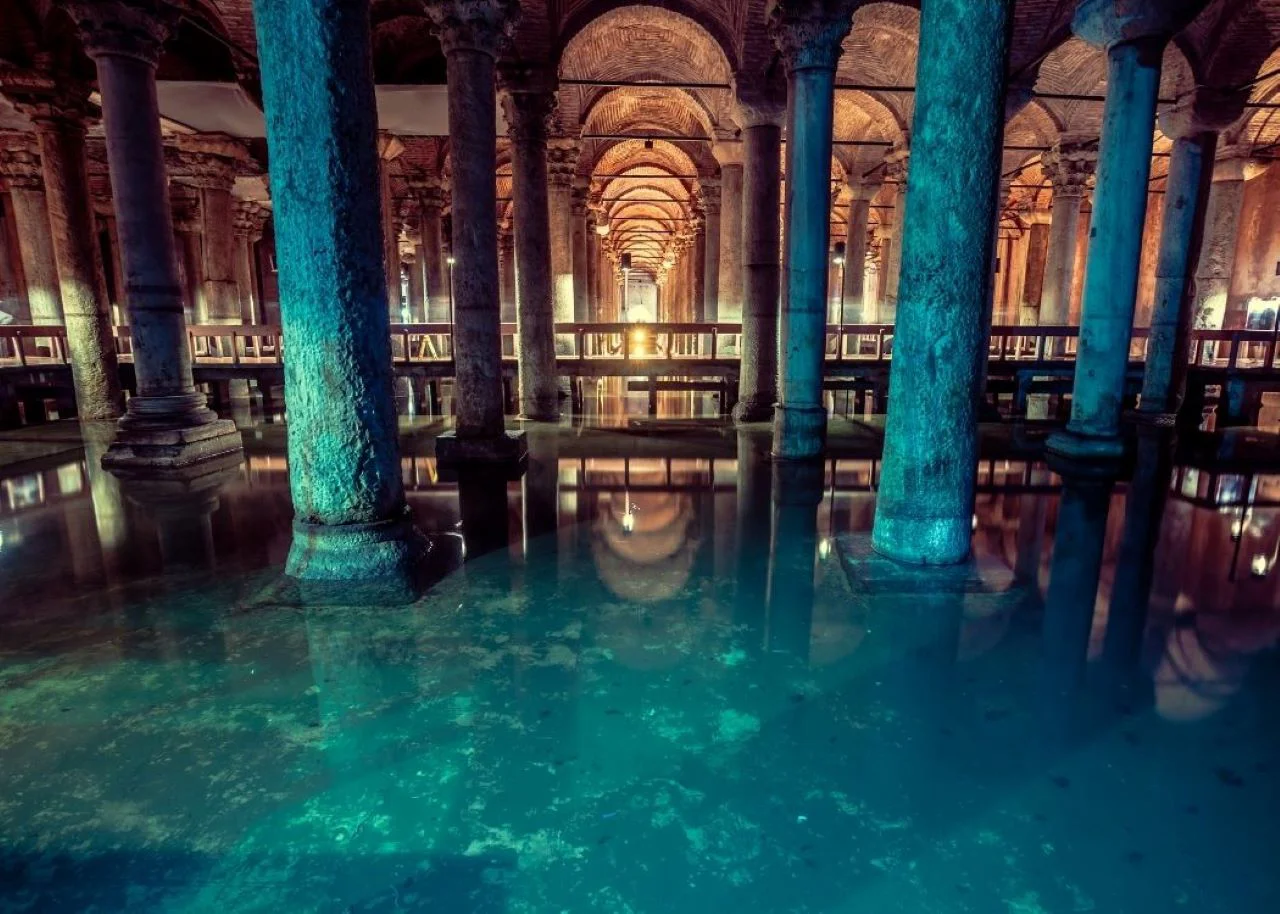
The Basilica Cistern is one of Istanbul’s most intriguing locations. When you visit this cistern, which is now a museum, you will undoubtedly get chills. Its atmosphere gives a powerful sense of the engineering and urban planning that supported life in Constantinople.
In its lengthy history, Istanbul has been subjected to many sieges. Constantinople was one of the most beautiful capitals in the Middle Ages, with a wealth that drew different civilizations and barbarian tribes.
The renowned Constantinople Walls were constructed in the 5th century and protected the city for centuries. Only two times in history did the city’s defense fail: the Sack of Constantinople and the Fall of Constantinople. The cisterns, walls, and surviving churches together help explain how the Byzantine capital functioned and endured for so long.
Hippodrome in Istanbul
The Hippodrome, situated in the center of Sultanahmet Square, is where chariot races were held in front of 50,000 spectators in Constantinople, the capital of the Byzantine Empire. Chariots were two-wheeled vehicles drawn by four horses, and riding them required a tremendous deal of expertise. The chariots would speed along the even section of the track and then slide severely around the curve, putting riders’ abilities to the test.
The emperor watched the races from his lodge, and the Hippodrome also became the setting for major political events. The Nika Revolt, Istanbul’s largest revolt, began here and swept across the city. Little remains of the Hippodrome’s former grandeur today. Even so, the surviving Obelisk of Theodosius, Serpent Column, and Walled Obelisk still reflect its long history.
The Obelisk of Theodosius, a 3500-year-old obelisk imported from Egypt, is described here as Istanbul’s oldest historical monument. Visiting the square today is one of the easiest ways to imagine the ceremonial heart of Byzantine Constantinople.
Forum of Constantine
The Forum of Constantine was one of Rome’s earliest famous structures in the city. This plaza, built by Constantine the Great, served as the heart of Constantinople. During Emperor Constantine’s reign, the city’s main thoroughfare was known as the “Mese.” Victorious Roman troops returning after a war would march along this street, which also contained the forum.
Today, this plaza is known as “Cemberlitas,” and it still preserves a porphyry column built by Constantine. The center of Byzantine Istanbul was formed by two squares: the Forum of Constantine and the Forum of Theodosius.
Mese is still a major thoroughfare in the Old City, and it is known as “Divanyolu Street,” along which the tram travels. It was called Divanyolu under the Ottoman Empire because it led to the Divan-i Humayun (Imperial Council) at Topkapi Palace. This continuity of route and function is one of the most striking ways the Byzantine city remained present within Ottoman and modern Istanbul.
Why Byzantine Istanbul Still Matters
The Byzantine layer of Istanbul is not limited to a single monument. It survives in religious architecture, underground water systems, public squares, columns, and the street plan of the Old City. Even when only fragments remain, they help explain how Constantinople became one of the most influential capitals in world history.
If you want to understand this period better, combining major landmarks such as Hagia Sophia, the Basilica Cistern, and Sultanahmet’s open-air remains offers a solid introduction. For general historical context, the Britannica entry on Constantinople can also be helpful.
FAQ
What are the most important Byzantine sites in Istanbul?
Some of the best-known Byzantine sites in Istanbul are Hagia Sophia, the Basilica Cistern, the Hippodrome area in Sultanahmet, and the Forum of Constantine at Cemberlitas. Together, they show the religious, political, and engineering achievements of Constantinople.
Was Istanbul called Constantinople during the Byzantine period?
Yes. During the Roman and Byzantine periods, the city was known as Constantinople. Before that, it was Byzantium, and under the Ottoman Empire it was also known by names such as Konstantiniyye and Dersaadet before Istanbul became the legal name in the republic era.
Why is Hagia Sophia so important in Byzantine history?
Hagia Sophia is important because it was built in 537 under Emperor Justinian and became one of the greatest architectural achievements of its age. Its scale, design, and influence shaped the history of architecture in both Europe and the East.
Can you still see the Hippodrome of Constantinople today?
Although much of the original Hippodrome has disappeared, visitors can still see the historic area in Sultanahmet and several surviving monuments, including the Obelisk of Theodosius, the Serpent Column, and the Walled Obelisk. These remains preserve part of its former importance.