
Before the Byzantine Empire: Istanbul’s Earliest Settlements
Before the Byzantine Empire, the area now known as Istanbul was already home to some of the region’s earliest communities. Excavations conducted at Yarımburgaz Cave have uncovered evidence of human culture in the region of Küçükçekmece Lake. Collective inhabitation of Istanbul, which would later become one of the most crowded cities in the world, dates back to the sixth millennium B.C.E. These societies inhabited caves on both the European and Anatolian sides of the city.
Although the first societies to exist in the area of Istanbul were nomadic and semi-nomadic, more culturally developed groups emerged over time. Their livelihood relied on fishing, agriculture, and animal husbandry. Research conducted at Fikirtepe has shown that these societies engaged in fishing and raising animals such as dogs, sheep, goats, oxen, and pigs from the sixth millennium B.C.E. onward.
First Inhabitants of Istanbul
The earliest known inhabitants of the Istanbul region lived long before the city became an imperial capital. Archaeological findings point to human activity around Küçükçekmece Lake and at Yarımburgaz Cave, showing that the area offered favorable conditions for early settlement. These communities used caves and natural shelter on both the European and Anatolian sides.
Over time, these early groups began to develop more settled ways of life. Instead of relying only on movement and seasonal survival, they increasingly turned to fishing, agriculture, and the care of domesticated animals. The findings from Fikirtepe are especially important in tracing this transition and understanding how everyday life evolved in prehistoric Istanbul. For broader background on the city’s ancient past, the Istanbul Archaeology Museums provide valuable context.
Forming the City
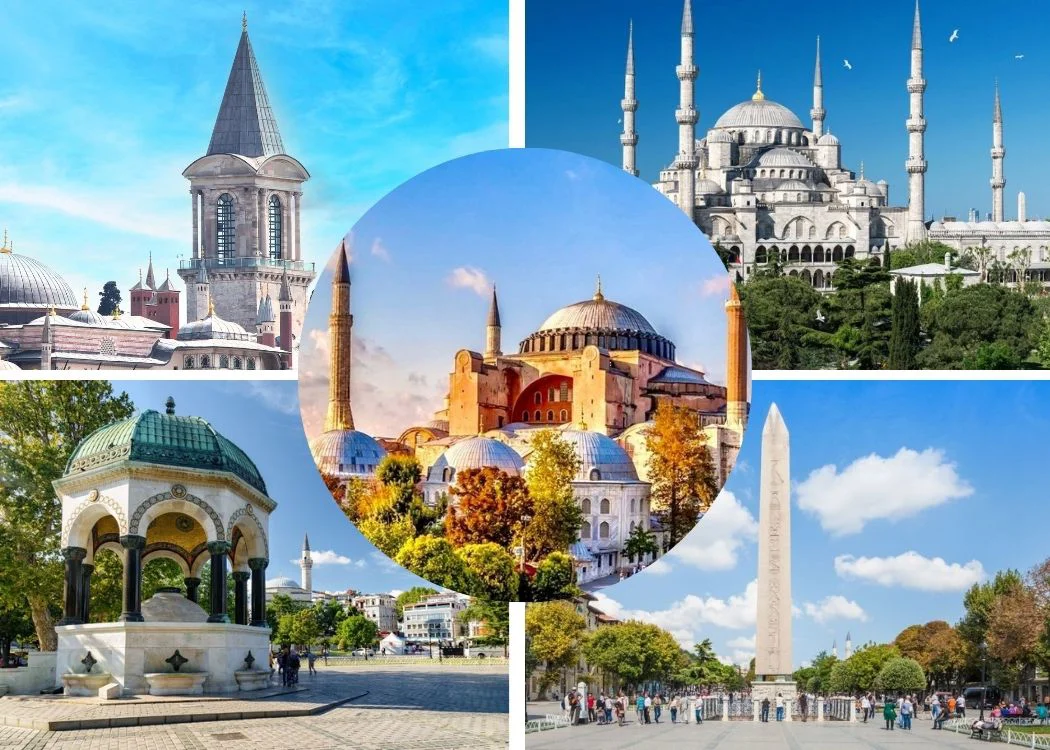
With the arrival of the third millennium B.C.E., settlement in Istanbul and the surrounding areas grew rapidly, and city-states began to form. Throughout the area’s long history, and particularly during this era, the area near Sultanahmet Square was an important focus of settlement. This same district would later become the seat of three different empires.
The rise of permanent settlement marked an important shift in the story of Istanbul. The first societies in and around the city had been nomadic and semi-nomadic, but in the third millennium B.C.E. more stable communities began to take shape. As this process continued, Sultanahmet Square and the surrounding area became an important center of growth.
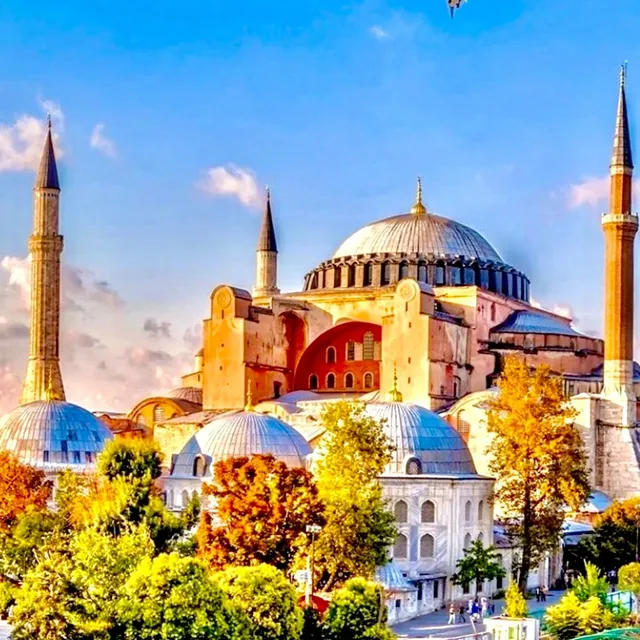
This early importance helps explain why the historic peninsula remained central in later centuries. Places that are now associated with monumental landmarks such as Hagia Sophia were part of a landscape with a much deeper human history, one that began long before the Byzantine period.
Why This Pre-Byzantine Period Matters
Understanding Istanbul before the Byzantine era reveals that the city’s significance did not begin with emperors, monumental churches, or imperial institutions. Its strategic geography, access to water, and favorable living conditions had already attracted people for millennia. The prehistoric and early settlement layers of the city help explain why this location continued to grow in political, economic, and cultural importance.
For a general historical overview of Byzantium’s earlier setting, you can also consult Britannica’s overview of Istanbul. Together with archaeological research, such sources show how the city’s story stretches far beyond imperial history alone.
FAQ
How old is human settlement in Istanbul?
Archaeological evidence in the Istanbul region dates collective inhabitation back to the sixth millennium B.C.E. Excavations at Yarımburgaz Cave and research in areas such as Fikirtepe help trace these earliest communities and their ways of life.
Who lived in Istanbul before the Byzantine Empire?
Before the Byzantine Empire, the area was inhabited by nomadic and semi-nomadic societies. Over time, more settled communities developed, relying on fishing, agriculture, and animal husbandry in both the European and Anatolian parts of the region.
Why is Fikirtepe important in Istanbul’s history?
Fikirtepe is important because research there has shown that early societies in the region engaged in fishing and raised animals such as dogs, sheep, goats, oxen, and pigs from the sixth millennium B.C.E. onward.
Was Sultanahmet important before Byzantine times?
Yes. The area near today’s Sultanahmet Square was already an important focus of settlement, especially by the third millennium B.C.E. Later, this same area would become the seat of three different empires.