
For most visitors, that history becomes much easier to understand in two places: Topkapi Palace, which shows how Ottoman rule worked in its long imperial middle, and Dolmabahce Palace, which shows how the dynasty presented itself in its final phase. If you understand those two palaces, you understand much of the Ottoman story in Istanbul.
Who were the Ottoman sultans?
The Ottoman sultans were not just a line of kings. They were heads of a ruling dynasty that expanded from a frontier principality in northwestern Anatolia into an empire stretching across parts of Southeast Europe, the Middle East, and North Africa.
Ottoman Empire is a dynasty-led empire ruled by the house of Osman for centuries. Sultan is the title used by Ottoman rulers, though their authority also drew on military success, dynastic legitimacy, religion, law, court ritual, and control of key cities.
The dynasty took its name from Osman I, the founder. Early rulers built power through warfare, alliances, and strategic expansion. Later rulers inherited a much larger state that needed armies, tax systems, governors, judges, court households, and ceremonial order.
The sultans also changed over time. Some were remembered mainly as conquerors. Some were administrators and patrons. Some ruled through strong households and ministers. Some faced reform, foreign pressure, and political limits unknown to earlier rulers.
For first-time visitors, three names matter most:
- Osman I: founder of the dynasty.
- Mehmed II: conqueror of Constantinople in 1453 and the ruler who turned the city into the Ottoman capital.
- Suleiman the Magnificent: the best-known sultan, tied to the empire at its height.
At the other end of the story stands Mehmed VI, the last sultan. His reign belongs to the empire's final crisis, and the sultanate was abolished in 1922.
Ottoman sultans timeline

You do not need every ruler memorized. You need the main turning points.
- Osman I: dynasty founder.
- Early expansion from a frontier principality into a larger regional state.
- Bursa becomes an early Ottoman capital.
- Edirne becomes the later capital before Istanbul.
- Mehmed II captures Constantinople in 1453, the decisive turning point for Istanbul and the empire.
- Topkapi Palace becomes the main imperial center of rule after the conquest.
- Suleiman the Magnificent represents the empire at its best-known peak of prestige and legal-political authority.
- The 18th and 19th centuries bring reform, diplomatic pressure, and new political styles.
- Tanzimat reforms reshape the state in the 19th century.
- Dolmabahce Palace reflects the late imperial court and a new style of projecting power.
- Mehmed VI becomes the last sultan.
- The sultanate is abolished in 1922.
Rise, conquest, and court power
Bursa is the first major Ottoman capital. Edirne is the later capital before the conquest of Constantinople. These cities matter because they show that the empire did not begin in Istanbul.
Constantinople is the Byzantine capital captured by Mehmed II in 1453. After the conquest, it became the Ottoman center of rule. That is the single turning point most visitors should remember.
Mehmed II is the conqueror who transformed Constantinople into the Ottoman capital and pushed major rebuilding. If you visit old Istanbul today, you are moving through his political project as much as through Roman and Byzantine remains.
The 15th and 16th centuries brought expansion and administrative confidence. Imperial Council is the high governing body that handled major state business. Janissaries are elite infantry long tied to Ottoman military power. Together with palace servants, scribes, judges, governors, and dynastic households, they helped turn conquest into durable rule.
Reform, ceremony, and decline
By the 18th and 19th centuries, the empire faced military pressure, internal strain, and diplomatic challenges. This was not just a story of collapse. It was also a story of adaptation.
Tanzimat is the 19th-century reform era that aimed to reorganize and modernize the empire. Dolmabahce Palace belongs to that world. It looks different from Topkapi because the state wanted to project a different kind of authority in a different political age.
The sultan remained important, but the court operated in a new diplomatic environment. European styles became more visible. Waterfront display mattered more. Ceremony changed. Dolmabahce therefore feels less like a fortress-city and more like a statement directed toward foreign powers, ambassadors, and modern state prestige.
Why Topkapi Palace matters
Topkapi Palace is the main Ottoman imperial complex used for centuries after the conquest. It sits above the meeting point of the Bosphorus, the Golden Horn, and the Sea of Marmara, a setting that expresses command as clearly as any throne room.
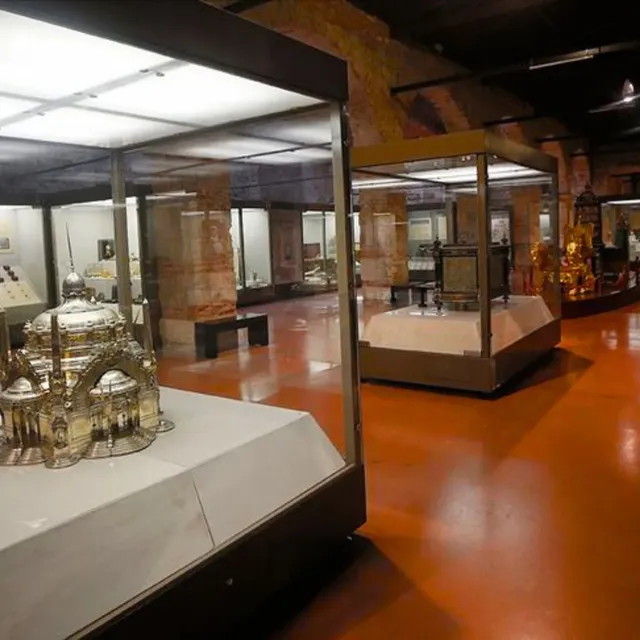
This is where visitors best grasp early and classical Ottoman rule. You see the imperial gates, council spaces, kitchens, treasury collections, and private court areas. The layout explains hierarchy: the deeper you move into the complex, the more restricted and political the space becomes.
Imperial Harem is the private dynastic household inside Topkapi, not a fantasy stage set. It was a place of family life, education, rank, discipline, and influence. Women of the dynasty, especially mothers of reigning sultans, could shape politics from within this protected sphere.
If you only visit one palace, Topkapi Palace usually gives the clearest foundation for understanding the Ottoman sultans. Go early if you can. current Topkapi Palace opening days and hours and current Topkapi Palace ticket options and inclusions.
Why Dolmabahce Palace matters

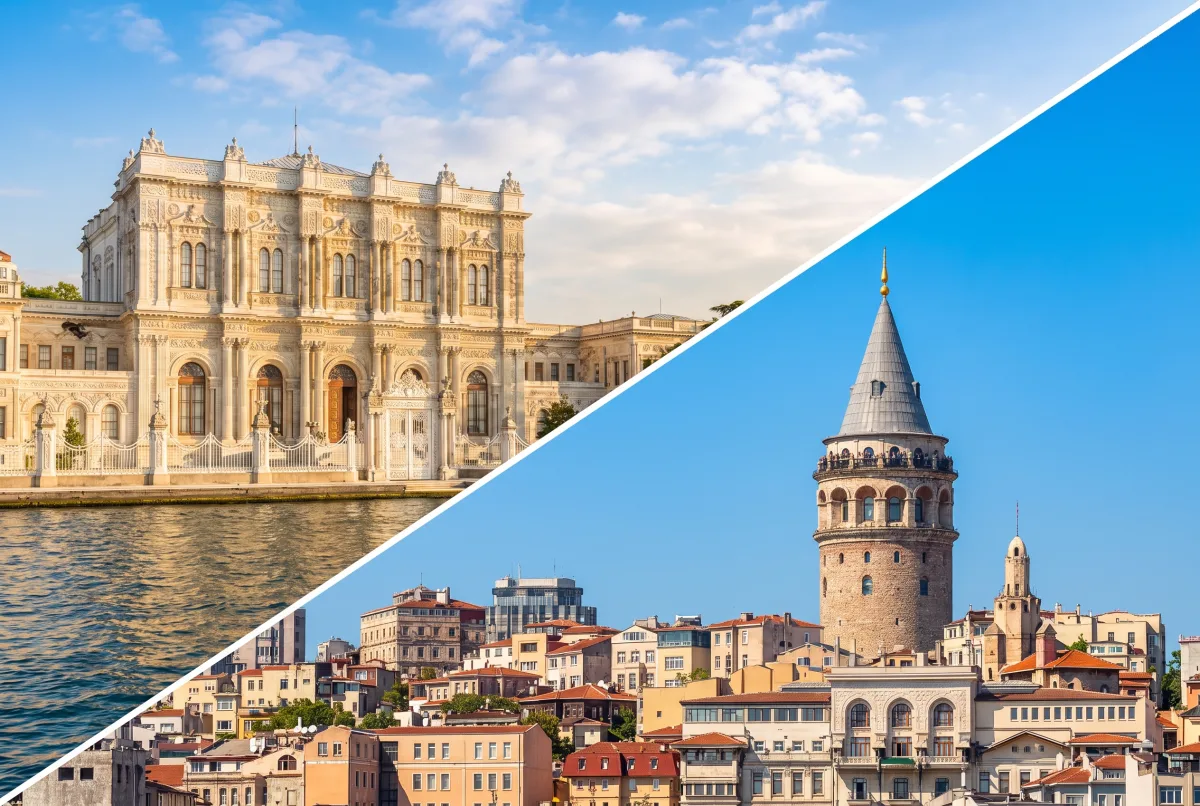
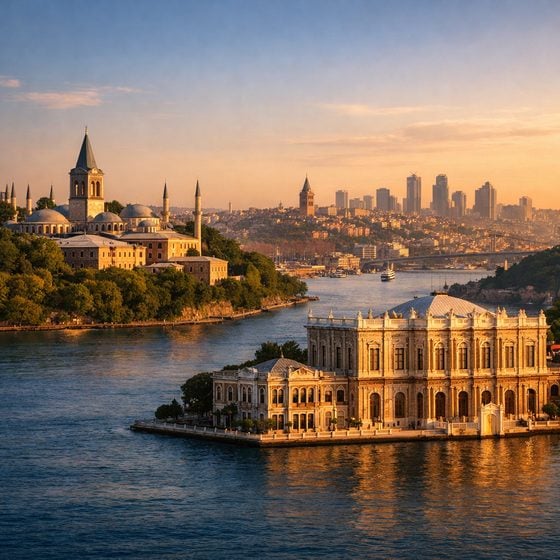
Dolmabahce Palace is the 19th-century Ottoman court on the Bosphorus, built to present imperial power in a newer style. It is larger in scale, richer in European-influenced ornament, and easier to read as a ceremonial showpiece.
Its real value is historical. Dolmabahce shows an empire trying to modernize its image while preserving dynastic authority. If Topkapi helps you understand how the dynasty ruled for centuries, Dolmabahce helps you understand how it adapted in its final phase.
It also shifts your map of Istanbul. Topkapi belongs to the old peninsula and the post-conquest center. Dolmabahce belongs to a Bosphorus-facing city of embassies, reform, and later imperial display. Seeing both makes the contrast clear.
Plan carefully before you go. current Dolmabahce Palace opening days and hours and current Dolmabahce Palace ticket rules, guided access, and photography policy.
The people around the throne
A sultan never ruled alone. Ottoman government worked through networks of household, office, religion, and military power.
Valide Sultan is the mother of the reigning sultan and often one of the most powerful figures at court. Grand Vizier is the empire's chief minister, often responsible for day-to-day governance at the highest level. Ulema is the body of Islamic scholars and judges who helped shape legal and religious authority.
These roles matter because visitors often imagine absolute power working in a straight line from ruler to subject. In reality, imperial government was layered. Factions formed. Alliances shifted. Access mattered. Court politics mattered.
The built city reflects that wider system. Mosques, külliyes, fountains, schools, tombs, and barracks were public signs of authority, piety, memory, and patronage.
Sultan Ahmed Mosque is the formal name of the Blue Mosque, an imperial Ottoman mosque built near the old Byzantine ceremonial core. If you visit Blue Mosque, dress respectfully and current visitor dress and prayer-time access rules for Blue Mosque.
How to read Istanbul through the sultans
The simplest way to read Istanbul through the Ottoman sultans is to follow the story in sequence.
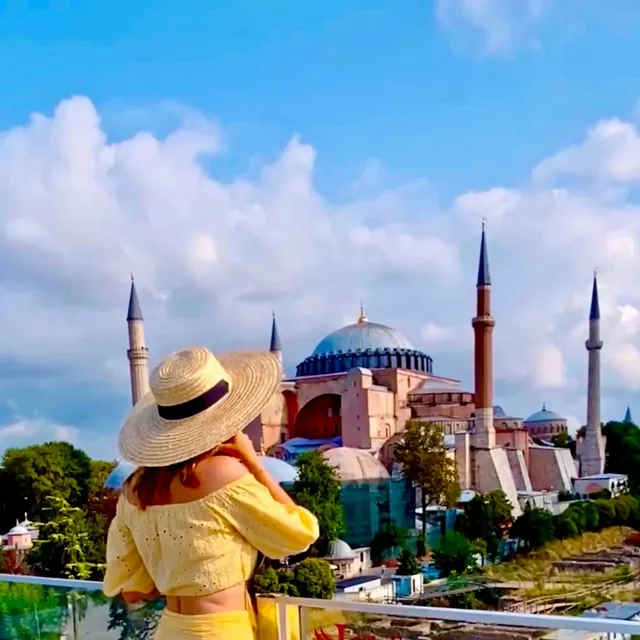
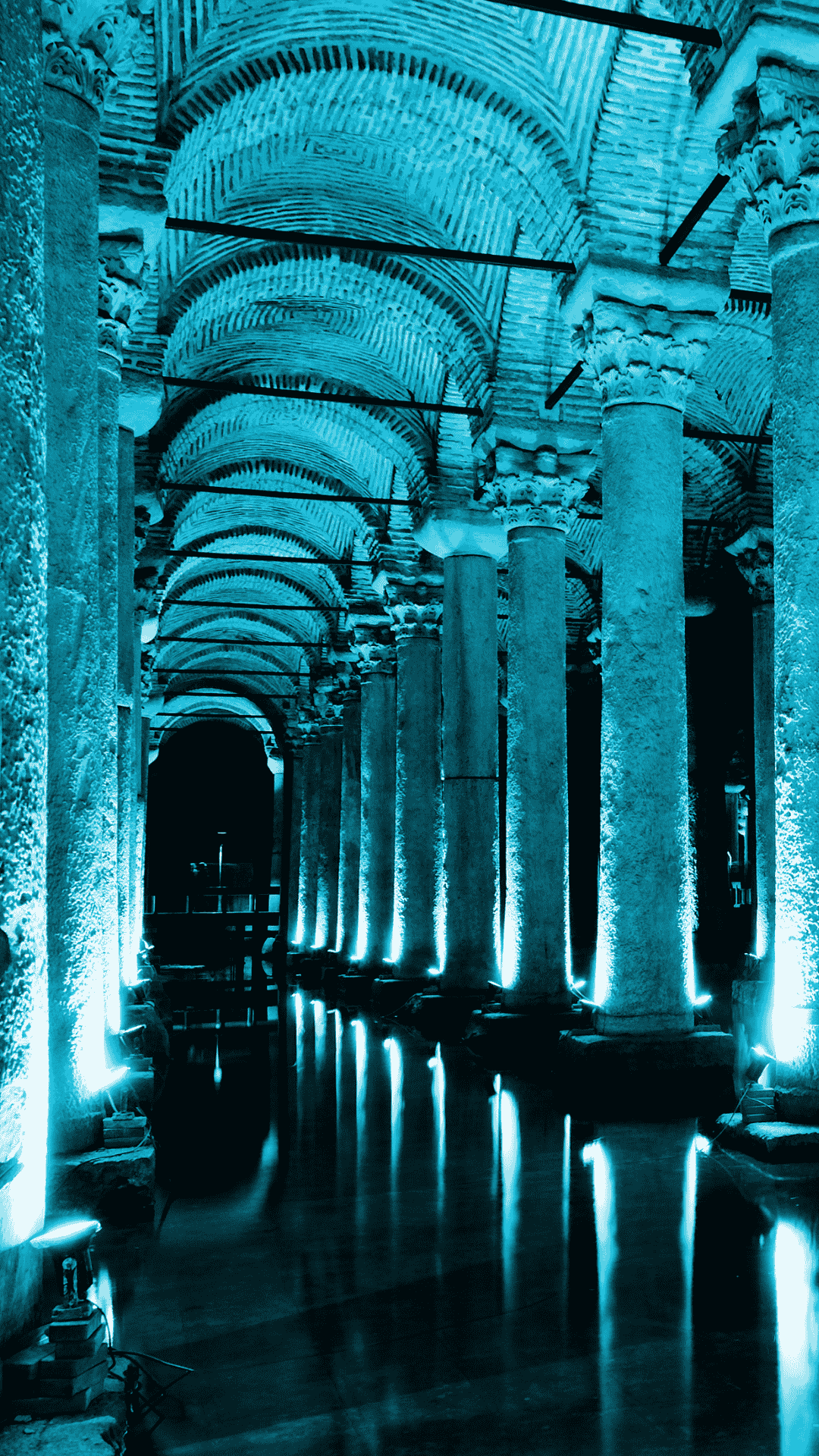
Start in Sultanahmet with Hagia Sophia, which helps explain the Byzantine imperial city the Ottomans inherited and transformed. Then see Blue Mosque, an imperial mosque that shows Ottoman confidence, dynastic patronage, and public religious life. Add Basilica Cistern to understand the deeper Byzantine city still sitting beneath Ottoman and modern Istanbul.
After that, go to Topkapi Palace. This is where conquest became government. The palace helps you read gates, courtyards, councils, treasuries, and private apartments not as disconnected museum rooms but as a system for organizing power.
Then move north to Dolmabahce Palace. There the story changes from guarded dynastic control to a 19th-century world of ceremony, diplomacy, reform, and waterfront display.
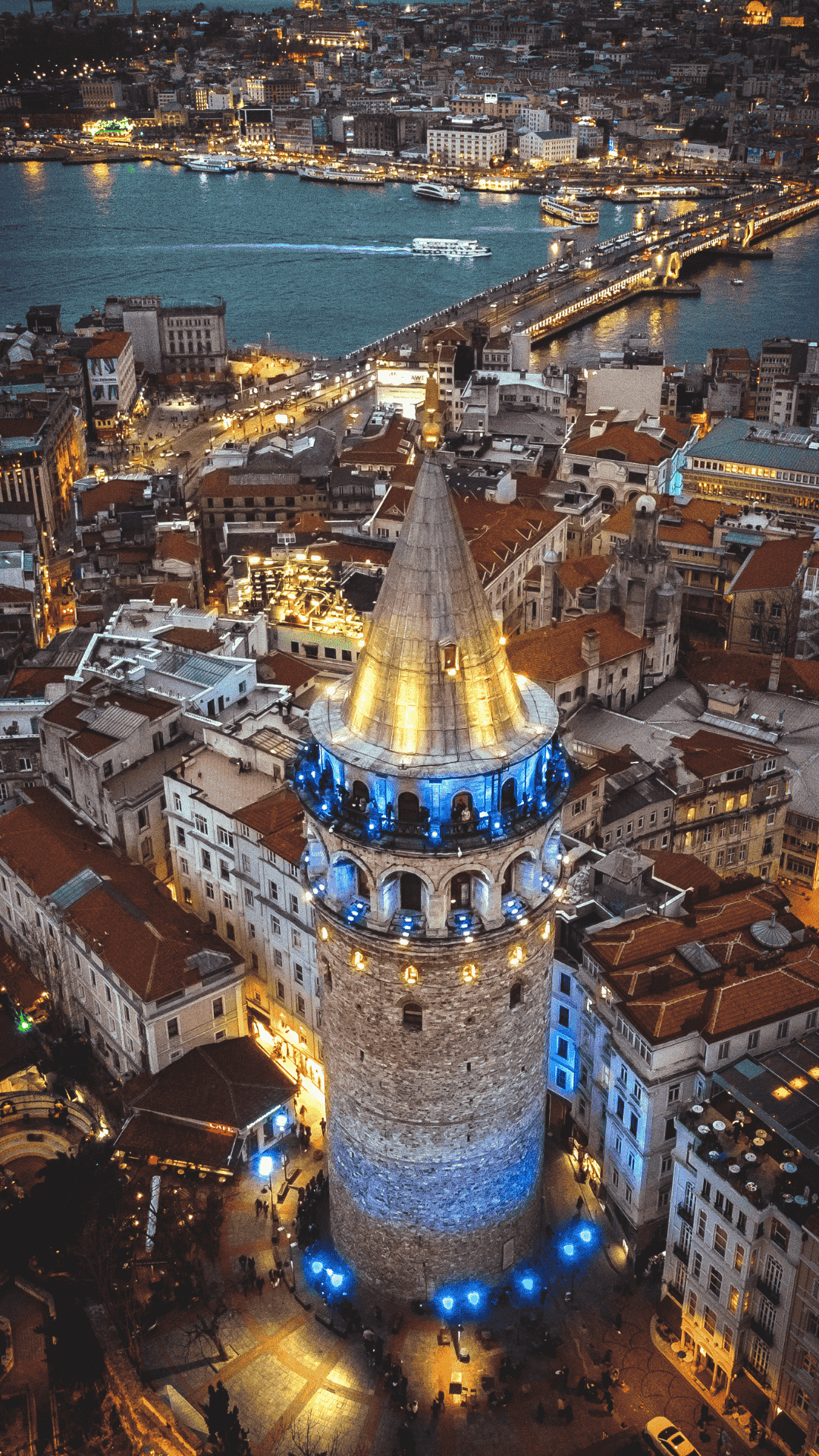
You can also read the city from the water. The Bosphorus was not just scenery. It was a corridor of movement, prestige, surveillance, and court display. A Bosphorus cruise helps place palaces, mosques, and shoreline architecture in one frame.
If you do this route in order, Istanbul stops feeling like a list of famous monuments and starts reading like a political narrative: Byzantine capital, Ottoman conquest, imperial court, imperial mosque, reform-era palace, then the long late view from the Bosphorus.
Common mistakes visitors make
The first mistake is flattening six centuries into one mood. The Ottoman sultans were not all the same, and the empire did not stay politically or culturally fixed.
The second mistake is focusing only on conquest or only on palace decoration. Both matter, but neither explains the full story on its own. You need to connect military power, bureaucracy, religion, dynastic household, and architecture.
The third mistake is reducing the harem to myth. The imperial harem was politically important, but it was not the whole empire. Administration, military structure, diplomacy, and urban patronage mattered just as much.
The fourth mistake is visiting only Topkapi and skipping Dolmabahce. That choice can save time, but it removes the empire's last major chapter from view.
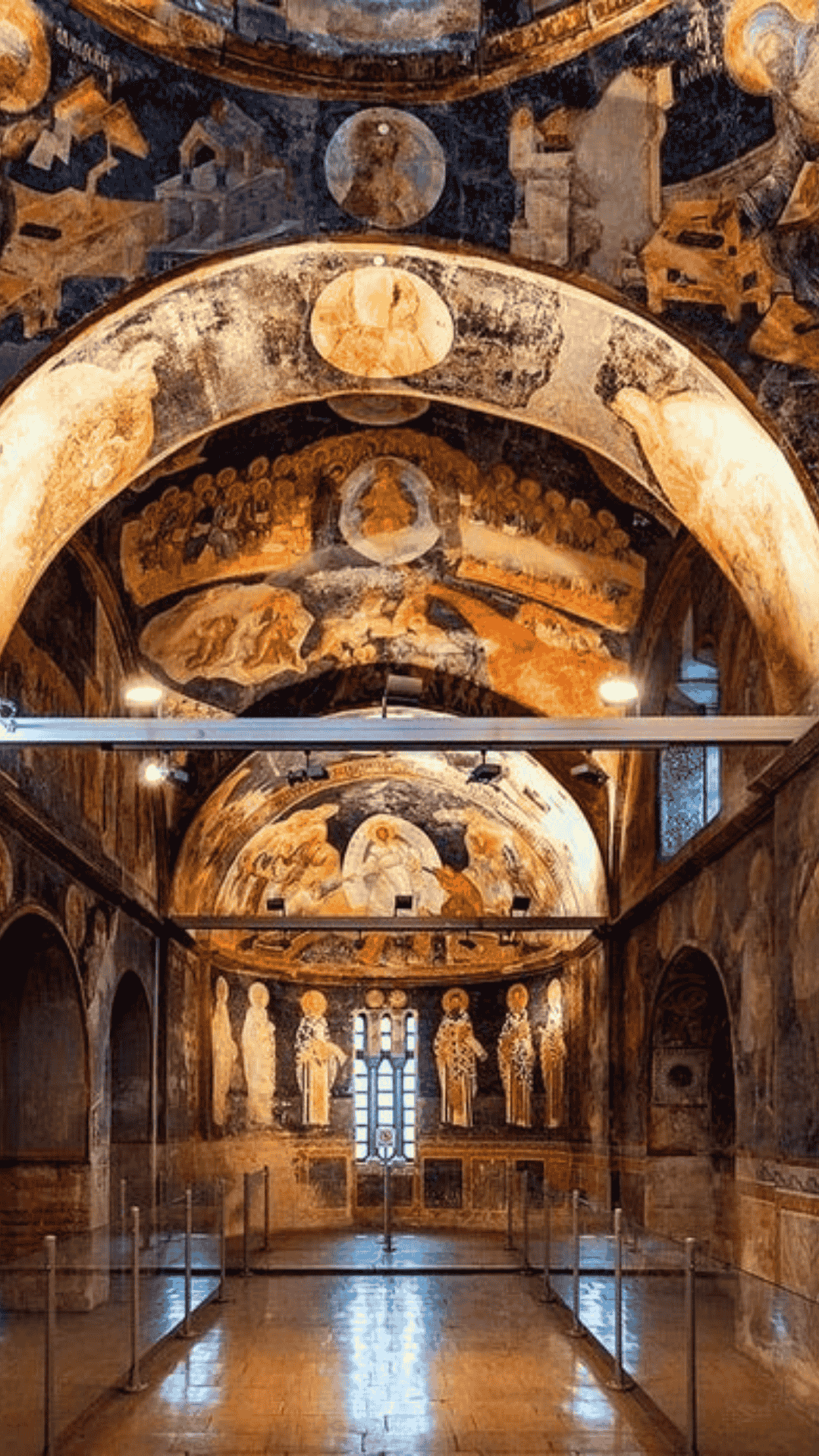
The fifth mistake is seeing monuments as isolated attractions. Hagia Sophia, Blue Mosque, Topkapi Palace, Basilica Cistern, and Dolmabahce Palace make the most sense when you connect them to the same long story of imperial power in Istanbul.
Where to go next in Istanbul
If this primer helped, keep following the throne theme through the city.
Start with Topkapi Palace for the clearest view of how the early and classical Ottoman court worked. Continue to Dolmabahce Palace for the late imperial world of reform and ceremony.
Then deepen the context with Hagia Sophia, which anchors the conquest story and the city's imperial continuity, and Blue Mosque, which shows how Ottoman rulers projected piety and dynastic prestige in the old center.
Add Basilica Cistern to understand the Byzantine infrastructure beneath Ottoman Istanbul. If you want the broadest visual frame, take a Bosphorus cruise and read the palaces and shoreline from the water, where late Ottoman display becomes easier to grasp.
Conclusion
The short answer is simple: the Ottoman sultans were the rulers of the Ottoman dynasty from Osman I to Mehmed VI, from the empire's rise in the late 13th century to the abolition of the sultanate in 1922. For Istanbul visitors, the essential turning points are Mehmed II's conquest of Constantinople and the later shift from Topkapi to Dolmabahce as expressions of rule.
If you keep that framework in mind, Istanbul becomes easier to read. Topkapi shows how the sultans governed. Dolmabahce shows how their rule changed. Together, they turn a long and complicated imperial history into something you can see on the ground.