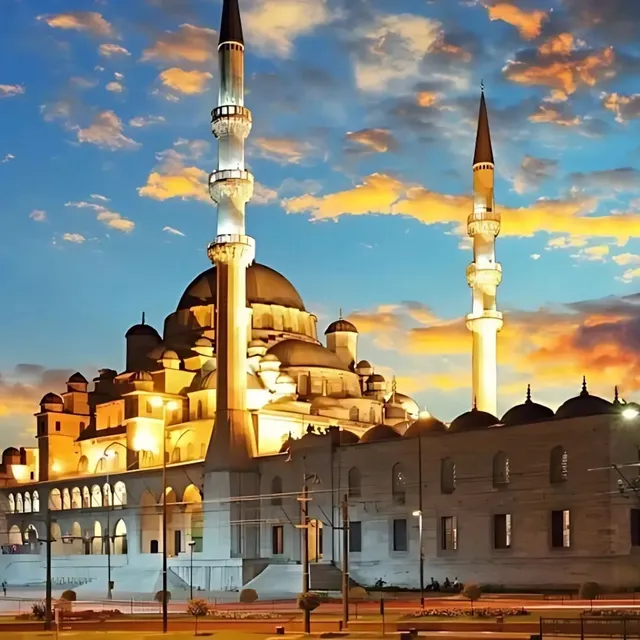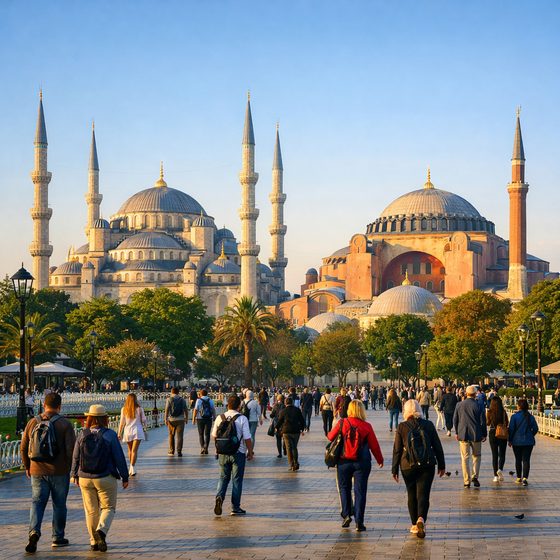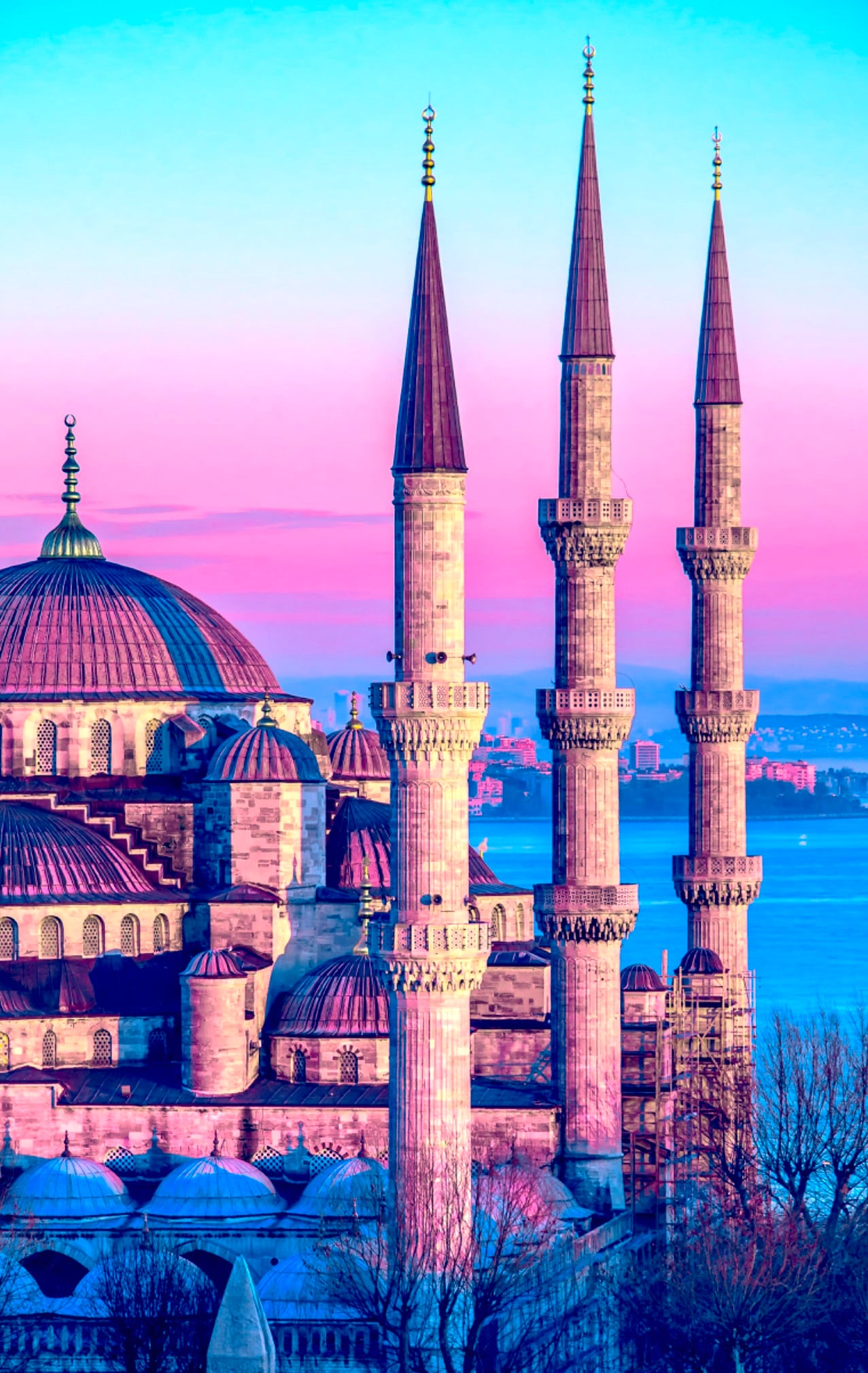
For visitors exploring Ottoman Istanbul today, this legacy can still be felt in landmarks such as the Suleymaniye Mosque and in the wider historic fabric around the old capital. The architectural and urban decisions associated with Kanuni Sultan Süleyman helped shape the city’s long-term identity.
Architecture in the sultan kanuni period
One of the most striking features of the period was the scale and quality of construction in Istanbul. A number of major religious and social complexes were built, many of them combining a mosque with supporting buildings that served broader community needs. These works transformed the skyline and strengthened the city’s role as the heart of the Ottoman Empire.
Among the most significant monuments from the period are the Süleymaniye Mosque and surrounding complex, Şehzadebaşı Mosque and surrounding complex, Sultan Selim Mosque and surrounding complex, and Cihangir Mosque. The mosques built in the name of Mihrimah Sultan in Edirnekapı and Üsküdar also stand out among the era’s notable works.
Another important part of this architectural legacy is the Haseki surrounding complex and Haseki Bath, commissioned in the name of Hürrem Sultan. Together, these projects reflect how royal patronage shaped the city, with imperial family members sponsoring buildings that served both religious and social purposes.
Mimar Sinan’s impact on Istanbul
The works associated with Mimar Sinan were central to the visual and cultural transformation of Istanbul in this era. His buildings did more than add new monuments; they created a new rhythm in the city through domes, courtyards, külliyes, and carefully planned urban placement. In this sense, the Kanuni period was not simply a time of construction, but a time when architecture began to define the Ottoman capital in a more unified way.
Today, travelers interested in this legacy often begin with the Topkapi Palace area and then continue toward the Süleymaniye district to understand how imperial life and monumental architecture were connected. The city still preserves traces of this broader Ottoman vision.
How Istanbul became more organised
During Kanuni Sultan Süleyman’s period, Istanbul became a more organised city. In one respect, new migrations were prevented. At the same time, the construction of houses around the city walls was prohibited. These measures show an effort to regulate the expanding capital and control how urban space developed.
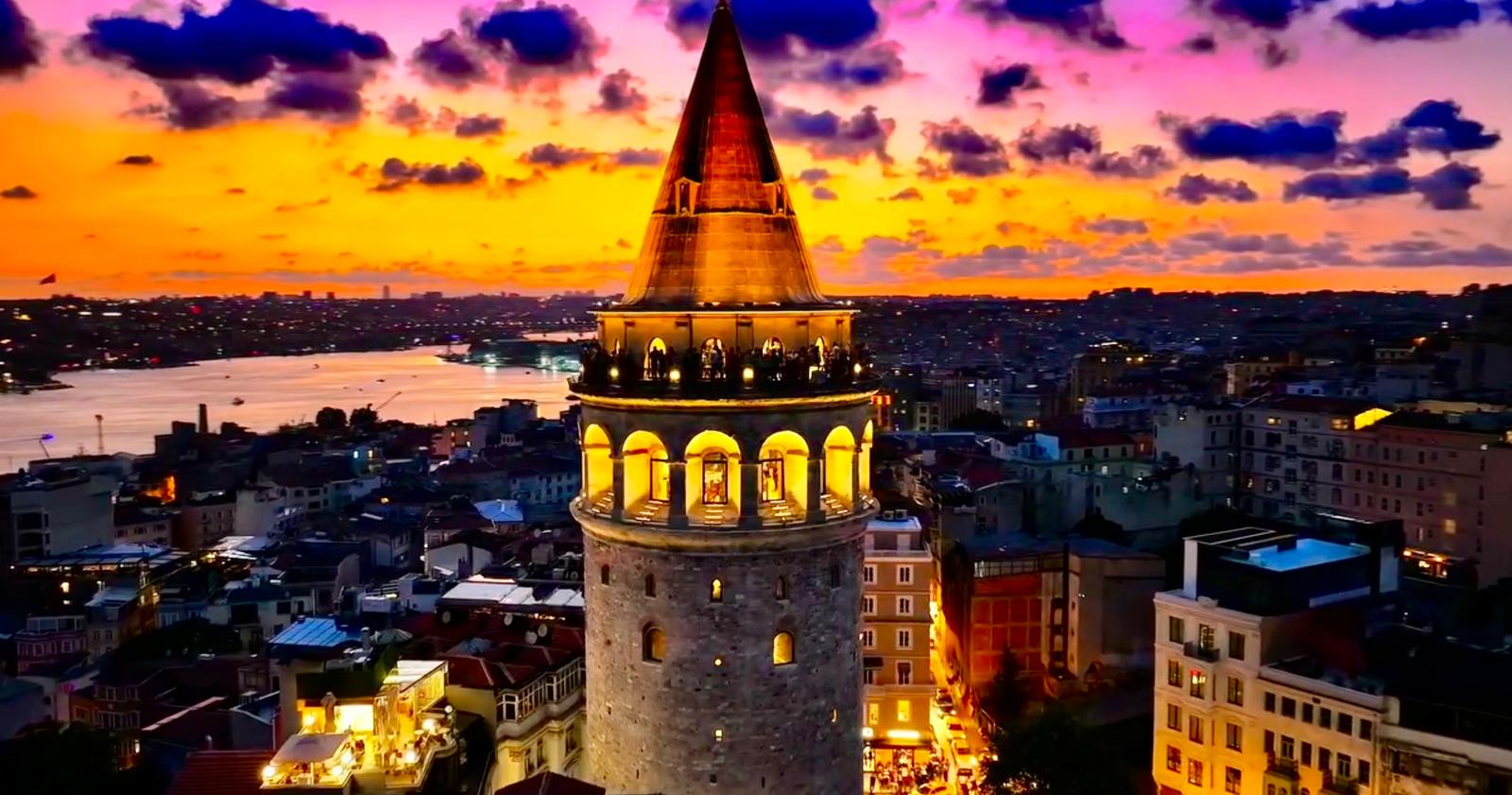
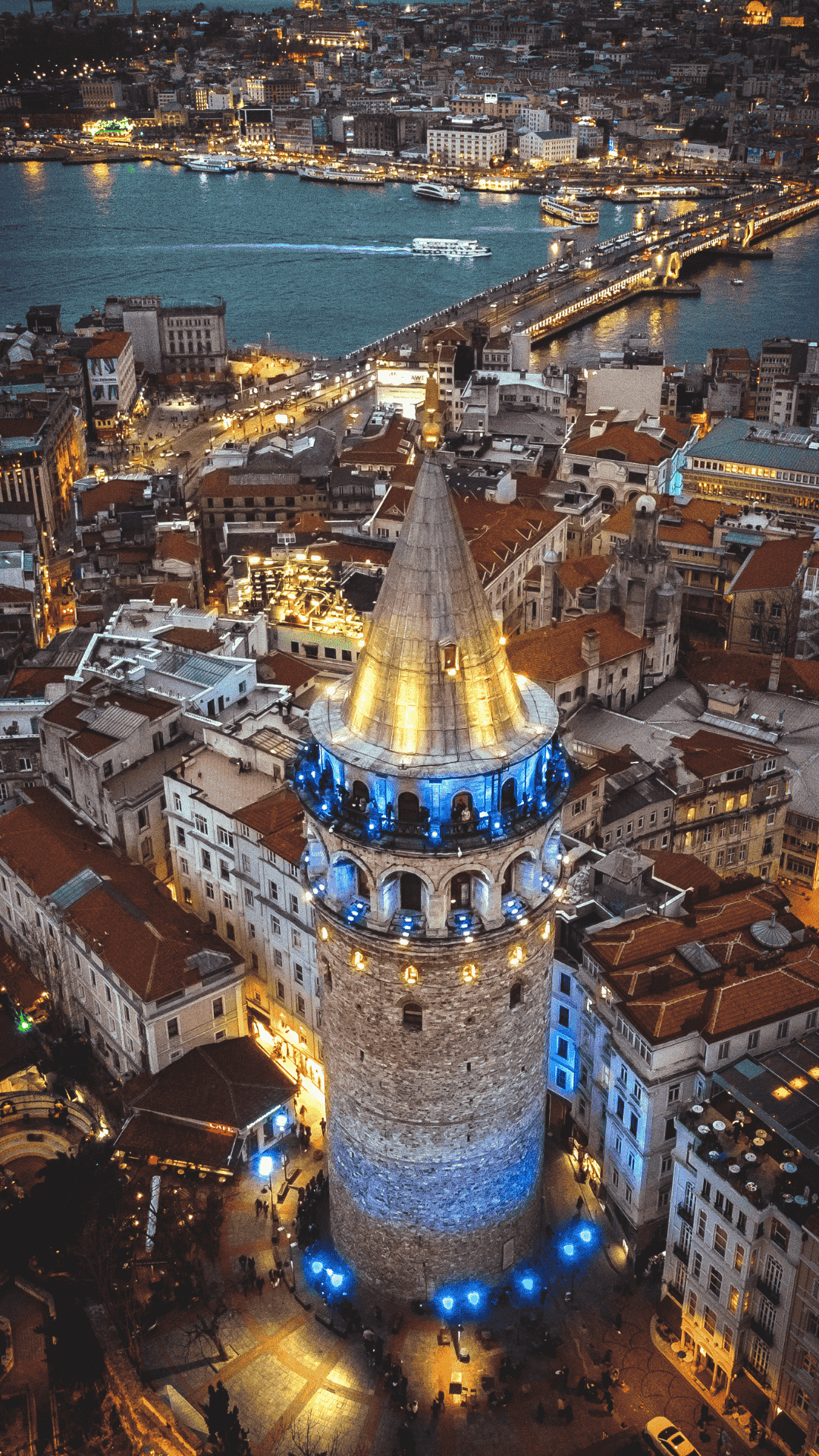
There were also rules concerning domestic architecture. It was obligated that every house had a shutter over windows, and stone construction was to be used in every building in Galata. These details may seem practical, but they reveal an important side of the period: the administration was concerned not only with grand imperial buildings, but also with safety, order, and the appearance of everyday urban life.
For anyone walking through historic districts near the Golden Horn or across old settlement areas, it becomes easier to imagine how such regulations would have influenced the form of the city. Istanbul in the Kanuni era was being shaped both from above by imperial patronage and from below by rules affecting ordinary construction.
Major monuments associated with the era
The following works are among the most important architectural monuments connected with the period in Istanbul:
- Süleymaniye Mosque and its surrounding complex
- Şehzadebaşı Mosque and its surrounding complex
- Sultan Selim Mosque and its surrounding complex
- Cihangir Mosque
- Mosques commissioned in the name of Mihrimah Sultan in Edirnekapı and Üsküdar
- Haseki complex
- Haseki Bath, commissioned in the name of Hürrem Sultan
These sites help explain why the period is so important in the history of Istanbul. They represent a moment when the city was enriched through architecture, patronage, and urban planning at the same time.
Why the period still matters today
The sultan kanuni period remains important because it left a visible and lasting mark on Istanbul. The monuments of the era are not isolated landmarks; they are part of a broader story about how the Ottoman capital developed in form, function, and prestige. Mosques, complexes, baths, and civic rules together contributed to a more ordered and monumental city.
For further historical background, readers can compare general overviews on Britannica or browse architectural context through trusted references such as Archnet. When visiting Istanbul itself, the most direct experience of the era is still found in its surviving Ottoman monuments.
In short, the period of Kanuni Sultan Süleyman was one in which Istanbul gained both monumental masterpieces and stronger urban order. That combination is a key reason why this era continues to hold an important place in the history of the city and the Ottoman Empire.