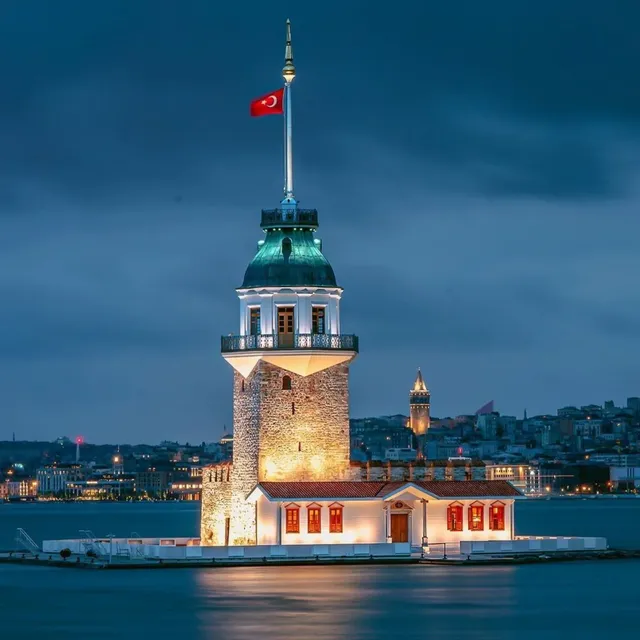
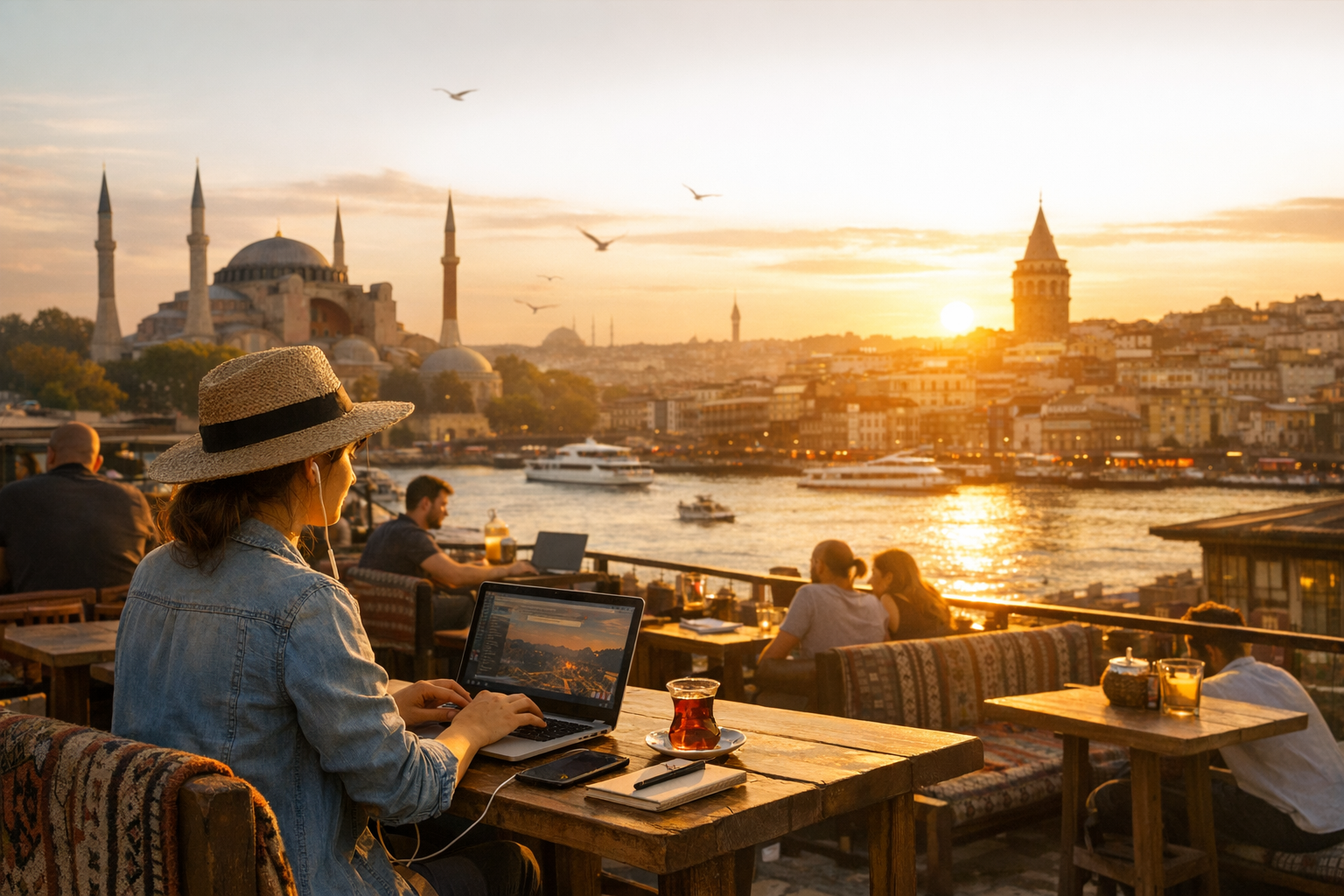
Your first time in Istanbul should feel layered, not rushed: the great domes and minarets, the Bosphorus light, the ferry crossings, the backstreets where the city suddenly becomes quieter and more intimate. This itinerary is designed for exactly that balance. It covers Istanbul’s essential icons while leaving room for the city’s texture: tea by the water, neighborhoods with personality, meals worth slowing down for, and the small adjustments that make a first trip feel smooth instead of overwhelming.
If we were planning this trip for a friend, we would not try to “do everything.” That is the fastest way to miss what makes Istanbul memorable. Instead, we would group the city smartly, respect walking time and ferry time, and leave space for a few moments when you are not checking a list at all. You will find practical advice on timing, food stops, photography, transport, crowd avoidance, and when it makes sense to book ahead.
One thing we often tell first-time visitors: Istanbul is not difficult, but it is big, hilly, and emotionally rich. A good itinerary is less about how many places you can pin on a map and more about how well each day flows.
FIRST TRIP Plan Your Perfect First Trip Compare attractions, Bosphorus cruises, and skip-the-line tickets for all three days.Quick Overview
| Day | Focus | Best For | Overnight Area |
|---|---|---|---|
| Day 1 | Historic Sultanahmet | Big-ticket landmarks, first orientation, Ottoman and Byzantine highlights | Sultanahmet or Eminonu/Sirkeci |
| Day 2 | Bosphorus and Beyoglu | Views, ferries, modern city energy, food and sunset atmosphere | Karakoy, Galata, Taksim, or Cihangir |
| Day 3 | Local neighborhoods and the Asian side | Slower pace, markets, cafe culture, everyday Istanbul | Anywhere central with easy tram/metro/ferry access |
Who This 3-Day Plan Is Best For
- First-time visitors. You want both the classics and a sense of real city life.
- 3–4 night travelers. You are staying 3 or 4 nights with 3 full sightseeing days.
- Mix seekers. You enjoy a blend of history, food, viewpoints, and wandering.
- Comfortable walkers. You can handle 15,000–20,000 steps some days, with breaks.
- Many travel styles. Couples, solo travelers, first-time city breakers, culture-focused travelers, photographers, and food lovers all fit this route.
- Modify it if.... Families with small children should trim one major site per day and add ferry or park time; museum specialists should add Topkapi Harem, the Archaeological Museums, and an extra half-day; luxury travelers should upgrade transport and dining rather than adding stops; travelers with mobility concerns should base near tram or ferry lines and use taxis for uphill segments.
How to Shape Your 3 Days
The ideal pace is 3 full days with moderate walking and one ferry ride per day when possible. The best strategy: dedicate one day to the Old City, one to the Bosphorus and Beyoglu, and one to neighborhood life and Kadikoy/Uskudar. This plan is less ideal for travelers who want a museum-heavy trip with every major site inside — for that, you may want 4–5 days.
The biggest mistake first-time visitors make is crossing the city too often, underestimating hills and traffic, and losing their energy in transit. Grouping neighborhoods well matters more in Istanbul than in many European capitals.
Where to Stay for This Route
Sultanahmet / Sirkeci / Eminonu
If your priority is history and convenience on Day 1, stay around Sultanahmet, Sirkeci, or Eminonu. Sultanahmet is excellent for early starts at major attractions but quieter at night.
Best for Early starts at the big landmarks
Karakoy
Many first-time visitors split the difference by choosing Karakoy or Sirkeci, which both connect well across the city. If you only want one base, Karakoy is one of the easiest compromises.
Best for One base that connects everywhere
Galata / Beyoglu
If your priority is evening atmosphere, dining, and easier access to Day 2, stay in Karakoy, Galata, or Beyoglu. These areas feel more dynamic after dark and give a better sense of contemporary Istanbul.
Best for Dining and evening energy
Cihangir
A softer, residential-feeling alternative near Taksim with cafes and local street life — the kind of neighborhood that lets the day exhale after the movement of Beyoglu and the Bosphorus.
Best for A slower, lived-in mood
The 3-Day Itinerary, Day by Day
 Sultanahmet
 Day 1 Morning: Hagia Sophia, Blue Mosque, Hippodrome, Basilica Cistern
Your first day is about orientation and scale — and it is the day most likely to feel crowded, so timing is everything. Start before the neighborhood fully fills.
Before you start
Spring and autumn are ideal for a first trip: beautiful light, easier walking, and ferries that feel especially good. Summer brings long days and lively evenings but larger crowds and stronger midday heat; winter can be atmospheric and less crowded, though shorter daylight matters more than people expect. Start Day 1 early — ideally around opening-time rhythm for the Sultanahmet sights; Day 2 can start slightly slower; keep Day 3 flexible. Bring comfortable shoes with good grip, a layer for ferry wind, a headscarf and respectful clothing for mosque visits, a portable charger, a water bottle, and offline maps. And do not schedule every meal and every hour: Istanbul works best when your structure is strong but your margins are open.
Hagia Sophia
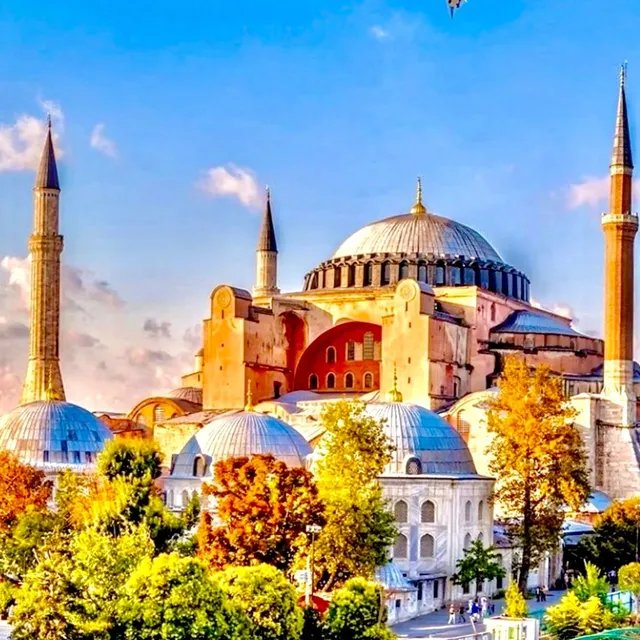
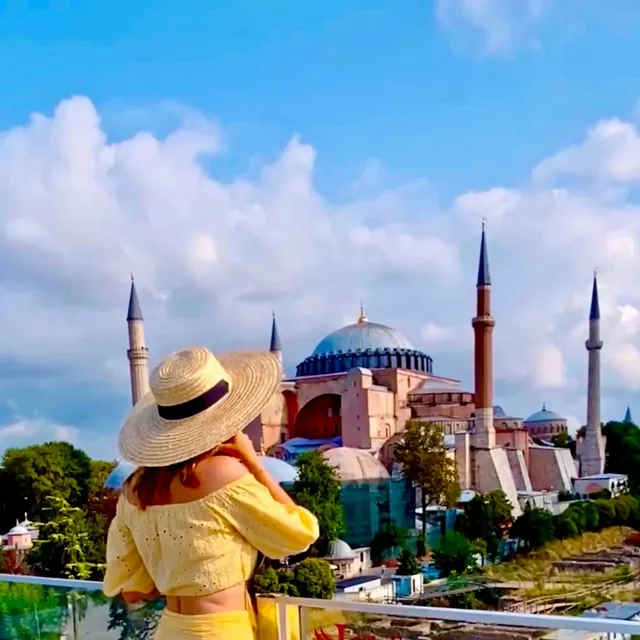
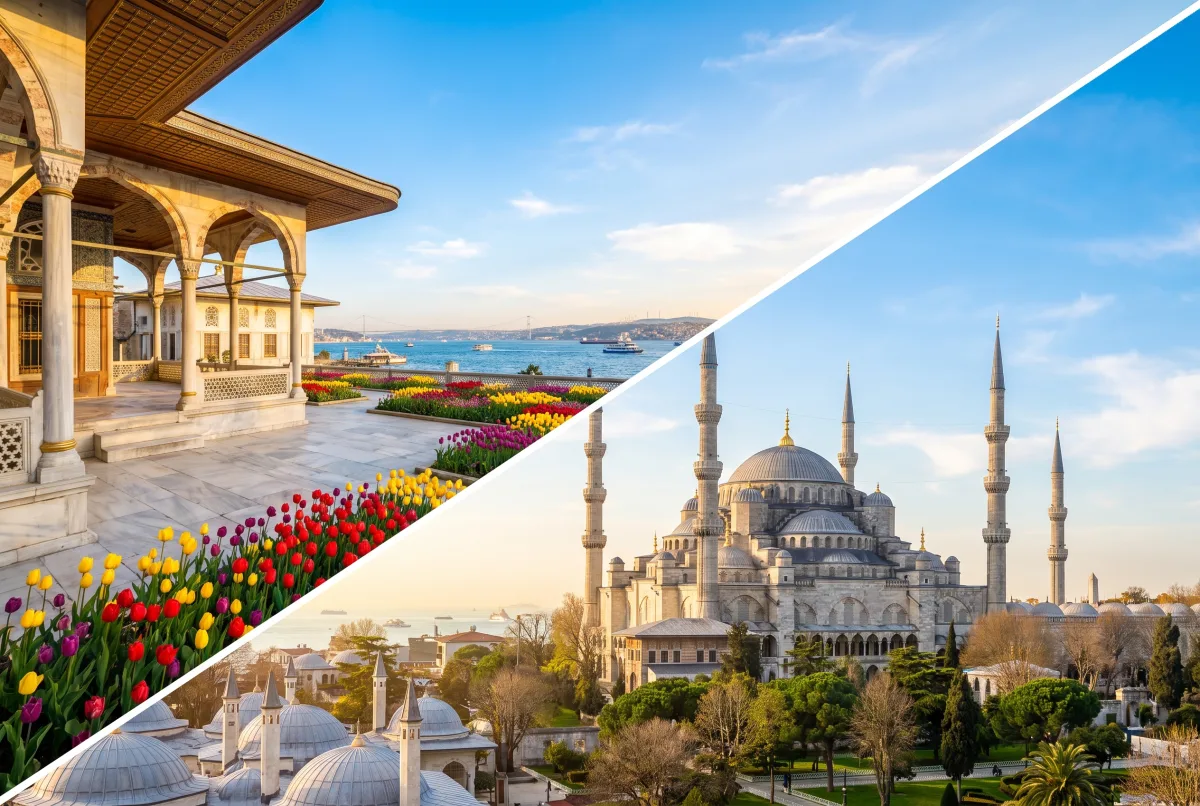
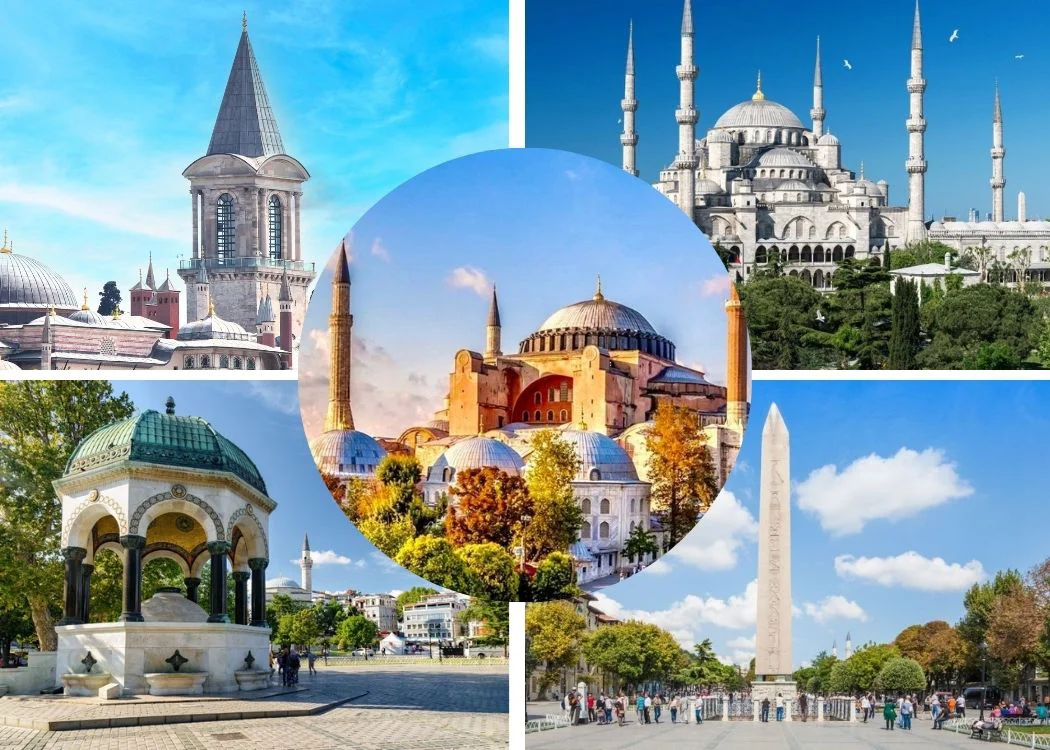
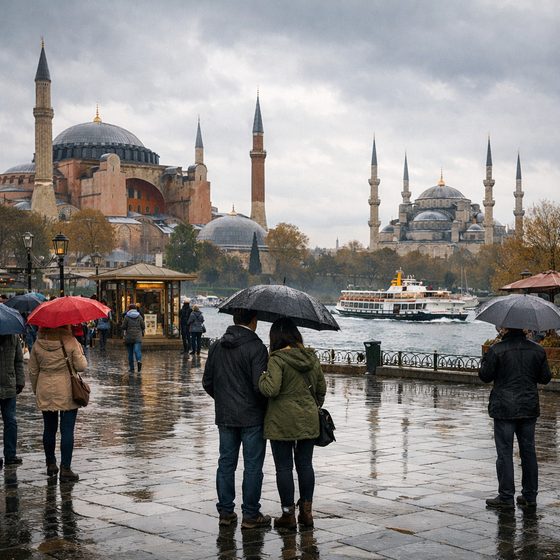
Hagia Sophia is one of the few places in the world that can exceed a first-time visitor’s expectations. The structure carries centuries with visible confidence — even travelers who think they are “not really architecture people” usually feel something here. Go early, check current visitor procedures in advance, dress respectfully, and expect security lines. If context matters to you, this is one of the sites where a guided experience can genuinely improve the visit. For photos, exteriors are best early or in softer late light; inside, focus on a few wide frames and details rather than capturing everything.
Insider tip: pause before entering and look at the broader square. Seeing Hagia Sophia in relation to the Blue Mosque helps you understand why this district feels so monumental.
Blue Mosque
The Blue Mosque is only a short walk away, making it an obvious pairing. The key here is not speed but contrast: after Hagia Sophia’s density and age, the Blue Mosque feels different in rhythm and atmosphere. Build flexibility around prayer times — if one site has longer lines or limited access, switch the order.
Avoid this mistake: do not treat the Blue Mosque as “the quick one next door.” It deserves real time, especially if this is your first encounter with imperial Ottoman mosque architecture.
Sultanahmet Square and the Hippodrome
Walk through the Hippodrome area between major sites rather than rushing past it. This open spine helps the district make sense — the monuments here are not just filler between attractions; they help explain how public life worked in earlier eras. These three stops are compactly arranged, with only a few minutes between them, but lines and security can add significant time.
Basilica Cistern
Basilica Cistern is one of the best “change of mood” experiences in the city: after the broad squares and domes above ground, descending into the cistern feels cinematic and almost unreal. Almost everyone on a first trip should choose it — skip it only if you strongly dislike dim enclosed spaces or need to prioritize other paid sites on a tight budget. It is very much worth it on a first visit, especially if lines are manageable or you book ahead.
Most tourists miss this: the best part is not racing toward the famous heads, but noticing how sound, reflections, and spacing shape the experience.
 Sultanahmet / Eminonu
 Day 1 Afternoon & Evening: Topkapi or the Waterfront
After the morning's monuments, choose between the classic palace route and a lighter waterfront drift.
Keep it close and traditional
Stay near Sultanahmet or walk toward Sirkeci rather than crossing the city too soon — this preserves momentum and keeps the day coherent. A classic Turkish lunch of kebab, pide, soup, or meze works well here; pick a place that serves quickly and comfortably rather than a destination restaurant requiring a long detour. For a deeper food plan, the Istanbul food guides help you choose by neighborhood and style.
Topkapi Palace
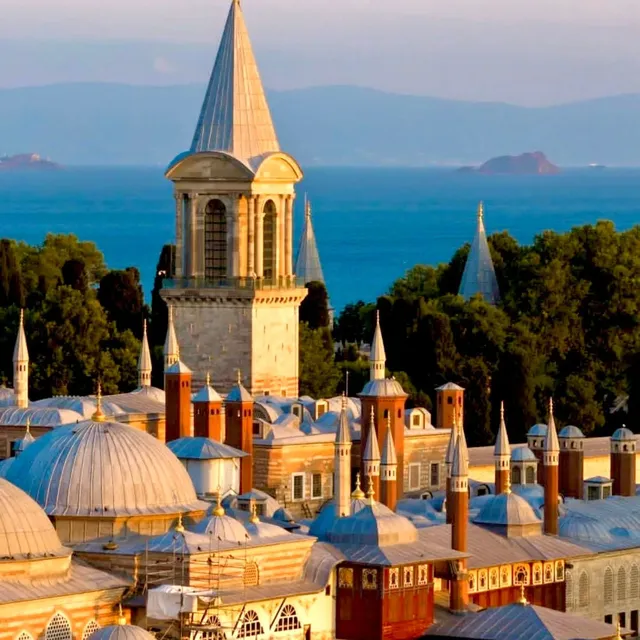
Topkapi Palace is expansive rather than concentrated — not a quick palace stop. It rewards energy, curiosity, and at least a couple of hours. After the monumental public and religious face of the city in the morning, Topkapi shows imperial domestic and ceremonial life from another angle, and the grounds give you greenery and Bosphorus views that keep the day from becoming too museum-heavy. Choose it if you are interested in Ottoman history, court life, treasury collections, and layered palace spaces; skip or shorten it if you are already fading or prefer urban wandering over palace interiors.
Insider tip: do not underestimate the size of the site. Many first-time visitors enter Topkapi late in the day and end up rushing the best parts. If this palace matters to you, protect the time.
Gulhane, Sirkeci, and Eminonu
If you want a more relaxed Day 1, leave the palace for another trip and let the city breathe. Walk through Gulhane Park, continue toward Sirkeci, and then down to Eminonu. Many travelers are surprised by how much they love this transition: the city becomes noisier, more commercial, more textured, and more clearly alive. Notice the ferries crossing in every direction, the movement around the waterfront, the spice shops and market energy, and the atmosphere around the Galata Bridge.
Spice Bazaar and waterfront walk
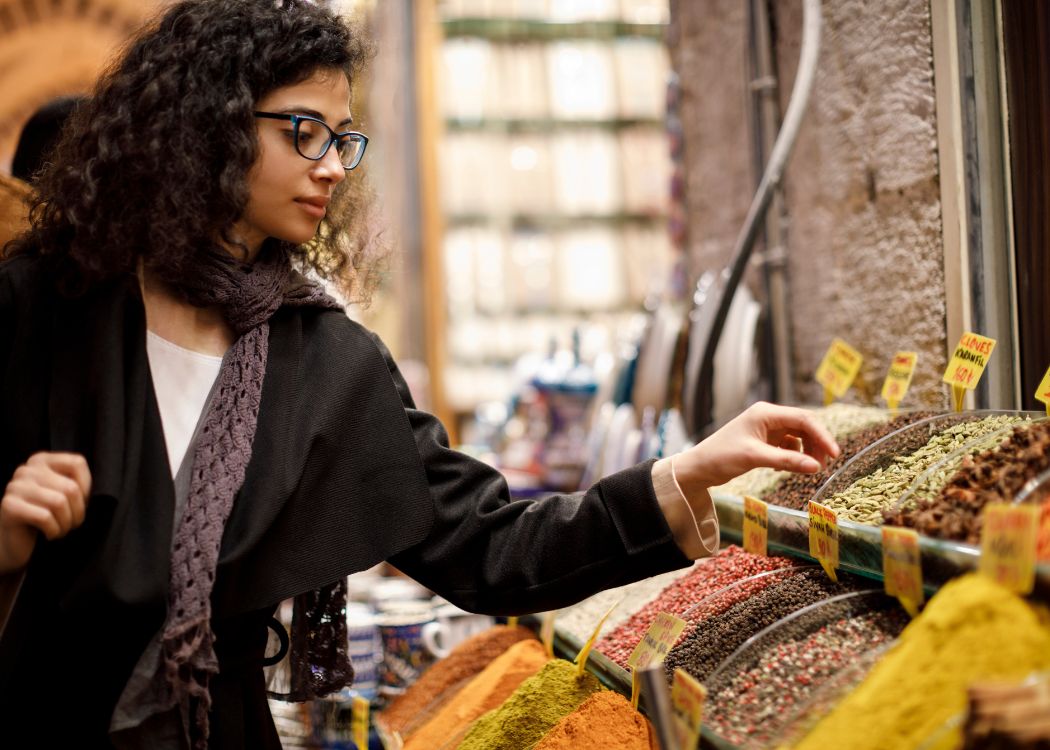
The Spice Bazaar is a sensible Day 1 stop: central, lively, and easy to combine with Eminonu — smaller and more manageable than the Grand Bazaar for many first-time visitors. Avoid this mistake: do not buy the first sweets, spices, or Turkish delight you see. Look around first; this is less about haggling theatrics and more about making a calm choice. Photography is especially strong around Eminonu and the bridge: street energy, ferry scenes, and layered views toward the Golden Horn.
Sunset by the water or an early dinner
After a heavy Day 1, keep your evening simple. Watch the light change around Eminonu, cross the Galata Bridge on foot, or settle into dinner nearby — seafood is a natural choice near the water, but this is also a good evening for classic Turkish comfort food rather than a long tasting menu. If you are staying in Sultanahmet, have dinner and rest; if you are staying in Karakoy or Beyoglu, crossing over after sunset gives a nice sense of the city changing character.
If you have limited time on Day 1: prioritize Hagia Sophia, Blue Mosque, Basilica Cistern, and one relaxed waterfront segment. Choose Topkapi only if you can still give it proper time, and skip unnecessary cross-city movement.
 Karakoy / Galata / Beyoglu
 Day 2 Morning: Karakoy, Galata, and Istiklal
Day 2 is where Istanbul starts to feel different: the historical weight is still there, but the city becomes more open, contemporary, and scenic.
Karakoy start and coffee with a view
Begin in Karakoy: industrial history, waterfront access, handsome facades, and a strong cafe culture. If Day 1 was monumental, Day 2 should feel urban and lived-in. Keep breakfast simple but satisfying — simit, a Turkish breakfast spread, pastries, or coffee before the climbs begin.
Most tourists miss this: Karakoy is more than a transit point between ferry docks and Galata. Give it at least a little room to show itself.
Galata and the tower decision
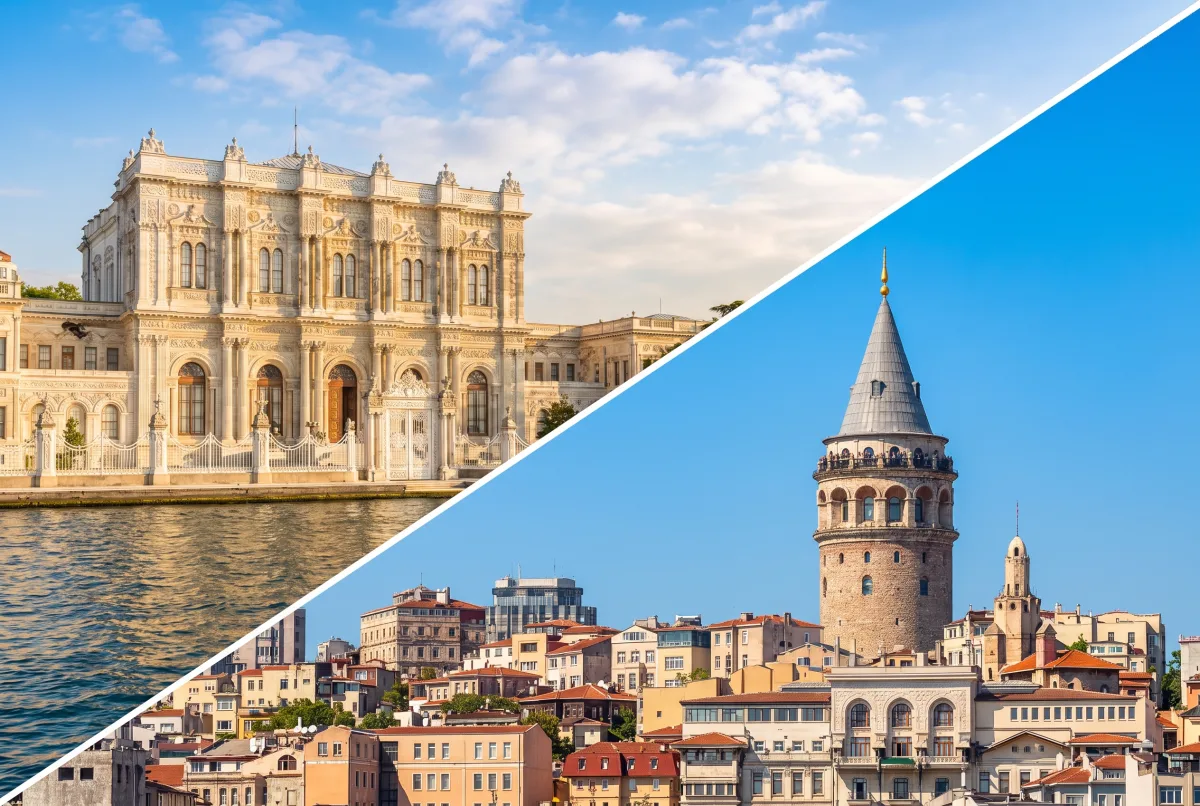
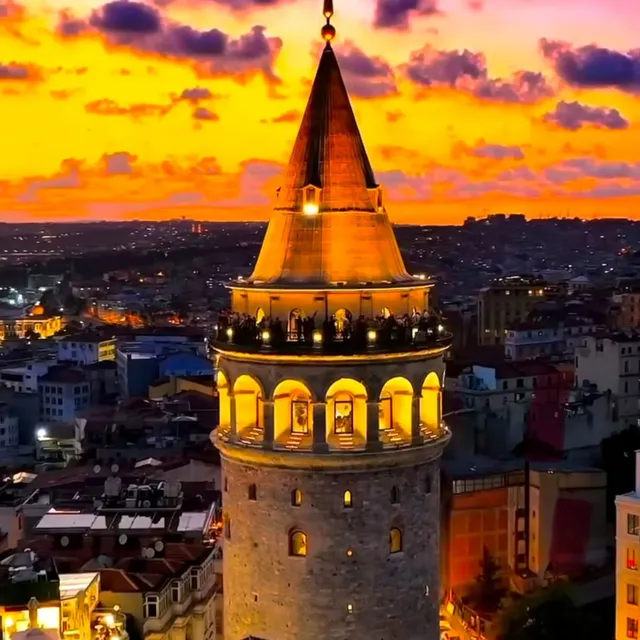
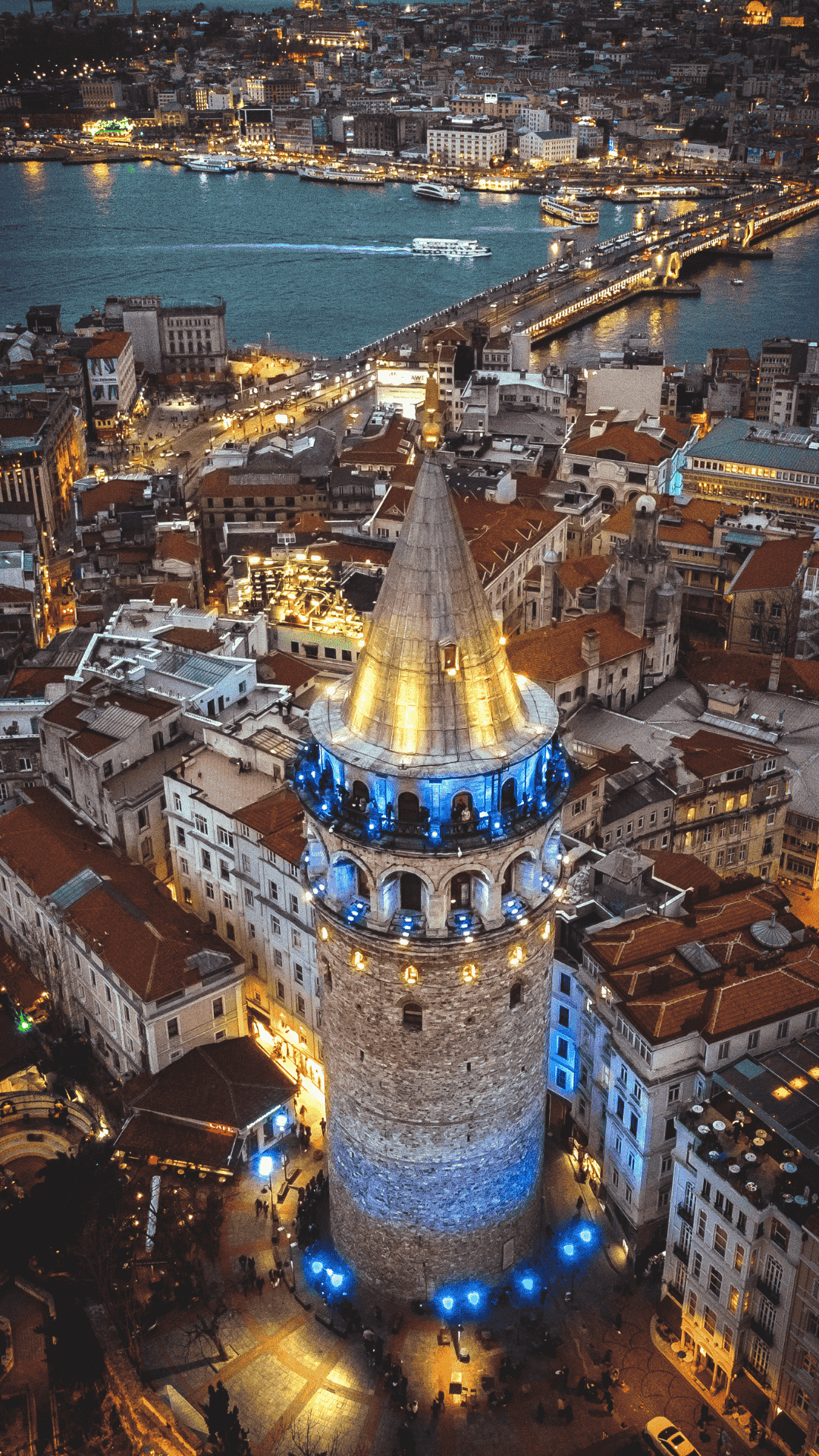
From Karakoy, head uphill to Galata — walk if you enjoy urban climbs, or take transport to save energy. The Galata Tower is one of Istanbul’s best-known viewpoints. Choose the tower if views matter to you, it is your first visit, and lines are reasonable or you have pre-booked; skip it if you dislike queues or prefer views from restaurants, rooftops, or ferry decks. Smarter alternative: enjoy the streets around the tower, then save your major view moment for a Bosphorus cruise, rooftop meal, or ferry crossing. The streets here are better for atmosphere than “perfect postcard” photography — look for layered stair streets, textured facades, and downhill glimpses toward the water.
Istiklal Avenue and Beyoglu side streets
Continue into Istiklal Street and Beyoglu: embassies, passages, churches, bookstores, shopping streets, and a steady current of urban life. If Sultanahmet tells one historical story, Beyoglu tells another — it is one of the places where Istanbul’s cosmopolitan identity becomes legible. Walk it in sections rather than end-to-end at speed, dip into side passages and smaller lanes, stop for something sweet or savory, and use the avenue as a spine, not the entire experience.
Avoid this mistake: do not assume that because Istiklal is busy it is superficial. Some of the most rewarding moments are just off the main street.
Beyoglu, Galata, or Karakoy
Choose based on your energy: Beyoglu for variety and livelier street atmosphere, Galata for a more intimate setting, Karakoy if you want to return downhill for a slower meal and water views. This is a good day to go beyond “famous dishes” and simply eat well — meze, grilled fish, kebabs, pide, or modern Turkish cooking. If food is a big priority, this is the day where a curated food tour in Istanbul can add real value rather than feeling forced.
 Bosphorus
 Day 2 Afternoon & Evening: The Bosphorus
No first trip is complete without time on the Bosphorus — for many travelers, this becomes the emotional high point of the whole visit.
Cruise or public ferry?
The skyline, waterfront palaces, mosques, mansions, and changing currents of the city make more sense from the water than from land. Public ferry: best for independent, budget-conscious, casual explorers — authentic, affordable, efficient, and scenic, with less commentary and structure. Short Bosphorus cruise: best for first-time visitors who want easy orientation — a clear route, often more comfortable, simple planning, but less flexible. Sunset cruise: best for couples, photographers, and special occasions — beautiful light and memorable atmosphere, at a higher cost and weather-dependent. If this is your first trip and you like things easy, a well-timed Bosphorus cruise is worth considering; if you prefer independence, public ferries are more than enough and often more characterful.
You will see waterfront palaces and pavilions, mosques and neighborhood silhouettes, bridges spanning the strait, and the city’s European and Asian sides in conversation with each other. Insider tip: even if you book a cruise, stand outside as much as possible — the wind, sound, gulls, and shifting views are part of why the Bosphorus matters.
Dolmabahce, Cihangir, or Taksim
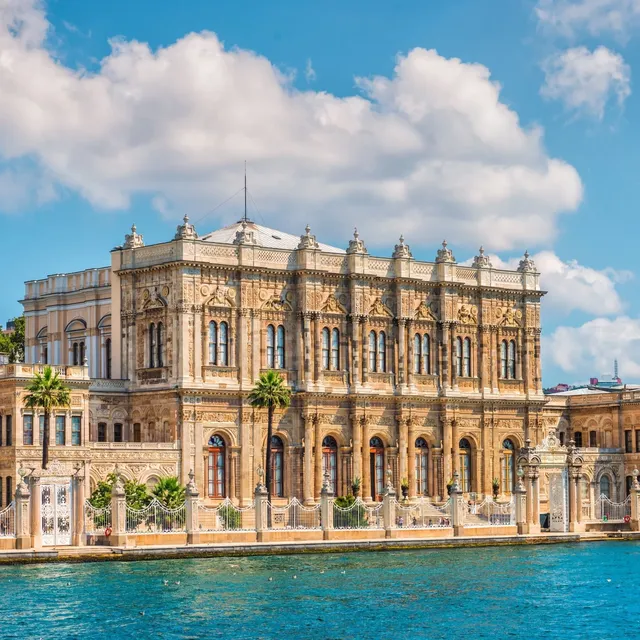
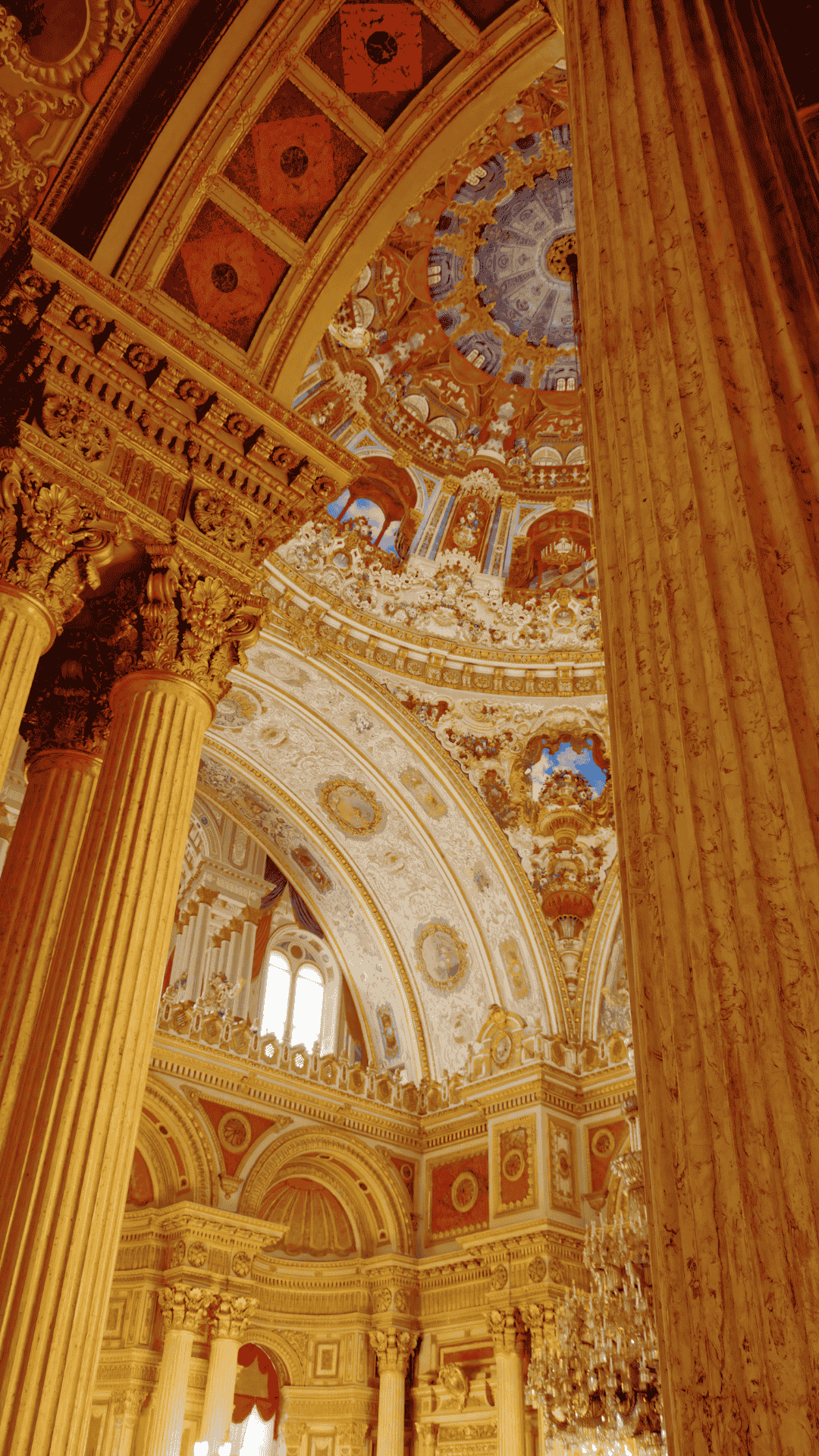
Dolmabahce Palace: if you are drawn to 19th-century grandeur and a waterfront setting, Dolmabahce Palace is a strong addition — more formal and ornate than Topkapi, and the contrast is fascinating. Choose it if you want another major interior; skip it if you are already doing Topkapi and want more neighborhood time. Cihangir: if what you really want is a neighborhood that lets the day exhale — cafes, local street life, and a softer pace. Stop trying to optimize every minute by late afternoon and let one neighborhood carry the mood. Taksim: useful as a transport hub and reference point, but the more memorable experience is in the surrounding lanes rather than the square itself. Use it strategically, not romantically.
Dinner with atmosphere
Day 2 is your best dinner night. Karakoy, Galata, Beyoglu, and nearby neighborhoods offer the strongest mix of ambiance and dining variety. If you want a Bosphorus-facing table, a rooftop, or a sought-after meyhane experience, booking ahead is often worth it — spontaneous dining works too, but the best atmosphere options can fill up, especially on weekends and in high season.
If you have limited time on Day 2: do Karakoy, the Galata area, one section of Istiklal, and a Bosphorus ferry or cruise. Skip Dolmabahce unless it is a top priority, and protect sunset time.
 Kadikoy / Uskudar
 Day 3 Morning: Kadikoy or Uskudar — the Asian Side
Your final day should make Istanbul feel personal: atmosphere over checklist, and a city that becomes more human-scale.
Why the Asian side matters on a first trip
Should you spend one of only three days crossing to the Asian side? In most cases, yes — not because it is a secret world, but because it rounds out your understanding of the city. A short trip that includes both sides of Istanbul feels more complete. For first-time visitors, the easiest choice is usually Kadikoy; for a more scenic and contemplative route, combine or substitute with Uskudar.
Kadikoy for food, streets, and everyday energy
Take a ferry to Kadikoy in the morning — the approach by water alone gives you one of those quietly memorable city moments: skyline behind you, a new district ahead, commuters mixing with visitors. Explore the market area, browse food shops and cafes, have a relaxed breakfast or early lunch, wander residential side streets, and enjoy a slower, less monumental pace. It suits food lovers, travelers who enjoy neighborhoods more than monuments, and anyone who found Day 1 a bit intense.
Avoid this mistake: do not go to Kadikoy and then try to force in too many major sights elsewhere by noon. The whole point is to let the district breathe.
Uskudar for Bosphorus views and a quieter rhythm
If you want more scenery and less market energy, Uskudar is the better choice: waterside views, mosque silhouettes, and a calmer cadence. Choose Uskudar for photography, a reflective walk, or a morning that feels less commercially busy; choose Kadikoy for food, shopping, and neighborhood buzz. Smarter split option: start in Uskudar, then continue to Kadikoy if you have energy and curiosity left.
Make this meal count
Day 3 is an ideal time for a more intentional food experience. If there is a specific Turkish dish you still want to try, this is the meal to seek it out. If you prefer grazing, market areas and neighborhood eateries make that easy — and for travelers who want structure, a curated food-focused experience can be genuinely useful, especially if you learn better through tasting than reading menus.
 Your choice
 Day 3 Afternoon & Evening: Your Final Istanbul Mood
There is no single right answer here — the best final afternoon depends on what you feel you have not yet had enough of.
Return to Eminonu or Sirkeci for classic last views
If you want to end with recognizably iconic Istanbul, return to the historic peninsula side by ferry — the skyline on arrival is hard to beat. This is especially good if your trip has felt fast and you want one more moment of visual clarity.
Balat and Fener for urban texture
If you are interested in older residential neighborhoods, layered streetscapes, and a more photogenic walk, consider Balat and nearby Fener. These districts work best approached as living neighborhoods rather than social-media backdrops. Most tourists miss this: Balat is more meaningful when visited slowly, with respect for daily life and local businesses. Best for photographers, walkers, and neighborhood travelers; skip it if you prefer major landmarks or your energy is low after two full days.
A final Bosphorus stretch
Some travelers simply want more water, more skyline, and fewer decisions. That is valid. One of the nicest ways to end a short trip is another ferry ride, a waterfront tea, and an unhurried final evening.
Souvenirs without losing half a day
Buy intentionally: spices, tea, ceramics, textiles, sweets, or small design items. The Grand Bazaar is iconic, but with only three days it can feel time-hungry unless shopping is a genuine priority — for many first-time visitors, the Spice Bazaar or neighborhood shops are the better use of time.
Choose one of three moods
Scenic: waterside dinner or rooftop views. Atmospheric: meyhane or neighborhood restaurant in Beyoglu or Karakoy. Simple and local: casual meal, dessert stop, final walk. If there is one mistake worth avoiding on the last night, it is trying to “squeeze in” a district you do not really care about just because it is famous. Finish with a place that matches your energy.
How to Get Around Efficiently
Use the T1 tram for many Old City stops and public transport for most cross-neighborhood moves. You do not need a private car — in central districts it is often slower. For route planning basics, ticketing help, and airport options, see the Istanbul transportation guide.
Use ferries whenever possible; they are transport and experience in one. Most tourists miss this: a ferry ride is not just scenic filler — it is one of the best ways to understand how the city connects.
Use taxis or app-based rides selectively, especially when tired, carrying bags, or moving uphill. They are best used to remove the least rewarding physical effort, like steep climbs.
For airport arrivals, a pre-booked airport transfer can be worth it after a long flight, especially if you land late, travel with family, or stay in a neighborhood with tricky access.
Should You Buy an Istanbul Pass or Book Tours?
Book ahead
- Skip-the-line attraction bookings and early airport transfers — usually the smartest paid upgrades for time savings
- Guided tours where context changes the experience: Topkapi Palace, the Hagia Sophia area, Basilica Cistern, or a food-focused exploration
- A Day 2 dinner reservation if you want a Bosphorus-facing table, a rooftop, or a sought-after meyhane — the best atmosphere options fill up on weekends and in high season
- A Bosphorus cruise if you want a simpler, more structured scenic experience or a sunset-focused outing
Keep flexible
- A pass only makes sense if you visit multiple paid attractions in a short window — browse the current Istanbul passes before arriving, but do not overbuy; it is less useful for a trip of neighborhoods, ferries, mosques, markets, and food
- Ferries and trams are enough transport for most of this itinerary
- Do not schedule every meal and every hour — think in food moments instead: one classic Turkish breakfast, one waterfront pause, one strong neighborhood lunch, one atmospheric dinner, one unplanned dessert stop
- Buy souvenirs intentionally without losing half a day — the Spice Bazaar and neighborhood shops usually beat the Grand Bazaar on a short stay
Sample Daily Timing
What Most First-Time Visitors Get Wrong
Avoid these mistakes
- Trying to cross the city too many times in one day
- Underestimating hills, distances, and lines
- Overbooking attractions and underplanning meals
- Ignoring ferry travel as a core part of the experience
- Saving major iconic areas for midday when crowds peak
- Thinking every famous market is a must-do
Insider tips
- Day 1 is the one day where an early start has an outsized payoff — arrive around opening-time rhythm
- Build flexibility around prayer times; if one site has longer lines, switch the order
- In the Basilica Cistern, notice how sound, reflections, and spacing shape the experience — do not race to the famous heads
- On a cruise, stand outside as much as possible: wind, gulls, and shifting views are the point
- On Istiklal, use the avenue as a spine and dip into the side passages
- The best things to do on a short first trip are not the longest lists — they are the right combinations
Frequently Asked Questions
Is 3 days enough for Istanbul?
What should I not miss on my first trip to Istanbul?
Should I stay in Sultanahmet or Taksim on a first trip?
Do I need a Bosphorus cruise if I already take ferries?
Is the Istanbul Tourist Pass worth it for 3 days?
How much walking is there in Istanbul?
Should I visit the Asian side on a short trip?
Which is better for first-timers: Kadikoy or Uskudar?
Do I need to book Hagia Sophia, Topkapi, or Basilica Cistern in advance?
What is the best way to get from Istanbul Airport to the city?
Is Istanbul safe for first-time visitors?
Should I visit the Grand Bazaar on a 3-day trip?
What are the best things to do in Istanbul at sunset?
What should I eat in Istanbul in 3 days?
The Best First Istanbul Trip Is Balanced, Not Exhaustive
The most successful version of 3 days in Istanbul is not the one with the most pins on the map. It is the one that gives you the essentials, a few neighborhood memories, time on the water, and at least one moment when Istanbul feels unexpectedly personal. Keep the structure simple, start early when it matters, use ferries intelligently, and avoid overcommitting — three days can be enough to fall hard for this city. First-time visitors arrive thinking they need to “cover Istanbul.” They leave realizing they have only just started understanding it.
Keep planning