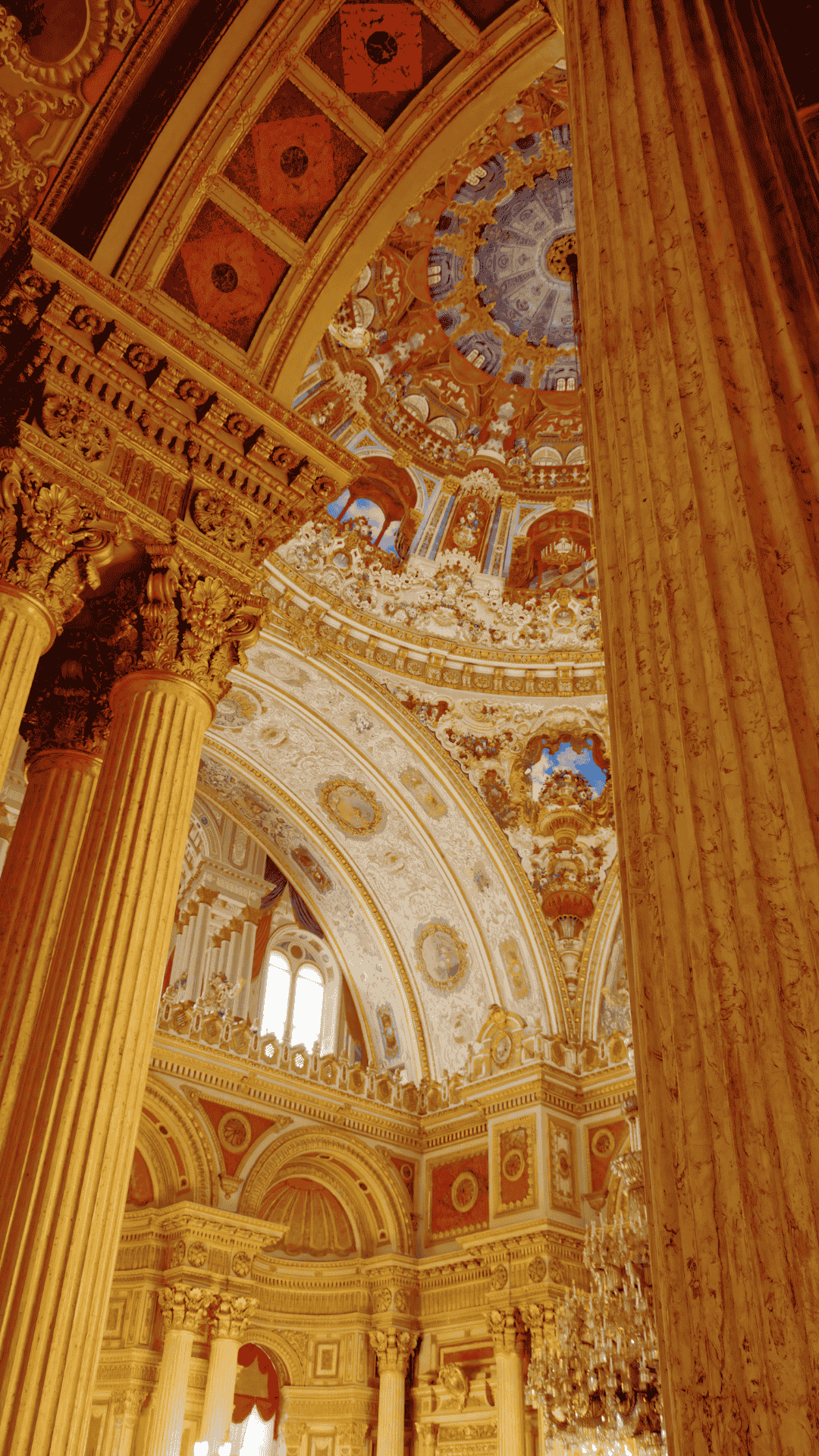
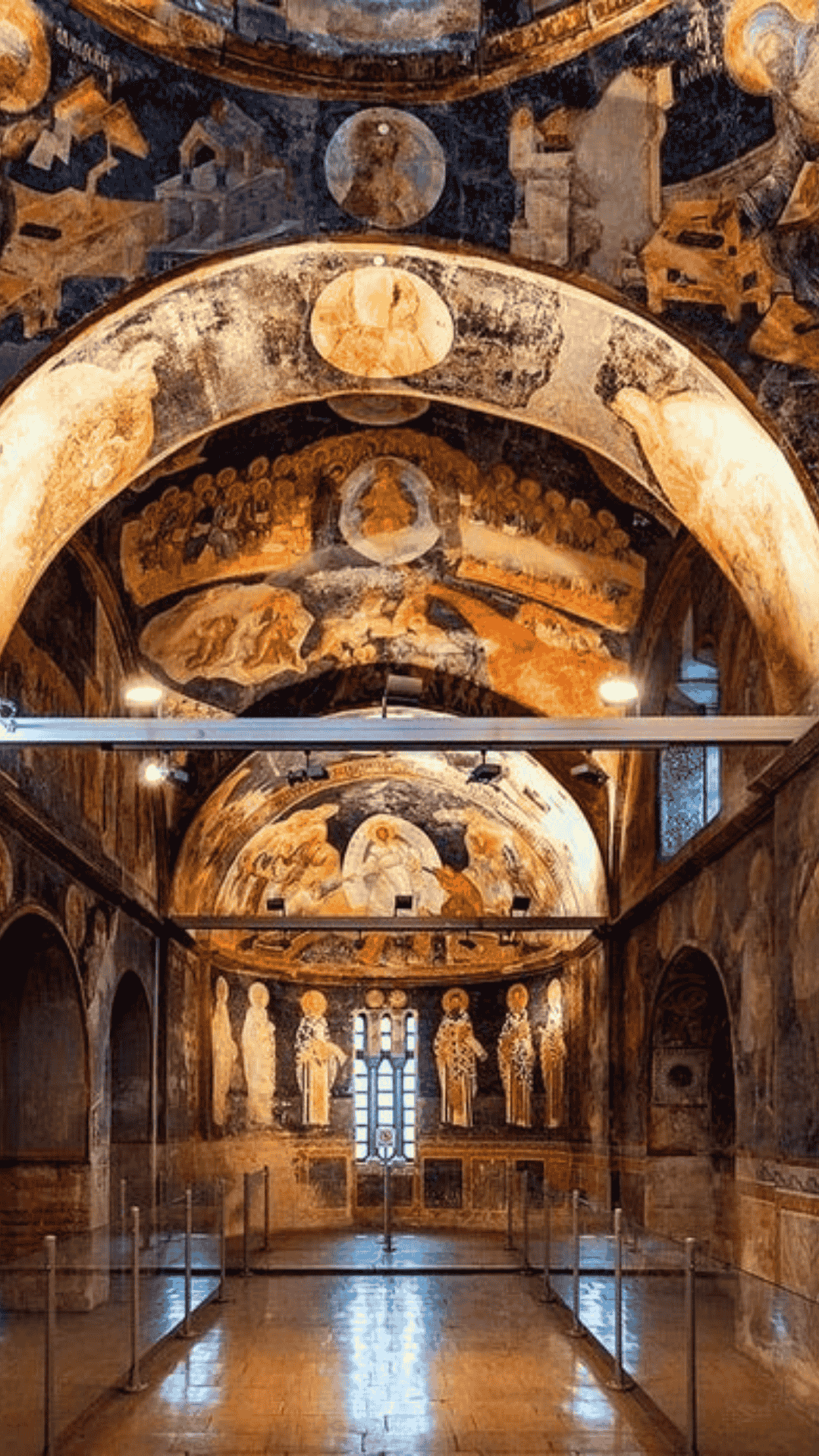
Walking is one of the best ways to discover historically important cities anywhere in the world. However tempting it may be to rely only on buses or other transport to move between major sights, some details are only visible when you explore with time and attention. In Istanbul, that is especially true. The city reveals itself street by street, from monumental squares to narrow lanes, from Ottoman landmarks to neighborhoods shaped by European influence.
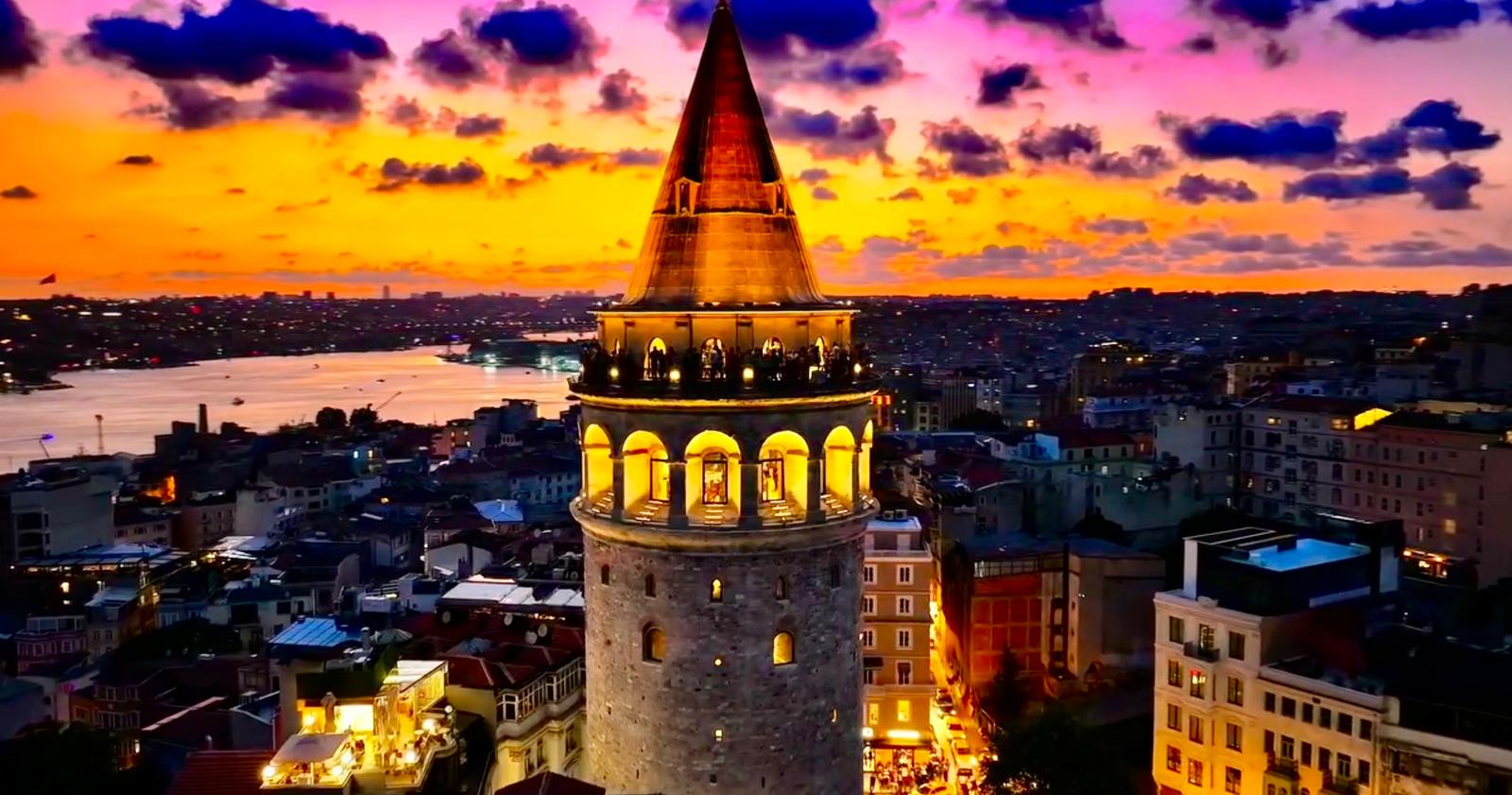
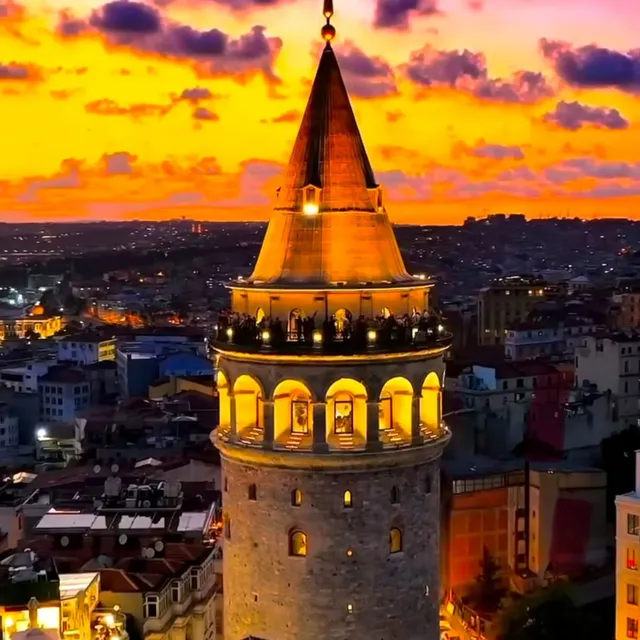
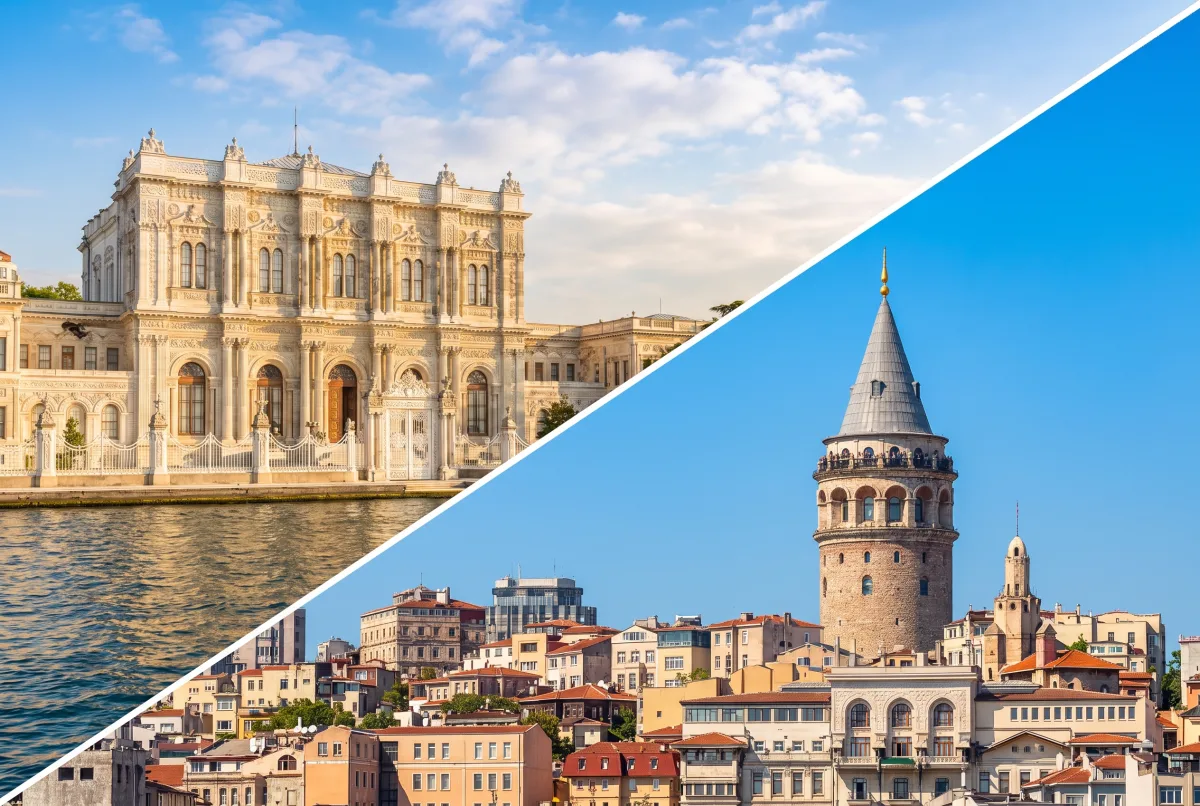
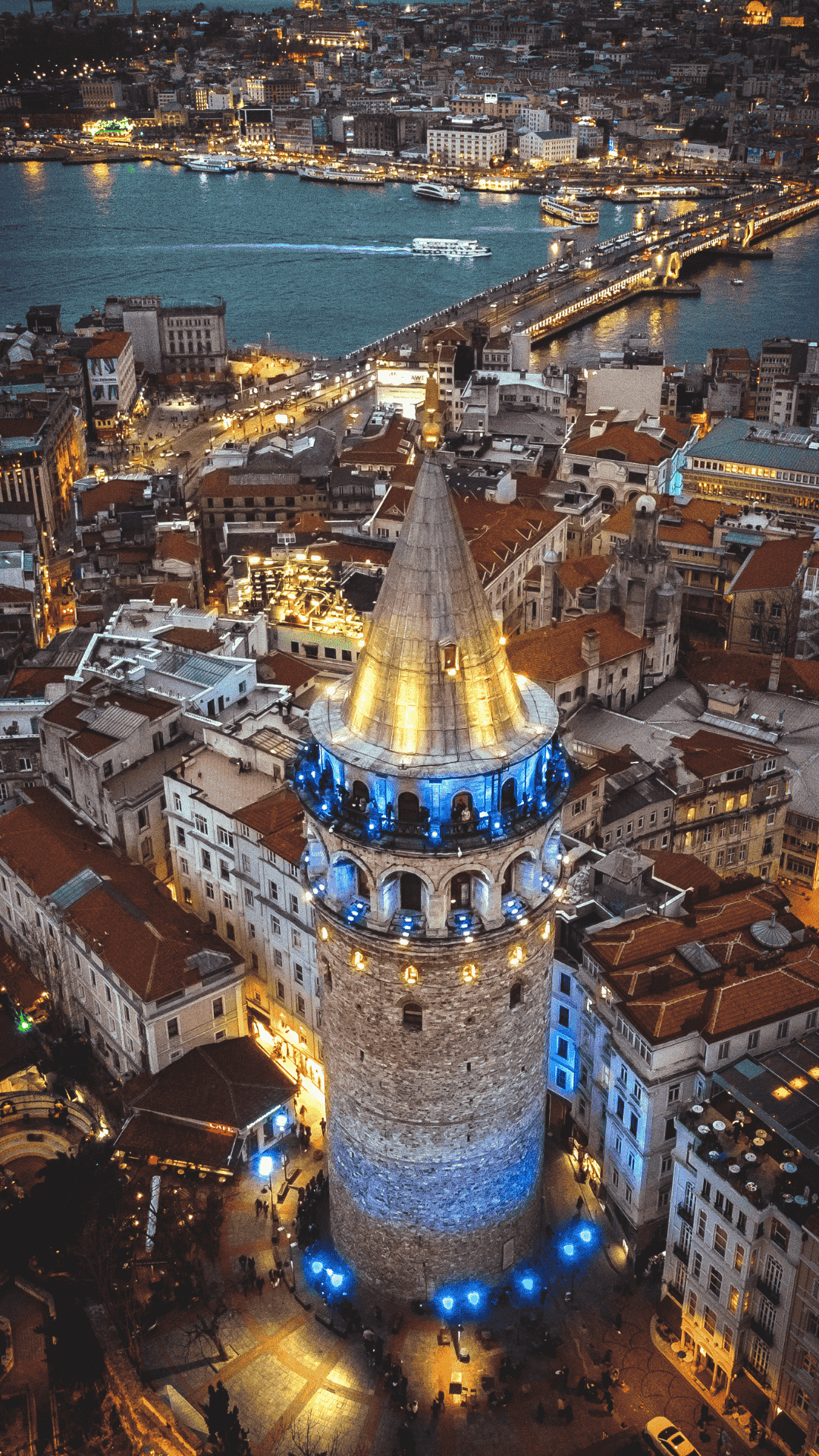
Istanbul is unique among global cities because it stretches across two continents. But geography alone does not explain it. The city is also a cultural crossroads, connecting Europe and Asia in a way that can be felt in architecture, food, language, and atmosphere. One of the simplest ways to understand this is to walk between the historic peninsula and Beyoglu. Even a route from Sultanahmet Square toward Galata Tower shows how dramatically the cityscape changes within a relatively short distance.
How to avoid traffic in Istanbul by walking
If your goal is to make the most of your day without losing hours on the road, walking-focused itineraries are a smart choice. Many of Istanbul’s best-known attractions are clustered in districts that are ideal for exploring on foot. Instead of treating each landmark as a separate stop reached by vehicle, it often makes more sense to connect them into a route and enjoy what lies between them.
For route planning, official public transport resources such as Metro Istanbul can still be useful if you need to reach your starting point or return later in the day.
Walking in Sultanahmet
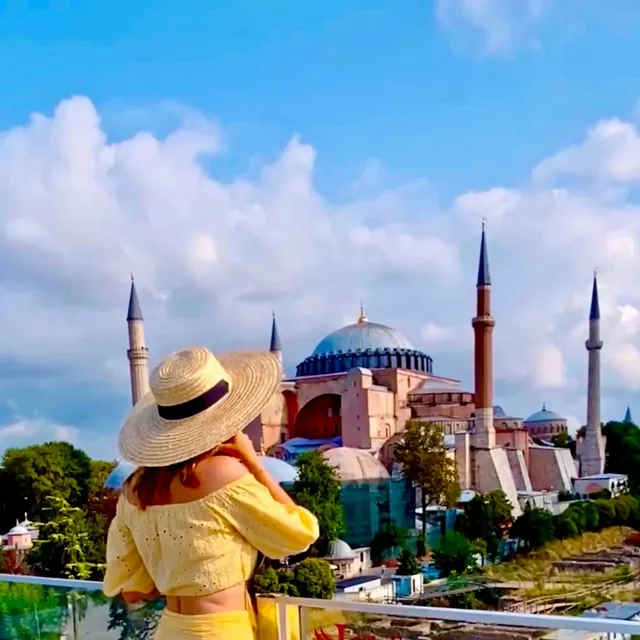
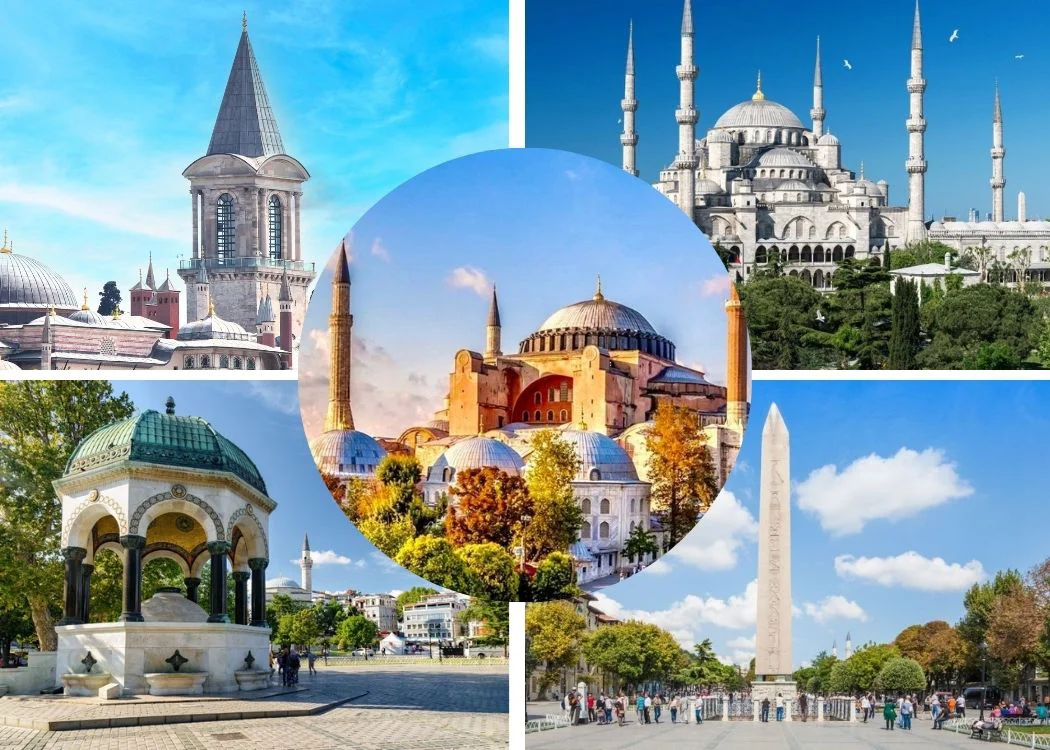
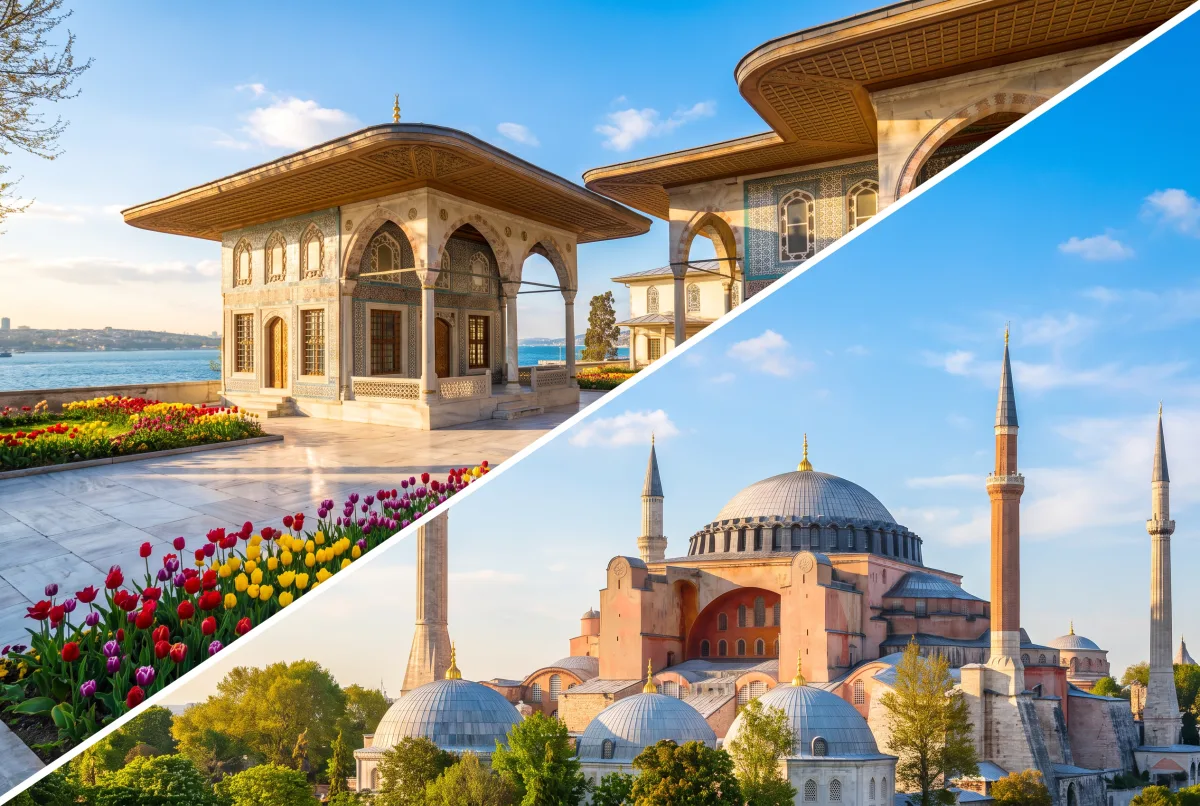
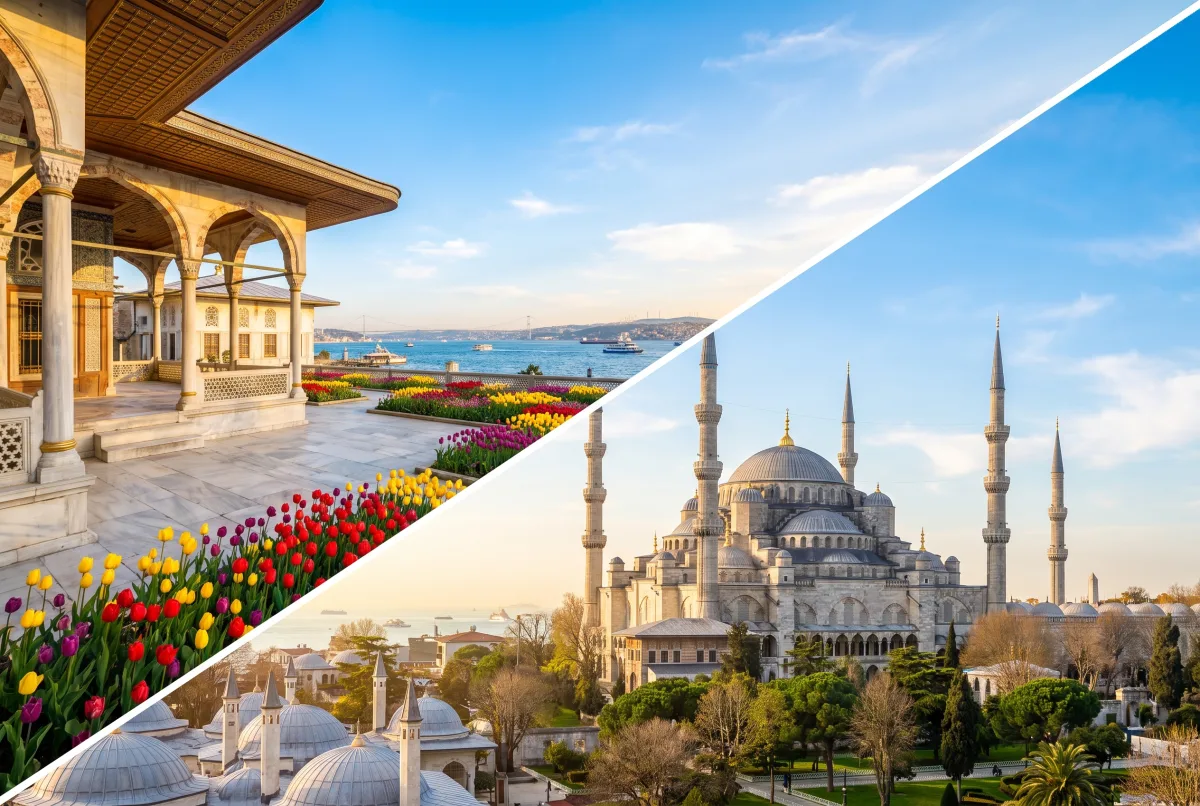
If you begin at Sultanahmet, you can comfortably build a route around the city’s most famous historic monuments. Starting from Sultanahmet Square, you may visit Hagia Sophia, the Blue Mosque, the Hippodrome, Divanyolu Street, Cemberlitas, and the Grand Bazaar. This is one of the most rewarding places to walk in Istanbul because major sights are close to one another and the area is full of historical texture.
From there, continue toward Sirkeci via Uzun Carsi Street. Sirkeci offers local restaurants and dessert shops, making it a practical stop for lunch before heading on to the Spice Bazaar in Eminonu. Up to this point, your walk introduces you largely to the Ottoman Classical Era and some of its best-known urban spaces. Once you cross the Galata Bridge, however, the atmosphere changes. You leave the historic peninsula and enter Beyoglu, an area long associated with European architecture and a different urban character.
Istiklal Street to Taksim Square
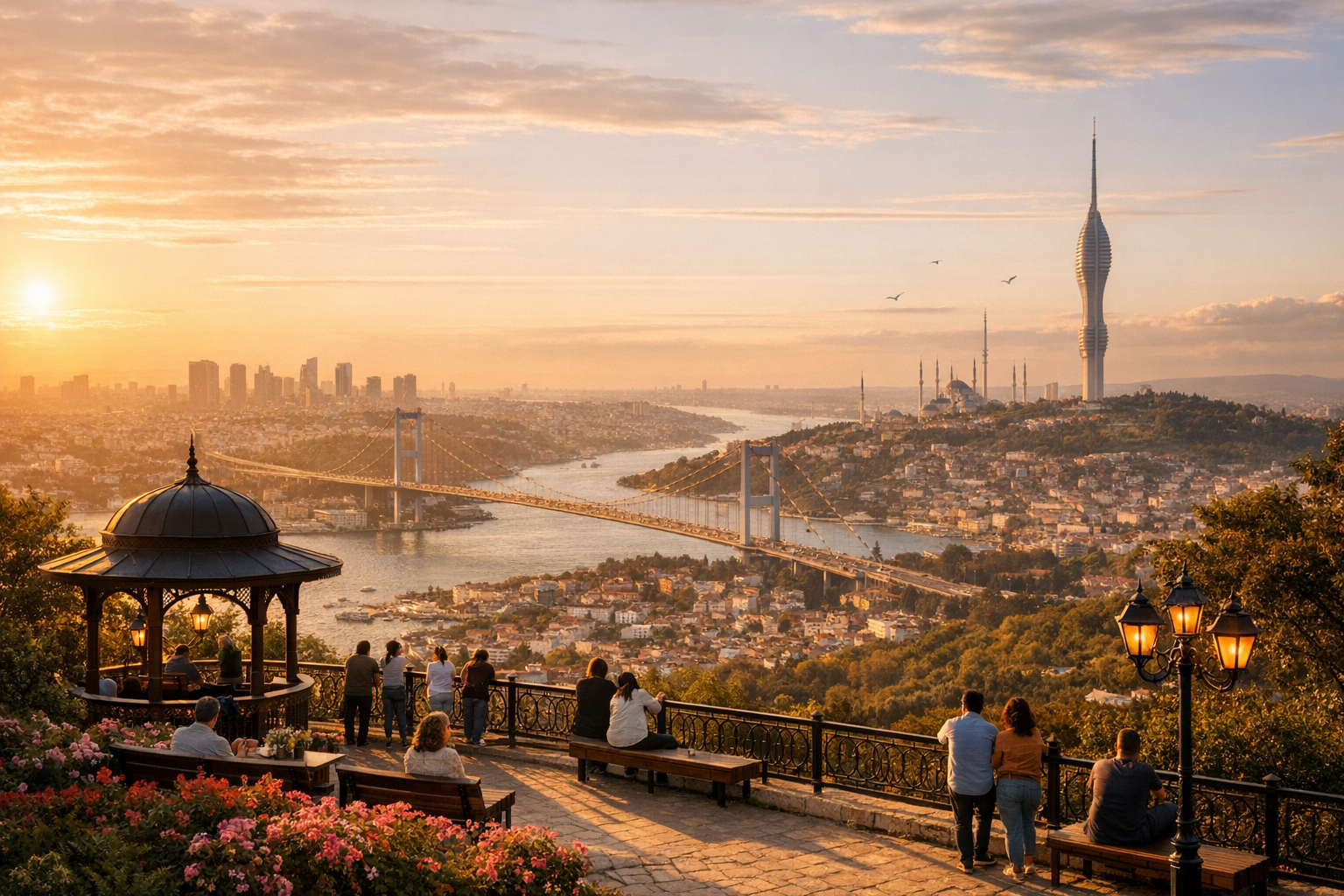
The route linked with Taksim Square, Istiklal Avenue, and Galata is already familiar to many visitors. Even so, it remains one of the classic ways to experience modern and late Ottoman Istanbul on foot. Walking from Taksim Square along Istiklal Avenue and onward in the direction of Galata can easily fill a full day, especially if you take time to explore what lies beyond the main road.
Beyoglu offers much more than its busiest streets. Side alleys branching from Istiklal Avenue often reveal places first-time visitors miss. Among the more interesting walking routes in the district are Cukurcuma Street in Cihangir, Mesrutiyet Street in Pera, and Serdar-i Ekrem Street in Galata. These streets reflect the 19th century and the final century of the Ottoman Empire particularly well, and they give the district much of its distinctive atmosphere.
If you want to understand Istanbul beyond its postcard views, this area is essential. Grand facades, apartment buildings, churches, arcades, and small shops all help tell the story of a city shaped by multiple communities over time.
Hiking in the Galata district
The Galata and Karakoy area is another strong option if you want to avoid spending the day in traffic. Kilic Ali Pasha Mosque may be smaller than some of Istanbul’s imperial mosques, but it is still a remarkable monument and is often regarded among the finest of its scale. It was designed by Mimar Sinan in the 16th century and built for Giovanni Dionigi Galeni, also known as Chief Admiral Ali Pasa, an Italian sailor.
In recent years, the area around the mosque has become livelier with cafés and boutique coffee stops. That makes it easy to pause before continuing through Karakoy’s back streets. This part of the city rewards slow walking: you notice architectural details, old commercial passages, and the ongoing energy of a district that historically mattered as a major port.
Kadikoy and Galata were once cosmopolitan quarters of the Ottoman Empire. Merchants from Venice and Genoa lived and worked here, and the district played a role in carrying goods from the Silk Road to Europe. A broader historical overview of Galata and Genoese influence can also be found on Britannica.
Today, that layered history still shapes the streetscape. A walk here is not only practical for avoiding congestion; it also offers one of the clearest reminders that Istanbul has long been a meeting point of trade, culture, and architecture.
Suggested walking mindset for Istanbul
The best walking routes in Istanbul are not always the shortest ones. They are the ones that connect major landmarks with smaller discoveries in between. A day on foot in Sultanahmet, Beyoglu, or Galata can reveal the city far better than a day spent moving from one traffic jam to another.
For many visitors, that is the real advantage of walking here. You are not only saving time; you are seeing more. From monumental sites to side streets, Istanbul rewards curiosity, and that is why walking remains one of the smartest ways to explore it.