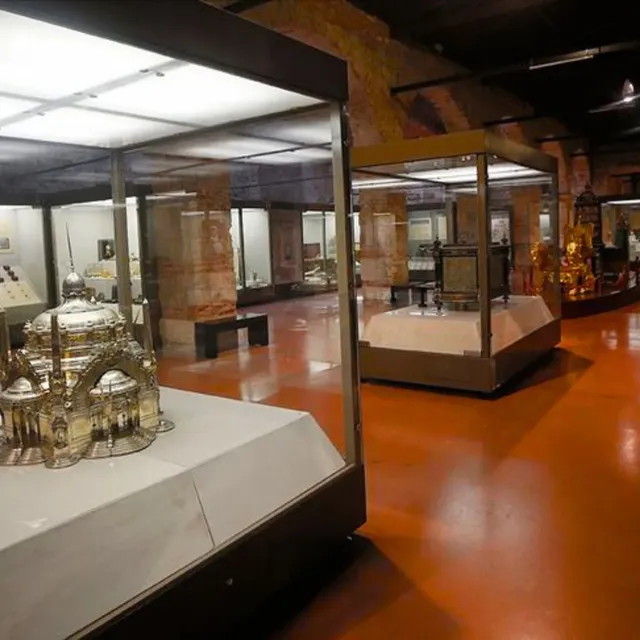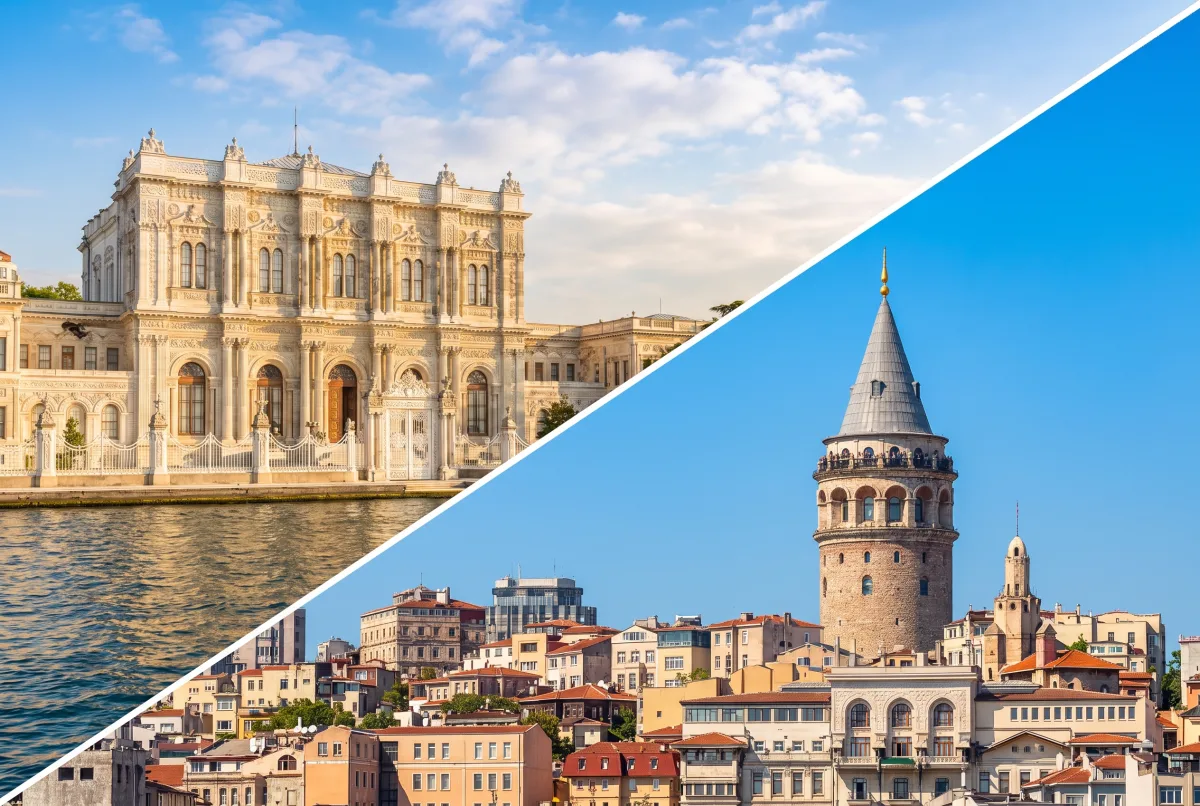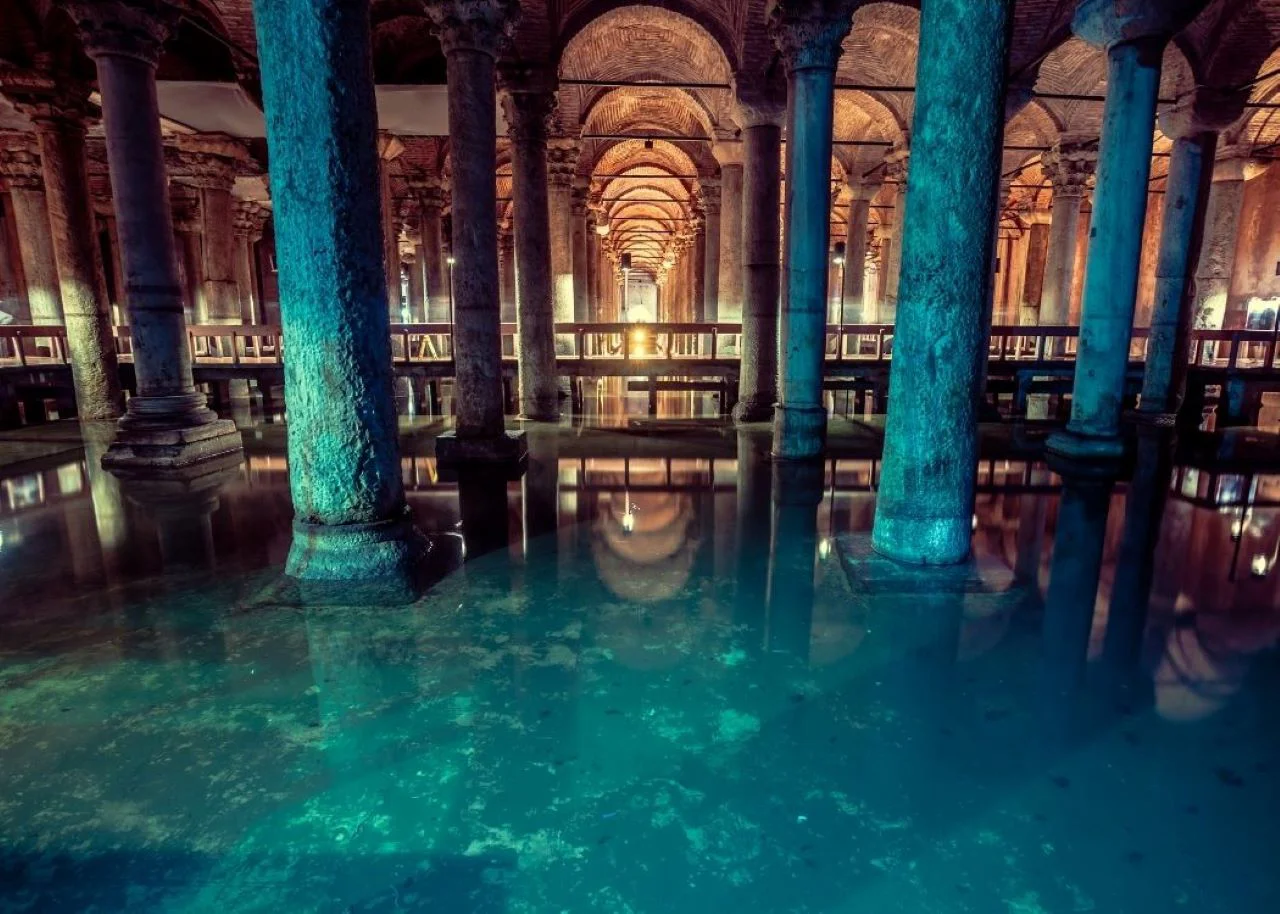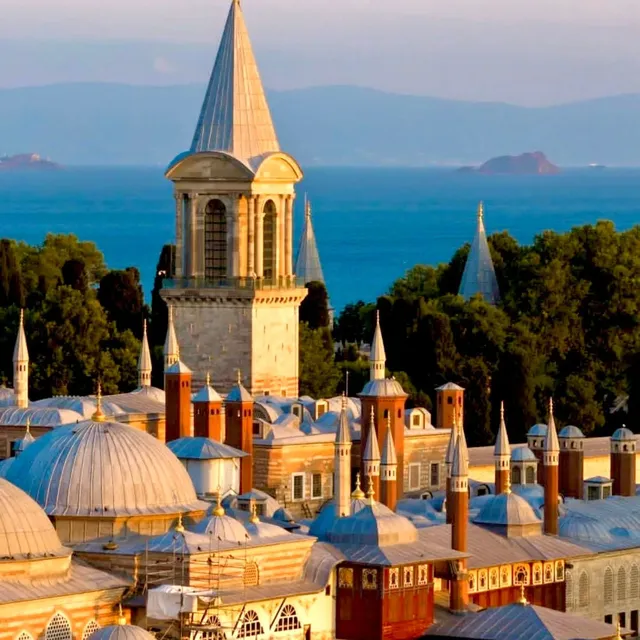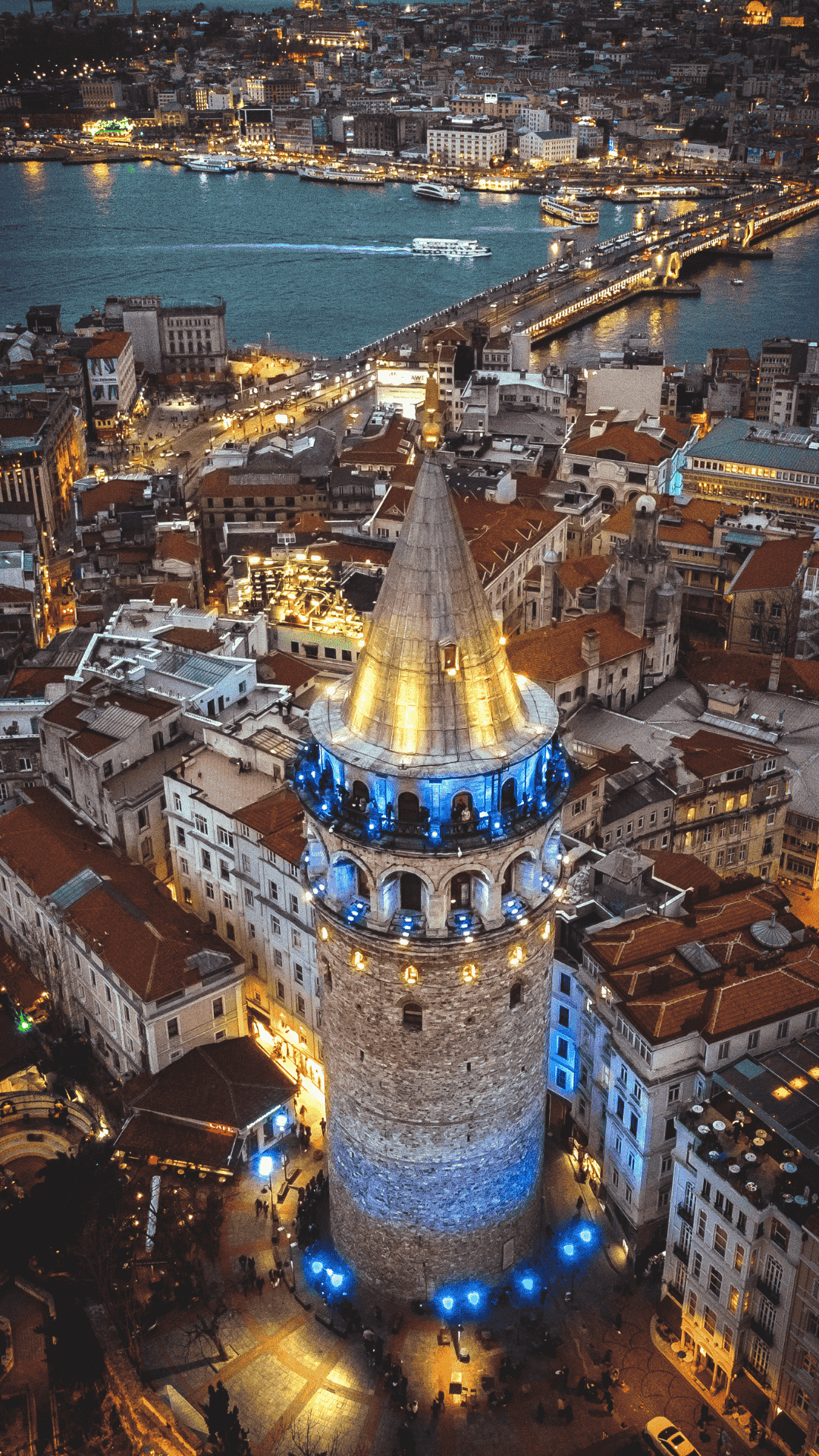
The Ottoman conquest of Constantinople was a major turning point in the city’s history. Mehmed II, also known as Mehmed the Conqueror, understood the city’s value and introduced policies to revive and repopulate it. Under Ottoman rule, Istanbul developed into a cosmopolitan center that drew people from different ethnic and religious communities.
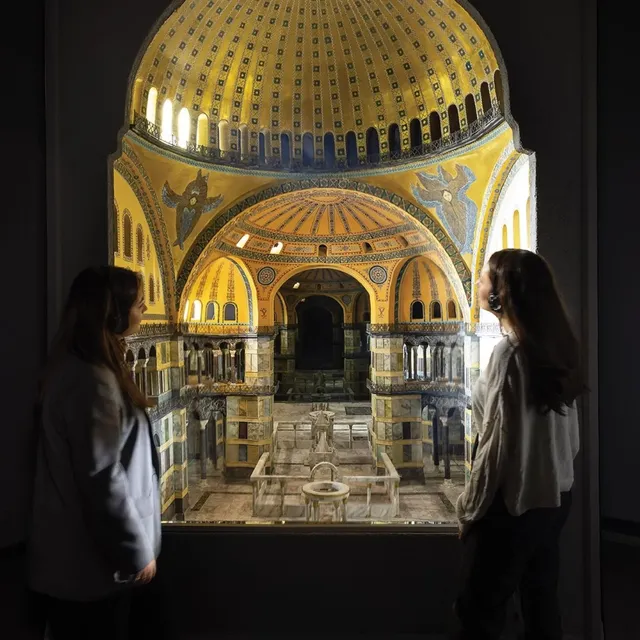
One of the most important early changes was the conversion of Hagia Sophia, formerly a Byzantine cathedral, into a mosque. The building became a powerful symbol of Ottoman rule and Islamic architecture. Over time, the Ottomans added mosques, palaces, markets, and public institutions that reshaped the city’s skyline and urban life.
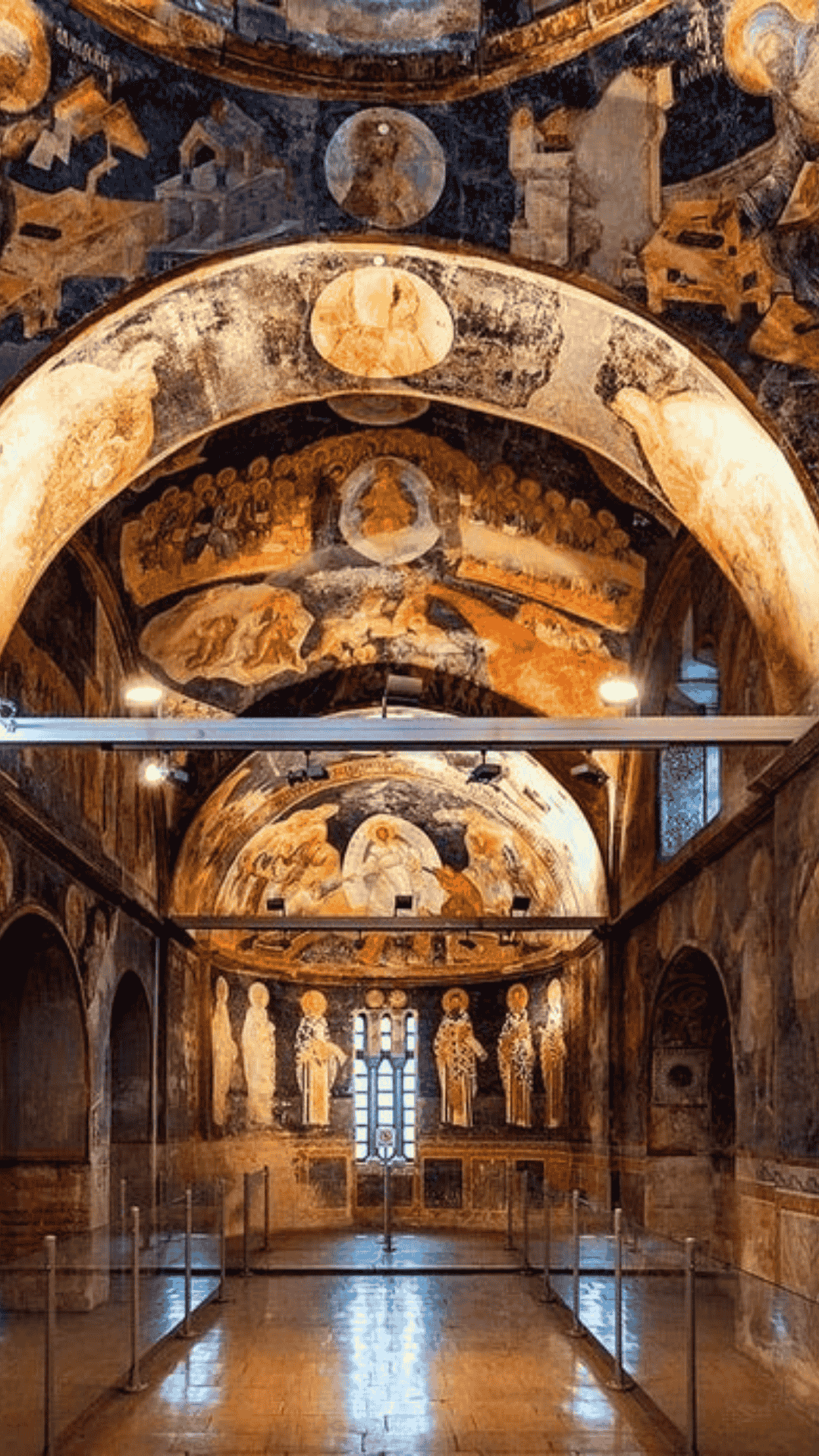
The Ottoman period brought significant economic and cultural development to Istanbul. The city became a hub of trade between East and West, and its bazaars gained fame for their variety of goods and lively atmosphere. The empire’s support for the arts and sciences also helped Istanbul flourish as a center of learning and culture.
Like many great capitals, Istanbul also faced serious challenges. Earthquakes, fires, and wars repeatedly affected the city’s infrastructure and population. Yet its resilience allowed it to recover and continue growing in influence.
By the 19th and early 20th centuries, the Ottoman Empire had entered a period of decline, bringing political instability and social change. Even so, Istanbul retained its historical importance and rich cultural heritage, which continued to define its place in the wider world.
Ottoman empire era and the golden age of architecture
The reign of Süleyman the Magnificent, also known as Süleyman the Lawgiver, is widely seen as a golden age for the Ottoman Empire and for Istanbul. His patronage of architecture, arts, and scholarship left a lasting mark on the city.
A central figure of this period was the great architect Mimar Sinan. Working under Süleyman’s patronage, Sinan designed some of Istanbul’s most celebrated buildings, including the Suleymaniye Mosque, the Şehzade Mosque, and the wider Süleymaniye Complex. This complex included not only a mosque but also madrasas, a hospital, and a tomb, reflecting the Ottoman approach to combining worship, education, and social services.
The Suleymaniye Mosque in particular is regarded as one of Sinan’s masterpieces. Its grand dome, elegant minarets, and spacious courtyard make it one of the defining monuments of Istanbul. The full complex also illustrates the empire’s investment in education, healthcare, and religious life.
The influence of Süleyman and Sinan can still be felt across the city today. Their works are not only architectural landmarks but also enduring expressions of Ottoman artistic ambition and imperial identity. For broader historical context on the Ottoman Empire, readers can consult Britannica.
The Ottoman Empire after Süleyman the Magnificent
The empire continued after the reign of Süleyman the Magnificent, although over time it gradually moved into a period of decline. Even so, Istanbul remained a major center of architecture, court culture, and religious life.
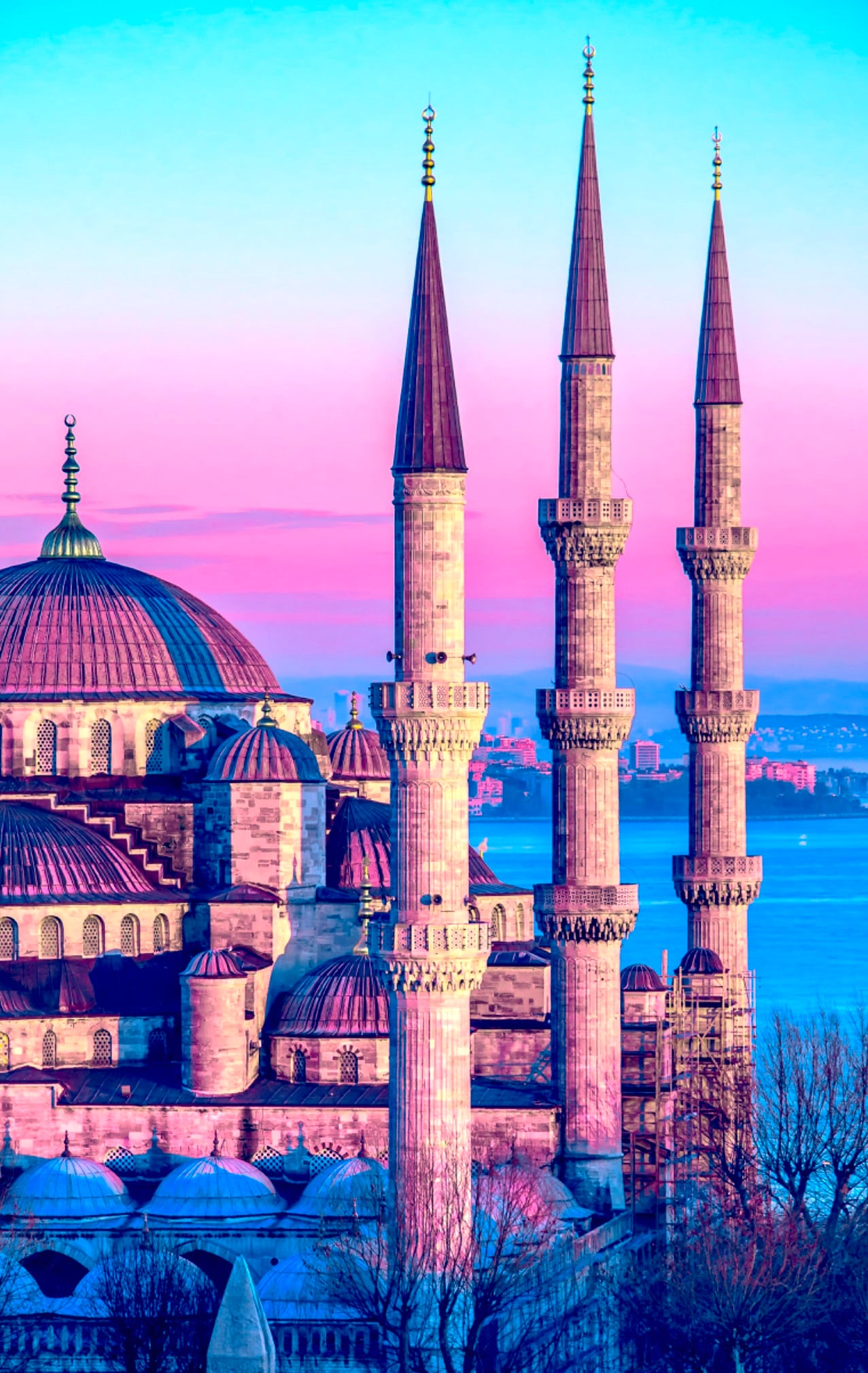
One of the most famous monuments associated with this later period is the Blue Mosque, also known as the Sultan Ahmed Mosque. Known for its striking blue Iznik tiles, it remains one of the masterpieces of Ottoman architecture and one of the city’s most recognizable landmarks.
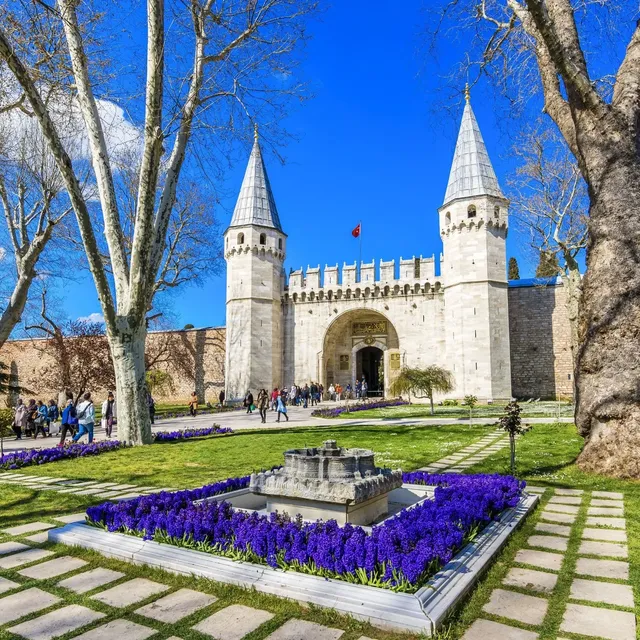
The Tulip Era brought another wave of cultural and artistic activity. During this period, gardens, pavilions, and new aesthetic influences reshaped parts of Istanbul. European artistic trends became more visible, while projects such as the Ahmet III Library in Topkapi Palace enriched the city’s cultural landscape.
The 19th century was another major turning point. During the Tanzimat Era, the Ottoman Empire launched reforms intended to modernize state institutions and bring them closer to Western models. These reforms affected architecture, infrastructure, and education, leaving a visible imprint on Istanbul’s urban development. For a concise overview of Istanbul’s historic significance, see UNESCO’s Historic Areas of Istanbul.
After the collapse of the Ottoman Empire and the founding of the Republic of Turkey in 1923, Istanbul no longer served as the capital. Nevertheless, it remained the country’s most dynamic cultural and economic center.
Today, Istanbul stands as a living record of its layered past. Landmarks such as Hagia Sophia, Topkapi Palace, and the Blue Mosque continue to connect visitors with the Ottoman past. The city’s blend of imperial heritage, living traditions, and modern life is what makes it one of the world’s most remarkable destinations.
FAQ about the Ottoman Empire era
When did the Ottoman Empire era begin in Istanbul?
The Ottoman Empire era in Istanbul began in 1453, when Sultan Mehmed II conquered Constantinople. This event ended the Byzantine Empire and established the city as the Ottoman capital, beginning a major period of political, architectural, and cultural transformation.
Why was Istanbul so important to the Ottomans?
Istanbul was important because of its strategic position between Europe and Asia, its control over trade routes, and its symbolic status as a former imperial capital. For the Ottomans, it became both the administrative heart of the empire and a showcase of imperial power.
Which buildings best represent the Ottoman Empire era?
Some of the most important buildings from the Ottoman Empire era include Hagia Sophia in its Ottoman phase, the Suleymaniye Mosque, the Blue Mosque, and Topkapi Palace. Together, they reflect the empire’s architectural ambition, religious life, and court culture.
Who was Mimar Sinan and why is he important?
Mimar Sinan was the chief architect of the Ottoman Empire during its classical age. He designed many of Istanbul’s greatest monuments and helped define the style of Ottoman architecture through balance, engineering skill, and monumental urban design.
What changed in Istanbul during the Tanzimat Era?
During the Tanzimat Era, Istanbul saw reforms in administration, education, infrastructure, and architecture. Western influence became more visible in public life and urban planning, while the city continued to preserve the older layers of its Ottoman identity.