

Key Takeaways
- The best hidden places near the Grand Bazaar are hans, workshop courtyards, and trade streets, not secret attractions with fixed opening rules.
- Büyük Valide Han, Zincirli Han, and Kürkçü Han are the main names worth checking, but access can change.
- Most bazaar rooftops are not reliably public; treat rooftop tips as temporary unless verified on the ground.
- The downhill side toward Mahmutpaşa often feels more local and more useful than the main souvenir corridors.
- Pair the area with Grand Bazaar basics, Nuruosmaniye Mosque, Süleymaniye Mosque, Mahmutpaşa, and the Spice Bazaar.
Best hidden places near the Grand Bazaar

Here is the quick-scan shortlist most visitors actually need.
| Place | What it is | Likely access status | Etiquette |
|---|---|---|---|
| Büyük Valide Han | Large historic han with a famous rooftop reputation | Courtyard may be possible; roof is uncertain or restricted. current visitor access rules for Büyük Valide Han courtyard and roof | Ask before entering deeper areas; do not push for roof access |
| Zincirli Han | Historic trade courtyard near the bazaar zone | Variable; may be partly accessible during business hours. current public access conditions for Zincirli Han | Keep visits brief and quiet if people are working |
| Kürkçü Han | Working commercial courtyard in the broader bazaar district | Access depends on active trade and building use. current access and active trades at Kürkçü Han | Treat it as a workplace, not a photo set |
| Mahmutpaşa side streets | Downhill trade lanes with side passages and workshop doors | Public streets; side courtyards vary | Walk slowly, check doors, read the room |
| Süleymaniye viewpoints | Streets and terraces around the mosque complex with broad city views | Public exterior viewpoints are usually the safer bet. current visitor hours and etiquette notes for Süleymaniye Mosque | Respect mosque etiquette and prayer times |
| Approved nearby terraces | Cafes or restaurants with legal roofline views | Changes by venue. current public terrace viewpoints near the Grand Bazaar | Use paying-customer spaces properly |
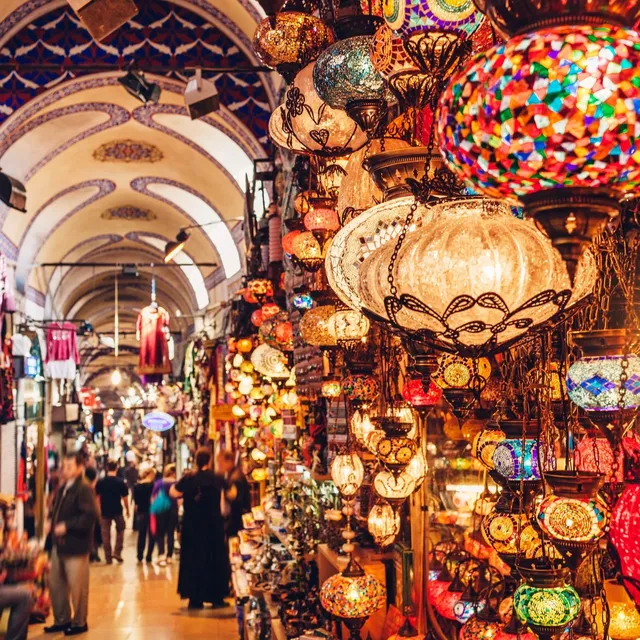
Grand Bazaar is Istanbul's historic covered market district, also called Kapalıçarşı.
Han is a historic merchant courtyard building used for storage, trade, workshops, and business.
Rooftop is any terrace or upper-level viewpoint over the bazaar area, often inside private or semi-private buildings.
The useful mindset is simple: look for open courtyards and working passages first, and treat any roof view as a bonus rather than the goal.
Best hans near the Grand Bazaar
The hans explain the district better than the busiest souvenir lanes do. They show how the market still functions as a commercial area, not just as a tourist stop.
Büyük Valide Han is a large seventeenth-century commercial han near the Grand Bazaar. current visitor access rules for Büyük Valide Han courtyard and roof This is the name most often linked to rooftop views, but that is also why expectations go wrong. If you can enter the courtyard legally, it is worth seeing for scale, arches, and the working atmosphere alone. Do not assume the roof is open.
Zincirli Han is a historic han in the bazaar area with a quieter courtyard character. current public access conditions for Zincirli Han It is worth checking because it can feel less performative and more rooted in daily trade than the main market arteries.
Kürkçü Han is a commercial courtyard tied to the wider bazaar and Mahmutpaşa trading zone. current access and active trades at Kürkçü Han This kind of place rewards slow observation: stairs, upper galleries, loading activity, tea glasses, and practical shops rather than display-heavy retail.
A realistic visit plan is to seek out one or two hans, not five or six. Some doors will be closed. Some spaces will feel private immediately. The right move is to step in only when access seems normal, pause, look around, and leave if you sense you are interrupting work.
What makes a han worth visiting is not perfection. It is contrast. In a few steps, you move from loud central lanes to stone courts, workshops, and business that still feels local.
Can you visit Grand Bazaar rooftops?

Usually, not in any reliable public-tourism sense.
That is the short answer most people need. Rooftop content online often mixes old access, private favors, unofficial entry, and tips that stopped being accurate long ago. A famous roof may still exist physically, but that does not mean you can legally or safely visit it.
Why access became unreliable:
- many roofs were never formal visitor attractions
- access often ran through workshops, storage rooms, or private staircases
- safety, privacy, and property concerns changed the situation
- viral posts increased pressure on buildings not set up for tourism
If someone offers roof access, ask directly whether visitors are allowed. If the answer is unclear, skip it. If a worker says no, accept the answer immediately.
Drone rules are separate from building access. current drone rules and enforcement in the Grand Bazaar and Historic Peninsula area A roof is not automatic permission to fly.
Better alternatives for views:
- Süleymaniye Mosque is the major mosque complex above the Golden Horn with some of the best nearby public exterior views. current visitor hours and etiquette notes for Süleymaniye Mosque
- Beyazıt Tower is a historic fire-watch tower visible in the area, but not a routine public lookout. whether Beyazıt Tower has any public access options
- approved terraces near the Historic Peninsula can provide easier roofline views without trespassing. current public terrace viewpoints near the Grand Bazaar
- a Bosphorus cruise gives you a wider skyline perspective than most improvised roof attempts
Walking route to hidden courtyards
This is the easiest self-guided route for finding the bazaar's quieter side without wasting time.
1. Start at Nuruosmaniye Gate
Nuruosmaniye Gate is a main entrance on the mosque side of the Grand Bazaar. current Grand Bazaar opening days and hours Start here early if possible. You will get easier movement, softer light, and a clearer sense of the market before peak crowding.
Spend 10 to 15 minutes in the main corridors first. This gives you the classic bazaar reference point: covered lanes, gold shops, lamps, textiles, and the busiest retail flow.
Then start turning off into narrower passages. Good signs are practical goods, fewer staged displays, and more signs of ordinary trade.
You can pair this entrance with Nuruosmaniye Mosque if you want architecture before the market.
2. Angle toward the Mahmutpaşa side
Mahmutpaşa is the steep trading district that runs downhill from the Grand Bazaar toward Eminönü. It matters because the feel shifts from polished visitor retail to active wholesale, supply, and local shopping.
As you move downhill:
- watch for side doors that open into courtyards
- expect some doors to be closed or clearly private
- look for packaging, hardware, textiles, leather, and workshop-linked goods
- do not block stairways, corridors, or loading areas
This stretch is often more rewarding than the center if your goal is texture rather than a shopping checklist. It also creates good internal link opportunities to a Mahmutpaşa guide and to broader Grand Bazaar basics.
3. Check one or two hans only
Once you reach a promising side area, check one named han if access appears normal. If you find a second nearby that seems similarly open, compare the mood. That is enough for most visits.
Do not force entry. Do not treat every courtyard as a public monument. If people are carrying goods, handling accounts, or drinking tea during a work break, be discreet.
4. Continue downhill to Eminönü or loop uphill to Süleymaniye
From the lower streets, you have two smart next moves:
- continue toward Eminönü and the Spice Bazaar for a second market stop
- climb toward Süleymaniye Mosque for air, space, and legal city views
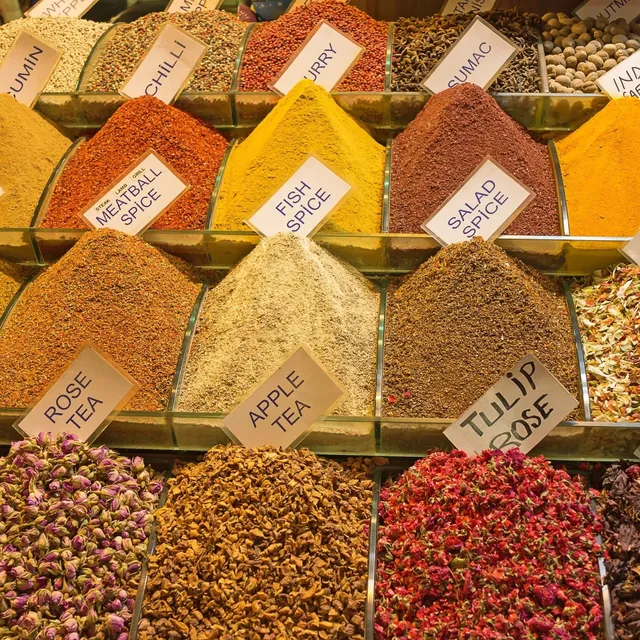
Spice Bazaar is the historic Egyptian Bazaar near Eminönü and is easier to navigate than the Grand Bazaar.
Süleymaniye Mosque is the great Ottoman mosque complex above the Golden Horn, known for its architecture and surrounding viewpoints.
What to buy in the hidden sections
The hidden parts of the bazaar area are better for focused shopping than random browsing.
Good categories to look for:
- leather goods
- metal items and small hardware-linked crafts
- beads and prayer accessories
- stationery and practical trade goods
- workshop-linked pieces with obvious utility or handwork
Jewelry can be strong here, but ask direct questions about metal quality, stone claims, and workmanship. For larger buys, compare more than one seller.
Carpets require patience, trust, and shipping clarity. current export and shipping guidance for carpet purchases from Turkey
If you are shopping seriously, also see related internal links such as a Grand Bazaar shopping guide and a bargaining-focused guide if available.
Cash still helps in older market streets, especially for smaller workshops. current card acceptance patterns in the Grand Bazaar hans and side streets Larger established shops may take cards more consistently.
Practical tips for a respectful visit
Here is the practical section most visitors need before they go.
- Wear closed shoes for uneven stone, steps, and worn thresholds.
- Aim for weekday mornings if possible. busiest and quietest visiting periods around the Grand Bazaar by day and season
- Save a gate name on your phone before wandering deep inside.
- If invited for tea, accept only if you have time; a warm no is also fine.
- Ask before photographing people, worktables, or close interior details.
- Keep voices low in hans and do not linger in stairwells or loading spaces.
- Bargain calmly and briefly; do not turn it into a performance.
- Check facilities before you need them. current visitor facilities in and around the Grand Bazaar
If your plan includes more of the Historic Peninsula, do not stack too many heavy sights back-to-back. The bazaar works best as one part of a layered day, not as an endurance challenge.
A practical half-day combination could look like this:
- Nuruosmaniye Mosque exterior and Grand Bazaar entry
- Main bazaar lanes for orientation
- One or two quieter courtyards on the Mahmutpaşa side
- Late tea or snack
- Süleymaniye or Eminönü/Spice Bazaar afterward
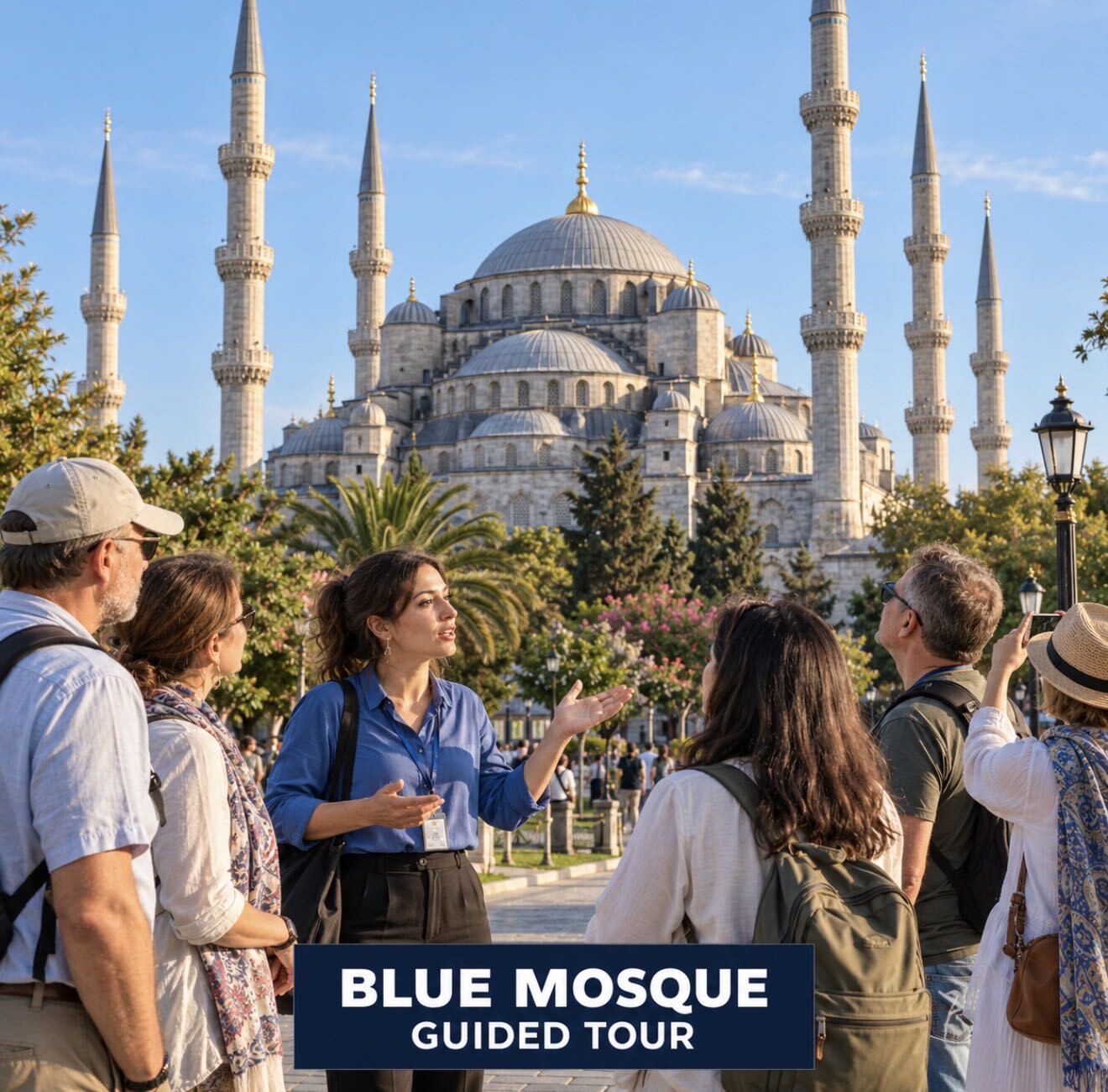
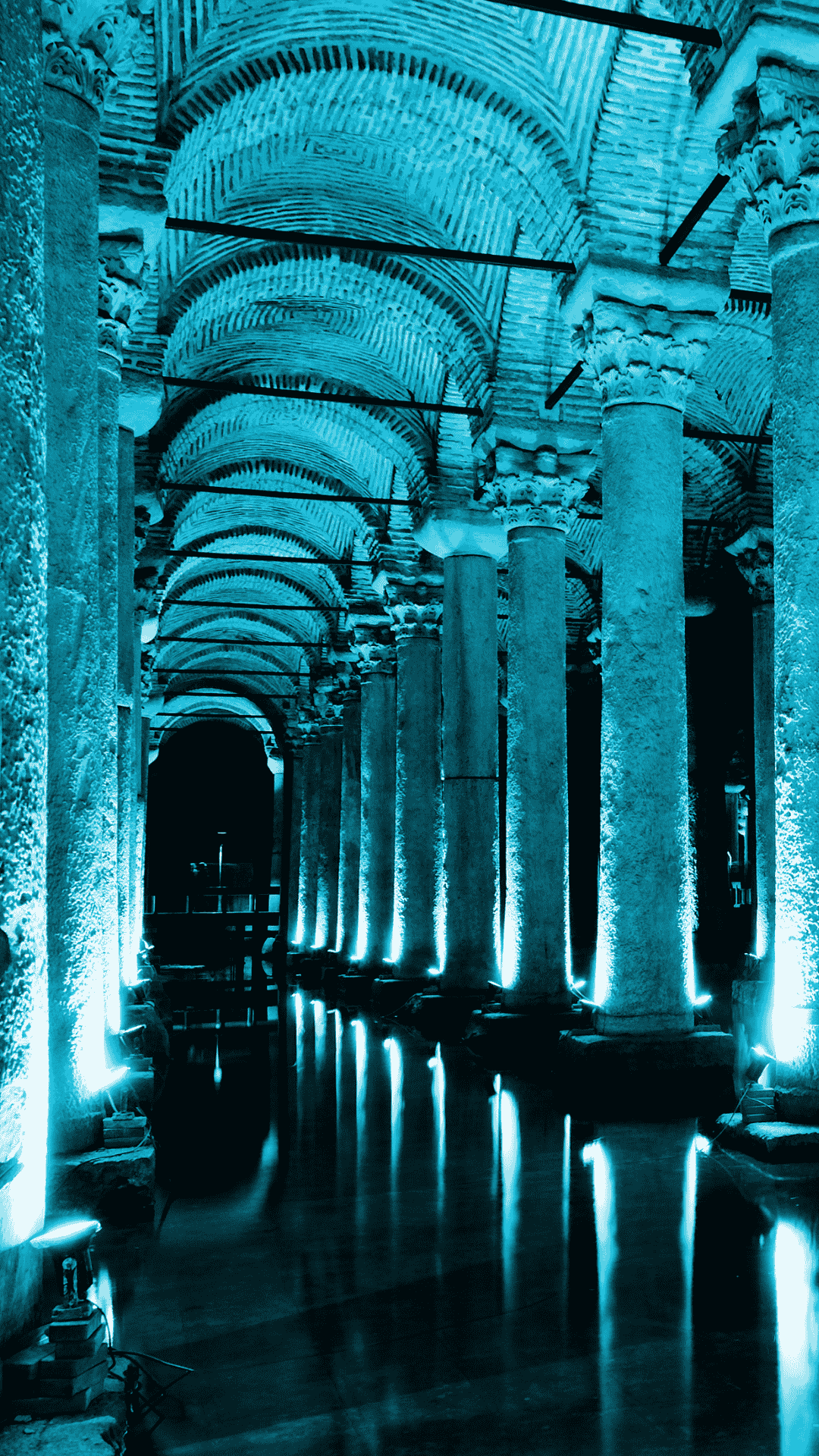
For bigger old-city days, you can still connect the bazaar with Hagia Sophia, Blue Mosque, or the Basilica Cistern, but it is smarter to split market time from major monument time.
Nearby stops to pair with the bazaar
The best nearby pairings depend on what you want after the market.
- Grand Bazaar basics for opening hours, entrances, and first-time orientation
- Nuruosmaniye Mosque for a graceful start or finish on the east side
- Mahmutpaşa for the downhill commercial continuation of the bazaar district
- Süleymaniye Mosque for space, architecture, and views
- Eminönü and the Spice Bazaar for ferries, food, and a second market atmosphere
- shopping and bargaining guides for visitors planning serious purchases in the old market area
Conclusion
The best hidden places near the Grand Bazaar are not secret roof hacks. They are hans, side courtyards, and working streets where the market still feels functional rather than staged. Start with Büyük Valide Han, Zincirli Han, Kürkçü Han, and the Mahmutpaşa slope, then use legal viewpoints around Süleymaniye if you want the skyline. If a rooftop is officially open when you visit, treat it as a bonus. If not, you are not missing the real heart of the area.