The Geography of Istanbul: A City Between Two Continents
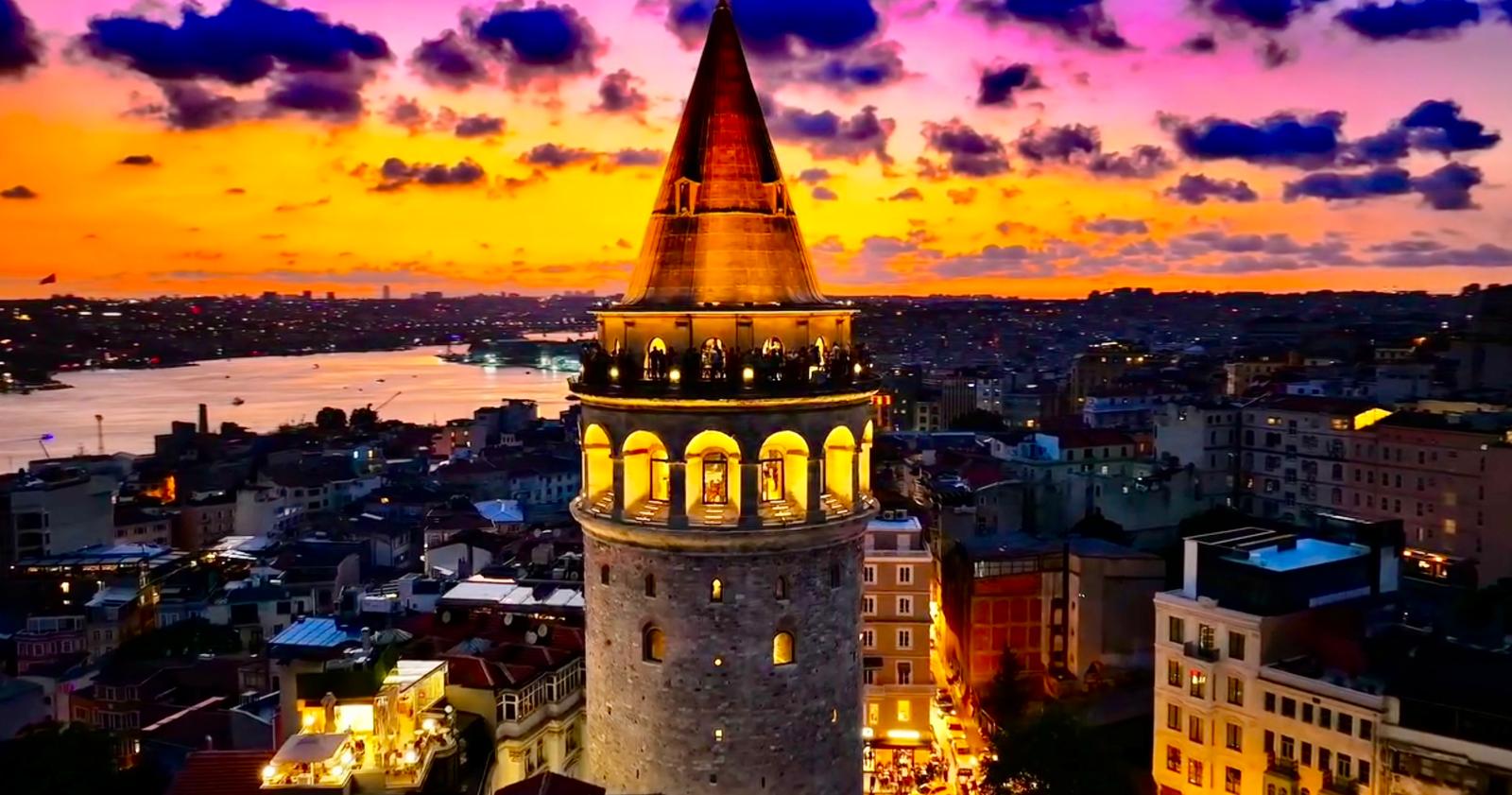
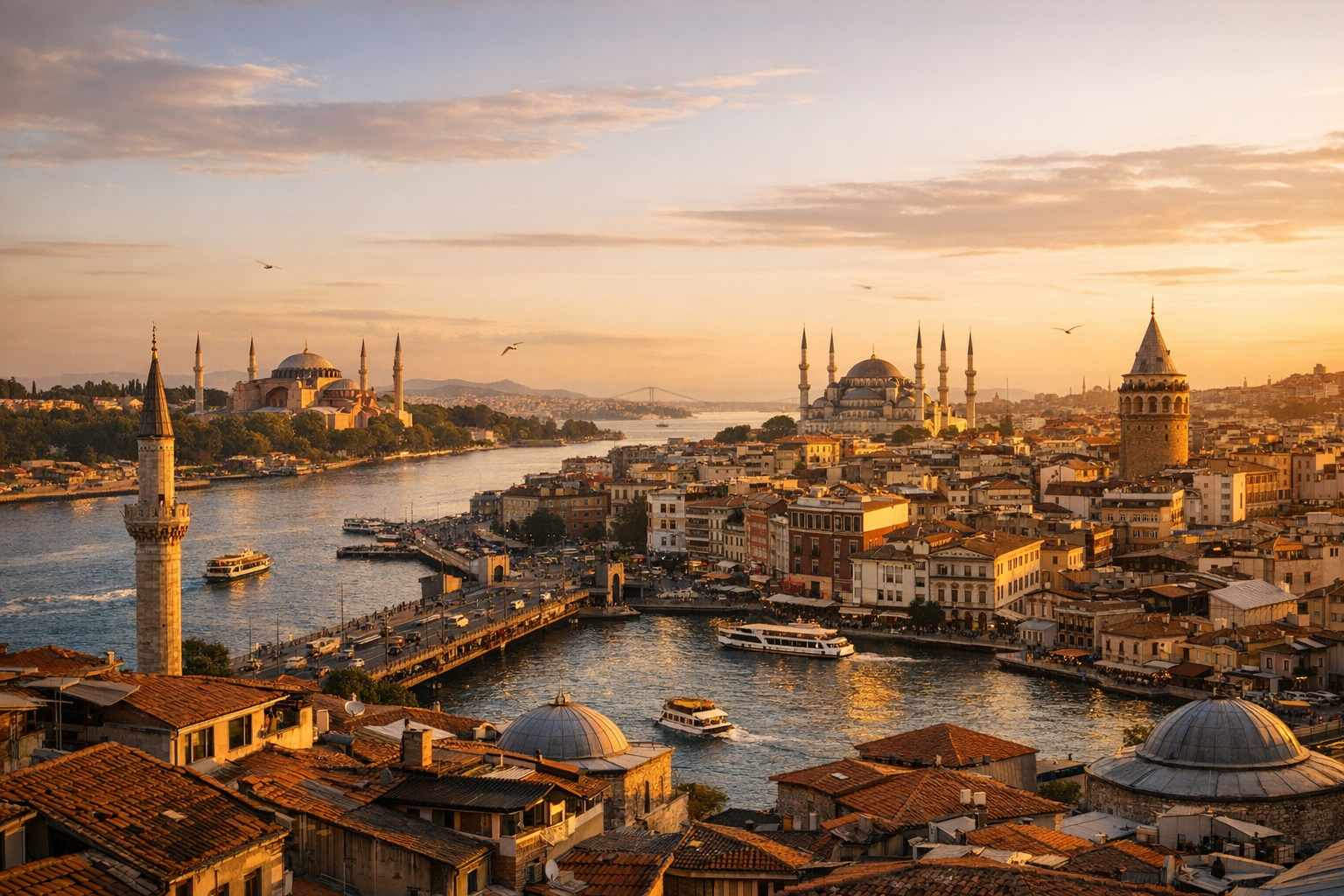
The geography of Istanbul is one of the main reasons the city has long been seen as one of the world’s most special urban centers. Istanbul stands between Europe and Asia, with the Golden Horn, the Bosphorus, the Marmara Sea, and the Black Sea shaping both its landscape and its identity. Its position has given the city strategic, cultural, and commercial importance for centuries.
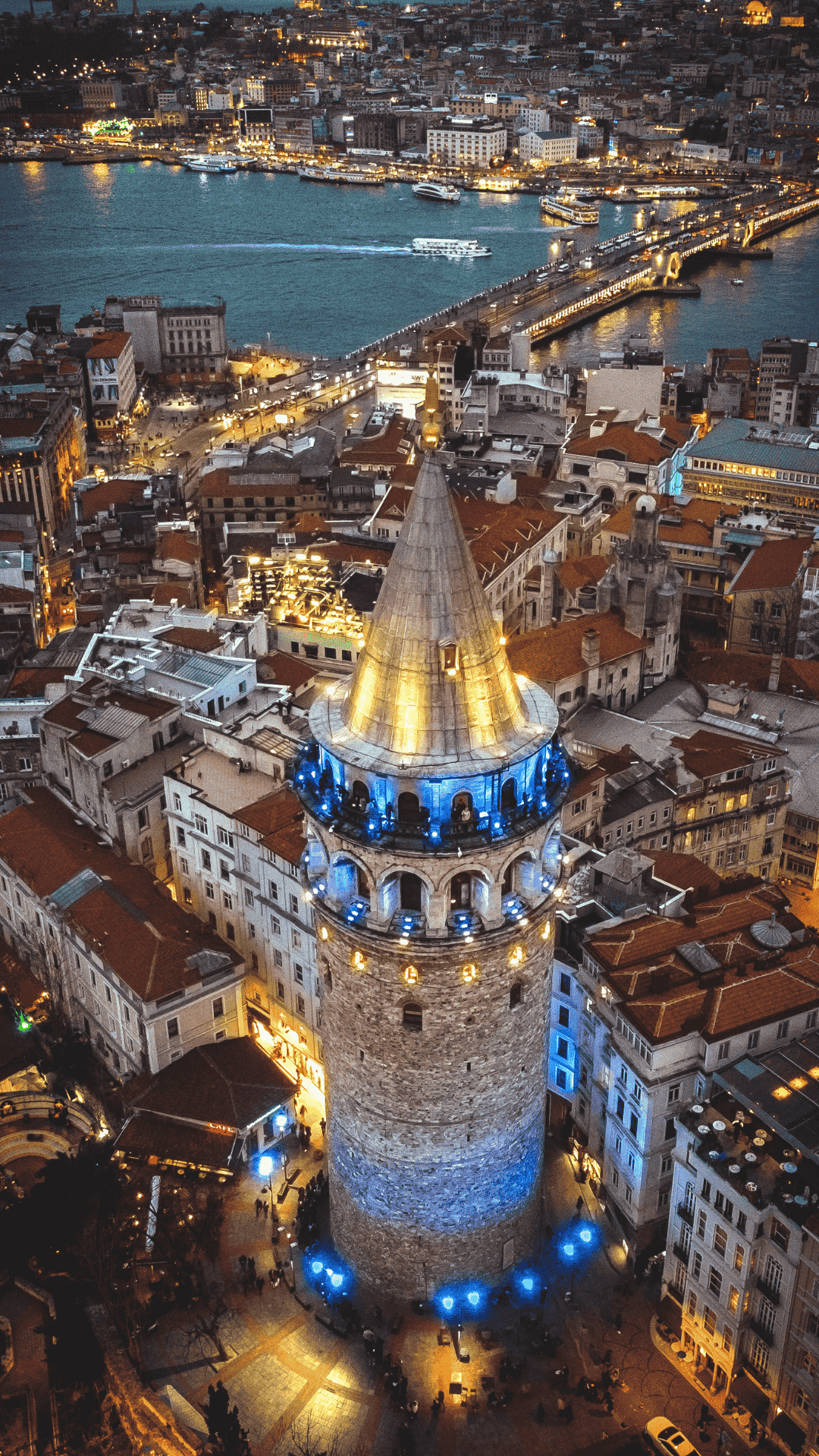
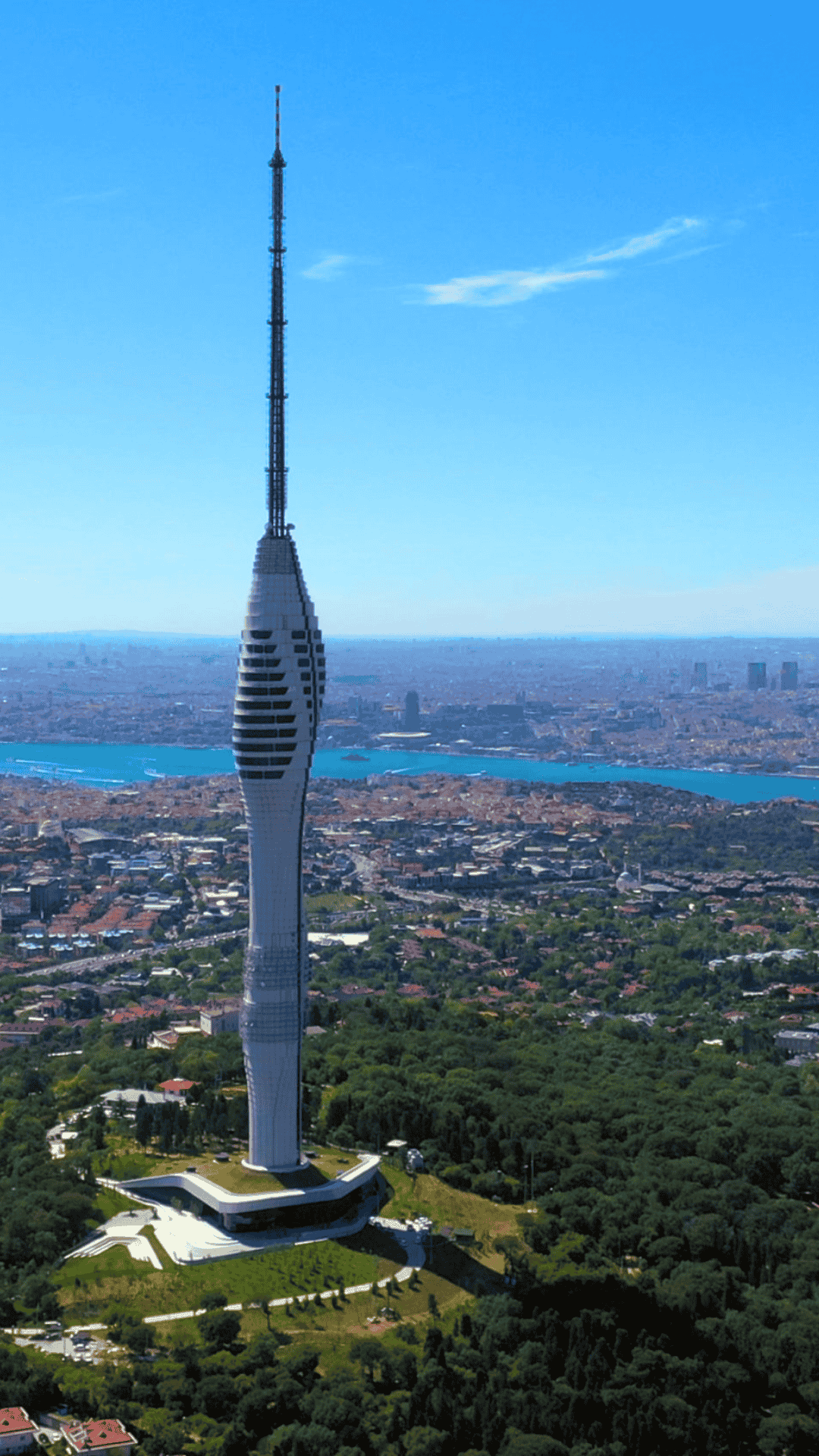
To the south of Istanbul lies the Marmara Sea, and to its north the Black Sea. The western part of the city is in Europe, and the eastern part is in Asia. The vital watercourse that divides Istanbul is the Bosphorus. As a seaport, it is both the closest Asian city to Europe and the closest European city to Asia.
Where Istanbul Is Located
Istanbul is positioned between 28° 01’ and 29° 55’ eastern longitudes and 41° 33’ and 40° 28’ latitudes. This location places the city at a natural meeting point of regions, seas, and continents. Its setting is not only visually striking but also highly practical, helping explain the city’s lasting role in trade, travel, and cultural exchange.
The city’s importance rests on its strategic importance in a commercial sense. Because it connects waterways and land routes, Istanbul has long served as a passage between different parts of the world. This is one reason many of the city’s best-known landmarks developed around its historic shores and crossings, from the old peninsula to the neighborhoods along the strait.
The Bosphorus and Istanbul’s Natural Division
The Bosphorus is the defining feature of Istanbul’s geography. More than a scenic waterway, it separates the European and Asian sides of the city while linking the Black Sea to the Marmara Sea. This singular geographic feature gives Istanbul a rare identity: one city spread across two continents.
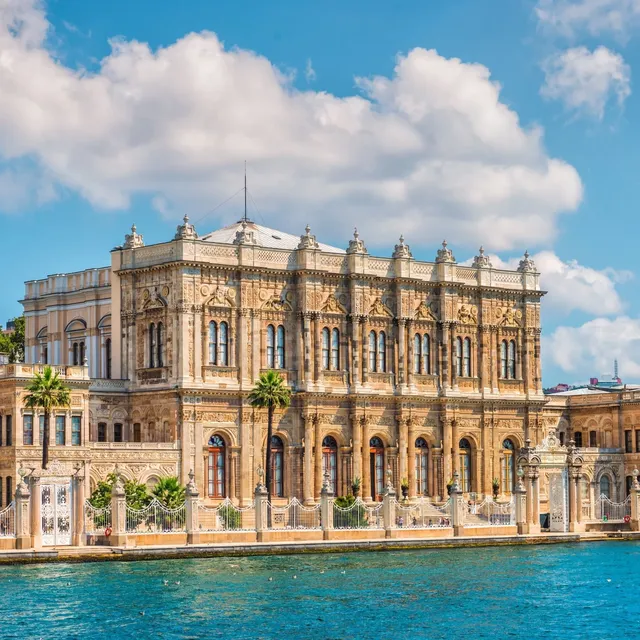
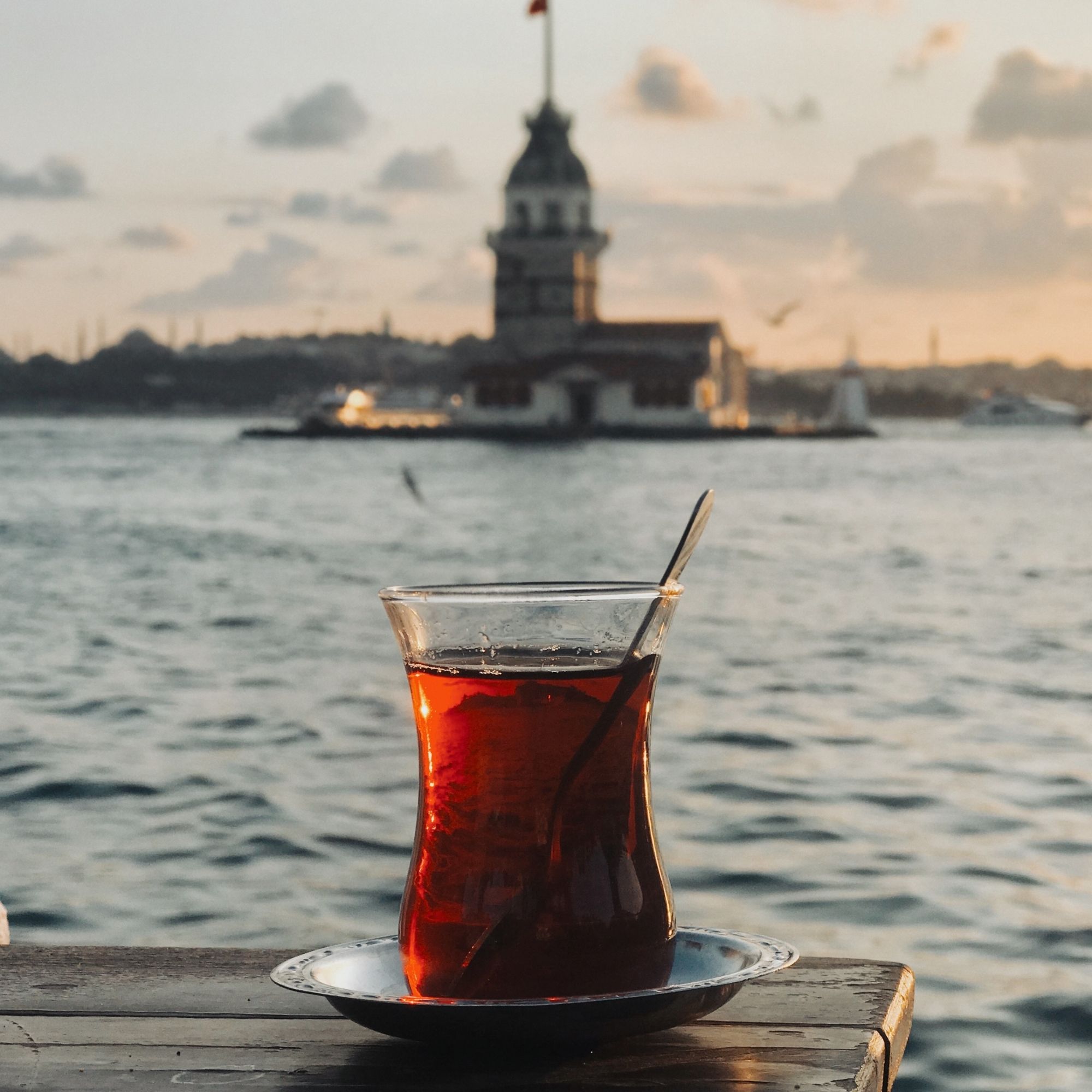
The Bosphorus also helps explain why waterfront views, ferry transport, and shoreline districts are so central to the Istanbul experience. Today, one of the best ways to understand this setting is through a Bosphorus Cruise, which reveals how the city unfolds along both shores.
Seas, Waterways, and Strategic Importance
Istanbul’s maritime setting has always mattered. With the Marmara Sea to the south and the Black Sea to the north, the city occupies a position that naturally supports seafaring and exchange. Its character as a seaport strengthens its role as a bridge not only between Europe and Asia, but also between regional and international routes.
This strategic location gives characteristics of East and West to the city at the same time. Geography in Istanbul is never just a matter of maps. It can be felt in daily life, architecture, food culture, and the rhythm of movement between neighborhoods, ferries, and coastal districts.
How Geography Shapes the City
The geography of Istanbul has influenced where people settled, how trade developed, and why the city became so significant over time. Hills, inlets, and shorelines helped define urban growth, while the strait made the city a point of connection rather than separation. This is part of what makes Istanbul different from almost any other major city.
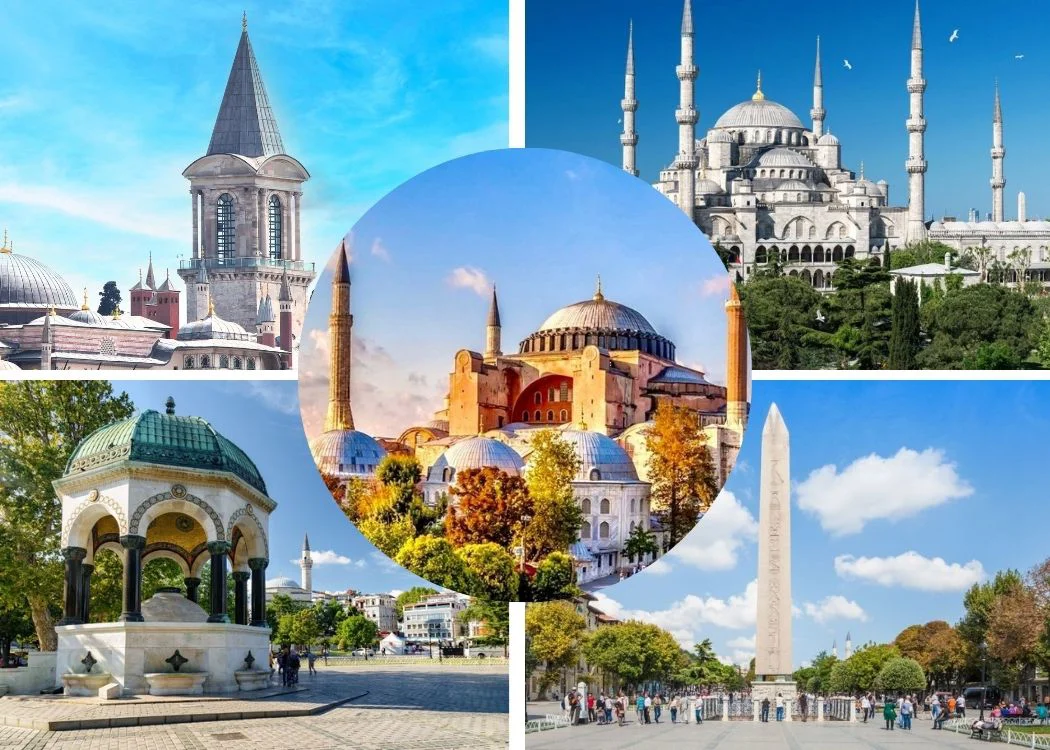
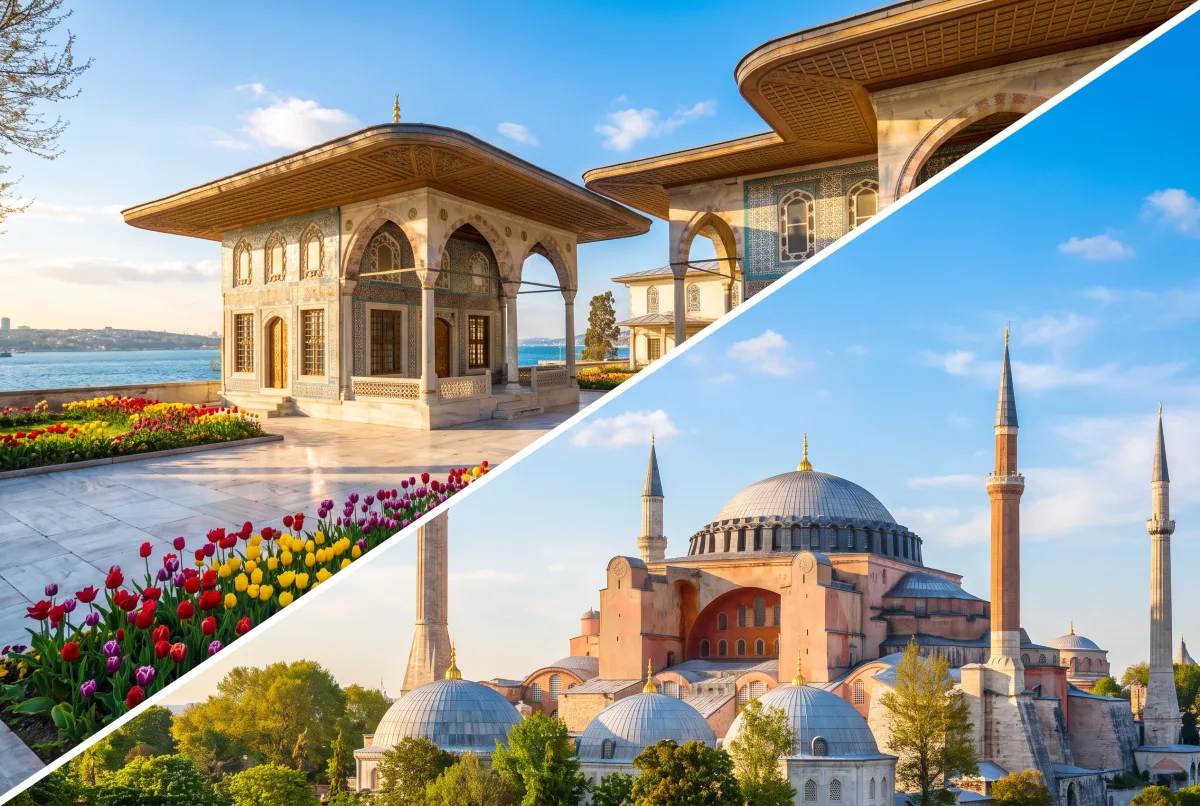
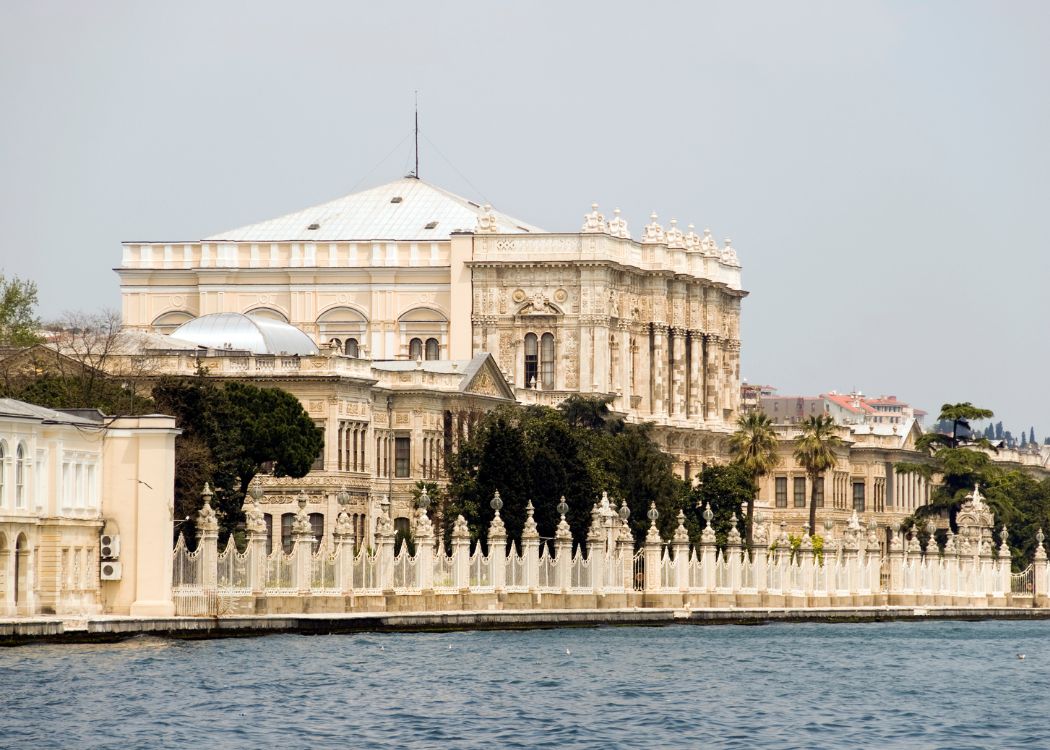
Its geography also helps visitors understand the relationship between major historic areas. Sites such as Topkapi Palace and nearby waterfront districts gained importance in part because of their commanding positions over key waterways. The city’s physical setting and historical development are closely tied together.
For a broader reference on the Bosphorus and Istanbul’s physical setting, readers can also consult Encyclopaedia Britannica.
Why Istanbul’s Geography Still Matters
Istanbul remains a city defined by connection. Its place between two continents, between two seas, and around one of the world’s most famous straits continues to shape how the city works and how it is perceived. The meeting of East and West is not only a cultural idea here; it is rooted in the land and water themselves.
That is why the geography of Istanbul continues to be one of the best starting points for understanding the city. From its continental divide to its maritime location, Istanbul’s natural setting explains much of its beauty, significance, and enduring appeal.