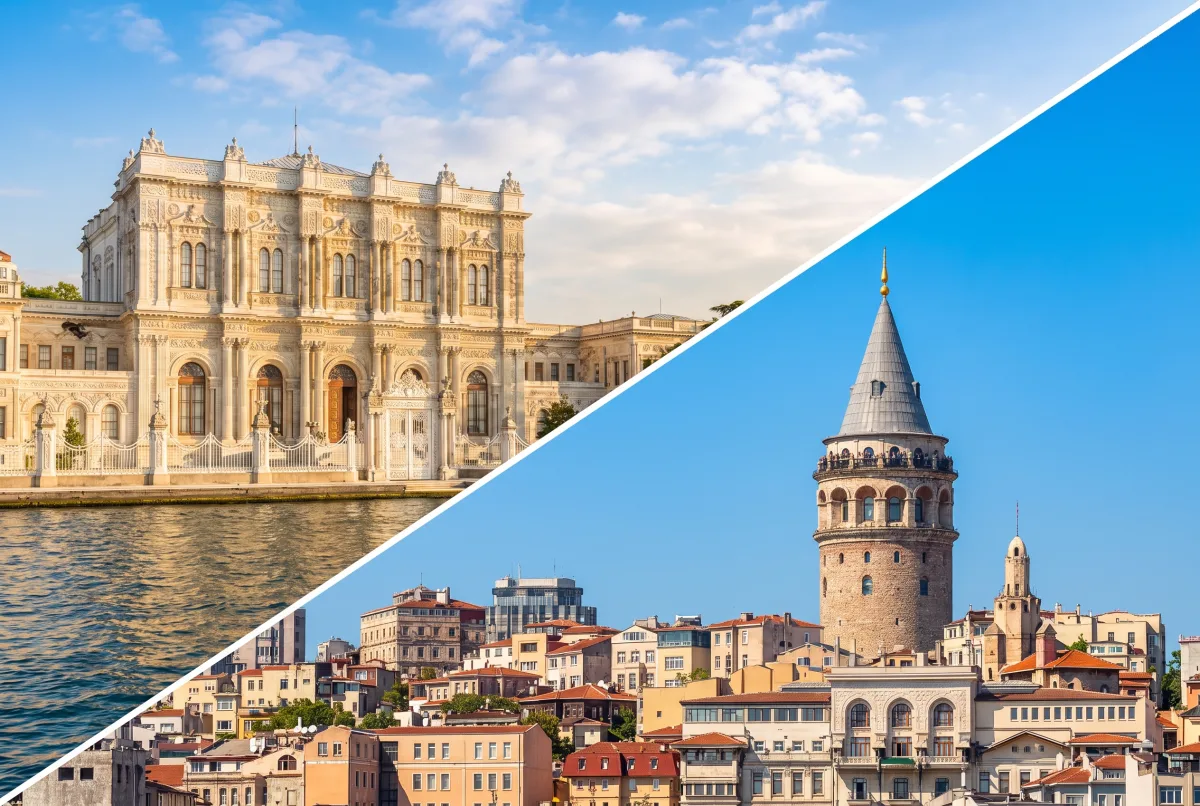
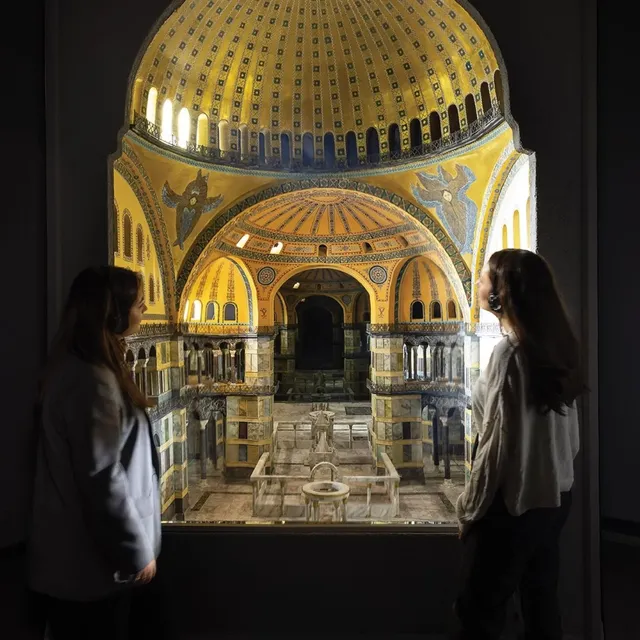
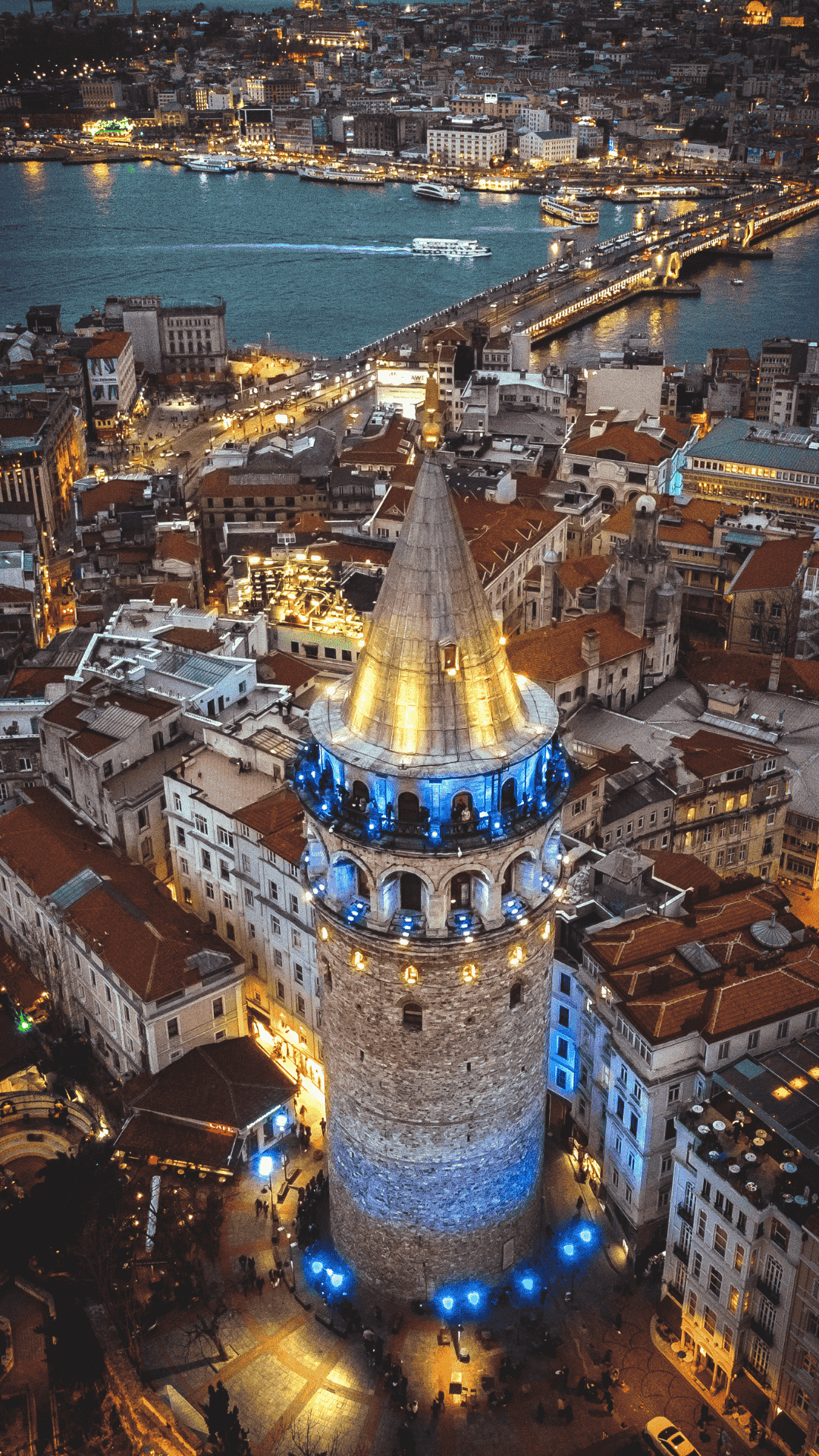
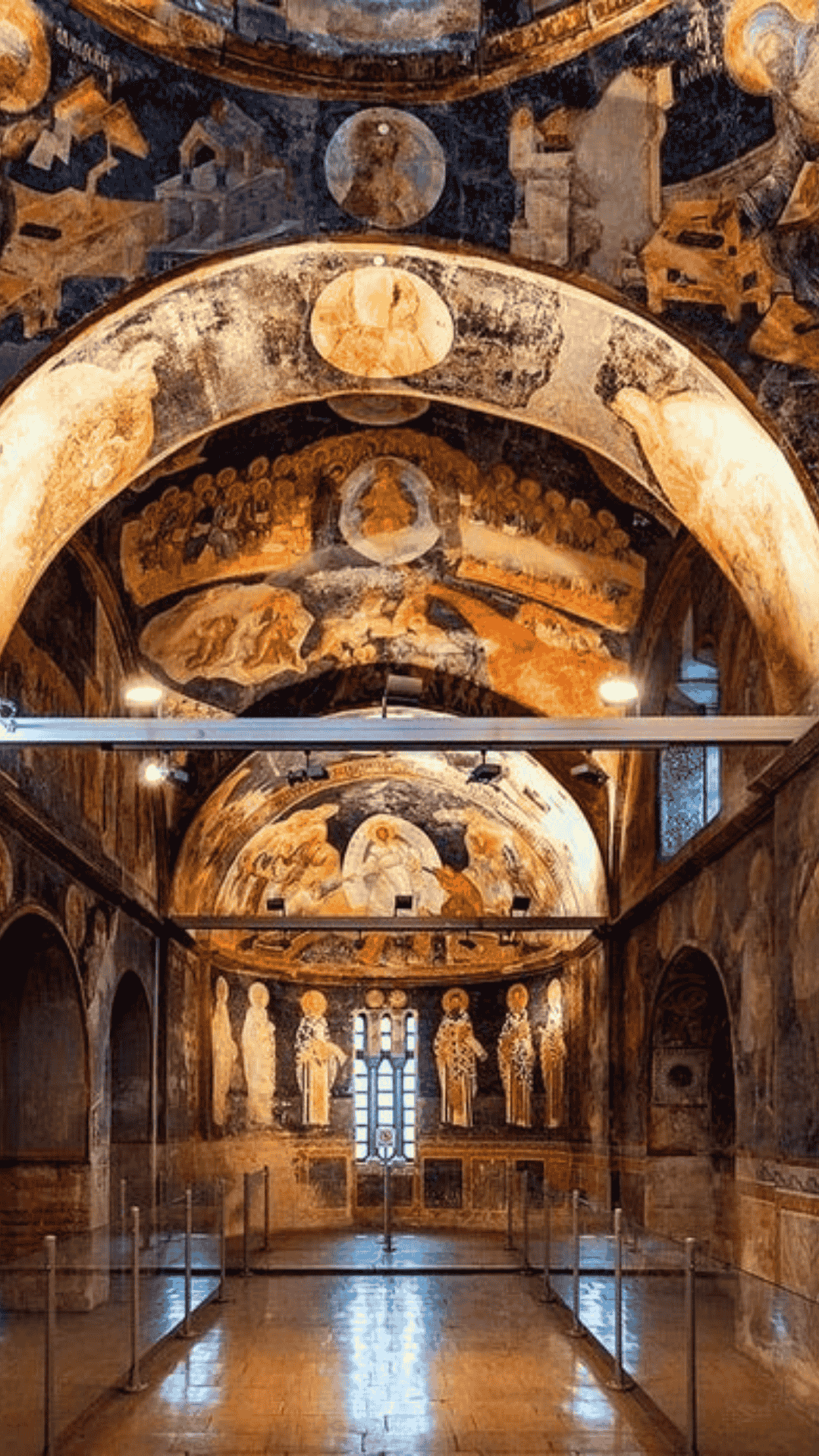
You do not come to Istanbul to collect only postcard views. You come for ferry rides with commuters, breakfast that stretches into noon, side streets that suddenly open into Bosphorus light, and neighborhoods that feel lived-in rather than staged. If you are searching for Istanbul Like a Local, what you usually want is not a secret city that tourists never see. It is a smarter way to experience the real one.
This guide is for travelers planning a trip and asking a better question than “What are the top sights?” It is for people who still want the essentials, but want them balanced with daily life, good food, walkable districts, and places where Istanbul reveals its rhythm naturally. Think of this as the version we would plan for a friend: less rushing, fewer overpriced stops, better neighborhood choices, and enough structure to actually use as an Istanbul itinerary.
Istanbul is not a city where “local” means avoiding everything famous. It means knowing when to go, how to move, where to linger, and what to skip. Sultanahmet is important, Karakoy can be useful without owning your whole trip, Kadikoy rewards curiosity, Besiktas feels social and practical, Balat is better early, and Uskudar gives you one of the most honest slices of daily Istanbul.
GO LOCAL Build Days That Feel Grounded, Not Overplanned Keep the essentials, skip the traps, and let neighborhoods carry the trip.Istanbul Like a Local in One Glance
| Question | Short Answer | ||
|---|---|---|---|
| Best neighborhoods for local atmosphere | Kadikoy, Moda, Besiktas, Cihangir, Kuzguncuk, Uskudar, Arnavutkoy, Balat, Fener | ||
| Best way to move around | Mix ferries, trams, metro, and walking; use taxis selectively and avoid short traffic-heavy rides | ||
| How many days you need | At least 4 days for a balanced trip; 5 to 7 days is much better if you want neighborhoods and major sights | ||
| What to avoid | Overpacked old-city days, generic restaurant strips, “whirling dervish + dinner + Bosphorus + bazaar” cram-it-all tours | ||
| Best local-style experiences | Ferry rides, neighborhood breakfast, food markets, tea by the water, side-street wandering, hammam with realistic expectations | ||
| Where first-timers should stay | Karakoy, Galata, Cihangir, Besiktas, or Kadikoy depending on your pace and priorities | ||
| Good use of a pass or tour | Worth it if you plan multiple headline attractions in 1 to 3 days; skip if your trip focuses on neighborhood wandering | ||
| Biggest mistake | Treating Istanbul like a checklist instead of a city with neighborhoods, commutes, and changing energy across the day |
What “Istanbul Like a Local” Actually Means
- Context, not gatekeeping. No real local spends every day chasing hidden gems. Daily Istanbul is practical: people commute by ferry, eat quickly and well, meet friends in familiar districts, and choose neighborhoods for mood as much as convenience.
- Choose neighborhoods over checklists. Most visitors end up with disconnected pins spread across the city. The better strategy is to group your time by area — one district can hold enough food, architecture, street life, and atmosphere for half a day without ever feeling repetitive.
- Anchor sights, then let neighborhoods carry the rest. You do not need 12 attractions in one day. You need one meaningful sight, a strong neighborhood, a good meal, a coffee stop, and time to notice things.
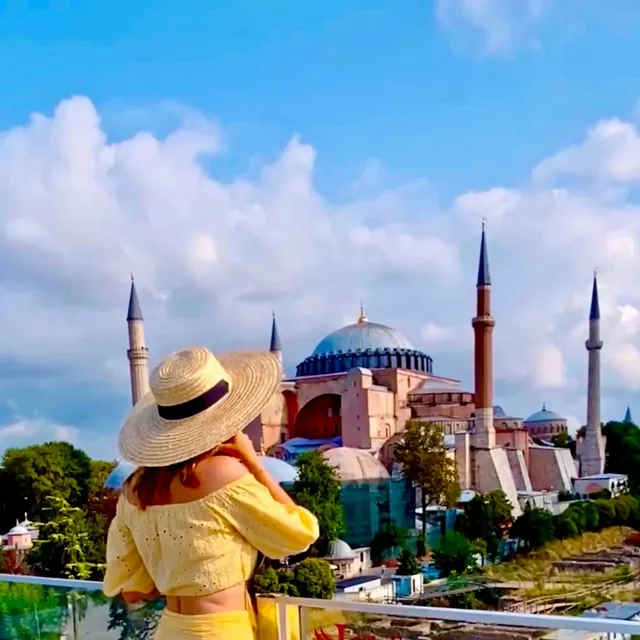
- Use famous places at the right time. Seeing Hagia Sophia, the Blue Mosque, or the Grand Bazaar does not make your trip less authentic. Seeing them at the worst possible hour, surrounded by peak crowds, and eating in the nearest overpriced restaurant usually does. Local-style travel often comes down to timing.
- Accept the city's scale. Istanbul is big, hilly, and layered. Leave breathing room for ferry departures, traffic, weather, prayer-time queues at major mosques, and streets that simply invite you to stay longer.
How Many Days Do You Really Need?
The best Istanbul travel guide is not the one with the most suggestions. It is the one that helps you decide what fits you. If you are a first-time visitor who still wants the icons, split your days between the historic peninsula, the Beyoglu-Galata-Karakoy-Cihangir belt, the Asian side in Kadikoy and Moda, and a Bosphorus day. If food and atmosphere matter more than ticking off sights, stay outside Sultanahmet, see only 2 to 4 major monuments total, and leave at least one afternoon completely open. If time is limited, do not cross the city repeatedly — pick one side of Istanbul each day and take ferries for both transport and experience.
If you have limited time: it is smarter to do less across fewer districts than to claim you “did” both continents in one frantic day.
Better Bases for a Local-Feeling Stay
Karakoy
Central, walkable, ferry access, easy for first-timers — though increasingly busy and polished. Use it as a bridge to ferries, not just coffee stops.
Best for Best for: central convenience with ferry access
Galata
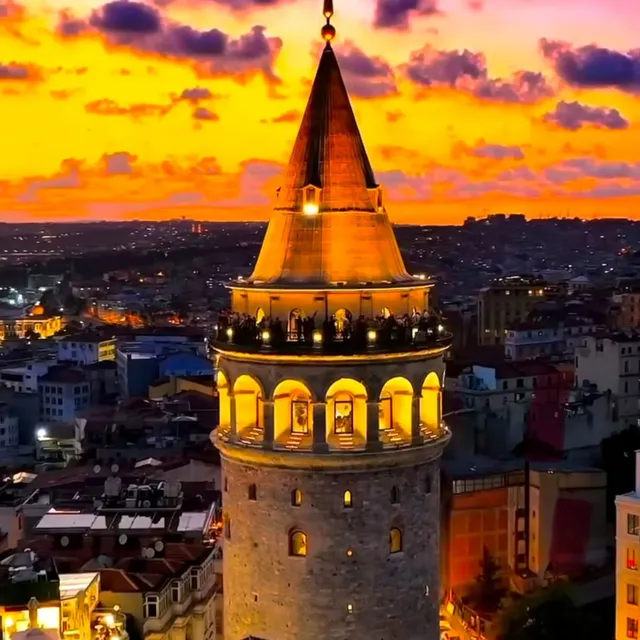
Atmospheric, photogenic, good for walking, but hilly. Start early near the tower before peak crowds build and descend on foot rather than zigzagging by taxi.
Best for Best for: atmosphere and walkability
Cihangir
Residential-cool with cafe culture, close to Istiklal without feeling stuck in it. It rewards people who enjoy walking with no hard destination.
Best for Best for: a residential feel near the center
Besiktas
Practical, local, youthful, excellent for ferries and buses, with a busy breakfast culture, street food, and markets. More local rhythm than destination polish.
Best for Best for: practical local energy and Bosphorus links
Kadikoy
Food-rich, social, energetic — especially good for return visitors or anyone wanting the Asian side to matter. Read broader guides to Istanbul neighborhoods before you book.
Best for Best for: food lovers and the Asian side
Sultanahmet (should you stay in the Old City?)
Sometimes yes, often no. It is practical if your priority is early access to major historic sites and a traditional first-timer base. But many travelers who want “Istanbul like a local” are happier staying in neighborhoods with more evening life and stronger food options.
Best for Best for: early access to the historic monuments only
Real Neighborhoods, Smarter Days
 Asian side
 Kadikoy: The Easiest Place to Feel the City's Everyday Energy
If you ask where travelers should go when they want Istanbul beyond the postcard version, Kadikoy is usually near the top of the list. Busy but not staged, youthful without trying too hard, and full of food choices from humble to excellent.
Why choose Kadikoy
- Best for food lovers and repeat visitors
- Excellent ferry connections to Eminonu, Karakoy, and Besiktas
- Strong atmosphere from morning to late evening
- Easy to combine with Moda for a slower, greener feel
How to spend your time
Start in the market area and wander without overplanning. Stop for a long Turkish breakfast or a quick simit and tea. Browse side streets, record shops, and small cafes. Walk or ride toward Moda for sea views and a calmer pace.
Food notes, walking and timing
This is one of the neighborhoods where you can confidently prioritize eating over sightseeing — meze, lahmacun, seafood, desserts, or specialty coffee. A dedicated Istanbul food guide helps, but even without a list, Kadikoy rewards instinct. Plan on 3 to 5 hours if you combine the market streets with Moda; early afternoon into sunset works especially well. Weekends are lively, but also crowded.
Most tourists miss this
The ferry ride is part of the experience, not just the way to get there. Sit outside if the weather allows. Watching Istanbul approach from the water often does more for your sense of the city than any single museum.
 Moda & Besiktas
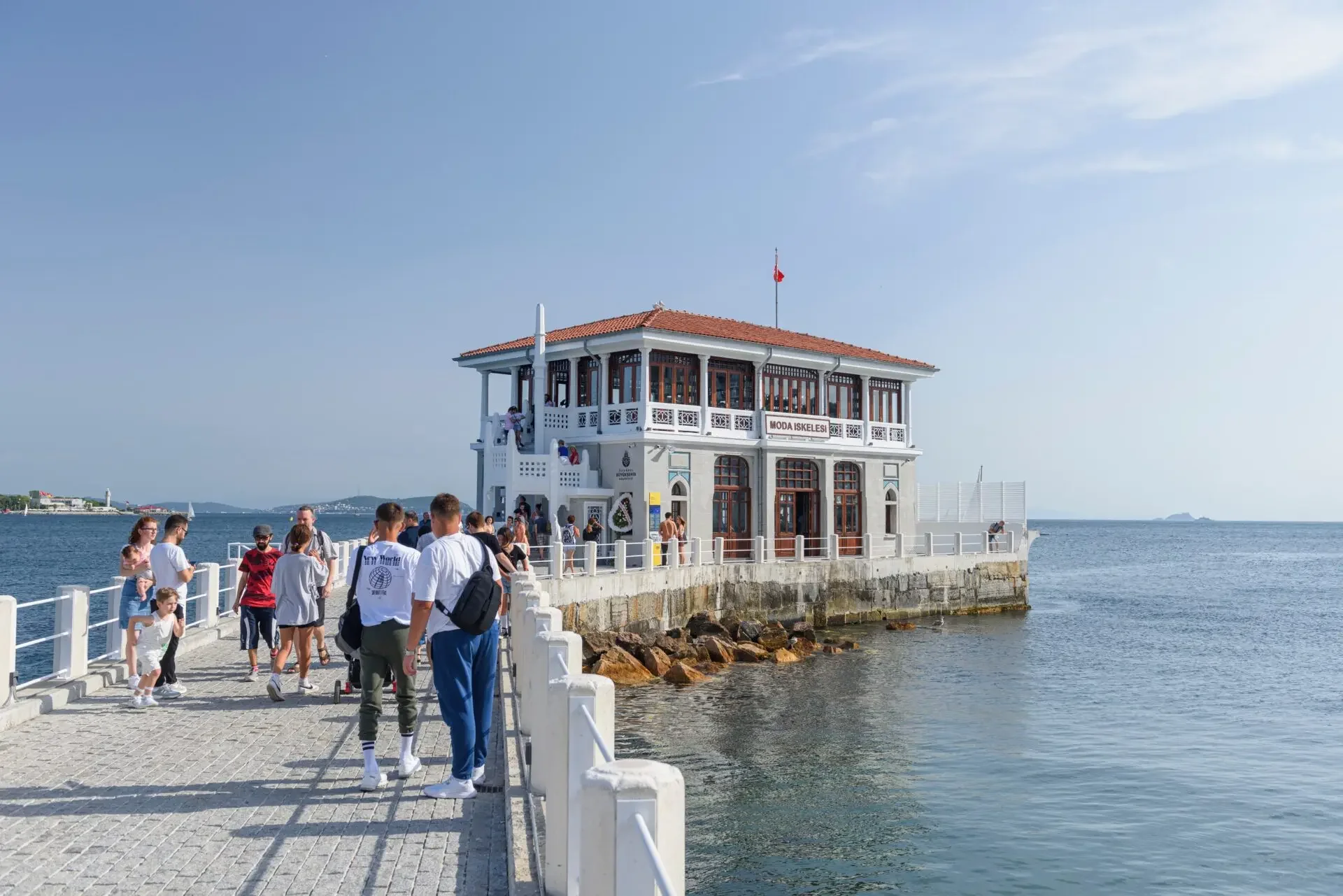
 Moda and Besiktas: Slow Waterfront and Practical Local Energy
Two very different flavors of everyday Istanbul: a leafy, relaxed shoreline extension and one of the city's most useful, lived-in districts.
Moda: the softer, slower extension of Kadikoy
Moda feels residential, leafy, and relaxed in a way many first-time visitors do not expect from Istanbul. Come for sea air, long conversations, cafes, and the kind of afternoon that leaves room for nothing in particular. Best for couples, slow travelers, anyone needing a breather after the historic center, and remote workers building in a lighter day. Photograph tree-lined residential streets, waterfront viewpoints, tram details, and golden hour by the shoreline.
Besiktas: practical, social, and very easy to use well
Besiktas rarely tops glamorous bucket lists, which is precisely why it works: strong transport, busy local breakfast culture, street food, markets, ferries, and direct links to the Bosphorus. It is an easy connection point between the European and Asian sides and a good base for heading north along the water. Avoid this mistake: do not treat Besiktas as just a transport hub. Even 90 minutes here can give you a much more grounded sense of Istanbul than an extra rushed attraction elsewhere.
 European side
 Cihangir, Karakoy, and Galata: Use Them Selectively
Central, beautiful, and practical — but these areas can slide into a “design-led traveler bubble” if you never leave the most obvious streets.
Cihangir: where the city turns reflective
Cihangir reveals itself gradually. It is not about monuments — it is about perspective, side streets, cats, cafes, old apartment buildings, and small moments of urban beauty. Best for writers, photographers, cafe people, and travelers who enjoy walking with no hard destination. If you need major sights every hour, you may think it is “quiet.” If you like noticing architecture, local shops, and mood, this is exactly the point.
How to do Karakoy and Galata well
- Start early near Galata before peak crowds build
- Descend on foot rather than zigzagging by taxi
- Use Karakoy as a bridge to ferries, not just coffee stops
- Continue toward Tophane or up toward Cihangir depending on mood
When to skip lingering too long
If a restaurant or cafe feels built entirely around being seen, you are usually paying for the scene more than the experience. Istanbul offers better value and more character elsewhere.
 Honest Istanbul
 Balat, Fener, Uskudar, Kuzguncuk, and Arnavutkoy
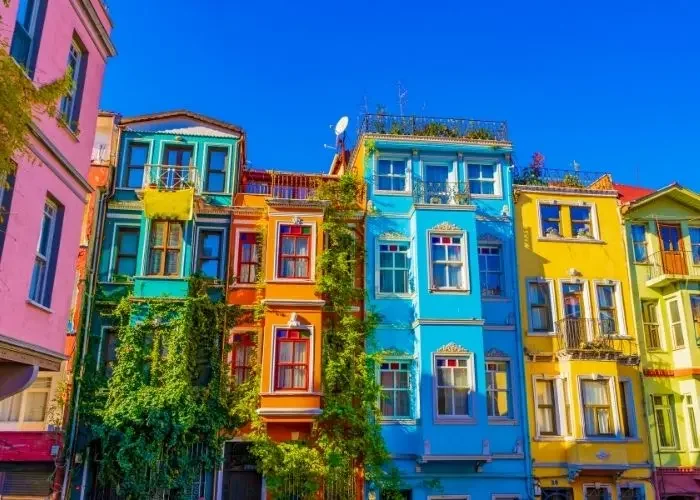
Layered historic streets on the Golden Horn, and the Asian-side and Bosphorus neighborhoods that give you the city's most honest daily rhythm.
Balat and Fener: beautiful, rewarding, best handled thoughtfully
Balat has become one of the most photographed neighborhoods in Istanbul, and that can distort expectations. It is also a real residential area with churches, schools, family life, and everyday routines. Go in the morning for better light and fewer crowds, walk uphill slowly, pair with Fener and the waterfront, and stop for coffee or a simple meal. Most tourists miss this: the atmosphere broadens once you move one or two streets away from the obvious photo cluster — focus on the layered history and street pattern, not the social-media-famous facades.
Uskudar: a truer local counterweight to postcard Istanbul
If Sultanahmet gives you imperial Istanbul, Uskudar gives you daily Istanbul shaped by ferries, mosques, tea gardens, local commerce, and a quieter confidence. Excellent Bosphorus and skyline views back toward the historic peninsula, strong ferry culture, and less performative than some European-side hotspots.
Nearby suggestion: Kuzguncuk
Kuzguncuk is small, charming, and genuinely pleasant, with a village-like feel by Istanbul standards. It is not large enough for a full sightseeing day, but it makes a lovely half-day pairing with Uskudar — come for a slow walk, breakfast or coffee, and a gentler pace.
Arnavutkoy: Bosphorus beauty without needing an agenda
A good answer for travelers who want to feel the Bosphorus without being trapped in a heavily touristed stop. The waterfront setting, old wooden houses, seafood options, and long views make it one of the city's most atmospheric stretches. Best for travelers with 5+ days, anyone continuing north from Besiktas or Ortakoy, and visitors who enjoy dining with a view without a fully packaged evening.
Expectation check Neighborhoods That Look Good Online but Need Better Expectations
Nothing here is a trap by default — but each of these places works best when you know exactly what it offers and what it doesn't.
Sultanahmet: essential, but not where local Istanbul lives
There is nothing wrong with spending time in Sultanahmet — you should, especially on a first visit. But understand the trade-off: this district holds some of the city's most important monuments, but less of its ordinary urban rhythm. It works best as a historic day, not as your entire idea of Istanbul.
Ortakoy: go for the view, not for depth
Ortakoy can be lovely for a short stop, especially for Bosphorus photos and a waterfront walk. But it is often overcrowded and can feel more like a scene than a neighborhood experience. Good for a brief pause; less convincing as an “authentic” centerpiece.
Istiklal Avenue at peak hours: high energy, low intimacy
Istiklal is important and fascinating, but during peak times it can feel relentless. If you want the atmosphere without the sensory overload, use the side streets around it, or come early. Beyoglu makes more sense once you stop insisting on the main artery alone.
 The framework
 A Smarter Day-by-Day Framework
A practical framework rather than a rigid script — it keeps the essentials but avoids turning every day into a race.
Historic Istanbul, but with better pacing
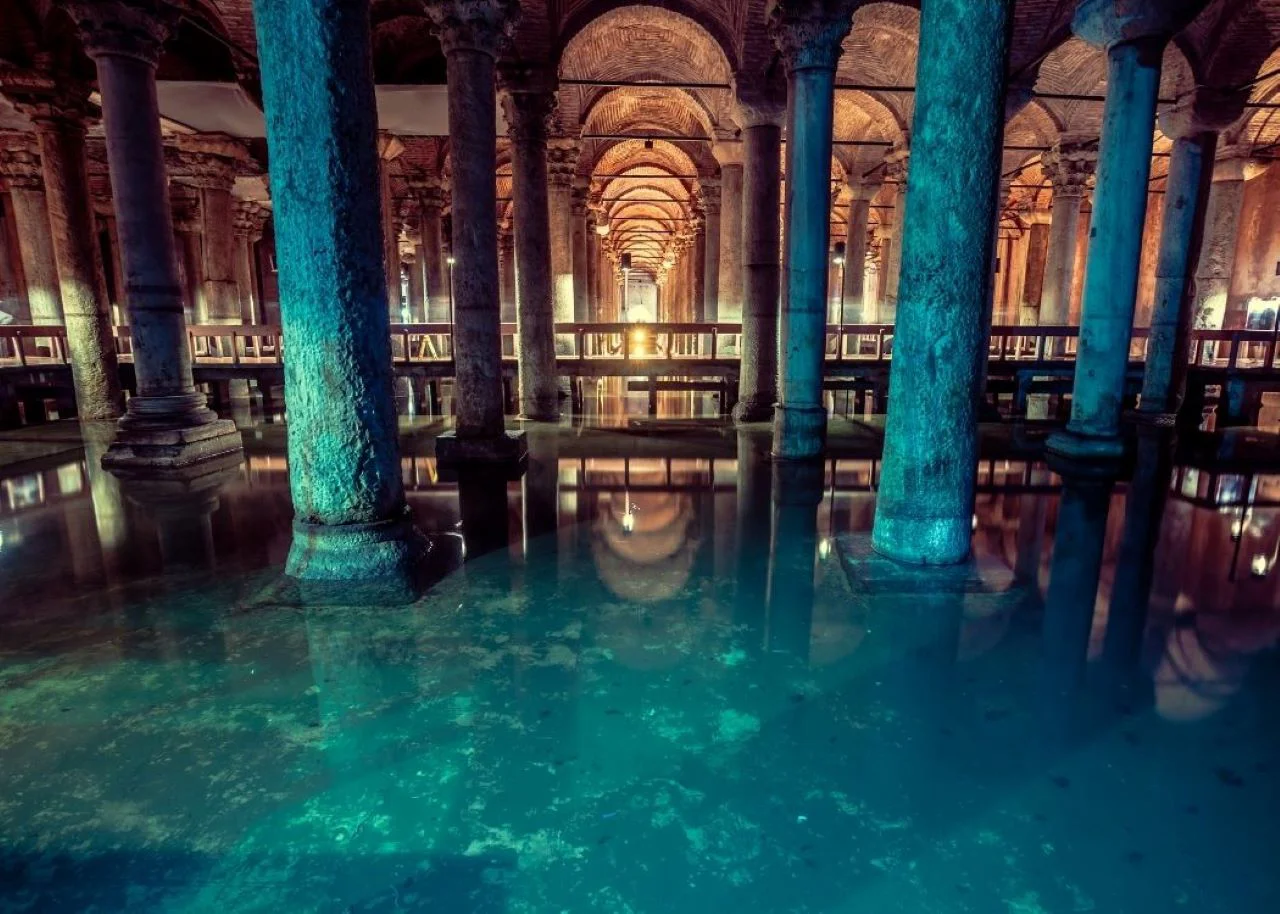
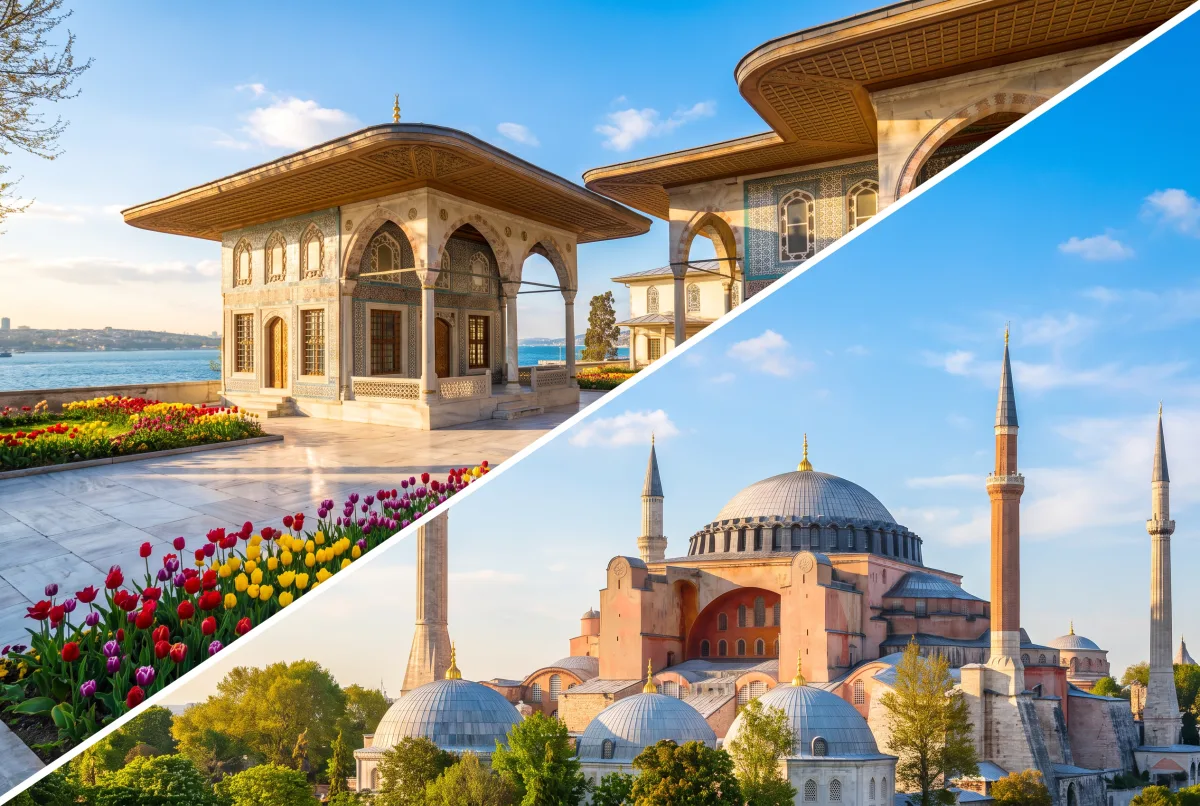
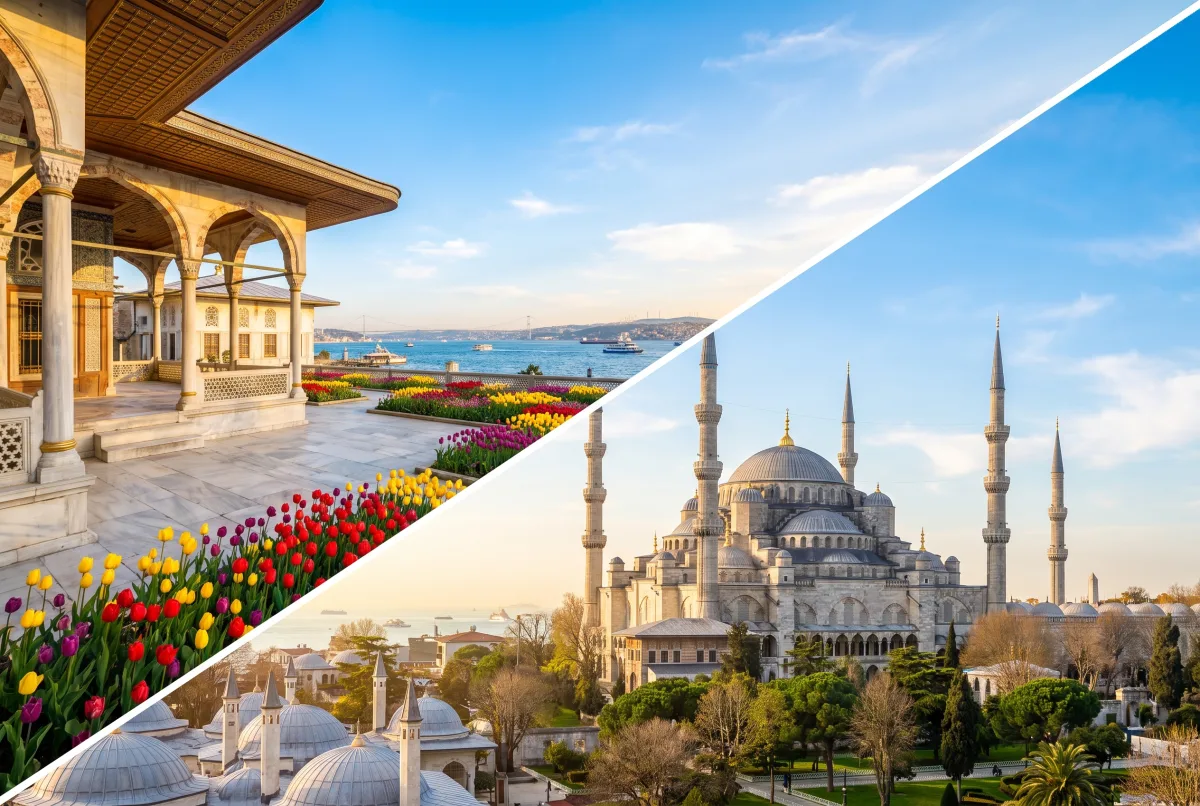
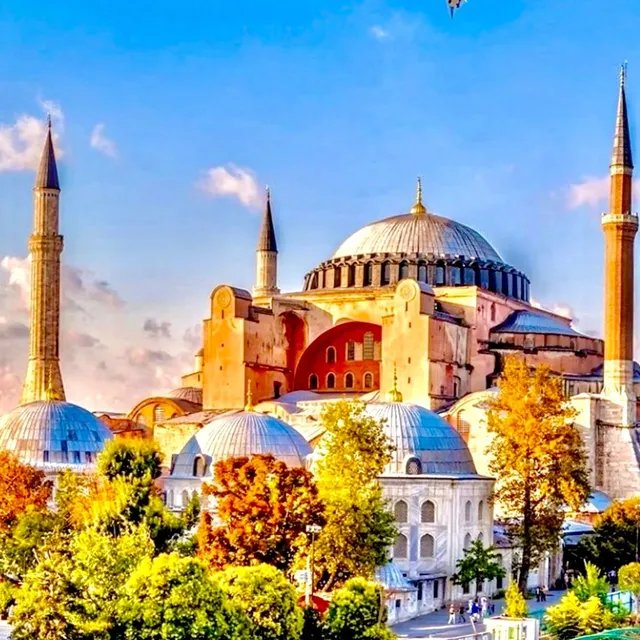
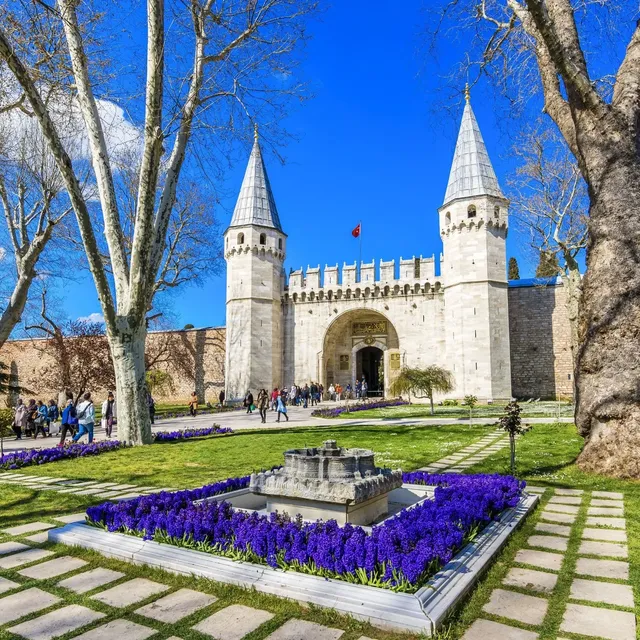
Start early in Sultanahmet. Visit Hagia Sophia and the Blue Mosque, prioritizing whichever matters most to you. Walk through the Hippodrome area, then choose one additional major sight only: Basilica Cistern, Topkapi Palace, or the Archaeological Museums. Have lunch outside the most obvious tourist strip, continue toward Eminonu or Sirkeci, and end with a ferry ride rather than another indoor attraction. Avoid this mistake: trying to do Hagia Sophia, Blue Mosque, Topkapi, Basilica Cistern, Grand Bazaar, Spice Bazaar, and a Bosphorus cruise all in one day — it sounds efficient and feels terrible. If major attractions are your focus during a short stay, a well-structured Istanbul pass can save time.
Galata, Karakoy, Cihangir
Start early in Galata, explore surrounding streets before they get crowded, walk downhill into Karakoy, stop for coffee or an early lunch, continue on foot toward Tophane or head uphill to Cihangir, and end the day with dinner in a neighborhood where people actually linger. This day works because it is walkable and full of changing perspectives — you feel how European-side Istanbul shifts block by block.
Kadikoy and Moda
Take a morning or late-morning ferry to Kadikoy, explore the market streets, plan your main meal here, walk to Moda slowly, and sit by the water near sunset. If there is one day that most consistently delivers the “I'm actually in the city, not just visiting its landmarks” feeling, this is it.
Bosphorus neighborhood day
Options depending on mood: Besiktas to Arnavutkoy for food, local energy, and a scenic progression along the water; Uskudar to Kuzguncuk for a calmer, more reflective day; or a short Bosphorus cruise plus one real neighborhood if you want water views but still want the city to feel grounded. A quality cruise or guided outing can be worth it for first-timers or families; if you are comfortable navigating ferries and buses, public transport is enough.
Choose depth over breadth
Return to the side of the city you liked most. Add Balat and Fener early in the day. Try a hammam if it genuinely interests you. Take a food-focused walk or a meyhane evening. Use a day for museums, modern art, or a Princes' Islands trip only if your pace allows.
 Trap radar
 How to Avoid Tourist Traps Without Becoming Cynical
Being in a tourist area does not automatically mean a place is bad. The smarter question is whether it earns the convenience with quality.
Restaurant red flags
- Staff aggressively waving menus at passersby
- Suspiciously huge menus with every cuisine imaginable
- Prime-view location with no visible local customers at sensible hours
- Pricing dramatically above neighborhood standards without a clear reason
Experience red flags
- Overloaded combo tours trying to compress half the city into one ticket
- Packages that treat transport time as if it does not exist
- Activities sold mainly through urgency rather than value
- Anything promising a “secret local neighborhood” in language that sounds manufactured
Shopping red flags
The Grand Bazaar and Spice Bazaar can absolutely be worth visiting, but not every purchase there is a smart one. Come for atmosphere, craftsmanship, and browsing. Buy only when quality is evident, the price feels fair to you, and you are not being pushed into a decision. Insider Tip: the best market experience is often not the one where you buy the most. It is the one where you observe, ask a few questions, and leave without pressure.
 Eating local
 Where to Eat for a More Local Istanbul Experience
Istanbul does breakfast well, and not only in polished brunch spots. A neighborhood breakfast can shape your whole day.
Breakfast matters more here than many visitors expect
Besiktas, Kadikoy, Moda, Cihangir, and Kuzguncuk are all strong choices depending on your location and mood. The best approach: go hungry, do not overbook your morning after, choose one place with a relaxed pace instead of trying several, and remember that tea refills are part of the rhythm.
Street food and quick bites
You do not need every meal to be a formal event. Simit, lahmacun, pide, doner, stuffed mussels from reputable places, and simple soups all help Istanbul feel more immediate and less curated. Most tourists miss this: some of the city's most satisfying meals are not “destination dining” — they are a quick, well-made lunch in a neighborhood where people are on their regular day.
When to plan a meyhane evening
If food culture matters to you, one proper meyhane night can be far more memorable than an average “traditional show dinner.” Go when you are not rushed, ideally with a slow next morning. This is an evening to settle into, not tick off.
How to avoid disappointing meals
- Do not eat every meal right beside major monuments
- Check whether the menu matches the neighborhood and hour
- Trust busy places with turnover over empty “view restaurants” at lunch
- Move 10 to 15 minutes away from the most obvious square or waterfront if quality feels uncertain
 Putting it together
 Timing, Atmosphere, and the Sample Itineraries
Early morning is your biggest advantage, golden hour belongs to the water, and the balance of classics and neighborhoods is simpler than it looks.
The best times of day
Early morning changes everything if you care about photography, calm streets, or a better emotional experience — Sultanahmet, Galata, Balat, and waterfront neighborhoods all reward earlier starts. Golden hour works especially well on the water: Bosphorus-facing scenes, ferries, and skyline views from the Asian side, particularly in Uskudar, Moda, and Arnavutkoy. Rainy days can still be excellent — plan for markets, museums, hammams, long lunches, and neighborhoods with plenty of indoor stops. The city does not stop being itself when the skies turn gray.
Sample 4-day “Istanbul Like a Local” itinerary
Day 1 — Sultanahmet and the water: morning for your top historic priorities, lunch away from the main drag, tram or walk toward Eminonu, ferry ride at sunset, dinner in Karakoy, Cihangir, or Kadikoy. Day 2 — Galata, Karakoy, and Cihangir: coffee and an early walk in Galata, downhill through Karakoy, long lunch, slower afternoon in Cihangir, dinner somewhere neighborhood-led rather than view-led. Day 3 — Kadikoy and Moda: late breakfast or early lunch, market wandering, shoreline time in Moda, an easy evening — the day to resist scheduling too much. Day 4 — Choose your Bosphorus mood: Besiktas to Arnavutkoy for waterfront energy, or Uskudar to Kuzguncuk for a quieter day; if you add a cruise, keep the rest of the day light.
Sample 6-day version for more depth
- Day 1: Sultanahmet essentials
- Day 2: Topkapi or museum focus plus Eminonu and bazaar time
- Day 3: Galata, Karakoy, Cihangir
- Day 4: Kadikoy and Moda
- Day 5: Uskudar and Kuzguncuk or Besiktas and Arnavutkoy
- Day 6: Balat and Fener early, then a long lunch and a flexible final afternoon
If you want local Istanbul but still need the classics
You do not have to choose so rigidly. The balance is straightforward: see the historic essentials once, well; use ferries as connectors, not just scenic extras; give at least one full day to Kadikoy or the Asian side; spend evenings in neighborhoods with real dining culture; and leave room for one Bosphorus day that is not overprogrammed. This is usually enough for the city to feel both iconic and lived-in.
How to Move Around Like Someone Who Understands the City
Transport and experience at once — often the most pleasant way to move between neighborhoods, and they reset your energy. Practical routes: Eminonu to Kadikoy, Karakoy to Kadikoy, Besiktas to Kadikoy, and Eminonu or Karakoy to Uskudar.
The tram is useful for the historic core, especially between Sultanahmet, Eminonu, and Karakoy-area connections. Metro works for select cross-city moves, but check the actual door-to-door journey, not just the line. Keep a trusted Istanbul transportation guide open while building your days.
They make sense for late-night returns, airport runs with luggage, and steep-hill avoidance when you are tired. They make less sense for short daytime hops in traffic-heavy areas.
If you arrive late, are staying in a less straightforward neighborhood, have heavy luggage, or want a smooth start, booking one of the airport transfers in Istanbul is often worth it. If you land during the day and travel light, public transport can be perfectly fine.
When Tours, Passes, and Bookings Actually Help
Worth booking
- A city pass when your plan includes several paid headline attractions in a short period — buy it for concentrated sightseeing, not to “cover everything”
- Guided tours of historic sites with layered context, especially if architecture and history matter to you
- Food tours in neighborhoods where curation improves your choices
- Bosphorus experiences where logistics and commentary genuinely elevate the outing
- An airport transfer for late arrivals, heavy luggage, or less straightforward neighborhoods
- Prebooking priority headline sights to reduce queue friction
Better done independently
- Kadikoy, Moda, Cihangir, Besiktas, Uskudar, and much of Karakoy/Galata — the joy here is pace, not information
- Regular ferries instead of a cruise if you are comfortable navigating the city
- Skip the pass if your trip centers on neighborhoods, ferries, mosques, markets, and food
- Leave at least one afternoon completely open
- A meyhane evening — go unrushed, ideally with a slow next morning
- Market browsing — observe, ask a few questions, and leave without pressure
A Sample Local-Style Day, Hour by Hour
First-Time Mistakes and Insider Tips
Avoid these mistakes
- Trying to “do both continents” as a stunt — crossing three times in one day because your plan is scattered; build each day around one main zone
- Booking every hour — Istanbul rewards flexibility, and the unplanned moments become the memory you keep
- Underestimating hills and walking time — Galata, Cihangir, Balat, and many Bosphorus areas involve more incline than expected
- Assuming closer is always better — staying beside the biggest attractions can cost you atmosphere, and the nearest restaurant can cost you quality
- Cramming Hagia Sophia, Blue Mosque, Topkapi, the Cistern, both bazaars, and a cruise into one day
- Eating every meal right beside major monuments
Insider tips
- Pair major attractions with nearby streets where local life continues — after Sultanahmet, walk toward Sirkeci or cross to Eminonu for a ferry
- Go early — Sultanahmet, Galata, Balat, and the waterfronts all reward earlier starts
- The ferry is part of the experience — sit outside when the weather allows
- Even 90 minutes in Besiktas grounds you more than an extra rushed attraction
- Move 10 to 15 minutes away from the obvious square or waterfront when choosing where to eat
- Let one neighborhood keep you longer than planned — that is when the city starts to feel like yours
Frequently Asked Questions
What does “Istanbul like a local” really mean for travelers?
Which neighborhood feels most local in Istanbul for first-time visitors?
Is the Asian side worth visiting on a short trip to Istanbul?
Where should I stay in Istanbul if I want a local feel but still need convenience?
Is Sultanahmet worth staying in?
How many days do I need in Istanbul to experience it beyond tourist attractions?
What are the biggest tourist traps in Istanbul?
What is the best way to get around Istanbul like a local?
Are Istanbul city passes worth it?
Should I book a Bosphorus cruise or just use ferries?
Is Balat still worth visiting or is it too Instagrammable now?
Where can I eat in Istanbul without falling into tourist traps?
Is Istanbul safe and easy to explore independently?
What should I do in Istanbul if I hate crowded sightseeing?
The Real Trick to Istanbul
The real trick to Istanbul is not finding a version without tourists. It is finding a version with enough space to notice the city properly: a ferry crossing at the right hour, breakfast in a neighborhood that has not put on a show for you, a walk downhill where the skyline appears between buildings. Istanbul gets better the moment you stop trying to conquer it. Pick fewer areas, start earlier, cross the water, stay for the meal, and let one neighborhood keep you longer than planned.
Start Planning Your Days