Your first week in Istanbul should feel expansive, not exhausting. This is a city of imperial mosques, Bosphorus ferries, palace gardens, neighborhood breakfasts, rooftop light, spice-scented streets, and late-evening tea with one continent behind you and another in front of you. For many first-time visitors, the challenge is not finding things to do in Istanbul. It is choosing well.
This itinerary is designed for travelers who want the classic highlights without rushing past what makes the city memorable. It balances major landmarks with breathing room, practical logistics with atmosphere, and iconic must-sees with the kind of local guidance that helps a trip feel smooth instead of improvised. If we were planning a first Istanbul trip for a friend, this is close to the version we would build.
You will cover Sultanahmet and the Historic Peninsula, the Bosphorus, Beyoğlu and Galata, Asian-side neighborhoods, market culture, food moments, and one day with flexibility for personal interests. This guide also works as a practical Istanbul itinerary, a first-timer’s Istanbul travel guide, and a decision-making framework for the best things to do in Istanbul across seven well-paced days.
PLAN & SAVE Build your complete Istanbul week Book ahead only where timing matters — and leave room for the city to surprise you.7-Day Istanbul Plan at a Glance
| Day | Focus | Best For | Overnight Area |
|---|---|---|---|
| Day 1 | Sultanahmet essentials: Hagia Sophia, Blue Mosque, Basilica Cistern, historic square | First orientation, iconic landmarks | Sultanahmet or Eminönü |
| Day 2 | Topkapi Palace, Archaeology Museums, Gülhane, sunset in Eminönü or Karaköy | Ottoman history, slower museum day | Sultanahmet, Sirkeci, or Karaköy |
| Day 3 | Grand Bazaar, Spice Bazaar, Süleymaniye, ferry and Bosphorus mood | Markets, skyline views, classic Istanbul atmosphere | Karaköy, Galata, or Beyoğlu |
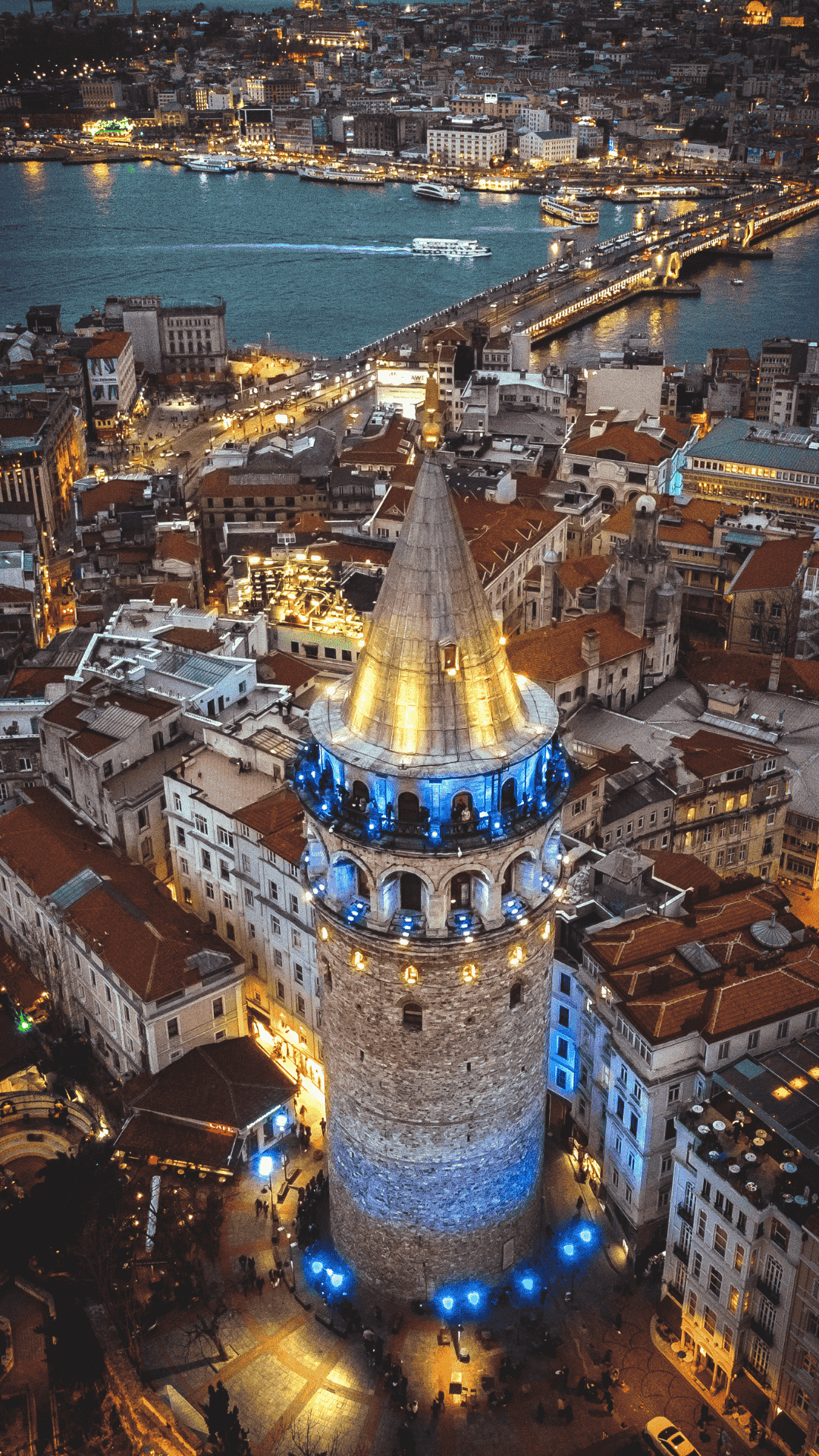
| Day 4 | Beyoğlu, Galata Tower area, Istiklal Avenue, Cihangir, rooftop or terrace evening | Urban culture, cafés, walking neighborhoods | Galata, Karaköy, or Taksim |
| Day 5 | Bosphorus day: Dolmabahçe, Ortaköy, ferry or cruise, Arnavutköy/Bebek | Waterside Istanbul, palaces, photography | Beyoğlu or Beşiktaş |
| Day 6 | Asian side: Kadıköy and Moda, local food, relaxed pace | Neighborhood life, food culture, repeat visitors’ favorite mood | Karaköy, Galata, or Kadıköy |
| Day 7 | Choose-your-finale day: Chora/Balat, Princes’ Islands, hammam, shopping, or deeper museum time | Flexibility based on energy and interests | Your departure base |
Why a Full Week Works So Well
- Enough time to choose well. Seven days lets you see the headline attractions without reducing the city to a checklist. The challenge in Istanbul is not finding things to do — it is choosing well.
- You feel the city shift. With a week, you can feel Istanbul change by district and time of day — which is where it starts to feel different from other major destinations.
- Contrast as much as highlights. The plan balances major landmarks with breathing room: Sultanahmet, the Bosphorus, Beyoğlu, the Asian side, markets, and one flexible finale day.
- Smart logistics built in. It helps you decide when to walk, when to take the tram, when a guided visit is worth it, when public transport is enough, and where a little planning saves a lot of time.
- Ferries become part of the experience. Not just transportation — a ferry commute at the right hour can be as memorable as a formal cruise.
- Early starts only where they matter. Days 1, 2, and 5 hold the most popular monuments and the most photogenic light; on neighborhood days, a slower morning is fine.
How Many Days Do You Really Need?
Seven days is an excellent first visit. It gives you enough time to see the headline attractions without reducing the city to a checklist. Many travelers try to fit Istanbul into two or three days and end up with a blur of queues, tram rides, and rushed photos. With a week, the city becomes legible — and the plan flexes by travel style.
Where to Stay for a 7-Day First Trip
Sultanahmet
Sultanahmet is best if you want to walk to the most famous monuments early in the morning. It is quieter at night and ideal for history-focused travelers.
Best for Walking into the historic core at sunrise
Sirkeci / Eminönü
Sirkeci and Eminönü offer great transport access and easy movement between the old city and ferry routes.
Best for Practical, well-connected base
Karaköy / Galata
Karaköy and Galata offer a better restaurant, café, and evening atmosphere. Our usual suggestion for first-timers who want both ease and atmosphere: classic sights by day, more energy after dark.
Best for Balance of atmosphere and connections
Beyoğlu / Taksim
Beyoğlu and Taksim are more urban and nightlife-oriented, but less atmospheric if your main goal is Ottoman and Byzantine heritage.
Best for Urban energy and nightlife
The 7-Day Itinerary, Day by Day
 Sultanahmet
 Sultanahmet and the Historic Heart of Istanbul
Your first day should be about orientation and impact. This is where empires announced themselves in stone, and where many first-time visitors have the emotional moment of thinking: yes, I am really here.
Hagia Sophia and the Blue Mosque
Start early on most days — one of the easiest ways to improve your entire trip — but if Day 1 falls on a Friday, plan the Blue Mosque for the afternoon, as Friday tourist visiting hours begin at 1:30 PM. The area is calmer, the light is softer, and the square feels less like a queueing system and more like a historic setting.
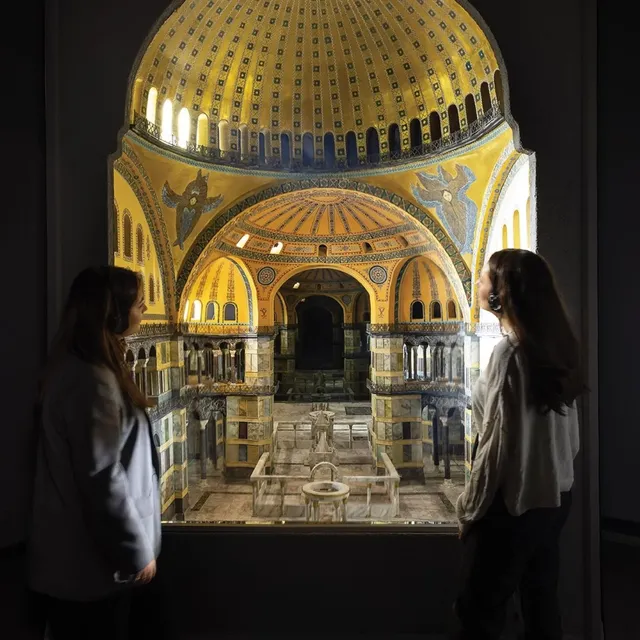
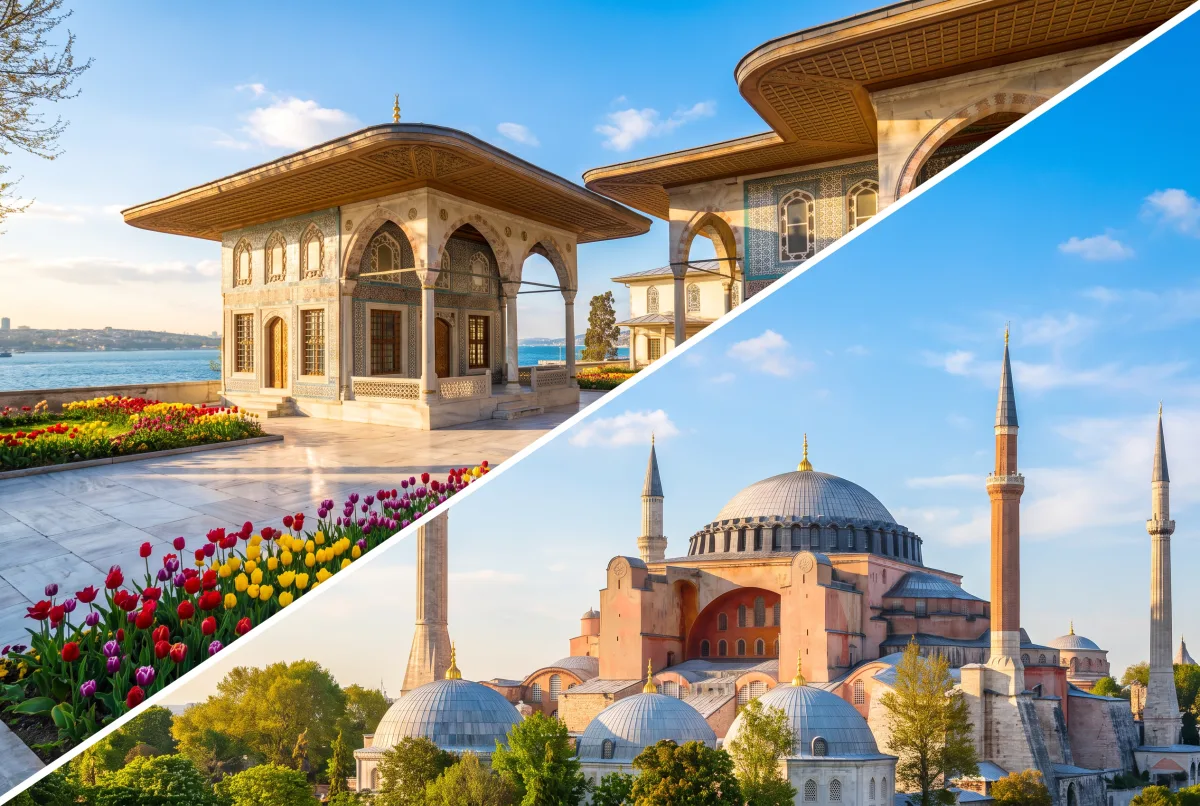
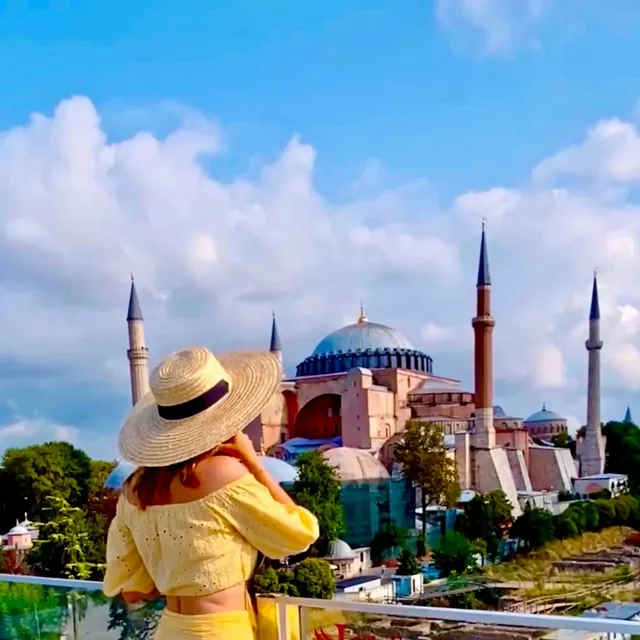
Few buildings carry the historical weight of Hagia Sophia. It has been cathedral, mosque, museum, and mosque again, and even travelers who know its story are often surprised by the scale and atmosphere inside. Allow time for the approach and the exterior viewpoints. Insider tip: arrive early enough to walk the perimeter while the plaza is still relatively quiet — some of the best first photos come before the crowds settle in. Avoid this mistake: do not schedule your first morning too tightly; security lines and prayer hours can affect the flow.
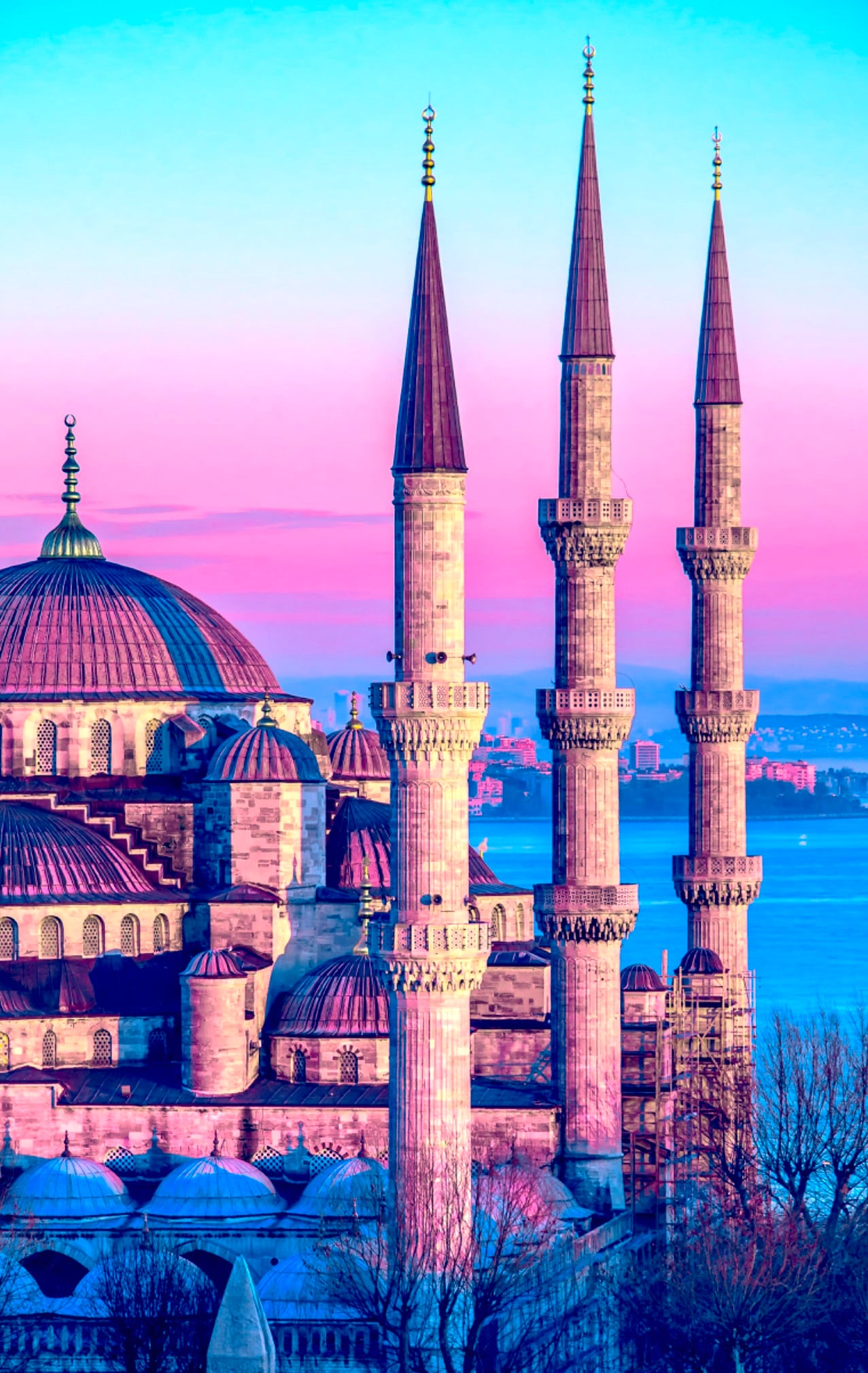
The Blue Mosque is not just a “next stop.” It deserves its own attention, especially if you want to feel the rhythm of an active religious space. Dress respectfully and keep expectations flexible. Most tourists miss this: the square between the monuments is part of the experience — pause in the gardens and notice how the skyline opens and closes depending on your angle. The main landmarks are usually 5 to 10 minutes apart on foot.
Basilica Cistern
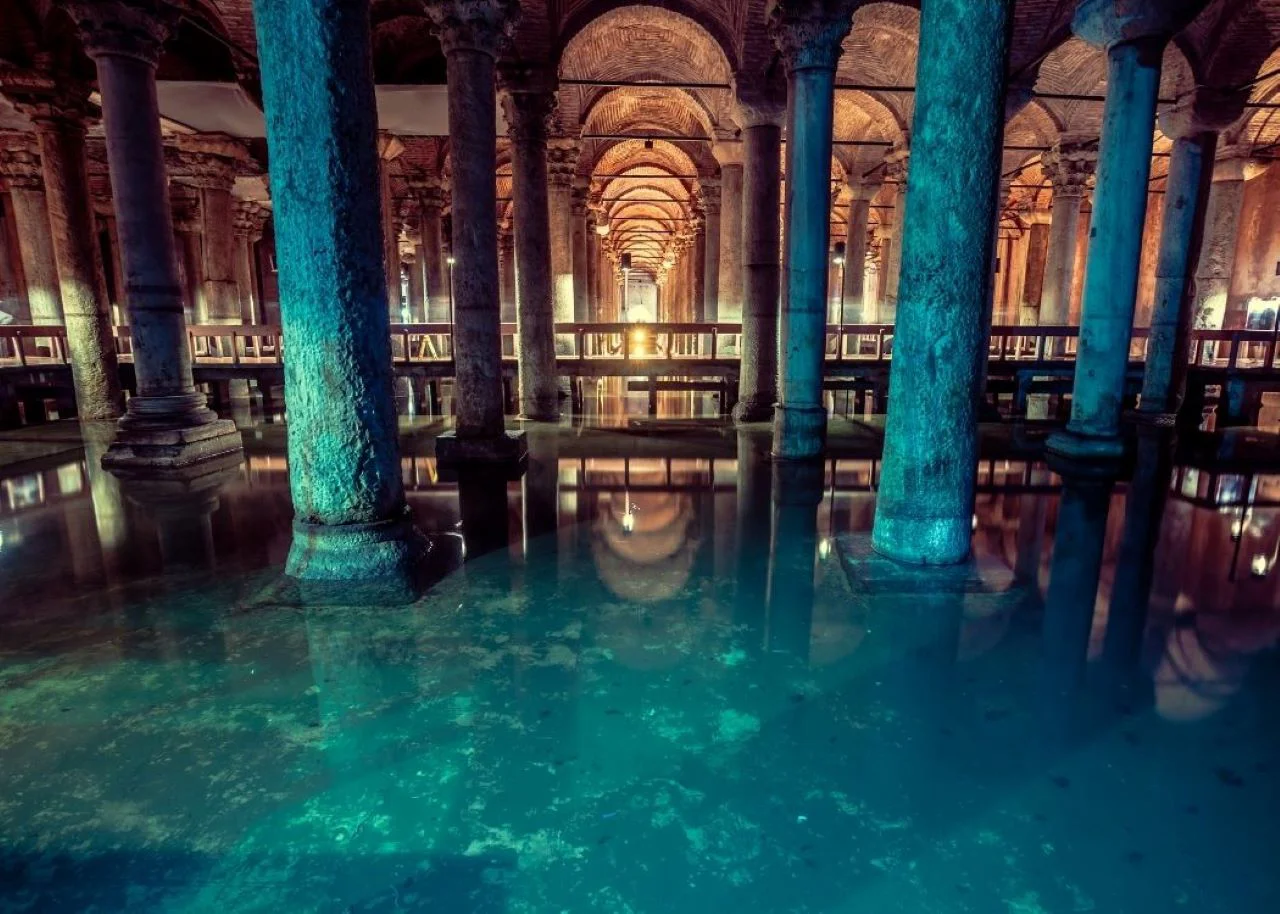
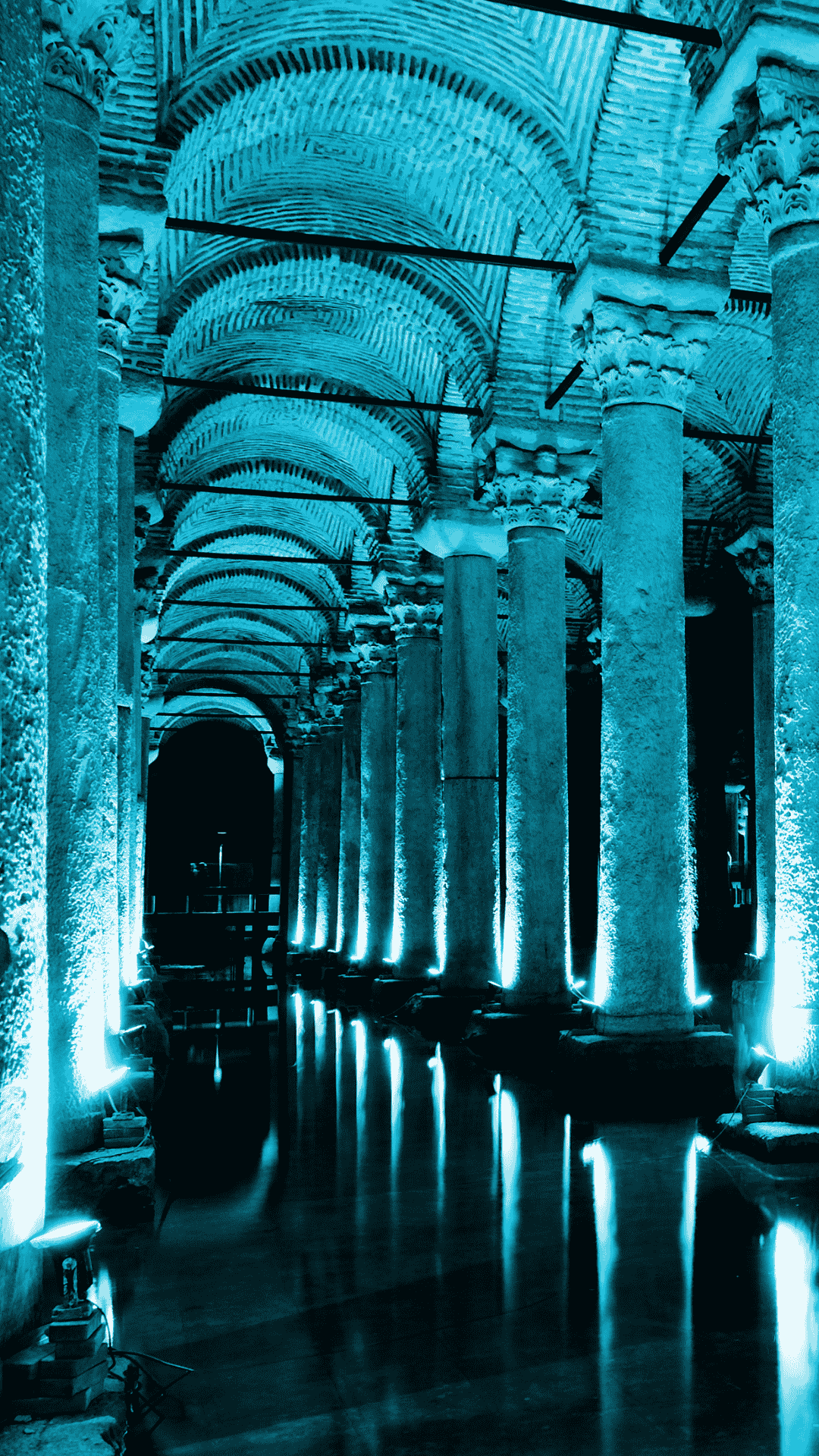
The Basilica Cistern is currently temporarily closed to visitors, so check its official reopening status before including it in your itinerary. Once the Basilica Cistern reopens, pre-booking may help reduce ticket-purchase time; check its official reopening status before booking. See more in our Basilica Cistern guide.
Keep it traditional and nearby
Stay in the old city rather than relocating: well-made kebabs, pide, soup, grilled meats, or home-style dishes. This is not the moment for a long cross-city detour in search of a trendier table — save that for later in the week. For help navigating what to eat beyond the obvious, our food guide to Istanbul is a good companion.
Hippodrome, Museum of Turkish and Islamic Arts, or a slower walk
Do not overschedule — many travelers make Day 1 too ambitious and arrive at dinner with museum fatigue. Walk the Hippodrome and its surviving monuments, consider the Museum of Turkish and Islamic Arts for a quieter cultural stop, or take your time through the gardens and side streets toward Cankurtaran. If there is one mistake worth avoiding on your first day, it is trying to “win” Istanbul by covering too much ground. You are not behind. You are arriving.
Sunset viewpoints and a gentle first dinner
Keep the logistics simple. If you are staying in Sultanahmet, enjoy the soft evening atmosphere there; if you are based in Karaköy or Galata, head back across for dinner with a view. Rooftop views can be wonderful, but choose carefully — pick a place where the view is a bonus, not the only reason to be there. Photography note: blue hour around Sultanahmet is one of the best times for skyline images, especially if domes and minarets are your priority.
 Sultanahmet & Sirkeci
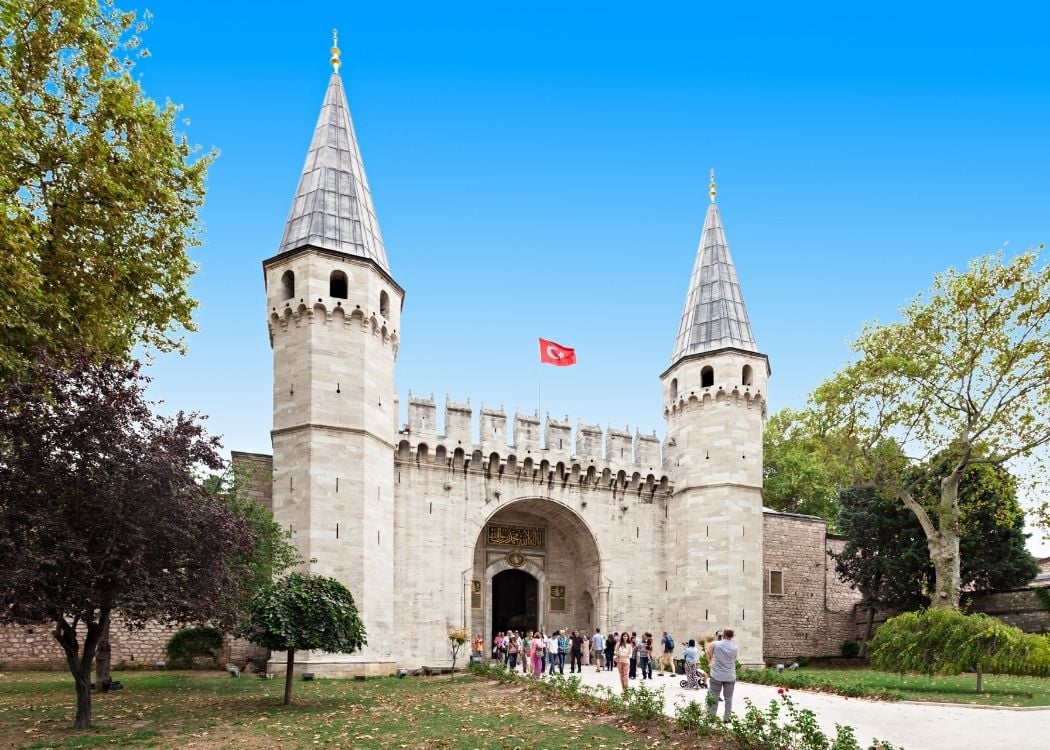
 Topkapi Palace, Imperial Collections, and the Layers Behind the Monuments
Day 1 gave you the icons. Day 2 gives you context: how Ottoman power was staged, protected, and lived. This is one of the places where a little structure improves the visit enormously.
Topkapi Palace
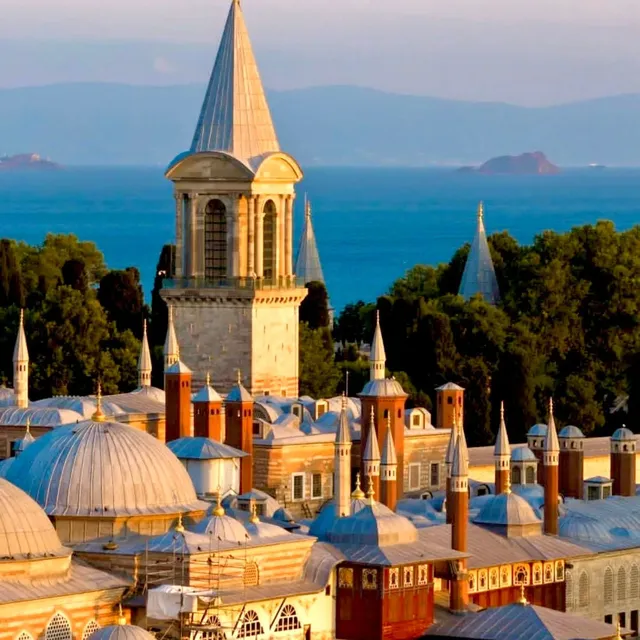
Arrive early and give this site real time, but if Day 2 falls on a Tuesday, move the Topkapi Palace visit to another day because the palace is closed on Tuesdays. Topkapi is not a single building but a sequence of courts, pavilions, viewpoints, and treasury spaces — rushed, it feels fragmented; paced well, it becomes one of the most rewarding visits in the city. Prioritize it if you are interested in Ottoman history, imperial architecture, court life, decorative arts, and Bosphorus views; for most first-timers it belongs in the core week. Insider tip: the palace grounds are part of the pleasure — do not treat the outer courtyards as transit corridors; some of the emotional impact comes from the gradual progression inward. Avoid this mistake: do not combine Topkapi with too many major indoor attractions on the same day. For planning details, see our Topkapi Palace guide.
The Harem section
Usually worth it for first-time visitors who want a fuller understanding of palace life — the decorative interiors and layered history add depth. You can skip it if you are short on time or patience for dense historical interpretation, but many visitors who do later feel they only saw half the story.
Gülhane or Sirkeci area
A practical and pleasant reset: you are close to transport, there are plenty of dependable places, and the area lets you transition without immediately plunging into another queue.
Archaeology Museums or Gülhane Park
Option A — Istanbul Archaeology Museums: the stronger choice if you enjoy historical depth and want to understand Istanbul as more than a single-era city. Skip it if you already feel overloaded from Topkapi — seven days is enough time to make good decisions instead of guilty ones. Option B — Gülhane Park and a slower old-city walk: continue toward Sirkeci and enjoy the shift from imperial grounds to everyday urban movement. Very good for couples, families, and anyone who prefers a balanced rhythm over museum concentration.
Eminönü, Galata Bridge, or Karaköy
As the light starts to change, head toward Eminönü. Chaotic at midday, it often becomes one of the most cinematic parts of the city in the early evening: ferries cross constantly, gulls sweep overhead, and the skyline layers itself in silhouette. Walk part of the Galata Bridge, have a simple fish-focused meal if that appeals, and continue to Karaköy for dessert, coffee, or a more polished dinner. Most tourists miss this: you do not need a formal cruise to enjoy Bosphorus atmosphere on your first days — a ferry commute at the right hour can be just as memorable.
 Bazaar quarter
 Markets, Süleymaniye, and the Commercial Soul of the City
Today is about the Istanbul of trade, texture, and movement — and about making smart choices in places that can become overwhelming if approached without a plan.
Grand Bazaar
Start early enough to enjoy the Grand Bazaar before it reaches peak density, but if Day 3 falls on a Sunday, move this visit to another day because the Grand Bazaar is closed on Sundays. One of the world’s most famous covered markets works better as an experience than a shopping mission: wander, observe, and buy only if something genuinely appeals to you. It suits first-time visitors, design lovers, and anyone curious about old trading networks; shorten the visit if you dislike bargaining or enclosed busy spaces. Avoid this mistake: do not assume the first thing you like is the best version or best price — look around and stay relaxed. Photography note: focus on arches, lantern light, passages, and details rather than every storefront.
Walk to Süleymaniye Mosque
The walk itself is part of why this day works: you move from commercial density into one of Istanbul’s most beautiful and commanding religious complexes. Süleymaniye often delivers one of the city’s most powerful combinations of architecture, space, and view — more contemplative than some of the headline attractions. Insider tip: spend time outside the complex looking toward the Golden Horn; this is one of the views that helps you understand Istanbul geographically. For more context, explore our Süleymaniye Mosque guide.
Classic Turkish comfort food
Soups, beans, rice dishes, slow-cooked meats, or simple grilled options near Süleymaniye or down toward Eminönü fit the pace better than a long fine-dining lunch. Save more ambitious restaurant planning for Day 4, 5, or 6.
Spice Bazaar and Eminönü
The Spice Bazaar is smaller and easier to navigate than the Grand Bazaar — which is exactly why pairing them works if you keep expectations realistic. Use it for sensory atmosphere, edible souvenirs, and browsing rather than high-stakes buying. Then step outside and let Eminönü happen around you: ferry horns, street food, commuters, skyline views, and the feeling that every direction leads to another layer of the city. Most tourists miss this: the streets immediately around the market halls are often just as interesting for everyday movement and food culture.
A ferry ride for perspective
Take a short ferry ride even if you plan a longer Bosphorus experience later in the week — short rides between Eminönü, Karaköy, Üsküdar, or Kadıköy are enough. It resets your energy and gives you a wider visual understanding of the city. If your energy is low, this is one of the smartest low-effort, high-reward decisions you can make.
Karaköy or Galata dinner
Both are excellent for a first-time visitor’s evening: a more contemporary city mood without disconnecting you from the historic skyline. Keep it casual with meze and seafood, or choose a more polished restaurant if this is your splurge night.
 Beyoğlu & Galata
 Beyoğlu, Galata, Istiklal, and the Modern Urban Rhythm
By Day 4, it is time to leave behind the idea that Istanbul is only mosques and palaces. Beyoğlu and Galata show a different register: layered European-era streets, galleries, passages, cafés, bookshops, and a kind of urban improvisation many travelers end up loving most.
Galata area walk
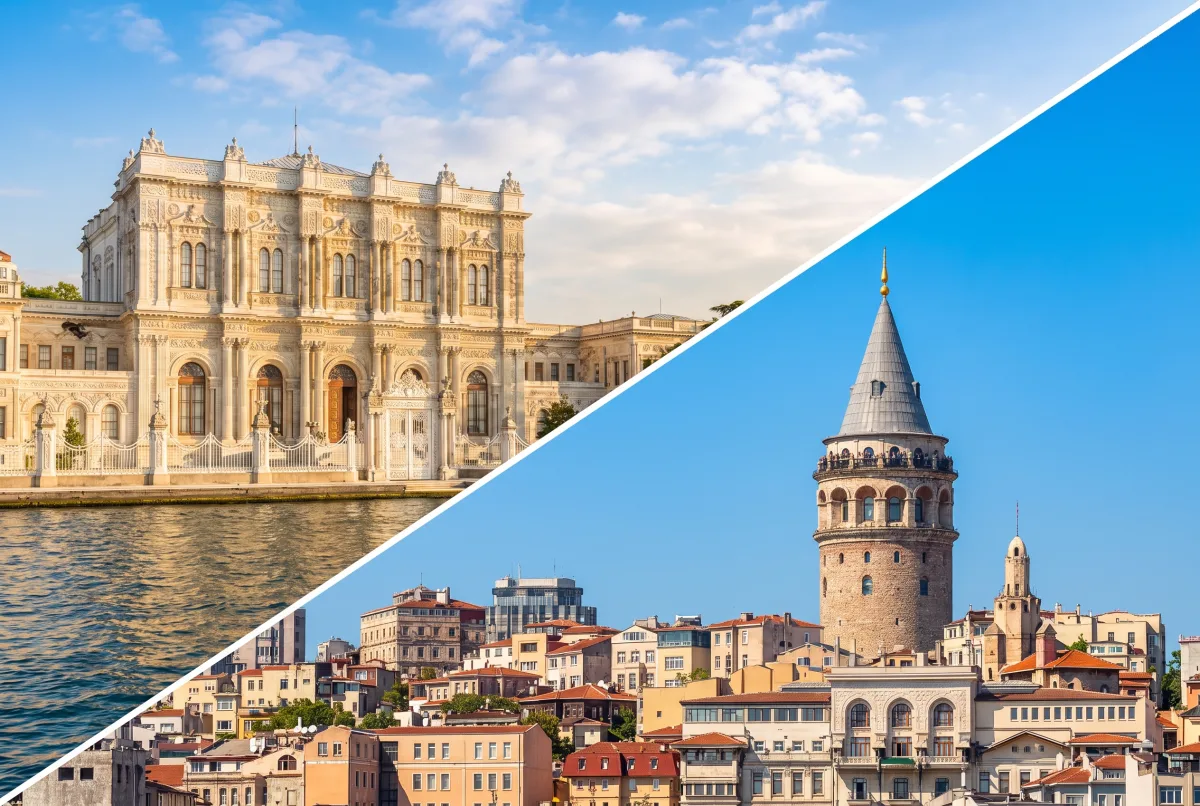
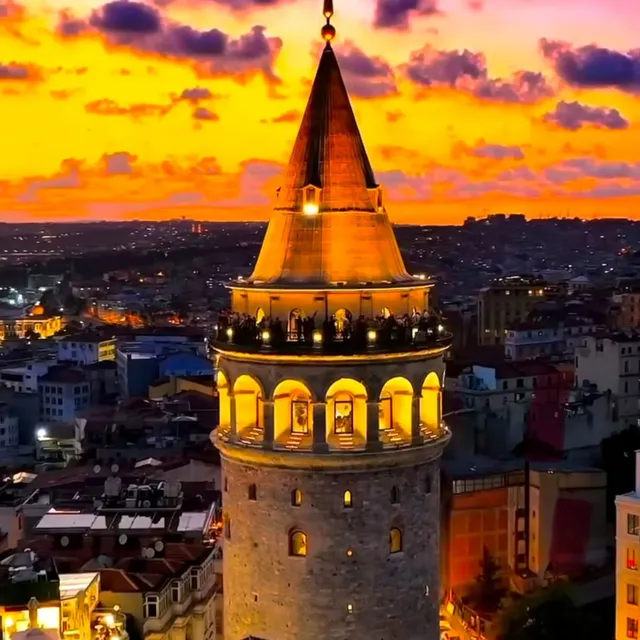
Start around Galata and walk before the streets fill. The tower area gets crowded later, but the surrounding lanes are full of texture in the morning. Go up Galata Tower if you love skyline views and are willing to time it carefully; skip it if you dislike lines or plan to enjoy rooftop and Bosphorus views elsewhere — Istanbul offers many excellent vantage points. For tower planning guidance, see our Galata Tower page.
Continue into Istiklal Avenue
Istiklal is not a site; it is an urban sequence. Walk it without trying to “finish” it — dip into side passages, note the architecture overhead, and allow a more open rhythm than on your monument days. This is where Istanbul starts to feel contemporary, layered, and socially alive in a different way — and where many first-time visitors realize they underestimated the city’s range.
Atmosphere over checklist dining
This part of town gives you more variety: classic Turkish, modern Anatolian, bakery-focused, or café-led. One of the easiest ways to improve this day is to pick a lunch place with a little breathing room rather than the busiest photogenic address on social media.
Cihangir, Çukurcuma, Pera Museum, or simply wandering
Keep the afternoon intentionally flexible.Cihangir: café culture, slower streets, and city views. Çukurcuma: antique shops, atmosphere, and unstructured walking. Pera Museum: a cultural anchor without a mega-museum commitment. Passages and side streets: for travelers who enjoy urban discovery more than destinations. If we were planning this trip for a friend who had been moving constantly for three days, we would tell them not to over-program this afternoon — Beyoğlu works best when there is room for surprise.
Rooftop sunset or terrace dinner
One of the best nights for a rooftop experience, because you now understand the skyline you are seeing: Ottoman silhouettes, Galata, ferries, mosques, and the Bosphorus all make more emotional sense after several days on the ground. Avoid this mistake: not every rooftop requires a full dinner booking — sometimes a sunset drink and a better meal elsewhere is the smarter combination. For a more active evening, continue along Istiklal; for something calmer, settle into Karaköy or Cihangir.
 Bosphorus
 Bosphorus Day — Palaces, Waterside Neighborhoods, and the Istanbul Everyone Imagines
If Day 1 is about arrival and Day 4 is about urban character, Day 5 is about the Bosphorus fantasy made real: waterside movement, imperial architecture, neighborhood pauses, and some of the city’s most memorable light.
Dolmabahçe Palace
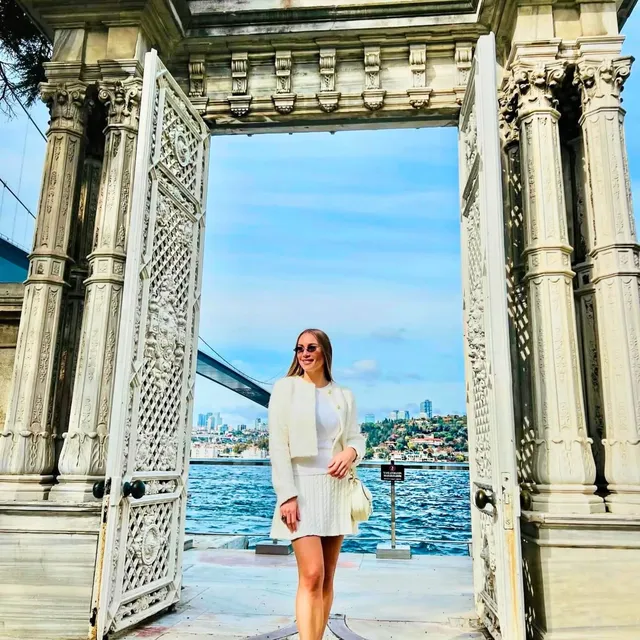
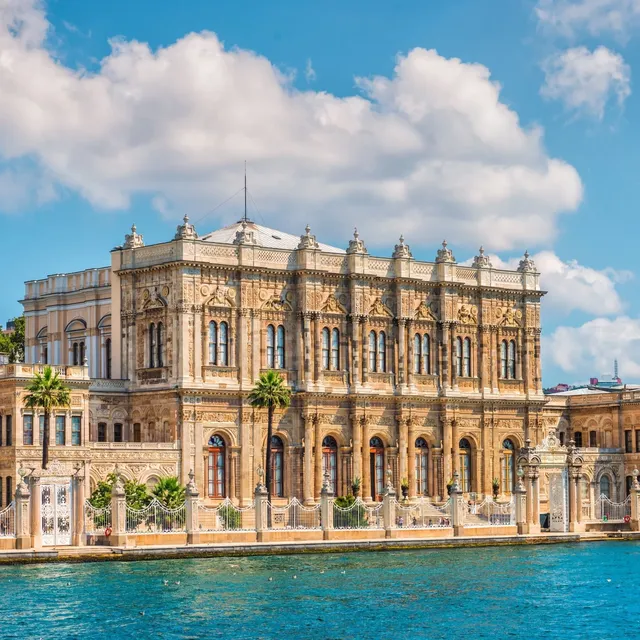
Dolmabahçe gives you a different imperial story from Topkapi: later, more European-influenced, more overtly theatrical in its interiors; if Day 5 falls on a Monday, move this visit to another day because Dolmabahçe Palace is closed on Mondays. If Topkapi feels layered and strategic, Dolmabahçe feels ceremonial and display-oriented. For many first-timers, visiting both is worthwhile because the contrast is part of the education — but skip it if you already feel “palace fatigue” and would rather spend more time outdoors. See our Dolmabahçe Palace guide for practical details.
Walk or transfer toward Ortaköy
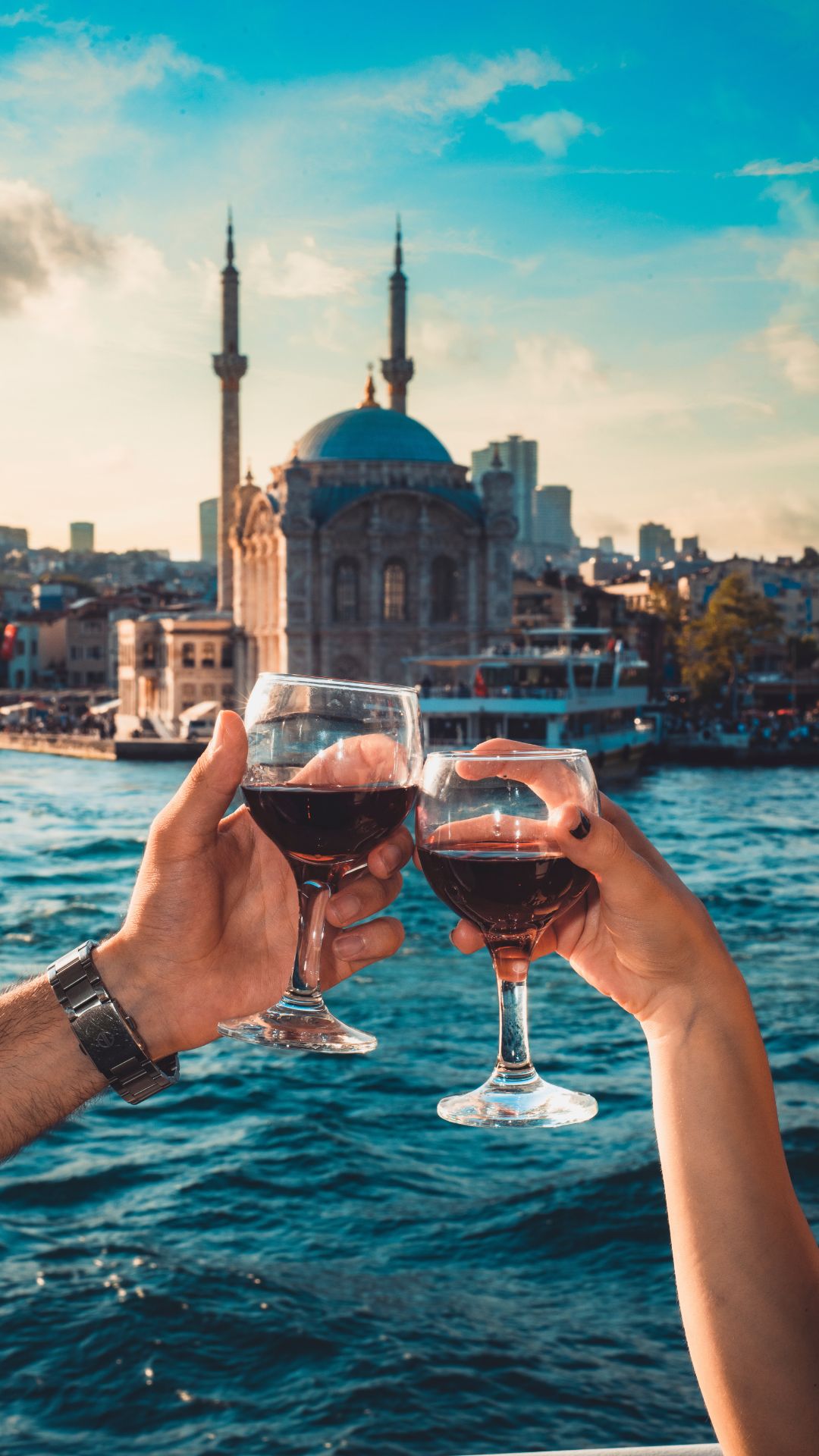
Continue north along the Bosphorus corridor by public transport, taxi if needed, or walking depending on your energy. Ortaköy is one of the classic Bosphorus stops for a reason: mosque by the water, bridge views, café life, and a sense of Istanbul performing itself beautifully. Yes, it is popular. No, that does not make it skippable on a first trip. Most tourists miss this: Ortaköy is best used as a pause, not a full-day destination — enjoy the square, the waterside views, and a snack, then keep moving.
Ortaköy, Beşiktaş, Arnavutköy, or Bebek
Ortaköy: best for convenience and classic Bosphorus energy. Beşiktaş: more everyday local food variety. Arnavutköy: strong for seafood and elegant Bosphorus atmosphere. Bebek: a polished waterside café or lunch setting. There is no single right answer — linger farther north if you want to slow down, or stay closer in to keep the day efficient.
Bosphorus cruise or public ferry ride
A cruise is worth it if you want commentary and context, a clear route without planning connections, family-friendly ease, or a polished sightseeing experience on a short trip. Public ferries are enough if you enjoy independent travel, are comfortable reading routes and schedules, and care more about being on the water than hearing narration — while spending less. From our experience, first-time visitors are happiest when they do at least one intentional Bosphorus outing, whichever form it takes. Compare options in our Bosphorus cruises guide.
Waterside dinner or return for a skyline night
If you still have energy, stay by the Bosphorus for dinner. If you are ready for a more central ending, return to Karaköy, Galata, or Sultanahmet and enjoy the skyline with fresh appreciation — the city often feels visually richest after a day on the water, because its geography finally clicks into place.
 Kadıköy & Moda
 The Asian Side — Kadıköy, Moda, and the Istanbul Locals Use Every Day
Cross to the Asian side and resist the urge to ask, “What is the one attraction?” The point is the atmosphere: markets, ferry arrivals, neighborhood restaurants, seaside walking, and a version of Istanbul that feels lived in rather than staged.
Ferry to Kadıköy
Take the ferry if possible — non-negotiable unless weather disrupts your plan. Approaching Kadıköy from the water gives the district the right introduction. Kadıköy is ideal for food lovers, repeat-style explorers, and travelers who enjoy neighborhoods more than checklists; for many first-time visitors with a full week, it becomes an unexpected favorite.
Kadıköy market area
Wander the market streets and let your appetite guide you: breakfast extensions, meze shopping, bakeries, coffee, sweets, and casual lunch planning. The Kadıköy market area is one of the best places in the city to feel everyday rhythm without needing a formal agenda. Insider tip: this is an excellent day to snack your way through multiple places instead of sitting for one heavy meal too early.
Build your own food-focused afternoon
Day 6 is where your trip can become more personal. Choose according to what you have not had enough of yet: grilled fish, home-style dishes, meze, street snacks, desserts, or a modern café lunch. If food is one of your main reasons for visiting, consider a guided culinary experience — a good food tour builds understanding of regional dishes, neighborhood context, and ordering confidence without feeling overly touristy. Browse Istanbul food tours if that suits your style.
Walk to Moda — then slow down on purpose
The walk from Kadıköy toward Moda is one of the most pleasant urban strolls in Istanbul: busier market streets give way to calmer residential stretches, cafés, shoreline views, and places to sit with tea or ice cream. Allow 20 to 35 minutes on foot depending on stops. Then use the late afternoon to simply be in the city: sit by the water, have tea, watch local families, students, and commuters move through the day. This is not wasted time. This is Istanbul working.
Stay in Kadıköy or ferry back at sunset
Stay if you want dinner, casual nightlife, and a more local evening atmosphere. Ferry back if you want one more memorable water crossing at golden hour. If you are wondering whether the Asian side is “worth it,” our answer is yes — if you want your itinerary to include neighborhood life, food culture, and a less monumental version of the city.
 Your choice
 Your Flexible Finale — Choose the Istanbul You Want More Of
Your last full day should not be dictated by generic lists. It should respond to what you now know about your own trip. Day 7 is where a good itinerary becomes a great one.
Balat and Fener, with Chora if it fits your interests
Best for historic streets, layered religious heritage, and a district that feels less monumental and more residential. Balat and Fener are often over-simplified online into “colorful streets,” but their value is deeper — go for atmosphere and history, not just social media angles. If Chora is available and relevant to your interests, it adds strong Byzantine context. Read more in our Balat and Fener guide.
Princes’ Islands day trip
Choose this if you want air, water, slower pace, and a meaningful break from central-city intensity — especially good in spring and early autumn. Trade-off: you gain relaxation and a very different side of the region, but give up another full day in central Istanbul. For planning, ferries, and expectations, see our Princes’ Islands guide.
Hammam, shopping, and a slower farewell
If your trip has been full, this can be the smartest final day: a hammam experience, some deliberate shopping, a long lunch, and one final ferry or viewpoint can leave you better restored than another museum sprint. Particularly good for couples, travelers ending a longer Turkey itinerary, or anyone with a late-night departure. Start with our Istanbul hammam guide.
More museums and unfinished highlights
Use this if there is something you genuinely regret missing: the Istanbul Modern, another palace section, a tower view, a mosque you hurried through, or a museum you skipped on purpose earlier in the week. This is better than trying to force an entirely new part of the city just because it appears on a list.
Suggested final evening
Wherever your Day 7 takes you, finish with one of these: a farewell Bosphorus ferry ride, a terrace dinner with a skyline view, a walk through Sultanahmet after dark, or a slow meal in Karaköy, Cihangir, or Kadıköy. Many travelers are surprised by how emotional the final evening feels — the city that seemed huge and complicated at the start suddenly becomes familiar in fragments: one ferry route, one bakery, one square, one call to prayer at dusk, one skyline angle you now recognize instantly.
 Practical
 Practical Planning Notes for a Better Week
A few practical decisions shape the whole week more than any single sight.
Airport arrival and transfer strategy
After a long flight, few things improve your first impression more than a smooth arrival. If you are landing late, arriving with family, or carrying significant luggage, a pre-booked airport transfer is often worth paying for. If you are traveling light and comfortable navigating public transport, you can save money by doing it yourself. The right answer depends less on budget alone and more on how much complexity you want at the start of your trip.
Cash and what to wear
You do not need to rely entirely on cash, but having some is useful for small purchases, transport moments, snacks, or markets — cards are widely accepted in many parts of the city, though not universally in every casual setting. Comfortable walking shoes matter more than style ambition; you will likely walk more than expected. For mosque visits, carry clothing that allows respectful entry, and layer up: ferry breezes, palace grounds, indoor sites, and evening temperatures can vary.
Best seasons for this itinerary
Spring and autumn are usually the easiest seasons for a first trip. Summer offers long days and lively evenings but also heat, humidity, and bigger crowds. Winter can be atmospheric and rewarding, especially for museums and quieter landmarks, but you need more weather flexibility.
Getting Around: What First-Time Visitors Should Know
The tram is useful for moving between Sultanahmet, Eminönü, and Kabataş — the backbone of old-city movement.
Ferries are not just transportation; they are part of the experience. Short rides between Eminönü, Karaköy, Üsküdar, and Kadıköy reset your energy and give you the city's geography.
Walking is rewarding, but Istanbul is hillier than many travelers expect. Very walkable within individual districts — hills, stairs, cobblestones, and uneven pavement make short distances feel longer.
Taxis are useful in specific moments, but ferries, trams, metros, and walking often feel simpler. Use taxis selectively rather than by default.
What to Book in Advance vs Leave Flexible
Book ahead when timing matters
- Airport transfers — especially for late arrivals, family travel, or heavy luggage
- Selected major attractions where queues materially affect the day, such as certain palace visits; check the official reopening status of the Basilica Cistern before including it in your plans.
- A Bosphorus cruise if you want commentary, a clear route, and a polished experience
- Special dining or a hammam experience you have your heart set on
- A pass — if you plan to visit several paid attractions in a short period and want pre-arranged entry and convenience
Leave flexible
- Museum choices day by day — seven days is enough time to make good decisions instead of guilty ones
- Afternoons in Beyoğlu — the district works best when there is room for surprise
- Restaurant plans — choose atmosphere over checklist dining; not every rooftop requires a full dinner booking
- Your Day 7 finale: Balat/Fener, Princes’ Islands, hammam and shopping, or unfinished highlights
- Weather-dependent plans like the islands or long waterfront walks — individual tickets are smarter if you expect to choose day by day
When to Start Each Day — and When the City Rewards You
Common First-Time Mistakes to Avoid in Istanbul
Avoid these mistakes
- Trying to do too much in one day — Istanbul is dense, hilly, and distracting; build margin
- Underestimating travel time — cross-city plans can look easy on a map but feel different in real life
- Only staying in Sultanahmet the whole week — great for history, but not enough to understand the city’s range
- Ignoring ferry travel, or skipping the Asian side because it seems less famous
- Overbooking every hour and choosing restaurants only by view — some skyline tables are worth it, but not at the expense of the meal
- Not booking key experiences when timing matters: airport transfers, Bosphorus cruises, and selected attractions
Insider tips
- Walk Hagia Sophia’s perimeter early, while the plaza is still quiet — the best first photos come before the crowds settle in
- Topkapi’s outer courtyards are part of the pleasure — the emotional impact comes from the gradual progression inward
- Spend time outside Süleymaniye looking toward the Golden Horn — the view that explains Istanbul geographically
- In the Grand Bazaar, do not assume the first thing you like is the best version or best price
- Ortaköy is best used as a pause, not a full-day destination
- On the Asian side, snack your way through multiple places instead of one heavy meal too early
Frequently Asked Questions
Is 7 days too much for Istanbul?
What is the best area to stay in for a 7-day Istanbul itinerary?
Do I need a guided tour for Istanbul’s main attractions?
Should I buy an Istanbul tourist pass?
Is the Asian side worth visiting on a first trip to Istanbul?
How walkable is Istanbul for first-time visitors?
What are the absolute must-see places in Istanbul in 7 days?
How many Bosphorus experiences should I plan?
Is Sultanahmet enough if it’s my first time in Istanbul?
What should I book in advance for Istanbul?
What is the best day trip from Istanbul during a 7-day stay?
Can I do this itinerary using public transport?
What food should I prioritize during a week in Istanbul?
Is Istanbul safe for first-time tourists?
Your Best 7 Days in Istanbul, Planned Well
The best version of this trip is not the one with the most checkmarks. It is the one where Istanbul starts to feel legible: where the old city, the Bosphorus, the market districts, Beyoğlu, and the Asian side connect into something coherent and memorable. You should leave having seen the essentials, but also having felt the city breathe between them — a ferry crossing at sunset, a mosque courtyard after the crowd thins, a neighborhood meal that was never on the monument list but becomes one of the things you remember most.
Explore things to do in Istanbul