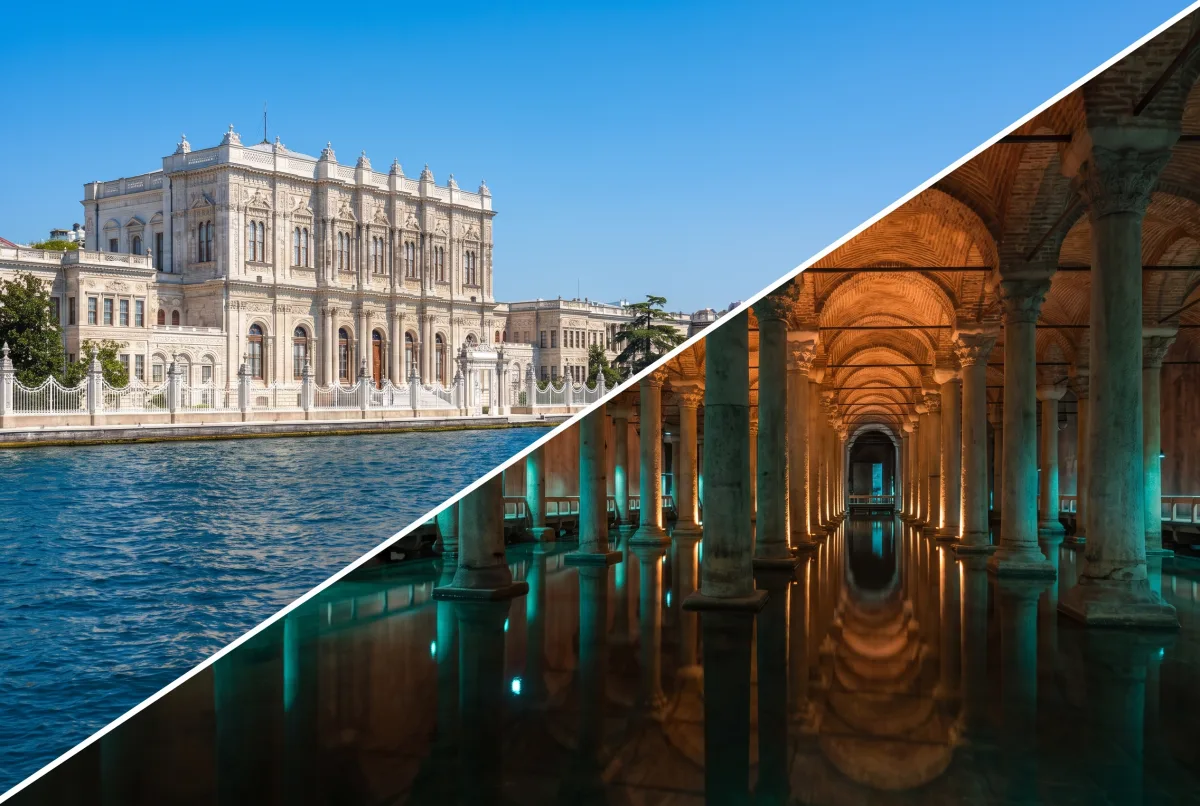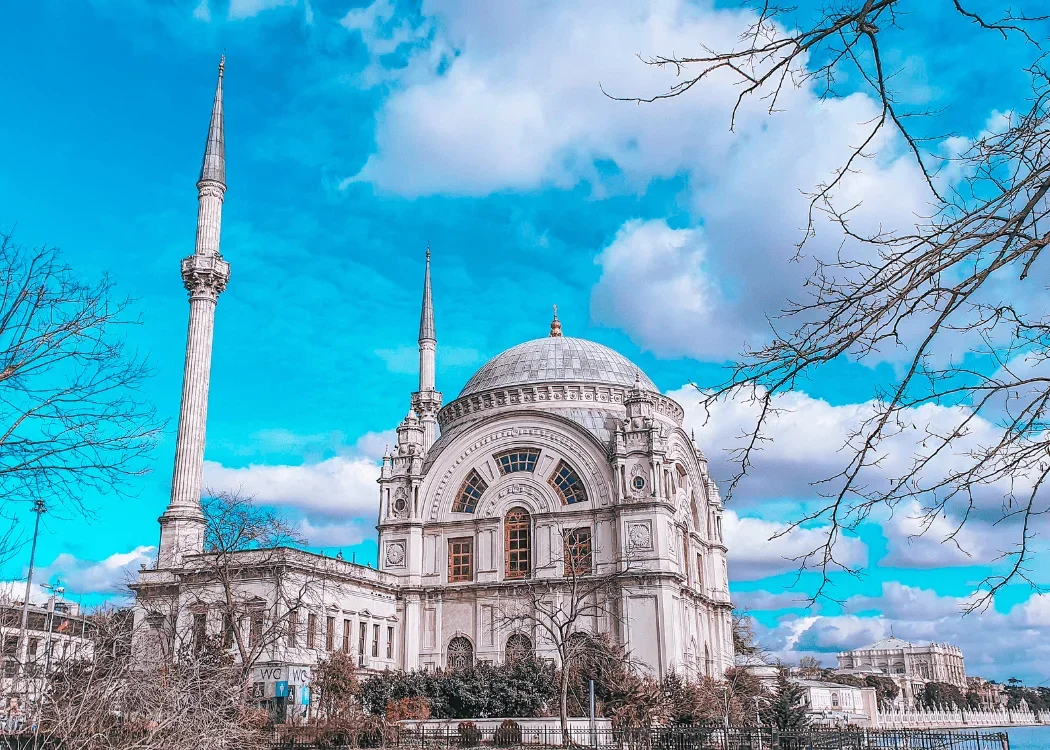
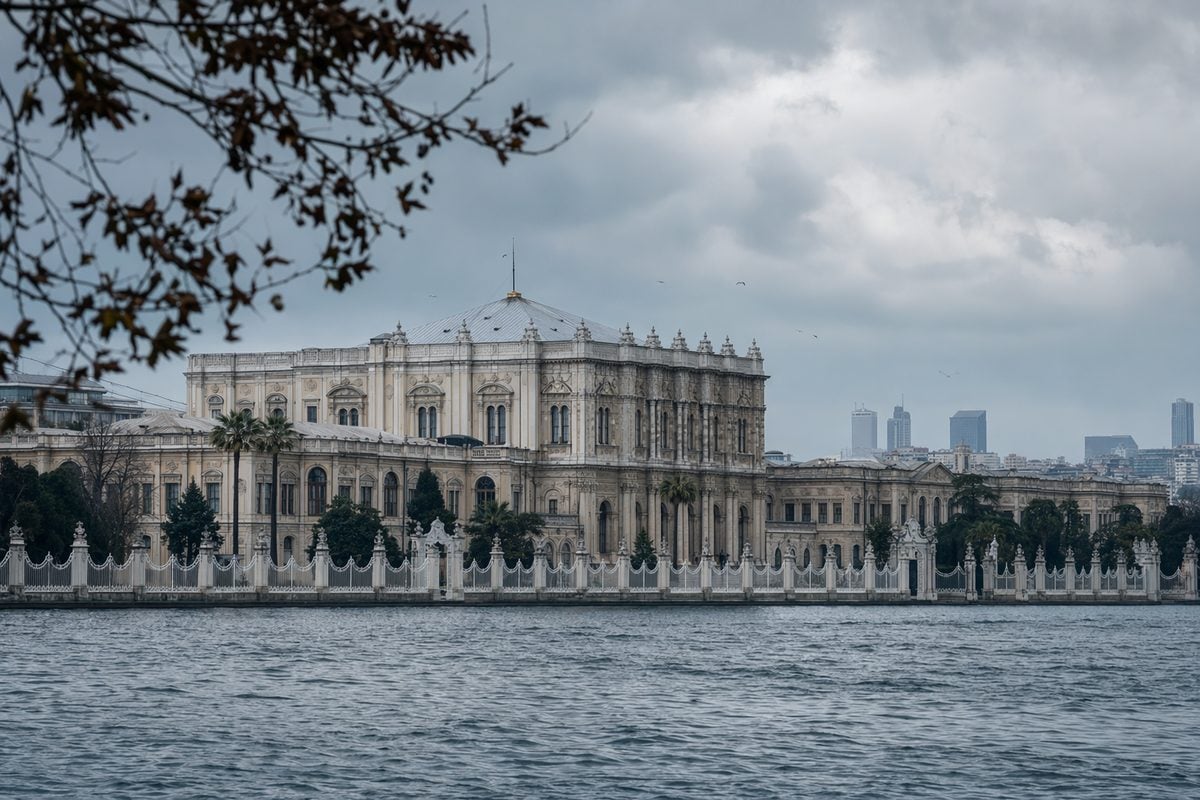
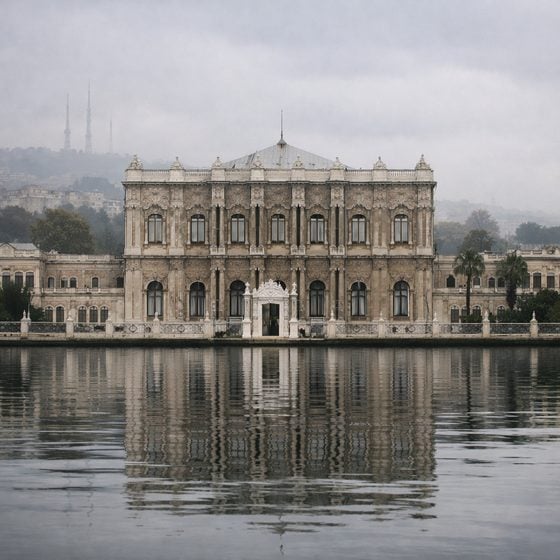
For many visitors, this is the Istanbul site most closely associated with Atatürk’s death and public remembrance. If you are planning a visit around November 10, that connection feels especially immediate, though some details should still be verified through official palace guidance and existing notes.
Key Takeaways
- Dolmabahçe Palace is the Istanbul site most closely tied to Atatürk’s final days.
- The palace connects late Ottoman display with early republican state use and memory.
- November 10 often brings a more solemn atmosphere, with how the palace marks November 10 for visitors.
- The room associated with Atatürk is important, but the wider palace gives the full context.
- A respectful visit works well with nearby Bosphorus stops and Beşiktaş planning.
Why Ataturk Dolmabahce is a major historical connection
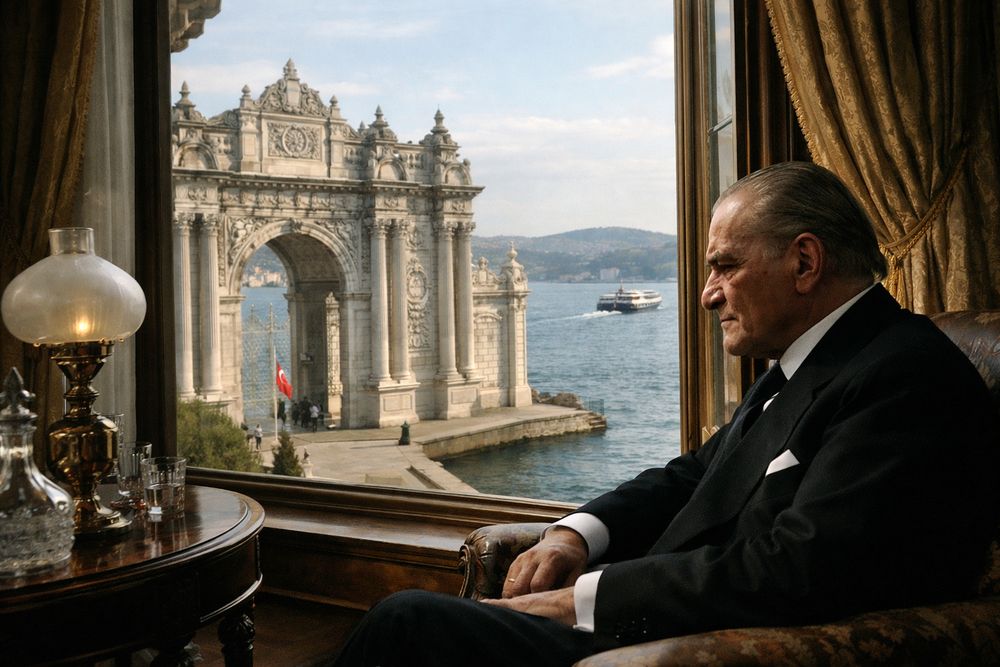
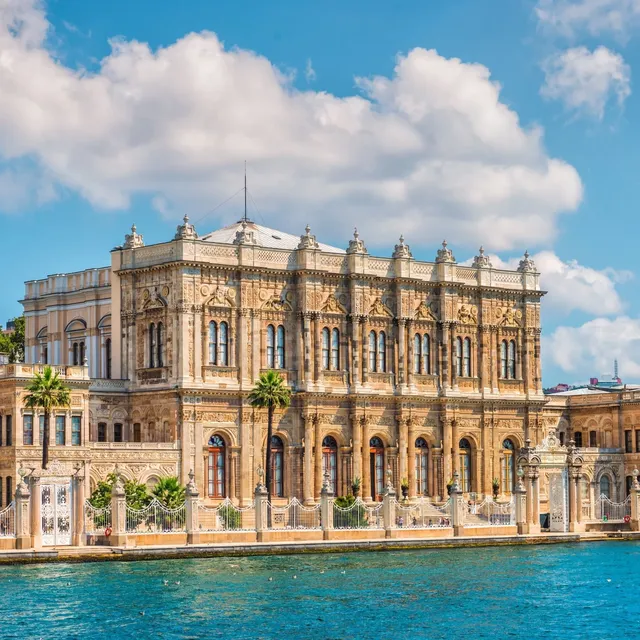
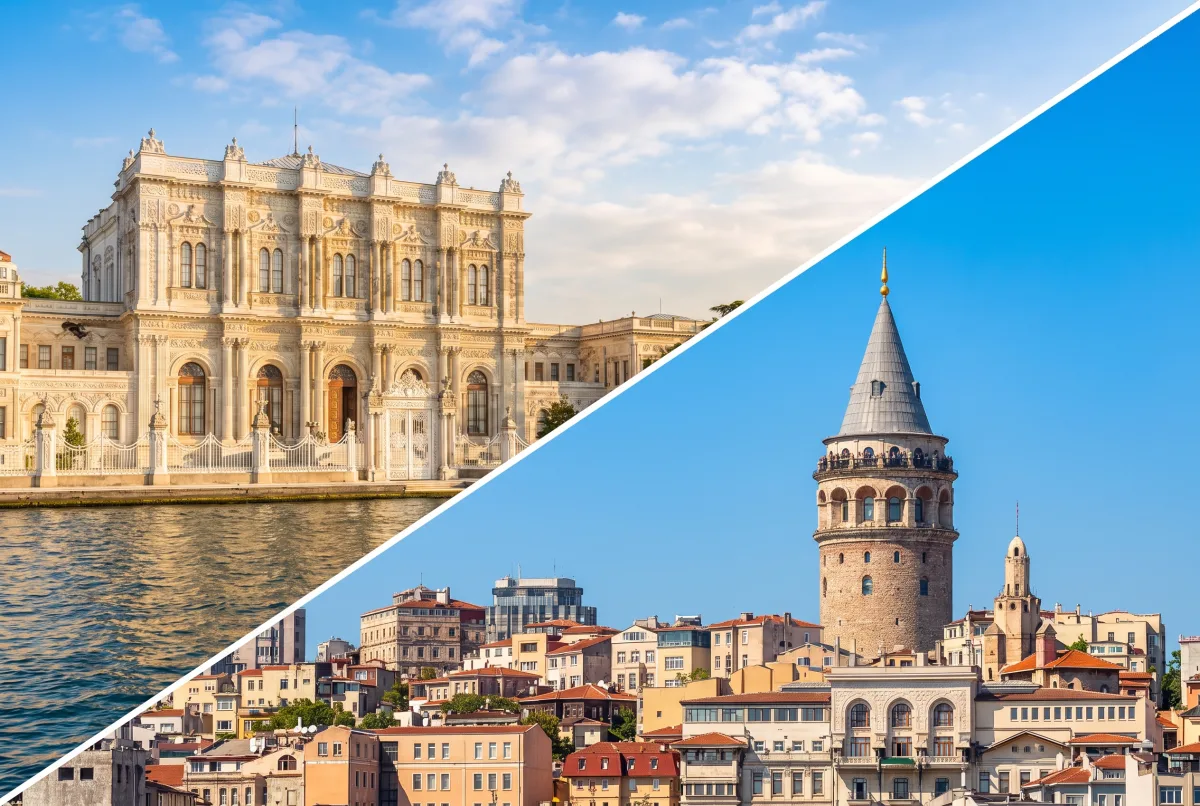
The reason people search ataturk dolmabahce is simple: Dolmabahçe Palace is where many travelers most directly encounter Atatürk in Istanbul. It is a grand 19th-century Ottoman palace, but in public memory it also functions as a place of republican statecraft, final illness, and mourning.
That dual identity is what makes the site different from other palaces. Visitors may arrive expecting chandeliers, ceremonial halls, and Bosphorus views. They often leave thinking about the end of Atatürk’s life and how the early republic used an inherited imperial setting.
This context changes the visit. Rooms that might otherwise read as decoration begin to look like political space: places used for protocol, symbolism, and continuity during a period of major change.
Why Atatürk is associated with Dolmabahçe Palace
Dolmabahçe began as an imperial residence, but it did not lose its importance after the Ottoman period. In the republican era, Istanbul still mattered for diplomacy, visibility, and official hosting, even though Ankara was the capital.
That made the palace useful to the new state. It already had the scale, ceremonial logic, and waterfront presence needed for receptions and formal visits. As a result, Atatürk used Dolmabahçe during his stays in Istanbul, and the palace became tied to both governance and memory.
The association is therefore bigger than one final scene. Dolmabahçe shows how the republic occupied an older symbolic stage without erasing every trace of the past. For visitors, that is the point: the building carries one era in its design and another in its meaning.
Why Atatürk used Dolmabahçe
Atatürk spent most of his state time in Ankara, but Istanbul remained essential as the country’s historic metropolis and a place for official appearances. Dolmabahçe suited those visits because it could support protocol, security, and hosting at a level few other buildings could match.
It also sent a message. The new republic could use a palace built for imperial rule while assigning it a different political role. That is why the palace feels layered rather than frozen in one period.
If you want practical details on routes, tickets, and current visitor rules, use our main guide to Dolmabahçe Palace. Check before you go for current opening days and hours for Dolmabahçe Palace, current ticket structure and what is included, and any room or section closures tied to restoration or official events.
Atatürk’s final days at Dolmabahçe
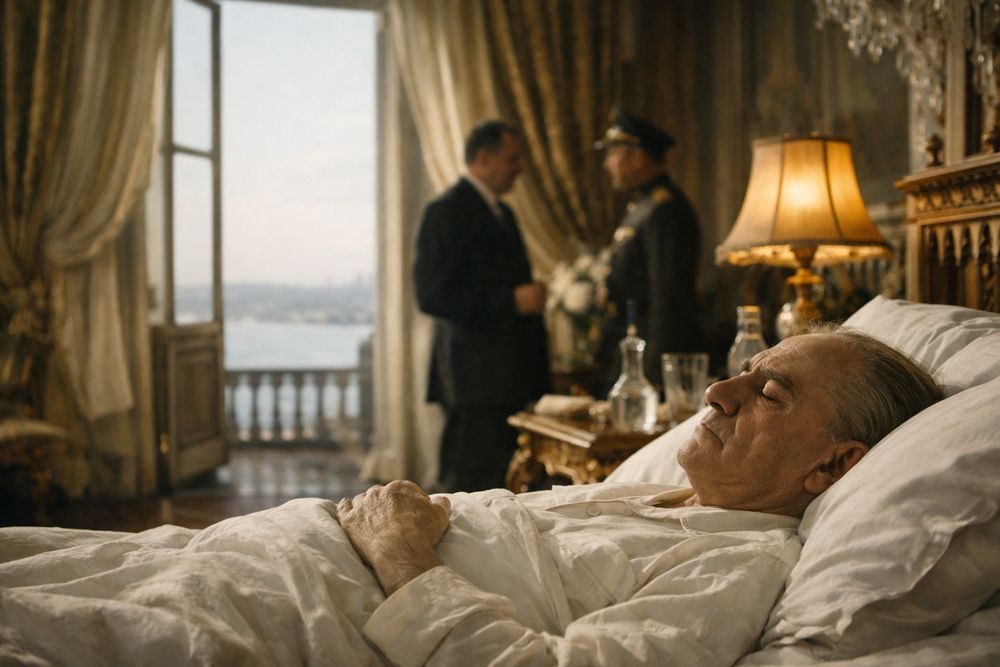
Dolmabahçe’s strongest emotional pull comes from Atatürk’s final illness and death in the palace. He spent his last period here, and he died at Dolmabahçe on date and exact historical wording used by the palace for Atatürk’s death.
That fact gives the site a very different tone from a palace visited only for architecture. Even travelers with limited background usually recognize that this is not just another formal residence. The palace becomes a place where state history narrows into a single human ending.
It also helps explain why Dolmabahçe occupies such a large place in national memory. The site is not only associated with official appearances or symbolism. It is tied to loss, mourning, and the final chapter of the republic’s founding leader.
Atatürk’s room at Dolmabahçe
The room associated with Atatürk’s final days is the place many visitors focus on most. It is the emotional center of the palace’s republican story, and people often move through it more quietly than they do through the grand ceremonial spaces.
Some visitors come specifically to see this room. Others understand its importance only once they are there. Either way, it makes more sense when viewed as part of the full palace sequence: an imperial residence reused by the republic, a site of official life, and then a place of death and remembrance.
Access rules can change, so avoid planning around assumptions. Check current visitor route and access rules for Atatürk-related rooms at Dolmabahçe Palace before your visit.
Why November 10 changes the mood at the palace
November 10 is the annual day of remembrance for Atatürk in Türkiye, so Dolmabahçe often feels more solemn on and around that date. For many visitors, it is the moment when the palace shifts from being a historical monument to being an active site of public memory.
You may notice more domestic visitors, a quieter atmosphere, and stronger emotional attention to the sections linked to Atatürk. That does not mean every detail is constant year to year, so it is important to verify whether Dolmabahçe Palace holds a ceremony, silence, special access arrangement, or visitor restriction on November 10 and expected crowd levels and queue management around November 10.
For international visitors, the practical takeaway is straightforward: allow extra time, follow staff guidance, and treat the visit as a memorial context as well as a sightseeing stop. You should also confirm how the palace marks November 10 for visitors if your trip is planned around the anniversary itself.
What to see at Dolmabahçe if you care about Atatürk
The Atatürk story is not confined to one chamber. It is spread across the palace’s broader layout: formal halls, circulation routes, waterfront positioning, and rooms designed to project state authority.
That is why a full visit matters. If you focus only on the room associated with his final days, you miss the larger explanation of why this palace carried political meaning in both the late Ottoman and early republican periods.
Ceremonial halls and political symbolism
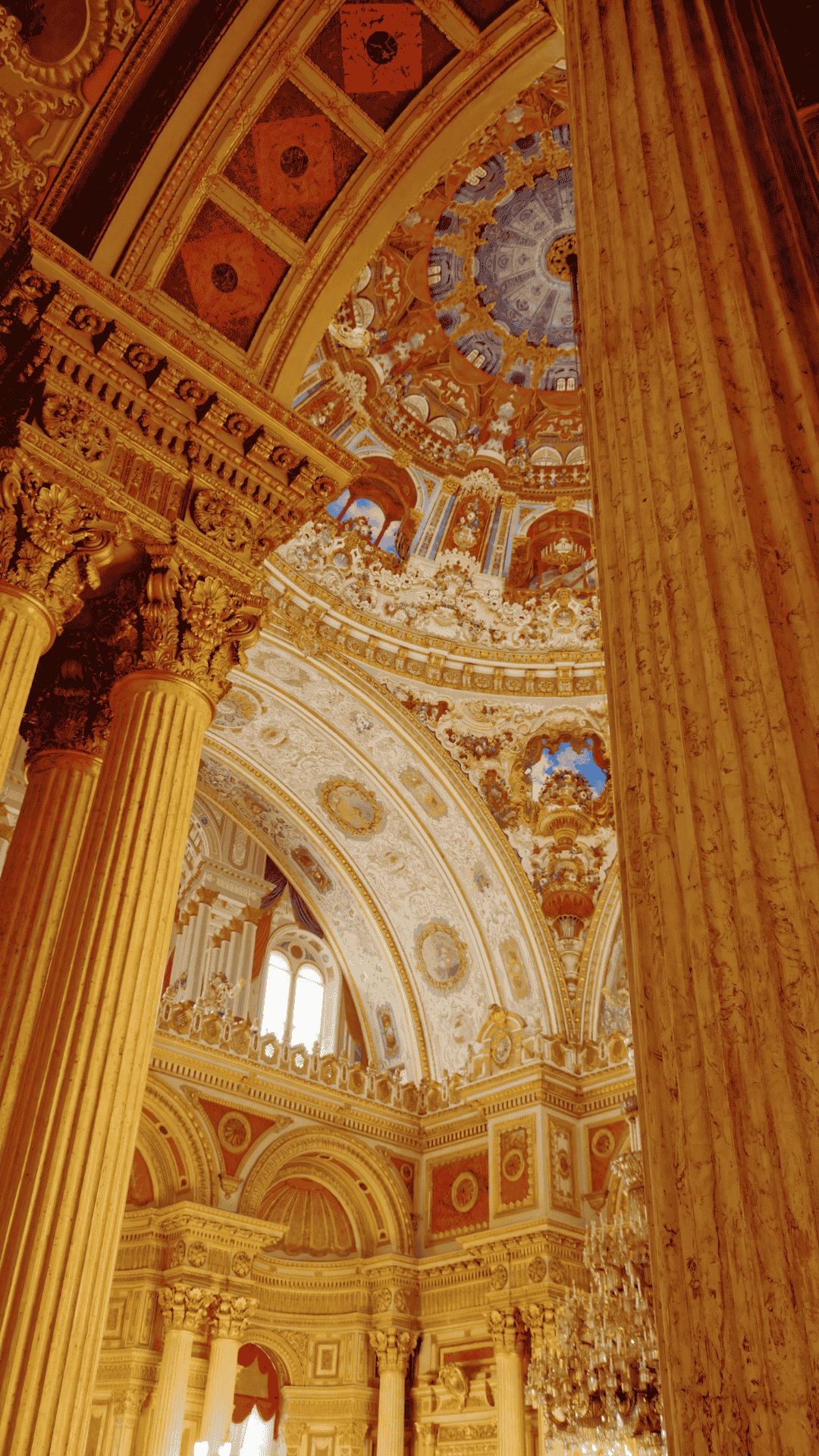
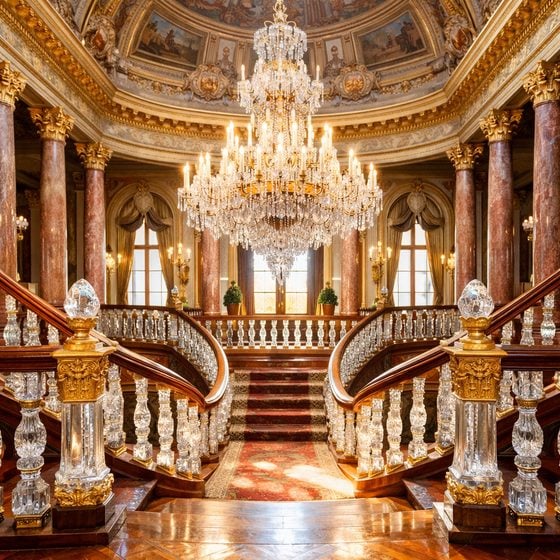
The grand halls help explain why Dolmabahçe remained useful after the empire. Their scale and choreography were designed for display, rank, and protocol, and those qualities still mattered when the republic needed to host officials and guests in Istanbul.
Seen this way, the architecture is not just decorative. It shows how power was staged and how an existing symbol could be repurposed rather than discarded.
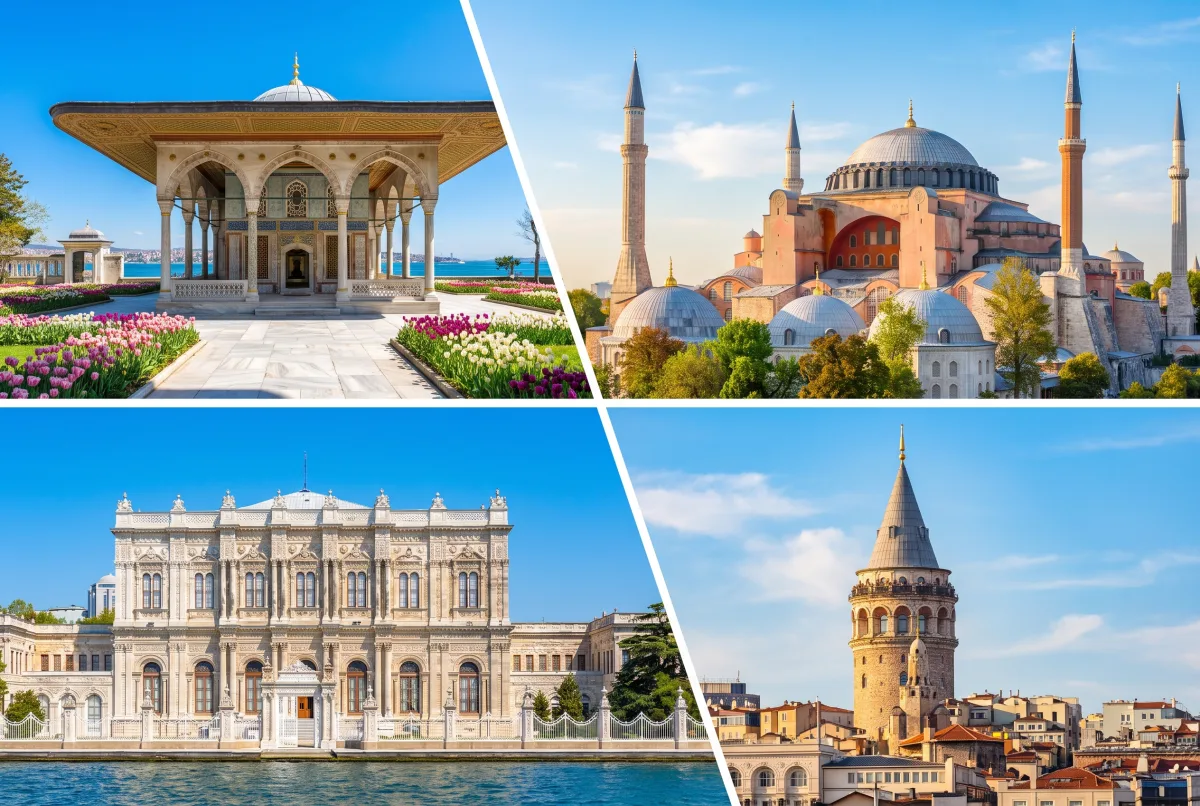
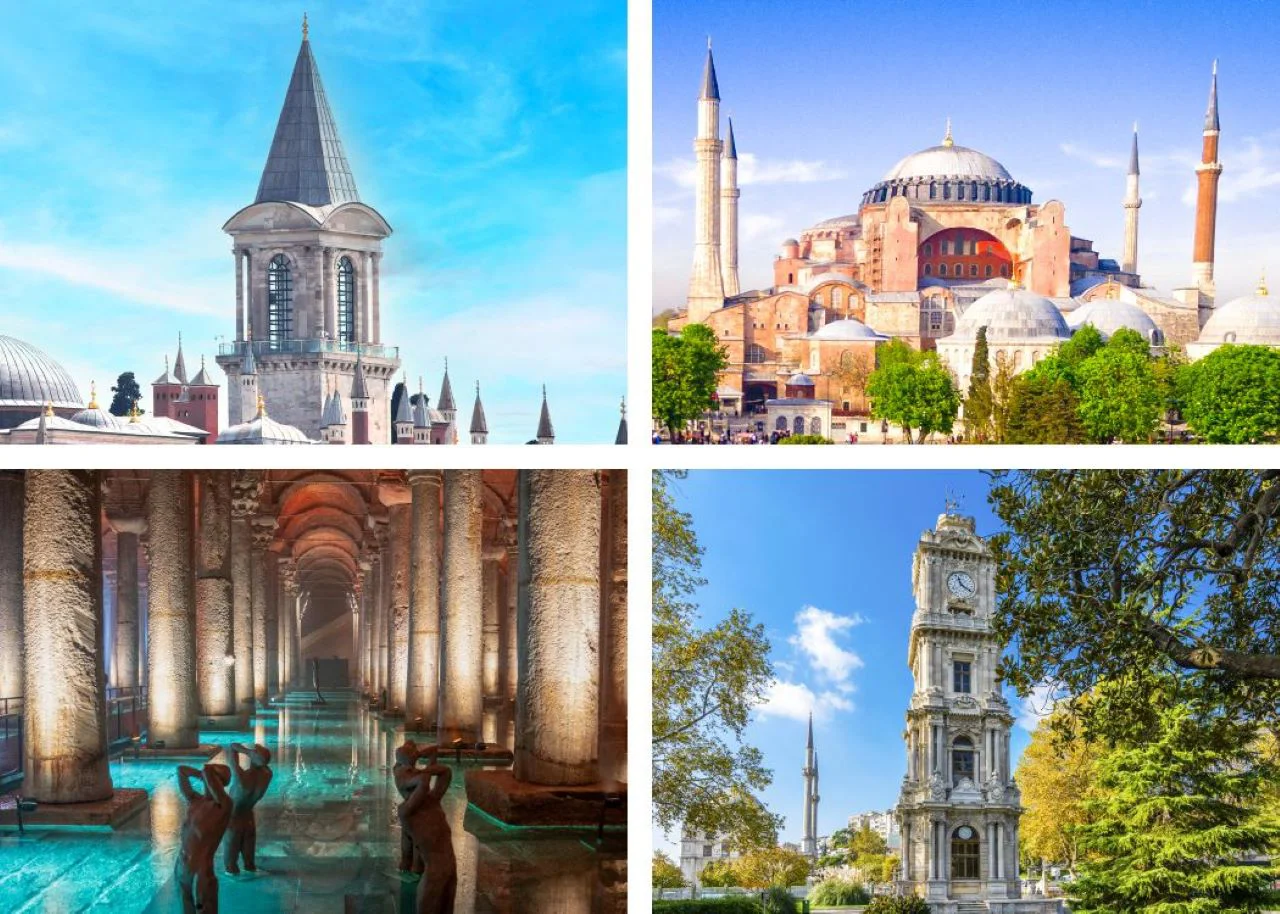
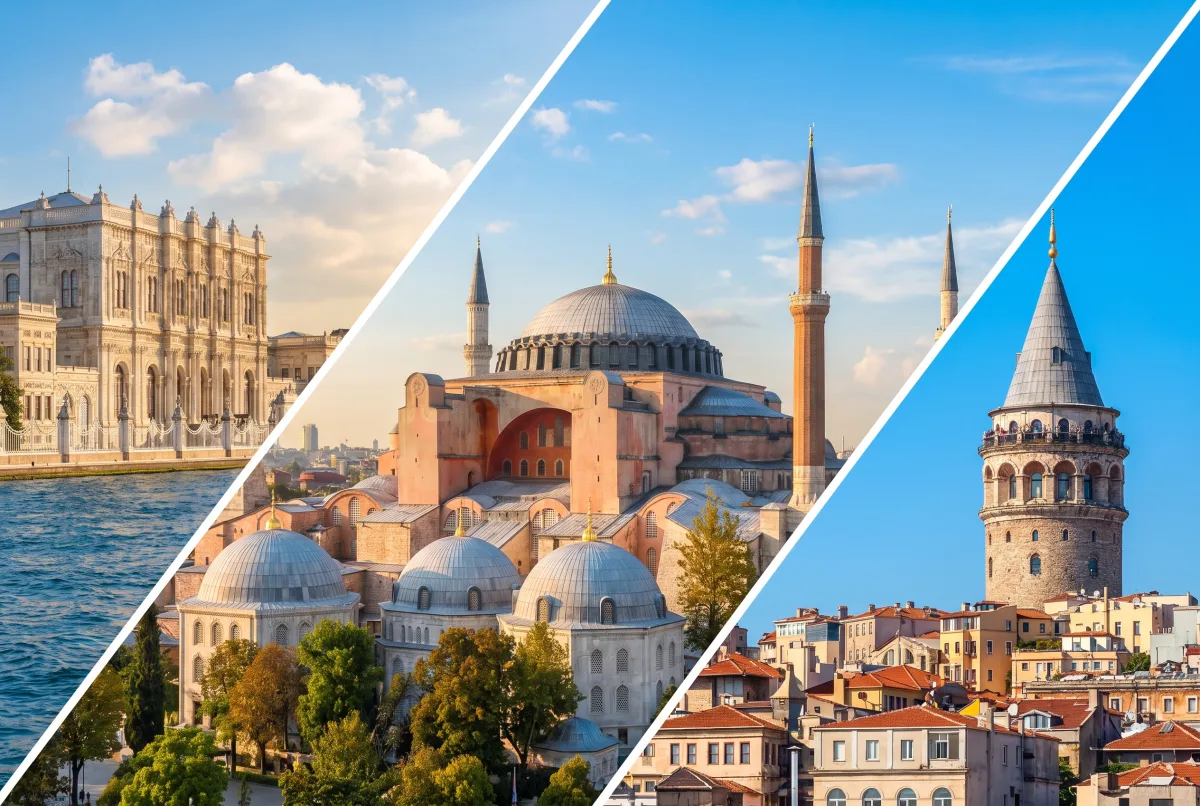
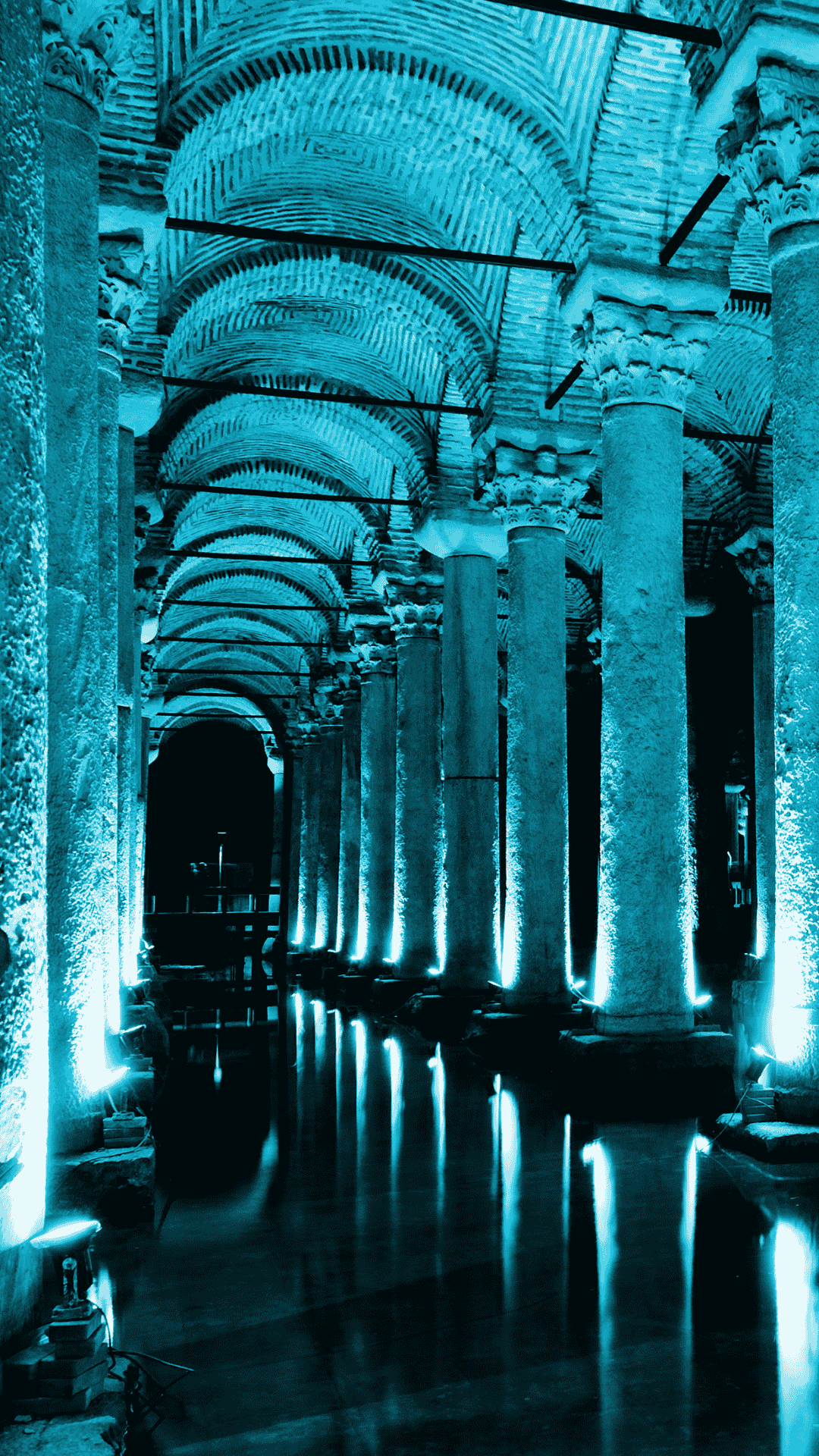
If you want historical comparison, pair Dolmabahçe with Topkapi Palace and Basilica Cistern. Topkapı helps frame older dynastic life, Basilica Cistern shows the city’s deeper imperial infrastructure, and Dolmabahçe helps explain the late-imperial-to-republican transition.
Waterfront setting and arrival experience
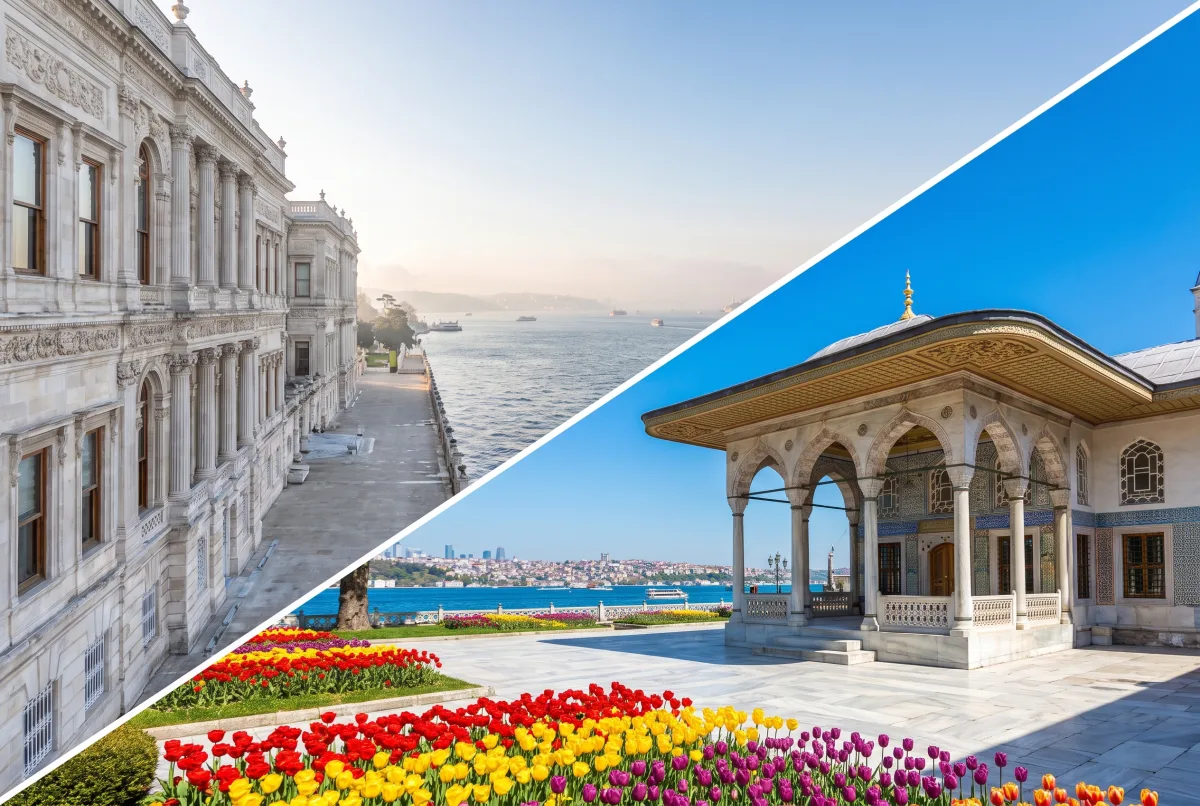
Dolmabahçe’s Bosphorus setting is part of why it works so well as a political and visual landmark. Approaching along the waterfront makes clear that this was a building meant to be seen, recognized, and read as a statement of status.
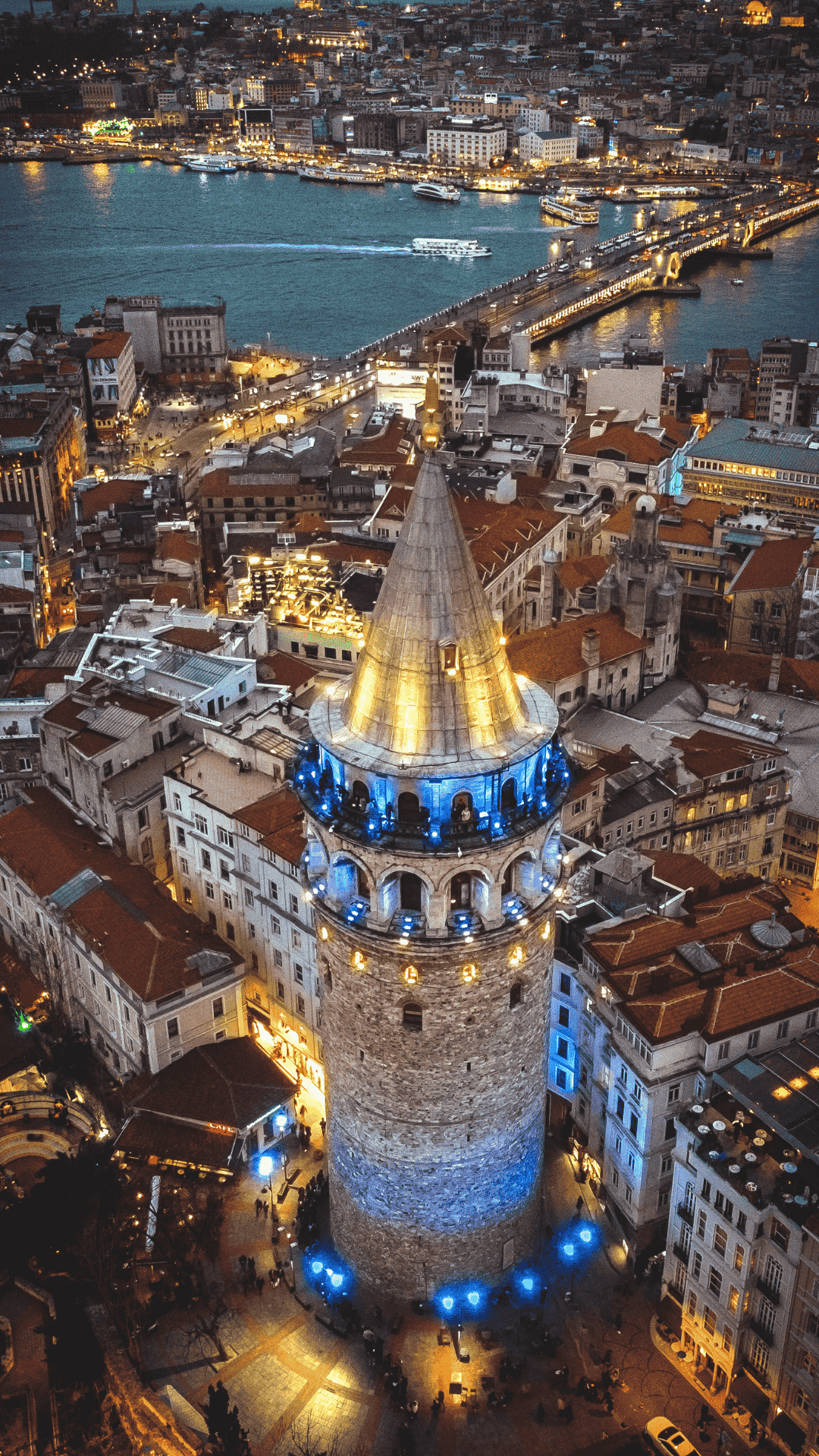
That location also shapes the modern visit. The palace sits naturally within a day built around Beşiktaş and the Bosphorus rather than only around the Old City.
How to visit Dolmabahçe respectfully
For most travelers, Dolmabahçe works best as a half-day visit. Give yourself more time if you like interiors, want to move slowly, or are visiting during a high-interest date. Check recommended average visit duration according to current palace guidance.
A respectful visit is mostly common sense. Speak quietly, do not treat solemn areas as quick photo stops, and follow staff direction in rooms associated with Atatürk. The atmosphere is often different from that of a purely decorative palace visit.
Practical details also matter. Verify current photography policy inside Dolmabahçe Palace and current security screening rules and prohibited items before you go.
If your wider Istanbul plan includes more than one major historical area, keep Dolmabahçe separate from a dense Sultanahmet day. The palace has a different rhythm, and it benefits from less rushing.
Nearby stops to pair with Dolmabahçe
The most natural add-ons are nearby waterfront and neighborhood stops rather than far-apart monuments. A smart sequence is to visit the palace first, walk into Beşiktaş for lunch, and then continue along the Bosphorus.
For itinerary planning, Ortakoy works well if you want a shorter follow-up stop with a lively shoreline feel. A Bosphorus cruise also pairs well if you want to see the palace’s setting from the water and keep the day focused on the strait.
If you are building a separate history-heavy day, save sites such as Topkapi Palace and Basilica Cistern for Sultanahmet comparisons rather than trying to combine everything at once. Check recommended average visit duration according to current palace guidance before locking in same-day plans.
Why Dolmabahçe still matters in republican memory
Dolmabahçe still matters because it is not only an Ottoman palace. It is also one of the clearest physical settings for understanding how the early republic used inherited spaces and how Atatürk’s final days became part of national memory.
For travelers, that makes the visit richer than a standard palace tour. You see decoration and ceremony, but you also see how architecture can hold political transition and personal loss at the same time.
If your main interest is Atatürk, this is one of the essential places to visit in Istanbul. If your main interest is architecture, the republican chapter gives the palace its deepest human meaning. Either way, the best visit is one that allows time for both stories: the imperial setting and the final, memorial one.