Topkapi Palace Harem
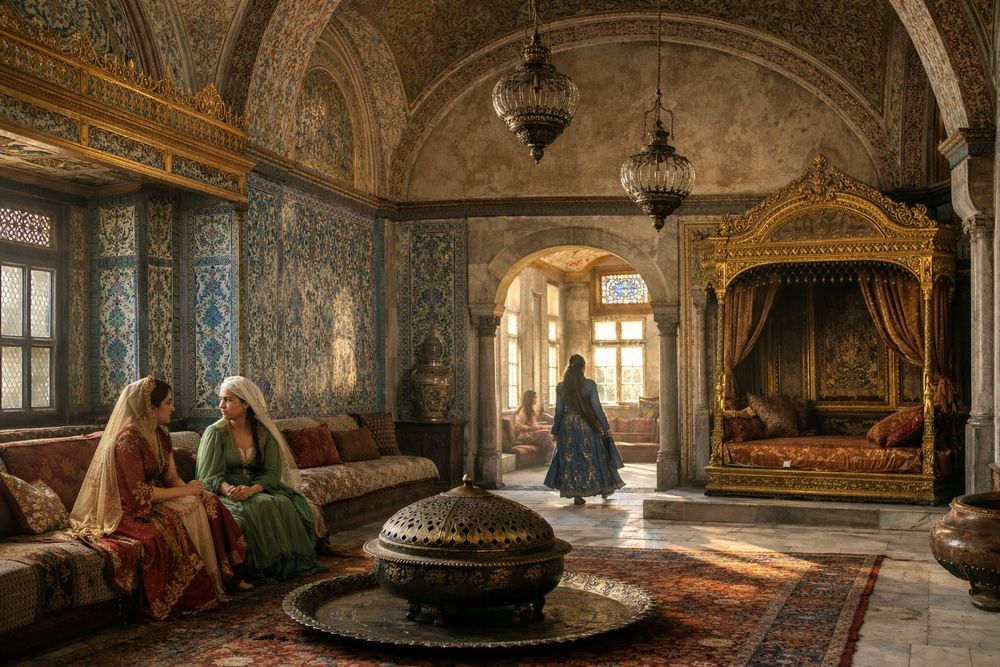
The Topkapi Palace Harem is the part of the palace that makes the rest of the complex easier to understand. The public courts show ceremony and state power; the harem shows how the ruling household lived, moved, and was organized behind guarded thresholds.
Visitors often expect one grand chamber. What you actually get is a route through courtyards, apartments, halls, baths, corridors, and private rooms where architecture reflects hierarchy. That is why many travelers find the add-on worthwhile.
Key Takeaways
- The harem was a guarded residential and political space, not a fantasy backdrop.
- The add-on usually covers access to the palace's private quarters and some of its most memorable interiors. current Topkapi Palace and harem ticket structure
- Major highlights on the route typically include the Courtyard of the Black Eunuchs, the Queen Mother's apartments, the Imperial Hall, baths, and private chambers linked to the sultan and princes.
- The harem is most worth it for first-time visitors, history-focused travelers, and anyone already planning a longer Topkapi Palace visit.
- Go early if you want lighter crowds in the narrow corridors. current opening hours and last entry times
- Some rooms or sections may be limited by restoration or visitor-flow controls. current restoration areas or room closures in the harem
What the Harem was really for
In the Ottoman court, the harem was a private residential complex inside the palace, but it was not only domestic space. It was also a managed environment tied to dynasty, education, security, service, and internal influence.
The Ottoman Empire was the state ruled by the Ottoman dynasty from Istanbul for centuries. Within that system, the harem housed the sultan's family, consorts, children, attendants, and officials responsible for order and access.
The Valide Sultan, the mother of the reigning sultan, often held the highest female authority in the palace. The Chief Black Eunuch was the senior official overseeing security and access in the harem. Their roles help explain why the route feels so controlled: movement, proximity, and privilege mattered.
Many modern ideas about harems come from fantasy, painting, and later storytelling. Historians generally describe the Topkapi harem less as a place of idle luxury and more as a tightly regulated household where rank, education, etiquette, and proximity to the dynasty shaped daily life. If you visit with that framework in mind, the rooms make more sense.
How the Topkapi Harem fits into the palace
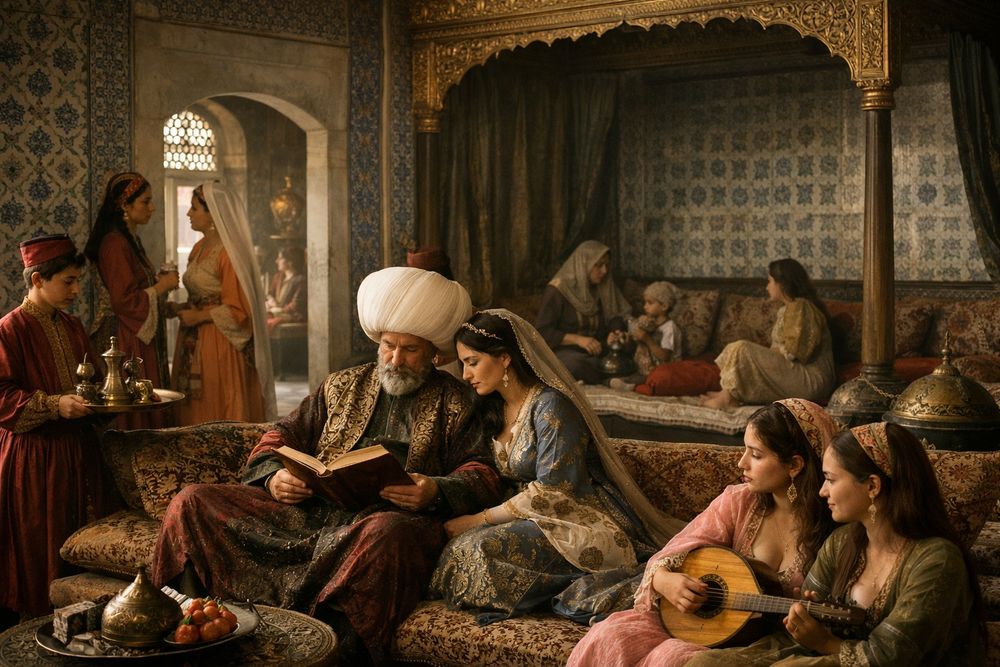
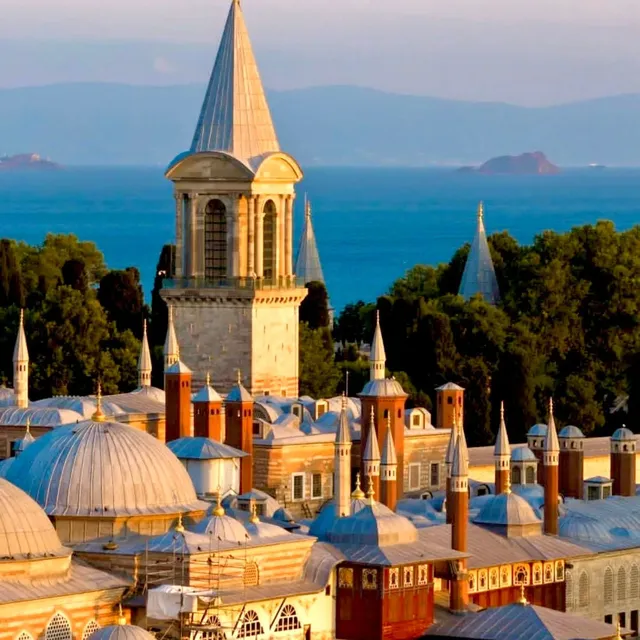
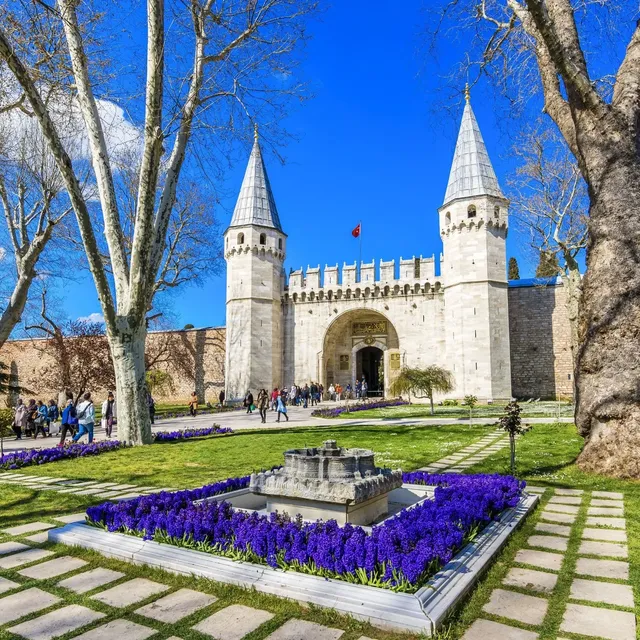
Topkapi Palace is a large imperial complex with public courtyards, treasuries, kitchens, ceremonial spaces, and pavilions. If you only see the standard route, you understand how the empire presented itself. If you add the harem, you also see how the dynasty's inner household functioned.
That difference matters because the harem changes the tone of the visit. The public sections feel open and ceremonial. The harem feels tighter, more supervised, and more personal.
The Courtyard of the Black Eunuchs
The Courtyard of the Black Eunuchs is one of the threshold spaces that introduces the logic of the harem. It is tied to the officials who controlled entry, security, and internal movement.
As a visitor, this area helps you read the rest of the route. You are moving away from open courts and into a zone where access was filtered by rank.
The Queen Mother's rooms
The Queen Mother's Apartments belonged to the Valide Sultan, whose position often made her the most powerful woman in the palace. These rooms are important not just for decoration but for what they suggest about authority inside the household.
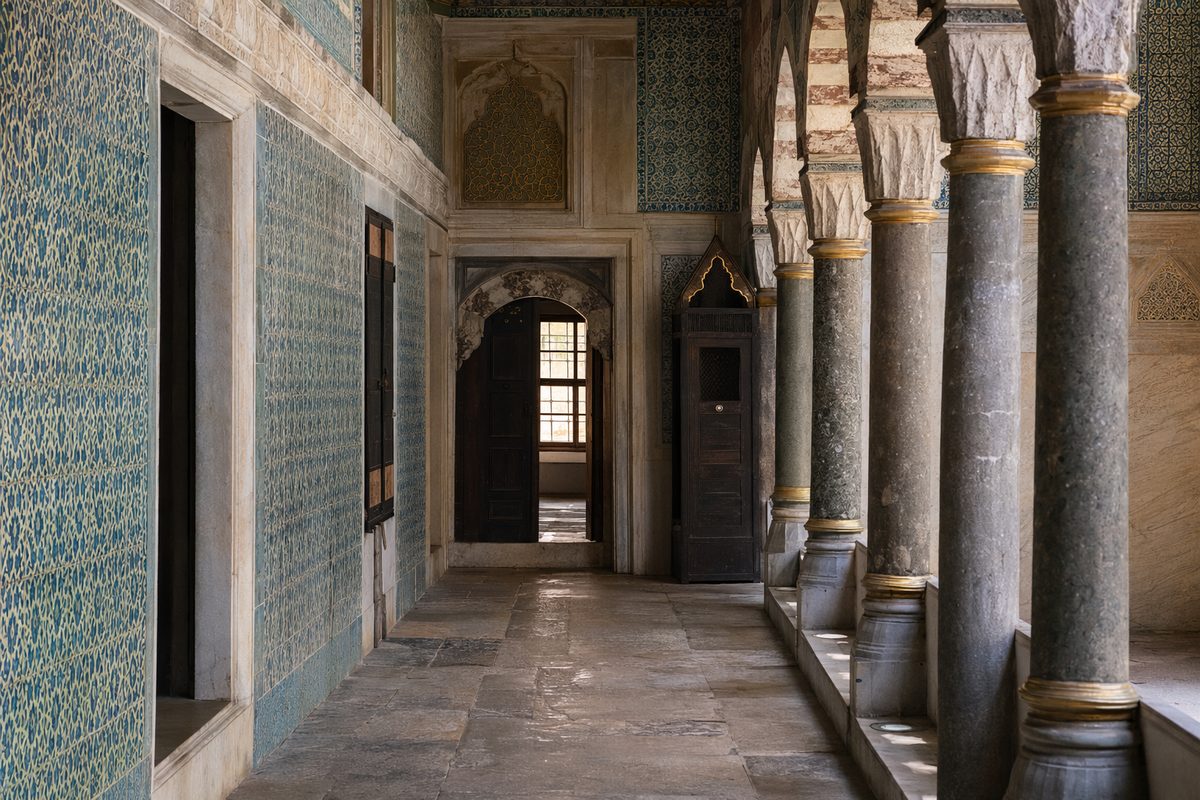
Expect fine tilework, painted surfaces, and rooms that feel prestigious without being as monumental as the state's public ceremonial spaces.
The Imperial Hall
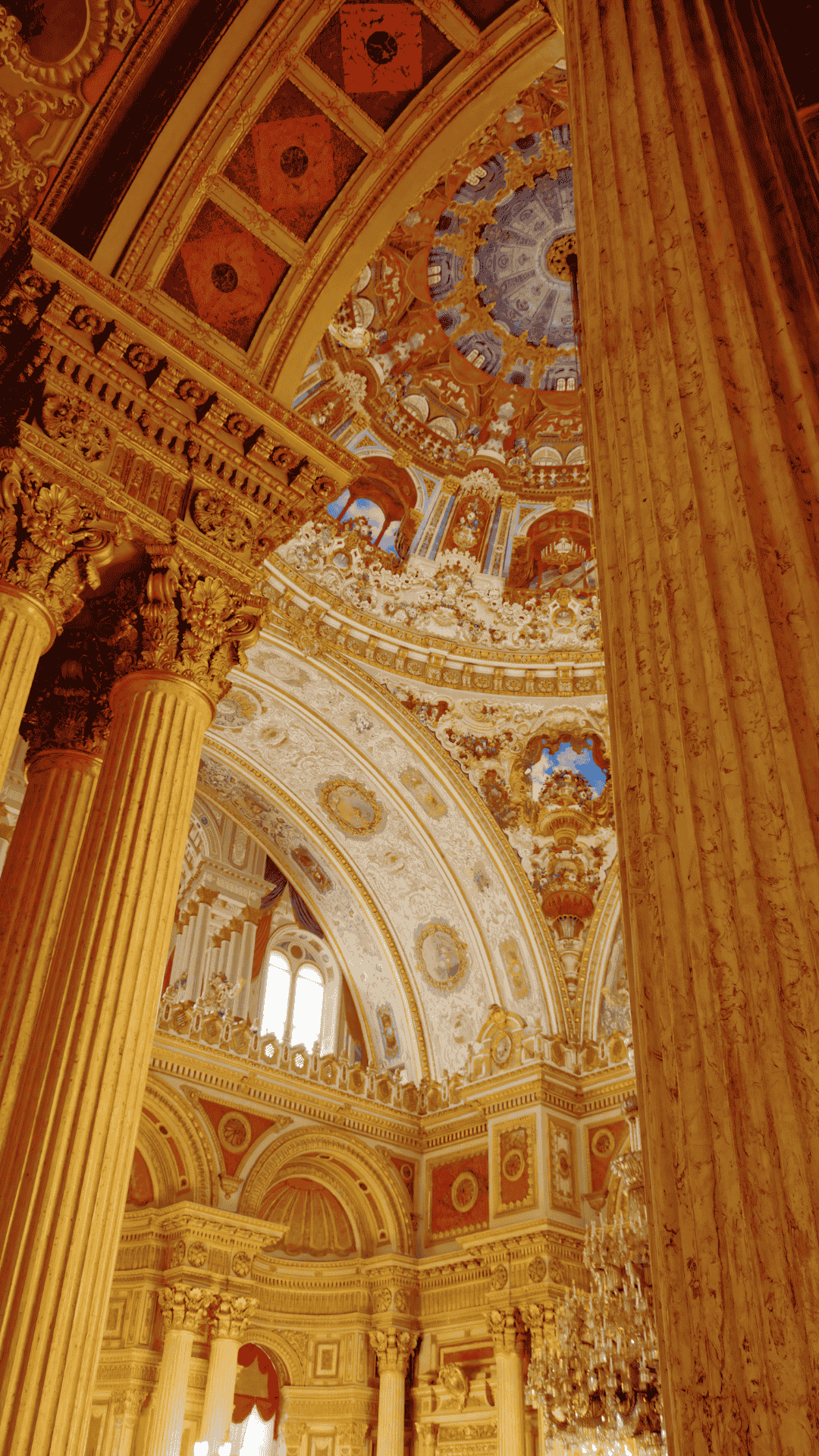
The Imperial Hall is one of the grandest rooms inside the harem and the clearest reminder that private court life also had ceremony. It was used for receptions and internal occasions connected to palace hierarchy.
This is one of the rooms where many visitors slow down. The scale, dome, and decoration stand out after the tighter sequence of passages and smaller chambers.
The private rooms of the sultan
The Privy Chamber of Murad III is widely admired for its dense tile decoration and richly worked interior. The Twin Kiosk is associated with princes and seclusion in the later palace layout.
These spaces are among the strongest reasons to add the harem. They show how intimacy, luxury, and restriction could exist in the same architecture.
What you will actually see inside
The harem visit works best if you think of it as a route rather than a single attraction. You move through a sequence of guarded thresholds and rooms that gradually reveal how access was controlled.
What the add-on usually includes:
- Entry to the harem section beyond the main public palace route current Topkapi Palace and harem ticket structure
- A circulation path through service courtyards, residential apartments, ceremonial rooms, baths, and private chambers
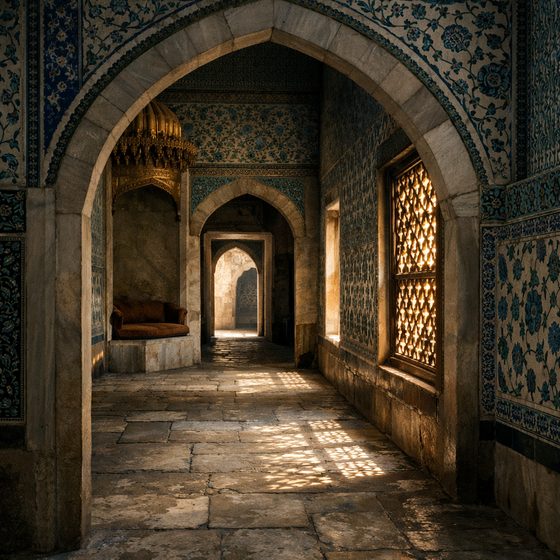
- Some of the palace's richest interior decoration, especially Iznik tilework, painted ceilings, carved cupboards, and screened windows
Rooms and features many visitors notice most:
- Courtyard of the Black Eunuchs: the controlled entry zone
- Queen Mother's Apartments: rooms associated with the Valide Sultan's authority
- Imperial Hall: the main ceremonial chamber within the harem
- Baths and smaller domestic rooms: useful for understanding daily life, not just formal display
- Privy Chamber of Murad III: one of the most visually memorable interiors
- Corridors, stairs, doors, and screens: easy to overlook, but essential to how the place worked
A few practical expectations help. Many rooms are smaller than people imagine. The route is often linear and can bottleneck. You may spend as much time noticing thresholds, windows, tile panels, and how rooms connect as you do looking at any one famous chamber.
Iznik tiles are Ottoman ceramic tiles known for vivid blues, greens, reds, and floral designs, and they give many interiors their strongest visual impact.
Do not expect full access to every historic room every day. Some sections may be closed or partially limited during conservation or route management. current restoration areas or room closures in the harem
Is the harem ticket worth it?
For many travelers, yes. If you want the most complete version of a Topkapi visit, the harem is usually the upgrade that adds the most context.
It is especially worth buying if you:
- Are visiting Topkapi Palace for the first time
- Care about Ottoman history, court life, or palace interiors
- Plan to spend at least a half day at the palace
- Prefer rooms, decoration, and historical atmosphere over just exterior courtyards
You may want to skip it if you:
- Have very limited time in Sultanahmet
- Dislike narrow, crowded interior routes
- Mainly want a quick checklist visit of Istanbul's biggest landmarks
- Are already overloaded with museums that day
The extra cost is the main hesitation for most visitors. [STAT: current harem add-on price or combined admission price] Still, this is one of the few add-ons in Istanbul that often changes how people remember the main site.
Check access carefully before you go. Some passes, combination tickets, or guided tours may include the harem, while others do not. current museum pass, combo ticket, and guided tour inclusion details
If you want the full context first, start with our main guide to Topkapi Palace.
Practical tips before you go
Use these points to make the visit smoother:
- Confirm the ticket setup: booking rules and inclusion can change. current Topkapi Palace booking rules and harem entry method
- Go early: the harem's narrower interior spaces feel crowded faster than the open courts. current opening hours and last entry times
- Allow enough time: Topkapi with the harem is not a quick stop. [STAT: recommended visit duration for Topkapi Palace with harem]
- Wear stable shoes: some interior floors can be smooth.
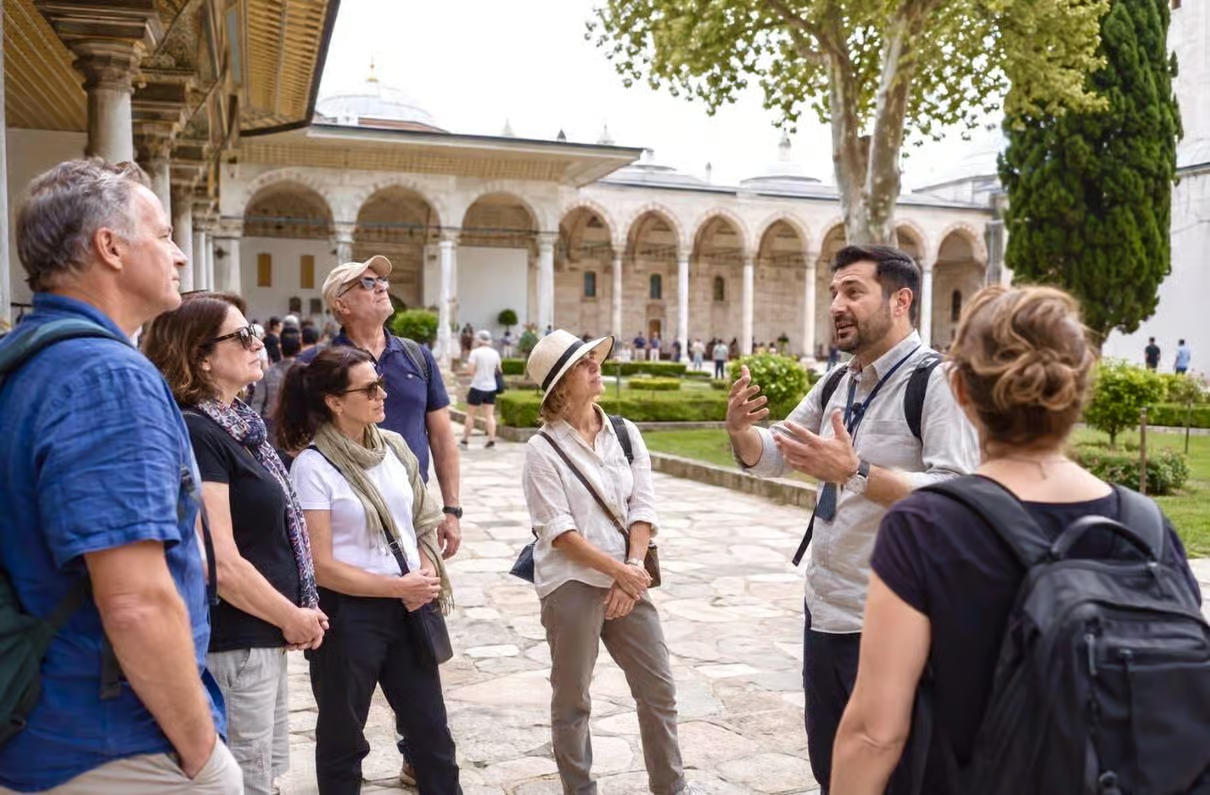
- Expect bottlenecks: tour groups can slow the route in the most popular rooms.
- Check closure notices: restoration can affect specific chambers. current restoration areas or room closures in the harem
- Do not assume every pass includes it: verify before arrival. current museum pass, combo ticket, and guided tour inclusion details
If you are pairing palace time with nearby religious sites, remember that the Blue Mosque is an active mosque with its own access and dress expectations. That is separate from Topkapi admission.
Pair your visit with nearby sights
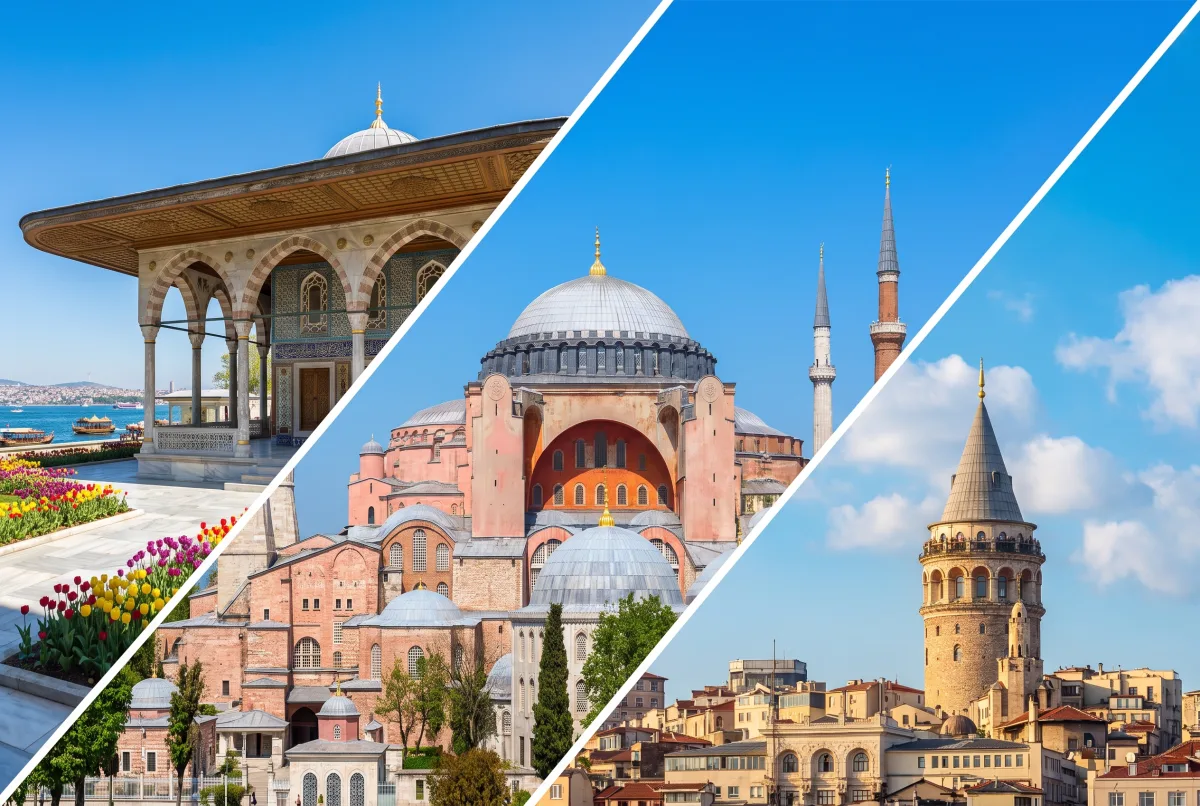
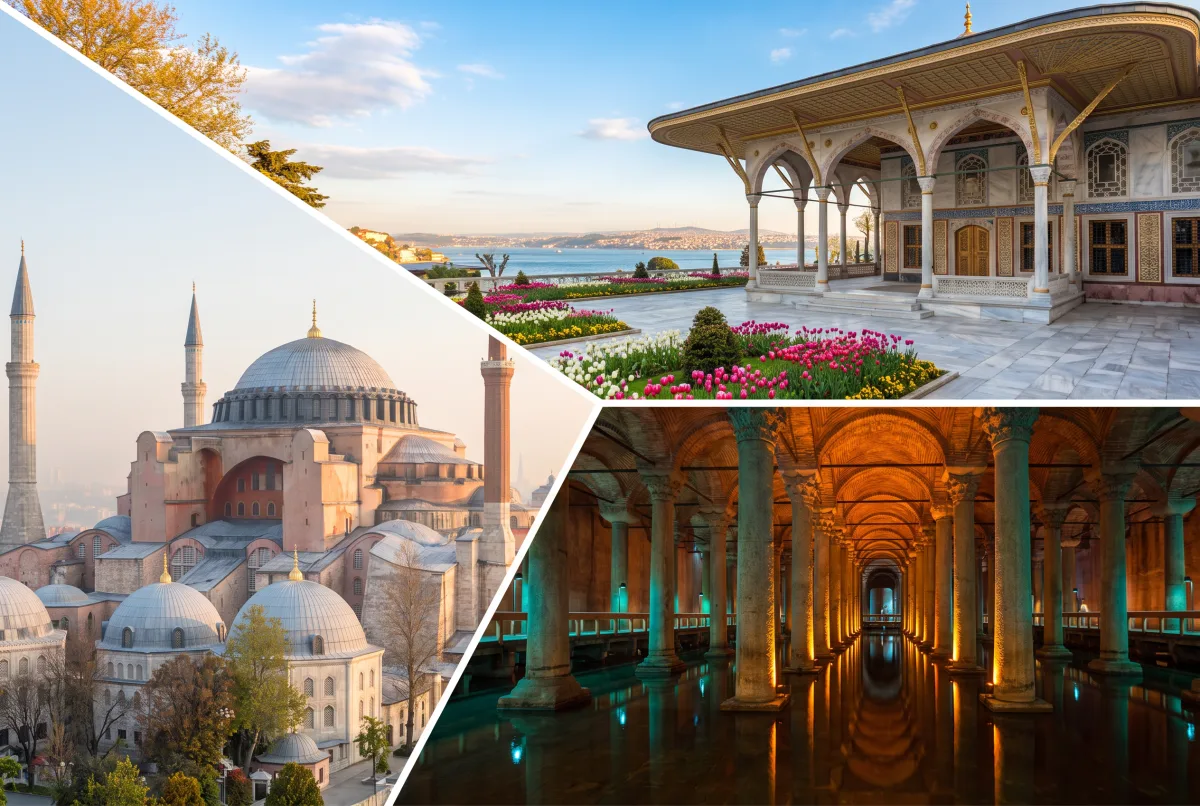
The Sultanahmet district is Istanbul's historic core, and Topkapi sits close to several major landmarks. Pairing nearby sights works well, but the best combinations are the ones that leave breathing room after the palace.
Good nearby pairings include:
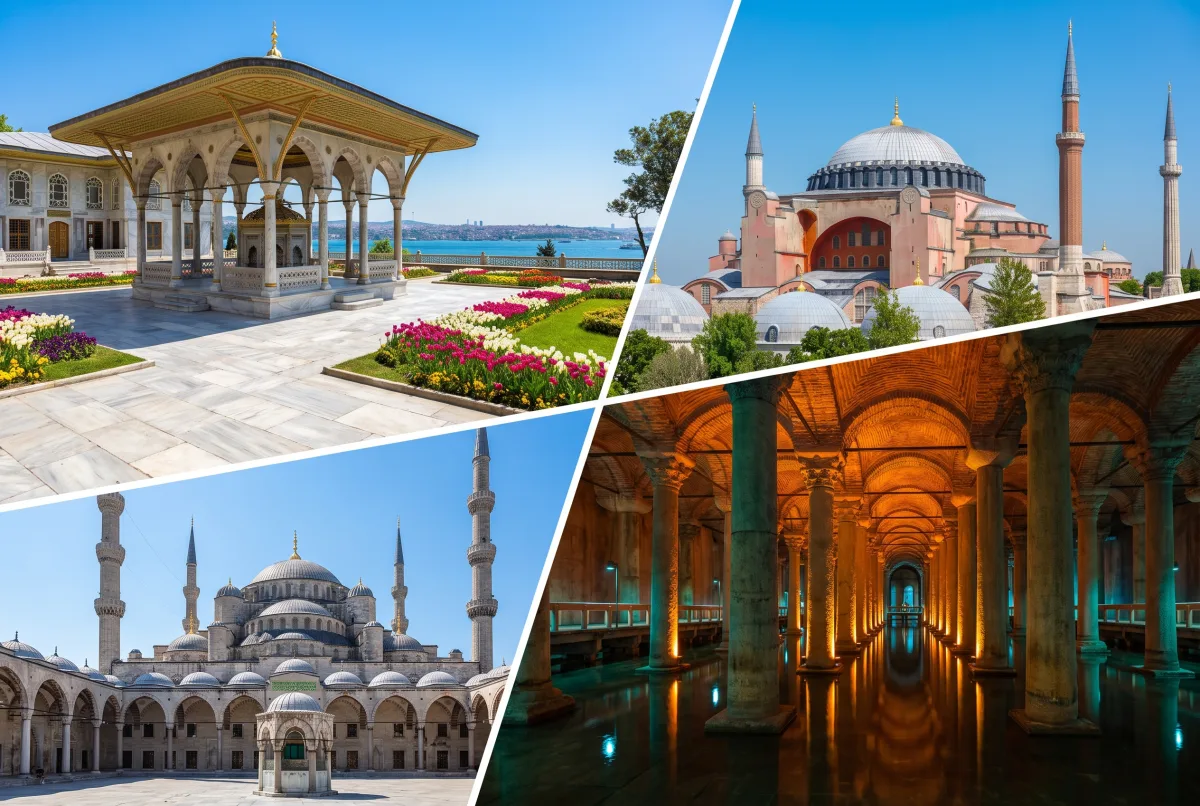
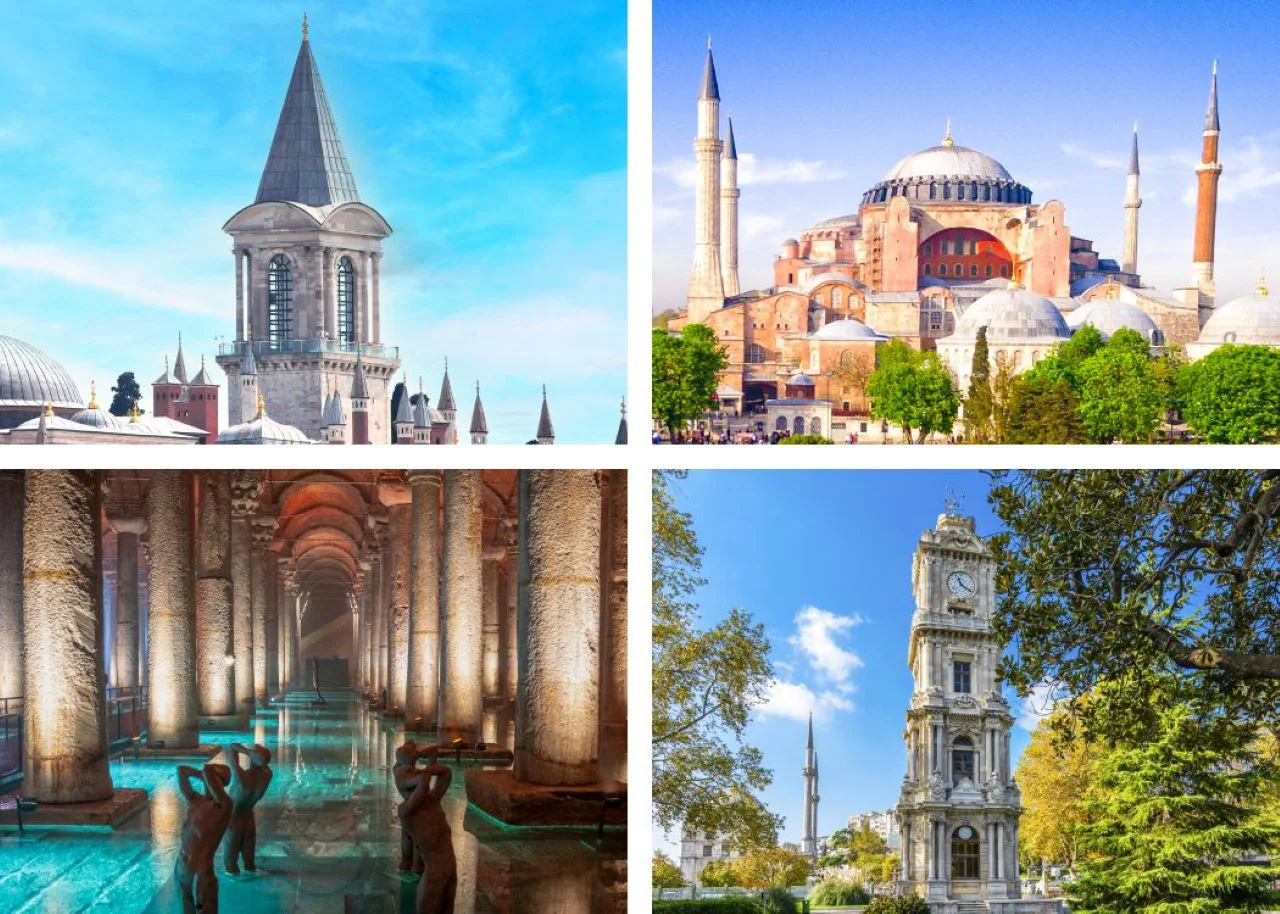
- Basilica Cistern for a cooler, darker underground contrast after palace interiors
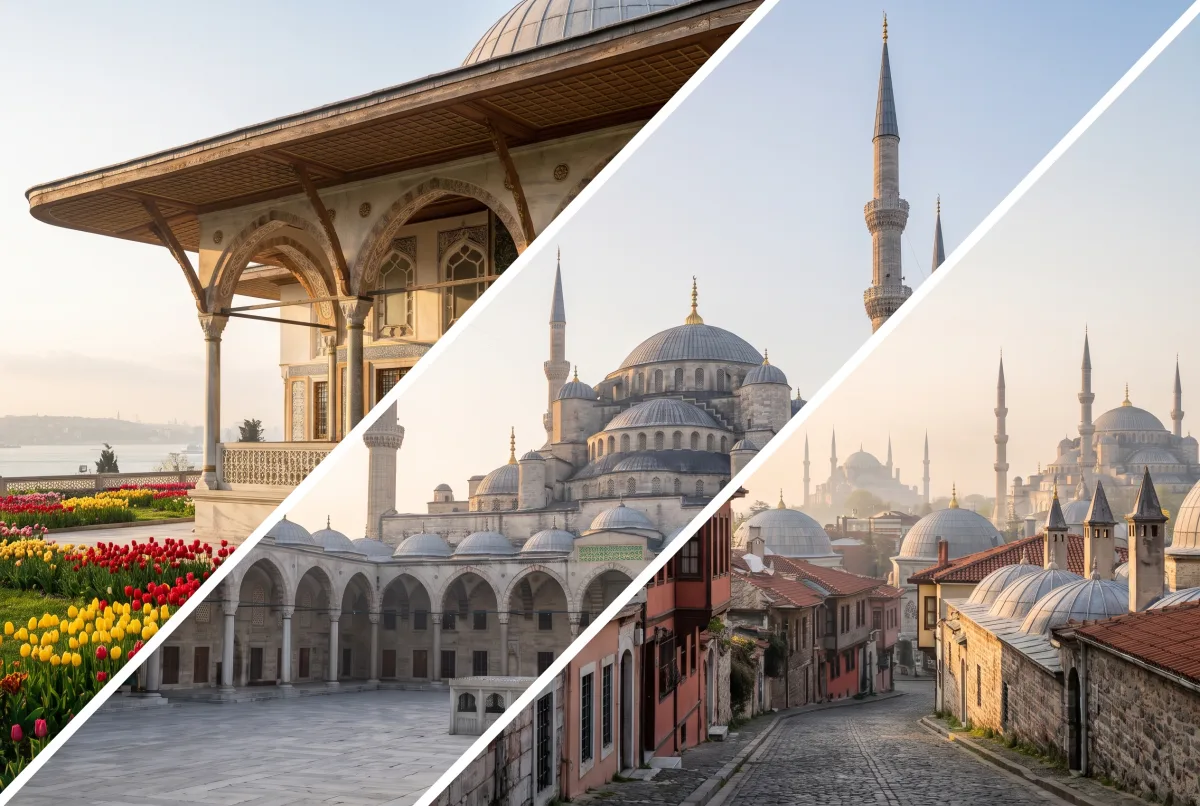
- Blue Mosque to compare imperial religious architecture with the palace world
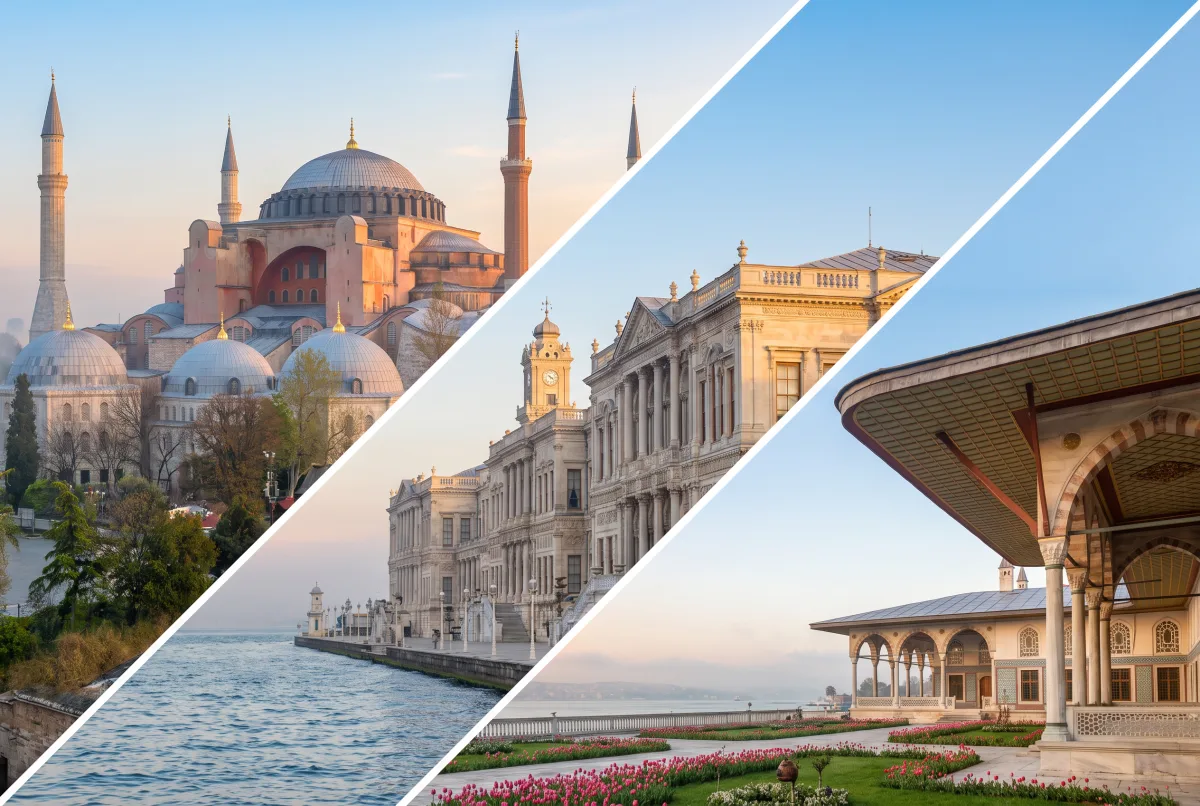
- Hagia Sophia for a broader view of Byzantine and Ottoman layers in the old city
- A full Sultanahmet itinerary if you are planning the neighborhood as a single day
- A practical ticket and museum pass guide if you still need to sort out entry options
If you want a lighter follow-up after heavy history, lunch and a Bosphorus cruise can reset the day well. If you still want museums, the Istanbul Archaeological Museums are right beside the palace grounds and make the most natural add-on.
A common mistake is trying to stack Topkapi, the harem, Hagia Sophia, the Blue Mosque, Basilica Cistern, and more into one rushed block. Topkapi with the harem rewards slow attention, so it usually pairs best with one or two nearby sights rather than a full checklist sprint.
Final thoughts
The harem is the part of Topkapi that gives the palace a human scale. It shows how rank, privacy, family life, and court ritual were built into the layout itself.
If you have the time, the extra harem ticket is usually worth it for first-time visitors. You will see more than beautiful tiles: you will understand the palace better.
For planning, start with our full Topkapi Palace guide, then map out nearby stops like the Basilica Cistern, Blue Mosque, and Hagia Sophia in a realistic Sultanahmet day.