Best Rooms and Details at a Glance
| Area | What You See | Why It Matters |
|---|---|---|
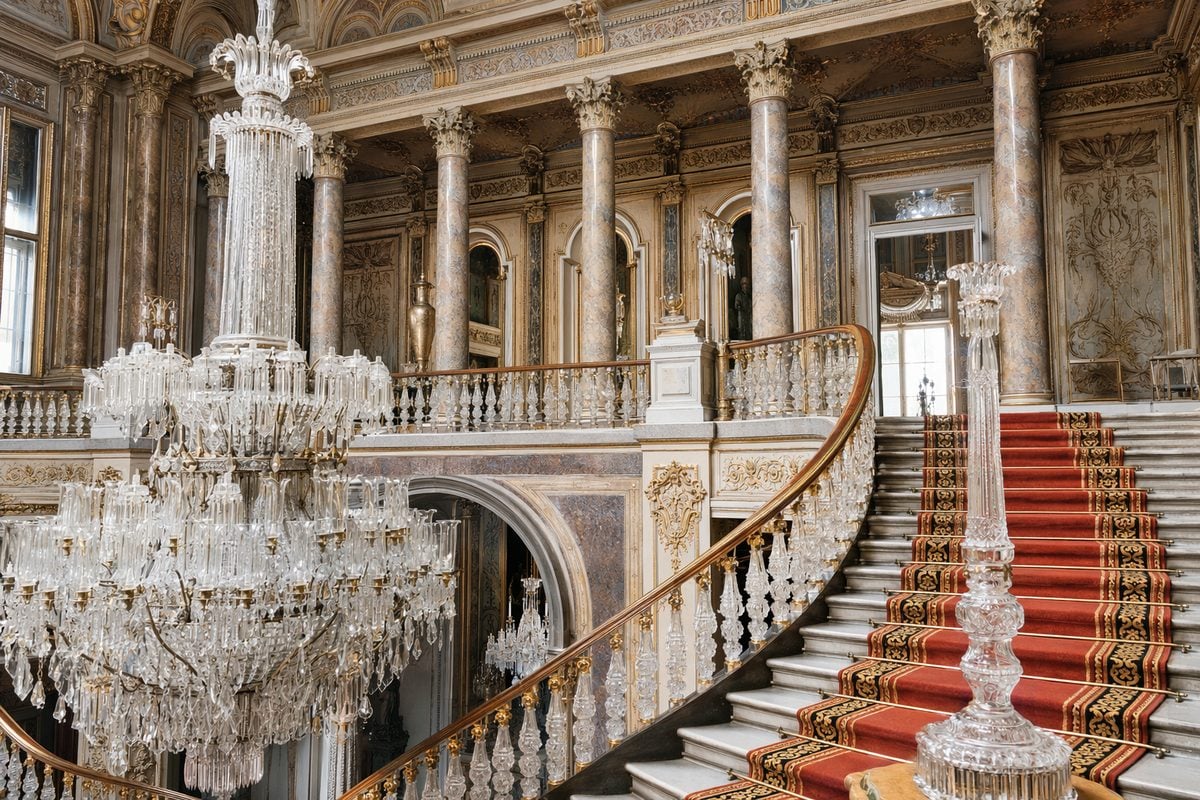
| Crystal Staircase | Sweeping twin-flight stair, crystal balustrades, reflected light | The palace's signature interior image and one of its best arrival moments |
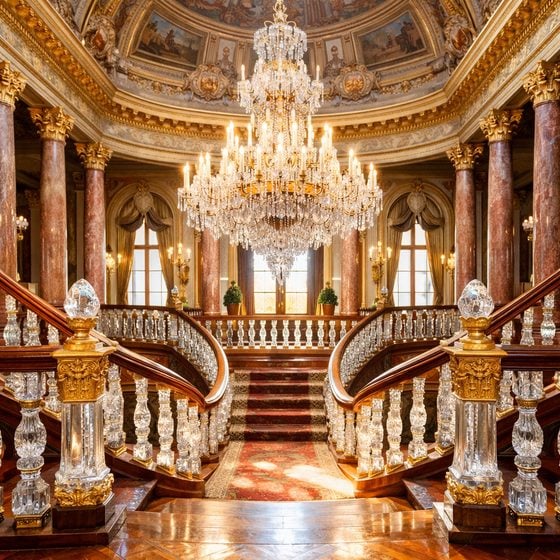
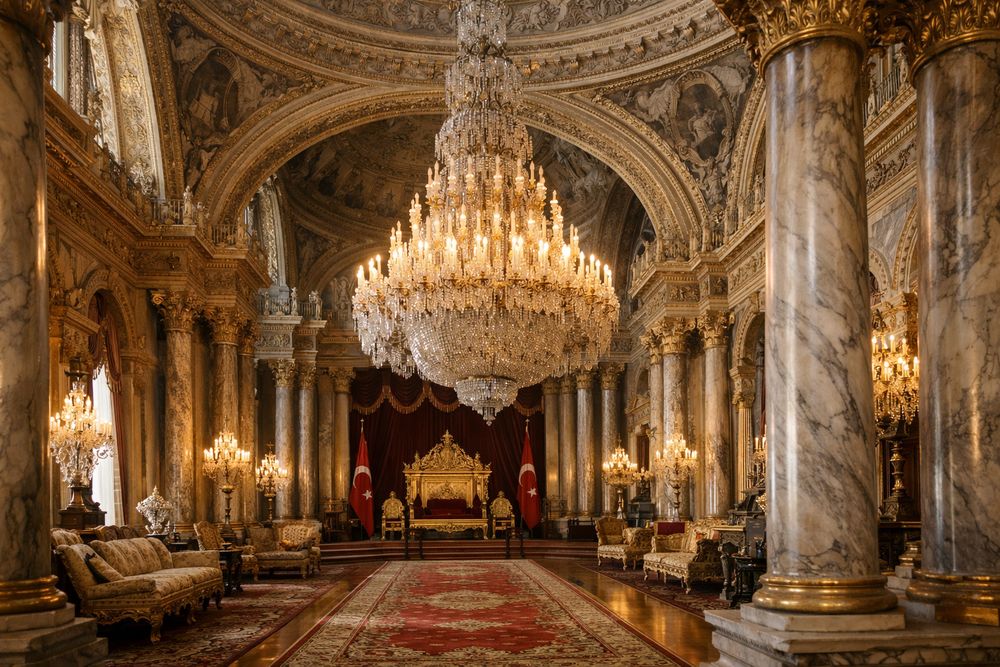
| Ceremonial Hall | Monumental scale, towering volume, famous central chandelier | The clearest expression of imperial display and formal ceremony |
| Mabeyn / State Rooms | Reception rooms, formal furnishings, diplomatic atmosphere | Shows how the palace staged power for officials and guests |
| Harem | More enclosed family spaces, softer rhythm, rich but more inward decoration | Reveals the private side of court life rather than public performance |
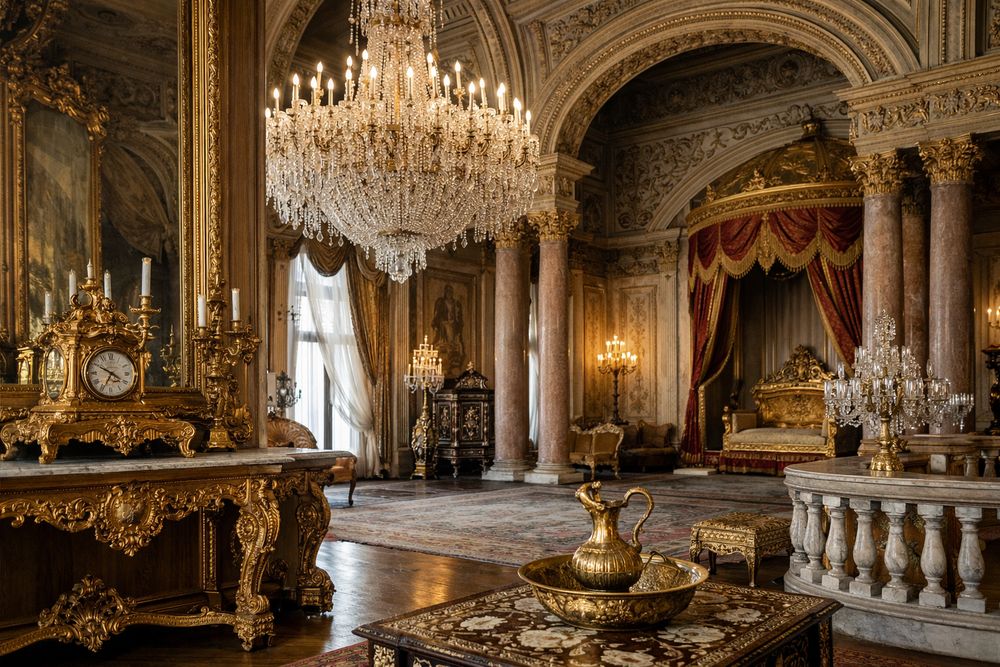
| Decorative Details | Chandeliers, ceiling painting, Hereke carpets, clocks, mirrors, parquet, gilt | These details make the interiors memorable even between headline rooms |
Key Takeaways
- The Crystal Staircase is the palace's most elegant showpiece.
- The Ceremonial Hall is usually the strongest wow moment.
- The Mabeyn state rooms explain the palace's diplomatic role.
- The Harem feels quieter and more domestic, while still lavish.
- Details matter here: look up at ceilings, down at carpets, and across to mirrors and clocks.
- Check route rules before you go, because interior access patterns can change. current visitor route and section access at Dolmabahçe Palace
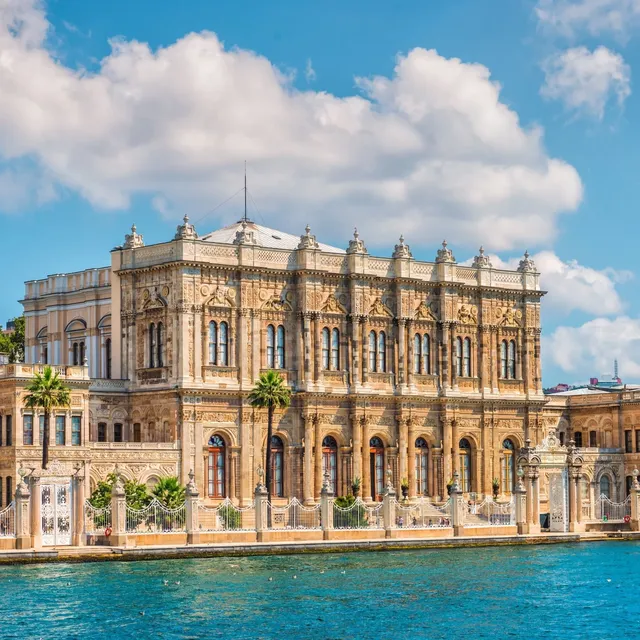
Dolmabahçe Palace is the 19th-century Ottoman imperial residence on the Bosphorus, built to host official ceremony and house the dynasty in European-influenced luxury. If you want the quickest read on the interiors, think in this order: staircase, state rooms, hall, Harem, details.
What Stands Out First Inside Dolmabahçe Palace
The first impression is European-style grandeur used for Ottoman court ceremony. Crystal Staircase is the twin-flight ceremonial staircase known for its sweeping form, bright balustrades, and dramatic arrival effect. Ceremonial Hall is the vast central state hall used for major receptions and official occasions.
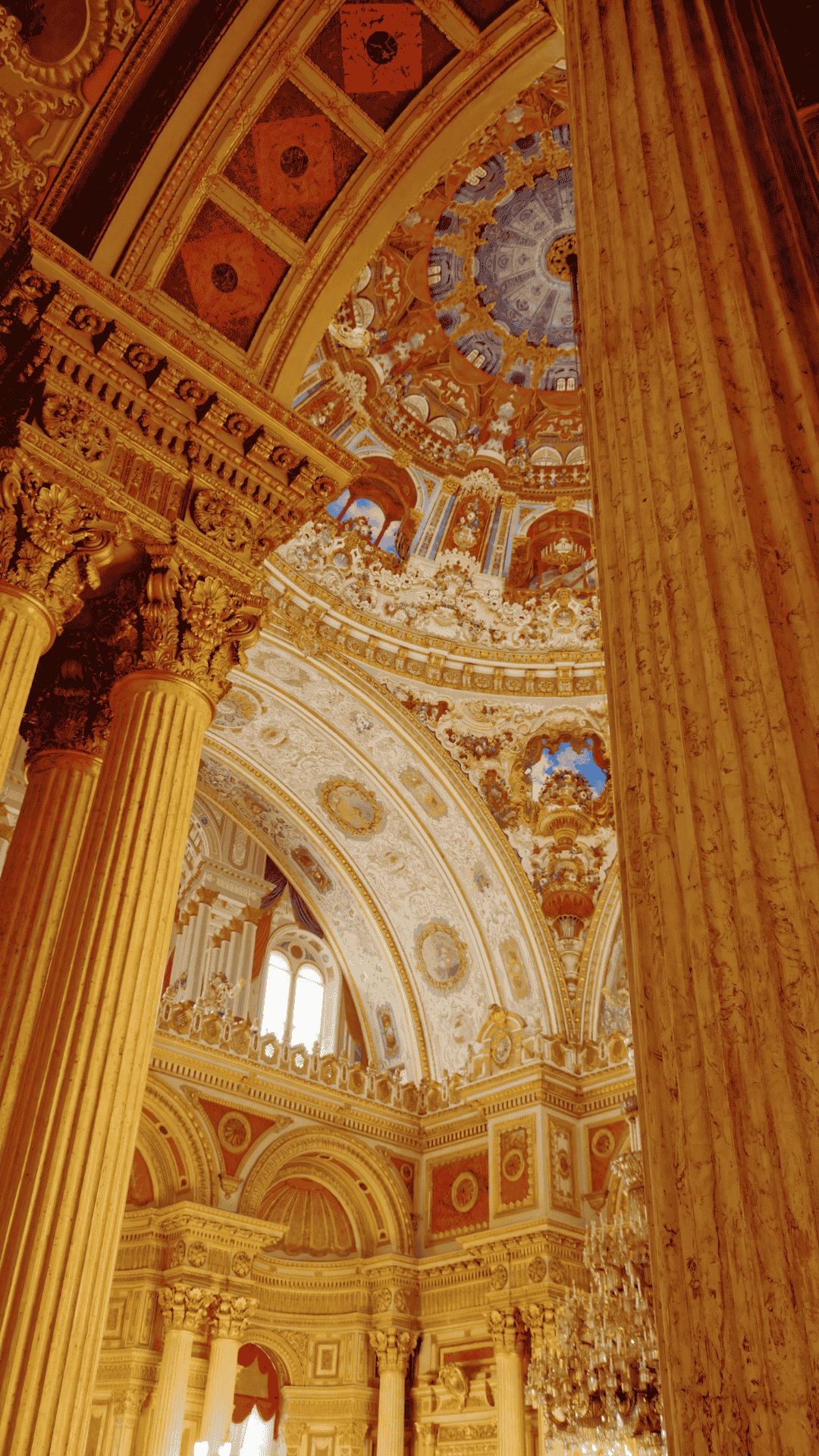
Most visitors notice height before anything else. Ceilings rise, chandeliers hang low enough to command attention, and mirrors multiply the light. The rooms feel performative from the start because they were built to be seen.
The second impression is control. The sequence is not random. Rooms build from reception to climax, then ease into more intimate spaces. It helps to think of the palace as a stage set with protocol built into the walls.
Materials carry a lot of that message. Crystal, gilt, silk, parquet, marble, and painted ceilings all signal rank. Even transition spaces are designed to slow you down and direct your eye.
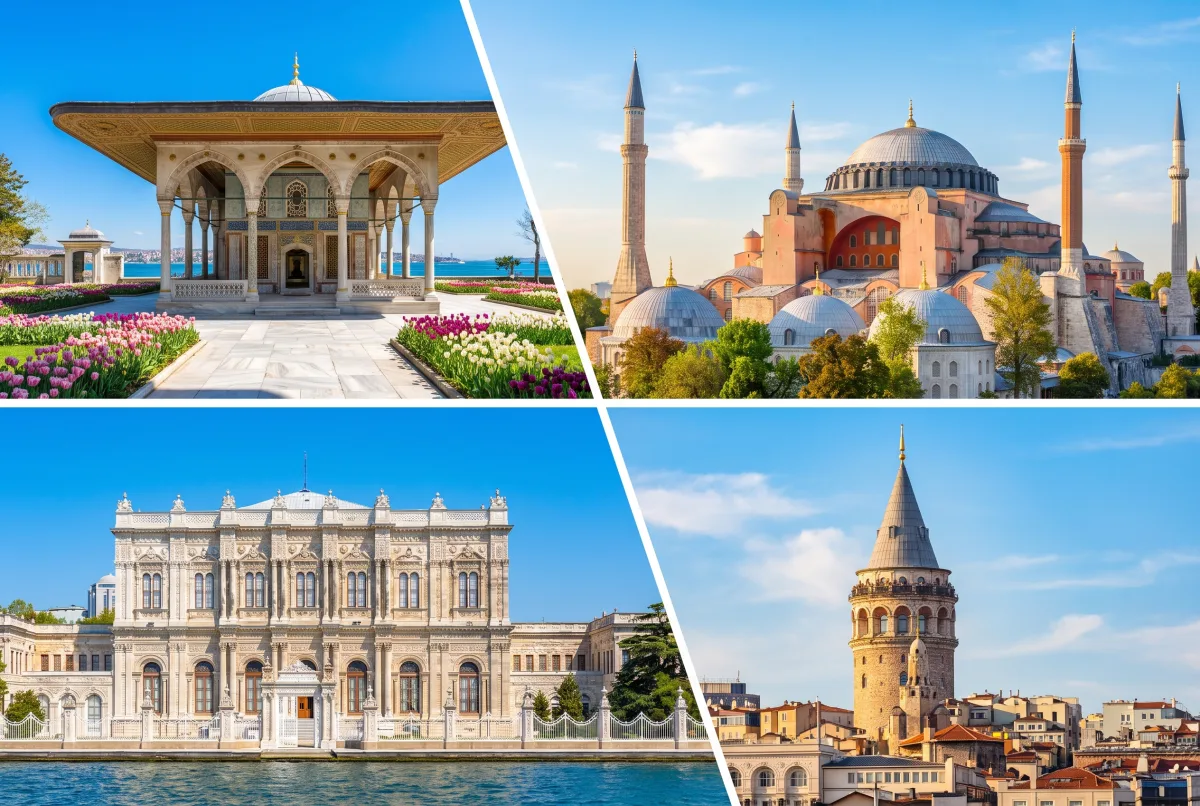
If you are comparing imperial sites, Dolmabahçe feels very different from Topkapı Palace. Topkapı spreads out through courts and pavilions. Dolmabahçe concentrates authority into grand interiors and formal axial rooms.
Best Rooms and Details to Notice
If your time is limited, prioritize these spaces and details:
- Crystal Staircase for the palace's best single interior composition.
- Ceremonial Hall for scale, vertical drama, and the most famous chandelier setting.
- Mabeyn state rooms for formal reception spaces and diplomatic atmosphere.
- Harem for the shift into more private, inward rooms.
- Ceilings, Hereke carpets, clocks, mirrors, and chandeliers for the decorative logic that ties the visit together.
A simple way to look is this: pause at the threshold of each room, register the scale, then pick one ceiling, one light source, and one carpet or furnishing group. That method works better than trying to memorize names as you move.
For a broader visit-planning overview, start with our main guide to Dolmabahçe Palace.
How the Palace Plan Shapes Your Visit
The plan matters because the palace had two jobs at once. It had to present the empire's official face and protect its private household life. That split explains almost every major interior.
Mabeyn, Muayede, and Harem in Plain English
Mabeyn is the state and administrative section, where official business and formal receptions took place. Muayede Hall is another name for the Ceremonial Hall, the grand central hall used for major state occasions. Harem is the private residential section for the sultan's family and close household.
Once you know those three terms, the building becomes easier to read. The Mabeyn is formal and diplomatic. The Muayede Hall is concentrated display. The Harem is more private, though still richly decorated.
Do not expect the Harem to feel plain. The difference is tone, not quality. Public rooms aim to overwhelm. Private rooms settle into a steadier rhythm.
This split also helps with planning. If your time is short, prioritize the state rooms and Ceremonial Hall. If you have longer, add the Harem to understand how the palace balanced representation with daily life.
The Crystal Staircase
The Crystal Staircase is the interior image many people carry home. It curves with unusual softness for such a formal palace. Rather than relying on brute scale alone, it uses light, reflection, and symmetry to create authority.
Stand back if the route allows it. whether visitors can currently pause for extended viewing or photos at the Crystal Staircase The effect depends on distance. Up close, you notice rail details and surface sparkle. From a few steps away, the whole composition locks together.
Bohemian crystal is luxury cut glass from Central Europe, widely prized in elite 19th-century interiors. At Dolmabahçe, crystal is not decoration alone. It catches daylight, softens edges, and turns movement into performance.
The staircase also shows that the palace was built in conversation with European court taste without feeling like a simple copy of Paris or Vienna. Ottoman court culture shapes how the spectacle is staged and where it leads.
Watch what the stair hall does to your pace. The lines pull your eyes upward, then sideways, then back to the center. That is architectural choreography before you reach the larger ceremonial spaces.
Chandeliers, Clocks, Carpets, and Ceilings
If the staircase provides the image, the furnishings provide the texture. Look up first. Ceiling paintings and gilded frames often organize the room before the furniture does. Then scan the walls, where mirrors, curtains, and clock cases repeat forms and reflect light.
Hereke is the Ottoman weaving center associated with high-end imperial carpets and textiles. Carpets do heavy visual work in the palace. They absorb sound, anchor the furniture, and calm the glitter above.
Clocks deserve more attention than they usually get. They reveal taste, gift culture, and the value placed on courtly order and display. [STAT: number of notable clocks or clocks displayed inside Dolmabahçe Palace, if officially stated]
Material variety is part of the pleasure here. Marble cools the lower parts of a room. Textiles soften the middle. Crystal and gilt animate the upper register. Each room is layered vertically as well as horizontally.
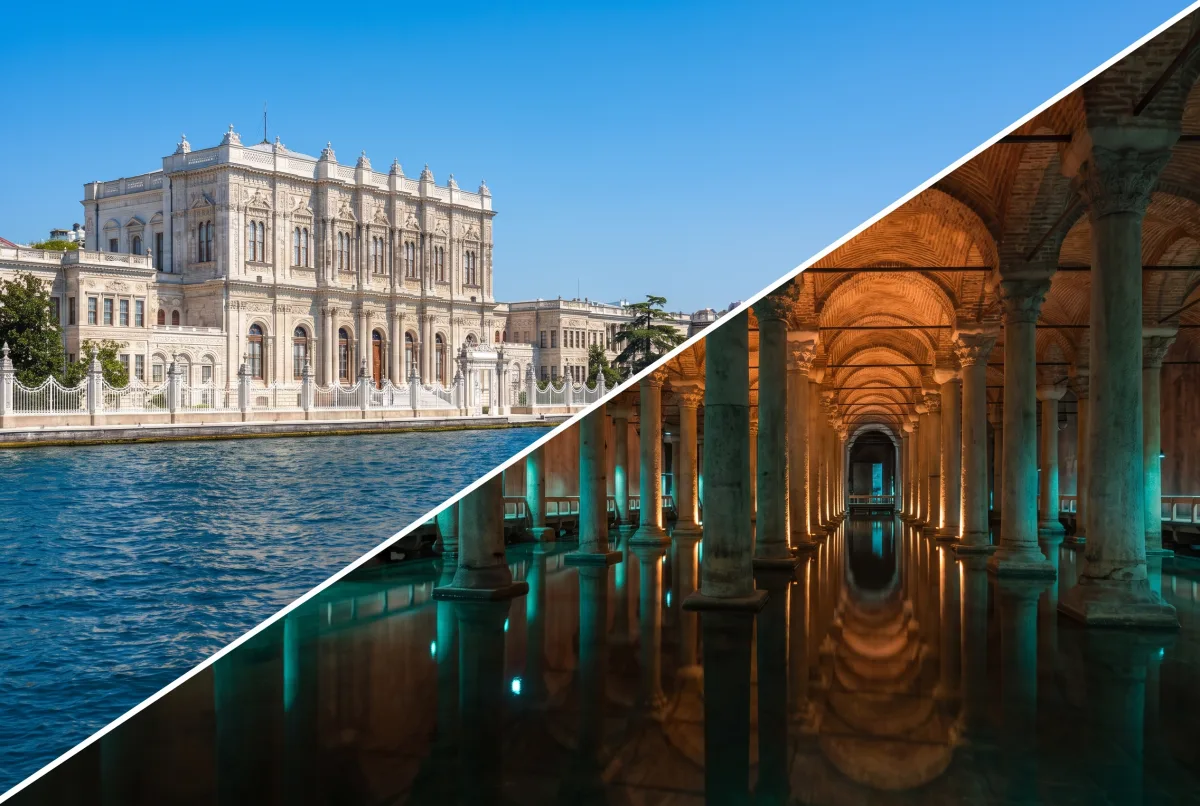
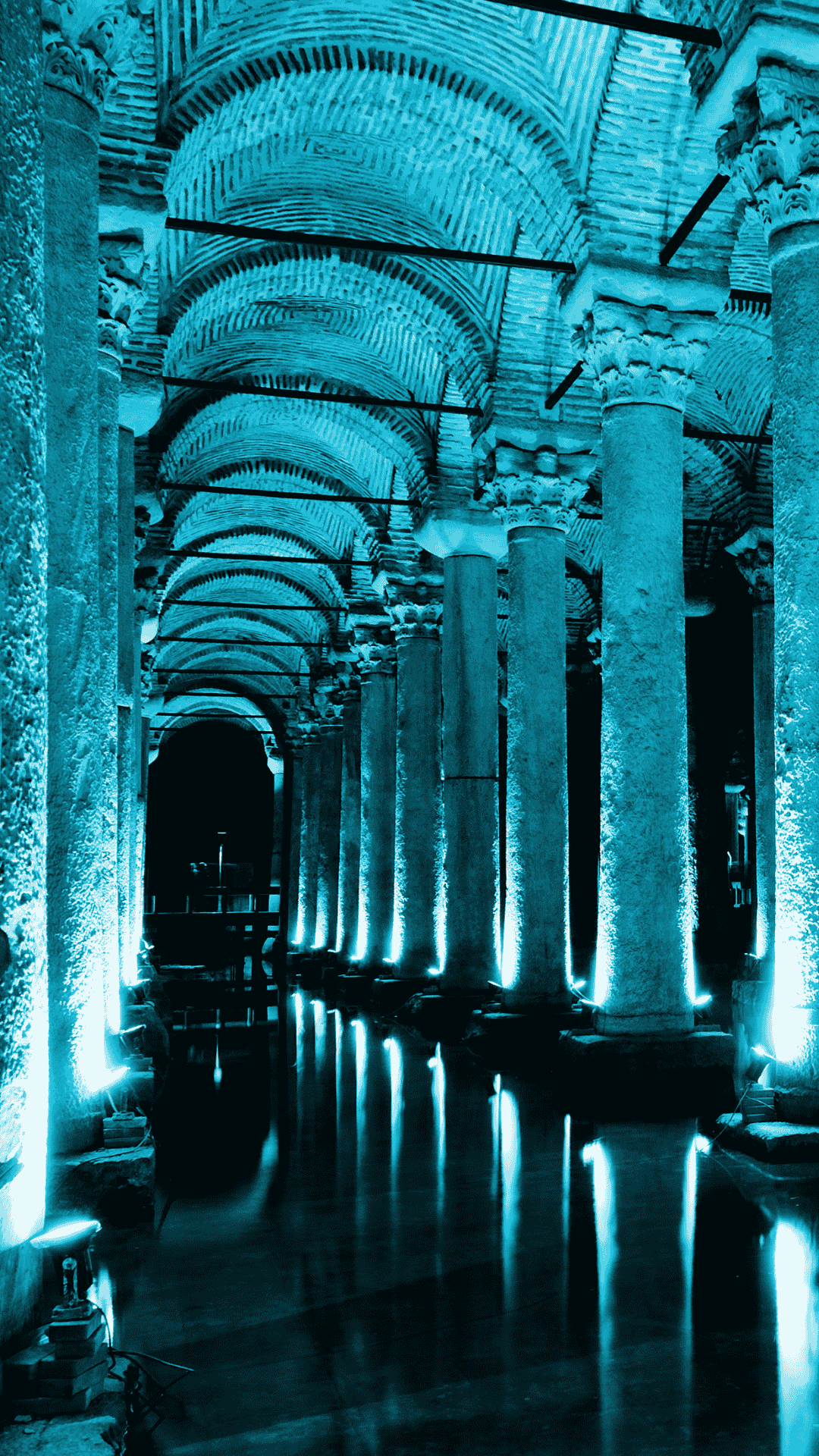
If you enjoy decorative arts and dramatic interiors, Dolmabahçe makes an interesting contrast with the Basilica Cistern. One builds grandeur through light, textile richness, and ceremony. The other relies on columns, shadow, and echo.
The Ceremonial Hall
The Ceremonial Hall is the room that most fully explains the palace's purpose. It is less about comfort than controlled astonishment. You enter, and normal room proportions stop being useful.
Abdülmecid I is the Ottoman sultan who commissioned Dolmabahçe Palace in the mid-19th century as a new imperial seat. The Ceremonial Hall reflects that ambition by presenting the empire as modern, wealthy, and fluent in European court language.
This is where people often start whispering. The strongest effect, though, is distance. The room pushes important figures apart, then reconnects them through staging, lighting, and central focus.
Many visitors ask about the hall's great chandelier. Use caution with hard numbers unless you have an official source. [STAT: official weight and provenance details of the main chandelier in the Ceremonial Hall] The object is famous, but the room around it matters just as much.
Notice the vertical rhythm. Windows, columns, drapery, and hanging light all pull upward. Then the carpet and seating establish order below. The room feels both airy and tightly controlled.
The best way to read the space is to pause at the threshold. Let the scale land first. Then choose one axis, one light source, and one color relationship to study.
What the Harem Interiors Feel Like
The Harem section is the emotional counterweight to the state rooms. Expect a change in pace. Corridors and chambers feel more enclosed, color can feel warmer, and decoration speaks in a lower voice.
This is where many visitors correct a false assumption. Private does not mean simple. It means more inward. The spaces still display refinement, but they do not need to project empire to foreign envoys in the same way.
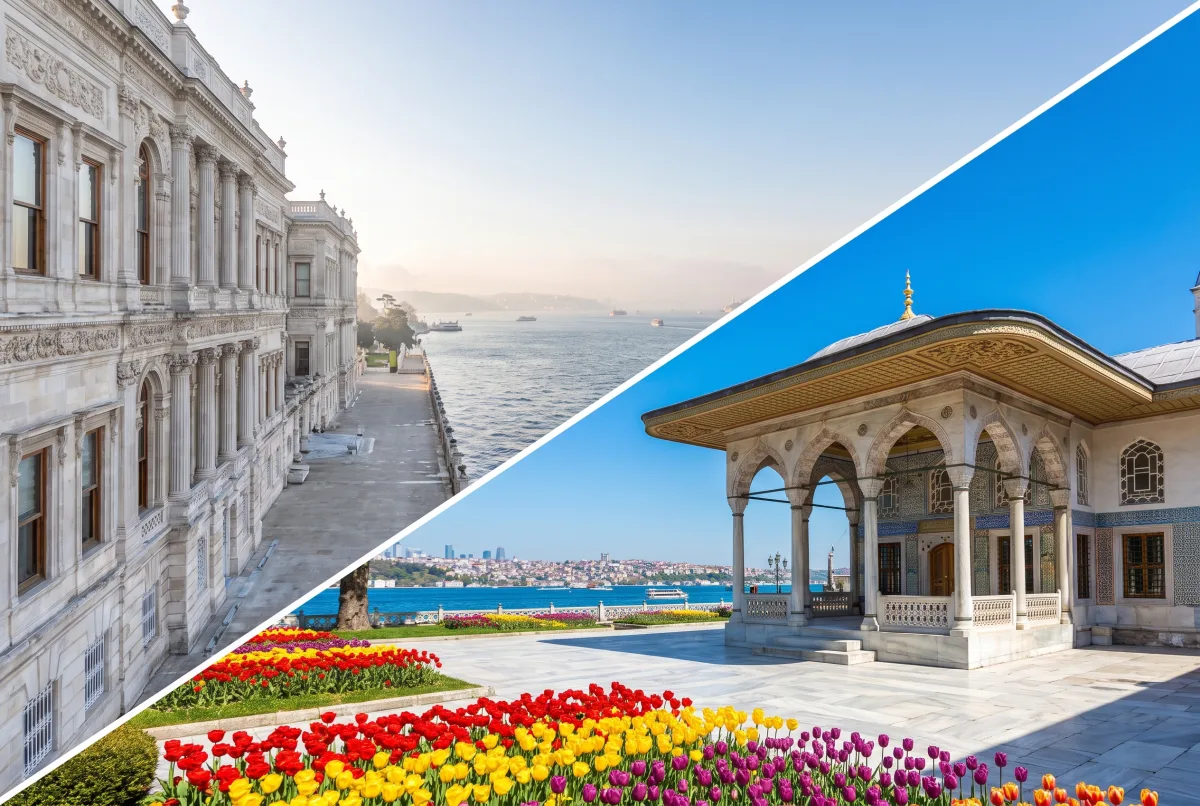
If you have already seen Çırağan Palace from outside or from the water, Dolmabahçe's Harem helps you understand the courtly world behind that Bosphorus façade culture. Rooms here can feel lived through rather than purely staged.
The Harem also helps balance the visit emotionally. After the formal sequence of reception rooms and the scale of the Ceremonial Hall, these interiors bring the palace back to human scale. You are still seeing luxury, but luxury organized around household life, routine, and rank within the family sphere.
Check current access rules before building your route. Official visitor rules, ticket combinations, and guided-visit formats can change over time, so verify them with the palace's official channels before you go. current Harem ticketing, combined entry options, and guided-visit rules at Dolmabahçe Palace
Practical Tips Before You Go Inside
First, verify opening days and entry procedure through official palace or national palace museum sources before your visit. current Dolmabahçe Palace opening days, hours, and last admission time Schedules can shift around holidays, restoration work, or state use.
Second, expect security and managed visitor flow. current security screening and visitor flow rules for Dolmabahçe Palace interiors That can affect how long you wait outside before reaching the main rooms.
Third, check current photography rules in the official visitor guidance. current photography and phone-use policy inside Dolmabahçe Palace Some interiors may limit what you can do, and rules can differ by section.
Fourth, wear shoes that are comfortable for slow walking and standing. The visit is not physically demanding, but it includes plenty of pacing, pausing, and room-to-room movement.
Fifth, avoid overpacking the same part of the day. Dolmabahçe works best when you pair it with one nearby stop rather than several more dense museums in a row.
If you want a water-level reset afterward, book a Bosphorus cruise. The palace makes special sense from the sea, where its long façade reads as part of an imperial shoreline.
For neighborhood planning, it also fits well into a wider Beşiktaş guide or an Istanbul itinerary that mixes major sights with lighter waterfront time.
Pair Dolmabahçe With Nearby Sights
Dolmabahçe sits in a part of the city that rewards contrast. After heavy ornament indoors, step outside and clear your eye.
Beşiktaş is the central waterfront district around the palace, known for ferry traffic, everyday food spots, and busy local streets. It gives you the opposite of court ceremony and helps the palace feel more grounded in the city around it.
Good nearby pairings include:
- Istanbul Modern if you want a shift from imperial display to modern art.
- Ortaköy Mosque if you want a lighter Bosphorus-side stop with a very different architectural rhythm.
- A Bosphorus cruise if you want to see the shoreline context that made palaces like this so important.
- A wider day in Beşiktaş if you want cafés, ferries, and a more local pace after the palace.
If your trip also includes major Ottoman landmarks, compare Dolmabahçe with Topkapı Palace for an earlier imperial model, or add the Blue Mosque for a different kind of grandeur built around worship rather than court protocol.
Quick Takeaway
If you only remember a few things from inside Dolmabahçe Palace, make them these: the Crystal Staircase for elegance, the Ceremonial Hall for scale, the Mabeyn for state power, the Harem for privacy, and the decorative details for atmosphere. That sequence explains why the palace stays with visitors long after the room names fade.