
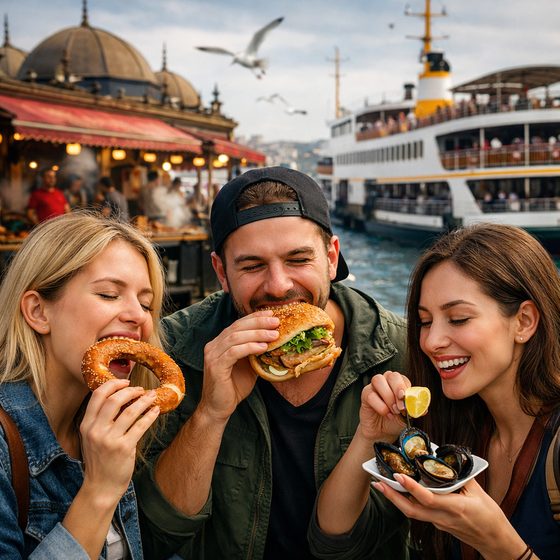
Simit is a sesame-crusted ring bread sold across the city. Balık ekmek is a grilled fish sandwich best eaten near the waterfront. Midye dolma is a stuffed mussel filled with spiced rice and finished with lemon.
This guide gives you the must-try bites, where each one makes the most sense, and how to fit them into a real sightseeing day without zigzagging across town.
Best Istanbul street food at a glance
If you only try five things, make them simit, balık ekmek, midye dolma, kumpir, and ıslak hamburger.
For a first-timer:
- Go to Eminönü for balık ekmek, simit, rice dishes, corn, and chestnuts near major sights.
- Go to Kadıköy for the broadest evening range, especially midye dolma, lahmacun, tantuni, and börek.
- Go to Beşiktaş/Ortaköy for quick local eating and classic kumpir by the Bosphorus.
- Go to Taksim/Beyoğlu for ıslak hamburger, kokoreç, and late-night food.
Key Takeaways

- Start with simit, balık ekmek, and midye dolma if you only have one day.
- Eminönü, Kadıköy, and Beşiktaş give you the strongest first-time street-food runs.
- Eat fish by the waterfront, stuffed mussels from busy evening vendors, and kumpir in Ortaköy.
- Broader Turkish fast foods like dürüm and lahmacun belong on an Istanbul list because the city is where many travelers actually encounter them as quick, neighborhood-to-neighborhood street meals.
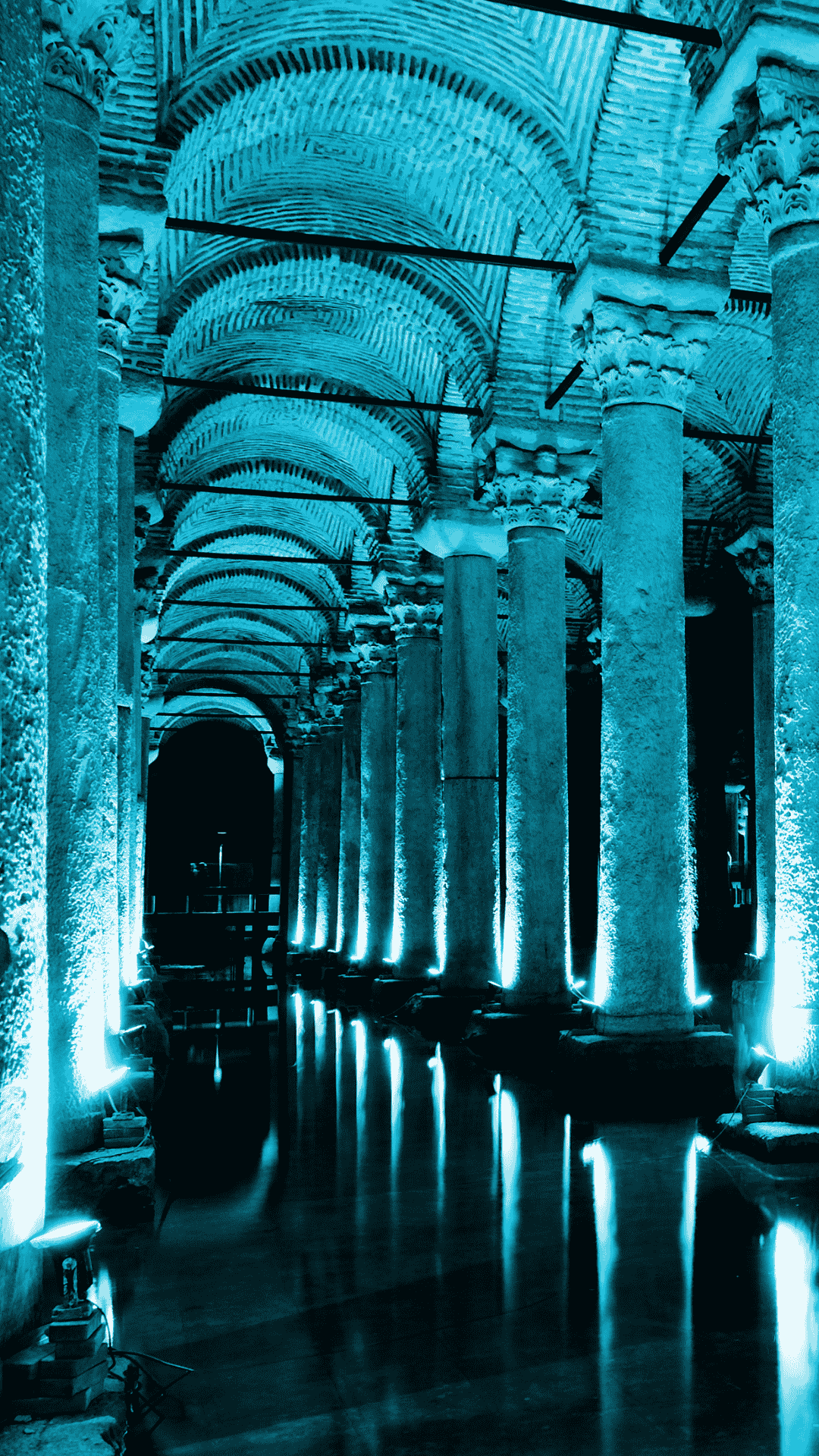
- Pair snack stops with nearby sights like the Basilica Cistern or a Bosphorus cruise.
- Bring cash and small notes. Many stands now accept cards, but not all do card acceptance by district and vendor type.
15 things to eat on the go in Istanbul
1) Simit
Simit is a circular bread coated in sesame seeds, sold from carts, bakeries, and ferry-adjacent stands. It is the easiest first bite in the city.
Look for one that feels light yet crisp, not dry or stale. Fresh simit has a crackly shell and a gentle chew inside.
You will find it almost everywhere, but ferry piers and commuter zones make the most sense. Grab one before crossing from Eminönü to Kadıköy.
2) Balık ekmek
Balık ekmek is a grilled fish sandwich, usually served in bread with onion, greens, and lemon. The classic setting is near the water in Eminönü.
This is one of the iconic local bites, and location matters. Eat it by the waterfront, not hours later. The best version is often the one you eat standing up before the bread softens.
3) Midye dolma
Midye dolma is a stuffed mussel filled with spiced rice and finished with a squeeze of lemon. It is one of Istanbul's classic evening snacks.
Buy from busy vendors with fast turnover. That rule matters more than a famous name. Start with three and see if you want more.
4) Kokoreç
Kokoreç is seasoned lamb intestines, chopped and grilled, then packed into bread or a roll. It is rich, peppery, and best for confident eaters.
The texture should be crisp at the edges and juicy inside. Ask for mild or spicy if the vendor offers the choice common order terms used at current kokoreç stalls.
5) Dürüm
Dürüm is a wrap filled with grilled meat, offal, or kebab-style fillings and rolled for eating on the move.
It is not unique to Istanbul, but it belongs here because the city's pace makes dürüm one of the most useful real-life meals between ferries, museums, and late-night walks. In districts like Beyoğlu, Karaköy, and Kadıköy, it is part of everyday fast eating, not just a generic Turkish option.
Choose a shop with active grills and visible turnover. A simple chicken or Adana-style dürüm can rescue a sightseeing day fast.
6) Lahmacun
Lahmacun is a thin flatbread topped with minced meat, herbs, and spices, then baked quickly at high heat. It is often rolled with parsley and lemon.
Like dürüm, it is broader than Istanbul alone, but the city has many takeaway-friendly places where locals eat it as a quick street meal before moving on. One may feel light. Two is usually right.
7) Tantuni
Tantuni is a southern Turkish wrap of chopped beef or chicken cooked with spices and tucked into thin bread. It is lively, oily, and excellent later in the day.
It is not as universal as simit, yet it shows up in busy districts with younger crowds. Kadıköy and Beyoğlu are good places to watch for it.
8) Kumpir
Kumpir is a baked potato mashed with butter and cheese, then loaded with salads, pickles, corn, sausage, and more. It is the signature street bite of Ortaköy.
This is not small. Share one if you plan to keep eating. The appeal is choosing toppings and watching the vendor fold everything into a soft, hot base.
9) Islak hamburger
Islak hamburger is a small steamed hamburger, famous for its soft bun and garlicky tomato sauce. It is linked most strongly with Taksim.
People usually eat it as a late-night snack, not a full lunch.
10) Börek
Börek is layered pastry filled with cheese, potato, spinach, or minced meat. It sits between bakery food and street food, and locals do not worry much about the distinction.
A square of hot börek with tea can replace breakfast. It also travels well if you are heading to the Blue Mosque.
11) Pilav üstü nohut
Pilav üstü nohut is rice topped with chickpeas, often sold from carts and simple counters.
It sounds plain, but a good version is buttery, peppery, and filling. This is the meat-free baseline rice dish; if you add chicken, it starts to overlap with tavuklu pilav common add-on options by current vendors.
12) Roasted chestnuts
Roasted chestnuts are winter-friendly street snacks sold from braziers on busy sidewalks.
They are warm, earthy, and easy to carry. Seasonal availability changes typical roasted chestnut season in Istanbul.
13) Corn on the cob
Corn on the cob is sold boiled or grilled from carts near squares, parks, and waterfronts. It is a simple filler between heavier bites.
Choose grilled if you want smoke and char. Choose boiled if you want soft sweetness.
14) Tavuklu pilav
Tavuklu pilav is rice with shredded or chopped chicken, usually sold as a quick comfort meal.
It overlaps with pilav üstü nohut when vendors offer chickpeas and chicken together, so think of this as the chicken-led version. If pilav üstü nohut is the simple cart classic, tavuklu pilav is the more protein-heavy comfort stop after a long museum day.
15) Lokma
Lokma is bite-size fried dough coated in syrup and sometimes served plain, cinnamon-dusted, or topped in modern styles.
Freshness matters here. Eat it hot, soon after frying. If it sits too long, the texture fades fast.
Where each snack makes the most sense by district

Quick-reference district matrix
| District | Best first bites | Best time | Why it works |
|---|---|---|---|
| Eminönü / Sirkeci | Balık ekmek, simit, pilav üstü nohut, tavuklu pilav, corn, chestnuts | Late morning to afternoon | Close to piers, markets, and major historic sights |
| Karaköy / Galata | Börek, dürüm, lahmacun, modern lokma | Morning to evening | Easy ferry access and walkable links to Galata |
| Taksim / Beyoğlu | Islak hamburger, kokoreç, dürüm, tantuni | Evening to late night | Dense nightlife and lots of quick takeaway food |
| Beşiktaş / Ortaköy | Kumpir, börek, simit | Afternoon to evening | Strong local food rhythm plus Bosphorus views |
| Kadıköy / Moda | Midye dolma, lahmacun, tantuni, börek, kokoreç | Afternoon to late night | Best overall range for a focused food crawl |
Eminönü and Sirkeci
Eminönü is the historic transport hub by the Golden Horn, known for piers, markets, and quick food near major sights. Come here for balık ekmek, simit, corn, chestnuts, and rice dishes.
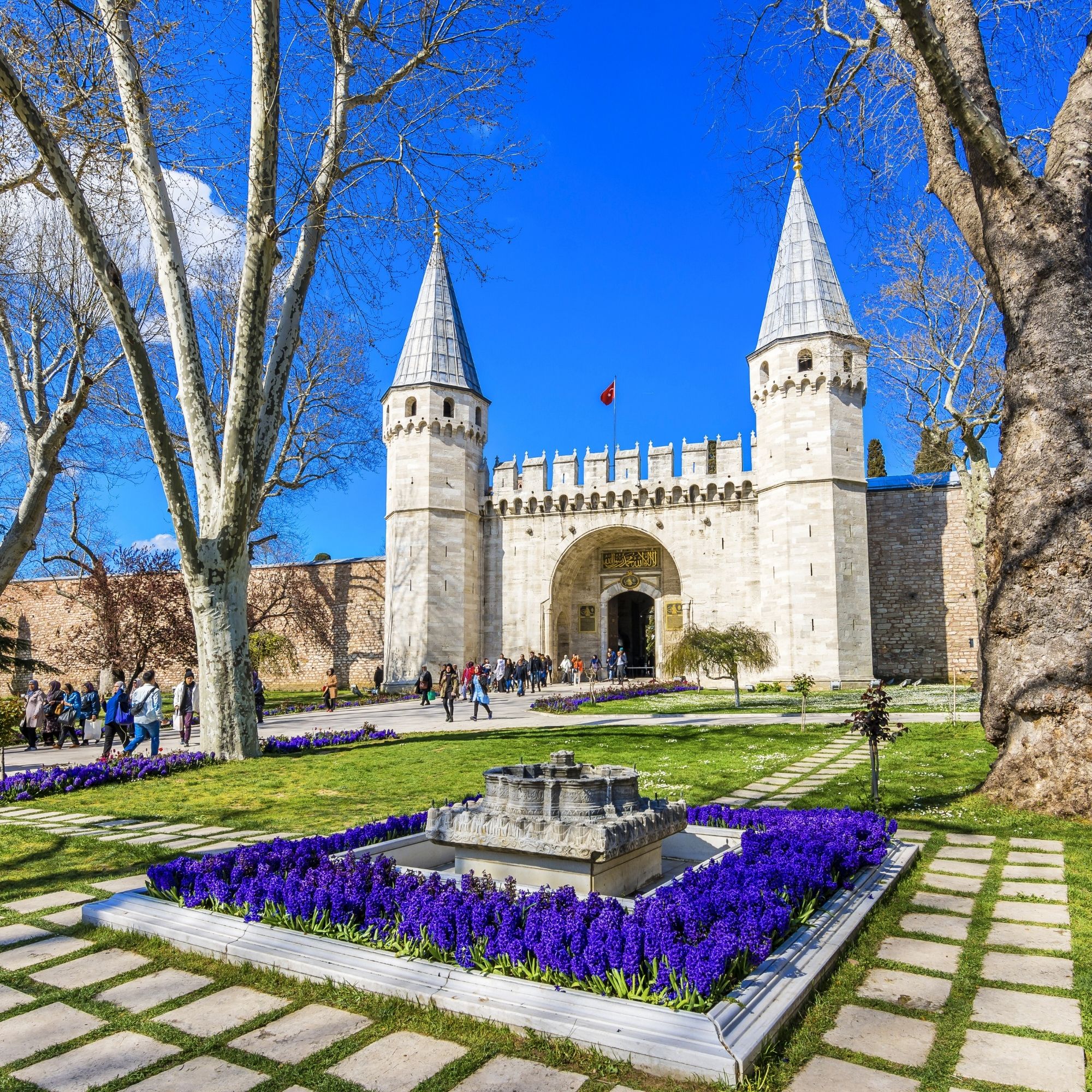
This area fits a sightseeing loop with the Egyptian Bazaar, Basilica Cistern, and Topkapi Palace. It also works before or after a Bosphorus cruise.
Karaköy and Galata
Karaköy is the waterfront district across from Eminönü, known for ferries, cafes, and walkable links uphill to Galata. Here, bakery snacks, dürüm, and modern takes on classic street food often appear side by side.
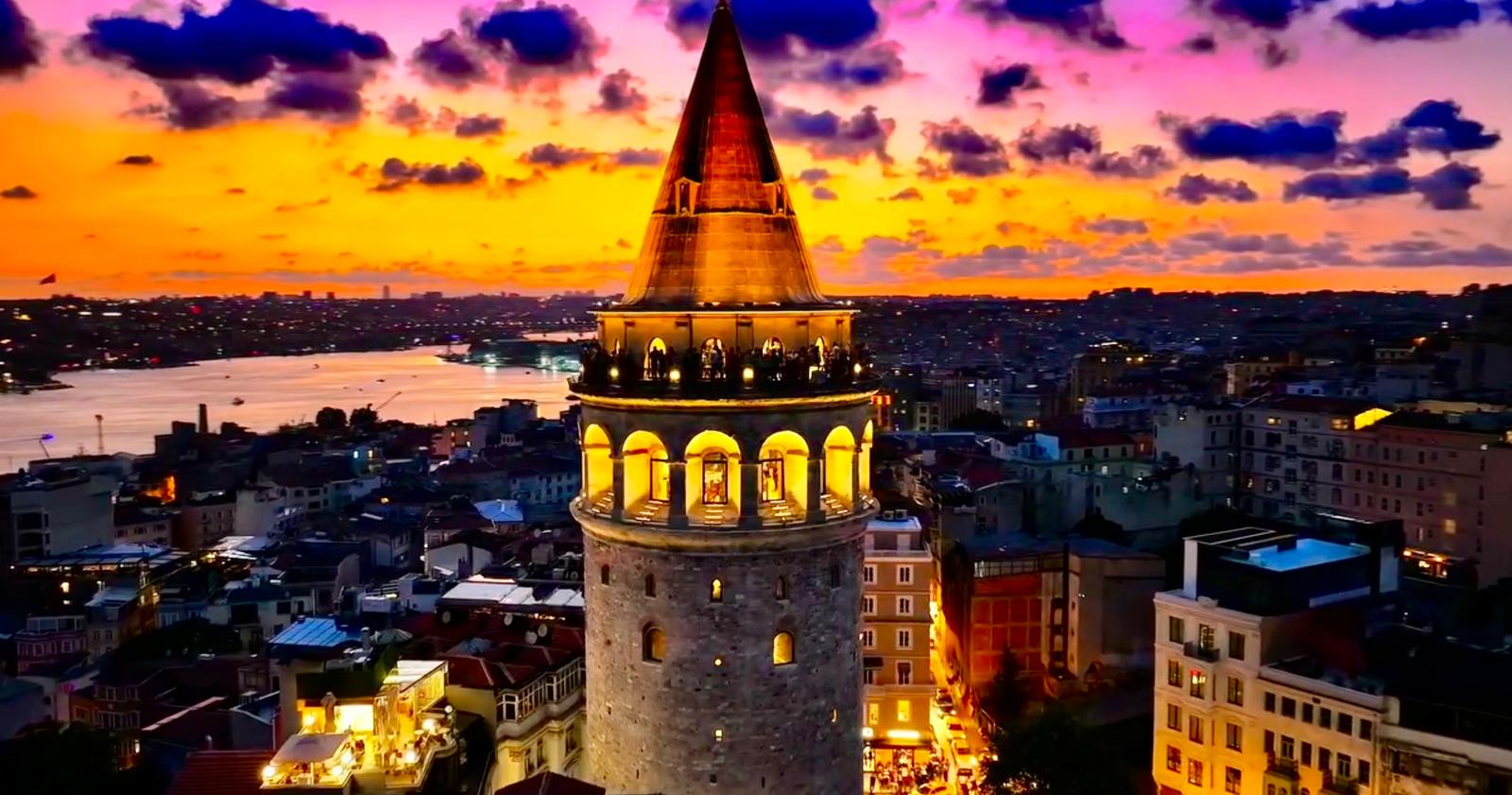
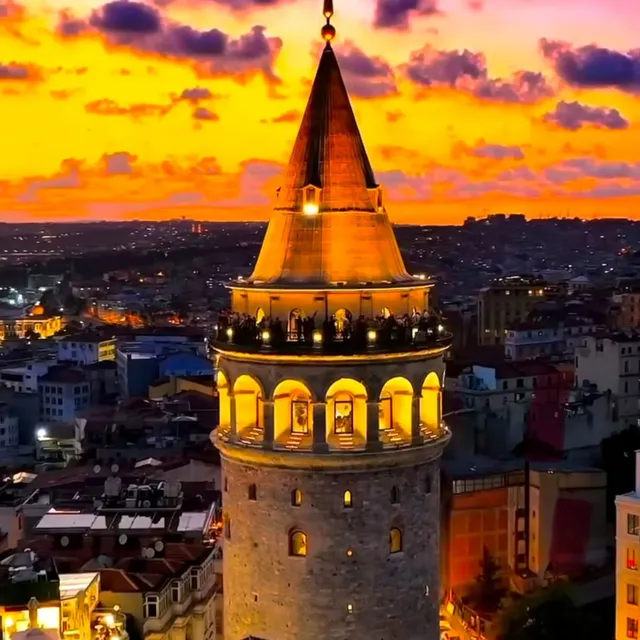
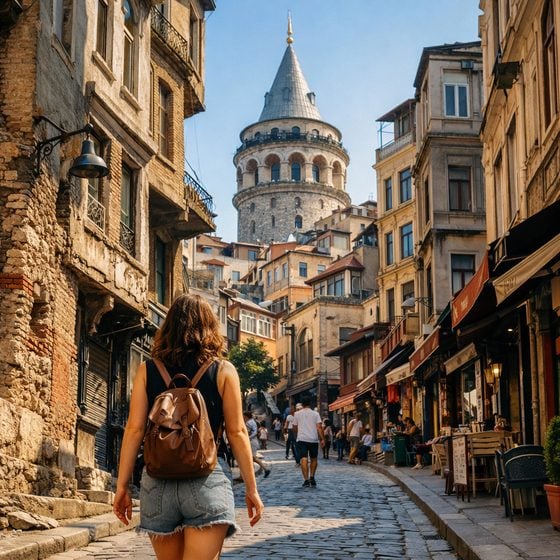
You can snack here, then walk toward Galata Tower. Karaköy is useful when you want quick food without giving up coffee or dessert options.
Taksim and Beyoğlu
Taksim is the modern square and transport node at the top of İstiklal Avenue. Beyoğlu is the wider central district around it, packed with nightlife and late hours.
Come here for ıslak hamburger, kokoreç, dürüm, and late-night bites. It is the district to keep in reserve for later in the day.
Beşiktaş and Ortaköy
Beşiktaş is a busy local district with ferry traffic, student energy, and constant quick eating. Ortaköy is the Bosphorus-side area known for kumpir and waterside views.
If you want one easy pairing, walk the Ortaköy waterfront, eat kumpir, then book a Bosphorus cruise.
Kadıköy and Moda
Kadıköy is the food-focused district on the Asian side, full of markets, bars, and casual counters. Moda is its calmer, seaside extension.
This is one of the best zones for midye dolma, tantuni, börek, lahmacun, and general evening snacking. If you have one open evening, spend it here.
How to eat well without wasting a day
Start by grouping foods by time and place. Simit and börek belong to the morning. Balık ekmek fits lunch near the water. Midye dolma, kokoreç, and ıslak hamburger make more sense later.
Do not cross the city for every item. Build two or three strong food windows into your route: one by a ferry pier, one in a market district, and one at night.
Watch turnover. Busy stands usually mean fresher food. Look at the bread, the grill, the lemon wedges, and the way vendors handle orders.
Carry tissues. Keep small cash. Drink water between salty snacks.
Smart pairings with tours and attractions
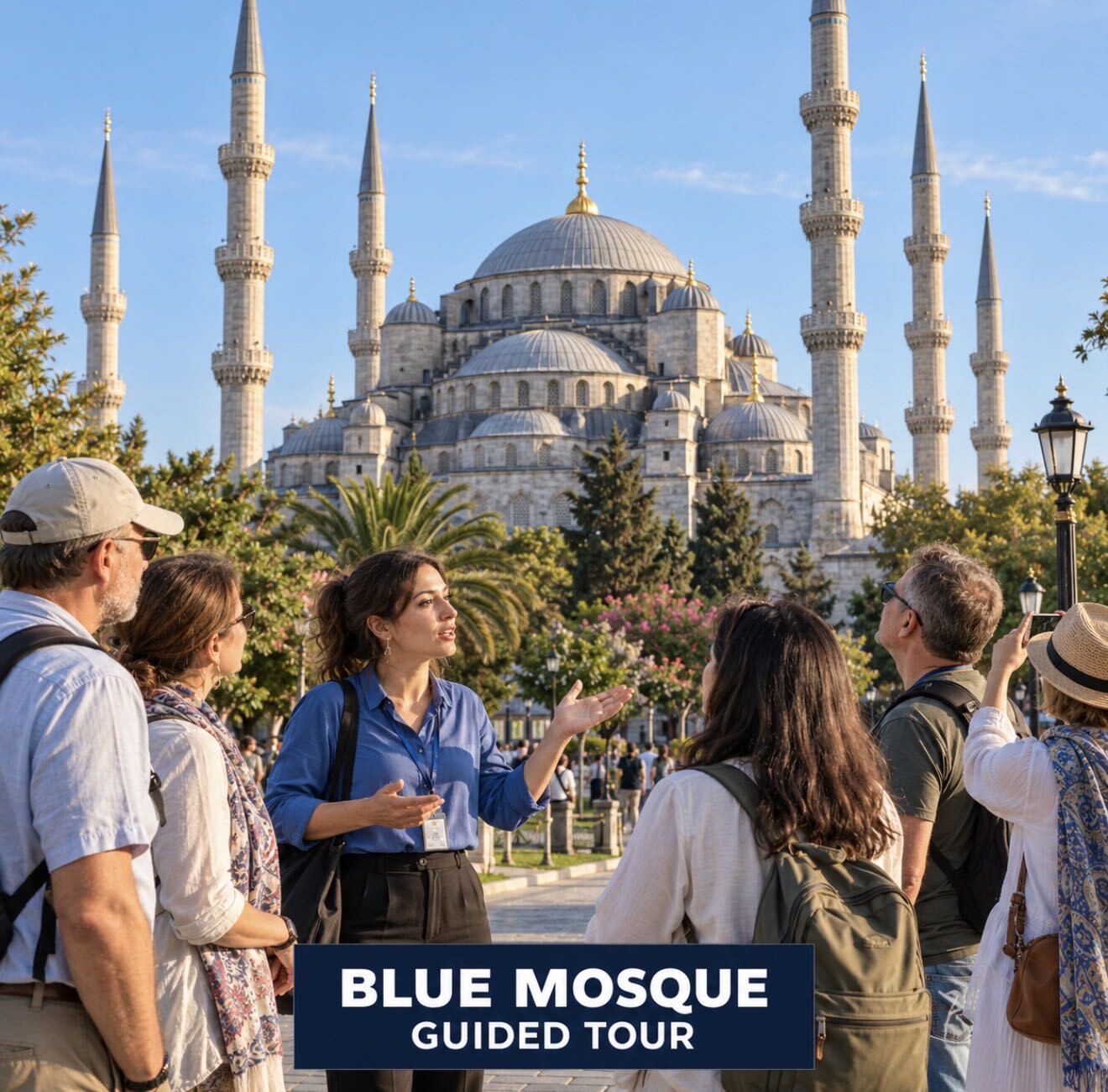
A food-heavy day works best when paired with walks, ferries, and one major attraction. You can start in Sultanahmet, visit the Blue Mosque, then head downhill for Eminönü snacks.
Another strong route starts with the Basilica Cistern, continues through Sirkeci, then crosses by ferry to Kadıköy for an evening eating session. That gives you history first and better hunger later.
If your schedule is tight, consider a guided food experience current istanbul.com food-tour product URLs and names. A good tour reduces guesswork, explains what you are eating, and saves transit time.
A Bosphorus pairing also works well. Eat kumpir in Ortaköy or fish near Eminönü, then book a Bosphorus cruise. If you want less planning and more explanation, combine the cruise with a guided food experience current istanbul.com food-tour product URLs and names.
Final tips before you order
Ask what is freshest. Point if needed. Smile. Street food in Istanbul is quick, but it is rarely rushed.
Be realistic about quantity. Fifteen foods is a guide, not a challenge. Share items when possible.
If you have dietary restrictions, choose simpler stands where ingredients are visible. Vegetarian options are easier with simit, some börek, corn, chestnuts, pilav üstü nohut, and some kumpir builds.
Seafood and offal need extra caution if you are unsure of your tolerance. Midye dolma, balık ekmek, and kokoreç are best from busy vendors with clear turnover.
And trust context. A snack eaten in the right place usually beats a famous one eaten at the wrong time.
FAQ
Is street food in Istanbul safe to eat?
Usually, yes, if you choose busy vendors with high turnover and food that looks actively served. Seafood and shellfish need extra care, so buy from places that are clearly popular.
Should I be careful with shellfish or offal?
Yes. Shellfish is seafood with shells, including mussels used in midye dolma. Offal is organ or internal-animal meat, including intestines used in kokoreç. If you have allergies, a sensitive stomach, or no experience with either, start cautiously or skip them.
What are the best neighborhoods for Istanbul street food?
Eminönü is the easiest first stop for classic snacks near major sights. Kadıköy is the best all-round neighborhood for range, especially in the evening. Beşiktaş and Ortaköy are strong for easy local eating and kumpir.
What is the best one-day street food strategy?
Start with simit or börek in the morning, do balık ekmek around Eminönü at lunch, then cross to Kadıköy for midye dolma, lahmacun, tantuni, or kokoreç later on. Keep it to four or five bites, not all fifteen.
Do street food vendors in Istanbul take cash or cards?
Some do, many still prefer cash, and the answer varies by district and vendor type card acceptance by district and vendor type. Carry small notes even if you expect to pay by card.
Is Istanbul street food expensive?
In general, street food remains one of the most budget-friendly ways to eat in the city.
Can I do a self-guided street food route?
Yes. Start in Eminönü or Kadıköy, focus on four or five bites, and move on foot. If you want more context, a food tour can help current istanbul.com food-tour product URLs and names.