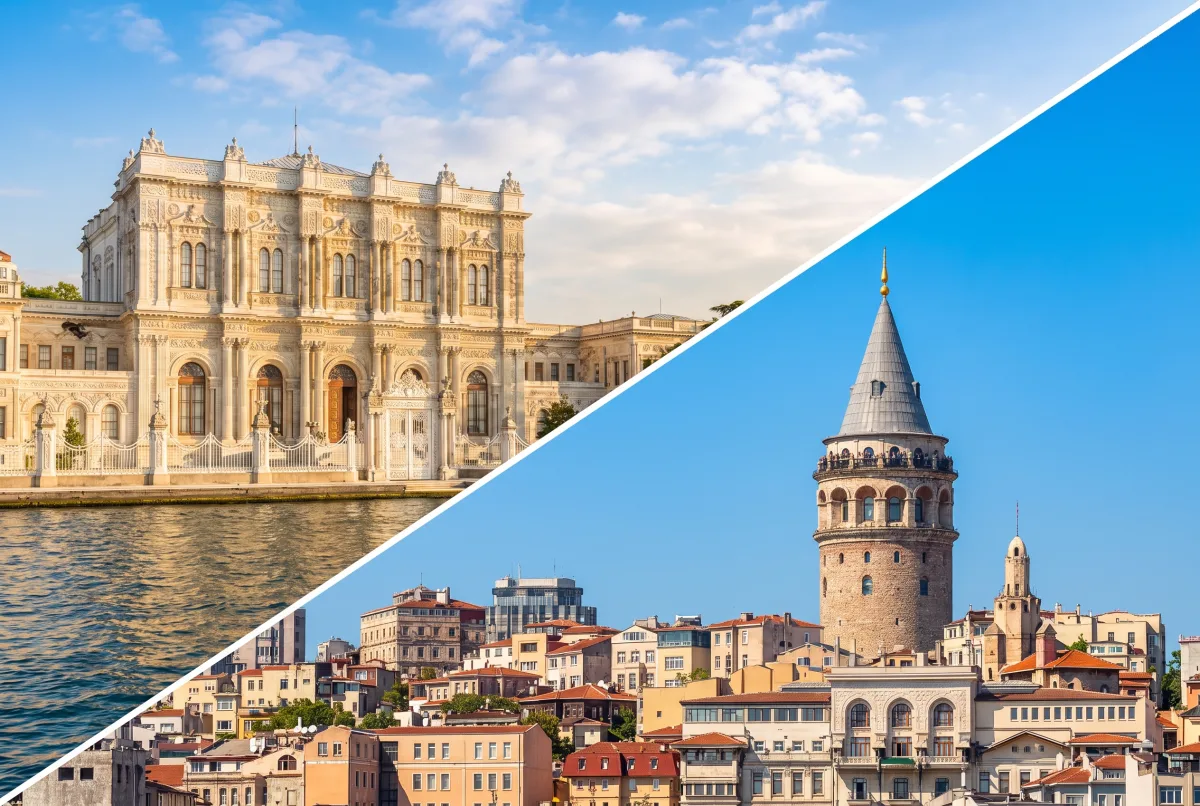
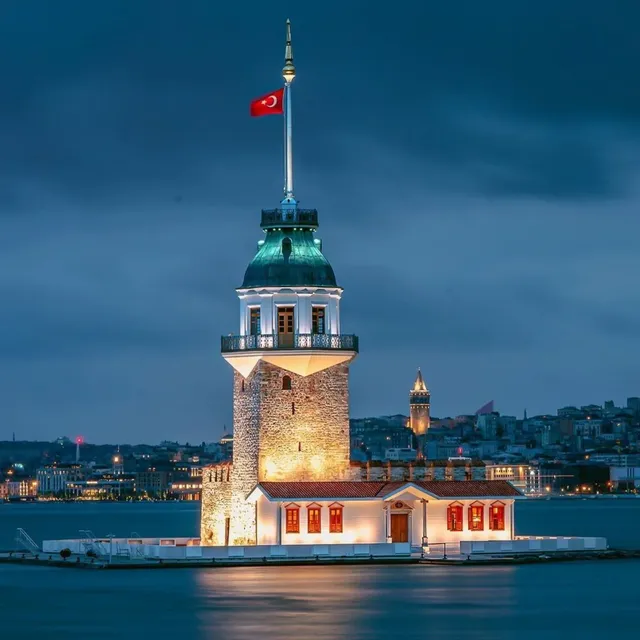
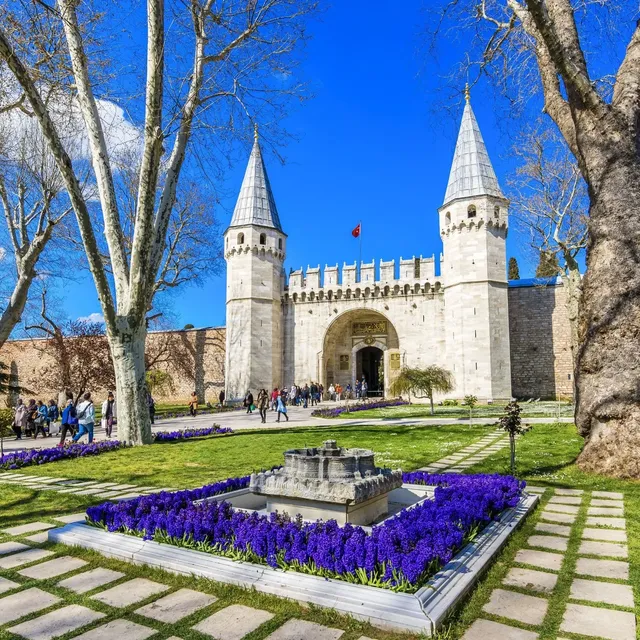
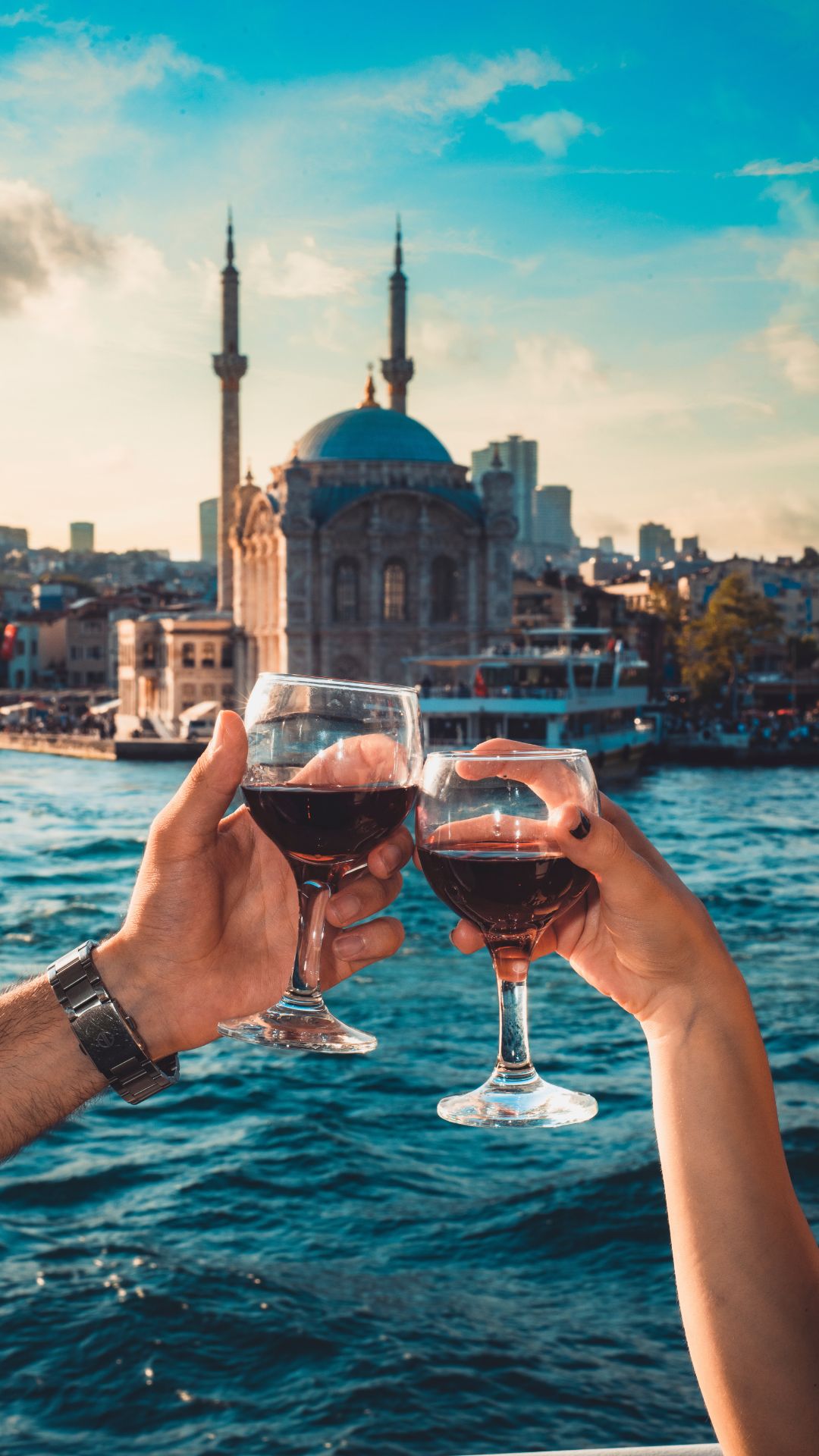
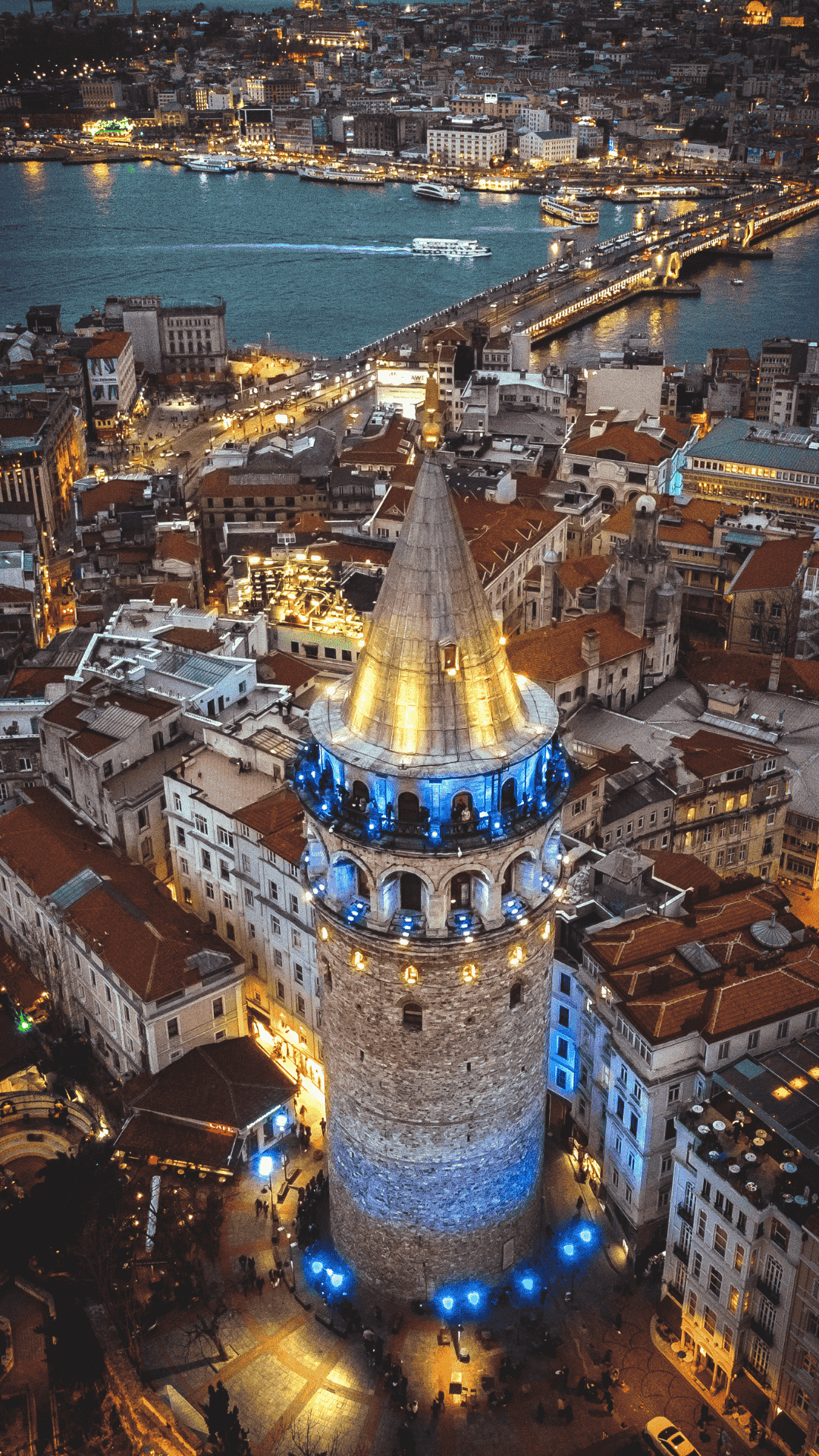
Istanbul has always been a city of empires, silhouettes, ferry horns, and layered history. But there is another version of the city that modern travelers often come looking for now: the one built around independent coffee counters, concept stores, contemporary art spaces, neighborhood bakeries, late-working laptops, natural wine bars, and rooftops where the Bosphorus becomes part of the atmosphere rather than just the view. This is that Istanbul.
If you are planning a trip around creative energy rather than checklist tourism, this guide is designed for you. It is not a list of random “cool spots.” It is a practical, local-first way to experience Creative Istanbul through neighborhoods that actually make sense together, with realistic walking times, transport notes, crowd strategy, and honest advice on what is worth your time. Many travelers arrive with a classic things to do in Istanbul list and then realize they also want places where they can linger, work for a few hours, buy something well-made, and understand where the city’s contemporary identity lives.
If we were planning this trip for a friend, we would say this: keep the major landmarks, but do not let them take over your whole stay. Save real time for Karaköy, Galata, Cihangir, Kadıköy, Moda, Bomonti, and parts of Beşiktaş. That is where Istanbul starts to feel personal.
MODERN ISTANBUL Plan your creative city break Neighborhoods, galleries, cafés, and rooftops — the city’s present tense.Quick Overview
| Category | Best Choices | Good to Know | |
|---|---|---|---|
| Best neighborhoods for Creative Istanbul | Karaköy, Galata, Cihangir, Kadıköy, Moda, Bomonti, Beşiktaş | Stay on both sides if you can; European and Asian sides offer different creative energy | |
| Best for café culture | Moda, Cihangir, Karaköy | Weekday mornings are best for laptop-friendly, calmer visits | |
| Best for design stores | Galataport area, Galata, Nişantaşı, Kadıköy side streets | Many shops open later than museums; do not start too early | |
| Best for galleries | Karaköy, Tophane, Dolapdere, Beyoğlu corridor | Check opening days; some independent spaces are closed on Mondays | |
| Best rooftop atmosphere | Beyoğlu side rooftops, Karaköy terraces, select hotels in Galata and Taksim | Sunset reservations help, especially from May to October | |
| Best for digital nomads | Moda, Yeldeğirmeni, Cihangir, Karaköy | Reliable Wi-Fi exists, but ask before assuming laptops are welcome all day | |
| If you have limited time | Choose one day on the European side and one on the Asian side | Trying to cover every creative district in one day is the easiest mistake to make |
Why Creative Istanbul Deserves a Place in Your Trip
- A second layer of the city. The classic side of Istanbul absolutely matters. But Creative Istanbul adds a second layer that helps you understand how people actually live in the city today.
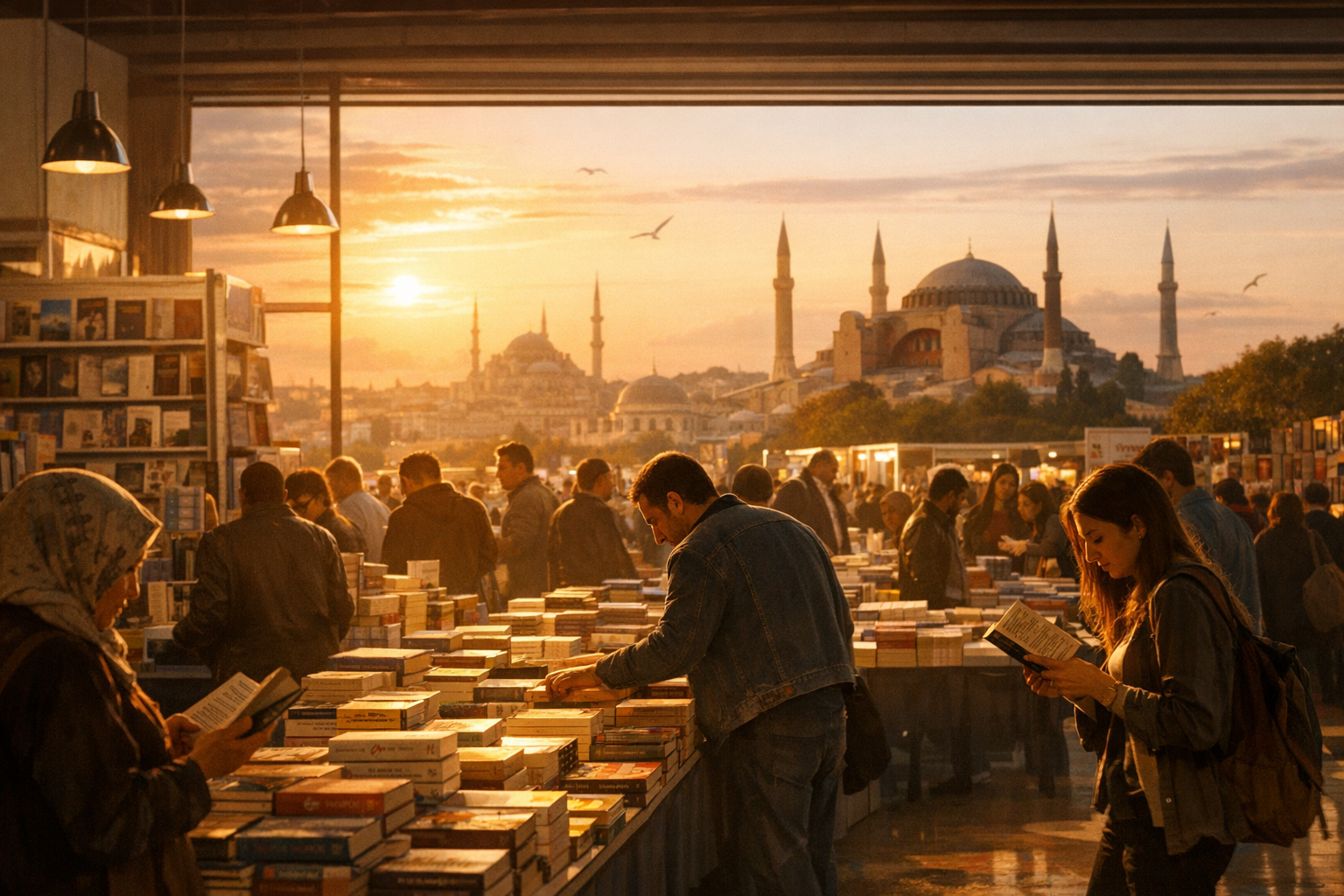
- The rhythm of the day. An espresso in Karaköy before gallery hopping, a walk uphill through Galata’s side streets, an afternoon ferry to Kadıköy, a browse through small bookstores and ceramics shops, then a rooftop drink back on the European side with the mosque silhouettes in the distance.
- Neighborhoods over monuments. Istanbul is not a city that reveals itself through monuments alone. It reveals itself through neighborhoods, transitions, habits, and contrasts. One hour you are in a former bank building turned cultural space; the next you are in a tiny café where everyone knows exactly what they are ordering.
- Who this style suits best. Travelers returning to Istanbul who want more than landmarks, first-timers balancing classic sights with local neighborhoods, digital nomads and remote workers, couples planning a city break with food, design, and atmosphere, and solo travelers who like wandering and independent spaces.
- Who should dial it back. Travelers with only one very short day in Istanbul, visitors focused almost entirely on Ottoman and Byzantine heritage, and families with very young children who need highly structured sightseeing days.
- The trade-off. A creative neighborhood day gives you texture and modern city life, but fewer “headline” monuments. In our experience, the smartest itinerary includes both.
How to Plan a Creative Istanbul Itinerary Without Wasting Time
Istanbul looks compact on a map until traffic, hills, ferries, and neighborhood depth start reshaping your day. Creative districts are best explored in clusters, not as isolated pin drops. Build your trip around zones:
- European creative core: Karaköy, Galata, Cihangir, Tophane, parts of Beşiktaş
- Asian creative core: Kadıköy, Moda, Yeldeğirmeni
- Culture-heavy detours: Bomonti, Dolapdere, Nişantaşı
Trying to combine Sultanahmet, Ortaköy, Moda, Bomonti, and a sunset rooftop in one day usually leads to rushed meals and too much transport. Istanbul rewards depth more than coverage.
Best days of the week: Tuesday to Thursday is the sweet spot for many creative neighborhoods. Mondays can be tricky because some galleries and independent spaces reduce hours or close. Saturdays are lively and stylish but crowded; Sundays are enjoyable in Moda and Cihangir, though some shops open late. Best seasons: April to early June and September to early November give the best combination of walkability, rooftop weather, and ferry-friendly days — and winter is underrated if your focus is cafés, galleries, and interiors.
Where to Stay for a Creative Istanbul Trip
Karaköy
Easy movement toward both classic attractions and modern neighborhoods — usually the best compromise. Possible downside: it can feel busy and polished rather than deeply local.
Best for First-time visitors who want a central base with style, ferry access, and walkable links to Galata.
Galata / Şişhane
Good for couples and photography-focused trips. Possible downside: hills and some nighttime noise.
Best for Atmosphere, boutique hotel character, shopping, and a stronger neighborhood feel.
Cihangir
Great if you value mornings and local rhythm more than immediate monument access. Possible downside: less direct for some attraction routes.
Best for Slower stays, café culture, and a residential feel.
Kadıköy / Moda
The trade-off is more cross-city transport for classic sightseeing days. If your stay starts or ends with a late flight, booking an airport transfer can make a surprisingly big difference, especially in hilly districts with luggage.
Best for Repeat visitors, digital nomads, longer stays, and local life over postcard convenience.
The Creative Istanbul Playbook, District by District
 European side
 Karaköy: The Easiest Place to Start
If there is one neighborhood that introduces Creative Istanbul quickly and effectively, it is Karaköy — between the historic peninsula and Beyoğlu, where former industrial and port-side textures now mix with cafés, boutique hotels, design-forward spaces, and a strong connection to the contemporary art scene.
How to Spend Your Time
Why choose it: you want a stylish first impression, easy transport, ferry access, and a neighborhood that connects well to Galata and Tophane. Who should shorten it: travelers wanting a purely local-residential feel — Karaköy is where tourism and creative energy overlap most visibly.
- Start with coffee and breakfast in the morning before the area fills up
- Walk the back streets rather than only the main waterfront corridor
- Browse concept stores where fashion, ceramics, and stationery overlap
- Visit cultural institutions and gallery spaces in the Tophane direction
- Stay for sunset if you want easy access to rooftops and Bosphorus-facing bars
Timing and Walking Notes
Karaköy works best from around 9:30 a.m. onward — earlier than that, some places are still waking up. From central Karaköy, it is about a 10- to 15-minute uphill walk to Galata, depending on your route and pace.
Food and Café Culture
Karaköy is strong for breakfast meetings, coffee stops, lunch, and early evening drinks — one of the easiest neighborhoods for remote-friendly casual planning sessions. But do not assume every café is happy with laptops during peak meal times; ask politely if you plan to stay longer.
Insider tip: most tourists stay near the waterfront and miss the quieter, more textured side streets behind it. That is where the neighborhood feels less like a stop and more like part of the city.
 European side
 Galata and Cihangir: Texture, Vertical Walks, and Café Life
Galata is where many travelers start taking photos without realizing it; Cihangir is where Istanbul starts to feel like a city you could temporarily belong to.
Design-Minded Wandering
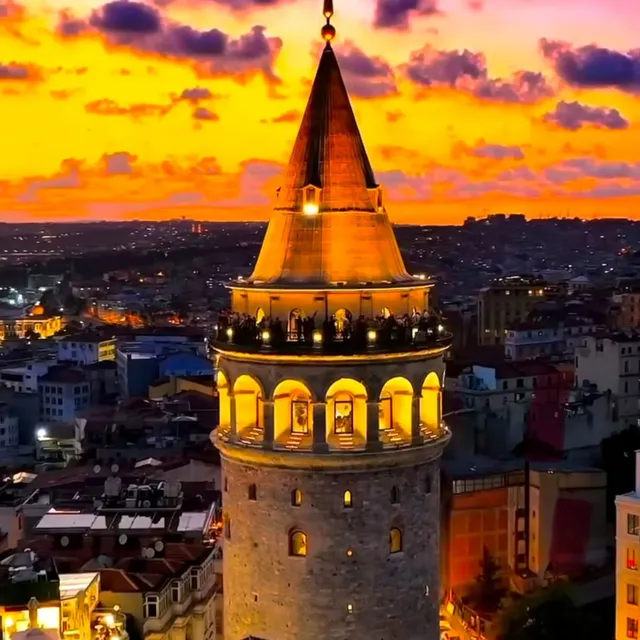
Around and beyond the Galata Tower you will find independent shops, record stores, cafés, fashion boutiques, and small ateliers — street life that stays lively without always feeling performative. Best for independent fashion and accessories, design stores and small gift shopping, coffee breaks between uphill walks, golden-hour photography, and easy transitions into Şişhane, Tünel, or down toward Karaköy. Trade-off: it is hilly. Beautifully hilly, but still hilly — wear good shoes.
Most tourists miss this: they go up to Galata Tower, take the photo, and move on. The better experience is to spend time on the surrounding streets with no fixed agenda for an hour or two. For photography, come early for cleaner street scenes and softer light; late afternoon is excellent for layered views but busier.
Slower Pace and Everyday Style
Cihangir is compelling because it feels lived in: tree-lined corners, compact apartment blocks, local bakeries, independent cafés, and a real sense of neighborhood identity. It suits solo travelers, couples, readers, café hoppers, and remote workers.
- Start late morning with coffee and a light breakfast
- Walk the smaller streets instead of only the most obvious café strip
- Pause in local parks or lookout points
- Pair it with Taksim only if you need transport or nightlife — do not let Taksim dominate the day
Avoid this mistake: do not expect landmark-heavy sightseeing here. Cihangir works when you accept it on its own terms: atmosphere, people-watching, neighborhood rhythm, and urban texture.
 Asian side
 Kadıköy, Moda, and Yeldeğirmeni: The Complete Asian-Side Day
If Karaköy is the easiest entry point, Kadıköy and Moda are where many travelers fall in love with the city’s contemporary side — more residential, less hurried, and more naturally integrated into daily life.
How to Structure the Day
You come here for bookstores, bakeries, coffee shops, bars, graphic design stores, vintage corners, murals, local shopping streets, and long walks toward the sea. Anyone staying 3 nights or more should make time for it.
- Take a morning or late-morning ferry to Kadıköy
- Explore the market area and side streets first
- Stop for coffee or brunch before walking toward Moda
- Spend the afternoon moving slowly through boutiques, cafés, and shoreline viewpoints
- Stay into the evening for dinner or drinks if your schedule allows
Why Moda Matters
Moda gives the Asian side its softer creative edge: leafy, relaxed, stylish, and deeply walkable. This is where long café sits feel natural, where people read outside, where small bakeries can become the best part of your afternoon, and where sunset by the water feels local rather than staged.
Food Notes
Kadıköy is one of the best places in the city to build a day around eating — from breakfast plates and specialty coffee to meze, casual seafood, bakeries, and dessert stops, it offers range without requiring formal dining. If your trip includes a dedicated food guide day, this district deserves serious attention.
Insider tip: many visitors go to Kadıköy, eat near the ferry, and leave. The better experience starts after that, once you move into the side streets and continue all the way toward Moda.
Calm, Creative, and Good for Slower Mornings
Just beyond Kadıköy’s busiest sections, Yeldeğirmeni offers a quieter rhythm — independent cafés, studios, mural-covered walls, and low-key creative energy. It is not packed with must-see sights, which is exactly why some travelers love it. Best for return visitors, remote workers, and anyone wanting a slower neighborhood half-day, combined with the Kadıköy market area or Moda.
 Culture detours
 Bomonti and Dolapdere: Contemporary Culture and Modern Urban Texture
Not first-stop neighborhoods for everyone, but excellent if your idea of Creative Istanbul includes larger contemporary art institutions, adaptive reuse spaces, and a more design-and-culture-led urban day.
Worth It or Skip It?
Bomonti has developed into an area associated with new hospitality, events, food, and a more polished contemporary city identity. Dolapdere makes sense if you are planning around specific museums or exhibitions.
Worth it if: you have 3 or more full days, enjoy contemporary art, and want a break from the standard tourist route. Skip it if: this is your first and only short trip — Karaköy, Galata, Cihangir, and Kadıköy will usually deliver more value per hour.
 Shopping
 Design Stores and Concept Shopping
Creative Istanbul is not about shopping for the sake of shopping. It is about understanding what the city is making now.
What Makes Design Shopping in Istanbul Interesting
Istanbul’s best independent retail often sits at the intersection of local craft memory and modern urban taste: contemporary cuts influenced by older textile traditions, minimalist ceramics shaped by regional craft language, or stores that pair Turkish-made lifestyle products with international design books and niche fragrances.
Best Areas and How to Shop Smarter
- Galata: best for wandering and finding smaller, style-forward shops
- Karaköy: good for concept retail near cafés and galleries
- Nişantaşı: best for polished fashion and upscale design shopping
- Kadıköy/Moda: more eclectic, bookish, local-feeling, and discovery-led
Do not plan design shopping too early — many stores open later. Weekdays are calmer than Saturday afternoons. Leave room in your luggage for homeware, ceramics, or books, and buy from neighborhoods where you are already walking instead of crossing the city for one store.
What to Buy Instead of Generic Souvenirs
- Modern ceramics
- Locally designed jewelry
- Art books and magazines
- Turkish-made textiles with contemporary styling
- Stationery and illustrated city-themed prints
- Specialty food products from curated grocers
Most tourists miss this: the best creative shopping in Istanbul often happens in small stores where you buy one or two things with real use or memory value, not in large souvenir-heavy retail zones.
 Café culture
 Indie Cafés, Work-Friendly Corners, and Where to Slow Down
For digital nomads and modern travelers, café culture is not just about caffeine. A good café can become your planning desk, your rain shelter, your social observation point, or the place where Istanbul shifts from hectic to manageable.
What to Expect and Where to Go
Istanbul has a strong specialty coffee culture, especially in neighborhoods tied to younger local crowds, creatives, students, and remote workers. But not every beautiful café is designed for long laptop sessions — some are ideal for a one-hour stop, others welcome longer stays.
- Moda: excellent all-rounder for coffee, pastries, and long afternoons
- Cihangir: strong for atmosphere, reading, and neighborhood rhythm
- Karaköy: practical and central, especially during sightseeing days
- Yeldeğirmeni: quieter and often more relaxed for work sessions
How to Work Respectfully From Cafés
- Go on weekdays when possible
- Order more than one item if staying longer
- Avoid occupying tiny tables during peak lunch hours
- Ask if laptop use is okay, especially in smaller places
- Carry a portable charger; not every seat has convenient outlets
If You Have Limited Time
Do not chase café lists all over the city. Choose one neighborhood and let the day unfold there — one excellent café in the right district is more valuable than five rushed stops across traffic-heavy routes. A café-focused half day pairs well with Galata design shopping, a Moda shoreline walk, a short ferry ride, an afternoon gallery visit, or a rooftop drink later in the evening.
 Culture
 Contemporary Art, Galleries, and Cultural Spaces
The gallery side of Creative Istanbul is one of the city’s strongest assets, but it works best when approached with a bit of structure.
Think in Corridors, Not Pins
Karaköy, Tophane, Beyoğlu, and nearby districts create a natural route for contemporary art, photography, architecture-related programming, and multidisciplinary events. Larger institutions can anchor the day; smaller galleries can fill the gaps. Prioritize galleries if you are interested in modern Turkey beyond history-book narratives, work in a creative field, or enjoy pairing culture with neighborhood walking.
A serious gallery afternoon usually needs at least 3 to 4 hours if you want time for a meal or coffee nearby. Treating gallery districts like quick checkboxes between other plans is a common mistake — they reward slower pacing.
A Practical Gallery Day Structure
- Late breakfast in Karaköy
- One major museum or cultural institution
- Short walk to smaller galleries or adjacent streets
- Lunch or coffee break
- Continue into Galata or Cihangir
- End at a rooftop or wine bar
Avoid this mistake: do not assume every gallery will be open exactly when maps apps suggest. Always check official schedules before building your day, especially on Mondays, holidays, or exhibition changeover periods.
 Evenings
 Rooftop Culture: What Is Worth It and What Is Not
Rooftop culture is one of the easiest ways to make a trip feel cinematic — and also where travelers can overpay for average experiences. A good Istanbul rooftop is not just high.
What Makes a Rooftop Worth It
- A clear Bosphorus, Golden Horn, or historic skyline view
- Good orientation for sunset or blue-hour photography
- An atmosphere that feels relaxed rather than crowded and transactional
- Easy access from where you already are
Best areas: the Galata/Beyoğlu side for classic skyline views and dramatic evening atmosphere, Karaköy for convenience after a neighborhood day, and select hotel rooftops for comfort, booking security, and polished service.
When to Go
About 45 to 60 minutes before sunset is usually ideal — daylight, sunset color, and the first evening lights without feeling rushed. In summer, late reservations are more forgiving because the evenings are long; in shoulder season, timing matters more. Rooftops lose some magic in strong wind, haze, or heavy rain.
Most tourists miss this: the best rooftop moment is not always sunset itself. Sometimes it is the 30 minutes after, when the sky deepens and the city lights settle into place.
 Putting it together
 Ready-Made Itineraries, Food Strategy, and Travel Styles
Two days is the sweet spot for this topic — enough time to experience both sides of the city without turning everything into logistics.
Karaköy, Galata, Cihangir, Rooftop Evening
Morning: start in Karaköy with coffee and breakfast; walk the side streets while the neighborhood is still calm, then move gradually uphill toward Galata. Late morning to early afternoon: explore Galata’s independent shops and photogenic streets, adding a gallery or museum stop; keep lunch flexible. Afternoon: continue toward Cihangir for a slower stretch — this is where the day starts to exhale. Evening: a rooftop in the Beyoğlu or Karaköy zone for sunset and dinner or drinks. Walking estimate: 6 to 9 km; mostly walkable, with taxis helpful at the end if you are tired.
Ferry to Kadıköy, Market Streets, Moda
Morning: ferry across to Kadıköy — even if you have done a Bosphorus cruise, this ride still matters; it frames the city differently and resets the pace. Late morning: the market area and nearby streets, coffee or an early lunch, bookstores and small shops. Afternoon: walk toward Moda slowly, pausing for dessert, coffee, or a glass of wine, and continue to the water if the weather is good. Evening: stay in Kadıköy/Moda for a local-feeling night out, or ferry back for a final European-side evening. Walking estimate: 5 to 8 km, gentler than the European-side day.
The Balanced Three-Day Plan
Day 1 — classic + creative crossover: use the morning for one major classic attraction cluster, ideally with skip-the-line planning or a guided experience, then shift to Karaköy and Galata for lunch, design shopping, and a lighter evening — a smart use of an attractions pass if you are seeing multiple major sites. Day 2 — full Asian-side neighborhood day: Kadıköy, Yeldeğirmeni, and Moda, built around cafés, food, and slower browsing. Day 3 — contemporary art and elevated views: a cultural institution or gallery corridor around Karaköy, Tophane, Bomonti, or Dolapdere depending on exhibition schedules, finished with a rooftop or special dinner.
Food and Drink for the Creative Traveler
You do not need every meal to be iconic — you need the right meal in the right neighborhood at the right time. Prioritize a long breakfast in Karaköy or Moda, a bakery stop in Cihangir or Kadıköy, meze or seafood on the Asian side, third-wave coffee in a neighborhood you are already exploring, and a rooftop drink rather than a full overpriced rooftop dinner if value matters more than occasion.
If food is central to your trip and you want local context quickly, a thoughtfully chosen food tour can be especially useful early in your stay — it works best in districts like Kadıköy. If you prefer independent discovery, you may not need one.
Creative Istanbul for Different Travel Styles
- Digital nomads: prioritize Moda, Yeldeğirmeni, Cihangir, and Karaköy; do not rely only on cafés for full workdays — split productive mornings and exploratory afternoons.
- Couples: pair Galata and Karaköy with a sunset rooftop, give one full day to Kadıköy and Moda, and add one higher-end dinner reservation if food matters.
- Solo travelers: excellent solo — ferry rides, cafés, bookstores, and galleries all work naturally alone.
- First-time visitors: balance this guide with the major classics. Think half and half, not either-or.
Transport Basics for This Style of Trip
Use ferries between Karaköy/Eminönü and Kadıköy when crossing continents. Ferries are not just transport; they are part of the experience and one of the easiest ways to make your plans feel less stressful.
Walk neighborhoods in one direction rather than zigzagging uphill and back. Galata, Cihangir, and parts of Beyoğlu are more physically demanding than many travelers expect.
Public transport works well for most travelers — the best setup is a mix of walking, tram, metro, and ferries whenever possible.
Use taxis selectively at the start or end of a long day, especially for Bomonti or Dolapdere, or when a route is uphill or time-sensitive.
What to Book Ahead and What to Leave Flexible
Book ahead
- Rooftop sunset reservations from May to October — especially for couples in peak season, Friday or Saturday nights, or your only rooftop evening
- Your single highest-priority dinner
- A food tour early in your stay if food is central to your trip — it works best in districts like Kadıköy
- An airport transfer for late arrivals, luggage-heavy stays, hilly hotel districts, and short city breaks
Stay flexible
- Weekday rooftop evenings outside peak periods — decide based on weather and energy
- Lunch and café stops — Istanbul neighborhoods reward responsive choices based on weather, mood, and foot traffic
- A city pass — only if you are also visiting multiple major paid attractions, not for a neighborhood-first trip
- One or two nights unbooked, so your evenings do not become transport-heavy across districts
A Creative Day That Actually Works
Common Mistakes When Planning Creative Istanbul
Avoid these mistakes
- Trying to cover both continents too quickly — crossing by ferry is enjoyable, but do not bounce back and forth several times a day
- Starting design shopping too early — many stores and galleries open later; plan mornings around coffee, breakfast, and walking
- Ignoring hills and walking fatigue — comfortable shoes are not optional in Galata, Cihangir, and Beyoğlu
- Assuming every stylish café is laptop-friendly — expectations shift during busy hours, and a little etiquette goes a long way
- Saving Kadıköy for “if there is time” — it is not a backup plan; it is core material
- Overcommitting nights — evenings become transport-heavy if every dinner is in a different district
Insider tips
- Tuesday to Thursday is the sweet spot; Mondays are risky for galleries and independent spaces
- Weekday mornings are easiest for clean street photography and calm café sessions
- One excellent café in the right district beats five rushed stops across traffic-heavy routes
- The back streets beat the waterfront — in both Karaköy and Galata, the texture is behind the main corridor
- Always check official gallery schedules before building a tightly structured day
- The best rooftop moment is often the 30 minutes after sunset, not sunset itself
Frequently Asked Questions
What does “Creative Istanbul” actually mean for travelers?
Is Creative Istanbul expensive?
Which neighborhood is best if I only have one day?
Is Kadıköy worth visiting on a first trip to Istanbul?
Are Istanbul rooftops worth the money?
Can I work remotely from cafés in Istanbul?
What is the best way to get between creative neighborhoods?
Should I buy an Istanbul pass for a creative-focused trip?
What should I wear for these neighborhoods?
Are galleries and design stores open every day?
Is Creative Istanbul good in winter?
Where should I stay if I want both classic sightseeing and Creative Istanbul?
What is better for sunset: a Bosphorus cruise or a rooftop?
Is Nişantaşı part of Creative Istanbul?
Is Creative Istanbul good for first-time visitors?
Which side of Istanbul is better for creative neighborhoods?
How many days should I spend on Creative Istanbul?
What is the best neighborhood for digital nomads in Istanbul?
Do I need a tour for this kind of trip?
The Best Way to Experience Creative Istanbul
The best version of Creative Istanbul is not a rush between “cool places.” It is a well-paced mix of neighborhoods that lets the city unfold in layers: a ferry ride, a steep street, a bakery stop, a small gallery, a design store you did not plan for, a rooftop just as the light changes. If your trip includes the classics, keep them — they are part of the city’s foundation. But make room for its present tense too, because in many cases that is what travelers remember most. Plan with neighborhoods, not just attractions. Leave some space in the day. Take the ferry. Stay for sunset.
Explore things to do in Istanbul