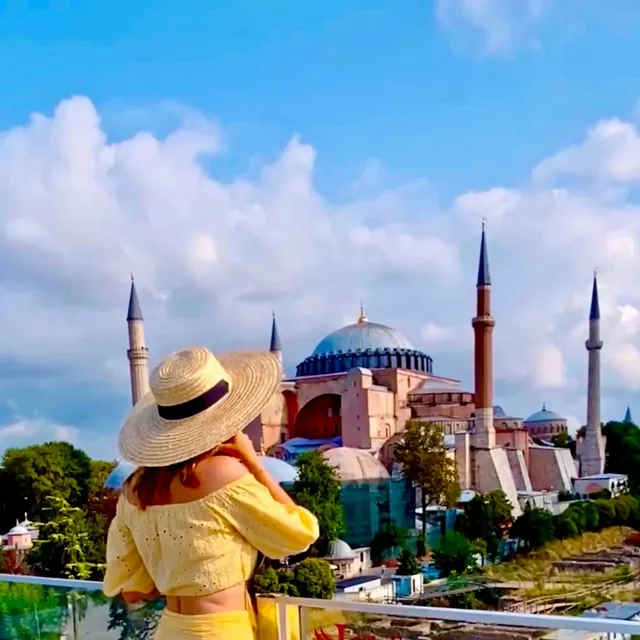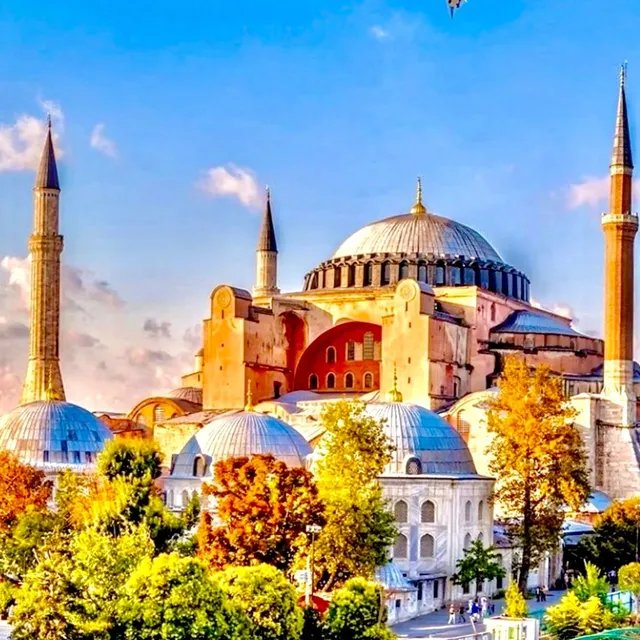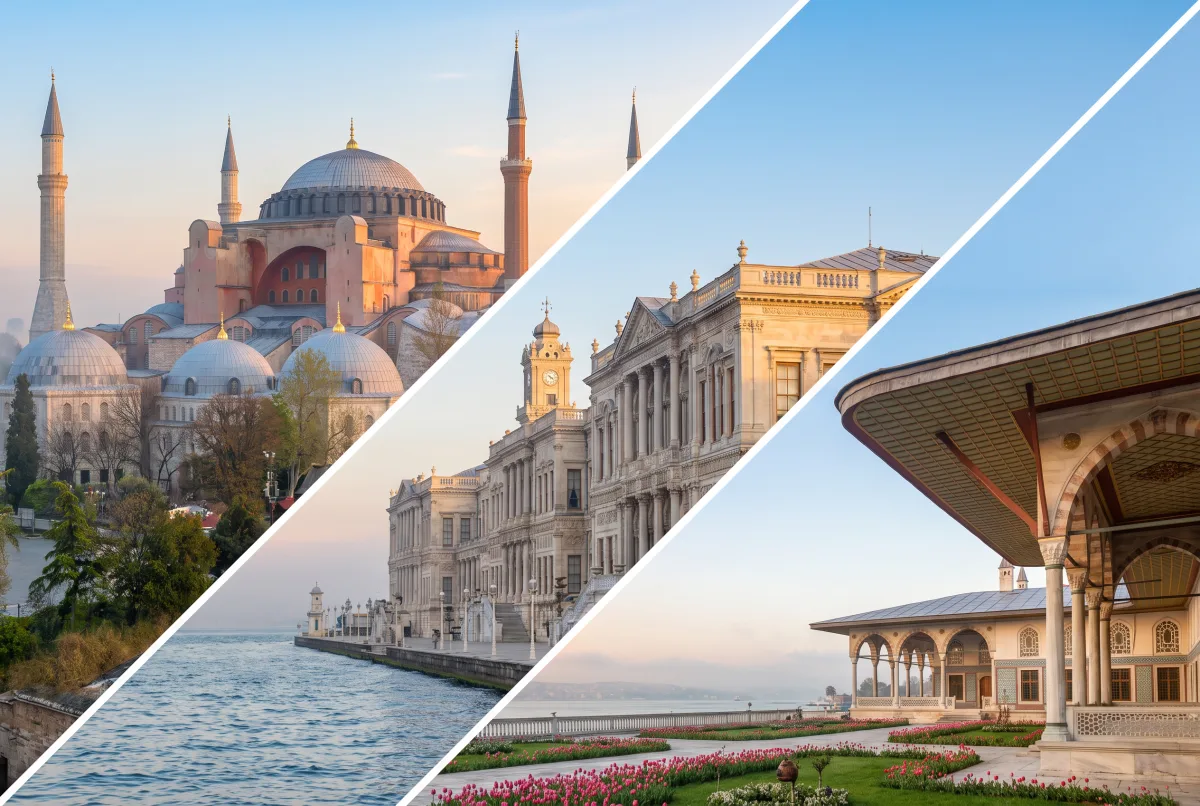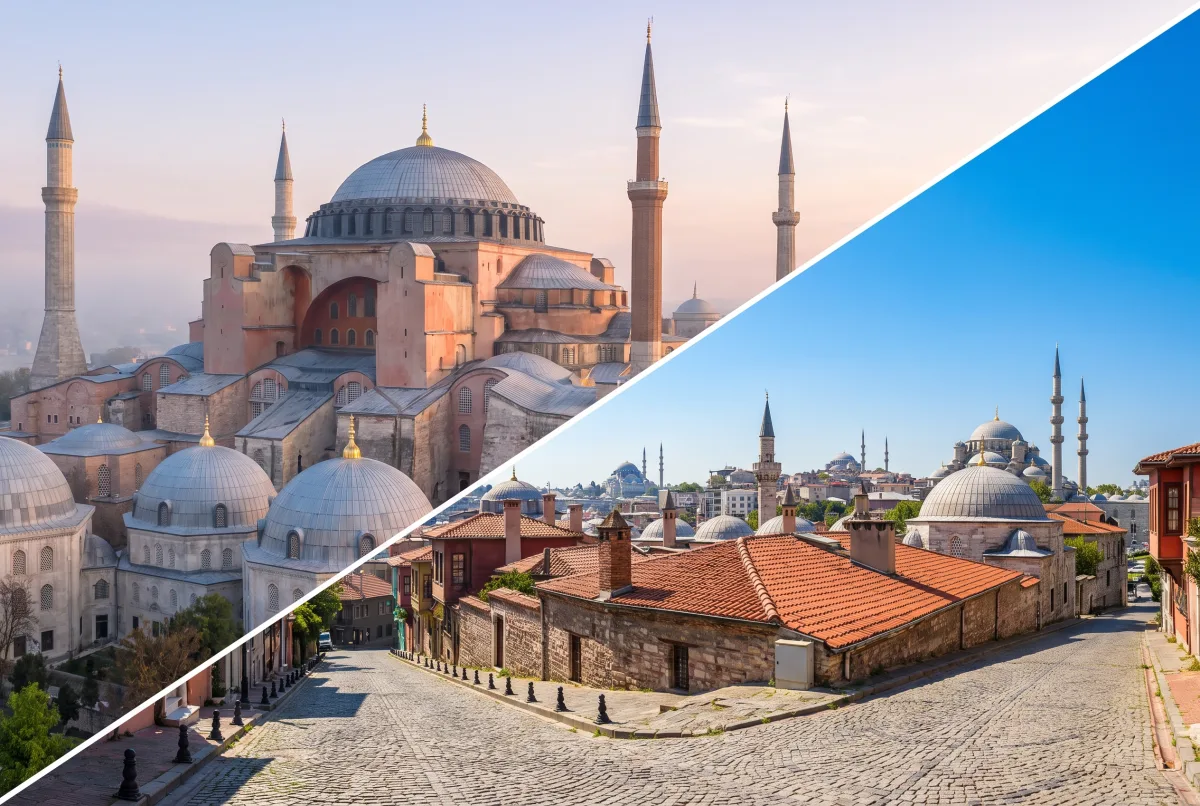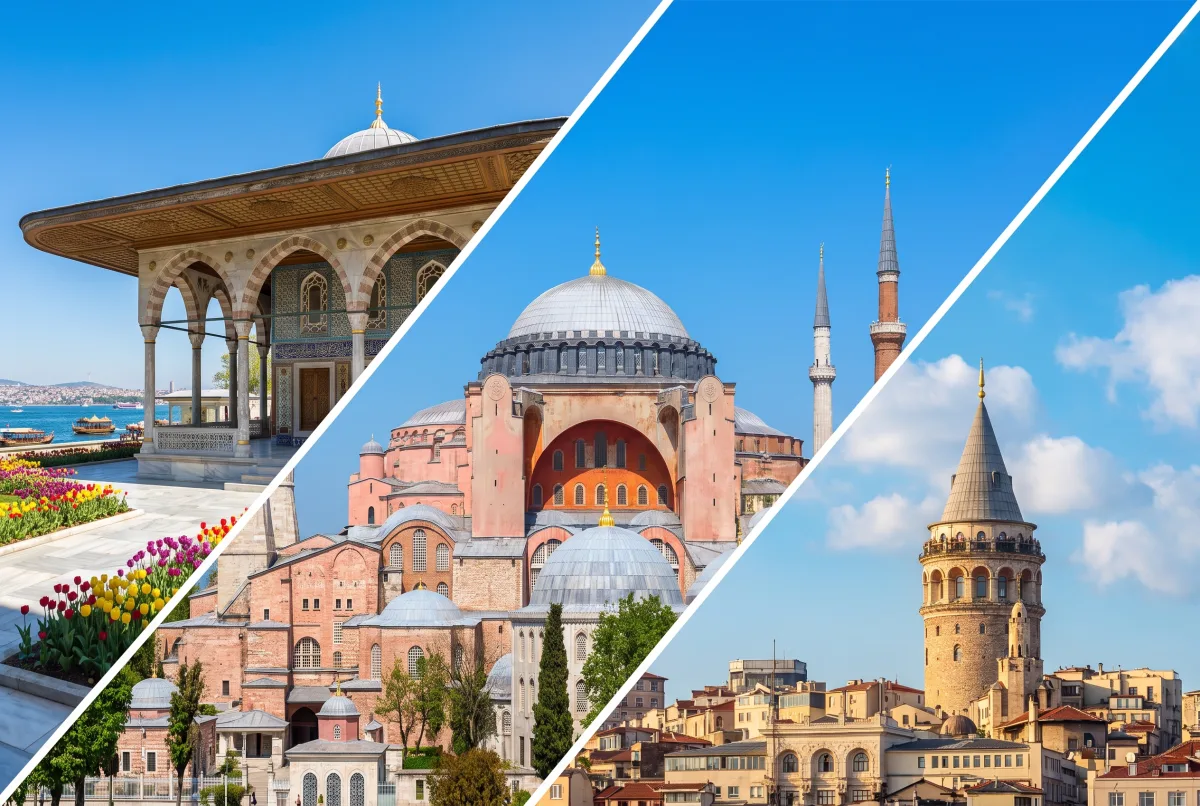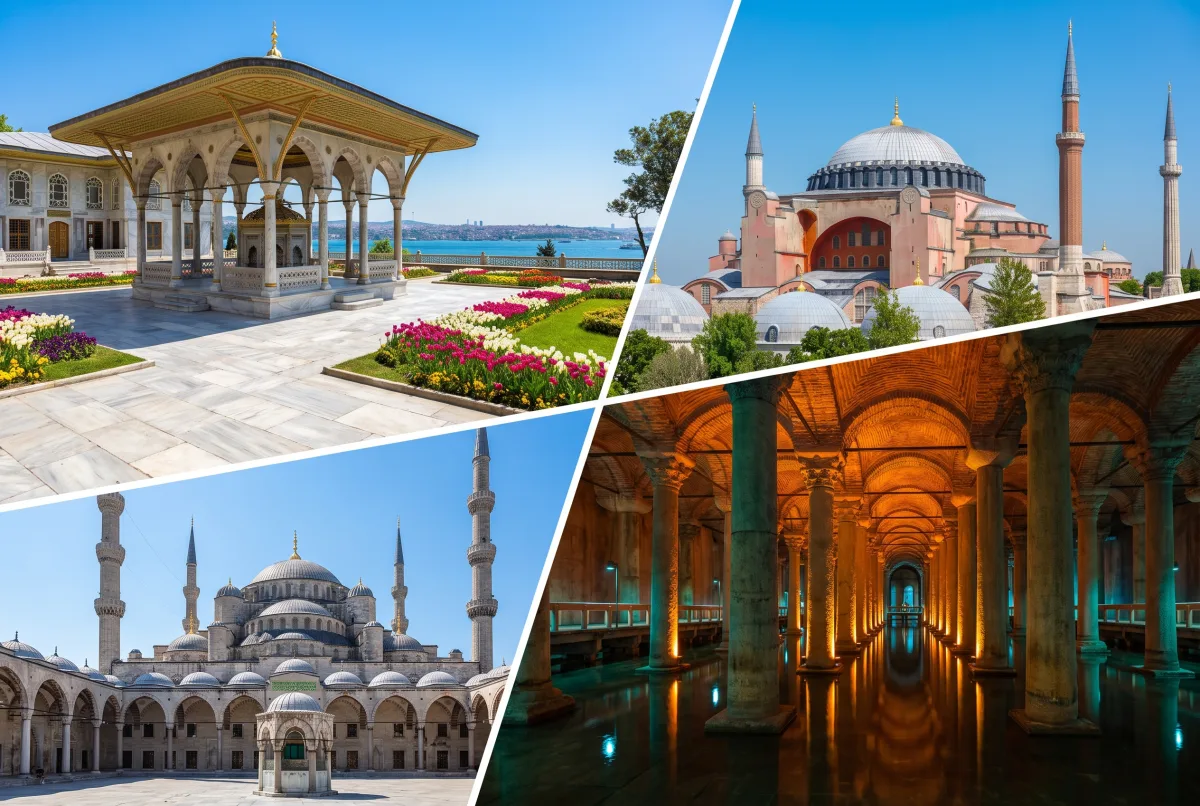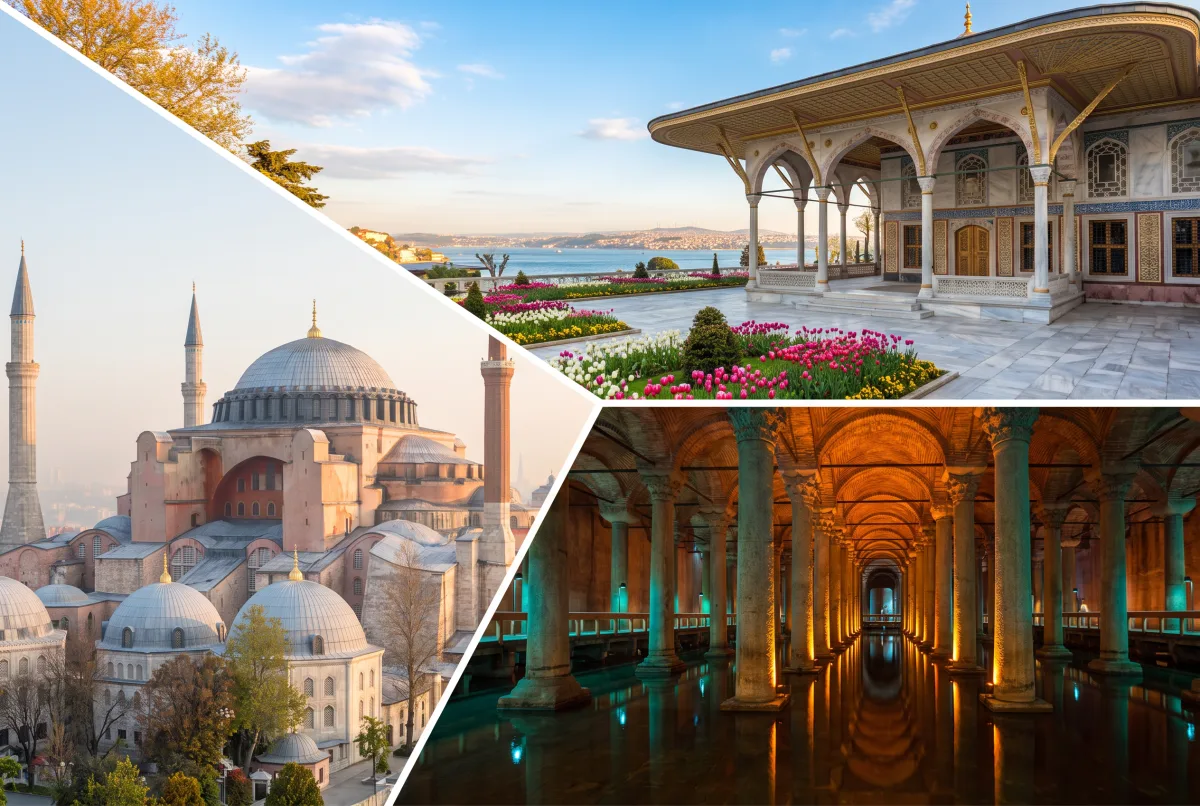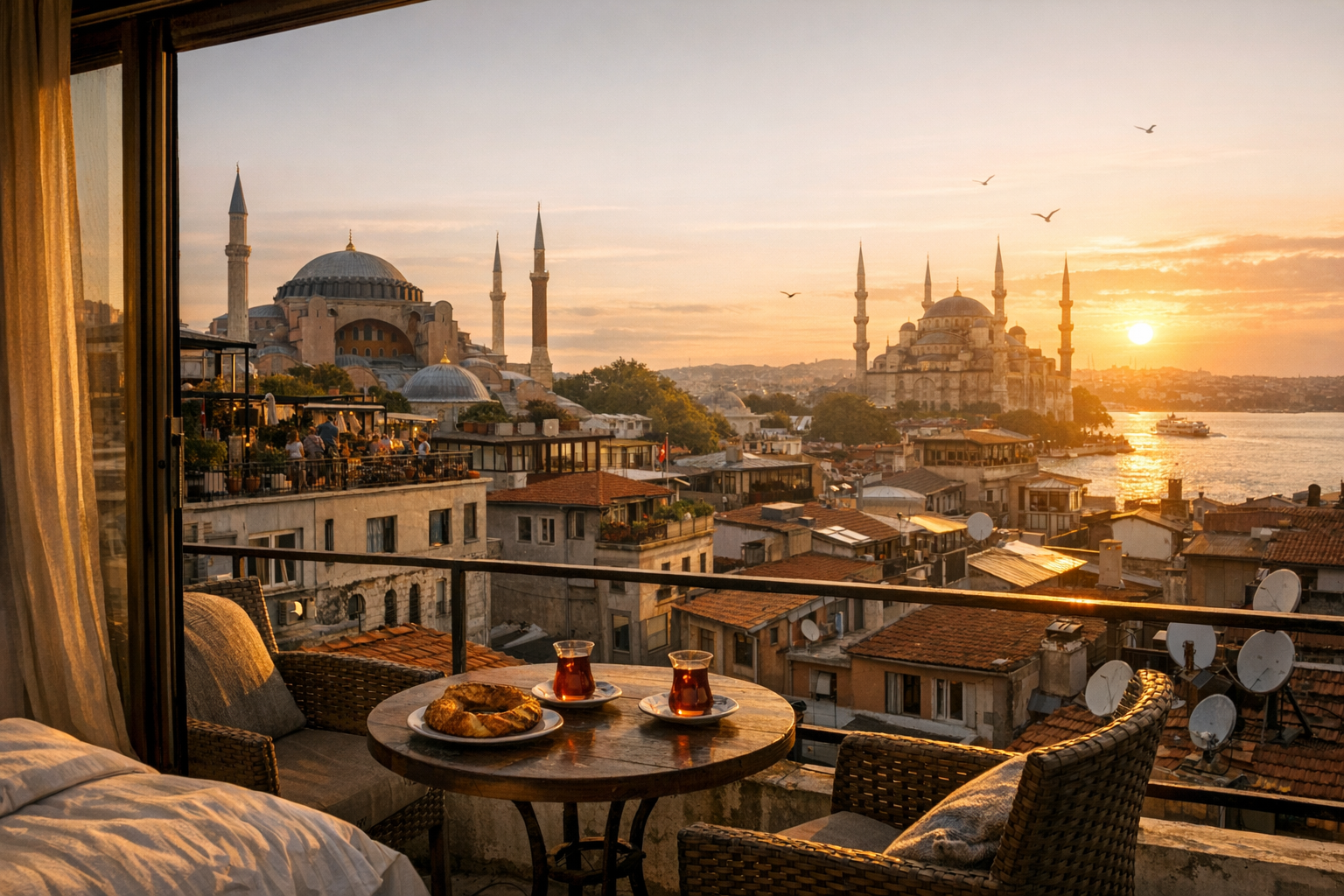

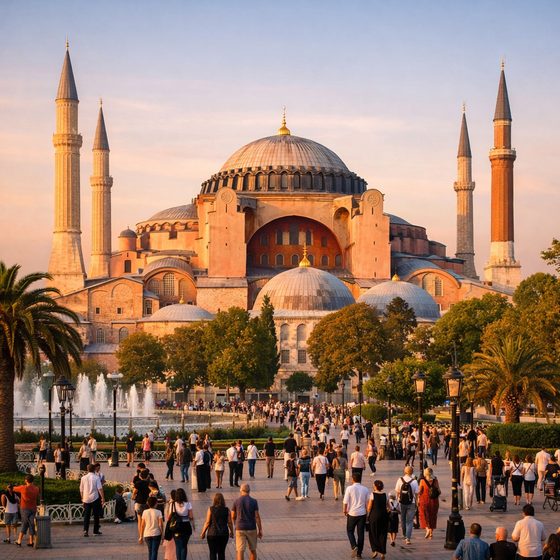
Hagia Sophia is a major monument in Istanbul’s historic center, and its history matters because the building still shows each of those phases at once. Visitors can see a Byzantine church plan, Ottoman mosque additions, traces of the museum era, and the rules of a working mosque in the same visit.
The short version is that Hagia Sophia changed whenever the state controlling Constantinople or Istanbul changed how it wanted the building to function. For travelers, that means its history is not abstract: it shapes what you can enter, what you can see, and how you should visit today.
Hagia Sophia history at a glance
Quick summary
- 537: Present building opens as a Byzantine church.
- 1453: Converted into a mosque after the Ottoman conquest.
- 1934-1935: A 1934 Turkish cabinet decision changed its status; it opened as a museum in 1935.
- 2020: A court ruling and presidential decree returned it to mosque status. exact month and decision sequence if used in sidebar or graphic
- Today: It is an active mosque that also receives visitors under current access rules. current visitor access rules and prayer-time restrictions current dress code, entrance procedure, and upper-gallery access
Hagia Sophia history

Byzantine Empire is the eastern continuation of the Roman Empire, centered on Constantinople. Ottoman Empire is the empire that captured Constantinople in 1453 and ruled from the city for centuries.
Before the building you see today
The structure standing today was not the first church on this site. Earlier churches occupied the same location before the current sixth-century building. date of first church on the site date of second church on the site
The present Hagia Sophia was commissioned after the Nika Revolt, which devastated part of the city and created the conditions for a vast rebuilding project. concise date of the Nika Revolt for quick-reference timeline
537: Justinian opens the new Hagia Sophia
Justinian I is the Byzantine emperor who ordered the present building. Hagia Sophia opened in 537 and became the ceremonial heart of Constantinople.
Its scale was extraordinary for the period. The central dome, half-domes, marble revetments, and light-filled interior made it the leading church of the capital. The name “Hagia Sophia” means “Holy Wisdom,” a theological concept rather than a saint’s name.
Byzantine centuries: cathedral of Constantinople
For much of the Byzantine period, Hagia Sophia served as the main cathedral of Constantinople. Imperial ceremonies, patriarchal rites, and coronations took place here, giving the church both religious and political importance.
The building changed over time. Earthquakes damaged the structure more than once, and major repairs followed. [STAT: major reconstruction phases and structural repairs in the Byzantine period] [STAT: date of first major dome collapse and rebuilding]
A shorter but important interruption came after the Fourth Crusade in 1204, when Western crusaders captured Constantinople and Hagia Sophia became a Roman Catholic cathedral. Byzantine control returned in 1261, and the building returned to Orthodox use.
1453: from church to mosque
Mehmed II is the Ottoman sultan who conquered Constantinople in 1453. After the conquest, Hagia Sophia was converted from a church into a mosque.
This change marked a transfer of sovereignty as much as a change in worship. In practical terms, the Ottomans adapted the existing building rather than replacing it. A mihrab is a prayer niche indicating the direction of Mecca, and a minbar is the pulpit used for sermons; both became part of the interior. Over time, minarets were added outside.
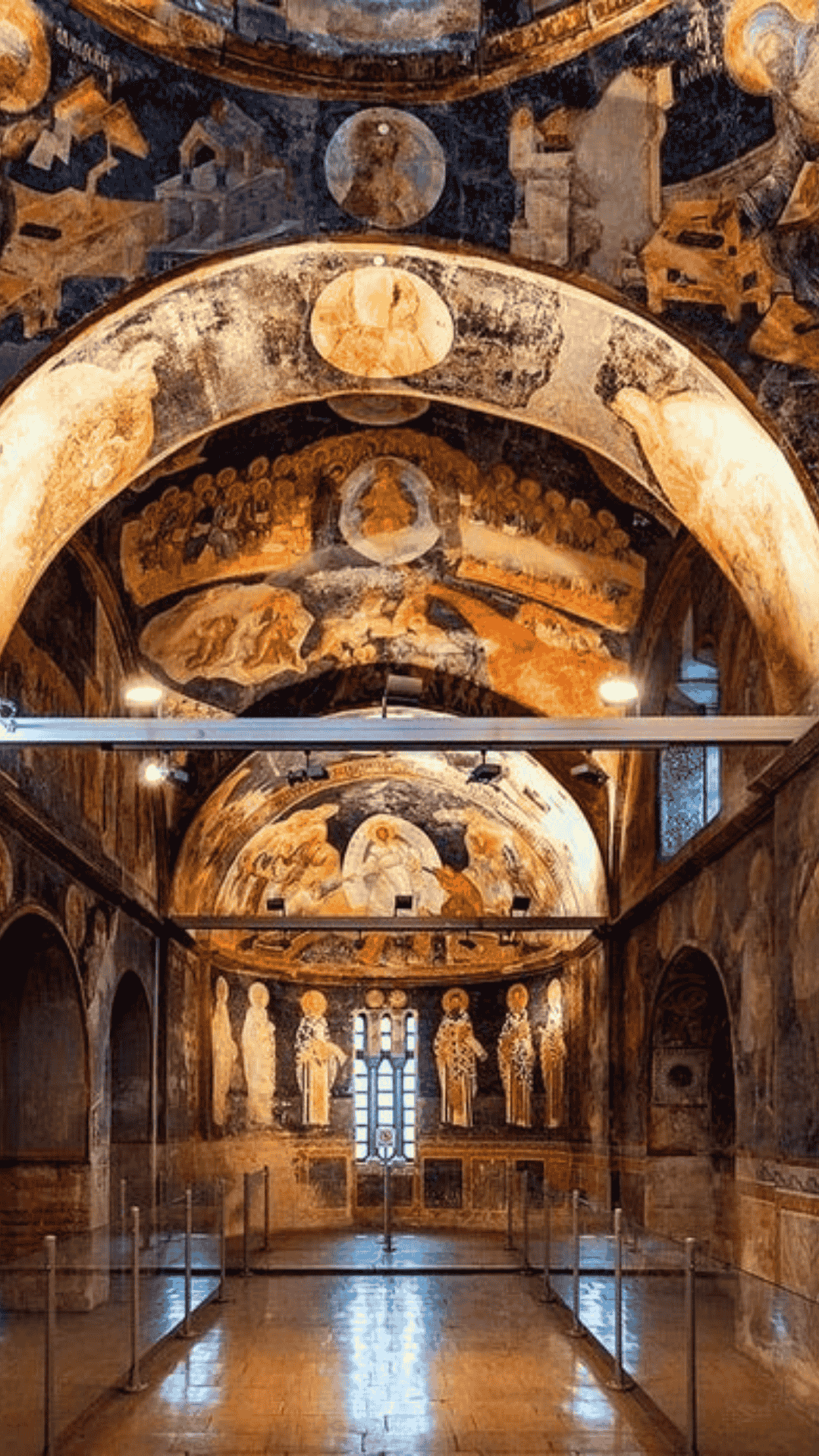
Some Christian images were covered or plastered over instead of being completely destroyed. That partial covering helps explain why important mosaics survived into the modern period.
Ottoman additions and repairs
Hagia Sophia remained a mosque throughout the Ottoman centuries. Rulers repaired damage, reinforced the structure, and added elements that still define its appearance.
Mimar Sinan is the chief Ottoman architect associated with important structural work on Hagia Sophia, though specific attributions should be stated carefully. which specific buttress and reinforcement works are securely attributed to Sinan
The Ottoman period gave Hagia Sophia many of the features visitors now associate with it: minarets, large calligraphic roundels, liturgical furnishings for mosque use, and a growing complex around the main structure. [STAT: number and date ranges of major Ottoman additions around the complex] [STAT: dates of minaret additions and key Ottoman reinforcements]
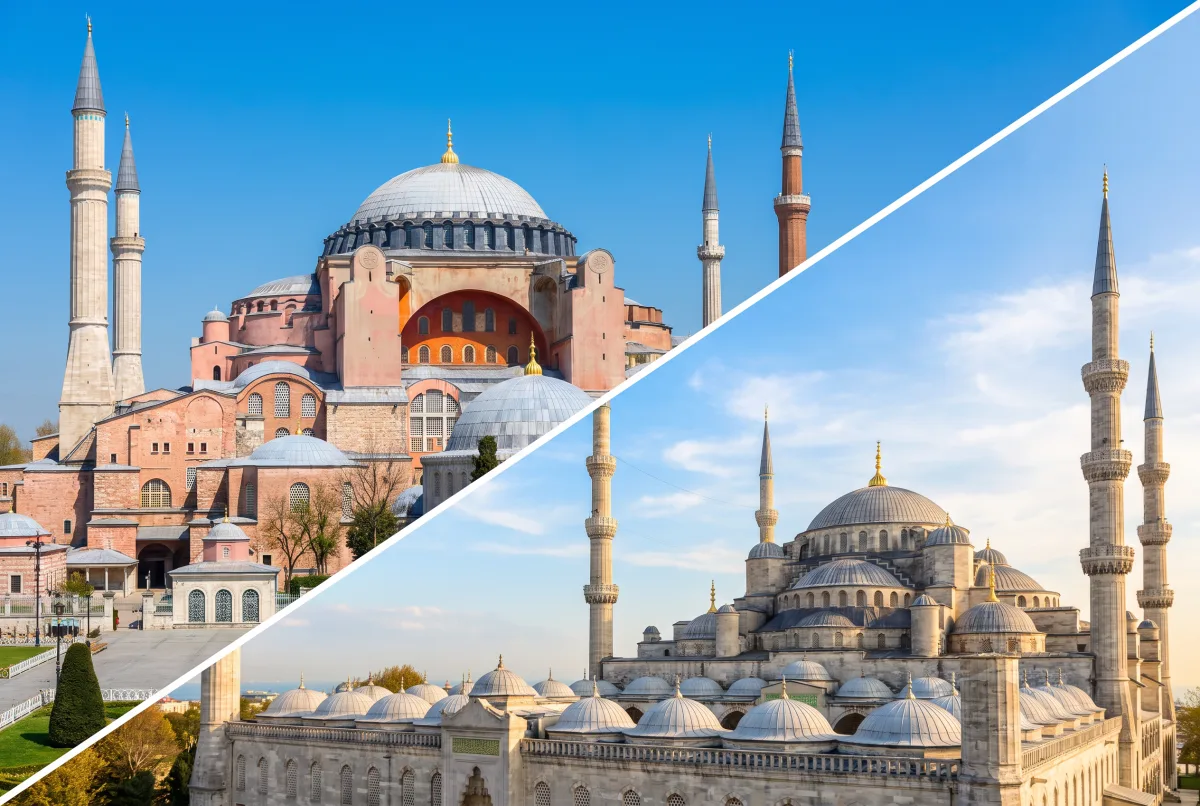
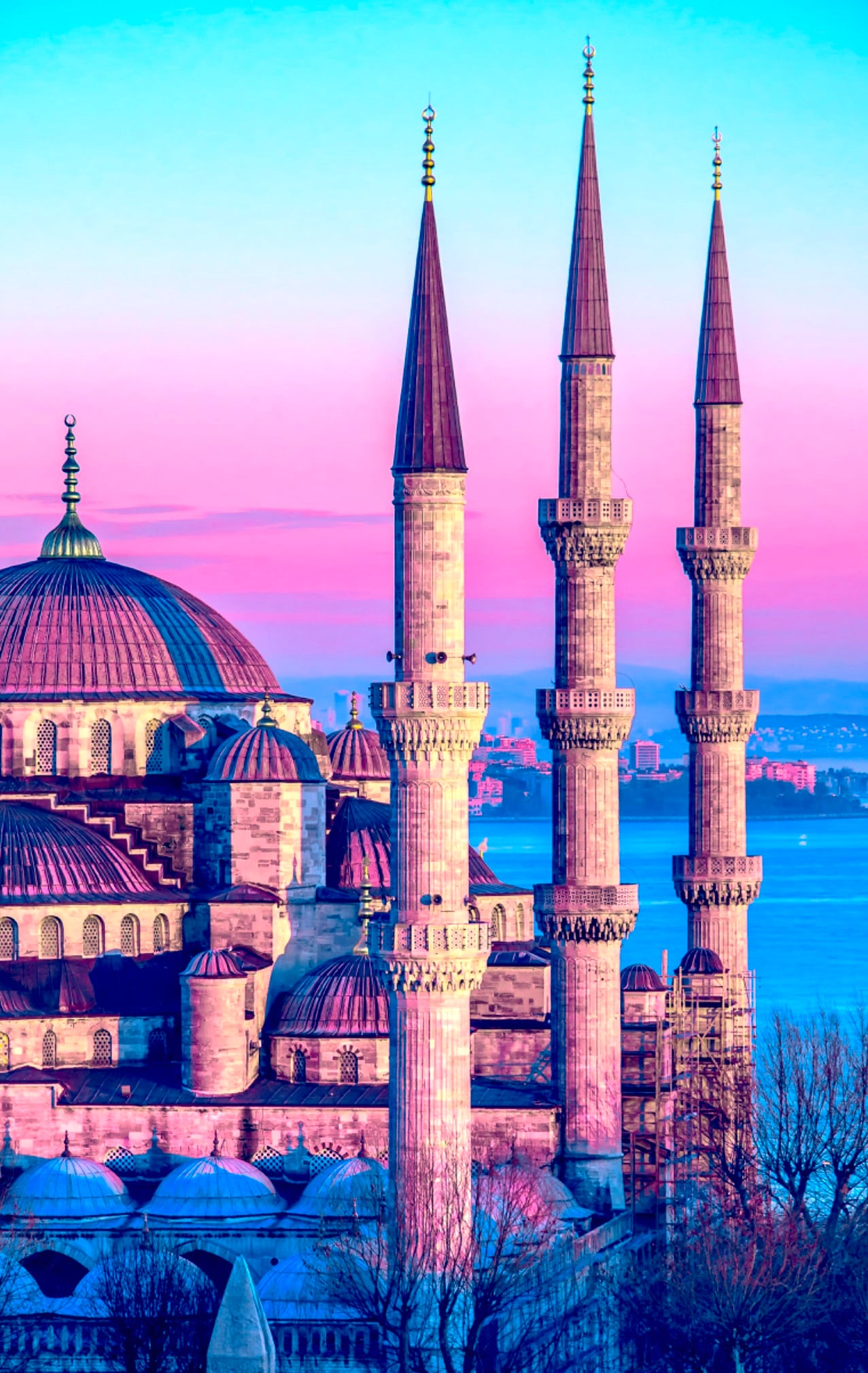
For context, it helps to compare Hagia Sophia with the nearby Blue Mosque, a later imperial mosque built in the same district.
1934-1935: from mosque to museum
Republic of Turkey is the modern Turkish state founded in 1923. Under the early republic, Hagia Sophia’s legal status changed again.
A Turkish cabinet decision in 1934 converted Hagia Sophia from a mosque into a museum, and it opened in that role in 1935. This reflected the secular state framework of the period and recast the building as a national monument and international heritage site.
Museum status also changed how the interior was presented. Conservation and scholarly work expanded, and some previously covered mosaics were uncovered or studied more systematically. The museum era shaped how modern visitors learned to read Hagia Sophia as both a Byzantine and Ottoman monument.
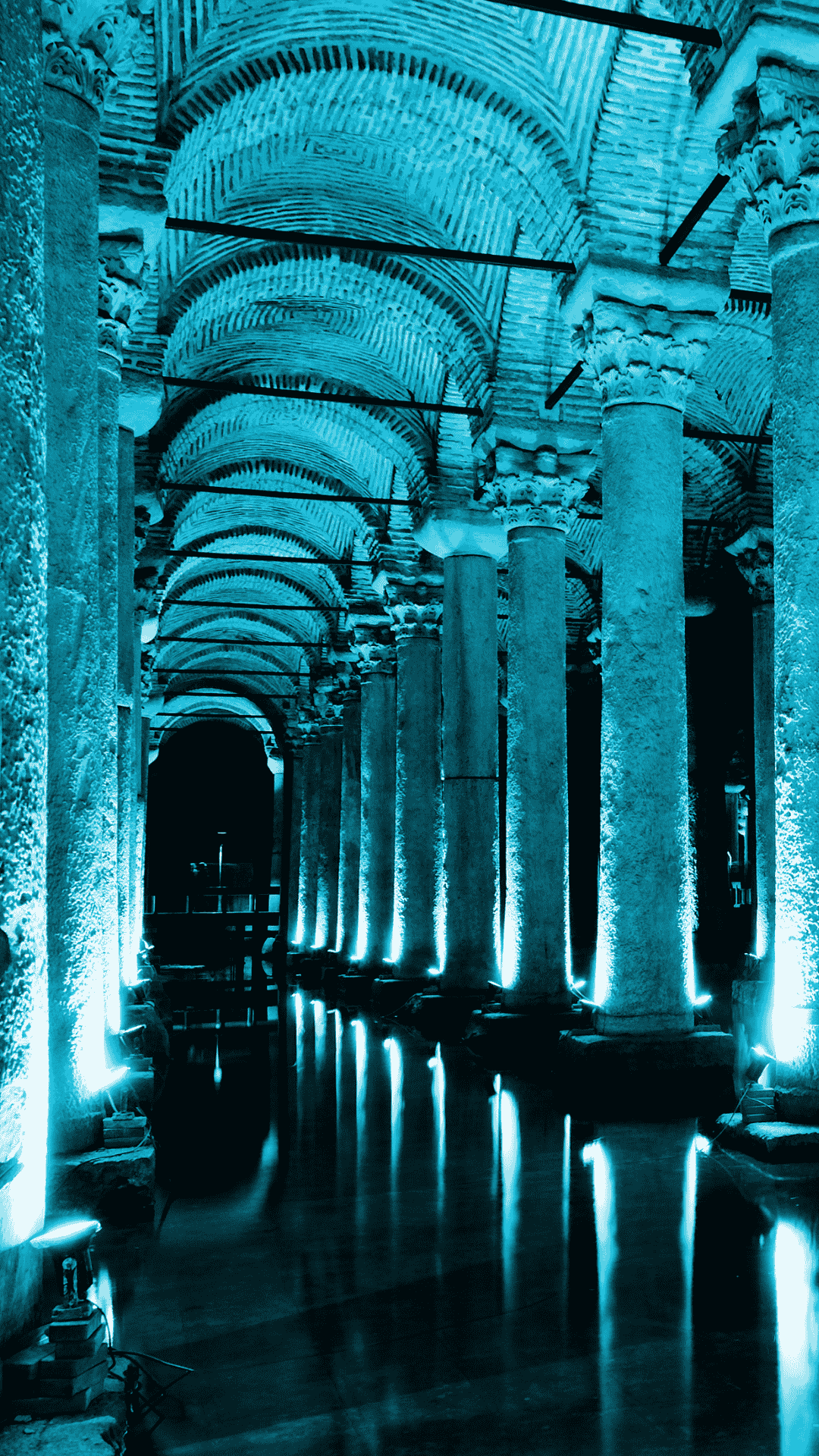
The museum period also fixed Hagia Sophia into the standard Sultanahmet visitor circuit with the Basilica Cistern, Topkapi Palace, and the Blue Mosque.
2020 to today: mosque again
In 2020, Hagia Sophia returned to mosque status after a Turkish court annulled the earlier museum-status basis and a presidential decree reassigned the site for mosque use. exact month and decision sequence if used in sidebar or graphic
That decision changed the visitor experience more than the building’s exterior. Hagia Sophia now functions as an active mosque while still receiving large numbers of visitors. Access can vary by prayer times, managed visitor routes, and current site rules. current management body and official visitor flow current opening hours for visitors whether any visitor fee applies to non-worship areas current rules on women’s head coverings, shorts, and shoes
If you are planning a visit, see our main guide to Hagia Sophia for practical entry details.
Why Hagia Sophia changed so many times
Hagia Sophia changed because the state controlling the city changed. Each status shift followed a larger political settlement.
As the main church of Byzantine Constantinople, it represented imperial Orthodox Christianity. After the Ottoman conquest in 1453, converting it into a mosque signaled that the city and its ceremonial center now belonged to a new empire. In the early Turkish Republic, turning it into a museum fit a secular national policy and presented the building as shared historical heritage. In 2020, the return to mosque status reflected a new legal and political decision about how the monument should function in public life.
The important continuity is that the building itself remained in use. Hagia Sophia was not repeatedly abandoned and rediscovered; it was repeatedly reassigned, adapted, and preserved.
What to notice when you visit

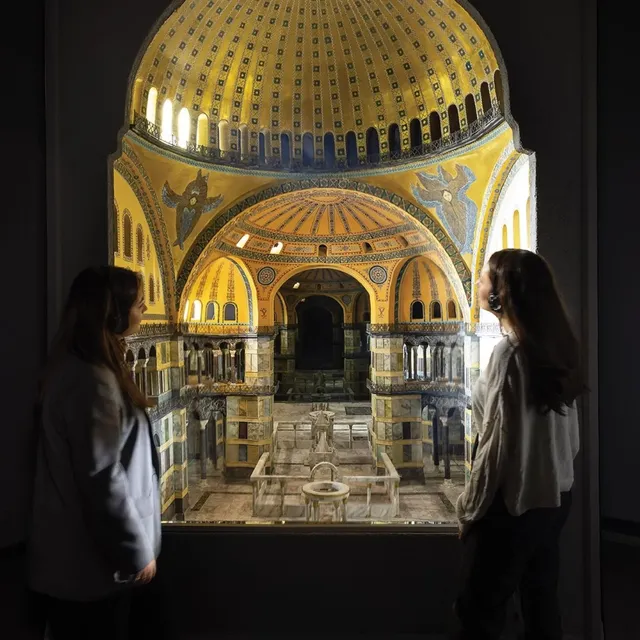
Christian mosaics
Look upward and toward the upper zones for surviving Christian mosaics, keeping in mind that visibility depends on current access, lighting, conservation, and mosque operations. which mosaics are currently visible on a regular visitor route
These mosaics matter because they are not decorative leftovers. They are direct evidence of Hagia Sophia’s Byzantine life.
Islamic calligraphy and prayer space
The giant calligraphic roundels, the mihrab, the minbar, and the carpeted prayer areas belong to the Ottoman and modern mosque phases. They do not erase the earlier church structure; they show how the same building was adapted for Islamic worship.
The dome, columns, and worn stone floors
Do not only hunt for famous details. Step back and notice the overall engineering: the dome’s scale, the rhythm of columns and arches, and the worn surfaces underfoot that show centuries of continuous use.
If you want to understand the whole district, pair Hagia Sophia with the Basilica Cistern or Topkapi Palace.
A simple timeline you can scan fast
| Date | What changed |
|---|---|
| date of first church on the site | First known church on the site establishes the location’s sacred use. |
| date of second church on the site | A later church replaces the first before the present structure exists. |
| concise date of the Nika Revolt for quick-reference timeline | Revolt devastates the area and leads to a major rebuild. |
| 537 | Justinian opens the present Hagia Sophia as a Byzantine church. |
| [STAT: date of first major dome collapse and rebuilding] | Major structural failure leads to rebuilding. |
| 1204 | Fourth Crusade captures Constantinople; Hagia Sophia becomes a Roman Catholic cathedral. |
| 1261 | Byzantine rule returns; Hagia Sophia returns to Orthodox use. |
| 1453 | Mehmed II converts Hagia Sophia into a mosque after the Ottoman conquest. |
| [STAT: dates of minaret additions and key Ottoman reinforcements] | Ottoman rulers expand and stabilize the monument. |
| 1934 | Turkish cabinet decision changes Hagia Sophia from mosque to museum. |
| 1935 | Hagia Sophia opens as a museum. |
| 2020 | Court ruling and decree return Hagia Sophia to mosque status. exact month and decision sequence if used in sidebar or graphic |
The practical takeaway is straightforward: Hagia Sophia is one building with several official identities across fifteen centuries.
FAQ
Was Hagia Sophia first a church or a mosque?
It was first a church. The present building opened in 537 as a Byzantine church, became a mosque in 1453, became a museum in 1935, and became a mosque again in 2020.
Why did Hagia Sophia change from church to mosque?
It changed after the Ottoman conquest of Constantinople in 1453. The conversion marked the transfer of power from the Byzantine Empire to the Ottoman Empire.
When was Hagia Sophia a museum?
Its status was changed by a 1934 cabinet decision, and it opened as a museum in 1935. It remained a museum until 2020.
Why did Hagia Sophia become a museum in the 1930s?
The shift happened during the early Turkish Republic, when the state followed a secular policy framework and presented Hagia Sophia as a monument of national and world heritage rather than an active mosque.
Why did Hagia Sophia become a mosque again in 2020?
In 2020, a Turkish court annulled the legal basis used for the museum-era status change, and a presidential decree returned the building to mosque use. exact month and decision sequence if used in sidebar or graphic
Is Hagia Sophia a mosque now?
Yes. It is an active mosque today, and visitors should expect rules tied to worship, dress, and route management. current visitor access rules and prayer-time restrictions current management body and official visitor flow
Can you still see Christian mosaics inside Hagia Sophia?
Yes, some Christian mosaics are still visible, although access and visibility vary. which mosaics are currently visible on a regular visitor route
What should I know before visiting?
Check the current dress code, prayer-time access rules, entry procedure, and whether any visitor fee applies to non-worship areas. current dress code, entrance procedure, and upper-gallery access current opening hours for visitors whether any visitor fee applies to non-worship areas current rules on women’s head coverings, shorts, and shoes
How long should I allow for a visit?
Allow extra time for queues, security screening, and possible pauses around prayer times. average queue times and suggested visit duration by season