Multicultural Structure of the Culture of Istanbul
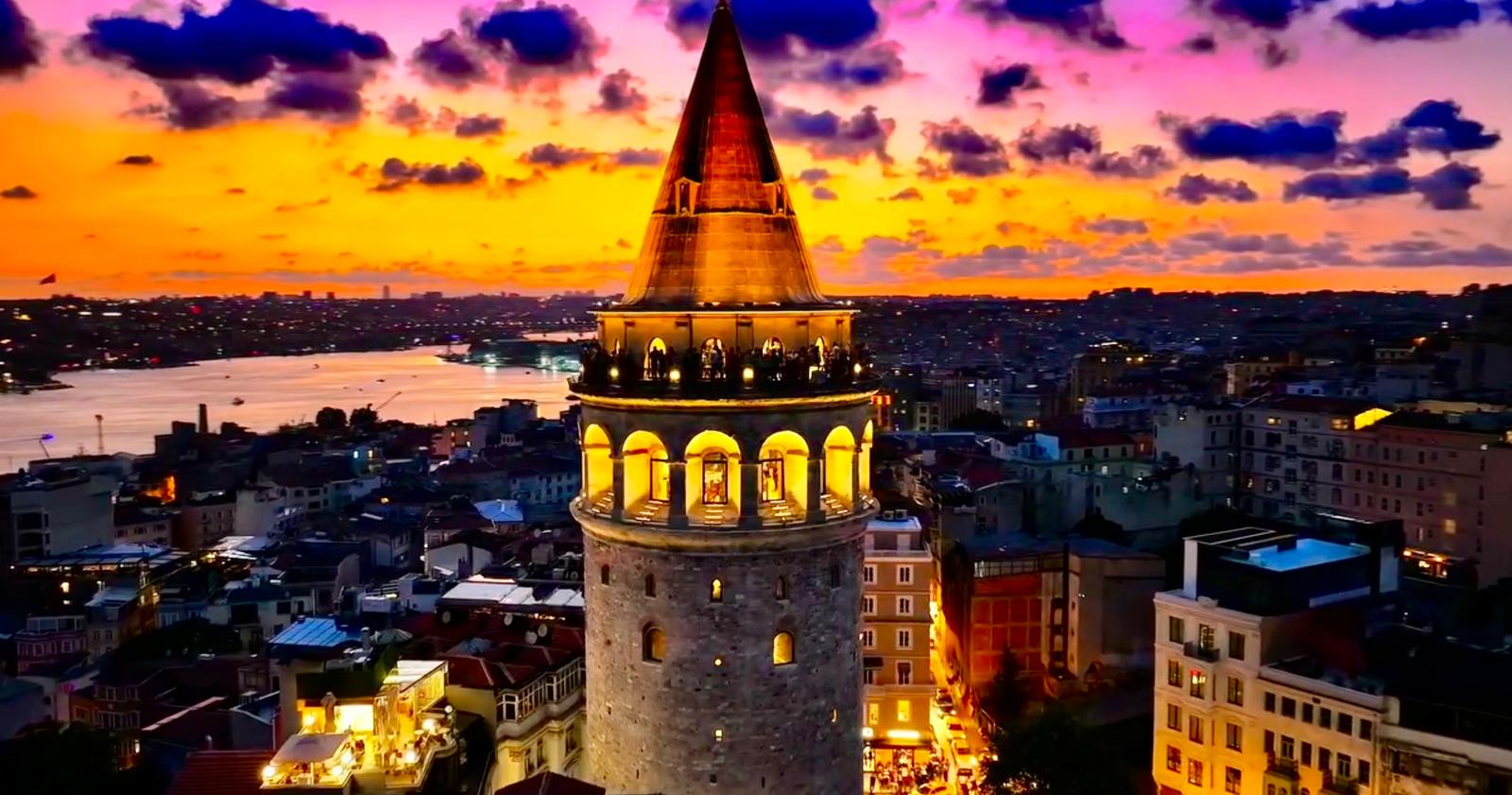
Turkey has been one of the most popular destinations for centuries thanks to its connections with Central Asia, the Balkans, Siberia, and the Middle East, and it is home to many cultures. Istanbul, in particular, reflects this multicultural nature clearly and gives visitors unforgettable sightseeing opportunities. One of the main reasons is that the city served as the capital of the Byzantine Empire for centuries and later came under the protection of the Ottoman Empire.
During the imperial period, religion, language, and racial segregation were not observed in the administration of Istanbul, so customs developed in a multicultural way. For this reason, the historical buildings of Istanbul include both mosques and churches. Another striking feature of the city is its long-standing role as a center of entertainment. During the Ottoman period, Istanbul was known for its Ramadan entertainment, and bath sessions influenced by palace culture were held in the famous baths of the city, which still remain an important part of urban memory and daily life.
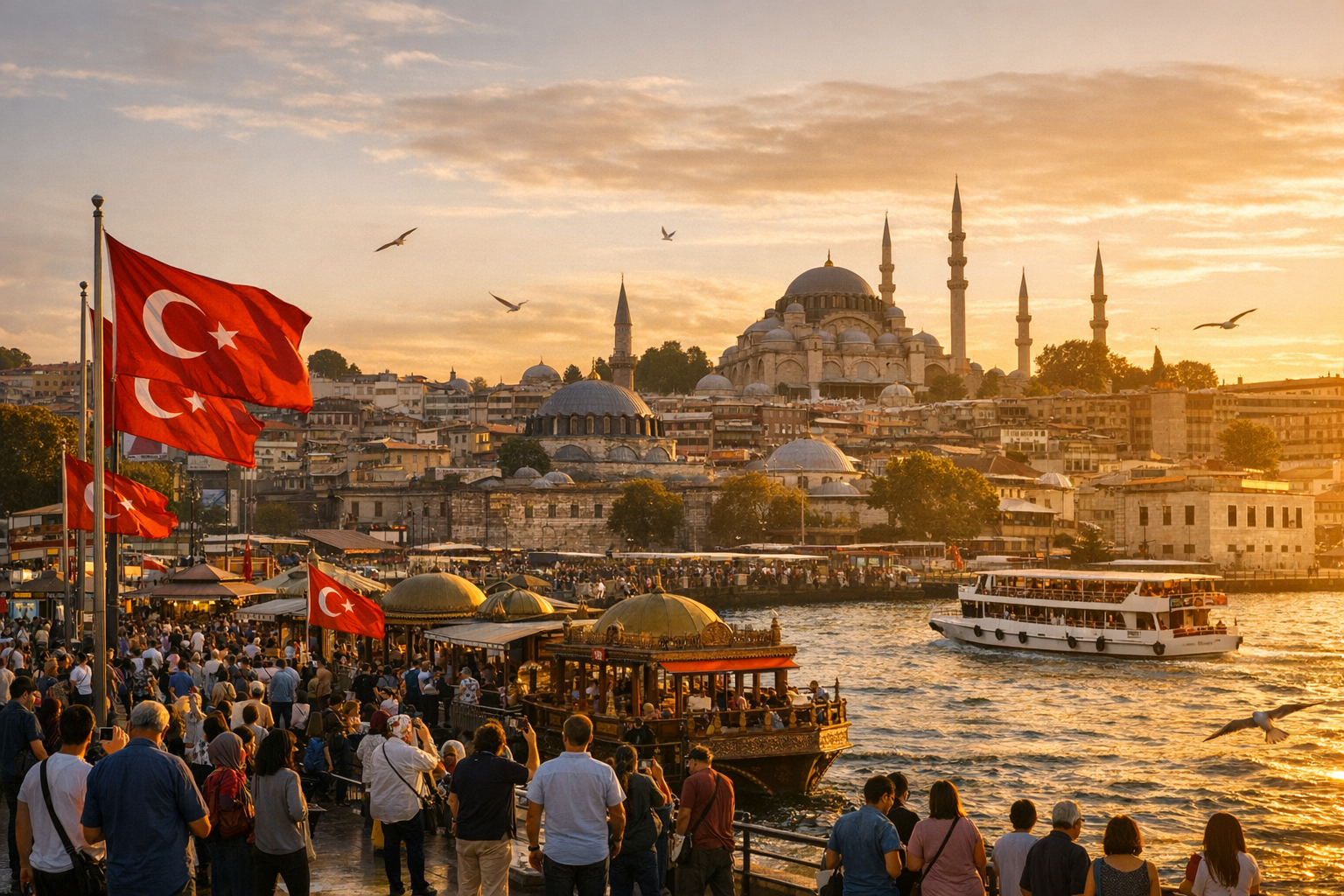
Istanbul continues to receive immigration from all over Turkey and is widely known as a city of opportunity. Here, you can visit historical monuments, try the delicious dishes of Turkish culture, and get lost in the energy of neighborhoods that mix the past and the present. To understand this spirit better, seeing places such as the Grand Bazaar or experiencing a traditional Turkish Bath (Hammam) can add another dimension to your trip.
Historical Culture of Istanbul

While researching Istanbul, you will quickly see that many states and nations throughout history were deeply impressed by its beauty. Over time, this admiration helped create a multicultural structure that survived to the present day. Because of this, the city remains one of the essential destinations for tourist trips and offers an experience that many visitors remember for a lifetime.
Istanbul has had different names over the centuries, and those names appear in historical writings, poems, and even songs today. But the name “Istanbul,” contrary to what many believe, was not first placed into use during the Ottoman period. It originally carried the meaning of “from the city,” as pronounced by the Greeks. Muslims originally called the city Konstantiniyye, but the pronunciation “Istanbul” began to be used during the Ottoman period.
Before discovering Istanbul, it helps to know that more than one empire ruled here and left behind major monuments. The city was first known as “Byzantium” in the years when Ancient Greece founded it. During the Roman Empire, which lasted until BC 330, the city became a capital and was enriched with art and valuable buildings by emperors. Istanbul experienced one of its strongest periods during the reign of Constantine the Great and became “Constantinople” after the ruler’s death. After 395 BC, the city came under the auspices of the Byzantine Empire and was one of the brightest and wealthiest cities of its age.
The multicultural character of Istanbul was almost inevitable. For centuries, countless rulers valued the city and left traces behind. Today, blended with Turkish culture, it stands as an indispensable destination for both tourists and locals, with its natural beauty and historic buildings. For broader background on the city’s historical significance, you can also review UNESCO’s overview of Historic Areas of Istanbul.
Culture in Istanbul
When you discover Istanbul, you will notice that the city is adorned with magnificent mosques, madrasas, and elegant palaces. Islam, a very important part of Turkish culture, has shaped many of these places and made them even more meaningful. One of the essential historical details connected to Turkish culture is that the Ottoman Emperor Fatih Sultan Mehmet conquered the city in 1453. After this date, the historical and cultural structure of Istanbul changed, and social life and traditions were also affected.
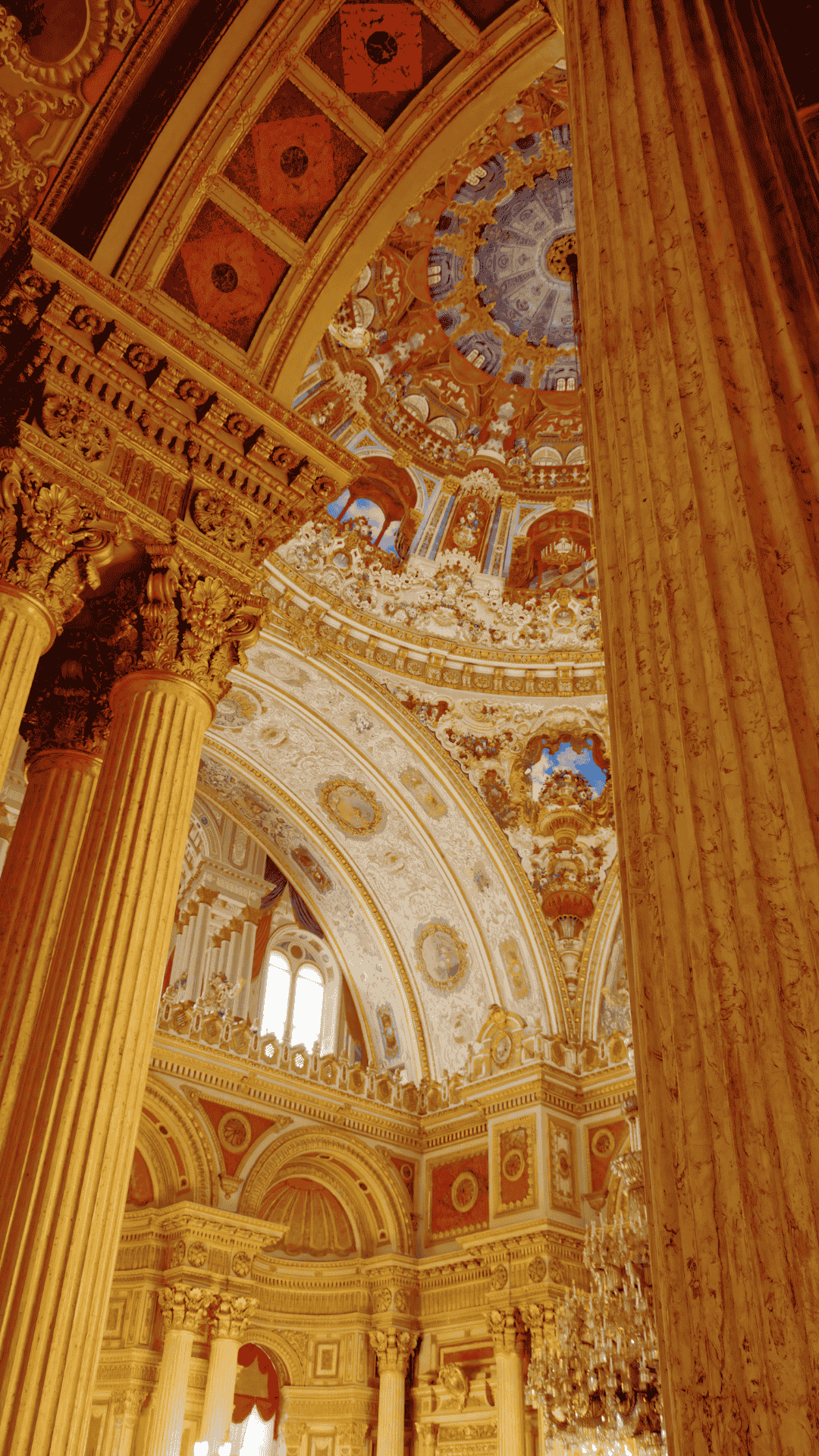
In the Ottoman period, historical buildings from earlier empires were preserved or modified, and many new palaces and mosques were added to the cityscape. One of the most important examples is Dolmabahce Palace, built by Abdulmecid Khan in 1856. The shoreline where Dolmabahce Palace stands is so remarkable that it had already hosted other palaces since the Byzantine era. Dolmabahce Palace is especially important for Turkish culture because, although it was built in the Ottoman period, it was also prepared for the accommodation of the Turkish leader Mustafa Kemal Atatürk during the Republican period. A few of its most important parts are the Harem, the Dolmabahçe Mosque, and the Clock Tower. For current visitor details, it is best to check the official National Palaces website at millisaraylar.gov.tr.
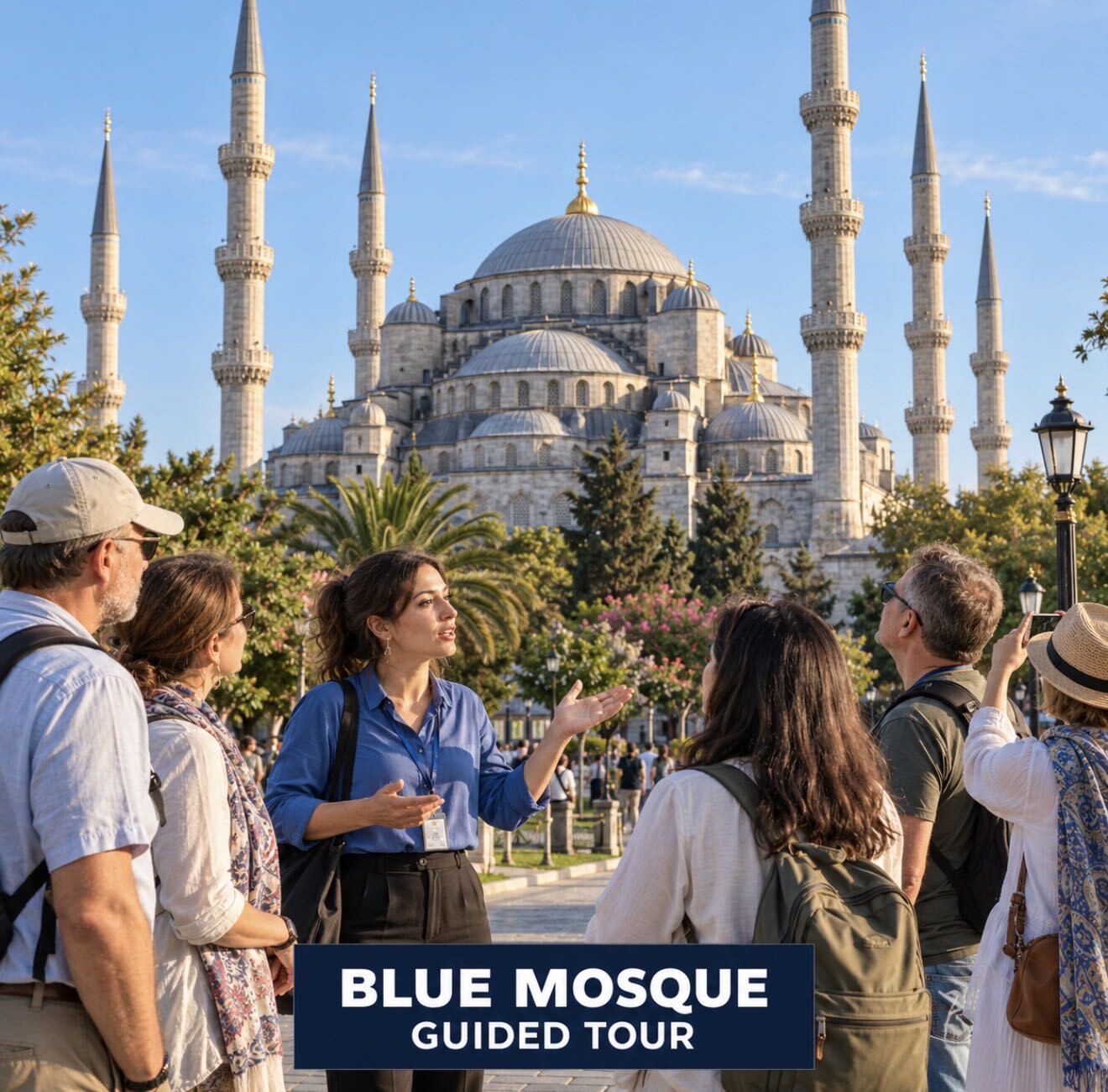
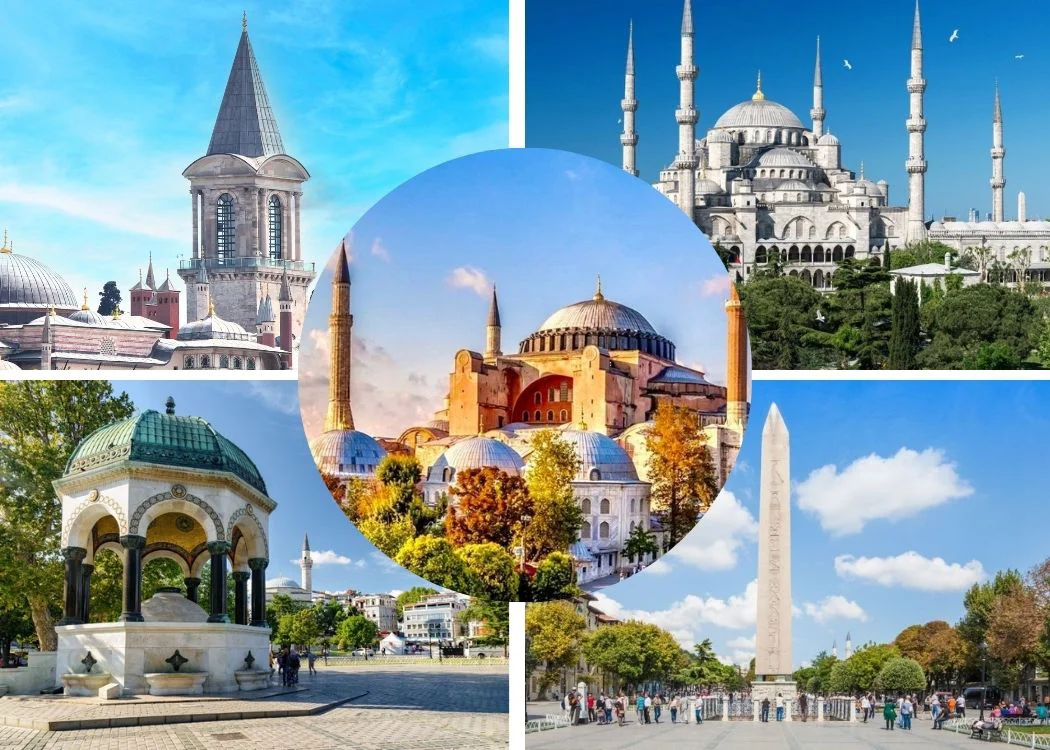
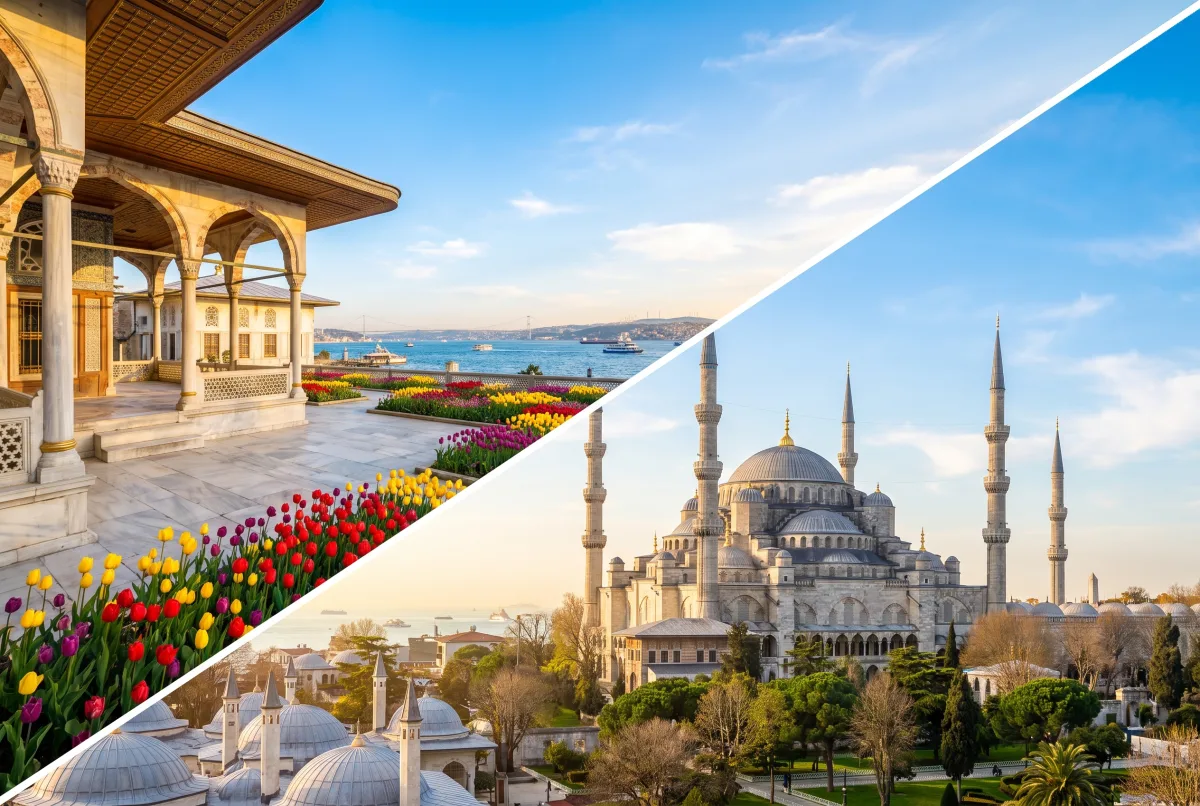
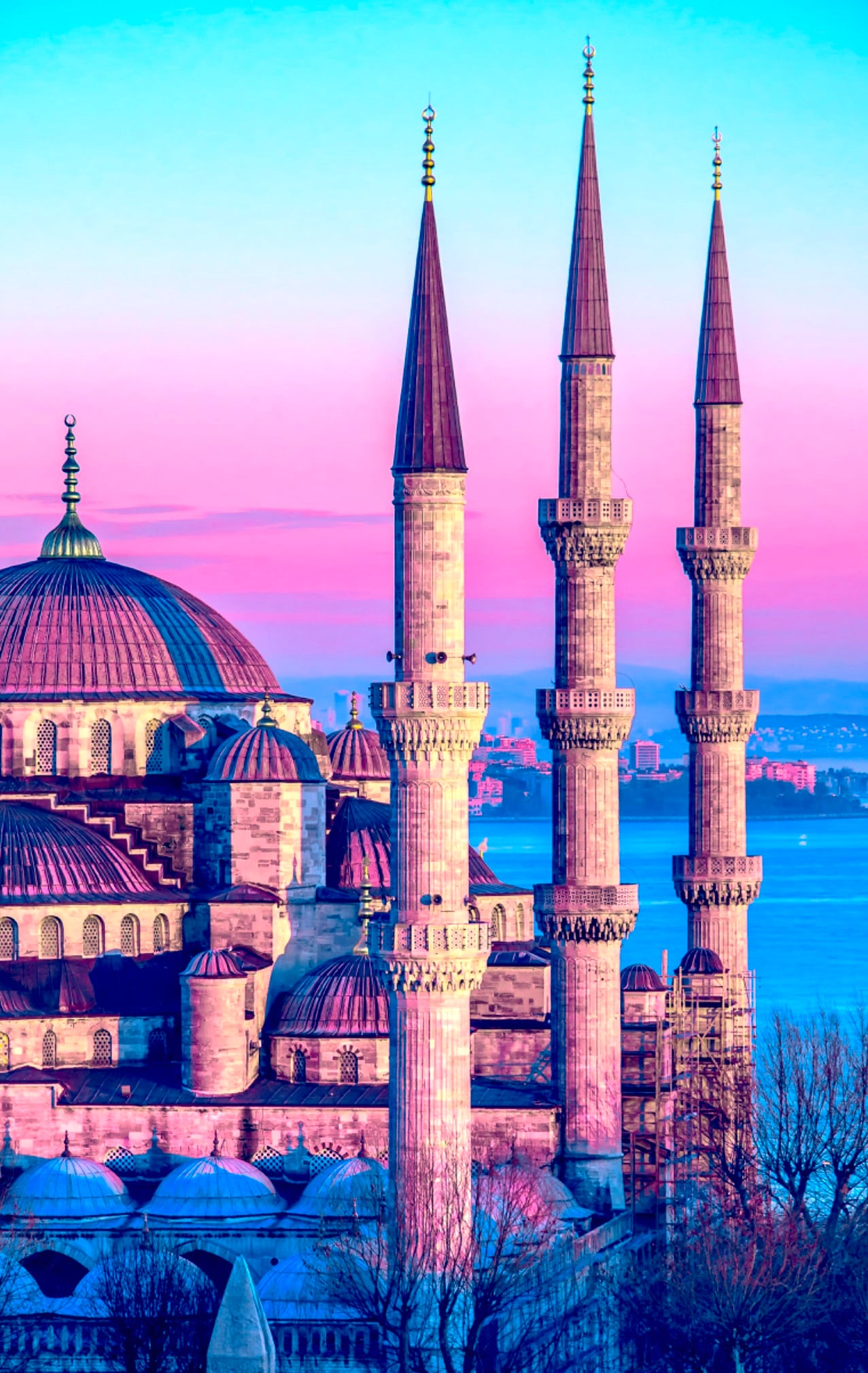
The Blue Mosque, built during the Ottoman period, is one of the places you will hear about most often in Istanbul. For many visitors, it is one of the most captivating places to begin exploring the city. Sultan Ahmet I wanted an imposing structure that would be seen across Istanbul, and the result is one of the city’s defining monuments. Its magnificent form and the Iznik tiles associated with Turkish culture create a true visual feast.
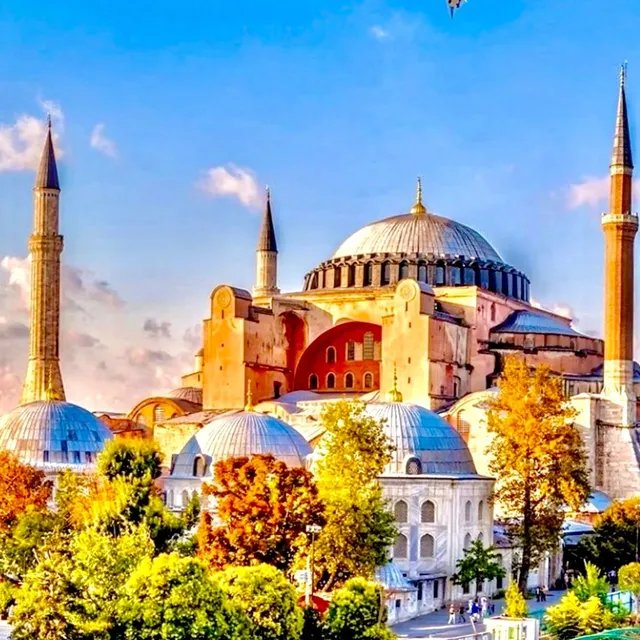
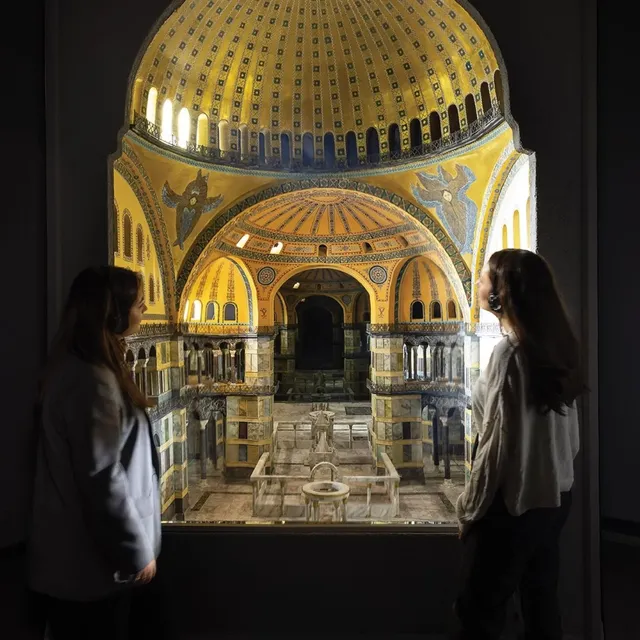
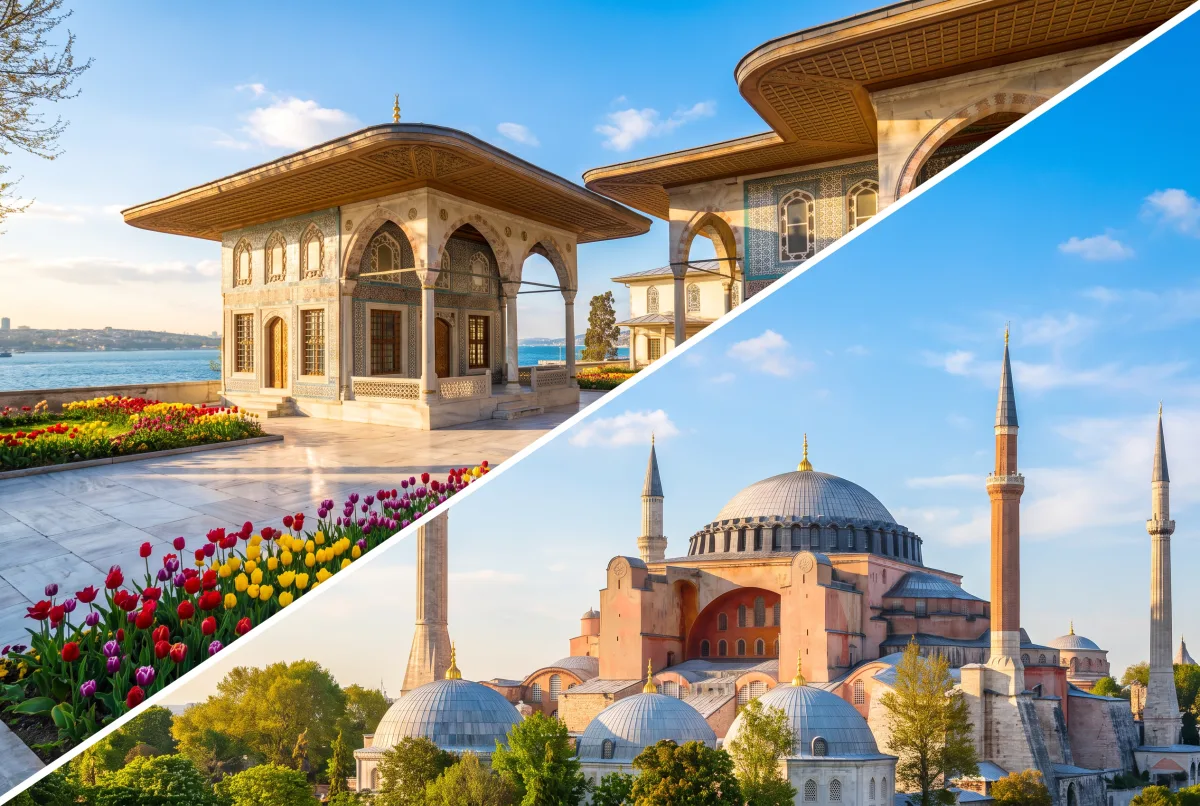
Another famous stop for those who want to understand the culture of Istanbul is Hagia Sophia. It was built during the Eastern Roman Empire as the largest church in Istanbul. Because of the city’s multicultural structure and cultural synthesis, the building changed over the centuries and served as a church, museum, and mosque. During its conversion from church to mosque after 1453, classical marble artistry associated with Ottoman architectural culture was used. This extraordinary monument served as a museum for a period and today functions as a mosque, continuing its place within the religious life of the city.
What makes Istanbul so special is not only its monuments, but also the way different eras still live side by side. From imperial palaces to grand mosques, from baths to bazaars, the city reflects a culture that developed through continuity rather than erasure. That is why visiting Istanbul is not simply about seeing famous buildings. It is about understanding how history, faith, architecture, and everyday life have shaped one another for centuries.
FAQ About the Culture of Istanbul
Why is the culture of Istanbul considered multicultural?
Istanbul is considered multicultural because it was shaped by Greek, Roman, Byzantine, and Ottoman influences over many centuries. As an imperial capital for long periods, it absorbed different traditions, beliefs, and architectural styles that can still be seen across the city today.
Which landmarks best represent the culture of Istanbul?
Some of the best-known landmarks that reflect Istanbul’s culture are Hagia Sophia, the Blue Mosque, and Dolmabahce Palace. These places show how religion, empire, art, and daily life came together in different periods of the city’s long history.
How did the Ottoman period change Istanbul’s culture?
After 1453, the Ottoman period changed Istanbul’s cultural structure through new mosques, palaces, and social traditions. Earlier buildings were often preserved or adapted, while Islamic and Ottoman influences became more visible in architecture, religious life, and public customs.
Is religion an important part of the culture of Istanbul?
Yes, religion is an important part of Istanbul’s culture. Islam played a major role during the Ottoman period and remains visible in many mosques and traditions, while the city’s churches and former Byzantine structures also reflect its broader historical and cultural diversity.