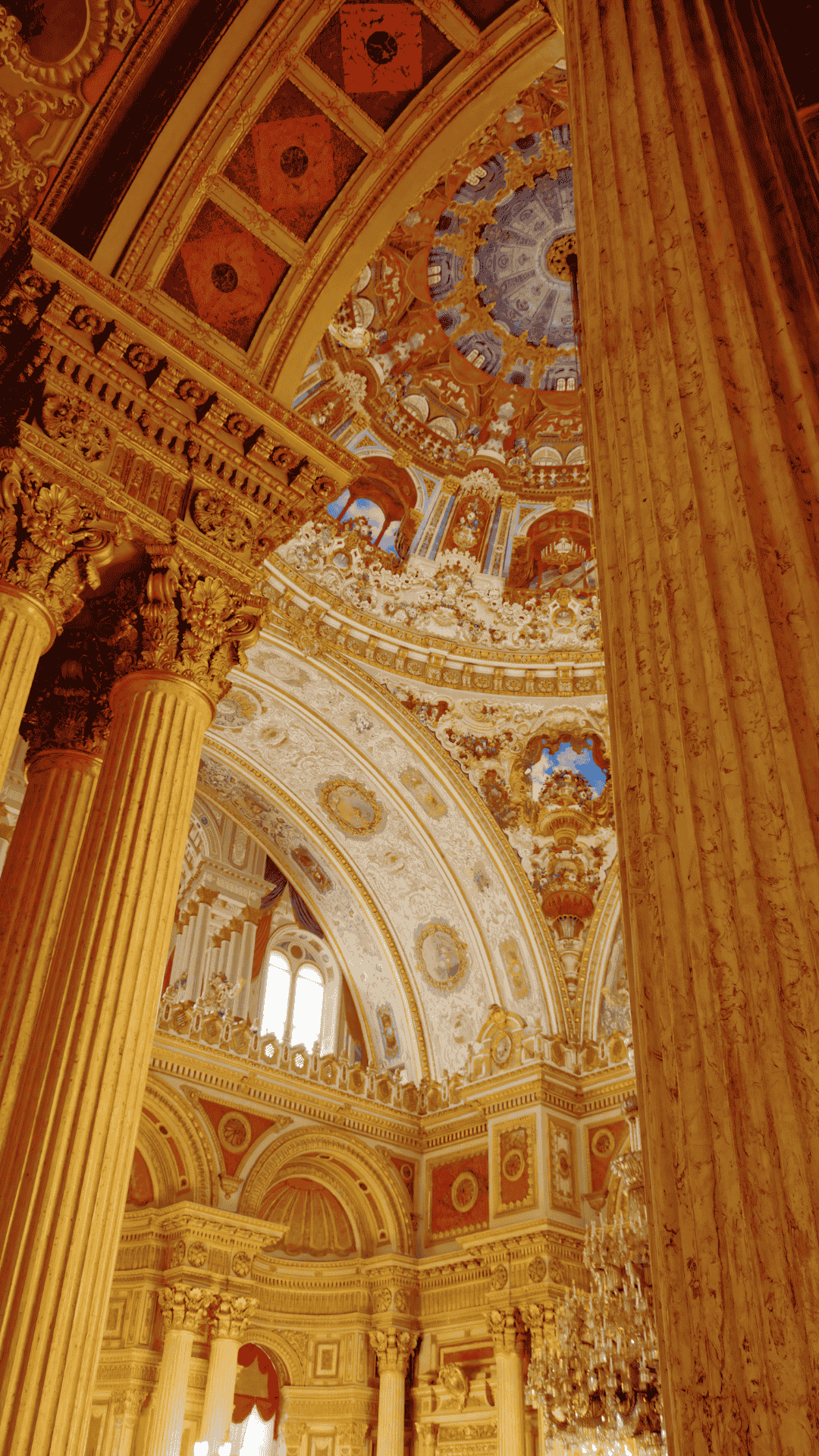
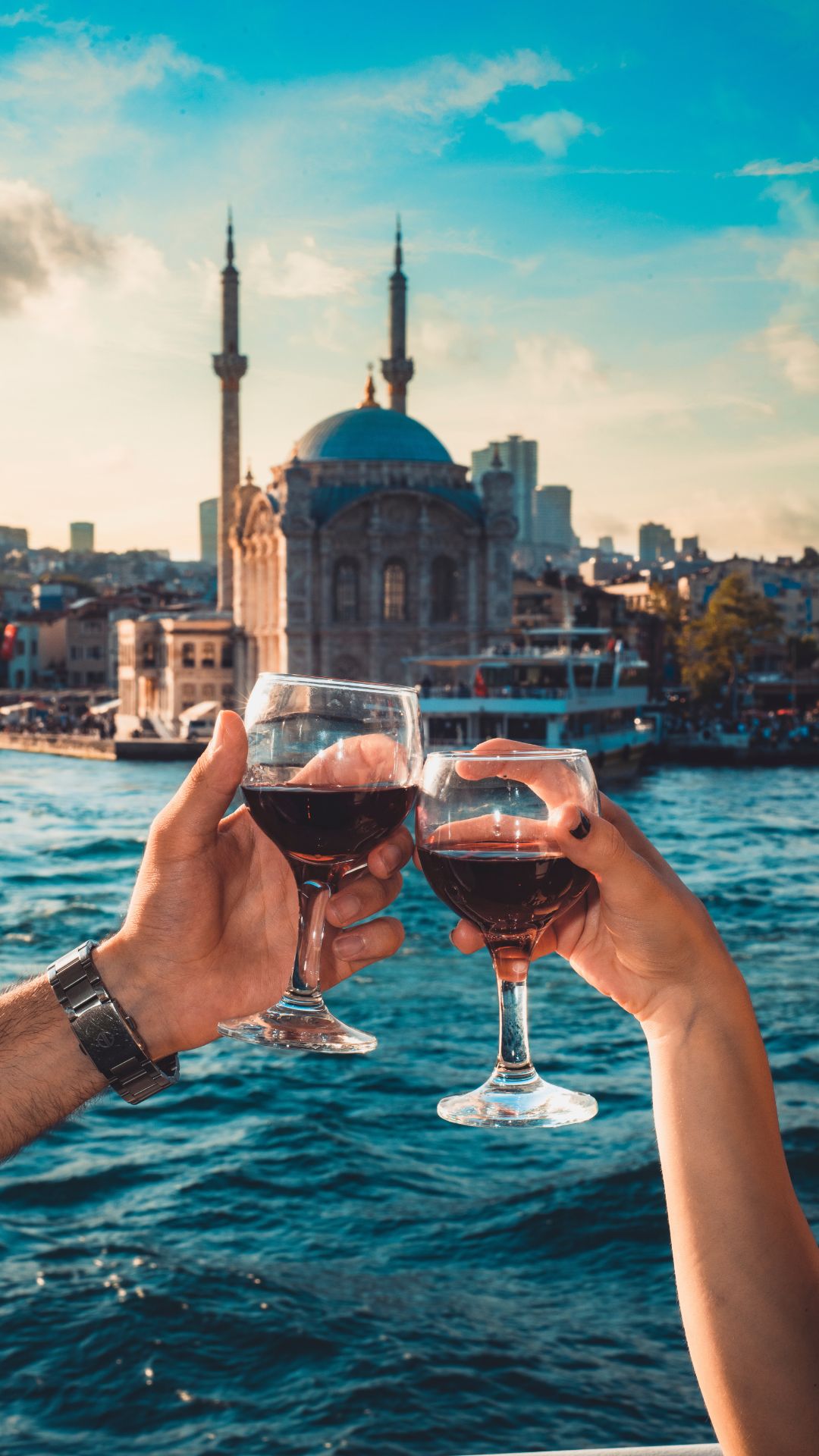
Istanbul is often introduced through its Ottoman skyline, Bosphorus views, and famous bazaars. But long before the minarets defined the horizon, this was Constantinople: the capital of the Eastern Roman Empire and one of the most important Christian cities in the world. To explore Byzantine Istanbul is to move through layers of faith, power, art, and survival — sometimes in monumental spaces, sometimes in quiet corners most travelers walk past without realizing what they are seeing.
If you are planning a spiritually focused journey, this is one of the richest experiences in the city. The reward is not only architectural beauty. It is the feeling of tracing a sacred geography that shaped Christian history for more than a thousand years. One thing we often tell first-time visitors: Byzantine Istanbul is not a single attraction. It is an itinerary of fragments, survivals, conversions, absences, and astonishing continuities. You do not just “see” it. You assemble it.
This guide shows you which churches and monasteries matter most, where to find the city’s finest mosaics and frescoes, how to structure your day realistically, which neighborhoods still preserve the right atmosphere, when guided visits genuinely add value, and how to combine spiritual depth with practical planning — balancing the great icons like Hagia Sophia, Chora, and the Patriarchate with lesser-known but meaningful places like St. Mary of the Mongols, the Pantokrator complex area, and the old land walls.
FAITH & HERITAGE Build your Byzantine Istanbul route From Hagia Sophia to Chora and Fener — connect the sites that shaped Christian history.Byzantine Istanbul at a Glance
| Time You Have | Best For | Core Stops | Pace |
|---|---|---|---|
| Half day | Travelers with only a few hours | Hagia Sophia, Hagia Irene, and the broader Sultanahmet setting | Essentials only — the only realistic scope |
| 1 full day | Short-stay visitors who move efficiently | Hagia Sophia, Hagia Irene, Chora, and Fener | Ambitious but realistic without extra stops |
| 2 full days | Ideal for most travelers | Sultanahmet, Chora, Fener/Balat, Zeyrek, Little Hagia Sophia, sections of the land walls | Room for the city to reveal itself gradually |
| 3 days | Spiritually focused travelers | Churches, museums, neighborhoods, and liturgical opportunities where accessible | Slower visits and thoughtful meal breaks |
Why Byzantine Istanbul Matters
- The center, not a side note. Constantinople was not peripheral. For centuries, it was the political and spiritual center of the Eastern Christian world. Emperors were crowned here, patriarchs shaped doctrine here, and artists developed a visual language of domes, gold mosaics, icons, and sacred interior light here.
- How much survives. Some monuments remain intact in altered form. Some churches became mosques, some are museums, some are still active houses of worship, and some survive only in fragments or in the names of neighborhoods. Byzantine Istanbul is not frozen — it is layered into the living city.
- Endurance, adaptation, memory. Spiritually, the story is not one of simple disappearance. It is one of endurance, adaptation, and memory — which is exactly what makes the experience so powerful.
- Architectural influence. Many of the forms visitors associate with sacred space in the eastern Mediterranean were refined here. Without Constantinople, the history of Orthodox Christianity — and much of medieval Europe and the Middle East — looks very different.
- Read the urban geography. Most tourists miss this: Byzantine Istanbul is best appreciated not only through interiors, but through urban geography. Hills, harbors, walls, cisterns, processional routes, monastic zones, and the relationships between church complexes all help the city make sense.
- Who this route is best for. Christian heritage travelers, art lovers, spiritual travelers, history-focused first-time visitors, photographers, and travelers with older family members who prefer a focused route. Choose a different focus if you mainly want nightlife, shopping, and modern city energy, are traveling with very young children, or are only here for a layover.
How Many Days Do You Need?
If your main goal is simply to see the headline monuments, one packed day can work. But it will feel rushed, and you will likely spend more time moving between districts than reflecting on what you are seeing.
If you have limited time: prioritize Hagia Sophia, Hagia Irene, Chora, and the Patriarchate area, but keep in mind that Hagia Irene is closed on Tuesdays.
The Best Byzantine Neighborhoods — and Where to Stay
Sultanahmet
This was the ceremonial core of Byzantine Constantinople. You can move between Hagia Sophia, Hagia Irene, and the old Hippodrome zone on foot. Trade-off: crowd density and tourist-heavy evenings — come early, especially if your interest is spiritual reflection rather than checklist tourism.
Best for Imperial Constantinople for first-time visitors — and the most convenient base.
Fener & Balat
Fener is essential for Orthodox continuity; Balat adds texture, streetscape, and neighborhood life. Do not overpack the day — leave room for walking uphill slowly, stopping for tea, and noticing churches, schools, facades, and city views. Staying here is atmospheric, but hotel choices are limited and logistics less smooth.
Best for Living memory, community, and continuity.
Karaköy & Galata
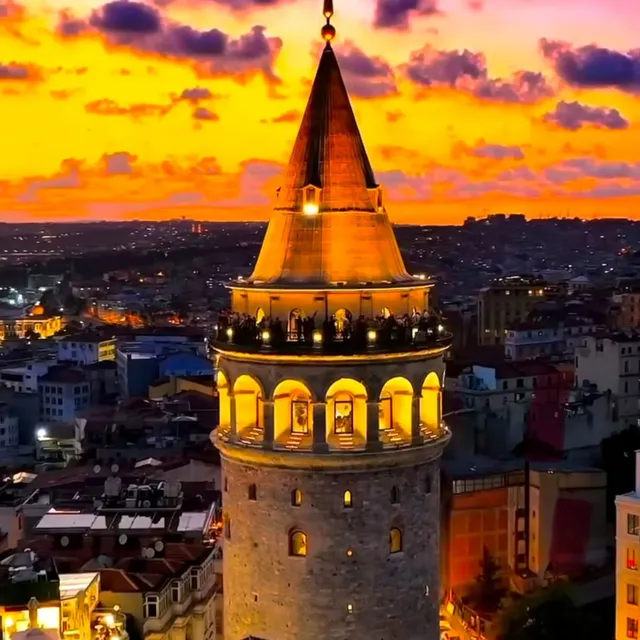
From here you can reach the historic peninsula easily while enjoying stronger restaurant options. Avoid choosing a hotel far from tram, metro, or taxi-friendly routes just because it looks charming online — Byzantine sites are spread out enough that transport convenience matters.
Best for A better balance of atmosphere, dining, and convenience for your base.
Zeyrek
Zeyrek does not market itself to you — that is part of the appeal. Layered views, older street patterns, and a more reflective encounter with Byzantine remains in the fabric of the city.
Best for Quiet depth for second-day travelers.
Edirnekapı
More than a drop-off point: this area near the land walls helps you imagine the city as a fortified sacred capital. One of the best places to experience Byzantine Istanbul spatially, not just monumentally.
Best for Chora and the edge of the old city.
The Essential Byzantine Istanbul Route
 Sultanahmet
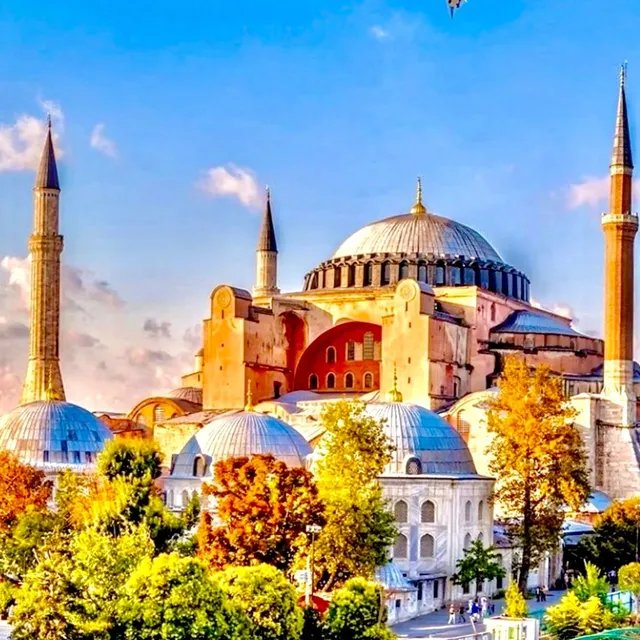
 Hagia Sophia
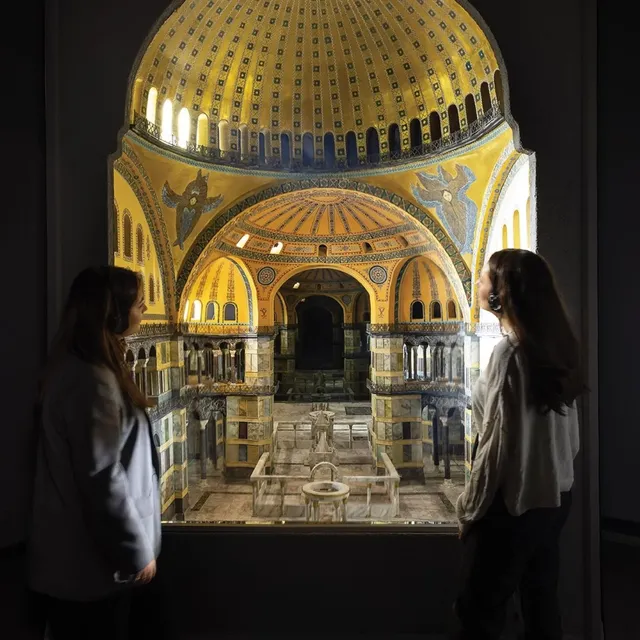
No site defines Byzantine Istanbul more completely. Built under Emperor Justinian in the 6th century, it was the cathedral of Constantinople, the symbolic heart of the empire, and one of the most influential sacred buildings in world history.
Why It Matters
Hagia Sophia is not just important because it is famous. It matters because it changes your understanding of Byzantine ambition. The dome, the volume of interior space, the shifting light, and the surviving Christian mosaics all communicate a theology of heavenly presence through architecture. Even now, after conversions and layered identities, the interior still carries an emotional force that is difficult to overstate.
What to Look For
- The immense central dome and how it seems to hover above the nave
- Upper-level or visible mosaic elements where accessible or interpretable
- Marble revetments and veining, which create a sense of movement and luxury
- The layering of Christian and Islamic history in one monument
Practical Advice
Go early if possible — crowds build quickly, and the atmosphere changes once large tour groups fill the space. Dress respectfully and check current access rules, since this is an active religious site; expect security procedures and possible route changes.
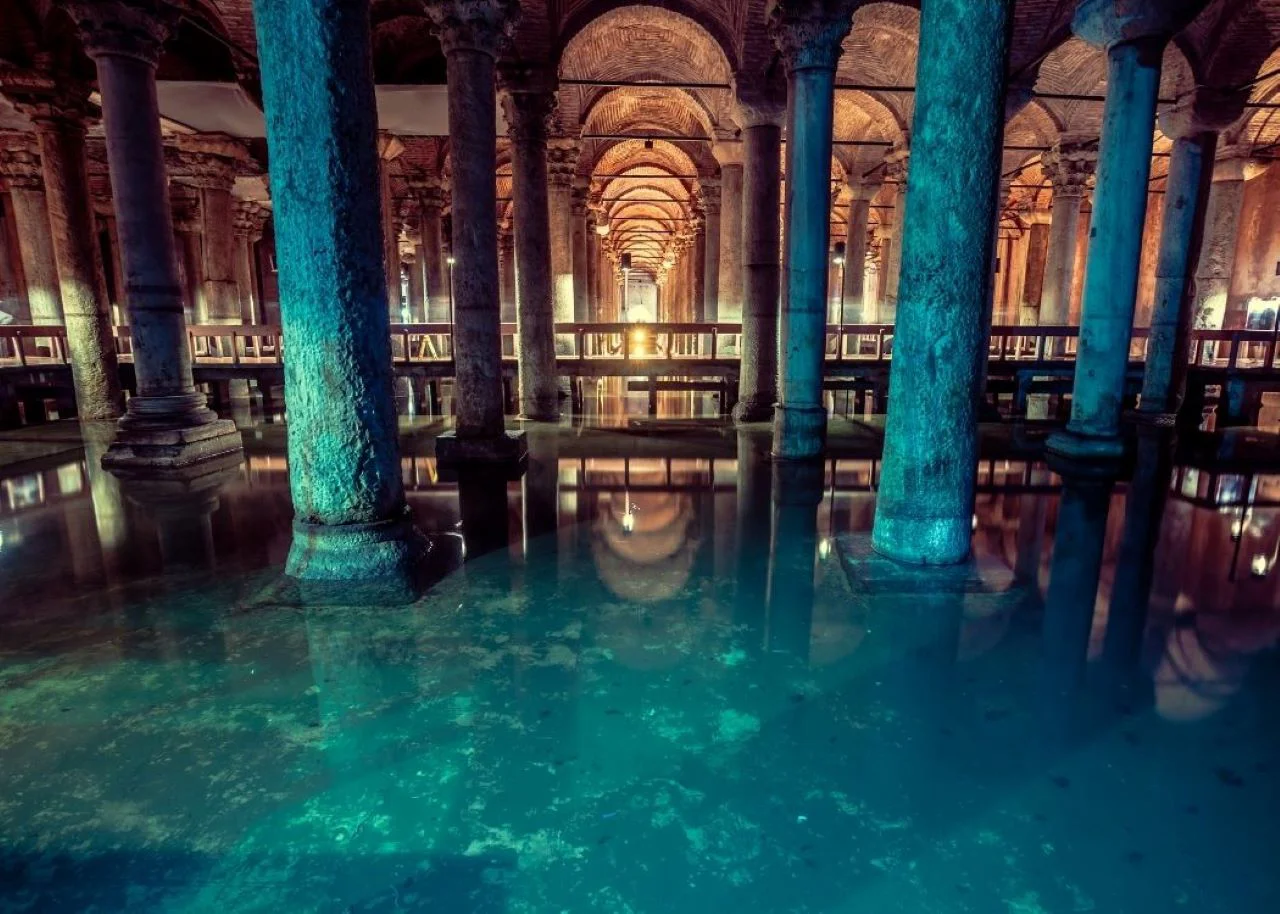
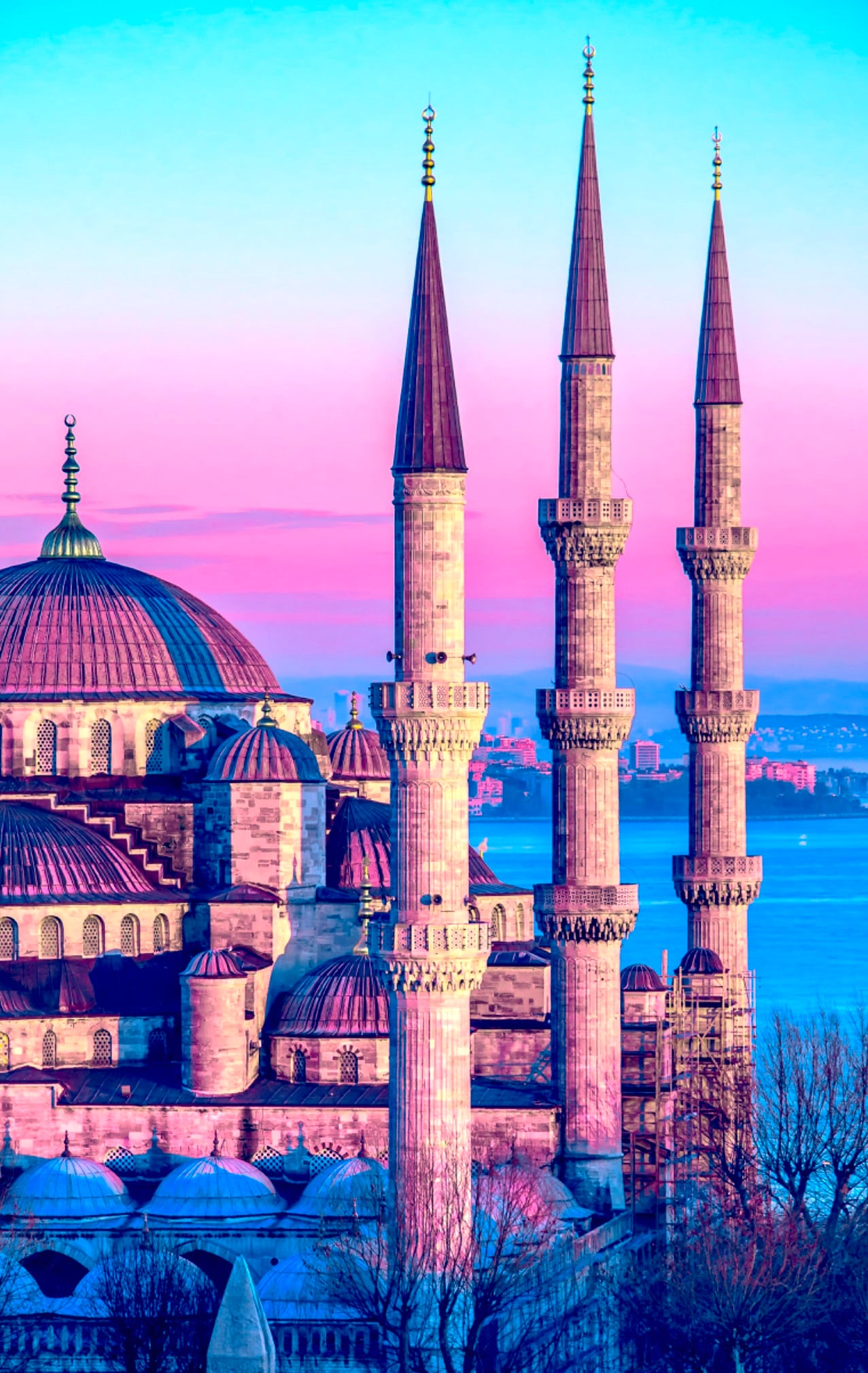
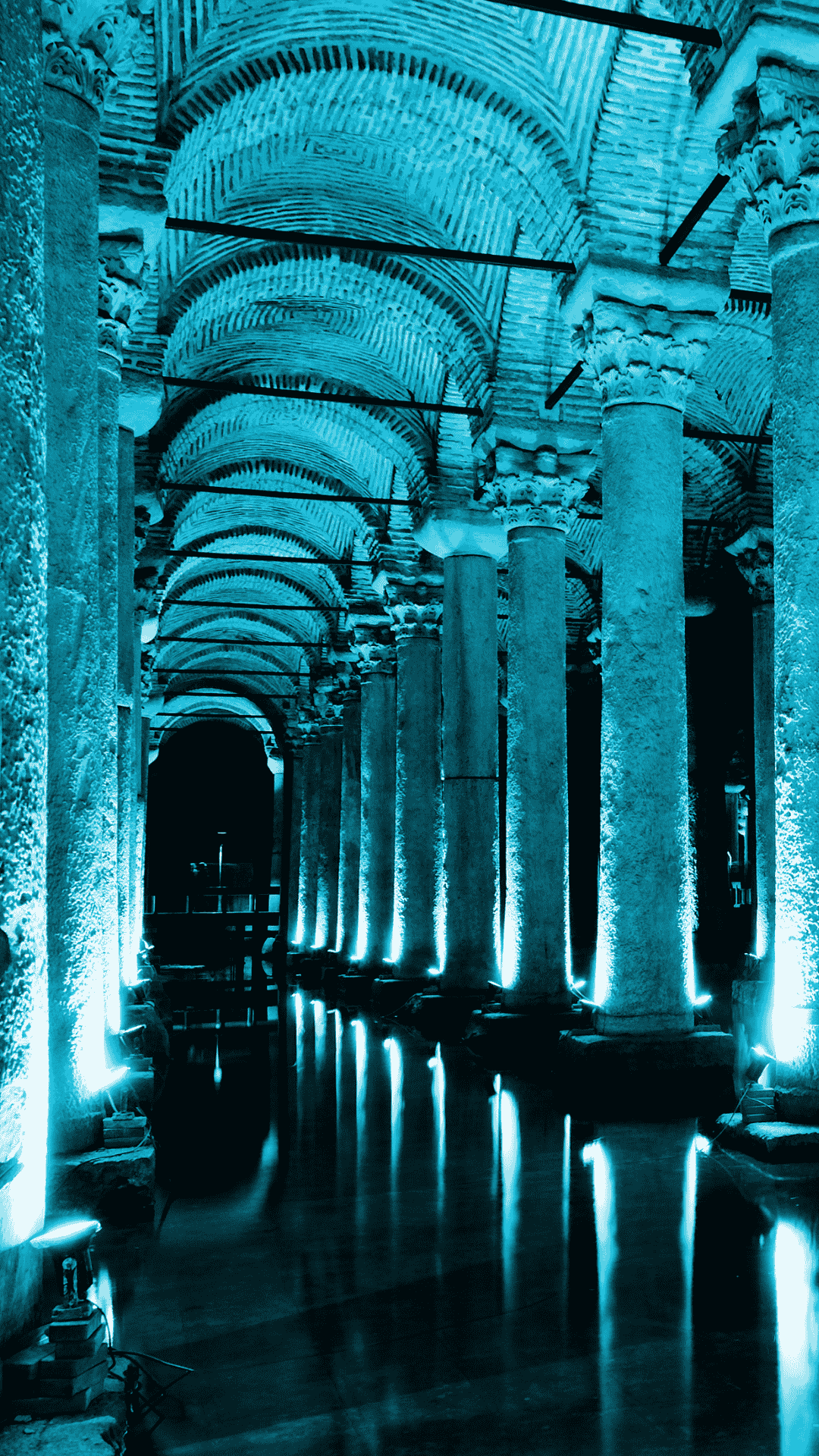
Insider tip: Hagia Sophia works much better as part of the wider Sultanahmet landscape than as a single stop. Step outside and understand how the cathedral once related to imperial, ceremonial Constantinople. If your trip is very short, this stop is non-negotiable. Combine with the Blue Mosque area, the old Hippodrome zone, Basilica Cistern if it fits, and especially Hagia Irene nearby.
 Sultanahmet
 Hagia Irene
Overshadowed by Hagia Sophia, Hagia Irene is one of the most important churches in the city for travelers who want a cleaner architectural encounter with Byzantium — and many find it more contemplative.
Why It Matters
It is one of the few major Byzantine churches in Istanbul that was never converted into a mosque. That gives the space a different feeling — more austere, more legible, and in some ways more revealing for those interested in church form rather than imperial spectacle.
What to Notice
- The calm, restrained interior
- The apse cross, significant in the context of Byzantine iconographic history
- The relationship between architecture and liturgical function
Do not rush through in 15 minutes — even a short pause changes the experience. If you are interested in sacred acoustics, this is one of the most atmospheric interiors in the city. Most tourists miss it because they are distracted by bigger-name sights; if you care about Byzantine Christianity, it deserves a place high on your list.
 Edirnekapı
 Chora Mosque
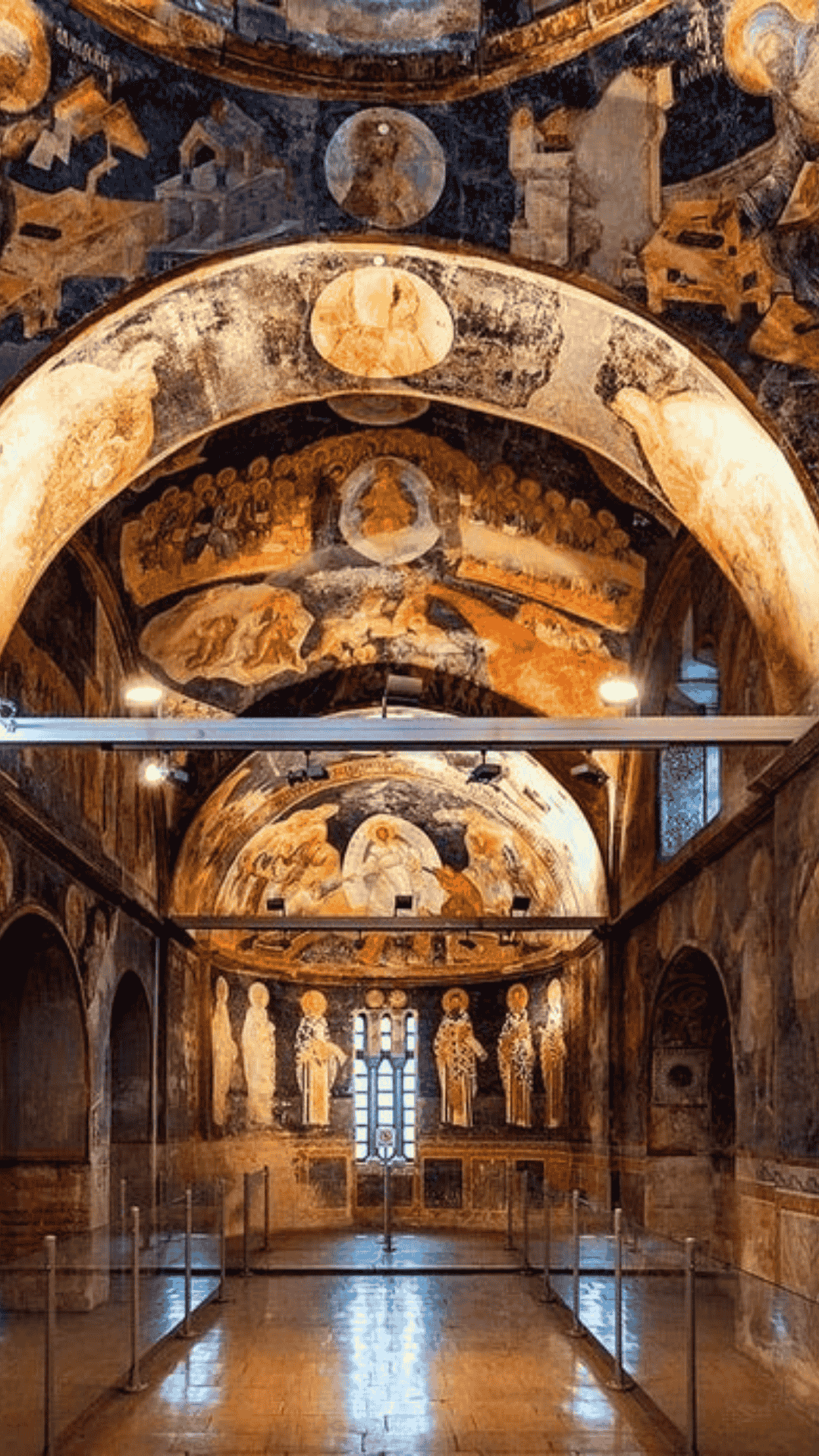
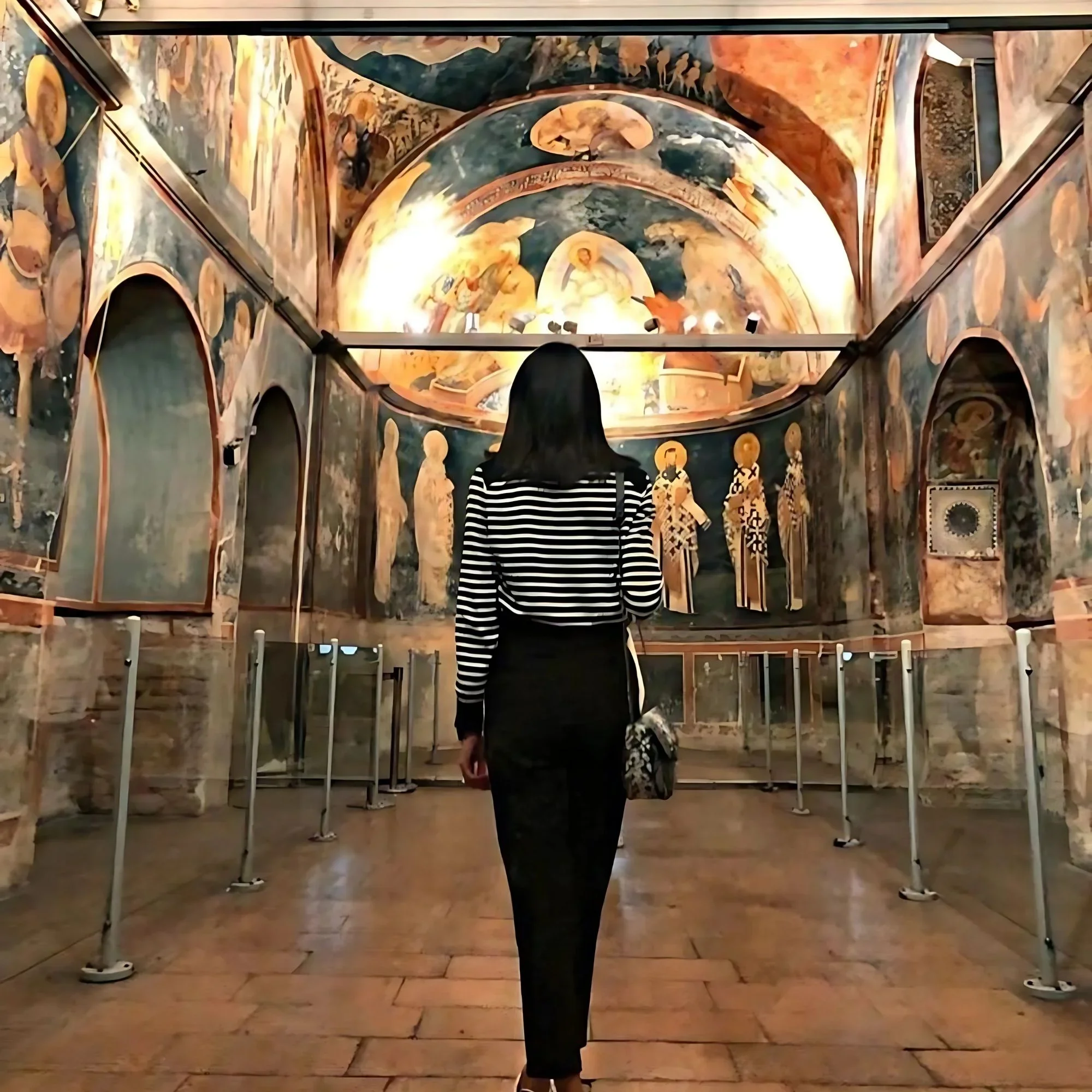
For many art historians and spiritually minded travelers, Chora is the emotional high point of Byzantine Istanbul — smaller than Hagia Sophia but far richer in surviving figurative decoration.
Why It Matters
If Hagia Sophia reveals imperial scale, Chora reveals theological intimacy. The mosaics and fresco cycles are not decorative extras. They are a visual narrative of incarnation, salvation, genealogy, and resurrection. This is the place where Byzantine sacred art becomes personal.
What to Look For
- The Deesis and life-of-Christ imagery where visible and accessible
- The parekklesion frescoes
- The Anastasis scene, one of the greatest images in Byzantine art
- The way architecture and image work together in compact space
Practical Advice, Transport, and Timing
Check current visiting conditions before you go, since access and viewing arrangements can change; keep in mind that Chora is closed to touristic visits on Fridays and is open only for worship that day. This is one of the strongest cases for joining a tour or using a serious guidebook — the art is extraordinary, but without context you will miss much of its meaning.
Avoid this mistake: arriving mentally tired late in the day after too many Sultanahmet attractions. Chora deserves your attention — make it a priority stop, not an afterthought. Located near Edirnekapı, it pairs naturally with the city walls and a wider Fener–Balat route; a taxi from Sultanahmet is often the simplest option.
 Fener
Fener The Ecumenical Patriarchate of Constantinople in Fener
For travelers interested in living Christian continuity rather than only historical monuments, Fener matters enormously — visiting this district changes the emotional register of a Byzantine-focused trip.
Why It Matters
This is not a ruin and not a museum concept. The Ecumenical Patriarchate remains one of the most symbolically important institutions in Orthodox Christianity. The Church of St. George and the broader patriarchal complex connect the Byzantine legacy to the present tense.
What to Expect and How to Visit
The visual impact is more modest than Hagia Sophia or Chora, but that is not the point. What matters here is spiritual continuity, ritual presence, and the sense that Byzantine Christian history in Istanbul did not simply end in 1453. Dress modestly, behave respectfully, and remain aware that this is an active religious setting. Pair your visit with a walk through Fener’s steep streets and nearby Balat.
If you have limited time, this is the best place to include if you want your Byzantine itinerary to feel spiritually alive, not only historically informative.
 Beyond the icons
 Little Hagia Sophia, Zeyrek, and the Land Walls
Three stops that reward travelers who go deeper: an elegant early church, a monastic legacy, and the defensive system that kept Constantinople alive for centuries.
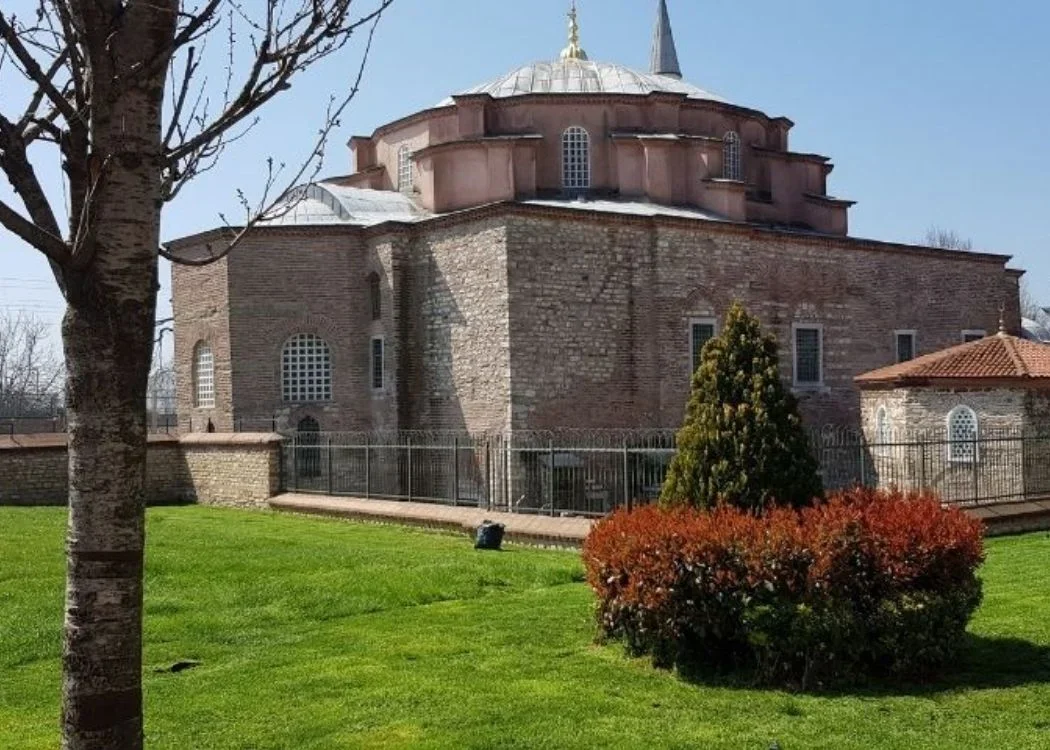
Little Hagia Sophia
Originally the Church of Saints Sergius and Bacchus, this often-overlooked building is especially rewarding if you want to see how architectural ideas developed before reaching their most famous expression in Hagia Sophia. Not the city’s most essential stop, but one of its most elegant — manageable in scale, calmer than central Sultanahmet, and best for architecture lovers and visitors who enjoy less crowded sacred spaces. It combines well with the Sultanahmet district and the sea-facing edges of the historic peninsula.
Zeyrek Mosque and the Pantokrator Legacy
Once the Monastery of Christ Pantokrator, Zeyrek is one of the most historically important Byzantine monastic church complexes in the city — though it requires more imagination than the headline sites. This stop is less about visual perfection and more about historical depth: prioritize it on a 2–3 day itinerary if you have strong interest in architecture, monastic history, or layered city views. Trade-off: if you only have one day, skip Zeyrek and spend more time at Chora or the Patriarchate.
The Land Walls of Constantinople
No Byzantine itinerary is complete without some attention to the Theodosian Walls — one of the most significant defensive systems of the medieval world, and a crucial reminder that Constantinople was a fortified imperial capital as well as a sacred city. Combine with Chora or Edirnekapı; you do not need to “do the whole walls.” Even a selective walk or viewpoint stop shifts your understanding of the city. Photography tip: late afternoon light is often best for texture, depth, and atmosphere.
 Sacred art
 Byzantine Mosaics and Sacred Art: What to Understand
Many visitors know they want to “see Byzantine mosaics” but are not sure what they are actually looking at. A little orientation makes a huge difference.
Why Mosaics Mattered
In Byzantine sacred art, mosaics were not simply decoration in the modern sense. They created a luminous theological environment. Gold backgrounds, stylized figures, and careful placement within domes, vaults, apses, and narthexes helped shape a sacred world where image and architecture worked together.
What to Notice in Person
- Light: mosaics change as you move and as daylight shifts
- Placement: where an image appears matters as much as the image itself
- Hierarchy: Christ, the Virgin, saints, emperors, and donors are arranged with purpose
- Emotion: some of the most powerful works are not grand but deeply human
Best Places for Byzantine Mosaics
Chora is the most rewarding site for narrative richness and preserved late Byzantine decoration. Hagia Sophia is essential for scale, symbolic weight, and surviving major mosaic heritage. Archaeological and museum collections add context if you want to deepen your understanding beyond in-situ sites. If this is a major interest, do not schedule these sites back-to-back with shopping or unrelated sightseeing — sacred art rewards concentration.
 Route plans
 Ready-Made Byzantine Itineraries: 1, 2, or 3 Days
Three tested structures, from a single ambitious day to a slower faith-centered journey.
The Strongest One-Day Route
Morning — Sultanahmet core: start at Hagia Sophia as early as possible, walk to Hagia Irene, and pause in the surrounding historic zone to understand the former imperial center (3 to 4 hours total); if this day falls on a Tuesday, skip Hagia Irene because it is closed. Lunch: a reliable local restaurant rather than the nearest tourist menu board — soup, kebab, meze, or home-style dishes. Afternoon: taxi to Chora, spend focused time there, continue to Fener and the Patriarchate, then walk through Fener/Balat before dinner; if this day falls on a Friday, skip Chora because it is closed to touristic visits. Evening: dinner in Balat, Karaköy, or your hotel area. Do not end a spiritually heavy day with another major attraction — let the day breathe.
The Ideal Two-Day Structure
Day 1 — Imperial Constantinople: Hagia Sophia, Hagia Irene, Little Hagia Sophia, and a slow evening in or near Sultanahmet. Day 2 — Art, continuity, and the western districts: Chora, a land walls viewpoint or short walk, the Patriarchate in Fener, Balat wandering, and Zeyrek if energy and time allow. This version gives the city room to reveal itself gradually and reduces the risk of Byzantine overload.
A Three-Day Spiritual and Historical Route
Day 1 — Sacred center: base yourself in Sultanahmet, visit Hagia Sophia and Hagia Irene, walk the old imperial zone, and keep the rest of the day light. Day 2 — Chora, walls, and layered history: dedicate real attention to Chora, continue to the walls and old-city edges, add Zeyrek if this is a history-heavy trip. Day 3 — Living Christianity: spend more time in Fener, the Patriarchate, and surrounding streets, seeking out additional churches, monasteries, or liturgical opportunities where appropriate and accessible.
 Food
Food Where to Eat During a Byzantine Route
A good food plan makes this kind of itinerary noticeably better — long walking days through hilly districts and emotionally dense sites can become tiring fast.
Best Approach by Area
- Sultanahmet: choose carefully — convenient but uneven in quality. Look for places known for Turkish breakfast, soups, grilled dishes, or Ottoman/Turkish home-style food rather than generic tourist menus.
- Fener/Balat: better for cafes, neighborhood stops, and a more relaxed lunch or coffee break.
- Karaköy/Galata: the stronger dinner zone if you want to end the day well.
What to Eat on a Heritage-Focused Day
- Turkish breakfast if starting early and walking a lot
- Lentil soup, pide, gözleme, or kebab for a practical lunch
- Meze and fish or regional Turkish dishes for dinner
- Tea breaks rather than heavy desserts in the middle of the day
 Atmosphere
 Photography, Atmosphere, and the Deeper Story
One of the defining experiences of Byzantine Istanbul is stillness. Try not to disturb it — and learn to read the city beyond its labels.
Best Photography Opportunities
- Exterior setting and urban context around Hagia Sophia early in the day
- Layered neighborhood streets in Fener and Balat
- Late afternoon textures near the land walls
- Elevated viewpoints around Zeyrek for historic peninsula depth
In active religious sites, always follow current photography rules and avoid turning worship spaces into performance stages for social media.
Best Mood-Based Timing
Early morning: reflection and lower crowds. Midday: stronger for interiors if weather is poor outside. Golden hour: best for walls, neighborhood facades, and broad city mood.
What Most Tourists Miss
The deeper story is not only in preserved churches. It is in continuity, adaptation, and urban memory. A church turned mosque is still part of Byzantine history. A Greek Orthodox institution in modern Istanbul is part of the Byzantine afterlife. A neighborhood street near old walls can teach as much about historical setting as a label inside a monument. Connect the imperial, artistic, and living religious layers — that is when Byzantine Istanbul becomes more than a sightseeing theme and starts to feel like a real journey.
Transportation Tips for Byzantine Istanbul
Very useful for Sultanahmet and parts of the historic center. Public transport is usually enough — but Byzantine sites are not perfectly aligned along one effortless route.
Most helpful for moving between Sultanahmet and Chora, or when connecting a full-day route without wasting energy — especially in summer or with older family members.
Hagia Sophia to Hagia Irene: a few minutes. Sultanahmet to Little Hagia Sophia: around 10–15 minutes. Patriarchate through Fener/Balat streets: 45–90 minutes with stops. Zeyrek slopes: more tiring than expected.
Rarely necessary for day-to-day sightseeing, but a smart choice for airport arrival on a short trip — after a flight, protecting a carefully planned heritage itinerary can be stressful without one.
Guides, Passes, and What to Book Ahead
Worth booking or paying for
- A specialist guide or limited-time-slot experience in peak season — book ahead
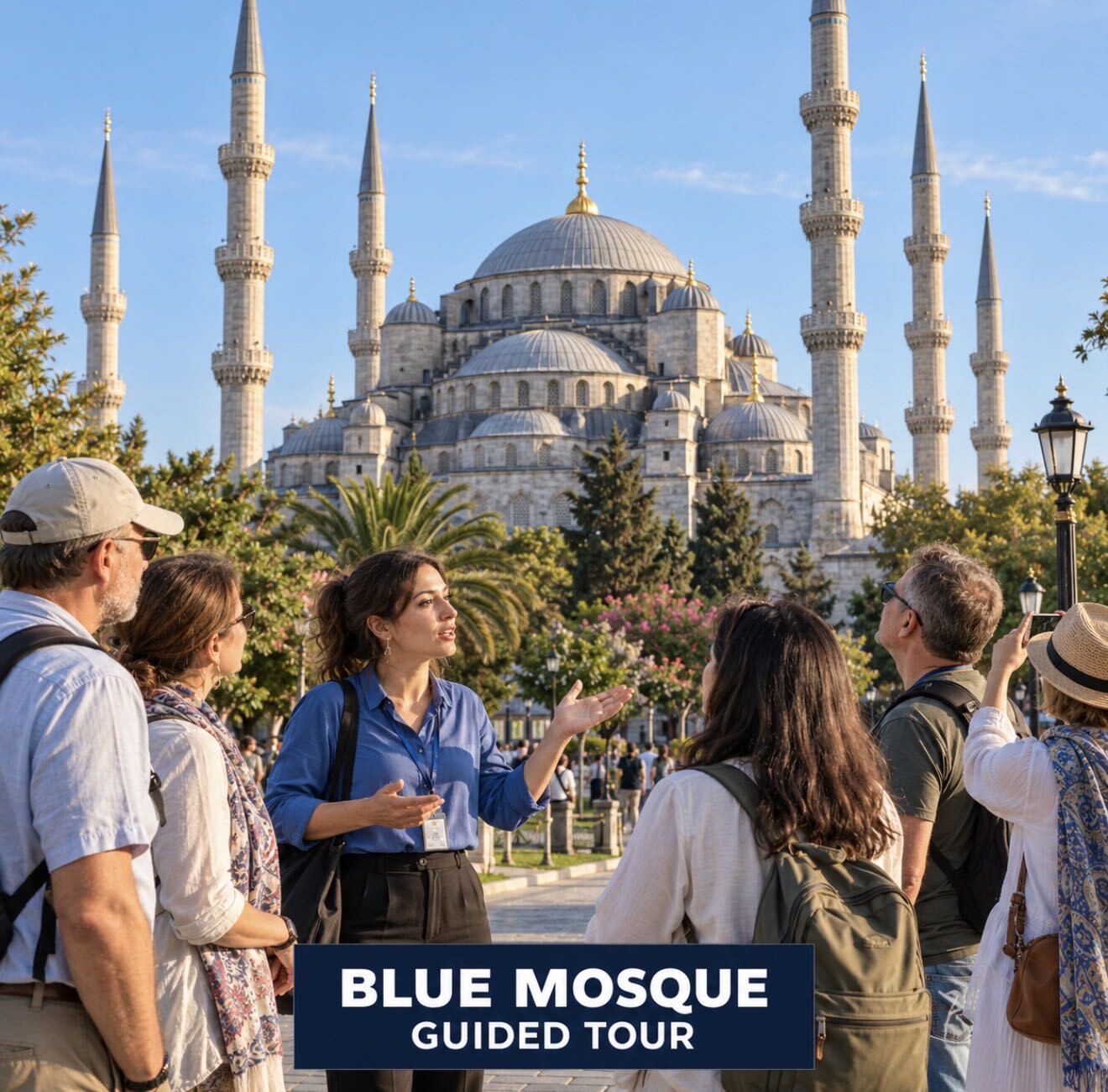
- One expertly guided half-day focused on Hagia Sophia and Chora — guides add the most value where sites are visually obvious but historically complex
- A guided tour if you have only one day, care about theology and iconography, or want to combine Sultanahmet and the western districts efficiently
- An airport transfer for a smooth start on a short trip, for late arrivals, families, or older travelers
Keep flexible or skip
- Independent exploring over two or three days if you love moving slowly, reading on-site, and building your own route
- A museum pass — useful only if your trip includes enough eligible attractions; several spiritually important stops are active religious sites, not standard ticketed museums
- Free-access churches and neighborhood wandering in Fener, Balat, and Zeyrek
- Checking current access conditions before each visit — site rules and status can change
Best Times of Day for Byzantine Istanbul
Common Mistakes and How to Experience It Well
Avoid these mistakes
- Trying to do everything in one day — this reduces the whole experience to logistics
- Not checking current access conditions — site rules and status can change
- Skipping Fener — many travelers see monuments but miss living Christian continuity
- Giving Chora too little time — this is one of the city’s great artistic experiences
- Ignoring geography — distances are not huge, but hills, traffic, and transitions add up
- Assuming all Byzantine sites are museums, and choosing convenience over substance for meals — some sites are active places of worship, and a poor tourist-trap lunch can drain the day
Insider tips
- Go early, walk slowly, choose fewer sites more thoughtfully, and leave room for stillness
- Byzantine Istanbul is an itinerary of fragments and continuities — you do not just see it, you assemble it
- Guides add the most value at Hagia Sophia and Chora, where what you see is visually obvious but historically complex
- Hagia Irene is the contemplative counterpoint most tourists miss — do not rush it in 15 minutes
- Sacred art rewards concentration — do not schedule mosaic sites back-to-back with shopping
- A church turned mosque is still Byzantine history; a street near the old walls teaches as much as a museum label
Frequently Asked Questions
What is the best way to see Byzantine Istanbul?
Is Hagia Sophia enough if I only want one Byzantine site?
Is Chora worth visiting?
Can I visit Byzantine churches in Istanbul on my own?
How many days should I spend on Byzantine Istanbul?
What should I wear when visiting churches and religious sites in Istanbul?
Are Byzantine sites included in an Istanbul tourist pass?
Where should I stay for a Byzantine Istanbul itinerary?
What is the best neighborhood for Orthodox Christian history in Istanbul?
Are there still active Christian sites in Istanbul connected to Byzantine history?
Is Byzantine Istanbul good for families?
What is the best time of year to explore Byzantine Istanbul?
Do I need to book tours in advance?
What other Istanbul experiences pair well with a Byzantine itinerary?
How to Experience Byzantine Istanbul Well
The best Byzantine Istanbul trip is not the one with the longest checklist. It is the one that gives the city enough space to speak. Start with the great monuments, but do not stop there: let Fener show you continuity, let Chora show you intimacy, let the walls show you scale, and let Zeyrek and the old hills show you how history survives in urban texture. Go early, walk slowly, choose fewer sites more thoughtfully, and leave room for stillness — Byzantine Istanbul reveals the city not simply as a place of attractions, but as civilizations layered on top of one another without ever fully erasing what came before.
Explore things to do in Istanbul