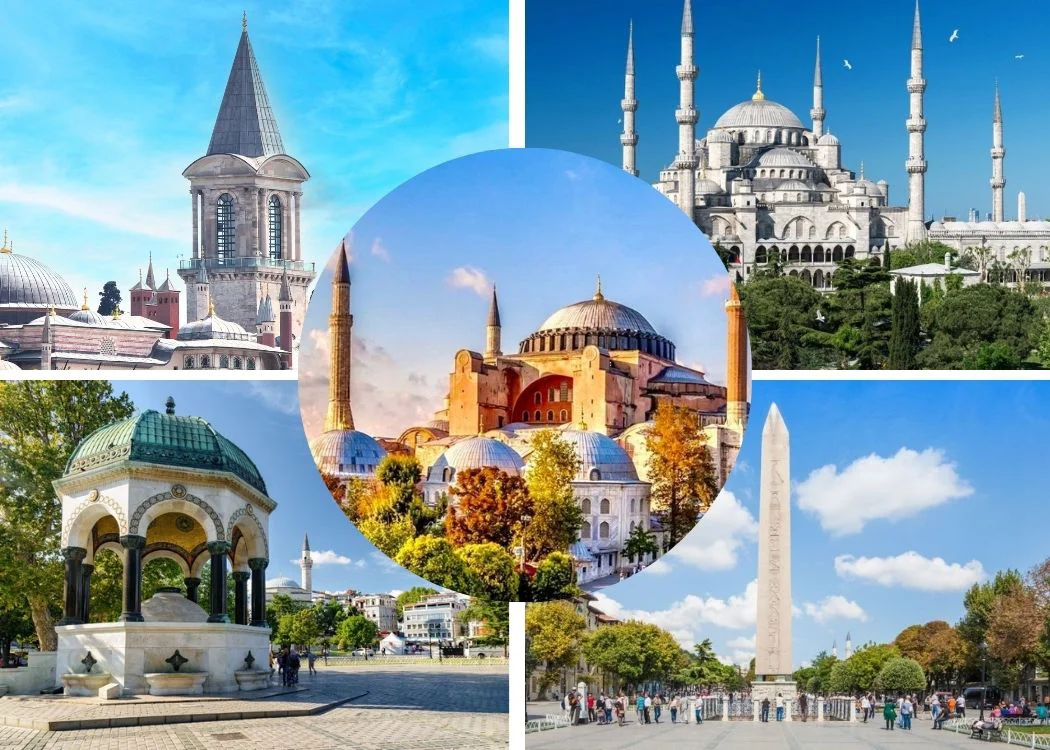
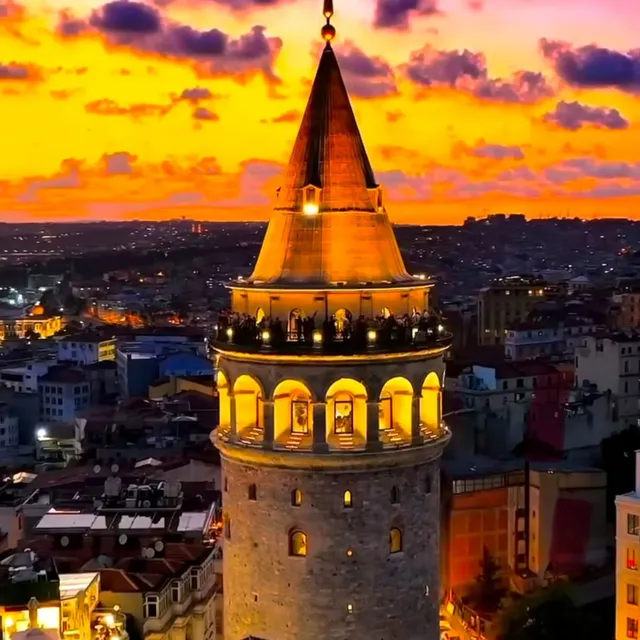
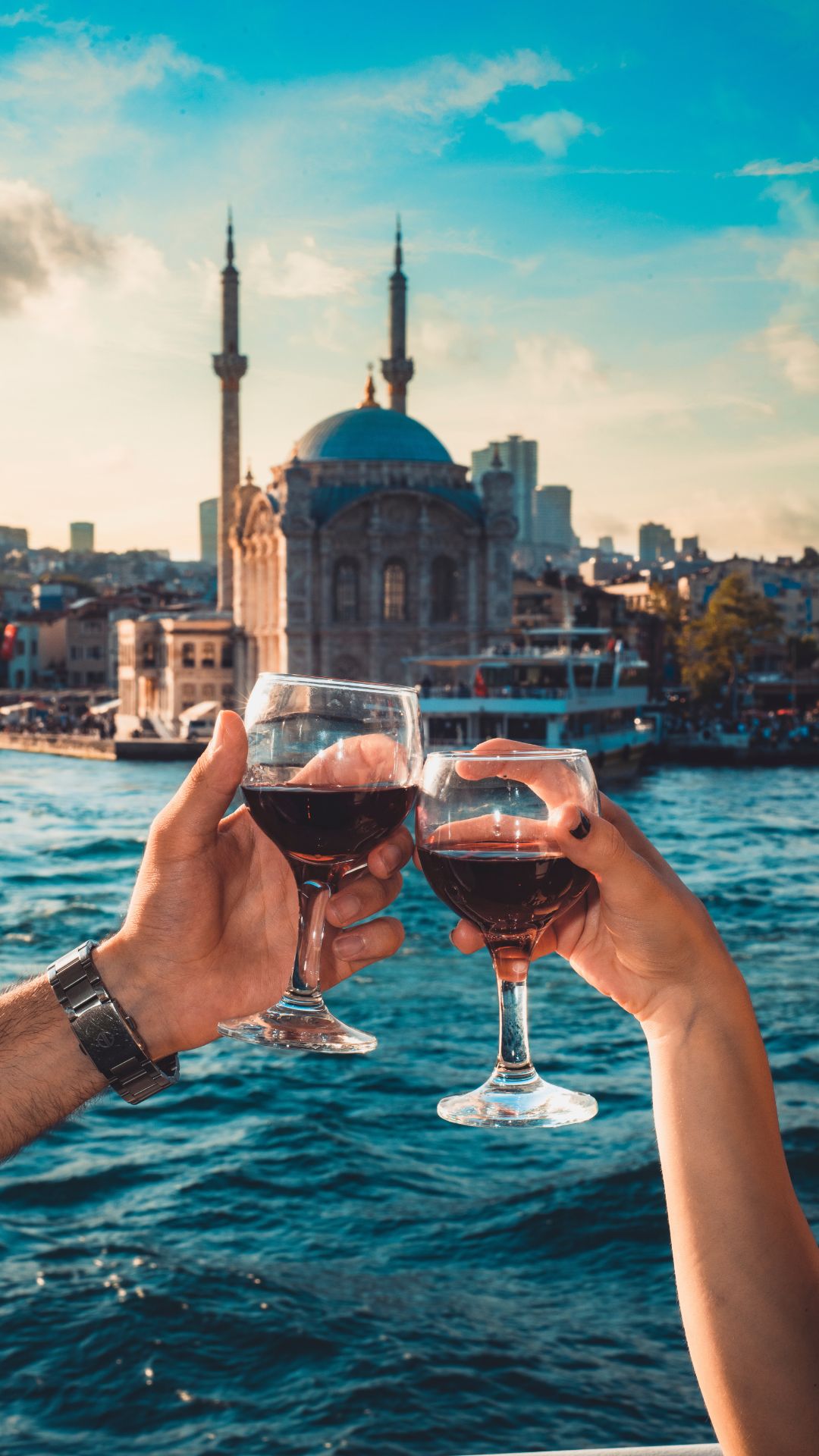
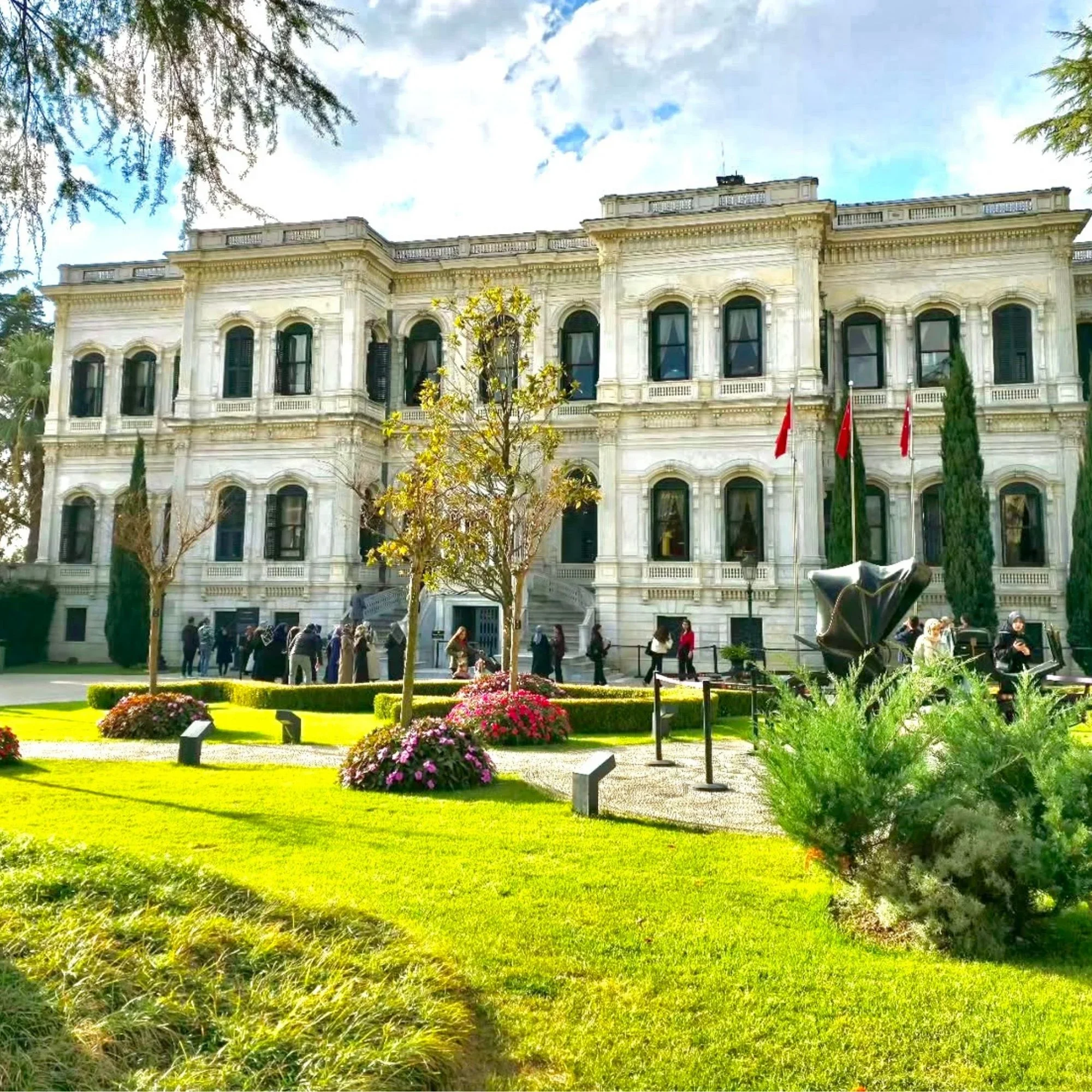
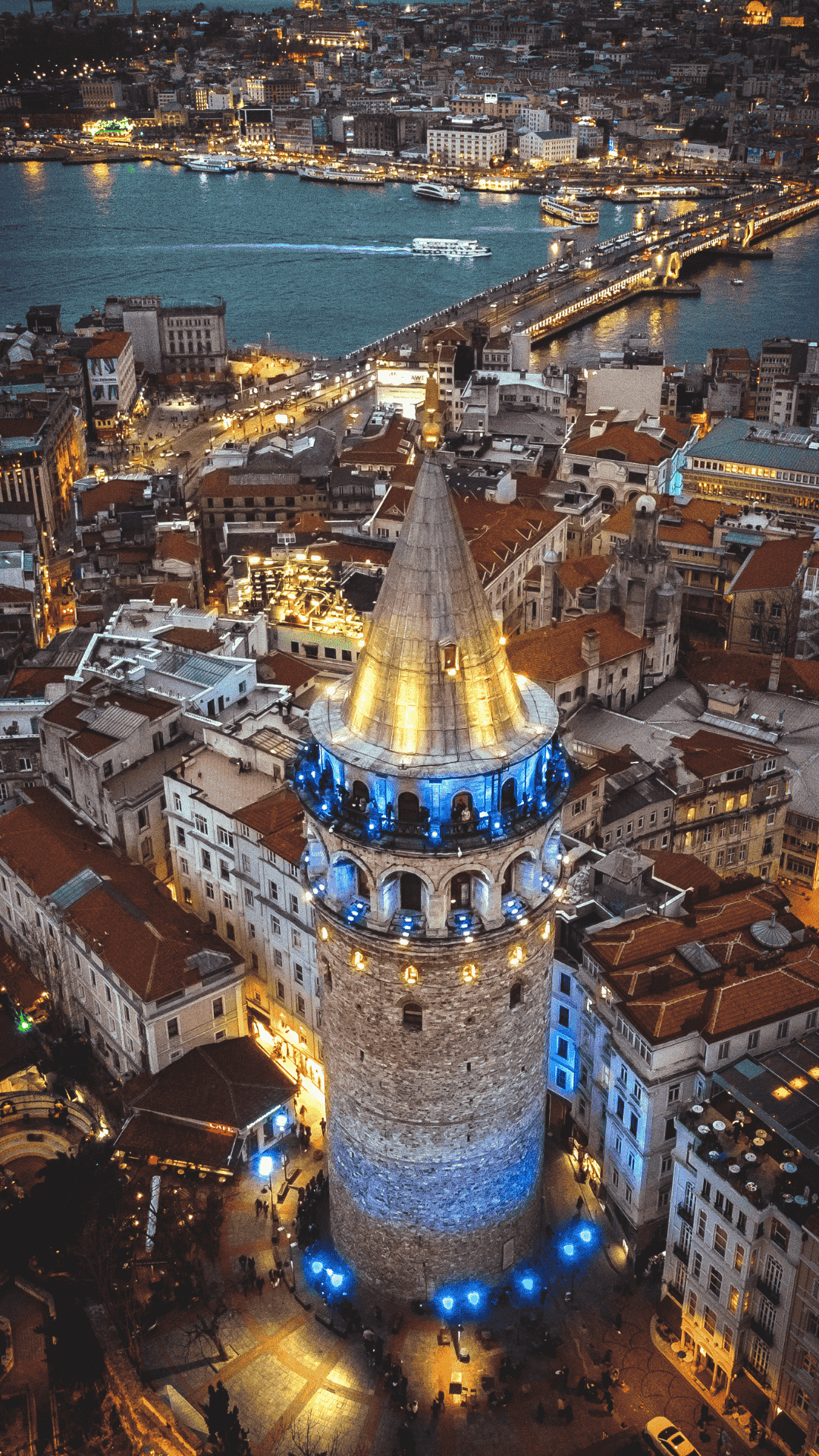
If Istanbul has ever felt less like a city and more like a timeline you can walk through, this guide is for you. This is Istanbul for History Nerds: not a checklist of famous sights, but a smart, practical way to understand how Byzantium became Constantinople, how Constantinople became Ottoman Istanbul, and how all of those layers still shape the streets, skylines, rituals, and ruins you see today.
What makes Istanbul so compelling for serious history-minded travelers is not only that Roman, Byzantine, and Ottoman monuments survive here. It is that the transitions between them are still visible. A church becomes a mosque, a hippodrome turns into a civic square, an imperial water system disappears beneath traffic and shopfronts, defensive walls stretch past neighborhoods where ordinary daily life continues around them. In very few cities can you trace imperial ambition, religious change, military strategy, urban engineering, and everyday continuity so directly.
This guide is designed for trip planning. It will help you decide what matters most, how many days you really need, which history sites are worth a guide, when to use a museum pass, how to move between the major historical zones efficiently, where to eat without losing half your day, and how to avoid common first-time mistakes.
HISTORY & CULTURE Walk Through Empires With a Smart Plan Sequence Byzantine and Ottoman Istanbul without the box-ticking fatigue.Quick Overview for History-Focused Travelers
| Question | Short Answer | ||
|---|---|---|---|
| How many days do you need for Istanbul for History Nerds? | At least 3 full days, ideally 4 to 5 if you want major imperial sites, walls, cisterns, museums, and neighborhoods without rushing. | ||
| Best base for a history trip? | Sultanahmet for first-time convenience, or Karakoy/Galata if you want easier evenings and are happy to commute slightly. | ||
| What should you absolutely not miss? | Hagia Sophia, Topkapi Palace, Basilica Cistern, Hippodrome area, Istanbul Archaeological Museums, and the Theodosian Land Walls. | ||
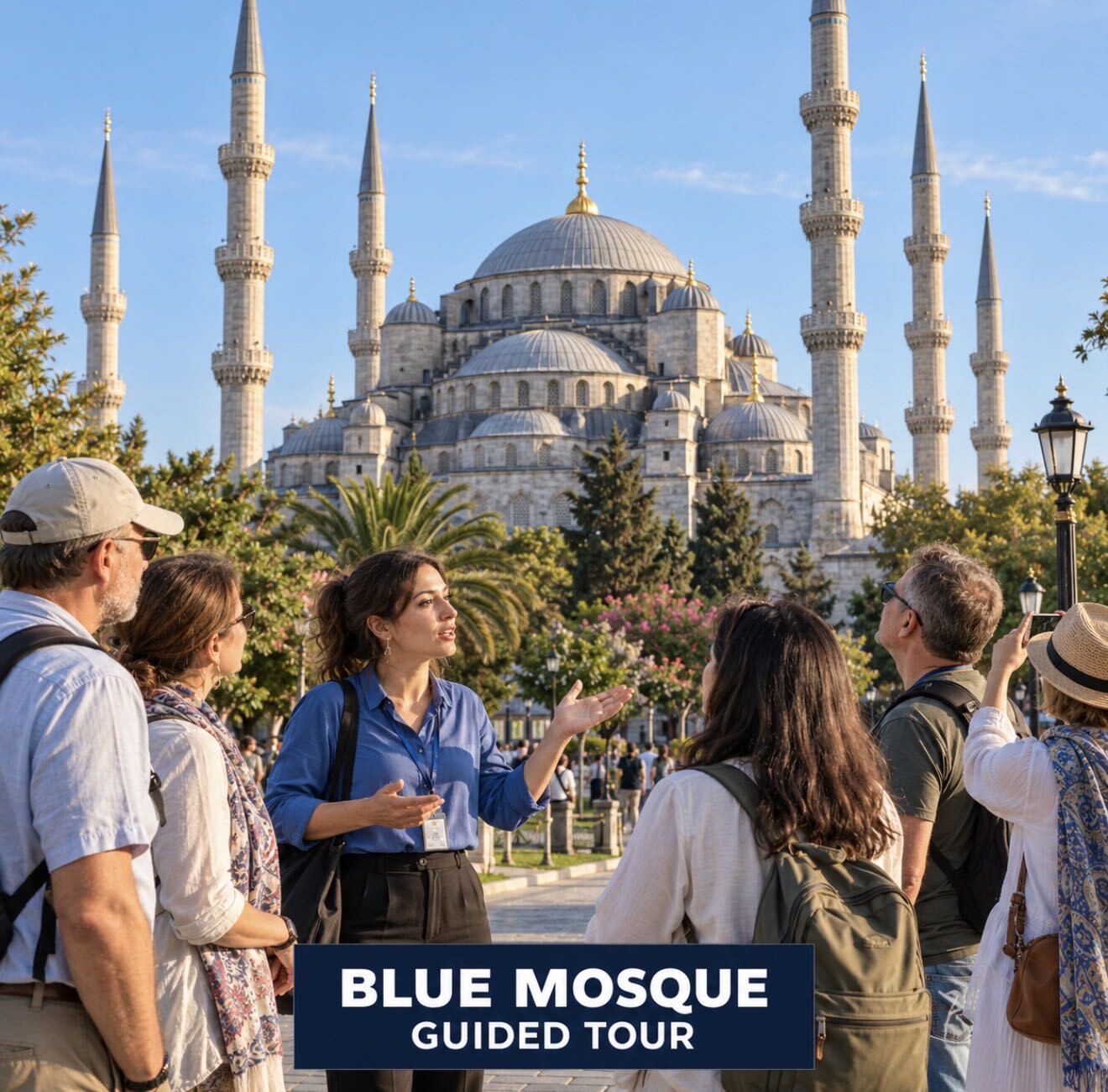
| Is a guided tour worth it? | Yes for Hagia Sophia, Topkapi, or a Byzantine/Ottoman overview day. Less essential for straightforward sites you can self-navigate. | ||
| Best area for Byzantine history? | Sultanahmet, Ayasofya vicinity, Chora area, the land walls, and scattered cisterns. | ||
| Best area for Ottoman imperial history? | Sultanahmet, Eminonu, Topkapi Palace complex, Suleymaniye, and the Bosphorus palaces. | ||
| Most underrated history experience? | Walking sections of the city walls and pairing them with neighborhood observation rather than only museum interiors. | ||
| Biggest mistake? | Trying to do all major historical sites in one day and missing the logic that connects them. |
Why Istanbul Is One of the Great Cities for History Lovers
- Succession you can trace. Rome gives you empire, Athens gives you antiquity, Cairo gives you dynastic scale, but Istanbul gives you succession: Roman imperial city to Byzantine capital to Ottoman center to modern Turkish metropolis, with unusual clarity.
- A living city, not an open-air museum. Istanbul is still active, messy, inhabited, devotional, commercial, and changing. You are not only looking at ruins — you are watching how cities absorb conquest, adaptation, memory, reuse, and reinvention.
- Conquest narratives you can map. Defensive walls, siege geography, and conquest stories that can still be traced physically across the city.
- Hidden infrastructure. Cisterns, aqueducts, and urban water systems that reveal how an imperial capital functioned under stress.
- Church-to-mosque transformations. Layered sacred spaces and imperial ceremonial zones that record religious and political change directly in stone.
- Collections and neighborhoods. Archaeological collections that connect Istanbul to the wider empires it ruled, and neighborhoods where daily life overlaps with monumental remains.
How Many Days Do You Really Need?
One thing we often tell first-time visitors: do not organize Istanbul only by famous names. Organize it by historical logic and geography. The city is large, hilly, and often slower to cross than it looks on a map. A better Istanbul itinerary groups places by era, district, and mental energy.
When to visit: spring and autumn are ideal. Summer brings long daylight, which is excellent for ambitious itineraries, but also heat, lines, and fatigue in exposed areas like the Hippodrome or city walls. Winter can be atmospheric and dramatically quieter, especially for photos, but shorter daylight means tighter planning.
Where to Stay and the Best Neighborhoods for Historical Atmosphere
Sultanahmet
Best for first-time visitors who want to walk out the door and be inside the historical core within minutes. You sacrifice some evening energy and restaurant range, but gain early access to major sites. Come early, revisit late, and do not leave after one rushed midday circuit.
Best for First-time, attraction-heavy historical sightseeing, photography, crowd avoidance
Karakoy or Galata
A strong alternative if you want a more balanced trip with better nightlife and dining, while still staying reasonably connected to the old city by tram, ferry, or taxi. For many travelers, this is the better overall base once you understand that “historic” in Istanbul extends beyond one district. Explore our Istanbul neighborhoods guide if you are deciding between atmospheres.
Best for Balanced trips, stronger dining, evening atmosphere
Gulhane and Sirkeci
Excellent transition territory between major sites and lived city rhythm. Good for breaks, lower-key observation, and understanding how the imperial zone met transport and commerce.
Best for Breaks and low-key observation between major sites
Eminonu
Vital if you want to see how port, market, mosque, and movement intersect. It is busy and not conventionally serene, but historically it makes sense in a way polished sightseeing corridors often do not.
Best for Port, market, and imperial-commercial life
Fener and Balat
For history lovers these areas are more than colorful streets. They offer a chance to think about communities, religious institutions, and the city beyond imperial postcard imagery. Best approached with realistic expectations and linked to a broader route. See our Fener and Balat neighborhood guide.
Best for Community and religious history beyond the monument circuit
Fatih beyond the main monuments
This part of the city reveals itself gradually. Less polished, more lived-in, and deeply important for understanding Ottoman continuity beyond visitor-centered zones.
Best for Ottoman continuity and lived-in city texture
The History Nerd's Route Through Istanbul
 Sultanahmet core
 The Best Historical Sites, Prioritized: The Imperial Core
Not every major monument deserves equal time. This section is about decisions, not just descriptions.
Hagia Sophia
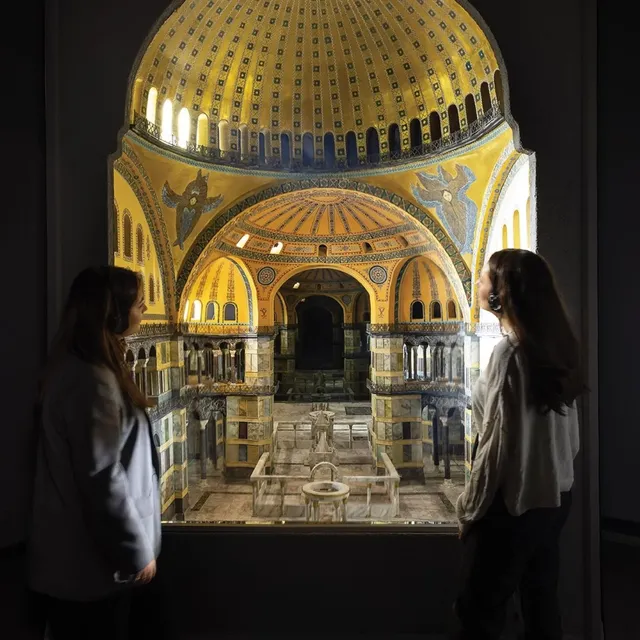
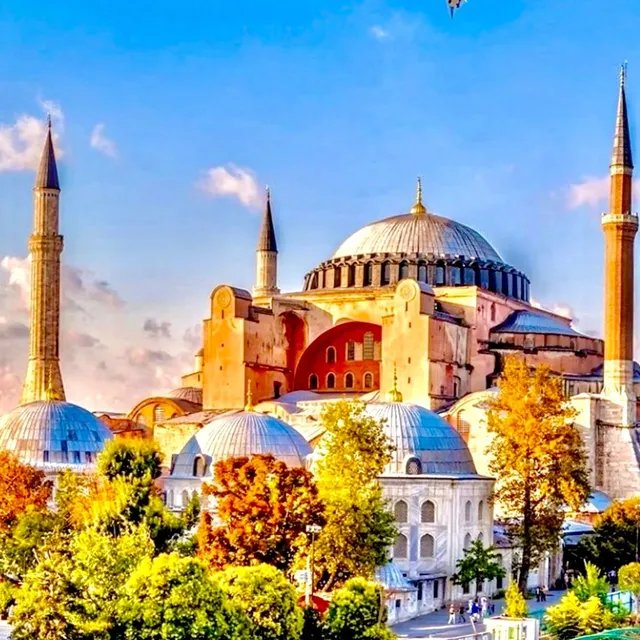
If there is one building that explains why Istanbul matters historically, it is Hagia Sophia. Built in the 6th century under Justinian, it was the cathedral of Constantinople, then an Ottoman imperial mosque after 1453, then a museum for much of the 20th century, and now functions again as a mosque. It is a supreme example of Byzantine imperial ambition, a key site in the history of Christianity and Islam, and a visible record of conquest, adaptation, and layered sacred space. Go as early as practical, be aware of prayer times, and slow down for the scale of the nave, the surviving mosaics, the medallions, and the light. Avoid this mistake: do not treat Hagia Sophia as a quick photo stop — this is the anchor site that makes the rest of Sultanahmet legible. Best paired with the Hippodrome, Basilica Cistern, and a slow exterior circuit of the square.
Topkapi Palace
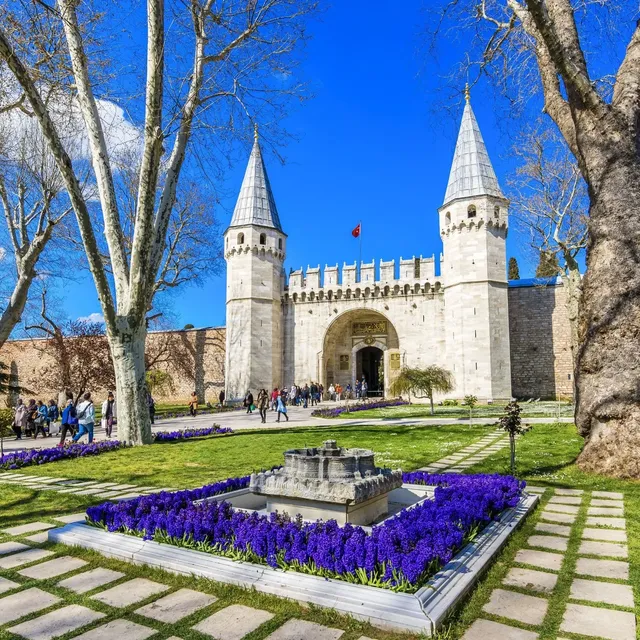
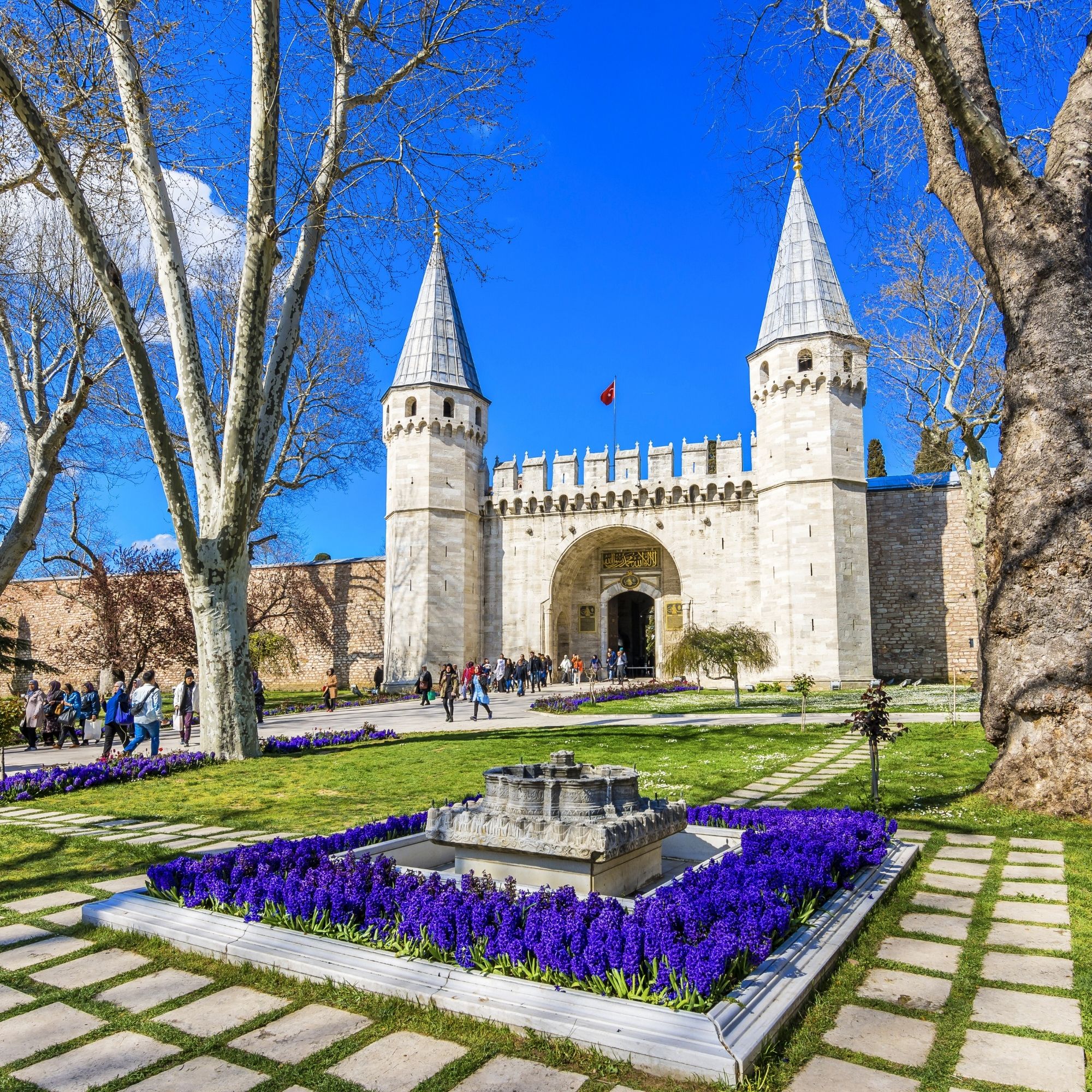
Topkapi is essential if you want to understand the Ottoman Empire not as abstraction but as a governing machine: a complex of courts, pavilions, treasuries, kitchens, ceremonial spaces, and administrative zones overlooking the Bosphorus. It was the center of Ottoman political power for centuries and reveals court hierarchy, ceremonial life, and imperial logistics. If your interest leans toward military conquest, symbolic authority, or the mechanics of empire, this site deserves half a day. Insider Tip: the real value is in understanding sequence — the palace is organized spatially around access, privilege, and power. Do not wait until you are exhausted to leave for lunch; finish the key sections, then head toward nearby food options in Eminonu, Sirkeci, or Gulhane.
Basilica Cistern
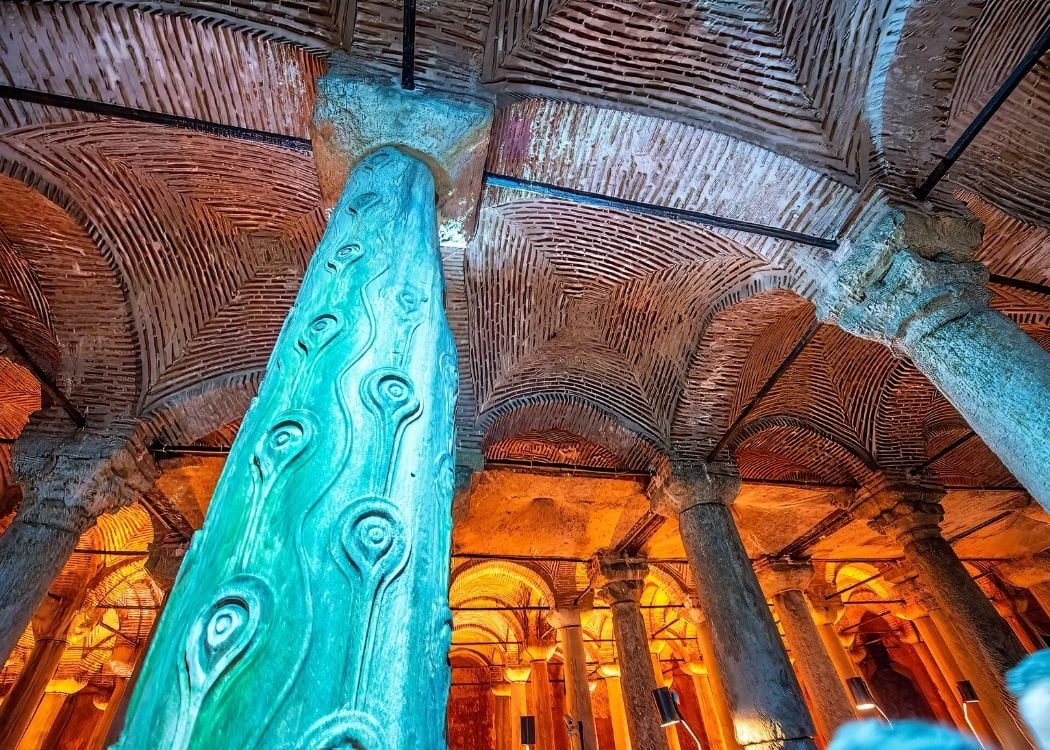
One of the most atmospheric historical experiences in the city, and yes, it lives up to the hype. The Basilica Cistern is evidence of the infrastructure that sustained an imperial capital vulnerable to siege and dependent on sophisticated water management. Low light means patience matters more than equipment; early or quieter entry times give you room to observe reflections and column repetitions. Most tourists miss this: the emotional power of the cistern comes from contrast — see it after time above ground in imperial ceremonial spaces, and the city's hidden systems suddenly feel more real.
The Hippodrome of Constantinople
Easy to underestimate because so much of it no longer survives in its original form. That is exactly why history-minded travelers should prepare before visiting. This was once one of the great civic and ceremonial arenas of the Byzantine world, tied to faction politics, imperial display, and urban identity. Look for the surviving monuments in today's square, the scale of the original footprint, and the relationship between the Hippodrome and Hagia Sophia. If you like mentally rebuilding cities, it is indispensable.
 Museums, walls & Suleymaniye
 The Best Historical Sites, Prioritized: Context and Beyond
Beyond the imperial core, these sites give the city's story its depth: material culture, siege geography, and Ottoman monumentality.
Istanbul Archaeological Museums
If there is one major site often underplanned by first-time visitors, it is the Archaeological Museums. That is a mistake. Outstanding collections from ancient civilizations deepen the Roman, Byzantine, and Ottoman story with material culture, and offer a cooler, calmer, and often more intellectually satisfying half-day than another rushed queue. If you are the kind of traveler who reads museum labels carefully, this is one of the richest experiences in the city.
Theodosian Land Walls
If conquests and siege history are your main draw, the land walls are absolutely worth your time. They are among the most significant defensive systems of the medieval world, central to the repeated sieges of Constantinople and essential for grasping the 1453 conquest in physical terms. Do not try to “see the whole thing” — choose a meaningful section, ideally paired with a conquest-focused route or neighborhood walk. Avoid this mistake: do not come here as your very first site in Istanbul; the walls are more rewarding after you have seen the imperial center they were protecting.
Chora area and Byzantine remnants beyond the core
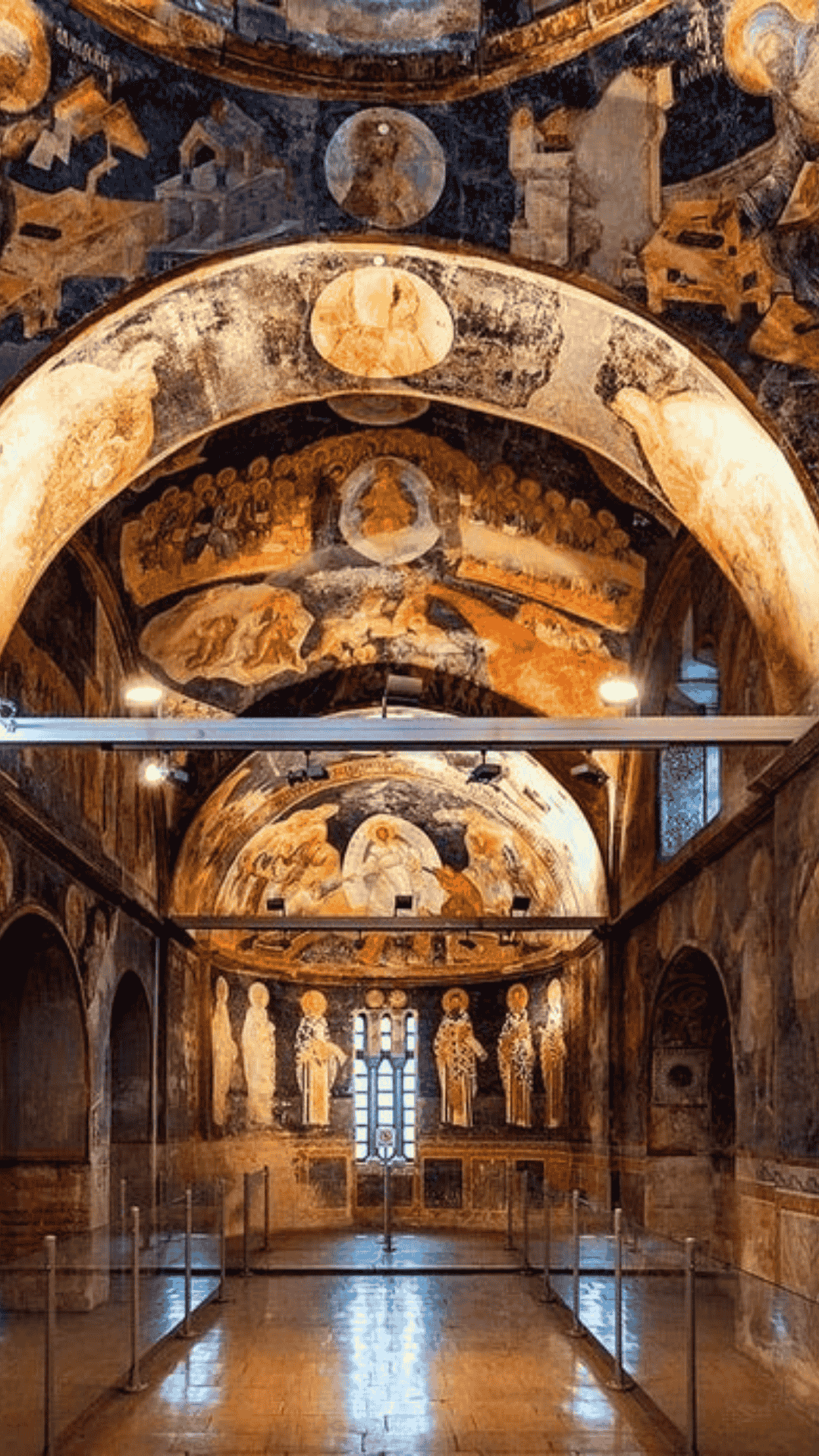
For many history nerds, moving beyond the standard Sultanahmet circuit is where the trip becomes memorable. The Chora area and the broader western side of the historic peninsula reveal a different rhythm: less ceremonial, more textured, and often better for understanding how Byzantine and later Ottoman urban life expanded beyond the postcard center. The trade-off: less efficient for tight schedules, but one of the most rewarding additions on a third or fourth day.
Suleymaniye Mosque and its wider complex
For understanding Ottoman power at its architectural height, Suleymaniye is essential. It is not just one of the city's great mosques — it is a statement of empire, scholarship, charity, urban design, and skyline dominance, showing how mosque complexes structured civic life. It is especially valuable after Topkapi, because it shows imperial ideology expressed not through court privacy but through public monumentality.
 Sultanahmet
 3-Day Itinerary, Day 1: Imperial Constantinople and the Core of Sultanahmet
This sample plan assumes a first or second visit, strong interest in history, moderate walking tolerance, and a desire to understand both Byzantine and Ottoman layers without turning the trip into a marathon.
Hagia Sophia, the Hippodrome, the Basilica Cistern
Start at Hagia Sophia, walk the Hippodrome area, continue to the Basilica Cistern. This sequence works because it moves from sacred and imperial symbolism to civic performance to underground infrastructure. You begin with the city's grandest statement, then see how public power was staged, then descend into the systems that kept it alive.
Keep lunch close
One of the easiest ways to improve this day is not wandering far in search of a “perfect” restaurant. Save your energy for the afternoon.
Topkapi Palace
Topkapi Palace, except on Tuesdays when it is closed; if energy remains, add a Gulhane walk or the Archaeological Museums exterior area.
Sultanahmet after the day-trippers leave
Stay around Sultanahmet for a slower exterior re-look as day-trippers leave. The area can feel dramatically different at this hour. For practical route planning between districts, keep our Istanbul transportation guide handy. Walking estimate: moderate — the distances are not huge, but queues and standing time are significant.
 Eminonu & Suleymaniye
 3-Day Itinerary, Day 2: Ottoman Imperial Systems and Broader Context
A day that moves from material culture to Ottoman monumentality and the old commercial city.
Archaeological Museums and Gulhane
Istanbul Archaeological Museums, then Gulhane and the surrounding historical fabric.
Eminonu or Sirkeci
Head toward Eminonu or Sirkeci. This is a good day to include a food stop that feels rooted in old Istanbul rather than purely convenient. Our Istanbul food guide can help you avoid generic tourist menus.
Suleymaniye and the old commercial districts
The Suleymaniye Mosque complex, then walk down toward the old commercial districts. If interested, continue into the Grand Bazaar area as part of the Ottoman urban story rather than only for shopping, but keep in mind that the Grand Bazaar itself is closed on Sundays.
Most tourists miss this
The route between major monuments is often as historically interesting as the monument itself. Watch how streets tighten, open, descend, and shift in function. Ottoman Istanbul was built as a lived urban system, not isolated attractions.
 Land walls & the water
 3-Day Itinerary, Day 3: Conquest Geography, Walls, and the City Beyond the Postcard
Pair a focused wall section with a conquest reading, then let the water explain why everyone wanted this city.
A focused section of the Theodosian Land Walls
Choose a focused section of the Theodosian Land Walls and pair it with a conquest or siege reading beforehand.
Chora area extension
Continue to the Chora area and nearby neighborhoods for a Byzantine-focused extension.
Bosphorus imperial extension
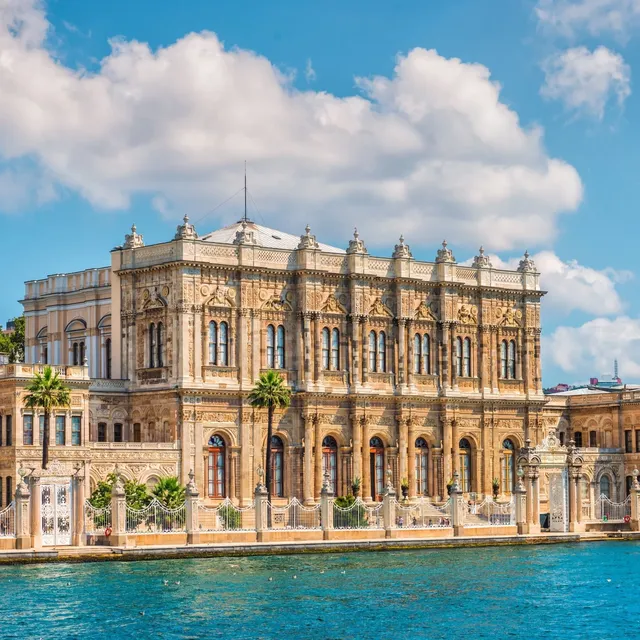
If your interest leans more Ottoman than Byzantine, swap this for a Bosphorus imperial extension such as a palace visit and use the water to understand why the city was strategically irresistible.
End with a ferry ride
For history lovers, seeing the peninsula from the water is not a scenic extra. It is interpretive. You finally understand the city's defensive logic, maritime exposure, and imperial theater. If needed, pre-book airport transfers and practical transport options for your departure day so the final evening stays relaxed.
 Byzantine focus
 Byzantine Istanbul: What to Prioritize
Many general travelers come to Istanbul thinking the Ottoman layer will dominate everything. In reality, the Byzantine city is still very present if you know how to read it.
The strongest Byzantine experiences
- Hagia Sophia
- Basilica Cistern
- Hippodrome setting
- Theodosian Land Walls
- Chora area
- Scattered columns, fragments, cisterns, and urban traces across the historic peninsula
How to think about Byzantine remains
Do not expect every site to look pristine or self-explanatory. Byzantine Istanbul often survives in fragments, altered structures, reused materials, and street-level clues. That can be more rewarding than a cleaner archaeological zone elsewhere, but only if you arrive ready to imagine continuity through disruption.
Best questions to ask while exploring
- What was this space originally built to do?
- How was it adapted after the conquest?
- What survives visibly, and what survives only in urban layout?
- What does this site reveal about water, ceremony, defense, or religion?
 Ottoman focus
 Ottoman Istanbul: What to Prioritize
If your interest is more in the conquest and the city's Ottoman remaking, focus on spaces where political power was enacted publicly and privately.
The strongest Ottoman experiences
- Topkapi Palace
- Suleymaniye Mosque
- The Grand Bazaar and old commercial districts
- Eminonu and waterside imperial-commercial life
- Bosphorus palaces for later imperial evolution
Understanding the Ottoman layer
Many visitors reduce Ottoman history to beautiful mosques and decorative interiors. That is too narrow. Ottoman Istanbul is also about institutions: kitchens feeding thousands, endowed complexes supporting education and welfare, regulated markets, dynastic symbolism, and the city's remapping after conquest.
A concise Ottoman-focused day
Do Topkapi, walk through the surrounding imperial zone, then continue to Suleymaniye and the old commercial city below it. That gives you court, religion, urbanism, and trade in one coherent sequence.
 Underground & siege logic
 Cisterns, Hidden Infrastructure, and Conquest Geography
The city's story is not only visible in domes and palaces. It is also buried in systems. Water was survival — hydraulic planning was political infrastructure.
Why the cisterns matter
Cisterns are the opposite of superficial sightseeing. They reveal how a capital functioned under stress. The famous Basilica Cistern is only the best-known example of a much larger story involving storage, conveyance, maintenance, and urban resilience.
Connecting above-ground and below-ground history
- See a cistern after major imperial monuments
- Notice the relationship between water systems and dense settlement
- Look for aqueduct and infrastructure references in museum interpretation
- Treat underground spaces as evidence of planning, not only atmosphere
Most tourists miss this: once you realize how much effort went into sustaining Constantinople, the grandeur of the capital feels less ornamental and more strategic.
Key places for the conquest story
The conquest of Constantinople in 1453 is one of the defining events associated with Istanbul, but to understand it properly, you need geography: the Theodosian Land Walls, the Golden Horn and its chain-defense logic, the Bosphorus and maritime strategy, and the imperial core that conquest sought to possess symbolically and administratively.
How to make the conquest story feel real
Read a short, reliable overview before you go. Then stand in at least one defensive zone and one ceremonial zone on the same day. Conquest is not only about breaching walls — it is about taking over a city's meaning, institutions, and sacred-political center. A smart conquest-themed half day: begin at a wall section, move toward the old city core, and end at Hagia Sophia or the Topkapi area. This route mirrors the shift from military pressure to symbolic possession.
 Practical planning
 Food Strategy and Different Styles of History Trip
A good history day in Istanbul can collapse because of one badly timed meal — and not every history nerd wants the same trip.
Where to eat without breaking the flow of the day
- Eat near your route, not across town
- Prioritize dependable local spots over scenic detours at midday
- Use lunch to rest your feet and regroup for context, not just to refuel
- Save destination dining for evenings in Karakoy, Galata, Kadikoy, or other stronger restaurant zones
Avoid this mistake: do not spend 45 minutes researching lunch while standing tired in Sultanahmet. Plan your area-specific food strategy before the day starts with help from our Istanbul food guides.
Good food pairings by area
Sultanahmet day: keep it practical — you are here for dense historical sightseeing, not culinary exploration. Eminonu and old city commercial districts: better for weaving food into historical experience; market life and classic dishes feel like part of the urban story. Suleymaniye side: excellent for combining monument time with more local-feeling lunch stops and broad city views.
For Byzantine specialists
Prioritize Hagia Sophia, Basilica Cistern, land walls, the Chora area, and the Archaeological Museums. Spend less time on modern shopping or generalized Bosphorus cruising, and consider one expert-led Byzantine-focused tour.
For Ottoman empire enthusiasts
Prioritize Topkapi, Suleymaniye, old commercial districts, and imperial waterfronts. Use mosques as part of institutional history, not only architectural beauty.
For military history travelers
Make time for walls, strategic viewpoints, water geography, and conquest interpretation. Read before you go so the terrain speaks more clearly.
For underground and engineering fans
Center the Basilica Cistern and broader water infrastructure context. Add museums and material culture to make systems legible.
How to Get Around Efficiently on a History Trip
Essential in the historic core. If your day is centered in Sultanahmet, Eminonu, Sirkeci, Karakoy, or nearby zones, walking plus public transport is usually sufficient.
Practical for old city connections between the major historical zones.
Both scenic and interpretive — seeing the peninsula from the water explains the city's defensive logic and maritime exposure.
Useful selectively: after a long wall walk, on arrival from the airport with luggage, or when connecting distant neighborhoods late in the day. Pre-arranged airport transfers can genuinely improve the trip.
What to Book Ahead vs. Self-Navigate
Worth booking
- One excellent half-day guided tour early in your trip — Hagia Sophia context, Topkapi Palace, or a Byzantine/Ottoman overview
- Conquest-focused walks and sites where symbolism matters more than architecture alone
- A pass if you plan several major paid attractions in a compressed timeframe — compare your list on the Istanbul pass guide first
- Airport transfers for arrival with luggage or a relaxed departure evening
- An expert-led Byzantine-focused tour if that is your specialty
Self-navigate
- Basilica Cistern if you simply want to experience the space
- Straightforward neighborhood walks if you have prepared well
- Mosques, exterior architecture, and public spaces — much of the best understanding is free
- Walking, viewing, and ferrying to observe urban continuity
- Slower, neighborhood-based trips — a pass makes less sense here
A Sample History Day in Sultanahmet
Common Mistakes History Lovers Make
Avoid these mistakes
- Trying to cover every era equally in too little time — understand a few systems well instead of skimming everything
- Treating the city like a museum campus — travel times, topography, prayer access, and crowd rhythms matter
- Ignoring the value of a guide for one key site early in the trip
- Overcommitting to ticketed attractions — some of the best understanding comes from walking, viewing, and ferrying
- Skipping the walls if conquest or military history interests you
- Underestimating fatigue and not looking beyond Sultanahmet
Insider tips
- The route between monuments is often as historically interesting as the monument itself
- See the Basilica Cistern after time in above-ground imperial spaces — the contrast is the point
- Come to Sultanahmet early and revisit late, when crowds thin
- Read a short conquest overview before walking the walls so the terrain speaks
- Stand in one defensive zone and one ceremonial zone on the same day
- End a day with a ferry ride — it is interpretive, not just scenic
Frequently Asked Questions
Is Istanbul good for history lovers?
How many days do I need in Istanbul for a history-focused trip?
What are the best things to do in Istanbul for history nerds?
Is Topkapi Palace worth it if I am more interested in Byzantine history?
Are the Istanbul city walls worth visiting?
Should I book guided tours for Istanbul historical sites?
What is the best area to stay in for a history trip to Istanbul?
Is the Basilica Cistern worth visiting?
Can I see the best historical sites in Istanbul in one day?
When is the best time to visit Istanbul for sightseeing and history?
Do I need an Istanbul pass for historical attractions?
What is better for history: a Bosphorus cruise or more time in Sultanahmet?
Are Fener and Balat worth it for history-focused travelers?
What is the biggest mistake first-time visitors make on a history trip to Istanbul?
How to Make Istanbul Feel Like History, Not Just Sightseeing
The best version of Istanbul for History Nerds is not the one where you enter the maximum number of monuments. It is the one where the city's layers start connecting in your head: a cistern explains a capital under pressure, a wall explains a conquest, a mosque complex explains empire as urban policy, a ferry ride explains why this place mattered to everyone who wanted to rule it. Choose a few essential anchors, leave room for walking and reflection, and let the city reveal itself in sequence.
Explore Historical Istanbul