

Those six give you the widest range of everyday Turkish flavor without loading your bag with spices you may never use. If you plan to shop in the old city, pair this guide with our overview of the Spice Bazaar and our practical Eminönü guide.
What “Turkish spices” means
Turkish spices is a market term for the dried peppers, herbs, seeds, and blends used in Turkish cooking and sold across Istanbul. For buyers, the useful part is not the label itself. It is knowing which seasonings appear often on real tables and which ones are mostly decorative or gift-oriented.
Spice Bazaar is Istanbul’s historic spice market in Eminönü, near the waterfront and New Mosque. It is the easiest first stop for comparing quality, aroma, and prices across multiple vendors.
Eminönü is the old commercial district where ferries, tram lines, market streets, and food shopping all meet. That is why many visitors do their spice shopping here between meals and sightseeing.
The best purchases are usually not the rarest or most expensive ones. They are the spices you will actually finish while they still smell fresh.
The core spices worth knowing

Here is the fastest buyer’s view:
| Spice | Flavor | Common use | What to check before buying |
|---|---|---|---|
| Pul biber | Fruity, warm, mild to medium heat | Eggs, kebabs, soups, grilled vegetables | Flexible flakes, fresh aroma, not dusty |
| Sumac | Tart, lemony, slightly astringent | Onion salad, kebab garnish, meze | Tangy smell, not muddy; ask if salted |
| Isot | Smoky, dark, low heat, dried-fruit note | Grilled meat, lentils, eggplant | Slight moisture is fine; musty smell is not |
| Cumin | Warm, earthy, nutty | Köfte, soups, meat mixes | Strong aroma, not stale |
| Dried mint | Cooling, sweet herbal | Yogurt sauces, soups, fillings | Crush it; scent should release fast |
| Baharat | Depends on blend; usually warm and savory | Köfte, chicken, lamb, rice | Ask what it is for and whether salt is added |
| Saffron | Floral, hay-like, slightly metallic | Rice, desserts, special dishes | Buy threads, not powder; confirm origin |
Pul biber
Pul biber is crushed red pepper, usually mild to medium in heat, with a fruity, warm, slightly oily character. It is one of the most useful spice purchases in Turkey.
You will see it on kebabs, grilled vegetables, soups, eggs, and breakfast spreads. Some versions are sweet and bright. Others are darker and deeper. Aleppo-style pul biber, for example, can taste round and raisiny rather than sharply hot.
Look for flakes that smell fresh and feel supple rather than brittle and dusty. A little natural oil on the surface is normal. A stale smell is not. If you want ideas for using it right away, it fits naturally with dishes from a Turkish breakfast guide or a meal of meze and kebab.
Sumac
Sumac is a dark red-purple spice made from dried and ground sumac berries, valued for its tart, lemony edge. It brightens food without adding liquid.
This is the seasoning behind many Turkish onion salads, kebab garnishes, and meze plates. Instead of heat, it adds lift. Toss sliced onions with parsley, sumac, and a little salt and you are close to a classic table salad.
Good sumac should smell tangy and clean. It should not taste muddy or flat. Some versions are mixed with salt, so ask before buying.
Isot
Isot is a dark pepper from Şanlıurfa, often called Urfa pepper in English, known for low, smoky heat and a deep dried-fruit note. It is less flashy than pul biber and often more complex.
The color runs from burgundy to near black. The texture can be slightly moist. That is normal. A musty smell is not. Use it on grilled meat, lentil dishes, roasted eggplant, and even chocolate desserts if you like subtle heat.
Cumin, oregano, mint, and thyme
Cumin is a warm, earthy seed spice used in köfte, soups, and some kebab mixtures. Dried mint is a cooling herb used in yogurt sauces, soups, and fillings. Oregano and thyme are common dried herbs sold in several local styles.
For most travelers, cumin and dried mint are the better priority buys because they show up often in Turkish home cooking and restaurant food. Oregano and thyme can also be excellent, but quality varies more by shop and region.
Smell cumin before buying. It should be warm and nutty, not dull. Crush dried mint between your fingers. It should release a clear, sweet herbal scent right away.
Baharat blends
Baharat is a general word for a spice blend, but the actual mix changes by region, shop, and intended dish. One baharat may lean sweet and warm. Another may lean toward pepper, cumin, and allspice.
Ask what the blend is for: köfte, chicken, lamb, rice, fish, or vegetables. If the seller can explain the blend in dish terms, that usually tells you more than a fancy package.
Buy a small amount first. Ground blends lose aroma faster than whole spices.
Saffron and fake saffron
Saffron is the dried stigma of the crocus flower and one of the most expensive spices in the world by weight. Turkey has its own saffron tradition, especially around Safranbolu, but imported saffron is also sold in Istanbul.
This is the category where visitors most often overpay. Real saffron should be sold in fine threads, not powder, and the aroma should be hay-like, floral, and slightly metallic. If a seller offers a bright red powder as saffron, be careful.
Safflower is a different plant sometimes sold as a saffron substitute or under confusing labels. It can color food, but it does not give true saffron aroma. Ask what you are buying and where it is from. If origin or grade matters to you, request details and expect a clear answer. Price changes over time, so use current saffron price ranges and common labeling practices in Istanbul markets before publication.
How to buy spices in Istanbul without getting overwhelmed
What to look for with your eyes and nose
Freshness matters more than presentation.
Ground spices should smell distinct as soon as the lid comes off. Herbs should look lively rather than gray. Pepper flakes should not be mostly dust. Seeds should look whole and clean.
Ask to smell anything expensive or unfamiliar. If a stall does not allow that, move on.
Avoid products sitting in direct sun for long periods. Light and heat are hard on delicate aromatics, especially saffron and dried herbs.
How much to buy
Buy less than you think you need. A small bag of fresh spice is better than a large bag that fades in your kitchen.
If you cook rarely, go smaller and buy more variety instead.
If a spice is sold whole and you own a grinder, choose whole over ground. Whole cumin seed, coriander seed, and pepper generally keep their aroma longer.
Questions worth asking the seller
A few direct questions improve your odds quickly:
- Where is this from?
- Is it mild, medium, or hot?
- What do locals use it on?
- Is there salt in this blend?
- How fresh is this batch?
- Do you have a smaller amount?
You do not need perfect Turkish. Pointing, smelling, and asking slowly usually works.
Where to shop for spices in Istanbul

Spice Bazaar
Spice Bazaar is the best-known spice market in the city and the easiest one-stop option for first-time visitors. You can compare stalls, packaging, and quality in a short walk.
Not every stall is equal. Some focus on gift boxes and display. Others clearly sell to regular cooks. The difference usually shows in turnover, clarity, and whether the seller can explain how the spice is used.
Visit early if you want calmer browsing and better conversation. Opening times can change around holidays, so check current Spice Bazaar opening hours and holiday closures before you go.
For many travelers, the best route is simple: arrive in Eminönü, browse the bazaar, stop for a snack or tea, and build the rest of the day around nearby food. If you want dish context before you buy, see our guide to what to eat in Istanbul.
Neighborhood markets and specialist shops
Neighborhood markets is a loose term for local street markets and food streets outside the main tourist core. Specialist shops are stores that focus on herbs, nuts, teas, and spice blends for repeat local customers.
These places can offer calmer shopping and more practical advice. They are less convenient if you only have one day in Sultanahmet or Eminönü, but they can be excellent if food shopping is part of your trip.
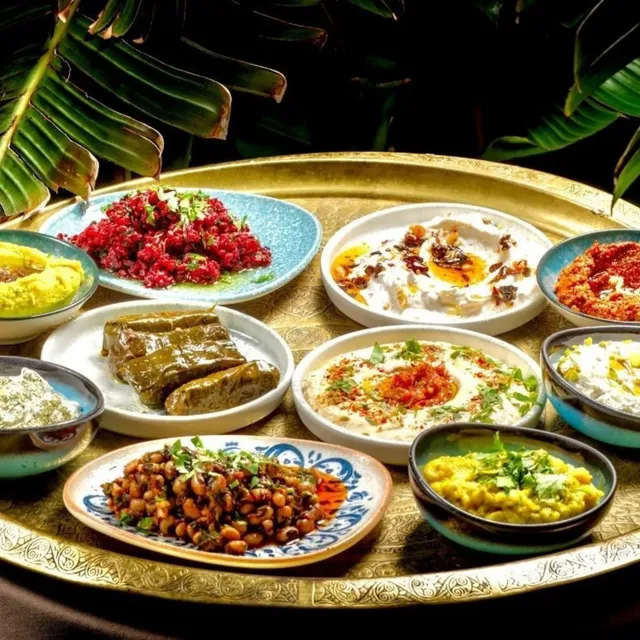
If you like seeing spices in context, combine shopping with a meal in a food-focused district. A stop for meze, kebab, soups, or breakfast often makes the spice shelf much easier to understand.
How locals actually use these spices
The fastest way to understand a spice is to tie it to a dish.
Kebab is a broad category of grilled or roasted meat dishes. Pul biber and isot often show up here, either in marinades, finishing butter, or as table seasoning. Meze is a group of small dishes served before or with a meal. Sumac and dried mint appear often in meze kitchens.
Köfte is seasoned meatballs or patties, usually built with cumin, black pepper, and sometimes baharat. Mercimek çorbası is lentil soup, where dried mint and pul biber often finish the bowl. Çılbır is poached eggs with yogurt, a classic place for hot butter flavored with pul biber or Aleppo-style pepper.
Use sumac where you might normally squeeze lemon: on sliced onions, tomato salads, grilled fish, or over a simple kebab plate. Use isot where you want warmth without sharp attack, especially on eggplant, lamb, lentils, and roast vegetables. Use dried mint in yogurt, lentils, and tomato-based dishes. Add cumin carefully because a little goes a long way.
A practical starter rotation at home is easy:
- Pul biber for eggs, soups, and grilled vegetables
- Sumac for onion salad, kebab garnish, and chickpeas
- Isot for eggplant, lentils, and lamb
- Dried mint for yogurt sauces and lentil soup
- Cumin for köfte-style meatballs and bean dishes
- Baharat for roast chicken, rice, or quick meat rubs
That is also why buying small amounts makes sense. You learn faster when each spice has a clear job on the plate.
What to pack, store, and bring home
Pack spices in sealed bags inside a second pouch or zip bag. Fine powders leak easily if you trust a thin paper packet alone. If you buy several spices, keep each one labeled before it goes into your suitcase.
Carry expensive items, especially saffron, in their original packaging and keep the receipt. That makes customs questions easier and helps you remember what you bought.
Most dried culinary spices are easier to bring home than fresh produce, but rules vary by country. Check your home country’s limits before flying and confirm customs and import restrictions for spices for key visitor source markets close to publication.
At home, move spices into airtight containers and store them away from light, heat, and steam. A cabinet is better than a rack above the stove. Moisture shortens the life of herbs and ground spices quickly.
For longer flavor life:
- Keep saffron tightly sealed and away from light
- Keep dried herbs especially dry
- Use clean, dry spoons
- Label the purchase month
- Buy whole spices when possible if you store them for a long time
If you only bring back three or four things, make it pul biber, sumac, dried mint, and either isot or one carefully chosen baharat. That covers a lot of Turkish cooking without overpacking.
FAQ
What are the best Turkish spices to buy in Istanbul?
For most visitors, start with pul biber, sumac, isot, dried mint, cumin, and one baharat blend. They are useful, easy to understand, and common in Turkish cooking.
Is the Spice Bazaar the best place to buy spices?
For first-time visitors, yes. It is the easiest place to compare several stalls quickly. Specialist shops and neighborhood markets can be excellent too, but they take more time to find.
How can I tell if spices are fresh?
Smell them first. Fresh spices should have a clear, strong aroma. Herbs should not look gray, and pepper flakes should not be mostly dust.
What is the difference between pul biber and isot?
Pul biber is usually brighter, fruitier, and more openly peppery. Isot is darker, smokier, and deeper, with gentler heat and a dried-fruit note.
Should I buy saffron in Istanbul?
You can, but shop carefully. Buy threads, not powder, and ask about origin and grade. Safflower is not true saffron, even if it is sold in a similar way.
How much spice should I buy as a traveler?
Usually less than you think. Small amounts stay fresher and let you try more varieties. Ground spices fade faster than whole spices, so avoid oversized bags unless you cook with them often.
How should I store Turkish spices at home?
Keep them in airtight containers away from light, heat, and steam. Use dry spoons, and try to finish ground spices and dried herbs while their aroma is still strong.