
Shop by quality, not by category name alone. The smartest purchases are the ones you can inspect closely, compare across several shops, and carry home without stress.
Key Takeaways
- Start with ceramics, peshtemals and scarves, silver jewelry, leather accessories, and Turkish delight.
- Buy lamps only if the wiring and packing plan are convincing.
- Compare at least three shops before you negotiate seriously.
- Ask what an item is made of, where it was made, and how it should be packed.
- Use calm, friendly bargaining and avoid rushed decisions.
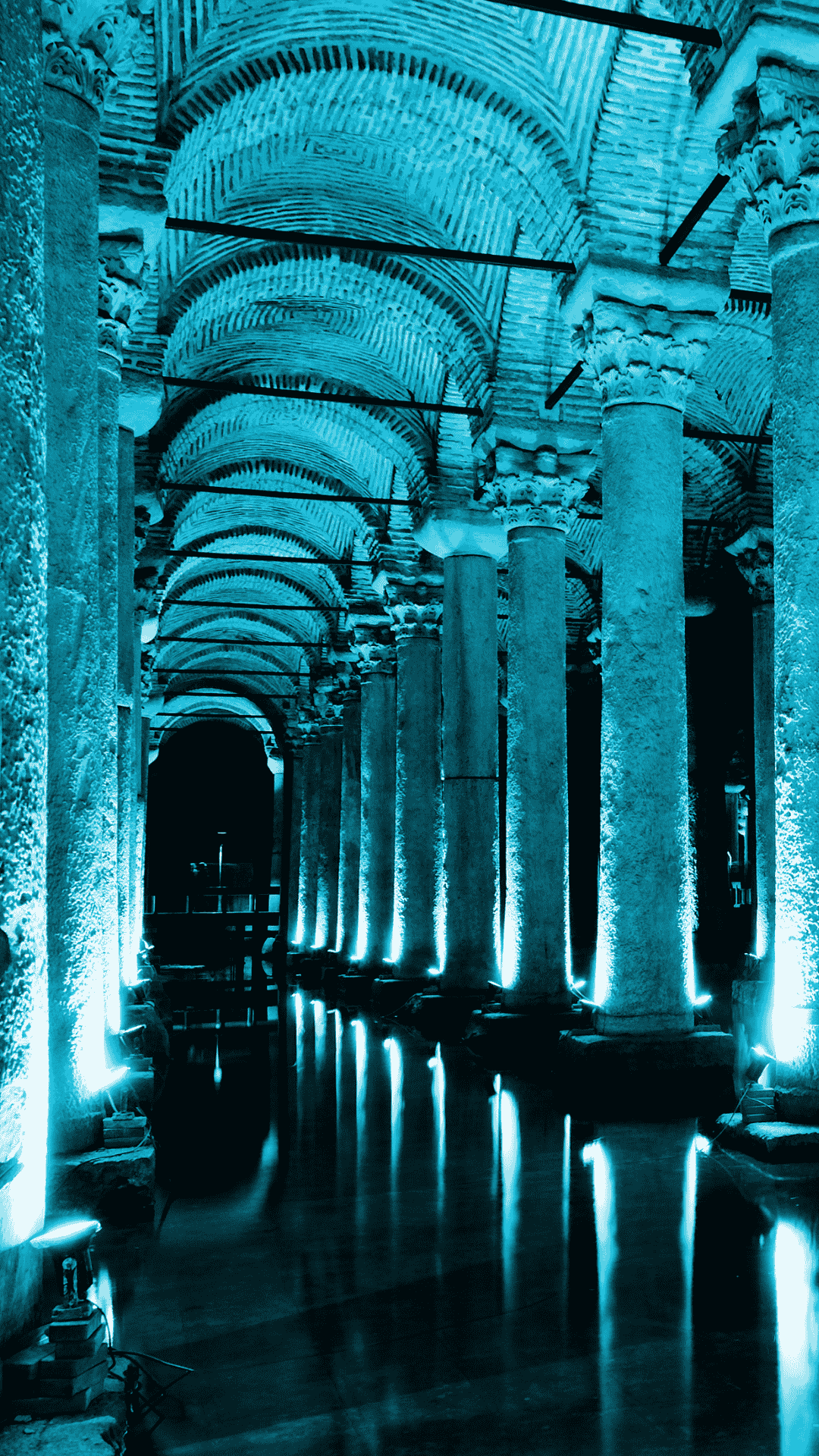
- Plan a break nearby after shopping, for example at Basilica Cistern or Blue Mosque.
Best Things to Buy at the Grand Bazaar

The Grand Bazaar is a vast covered market of lanes, gates, and trading courtyards in Istanbul’s old city. It offers huge variety, but the best value usually comes from categories with visible craftsmanship and easy side-by-side comparison.
Ceramics
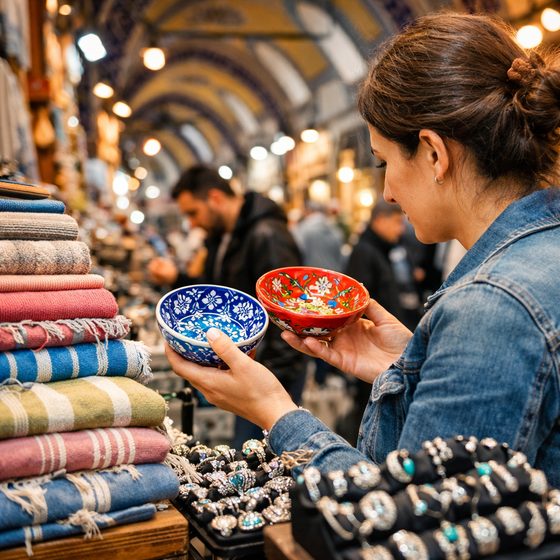
Iznik-style ceramics include painted plates, bowls, tiles, cups, and small decorative pieces inspired by Ottoman designs.
- What good quality looks like: crisp brushwork, balanced patterns, strong color, a clean white ground, and an even glaze. The base should feel finished rather than rough.
- Red flags: muddy outlines, dull gray backgrounds, sloppy symmetry, rough edges, or hairline cracks.
- Packability: small bowls, cups, and plates are manageable if wrapped well; larger platters are riskier.
Peshtemals and Scarves
Peshtemals are flat-woven Turkish bath towels that dry quickly and pack small. Scarves, throws, and other light textiles are also among the safest buys here.
- What good quality looks like: a soft but sturdy hand-feel, neat edges, even weaving, and fibers that drape well. Natural fibers often feel better and age better.
- Red flags: loose threads, stiff fabric sold as premium, uneven hems, or vague answers about fiber content.
- Packability: excellent. This is one of the easiest categories to carry home.
Silver Jewelry
Silver jewelry is one of the strongest Grand Bazaar categories, especially simple rings, earrings, chains, and modern pieces with Ottoman-inspired details.
- What good quality looks like: clear metal information, secure clasps, smooth finishing, and stones described honestly as natural or synthetic.
- Red flags: vague metal claims, weak findings, heavy pressure to buy immediately, or dramatic stories that replace basic product details.
- Packability: excellent. It is small, easy to protect, and easy to compare across shops.
Leather Accessories
Leather accessories include bags, wallets, belts, cardholders, and other small pieces that are easier to judge than large jackets or luggage.
- What good quality looks like: clean stitching, tidy edge finishing, solid hardware, a good lining, and leather that does not feel plasticky or overly perfumed.
- Red flags: cracking finish, rough interior work, cheap zips, chemical smell, or a seller who cannot explain the leather type.
- Packability: very good for wallets, belts, and small bags; larger bags take more space but still travel better than fragile décor.
Turkish Delight
Turkish delight is a soft confection often flavored with rose, citrus, pistachio, or pomegranate. It makes an easy gift if you buy from a shop with steady turnover.
- What good quality looks like: fresh texture, clear flavor, and samples that taste clean rather than stale or overly sugary.
- Red flags: tired samples, overemphasis on fancy packaging, or no clear answer on freshness.
- Packability: very good, especially in sealed boxes suitable for travel.
Lamps
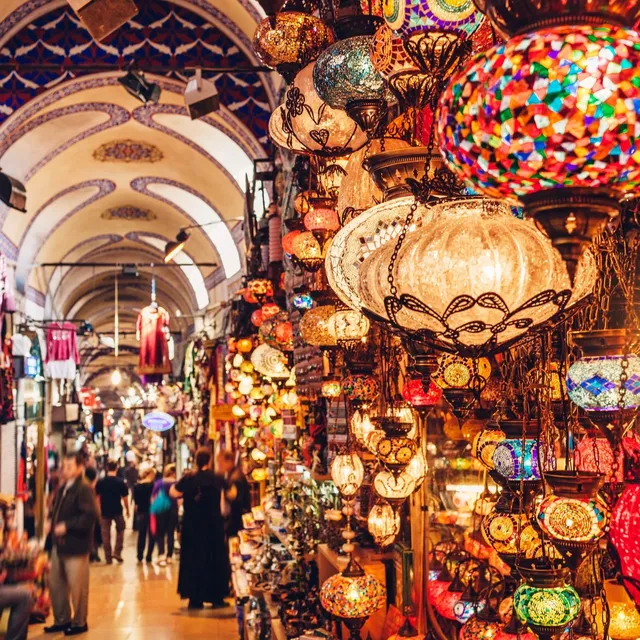
Mosaic lamps are handmade or hand-assembled lights with colored glass pieces set into a metal frame. They look striking in the bazaar but are not automatic good buys.
- What good quality looks like: tidy assembly, stable metalwork, glass pieces set securely, and a clear explanation of wiring compatibility.
- Red flags: weak fittings, vague promises about shipping, poor protective wrapping, or pressure to buy a large lamp on the spot.
- Packability: poor to moderate. Buy only if the packing is strong enough for your route home and you are comfortable with the risk.
How the Bazaar Is Laid Out
Kapalıçarşı, the Turkish name for the Grand Bazaar, works less like a mall and more like a small town under a roof. Some lanes are busy with souvenir traffic, while others feel calmer or more specialized.
Main Streets and Quiet Hans
A han is a historic trading courtyard or inn, usually just off the main lanes. These spaces can feel less hectic than the central arteries, and they sometimes have workshops, textile sellers, metalwork, or antique-style pieces.
The main avenues are useful for orientation and quick browsing, but they can also bring the strongest sales pressure. Side lanes often make it easier to ask questions, compare pieces, and step away without being rushed.
What Changes by Section
Some stretches lean toward gold and jewelry. Others have leather, scarves, ceramics, sweets, or tourist gifts. There is overlap everywhere, so no zone guarantees the best deal.
If you need a reset, step outside for a while. Sultanahmet, Istanbul’s old imperial district, is close by, and major sights are within reach, including Hagia Sophia, Basilica Cistern, and the Blue Mosque. current Blue Mosque entry rules and whether any entry is free. If you want a wider city day, you can also book a Bosphorus cruise after the bazaar.
How to Haggle Without Being Rude

Haggling is normal in many independent bazaar shops, but it works best as a calm conversation, not a contest.
Start only when you are genuinely interested. Inspect the item, ask a few direct questions, then ask for the price. If it is much higher than expected, pause and answer politely rather than reacting fast.
A practical opening line is: “I like it, but that is high for me. What is your best cash price?” If the number still feels high, make a serious counteroffer, not a theatrical one. Small movement from the seller may mean there is room; no movement at all may mean the item is fixed, overpriced, or simply not worth your time.
A Simple Bargaining Script
Use this rhythm:
- Ask the price.
- Ask what it is made of and where it was made.
- Show interest, but not urgency.
- Ask for the best price.
- Counter once or twice.
- Decide, or walk away politely.
Keep your tone warm, and do not bargain for sport. If a seller reaches your price after a fair exchange and you had signaled real intent, it is fair to buy.
Cash may help in some shops, but it does not always change the deal. If you plan to pay by card, check whether there is any minimum or any current card payment condition in bazaar shops.
Red Flags and Walk-Away Moments
Leave if the story changes constantly, if material claims stay vague, or if a seller becomes pushy when you ask basic questions.
Watch for these warning signs:
- “Handmade” with no explanation of process.
- “Old” or “antique” with no believable provenance.
- Pressure to buy now because a price is “only for today.”
- Refusal to discuss packing, returns, or shipping terms.
- A dramatic discount from an unrealistic starting price.
Your strongest bargaining tool is the ability to walk away. Another shop is usually only a few steps away.
What to Check Before You Pay
Inspect the exact item you will take home. In busy shops, it is easy to agree on one piece and receive another from a shelf or back room.
Check ceramics for hairline cracks, wobble, and rough glaze. Check textiles for pulls, loose stitching, and uneven edges. Check leather for weak zips, poor lining, and cracked finish. Check lamps for wiring compatibility and safe packing. If shipping is offered, ask for the full process in writing, including current shipping options, insurance terms, and delivery timing.
Ask for a receipt with the shop name and item description. For jewelry, ask for metal details in writing. For edible gifts, ask about freshness and current shelf-life guidance from seller for packaged sweets.
If a price seems high, ask what justifies it. Labor, material, and origin can justify a premium. “Best quality” on its own does not.
You should also check bazaar logistics before your visit, especially around prayer times, public holidays, or seasonal closures. See Grand Bazaar for planning basics, and verify current Grand Bazaar opening days and hours before you go.
current typical price ranges by category for ceramics, peshtemals, silver jewelry, leather accessories, Turkish delight, and lamps
What to Skip or Buy Elsewhere
Not everything is best bought inside the bazaar. Mass-produced souvenirs can be convenient, but quality often varies sharply. If an item looks identical across ten shops, compare very carefully.
Very large carpets deserve extra caution unless you already understand materials, knot styles, and pricing logic. Turkish carpets range from hand-knotted to machine-made, with wide differences in quality and price. There are excellent carpet dealers in Istanbul, but this category rewards expertise and time. If you are new to it, a small kilim cushion cover or runner is a safer first step.
Claimed antiques also require skepticism. Many pieces are decorative reproductions sold in an antique style. That is not always a problem; it becomes one when the label and the reality do not match.
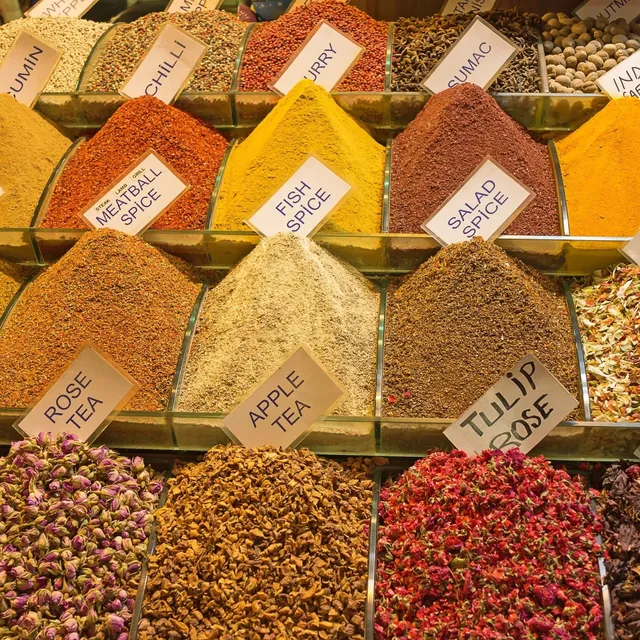
For spices, compare the bazaar with the Spice Bazaar. The Spice Bazaar, also known as the Egyptian Market, is often the more focused stop for edible gifts, teas, nuts, sweets, and spice shopping.
Pair Your Visit With Nearby Sights
The Grand Bazaar works best as part of a wider old-city day. Start early if you want calmer lanes, though you should verify best early entry window based on current opening routine. Shop for two or three hours, then step outside before fatigue ruins your judgment.
A practical route is bazaar first, then Basilica Cistern, then Blue Mosque, then Hagia Sophia. If you want a quieter detour, head toward Suleymaniye Mosque for a calmer mood and broad city views.
A tea break after your first shopping lap can save you from an expensive impulse buy. The market is more enjoyable when you give yourself time to compare, rest, and return only to the items that still look good an hour later.
For a full planning page, continue to our main Grand Bazaar guide. It covers entrances, nearby neighborhoods, and how to fit the market into a broader Istanbul itinerary.