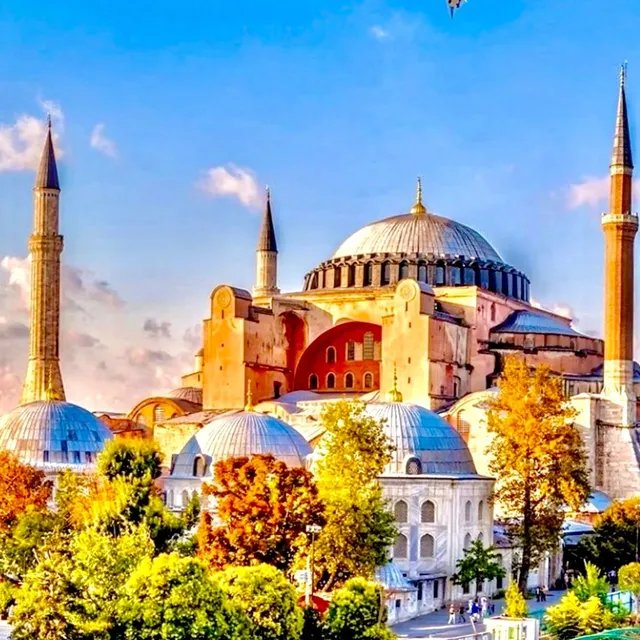
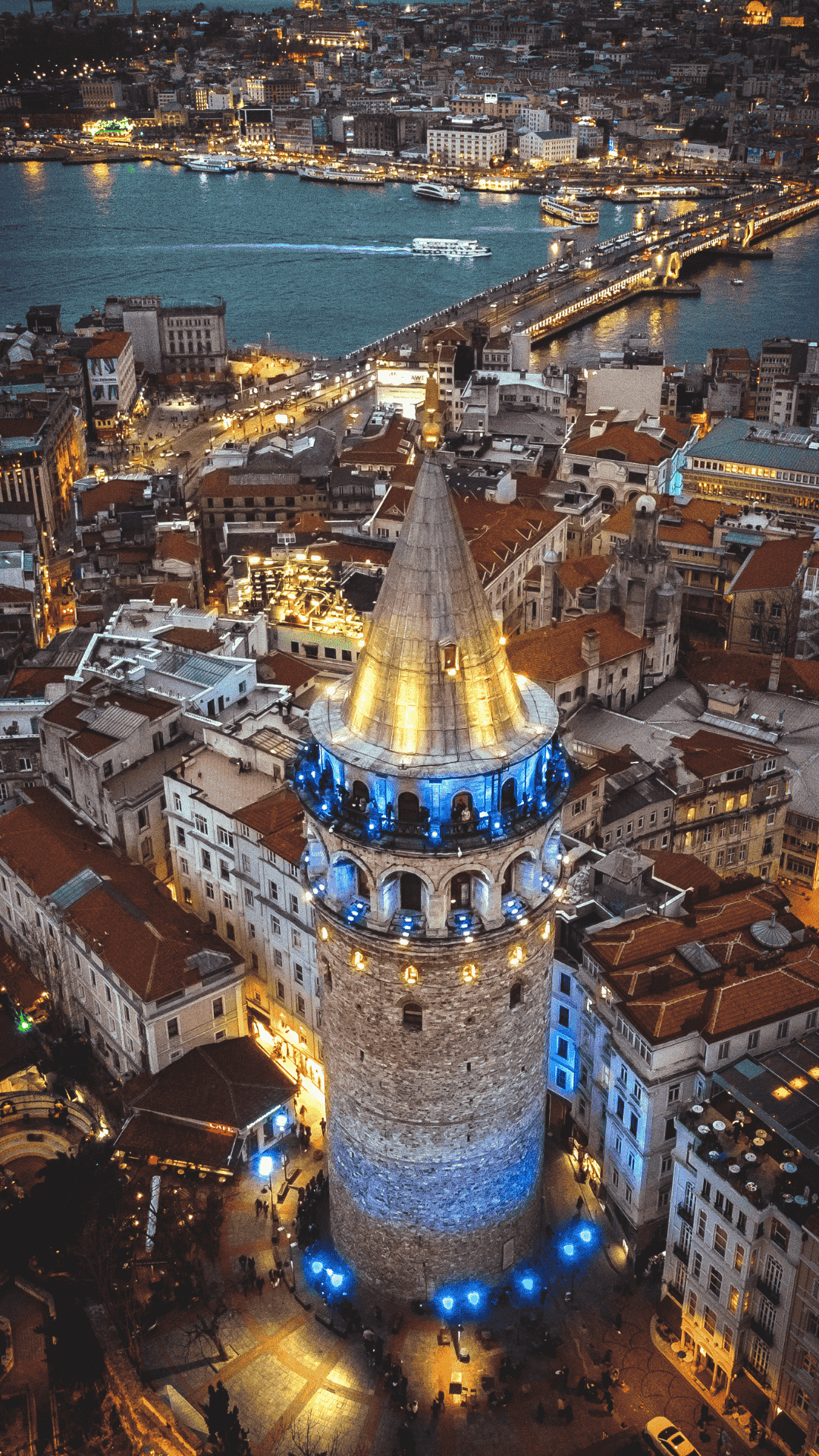
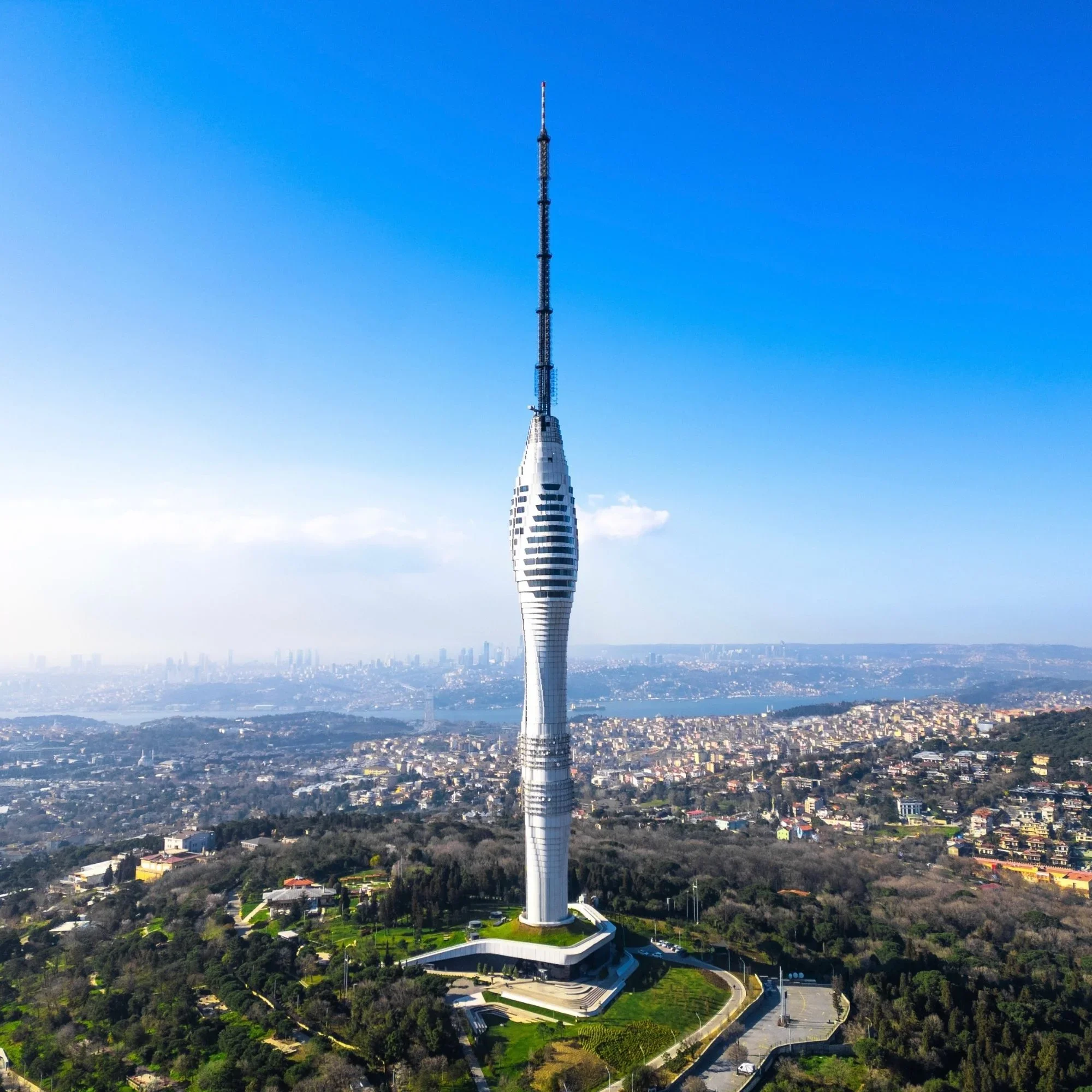
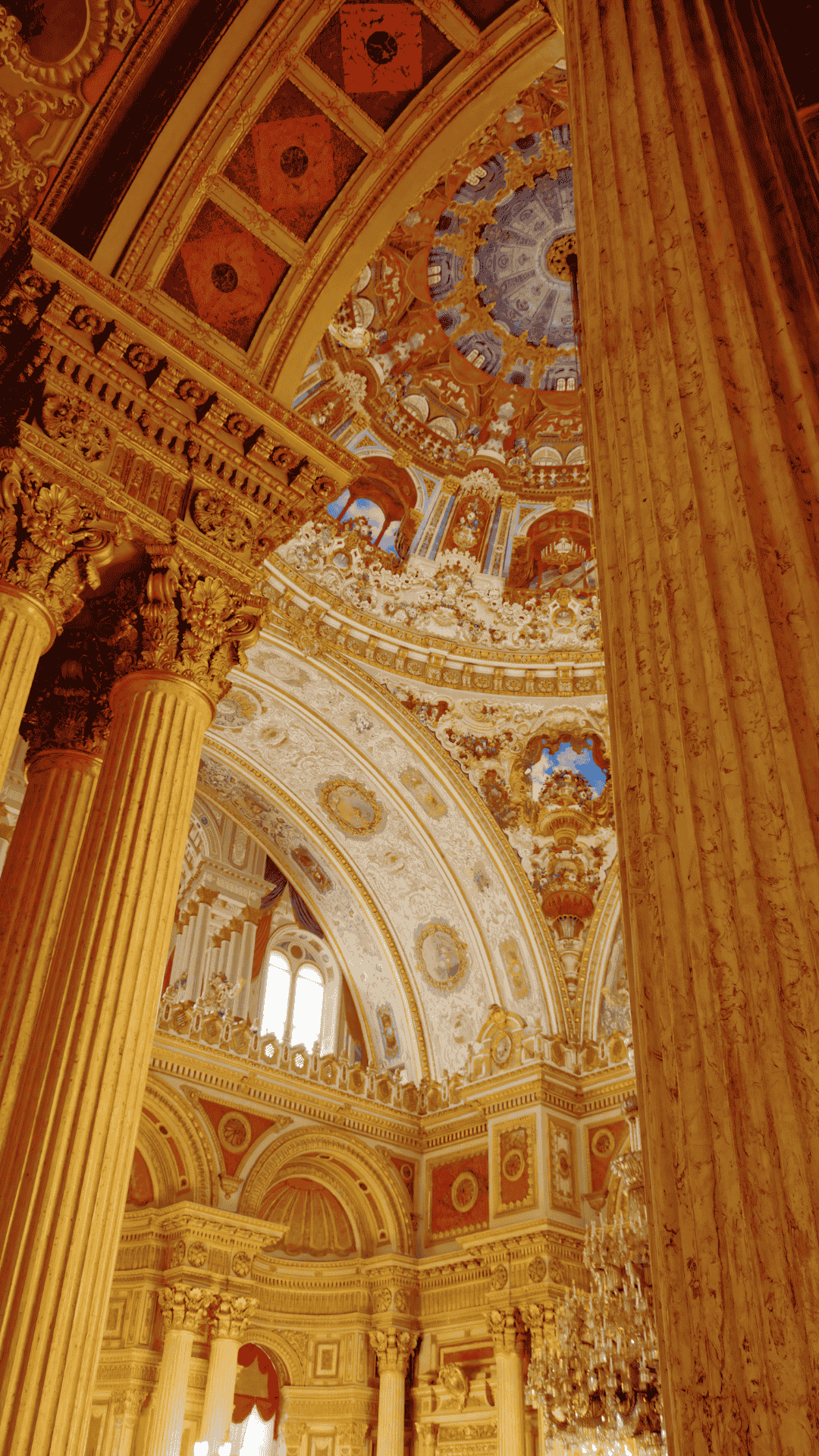
Planning Istanbul well is less about racing through a checklist and more about making a few smart decisions early. The city is vast, layered, and wonderfully distracting. One minute you are standing under the domes of Hagia Sophia, the next you are crossing the Bosphorus for tea with a skyline view, and suddenly half a day has disappeared. That is exactly why many travelers start looking into Istanbul With Istanbul Tourist Pass® as a way to organize sightseeing, reduce booking friction, and avoid paying separately for many included major experiences.
This guide is designed for travelers who want more than a simple list of attractions. We will help you decide whether the pass is actually worth it for your trip, how to build an efficient Istanbul itinerary around it, which attractions deserve your time, and where to slow down so the city still feels memorable rather than over-scheduled. If we were planning this trip for a friend, we would not tell them to “do everything.” We would show them how to choose the right experiences, group neighborhoods intelligently, and spend money where it improves the trip.
The result is a practical, commerce-first Istanbul travel guide for first-time visitors, return travelers, couples, families, and short-stay city breakers who want to see more with less friction. If your main trip-planning question is “What is the smartest way to do the best things to do in Istanbul without wasting time?” you are in the right place.
PLAN & SAVE See More of Istanbul With One Pass Organize your sightseeing, reduce booking friction, and stop paying separately for many included experiences.Quick Overview
| What You Need to Know | Short Answer | ||
|---|---|---|---|
| Who is the pass best for? | Travelers doing multiple major attractions, cruises, guided experiences, and 2–5 active sightseeing days. | ||
| Who should skip it? | Visitors who want a very slow trip, only a few landmarks, or mostly free neighborhood wandering and café time. | ||
| Biggest benefit | Convenience, bundled value, and less time spent booking attractions one by one. | ||
| Biggest mistake | Buying a pass but not planning days by area, causing unnecessary ferry, tram, and taxi backtracking. | ||
| Best strategy | Use the pass for high-value attractions and guided entries, then leave room for food, neighborhoods, and spontaneous views. | ||
| Ideal trip length | 3 to 5 days is the sweet spot for most first-time visitors. | ||
| Best neighborhoods to pair | Sultanahmet, Eminönü, Karaköy, Galata, Taksim/Beyoğlu, Beşiktaş, Üsküdar, Kadıköy. | ||
| If you have limited time | Prioritize Old City highlights, a Bosphorus cruise, one tower or panoramic viewpoint, and one strong food-focused neighborhood evening. |
Why Travelers Choose Istanbul With Istanbul Tourist Pass®
- Structure, not just savings. The appeal is not just savings on paper. The pass gives shape to a trip that might otherwise become scattered — you map your days around included experiences instead of debating each morning where to start.
- Lower total sightseeing costs. Istanbul costs add up quickly, including the hidden cost of poor logistics. Used actively, the pass can lower total sightseeing costs and bundle classic experiences with less friction.
- Less booking friction. It makes it easier to commit to major attractions in advance instead of figuring out separate booking systems for every site.
- Reduced mental load. It reduces the mental load of trip planning, so you can reserve your energy for enjoying the city itself.
- Short-trip efficiency. It encourages better use of 3-day or 4-day trips — ideal for iconic landmarks, at least one Bosphorus experience, and a few ticketed or guided attractions.
- A framework, not a prison. Istanbul rewards a plan, but not an overly rigid one. The smartest route is to use the pass as your framework, not your prison.
How Many Days Should You Buy?
Choose based on realistic sightseeing days, not total nights in the city. For most first-time visitors, 3 days is the sweet spot: enough time for the city’s essentials without trying to solve all of Istanbul at once. A fourth day changes everything — it allows you to stop treating Istanbul like a race and start experiencing it with more balance. And if you realistically sightsee for 3 active days, a longer pass is not automatically better value.
Where to Stay If You’re Using Istanbul Tourist Pass®
Sultanahmet
If your focus is major historical sights, staying in Sultanahmet is the simplest move. You can start early in the Old City before the day-tripper wave peaks. The trade-off is that evenings can feel quieter and more tourism-centered than other districts.
Best for First-time landmark priority
Karaköy / Galata
For many travelers, this is the smartest base. You can reach the Old City relatively easily, access ferries, and enjoy more evening atmosphere. It also feels better if food and urban energy matter to you as much as sightseeing.
Best for Balance
Taksim / Beyoğlu
This area suits travelers who want restaurants, bars, and a more modern city feel. It is workable for pass users, but not quite as frictionless as Karaköy if your itinerary is heavy on Sultanahmet mornings.
Best for Nightlife and city energy
Kadıköy
Wonderful for atmosphere, food, and local rhythm, but not the most efficient base for a first trip built around major included attractions on the European side.
Best for Repeat visitors and local feel
Best Istanbul Itinerary With Istanbul Tourist Pass®
 Old City
 Sultanahmet and the Historic Core
This is the day to anchor your trip. Start early — Sultanahmet is where first impressions happen, and also where crowd pressure builds fastest.
Hagia Sophia area and Hippodrome zone
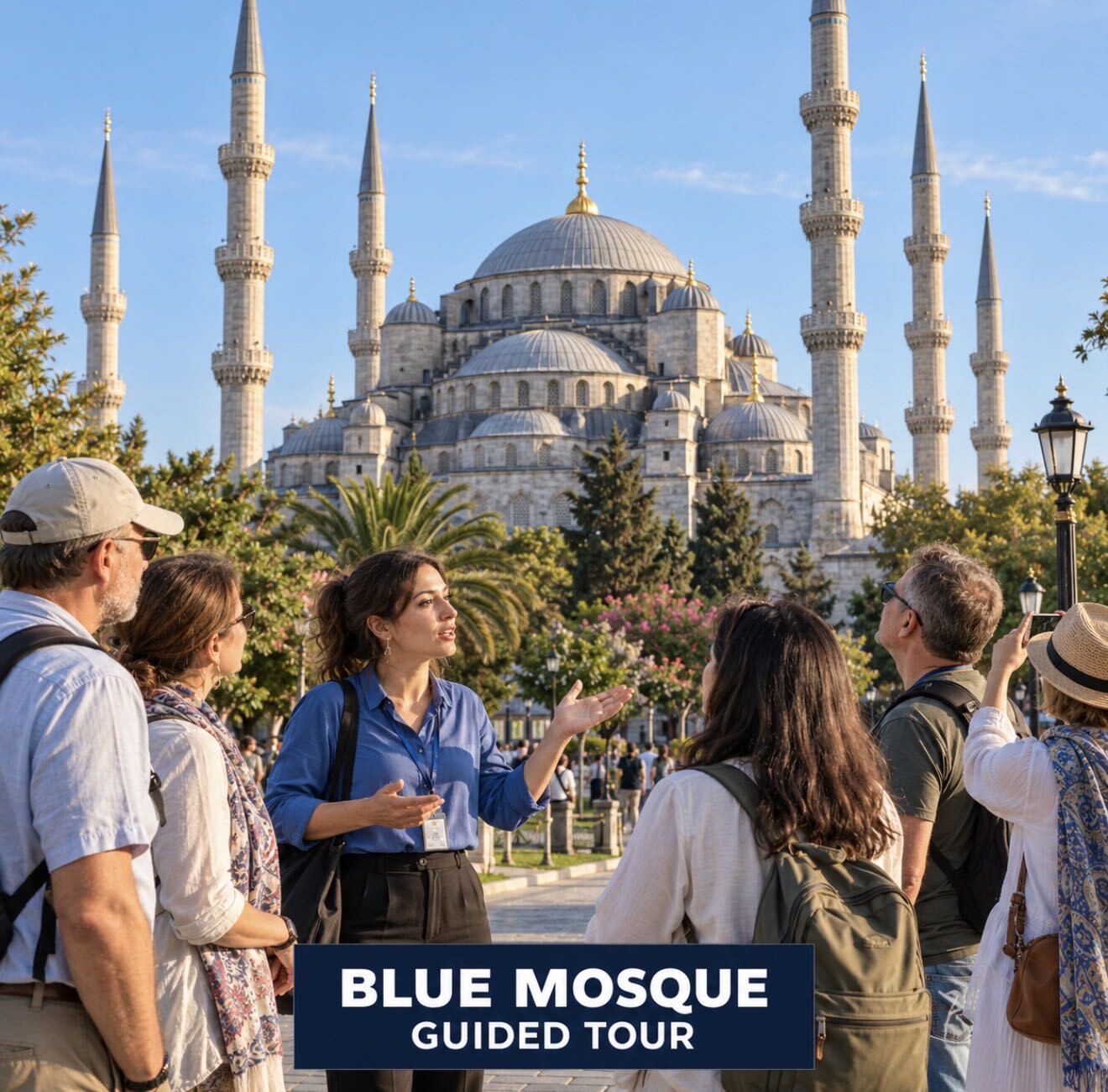
Arrive as early as you can manage. Even if your pass includes guided or organized access to nearby sites, the surrounding area is best appreciated before mid-morning tour groups fully arrive. The scale of Hagia Sophia, the Blue Mosque district, and the old imperial core is hard to overstate — this is where Istanbul starts to feel different from anywhere else. Walking here is easy in terms of distance but mentally dense: you are constantly looking up, stopping, and recalibrating. Allow time for that.
- Walking estimate: Most key stops are 3 to 10 minutes apart
- Best photo timing: Early morning for softer light and fewer crowds
- Transport note: Use the T1 tram to Sultanahmet if staying in Karaköy, Eminönü, or near Galata
Most tourists miss this: The pleasure of simply walking the edges of the square and noticing how Roman, Byzantine, and Ottoman layers overlap in a relatively compact space.
Keep it simple and nearby
Do not burn time on a complicated lunch on Day 1. Choose a solid local restaurant within walking distance and save your more destination-style dining for later in the trip. Look for straightforward Turkish classics: lentil soup, grilled meats, kebabs, pide, meze, and ayran. For a more detailed culinary plan, pair this day with ideas from our food guide to Istanbul.
Basilica Cistern, nearby museums, and a slower pace
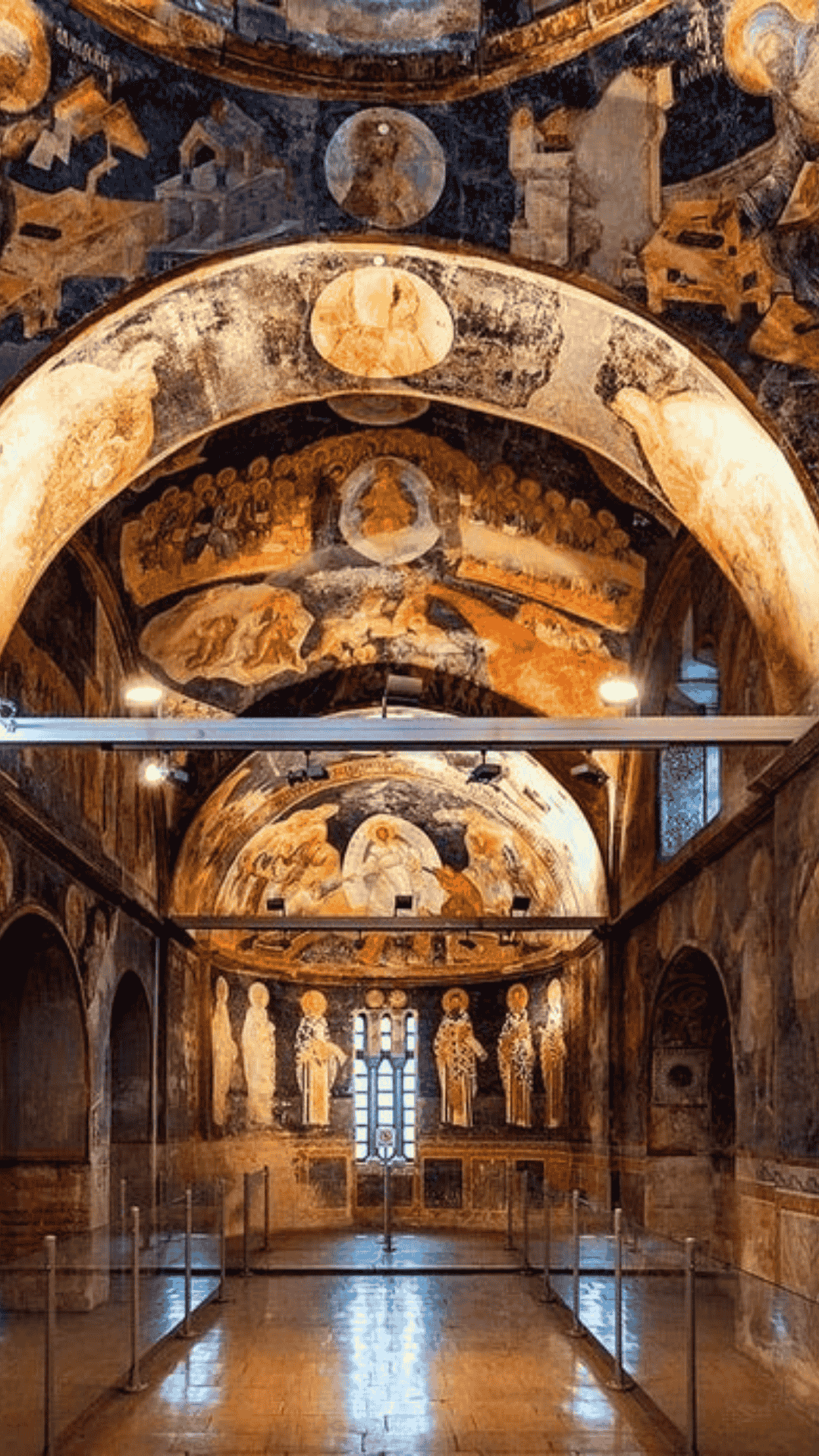
The afternoon is ideal for atmospheric indoor attractions and one or two lower-intensity cultural stops. This is where a pass can be especially useful because it reduces booking friction and helps you move cleanly into your second phase of the day. By now, the district will be busier. Accept that and adjust: instead of trying to “beat the crowds,” focus on sequencing — move from your highest-priority site into calmer side streets, small courtyards, and tea breaks between entrances.
Avoid this mistake: Trying to stack too many museums after lunch in the Old City. The result is usually exhaustion, not enrichment.
Grand Bazaar or Eminönü transition
If you still have energy, shift toward the Grand Bazaar or down toward Eminönü, but keep in mind that the Grand Bazaar is closed on Sundays. The Grand Bazaar is less about disciplined shopping strategy and more about absorbing texture, color, and pace. Eminönü, meanwhile, reconnects you with the waterfront and offers a strong bridge between the historic center and the Bosphorus mood that defines the city.
- Walking estimate: Sultanahmet to Grand Bazaar roughly 15–20 minutes on foot
- Best food move: Try a light snack rather than a full heavy meal before dinner
- Evening option: Sunset near Galata Bridge if you still want city energy
 Bosphorus / Beyoğlu
 Bosphorus, Palace, and Beyoğlu Skyline
Day 2 is when your Istanbul itinerary should open up. After the historical density of Sultanahmet, give yourself water, light, and skyline.
Dolmabahçe Palace or a major Bosphorus-side attraction
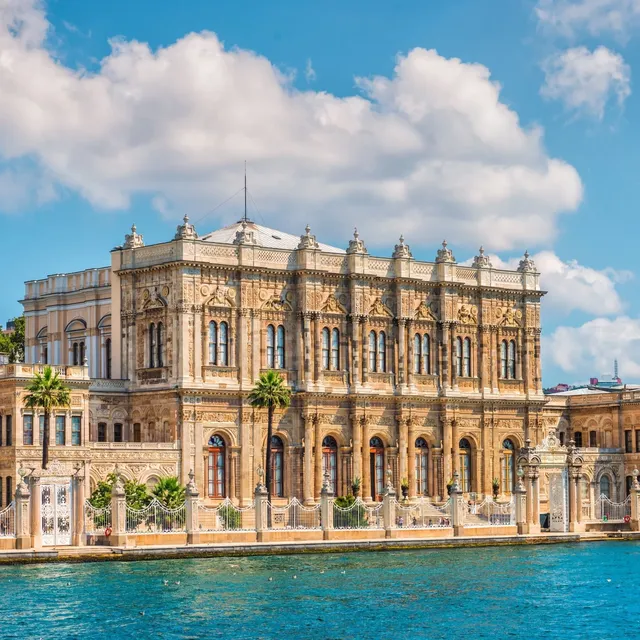
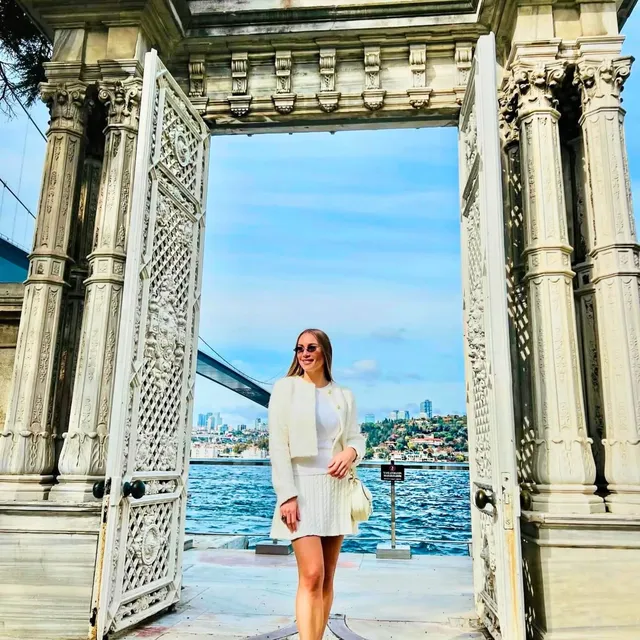
Start on the Bosphorus-facing side of the city, but if Day 2 falls on a Monday, choose an alternative to Dolmabahçe Palace because the palace is closed. If Day 1 was about empires in the abstract, this day is about how imperial history meets the waterfront. Palace visits are often more enjoyable in the morning when your concentration is fresh. If your pass includes palace-related access or supporting experiences, this is one of the strongest places to use it well. The district also transitions naturally into Beşiktaş, one of the most practical and lively everyday neighborhoods for lunch.
- Transport note: Tram plus short walk, taxi, or bus depending on where you stay
- Photography opportunity: Bosphorus views, palace exterior details, and waterfront angles
- Crowd tip: Earlier remains better, especially in peak season
Lunch in Beşiktaş
This is a smart place to eat because it feels less stage-managed than some first-timer zones. You can go traditional with home-style dishes and grilled items or keep it casual with dürüm, köfte, and tea. Beşiktaş is also ideal for resetting: sit down, look at your afternoon energy, and decide whether you want to keep touring hard or shift into a scenic mode. For neighborhood context, explore our Beşiktaş guide.
Bosphorus cruise
If there is one experience that consistently helps travelers understand Istanbul emotionally, it is a Bosphorus cruise. Seeing the city from the water clarifies the geography, the architecture, the neighborhoods, and the scale of daily life on both shores. This is often where the city stops feeling like separate districts and starts feeling like one connected organism. For many travelers using Istanbul With Istanbul Tourist Pass®, this is one of the strongest included-value experiences because it combines sightseeing with a transport-like understanding of the city.
If you have limited time: Prioritize the Bosphorus over adding another secondary museum. The memory return is usually higher.
Galata, Karaköy, or Istiklal area
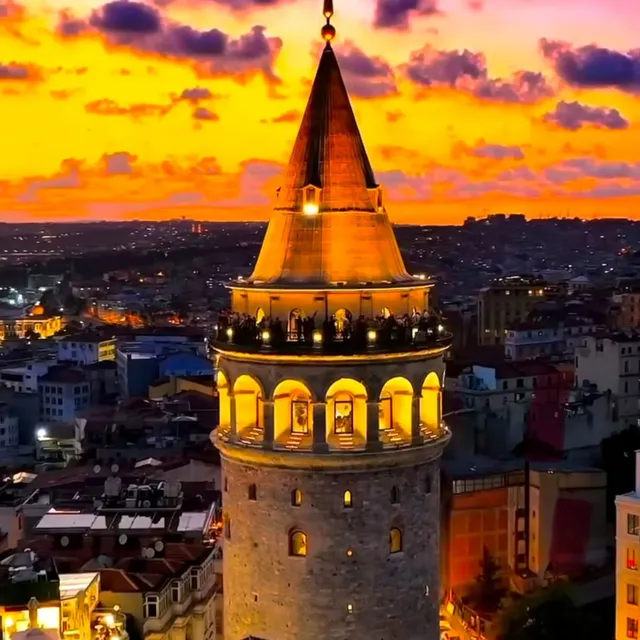
After the cruise, move into Karaköy, Galata, or the lower edge of Istiklal Street. This is one of the best evening transitions in Istanbul: the energy feels urban and cinematic, but still rooted in daily life. One of the easiest ways to improve this day is not to overbook dinner — leave room for a drink with a view, a pastry stop, or a spontaneous street-level detour.
- Walking estimate: Expect hills if moving between Karaköy and Galata Tower zone
- Best photo time: Blue hour into early evening
- Food recommendation: Meze, seafood, or modern Turkish dining depending on your pace and budget
 Flexible day
 Choose Your Style — Asian Side, Views, or Deep Dive
The smartest third day depends on your travel personality. This is where decision support matters more than generic advice.
Asian Side for atmosphere and food
If you want a break from landmark intensity, spend this day in Kadıköy and possibly Üsküdar. Take a ferry rather than a taxi if possible — the crossing is part of the day. In Kadıköy, wander the market streets, browse cafés, eat well, and let the city breathe a little.
- Who should choose it: Return visitors, food-focused travelers, couples, slower travelers
- Who should skip it: First-timers who still have major must-see landmarks undone
- Trade-off: Less monument density, more lived-in city character
More classics and viewpoints
If this is your first trip and you still want another major visual highlight, use Day 3 for one of the city’s famous towers, panoramic viewpoints, or a second strong museum/palace combination. This works well for travelers who want a classic “I saw Istanbul properly” feeling before departure. Just be careful not to spend the whole day inside ticketed sites: one viewpoint, one substantial cultural stop, and one neighborhood walk is usually enough.
Family-friendly flexible day
Families often do better with a lower-pressure Day 3. That might mean a cruise, a lighter museum, open-air time, and a meal in a neighborhood with room to move. The pass can still be useful here, but the strategy changes: use it for one or two strong anchors, not an all-day march.
 Eminönü / Golden Horn
 Day 4: Markets, Mosques, and Your Favorite Pace
A fourth day changes everything. This day should not be “whatever is left” — it should be the day that makes the trip feel complete.
Spice Bazaar, Eminönü, Süleymaniye, and Golden Horn views
This is one of the most satisfying routes in the city. Start at the Spice Bazaar while it still feels manageable, then drift through Eminönü before climbing toward Süleymaniye. The mosque complex and its surrounding views often leave a deeper emotional impression than first-time visitors expect.
Most tourists miss this: The transition from waterfront bustle into the calmer, elevated dignity of Süleymaniye is one of Istanbul’s best urban sequences.
Balat and Fener with realistic expectations
Balat and Fener can be rewarding for travelers interested in street texture, heritage layers, and slower neighborhood wandering. But avoid treating them like an Instagram errand: go because you want atmosphere and urban character, not because you saw a few painted staircases online.
- Who should choose it: Walkers, photographers, return visitors
- Who should skip it: Travelers short on time who have not yet done core Bosphorus and Old City experiences
Shopping and modern city energy
If you have done the historical essentials, use your fourth day for a more modern side of Istanbul: Nişantaşı, Istiklal, design shops, cafés, and a stronger restaurant reservation. This is a better use of time than forcing another museum you do not really care about.
 Citywide
 The 5-Day Structure: Editing Istanbul to Fit Your Interests
With 5 days, you can use the pass effectively while still traveling like a human being: slower breakfasts, café pauses, neighborhood curiosity, and one or two evenings where you are not trying to optimize anything.
How to structure 5 days
- Day 1: Sultanahmet and Old City essentials
- Day 2: Bosphorus-side palace + cruise + Beyoğlu evening
- Day 3: Asian Side or additional landmark day
- Day 4: Eminönü, markets, mosque complex, Golden Horn or Balat/Fener
- Day 5: Flexible interests: shopping, food, return to favorite area, or one premium experience
What to add on a 5-day trip
This is when special-interest choices become worthwhile. A guided culinary experience, a cultural performance, a deeper museum, or a longer Bosphorus-oriented afternoon can all make sense now. You are no longer trying to “cover” Istanbul — you are editing it to fit your interests. This is often the stage where travelers benefit from booking a quality experience rather than trying to self-assemble every hour: a well-chosen guided tour or private transfer can improve a long day more than another attraction ever will.
 Decision guide
 Is the Pass Worth It — and How to Use It Smartly
For many visitors, yes. For all visitors, no. That distinction matters — the strongest itinerary is not the one with the most pins on a map, but the one that respects geography, energy, and crowd patterns.
It is usually worth it if you are
- In Istanbul for 2 to 5 sightseeing-focused days
- Visiting for the first time
- Traveling with family and want planning simplicity
- Interested in major attractions rather than only local wandering
- Trying to compare pass value versus buying tours and entries separately
It may not be worth it if you are
- Staying 6+ days and prefer a slower pace
- Skipping most paid attractions
- Mainly interested in food, neighborhoods, bazaars, and ferry rides
- Only planning one or two included experiences
The trade-off to understand
A pass often saves the most money for travelers who are also the most organized. If you activate it and then spend half a day sleeping in, shopping without a plan, or crossing between the European and Asian sides multiple times with no structure, your value drops quickly. On the other hand, if you cluster attractions by district and use the included experiences intelligently, the convenience alone can justify it.
Insider Tip: The best way to think about the pass is not “How many attractions can I squeeze in?” but “Which experiences would I definitely pay for anyway, and can I group them into efficient days?”
The 5 rules that make a pass pay off
- Group attractions by area. Do not pair Sultanahmet in the morning with Kadıköy lunch and then return to Galata before sunset unless you enjoy spending the day in transit.
- Start early in the Old City. This is where crowds build fastest.
- Use afternoons for cruises, towers, palaces, or neighborhoods. After lunch, the city often feels better at the water or in areas with more breathing room.
- Leave one flexible window daily. Istanbul always offers an unexpected café, rooftop, mosque courtyard, or ferry moment worth staying for.
- Do not overbuy your days. If you realistically sightsee for 3 active days, a longer pass is not automatically better value.
Avoid this mistake: Many travelers treat included attractions as obligations. That leads to museum fatigue and rushed experiences. If an attraction is lower on your actual interest list, skip it. Saving money is good; enjoying the city is better.
 Value strategy
 Prioritize by Real Value: Attractions, Daily Load, and Budget
Not all included experiences are equally important. The smartest route is to rank them by actual trip impact, not just ticket price.
Highest-value experiences for most travelers
Major historical attractions in the Sultanahmet area, Bosphorus cruise experiences, top-tier palaces or landmark interiors, and guided experiences that save planning friction and add context. These are usually worth anchoring your trip around.
Strong additions if they match your interests
Panoramic viewpoints or towers, select museums beyond the absolute essentials, and family-friendly activities or cultural shows. Good value, but only if they fit your travel style.
Only do these if you truly want them
Lower-priority secondary attractions chosen only because they are included, experiences that require awkward transit for marginal reward, and anything that overloads a day already carrying two major anchors. The smartest alternative is often a neighborhood stroll, tea stop, or restaurant reservation.
How many attractions per day is actually smart?
In Istanbul, the practical answer is fewer than you think. First-time active travelers do best with 2 major attractions + 1 neighborhood walk + meal stops, and feel rushed at 4+ major ticketed stops. Families: 1–2 anchors + open-air time, rushed at 3+ rigid timed activities. Couples on a city break: 2 anchors + a scenic evening — do not try to maximize every pass inclusion. Slow travelers: 1 major attraction + district immersion. If there is one mistake worth avoiding, it is underestimating transit fatigue: even a simple-looking cross-city move can take longer than expected once walking, waiting, and orientation are factored in.
Pass vs paying separately
Exact pricing changes over time, so the right question is not “What is the static number?” but “How would I otherwise spend?” A first-time 3-day visitor who wants landmarks, a cruise, and guided highlights usually gets strong value. A couple on a short city break wanting a curated, efficient trip often finds it worth it. Whether the pass is worthwhile for a slow 6-day traveler alternating museums with café and neighborhood days depends heavily on usage. A food-focused repeat visitor prioritizing dining, ferries, and local districts often does not need it. A family with active sightseeing goals can find it very useful. If you would separately pay for several major experiences anyway, the pass often makes sense; if you are mostly chasing local atmosphere, buy selectively instead.
 Trip quality
 Food, Crowds, and Photography Strategy
Food is not a side mission here. It is one of the main reasons to come — and if your itinerary is all monuments and no meal planning, it is incomplete.
How to pair food with sightseeing days
- Sultanahmet day: Keep lunch practical, save dinner for a stronger neighborhood
- Bosphorus day: Eat in Beşiktaş, Karaköy, or Galata for more atmosphere
- Asian Side day: Make food the main event in Kadıköy
- Market day: Snack strategically instead of committing to a heavy lunch too early
What first-time visitors should eat
Meze and grilled fish or meat, kebabs and pide, Turkish breakfast if you have time for one full morning meal, baklava, sütlaç, lokum, and good tea stops, plus street-friendly classics chosen from busy, reputable vendors.
Avoid this mistake: Saving every meal for “later” and ending up hungry, tired, and making poor decisions in crowded tourist zones. Istanbul walks better when you are properly fed. For broader planning, use our Turkish food guide and where to eat in Istanbul resources alongside this itinerary.
Crowd avoidance tips that actually work
You will not have Istanbul to yourself, but you can avoid the worst of the friction.
- Start Sultanahmet mornings early
- Leave bazaars for off-peak windows rather than midday crush periods when possible
- Use evenings for neighborhoods instead of trying to do one more headline attraction
- Take the first practical ferry rather than delaying for no reason
- Book key pass experiences in advance where required
- Do not build your schedule around optimistic transfer times
Most tourists miss this: Crowds are easier to tolerate when the sequence of your day is right. A packed market after a calm mosque courtyard feels manageable. A packed market after three lines and a missed lunch feels terrible.
Photography tips for a better Istanbul itinerary
Istanbul is photogenic in obvious ways, but the best images usually come from timing, not just location. Best moments to shoot: early morning around Sultanahmet and historic squares, blue hour in Galata, Karaköy, and Bosphorus-facing areas, ferry crossings for layered skyline views, and hilltop mosque precincts and waterfront promenades. Prioritize street transitions between districts, tea glasses, ferry decks, market textures, architectural details, and views that include daily life — not just monuments. If your camera roll contains only the same five postcard angles, your itinerary was probably too narrow.
 Decision support
 Guided or Independent — and the Pass for Every Traveler Type
This is one of the most important planning decisions, especially in a commerce-first itinerary.
Choose guided experiences if you
- Are visiting major heritage sites for the first time
- Value context and storytelling
- Want to reduce planning friction
- Are traveling with family and prefer smoother logistics
Go independent if you
- Prefer slow wandering and self-directed travel
- Already know the city a little
- Are mainly interested in neighborhoods, food, and ferry life
The smarter hybrid approach: For many travelers, the best answer is a mix — use the pass for key guided or organized experiences where they meaningfully improve access and context, then explore neighborhoods, markets, and food districts independently. That is usually the best balance of value and freedom.
The pass for different traveler types
First-time visitors: This is where the pass usually shines — it simplifies decisions in a city that can otherwise feel overwhelming at first. Couples: Best when used as a structure for daytime exploration, leaving evenings flexible for dining and skyline moments. Families: Good for reducing planning stress, but build in snack breaks, open-air time, and fewer total anchors per day. Solo travelers: Especially useful if you want efficient access and a few organized experiences without overthinking logistics. Repeat visitors: Worth it only if your return trip still includes several major paid highlights — otherwise, independent exploration may be the better fit.
If you have limited time in Istanbul
If you only have 1 or 2 full days, the pass can still work, but only if you are disciplined. Best 1-day approach: focus on the Sultanahmet core, add one atmospheric indoor highlight, and finish with a Bosphorus-facing or Galata/Karaköy evening if energy allows. Best 2-day approach: Day 1 — Old City and nearby classics; Day 2 — Bosphorus experience, palace or viewpoint, neighborhood dinner. Do not spend a 2-day trip chasing distant lower-priority attractions just because they are included.
Transportation Strategy: How to Move Efficiently Between Pass Attractions
The T1 tram is your friend for many classic sightseeing movements. It connects several of the areas first-time travelers use most. When it works for your route, it is usually better than a taxi.
Ferries are not just transport — they are part of the Istanbul experience. If your itinerary includes Üsküdar or Kadıköy, choose the water route when timing allows.
Taxis are useful when hills, luggage, family needs, or time pressure justify them. But they are not always the fastest answer in traffic-heavy periods.
After a long flight, arrival friction matters. If your hotel is not on a simple public transport line, or if you are landing late, booking an Istanbul airport transfer can be one of the better comfort spends of the trip — especially for families, first-time visitors, or travelers carrying substantial luggage.
What to Book Ahead vs Keep Flexible
Book ahead
- Key pass experiences that require reservations or specific time slots
- Guided experiences for major heritage sites, especially on a first visit
- Airport transfer if you are landing late, traveling with family, or carrying substantial luggage
- A stronger restaurant reservation for one evening later in the trip
- The major attractions you would definitely pay for anyway, grouped into efficient days
Keep flexible
- One flexible window daily — Istanbul always offers an unexpected café, rooftop, mosque courtyard, or ferry moment
- Evenings in neighborhoods instead of one more headline attraction
- Lower-priority included attractions — if they are low on your interest list, skip them
- Dinner on Bosphorus days — leave room for a drink with a view, a pastry stop, or a spontaneous detour
- Your fifth day: shopping, food, or a return to your favorite area
A Sample Day in the Old City
Common Mistakes and Smarter Moves
Common first-time mistakes
- Choosing too many attractions instead of choosing the right ones
- Underestimating travel time between districts
- Ignoring meal timing
- Not checking which experiences need reservations or specific time slots
- Staying in a hotel location that makes every morning harder
- Using taxis for everything and losing time in traffic
Crowd and insider tips
- Start Sultanahmet mornings early — this is where crowds build fastest
- Leave bazaars for off-peak windows rather than midday crush periods
- Use evenings for neighborhoods instead of trying to do one more headline attraction
- Take the first practical ferry rather than delaying for no reason
- Leave room for the Bosphorus and neighborhood atmosphere — the best trips have air in them
- Get the day’s sequence right: a packed market after a calm mosque courtyard feels manageable
Frequently Asked Questions
Is Istanbul Tourist Pass® worth it for first-time visitors?
How many days should I buy for Istanbul Tourist Pass®?
Can I see Istanbul in 3 days with a pass?
What are the best things to do in Istanbul with a city pass?
Is the pass better than buying attractions separately?
Do I still need public transport if I have the pass?
Where should I stay if I want to use the pass efficiently?
Is Istanbul Tourist Pass® good for families?
What is the smartest 4-day Istanbul itinerary with a pass?
Should I book an airport transfer in Istanbul?
Is the Bosphorus cruise worth including in my itinerary?
Can I do both the European and Asian sides in one day?
What should I skip if I feel overloaded?
Is a guided tour necessary for Istanbul’s main attractions?
The Smartest Route Is the One That Leaves Room for Istanbul
The best version of Istanbul With Istanbul Tourist Pass® is not a frantic race through inclusions. Use the pass for what Istanbul does at world-class level: let it handle the headline attractions, the high-value experiences, and the organizational friction. Then give the rest of your schedule back to the city — ferry spray on the Bosphorus, a perfect tea stop, the call to prayer echoing across hills, a late dinner in a lively neighborhood. That is where the trip becomes more than efficient. That is where it becomes yours.
Explore Istanbul Passes