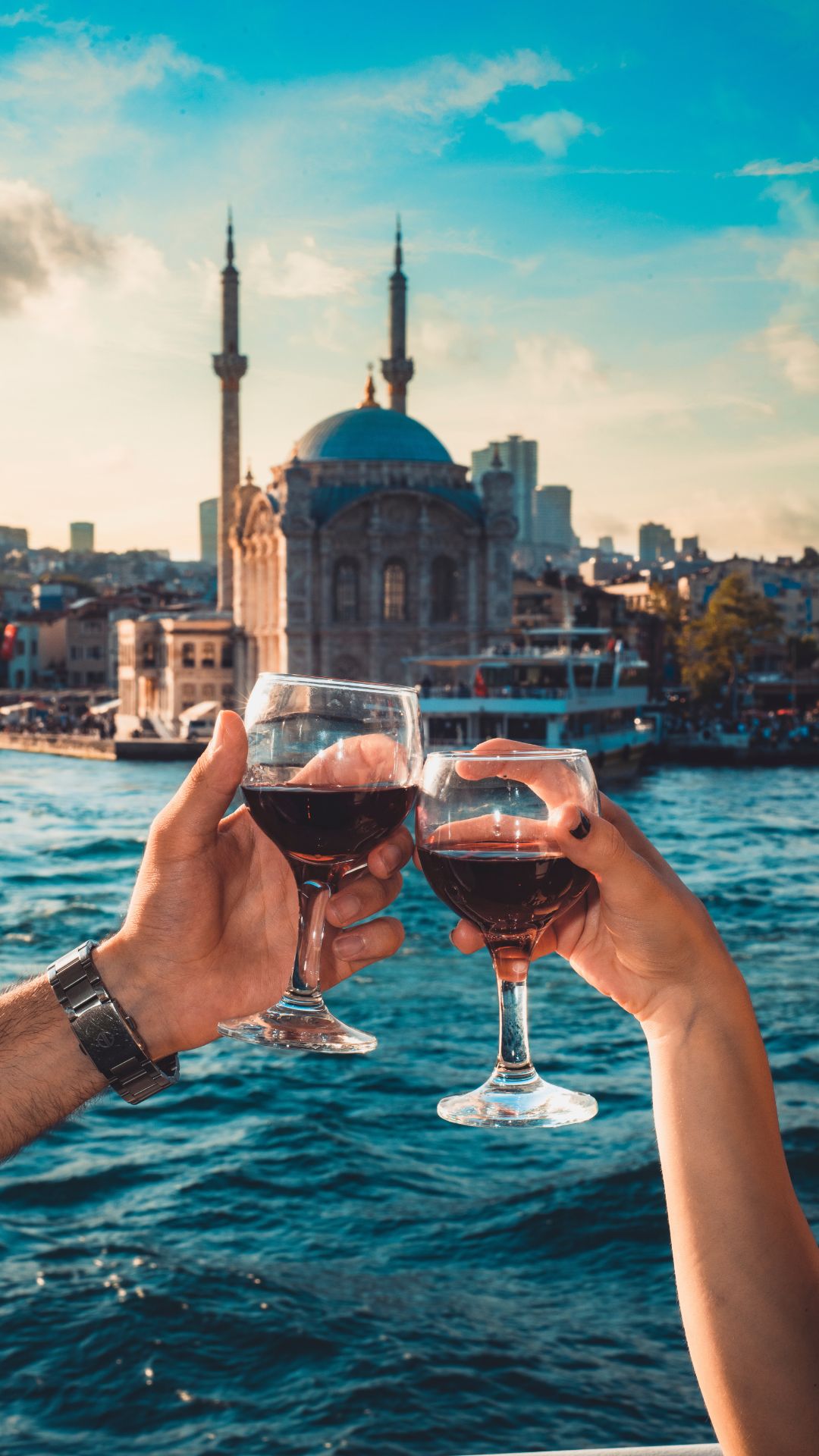
Istanbul rewards travelers who plan just enough. The city is layered, sprawling, and full of places that deserve your time, but it can also become expensive and exhausting if you try to do everything without a strategy. If your goal is to experience the city’s greatest museums and monuments while keeping your budget under control, this is the Istanbul itinerary we would recommend to a friend.
This guide is built for travelers who want a clear, efficient, and genuinely useful plan. It focuses on the historic core, major museums, ferries, neighborhoods, and practical decision-making: when museum access is worth buying, when you should book ahead, when public transport is enough, and how to avoid the common first-time mistake of wasting half your day in lines or transit. It is designed around how people really travel in Istanbul — realistic walking times, smart route logic, crowd timing, and food stops that make sense geographically.
For most first-time visitors, the sweet spot is three well-planned days, anchored by Sultanahmet, a Bosphorus crossing, and one modern neighborhood day. That gives you the emotional sweep of the city: Byzantine and Ottoman landmarks, world-class museums, everyday Istanbul street life, and the feeling of crossing between continents.
PLAN & SAVE Compare museum access and attraction options Cluster your paid sights and only buy the access you will actually use.Quick Overview
| Best For | Trip Length & Pace | Area Focus / Do Not Miss | Pass & Savings Strategy |
|---|---|---|---|
| First-time visitors who want major sights and museum access | 3 days — moderate pace, with one museum-heavy day | Sultanahmet, Eminönü, Bosphorus, Beyoğlu, Karaköy | Buy museum access only if you will use it efficiently |
| If you have limited time | Prioritize 1 full historic day and 1 Bosphorus/neighborhood day | Do not miss: Hagia Sophia area, Topkapi Palace, Basilica Cistern, a ferry ride — skip extra museums far from your route | Cluster paid sights on the same day; the biggest mistake is crossing the city too many times in one day |
Why This Istanbul Itinerary Works
- Sequencing beats checklists. Istanbul is not a city you conquer by checklist — it is a city you understand by sequencing correctly. The wrong plan leaves you standing in queues, climbing hills in the midday heat, and paying for attractions you barely have time to enjoy.
- High-value clusters. The itinerary groups the highest-value museum and monument visits into logical clusters: Day 1 is dedicated to Sultanahmet, Day 2 gives you the Bosphorus, market life, and a second layer of history, and Day 3 opens the city up with neighborhoods and modern culture.
- A smarter pass decision. Many travelers assume a pass automatically saves money. Sometimes it does; sometimes it only pressures you to over-schedule. The smartest approach is to match museum access to your real pace, not an idealized one.
- Museum access is worth it if…. You want several paid historical sites over 1–2 days, a simpler planning experience, fewer separate ticket purchases, or you are visiting in high season when time savings matter.
- Skip or simplify access if…. You are only interested in Topkapi Palace and one additional site, prefer wandering, cafés, bazaars, and ferry rides over interiors, travel with companions who tire quickly, or can spread visits across a longer stay.
- The smarter rule. Do not buy access first and build the trip around it. Build the trip first, then choose the access option that supports it: identify the must-see paid attractions, map them by neighborhood, and only then decide between a pass, combo ticket, or direct booking.
How Many Days Do You Need?
Three days is ideal for a first trip built around museum access and major landmarks. Two days is enough for highlights, but you will need to be selective. Four days gives you breathing room and lets you add a second Bosphorus experience, an archaeology-focused visit, or a neighborhood like Balat or Kadıköy.
Best time to start each day: start early, especially in Sultanahmet. Between roughly 8:00 and 9:00 in the morning, the historic center can still feel calm and cinematic. By late morning, queue times build, group tours arrive, and the visual serenity changes. If there is one simple move that improves an Istanbul museum itinerary, it is this: get to your first sight before the day fully wakes up.
Where to Stay for This Itinerary
Sultanahmet
Unbeatable for the historic core if museum access and efficient sightseeing are your priorities.
Best for Early starts at the major monuments.
Sirkeci & Eminönü
Practical bases that keep the old city, the waterfront, and transit connections within easy reach.
Best for Trams and ferries.
Karaköy & Galata
A stronger evening scene while keeping the old city within easy reach — often the better balance for travelers who care about dinners as much as monuments.
Best for Food, nightlife, and atmosphere.
Farther-out areas
Many travelers are surprised by how much time they lose commuting just because the hotel looked like a better deal. A cheaper room can become more expensive once you add taxis, transit time, and energy loss.
Best for Only if the savings are truly significant.
The 3-Day Istanbul Itinerary With Museum Access
 Historic Peninsula
 Day 1: Sultanahmet Done Properly
This is your highest-value day for museum access. The city’s most iconic imperial sites sit close together here, and planning them in the right order saves real time and energy. The goal is not to race through monuments — it is to experience them while Istanbul still feels legible.
Blue Mosque Area at First Light
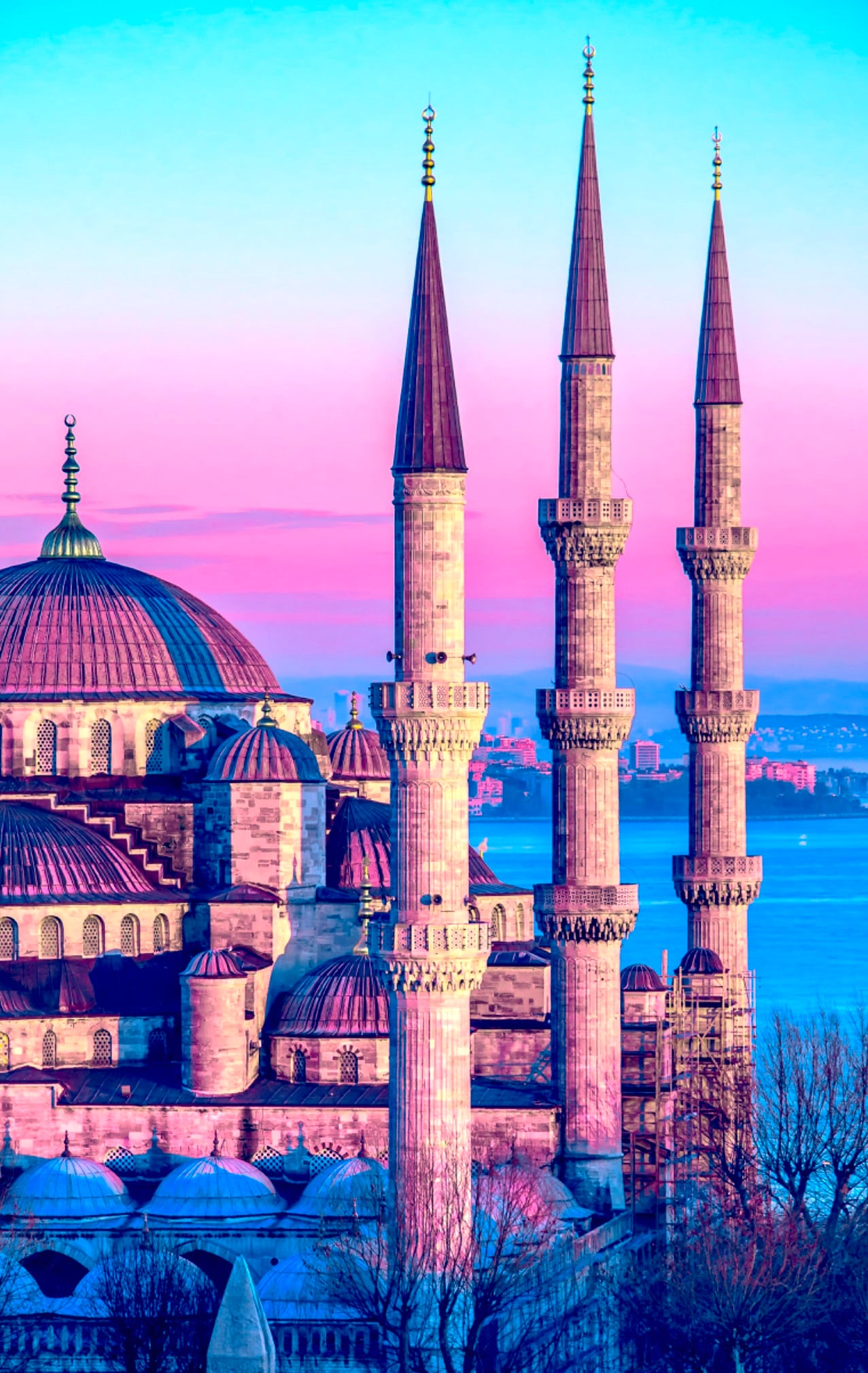
Begin around Sultanahmet Square. Even if your main focus is museums, give yourself a few minutes to absorb the spatial drama of the area. The open grounds between the Blue Mosque and Hagia Sophia are where many travelers feel Istanbul click into place for the first time.
Photography opportunity: early morning light here is softer, cleaner, and far more forgiving than midday — wide-angle views work best with fewer people in the square. Most tourists miss the value of simply arriving before they “start sightseeing.” The square itself is part of the experience.
Hagia Sophia Exterior and Context
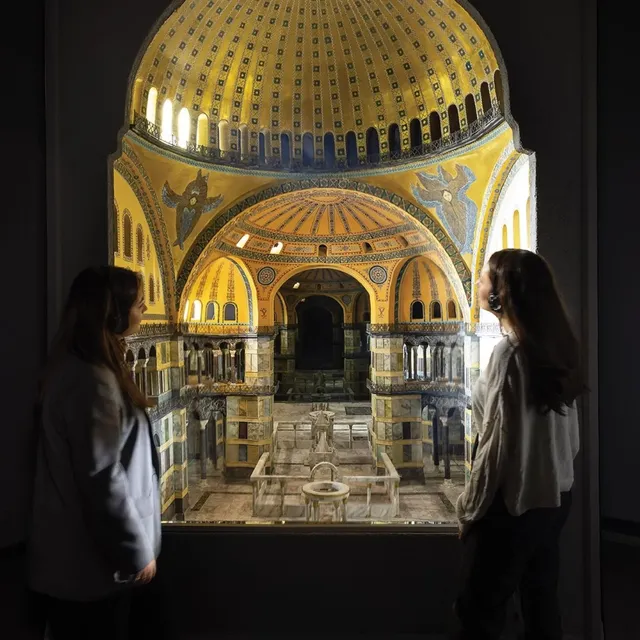
Hagia Sophia deserves to be approached as more than a stop on a list. It is one of the defining buildings of world history, and it establishes the emotional tone for the old city. Spend a few minutes taking it in from different angles rather than only from the entrance zone — it is just a few minutes on foot from the Blue Mosque area. Avoid arriving with no patience for security procedures or crowd flow: in peak periods, this area moves more slowly than travelers expect.
Keep breakfast simple and close — a light Turkish breakfast, simit, pastry, or a quick café stop near Sultanahmet or Cankurtaran is enough. Save your longer meal for after the museum-heavy stretch.
Topkapi Palace
If museum access is going to prove its value anywhere in this itinerary, it is here. Topkapi Palace is not just a building; it is a campus of courtyards, imperial rooms, treasury spaces, and layered views over the Bosphorus. For many visitors this is the single most rewarding paid historical site in Istanbul because it explains the Ottoman court from the inside — the experience is about cumulative atmosphere: gates, pavilions, ceremonial spaces, and the gradual opening of sea views.
- Fast visit: 90 minutes
- Good first-time visit: 2.5 hours
- Deeper visit with museum interest: 3+ hours
Prioritize it if you are a first-time visitor interested in Ottoman history, deciding between “one big museum” and several smaller ones, or you value views, architecture, and atmosphere in one place. Shorten it with very young children, museum fatigue from a longer Turkey trip, or if neighborhoods interest you more than imperial history.
Insider tip: the palace rewards pacing. Do not rush the first courtyards thinking the “good part” is later — the slow build is part of the architecture of power. If you need ten quiet minutes afterwards, step toward Gülhane Park to reset the day.
Keep It Nearby and Relaxed
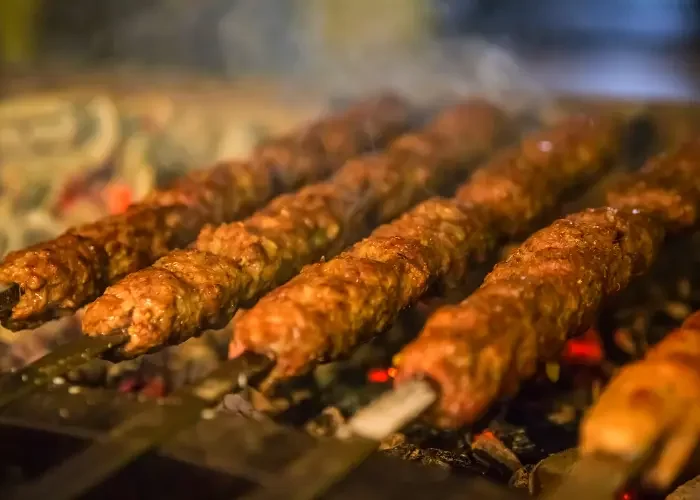
After Topkapi, stay in the historic peninsula rather than crossing the city. Sultanahmet, Sirkeci, and the edges of Gülhane offer practical options: grilled meats, kebabs, soups, meze, pide, or a lighter café meal depending on your energy. Avoid a heavy, slow lunch in the middle of your main museum day — you still have one of the best underground spaces in the city ahead.
Basilica Cistern
Basilica Cistern is one of those rare places that feels both famous and atmospheric enough to justify the attention. Dark, cool, reflective, and visually theatrical, it provides exactly the contrast your day needs after the open courtyards of Topkapi. If Topkapi is expansive and imperial, the cistern is intimate and cinematic. Quick visit: 30 minutes; most travelers: 45–60 minutes.
Photography opportunity: one of Istanbul’s strongest low-light spaces — use patience rather than speed; reflections and symmetry matter more than photographing every column. Avoid scheduling too many indoor visits after this if your energy is dropping: Sultanahmet can produce sensory overload by late afternoon.
Three Ways to End the Sightseeing Day
- Option A — Istanbul Archaeology Museums: right for history lovers who still have concentration left and want a deeper understanding of the civilizations that shaped the city. If your attention is fading, save it for a future visit.
- Option B — Walk toward Sirkeci and Eminönü: the better option for many travelers. Drift downhill from imperial monuments into working-city atmosphere and end the day nearer the water.
- Option C — Slow coffee with a view: if your time in Istanbul is limited, this can be the smart move. A calm break in a historic district often leaves a stronger memory than forcing one more ticketed attraction.
Sunset Near Eminönü, Sirkeci, or Karaköy
For your first evening, stay near the water. Eminönü has energy, ferry movement, mosque silhouettes, and classic city drama; Karaköy offers a more contemporary dinner scene. Crossing the Galata Bridge around sunset is one of the easiest ways to end the day well. For something casual, choose fish, meze, or a simple local restaurant rather than a touristy set-menu dinner near the square. If you still have energy, walk part of the bridge or take a short ferry — the motion of the city at dusk is as memorable as any museum interior.
 Waterfront & Bosphorus
 Day 2: Bosphorus, Spice Bazaar, and a Second Layer of History
Day 2 is about giving context to what you saw on Day 1. The old city tells you how empires were staged; the Bosphorus shows you how Istanbul actually lives and breathes. This is the day that makes the itinerary feel like a full city experience rather than a museum checklist.
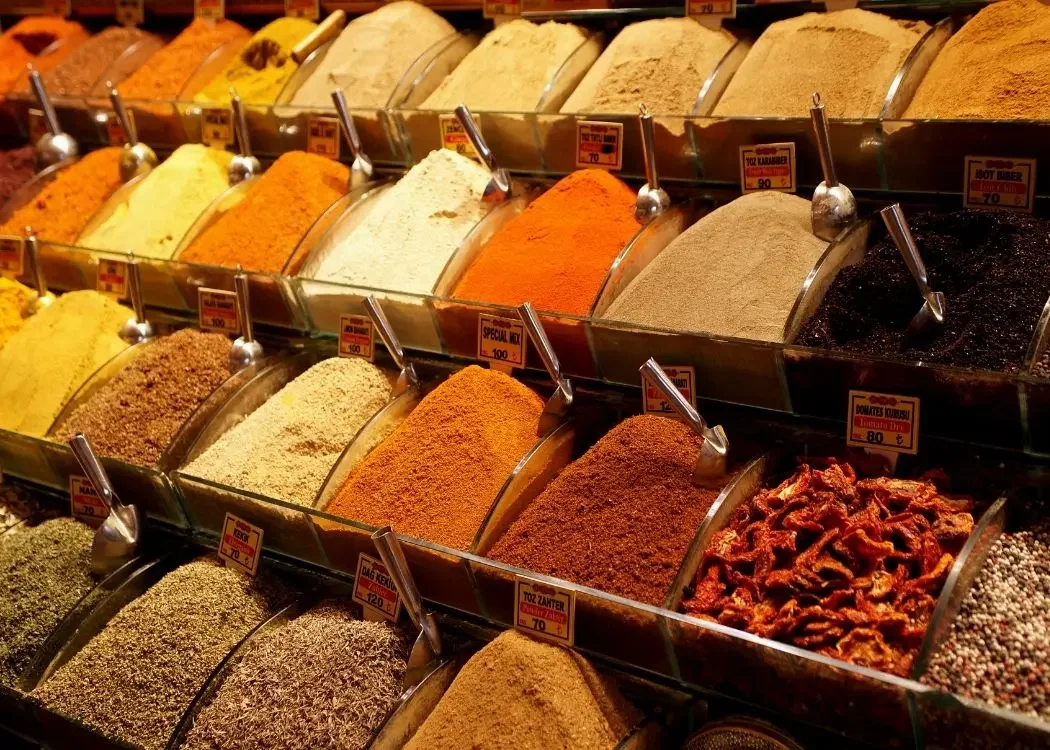
Eminönü and the Spice Bazaar
Begin in Eminönü, one of the busiest transit and market zones in the city — that is part of its value. Ferries, commuters, tea, gulls, mosques, and the constant movement of goods and people remind you that Istanbul is not only monumental; it is active.
The Spice Bazaar is worth visiting for atmosphere, color, and a concentrated sense of Istanbul’s trading heritage. Go in the morning before peak density, walk through fully once before deciding whether to buy anything, and focus on the sensory experience instead of comparison-shopping every stall. Do not treat it as your only market experience: the surrounding streets often feel more organic than the central aisles.
Ferry Ride on the Bosphorus
If there is one non-negotiable recommendation for first-time visitors, it is to get on the water. A ferry ride is one of the cheapest and most effective ways to understand Istanbul geographically and emotionally — palaces, mosques, walls, and mansions all read differently from the water, and your historical sightseeing gains spatial logic.
For most travelers, a regular public ferry or a straightforward short Bosphorus cruise is enough. Pay extra if you strongly prefer a reserved, structured experience, your time is limited and simplicity matters more than saving every euro, or you want a dedicated sightseeing route without figuring out transit. The public ferry is enough if you are comfortable navigating basic transport, your budget matters, and you enjoy the local rhythm more than a formal tour setup. A practical overview of Bosphorus cruises in Istanbul can help you decide.
Insider tip: sit outside if weather allows, but bring a layer — even warm days can feel cooler on the water than travelers expect.
Choose Based on Your Next Stop
If you stay near Eminönü or Karaköy after the ferry, lunch is easy. Karaköy is better for café culture, bakeries, and trend-conscious dining; Eminönü is better for fast, classic, practical options. Neither needs to be overthought.
Dolmabahçe Palace
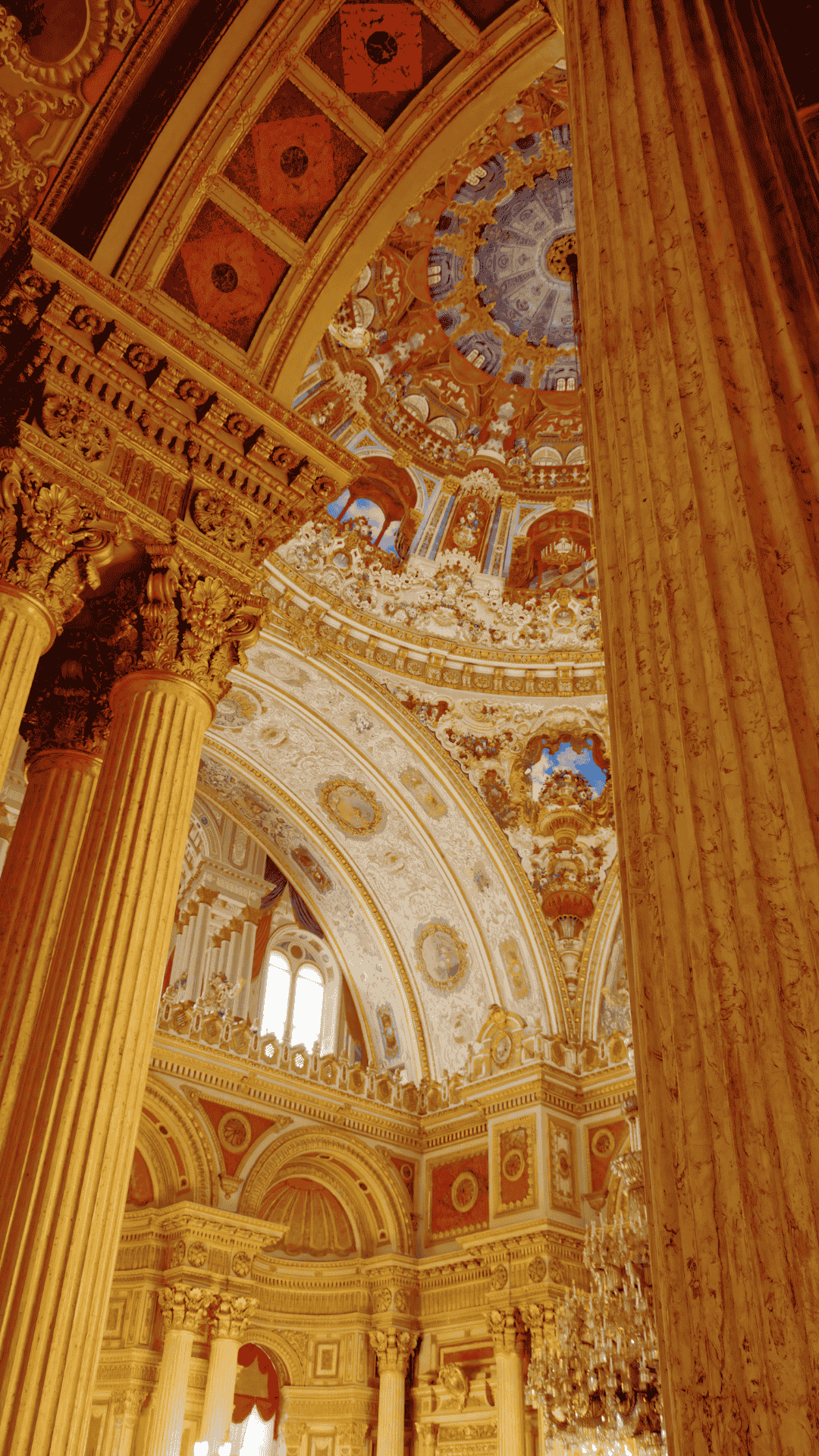
If Day 1 showed you Ottoman power in its classical form, Dolmabahçe Palace shows you its late imperial, European-facing form: lavish, ceremonial, and dramatically placed on the Bosphorus. Include both palaces if you genuinely enjoy them and have the stamina for another substantial interior; skip it if you mainly want one palace experience or are beginning to feel museum fatigue — the smarter alternative is an afternoon in Karaköy, Galata, and Istiklal.
Transport note: from Karaköy, Dolmabahçe is reachable by tram/funicular combinations or taxi. It is manageable, but do not underestimate transition time if you are moving slowly.
Galata and Karaköy Wandering
If you prefer a less ticket-heavy Day 2, this is the better choice for many travelers. Walk through Karaköy’s backstreets, then climb gradually toward Galata — the city texture changes block by block: workshops, cafés, design shops, old façades, new energy. It balances the monument-heavy first day, costs less, gives you flexibility, and often produces some of the trip’s best unplanned moments.
Photography opportunity: Galata’s side streets, stairways, and layered views are especially photogenic in the late afternoon. Do not focus only on the tower area — the surrounding streets carry much of the charm.
Dinner in Karaköy, Galata, or Beyoğlu
This is a good night for a longer dinner. Karaköy is great for seafood and modern Turkish dining, Galata feels more intimate and atmospheric, and Beyoğlu offers range and energy. If you want the city to feel cinematic, this is one of the best evenings to do it.
 Neighborhoods
 Day 3: The Istanbul Beyond the Postcards
By now, you have seen the essentials. Day 3 is where the city begins to feel personal — a flexible neighborhood-and-culture day that complements the museum access of the first two days.
Beyoğlu, Istiklal, and Modern Istanbul
Begin with coffee in Galata or nearby Karaköy and move uphill at a relaxed pace. Churches, passages, older apartment buildings, schools, embassies, and shops create a different kind of historical richness than Sultanahmet. Istiklal Avenue is busy and can feel commercial, but it is still worth understanding as one of the city’s great urban corridors — especially if you step into side streets instead of only walking the main avenue straight through. The side passages often feel more memorable than the headline path itself.
Optional museum add-on: choose one focused cultural stop rather than trying to recreate Day 1. A modern or specialized museum can be a rewarding contrast after the imperial and archaeological layers of the old city.
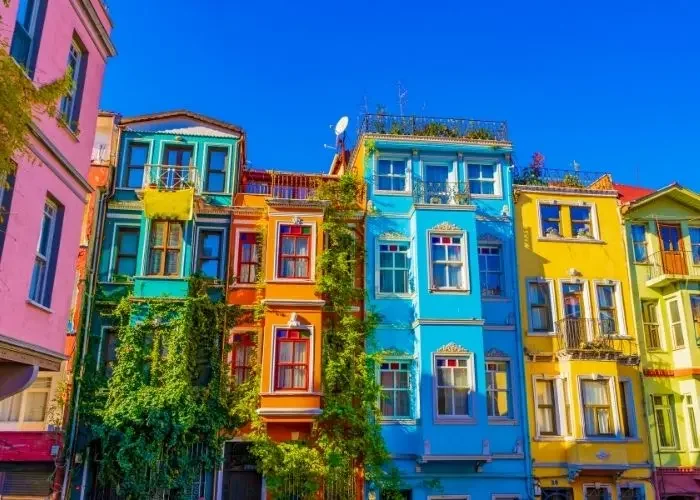
Balat and Fener for Atmosphere and Slower Discovery
If your idea of a great final day is less about formal museums and more about urban character, Balat and Fener are visually engaging and deeply tied to Istanbul’s multicultural history — especially appealing to photographers and travelers who enjoy walking with curiosity rather than fixed timing. Best for repeat visitors, travelers who already covered the major paid sites, and anyone craving a slower final day; skip it if you have not yet done the major historic core or expect a polished attraction zone. Do not come expecting a staged “secret” neighborhood — Balat is popular now, and the best way to enjoy it is with realistic expectations and respectful wandering.
Asian Side, Light Version
If you have always wanted to say you crossed to Asia, Day 3 is a good moment to do it in a low-pressure way. A ferry to Kadıköy adds a local, everyday dimension to the trip and works especially well for food-focused travelers — it reminds you that Istanbul is a huge living city with distinct rhythms on each side of the water. If this is your first visit and you still feel you have unfinished business in the historic center or Beyoğlu, stay on the European side: crossing for the sake of crossing is not automatically the best use of time.
 Compressed plan
 The Best 2-Day Version of This Itinerary
If you only have two days in Istanbul, keep the structure but reduce ambition. This is the cleaner version — it captures the city’s historical core and its waterfront identity without making the trip feel punishing.
The Historic Core
Sultanahmet early start, the Hagia Sophia area, Topkapi Palace, lunch nearby, Basilica Cistern, then an evening around Eminönü, Galata Bridge, or Karaköy.
Water and Neighborhoods
Spice Bazaar and Eminönü in the morning, a ferry or Bosphorus cruise at midday, then Karaköy and Galata or Dolmabahçe Palace, with dinner in Beyoğlu or Karaköy.
 Extended plan
 The Best 4-Day Version of This Itinerary
With four days, Istanbul becomes much more comfortable. Keep the first two days nearly the same, then use Days 3 and 4 for a more relaxed and personalized expansion.
Good Ways to Use a Fourth Day
- Add Dolmabahçe if you skipped it earlier
- Spend real time in Balat and Fener
- Take a longer Bosphorus route
- Explore Kadıköy for food and local rhythm
- Add a focused museum visit based on your interests
 Save & spend
 Budget Planning: Save Without Cutting the Good Parts
Saving money in Istanbul is not about choosing the cheapest option every time. It is about knowing where spending actually improves the trip and where it does not.
Where Paying More Can Be Worth It
- Booking major attraction access in advance during high season
- Choosing a better-located hotel to save hours of commuting
- Paying for a structured Bosphorus experience if your schedule is tight
- Using an airport transfer after a late arrival or early departure
Where You Can Save Easily
- Use public ferries instead of premium cruises if you prefer flexibility
- Choose one major palace, not every museum-shaped building on the map
- Eat your main meal away from the most obvious tourist strips
- Walk between clustered sights instead of taking short taxis
The Biggest Budget Mistake
Overbuying access and overestimating your museum stamina. A pass only saves money if you use it. In practice, many travelers end up paying for optional sights they no longer have the energy to visit by day two.
 Access strategy
 Museum Pass, Combo Tickets, or Direct Entry?
Match the access option to the trip you actually want, not the other way around.
Choose a Museum Pass If…
You want multiple paid sites across 1–3 tight sightseeing days, you value convenience and route efficiency, and you do not want to manage separate purchases repeatedly.
Choose Combo Tickets If…
Your priorities are specific and limited, you want a few top sights bundled without committing to a broad pass, and you prefer more control over your spending.
Choose Direct Entry If…
You are a slow traveler, you care more about neighborhoods than interiors, and you only plan to visit one or two paid attractions.
Our Honest Recommendation
For most first-time visitors following this exact itinerary, some form of bundled planning can be useful — but only if the core paid attractions are already on your list. Do not treat museum access as the trip itself. Treat it as a tool.
 Food
Food Food Strategy for a Museum-Focused Trip
Food can either support this itinerary beautifully or derail it. The trick is to match meal style to neighborhood and energy.
Best Approach
Breakfast: keep it close to your first stop. Lunch: practical, not overlong. Dinner: this is where you can linger.
Good Food Areas Within This Itinerary
- Sultanahmet and Sirkeci for convenience
- Eminönü for quick classics and market energy
- Karaköy for stronger café and dinner options
- Galata and Beyoğlu for variety and atmosphere
- Kadıköy if you choose the Asian side option
One thing many travelers get wrong: they plan every meal in advance. Istanbul is better when you leave room for appetite, weather, and neighborhood mood. Plan food zones, not every table. For broader ideas, continue to the best restaurants in Istanbul.
 Adjustments
 Fine-Tuning: Limited Time, Seasons, and Traveler Types
If your trip is short, reduce the number of paid interiors and increase the quality of your route. You do not need to “win” Istanbul — you need to experience it intelligently.
The Minimum High-Value Version of Istanbul
One major palace or museum, one iconic underground or architectural site, one market zone, one ferry ride, and one neighborhood evening. That combination gives you history, atmosphere, movement, and memory. From our experience, travelers remember the flow of a day as much as the individual monuments.
Best Seasons for This Itinerary
Spring and autumn are the easiest seasons for a museum-and-walking-heavy Istanbul trip. Summer can still work, but you need earlier starts, lighter pacing, and more hydration. Winter can be atmospheric and less crowded, but weather may reduce the pleasure of ferries and longer outdoor transitions.
Suggested Add-Ons for Different Traveler Types
- History lovers: add the Istanbul Archaeology Museums, spend longer in Topkapi, choose Dolmabahçe on Day 2
- Photographers: start Sultanahmet early, use late afternoon in Galata and Karaköy, take a ferry at golden hour if possible
- Families: reduce total museum count, keep Day 2 lighter and more outdoors-focused, build in snack and restroom stops proactively
- Budget travelers: stay central enough to walk and use transit, use ferries and trams, be selective with paid attractions
What to Wear and Carry
- Comfortable walking shoes with grip for stone streets and slopes
- A refillable water bottle, especially from late spring through early fall
- A light layer for ferry rides, even on otherwise warm days
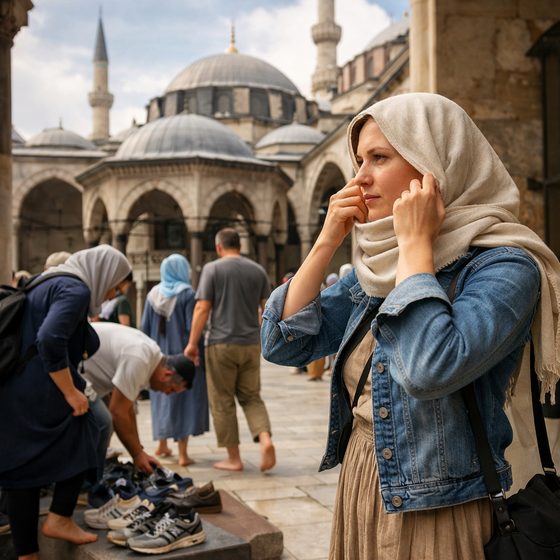
- Modest clothing if religious sites are part of your route
- A power bank if you rely on maps and booking confirmations
Getting Around During This Itinerary
Useful for Sultanahmet, Gülhane, Sirkeci, Eminönü, Karaköy, and Kabataş connections — it covers most of the historic-core legs of this plan.
Ferries are not just transport; they are part of the experience. They carry the Bosphorus midday of Day 2 and the optional Kadıköy crossing on Day 3.
Walk between clustered sights instead of taking short taxis — but respect the topography. Istanbul’s hills are real, and a route that looks easy on a map may feel much longer on foot.
Taxis can save time in a few situations, but they are rarely necessary for every leg of this plan. Optional rather than essential.
What to Book Ahead and What to Leave Flexible
Worth booking ahead
- Major attraction access in advance during high season — it reduces uncertainty and protects your route
- A structured Bosphorus experience if your schedule is tight and simplicity matters more than saving every euro
- An airport transfer after a late arrival or before an early departure
- A better-located hotel — practical location is one of the best trip investments you can make
Usually fine to keep flexible
- Public ferries instead of premium cruises if you prefer flexibility
- Meals — plan food zones, not every table
- Secondary museums and optional sights — decide by energy on the day
- Direct entry tickets if you only plan to visit one or two paid attractions
Sample Daily Timings
Common First-Time Mistakes and Crowd-Avoidance Tips
Avoid these mistakes
- Trying to do too much in one district — Sultanahmet deserves discipline; too many optional museums make the day flat and tiring
- Ignoring topography — Istanbul’s hills are real, and a route that looks easy on a map may feel much longer on foot
- Assuming every famous place needs a long visit — some sights are worth immersion, others a strong impression
- Booking a bad-location hotel to save a little money — the city is big, and location is one of the best trip investments
- Leaving the Bosphorus out — one of the most common regret points; even a simple ferry ride changes how you understand the city
- Overbuying access and overestimating your museum stamina — a pass only saves money if you use it
Crowd-avoidance tips that actually matter
- Start your first major sight early — before the day fully wakes up, the historic center still feels calm and cinematic
- Do the most famous interior before lunch, not after
- Use late afternoon for wandering neighborhoods rather than joining peak queues
- Visit major market areas in the morning when possible
- Travel in shoulder season if you have flexibility — spring and autumn are easiest for a museum-heavy trip
Frequently Asked Questions
What is the best Istanbul itinerary for first-time visitors who want museum access?
Is a museum pass worth it in Istanbul?
How many days do I need in Istanbul to see the main museums and landmarks?
Which museum or palace should I prioritize if I only choose one?
Should I visit both Topkapi Palace and Dolmabahçe Palace?
Is the Basilica Cistern worth visiting?
What is the best area to stay in for this itinerary?
Can I do this itinerary using public transportation only?
Is the Bosphorus cruise necessary if I am already visiting museums?
What should I skip if I only have two days?
Are Istanbul museums closed on certain days?
When is the best time of year for a museum-focused Istanbul trip?
Do I need to book major attractions in advance?
Is it better to stay in Sultanahmet or Beyoğlu?
What is the biggest mistake first-time visitors make with Istanbul itineraries?
Final Thoughts
The best Istanbul itinerary with museum access is not the one with the most tickets — it is the one that lets the city unfold in the right order. Start with the imperial core, add the Bosphorus, and let one day breathe in a neighborhood that feels more contemporary and lived-in. Protect your mornings, cluster your paid sights, do not skip the water, and leave enough room for Istanbul to surprise you between the landmarks. The best savings move is not always the cheapest option; it is the one that gives your trip the most clarity.
Explore attractions and experiences