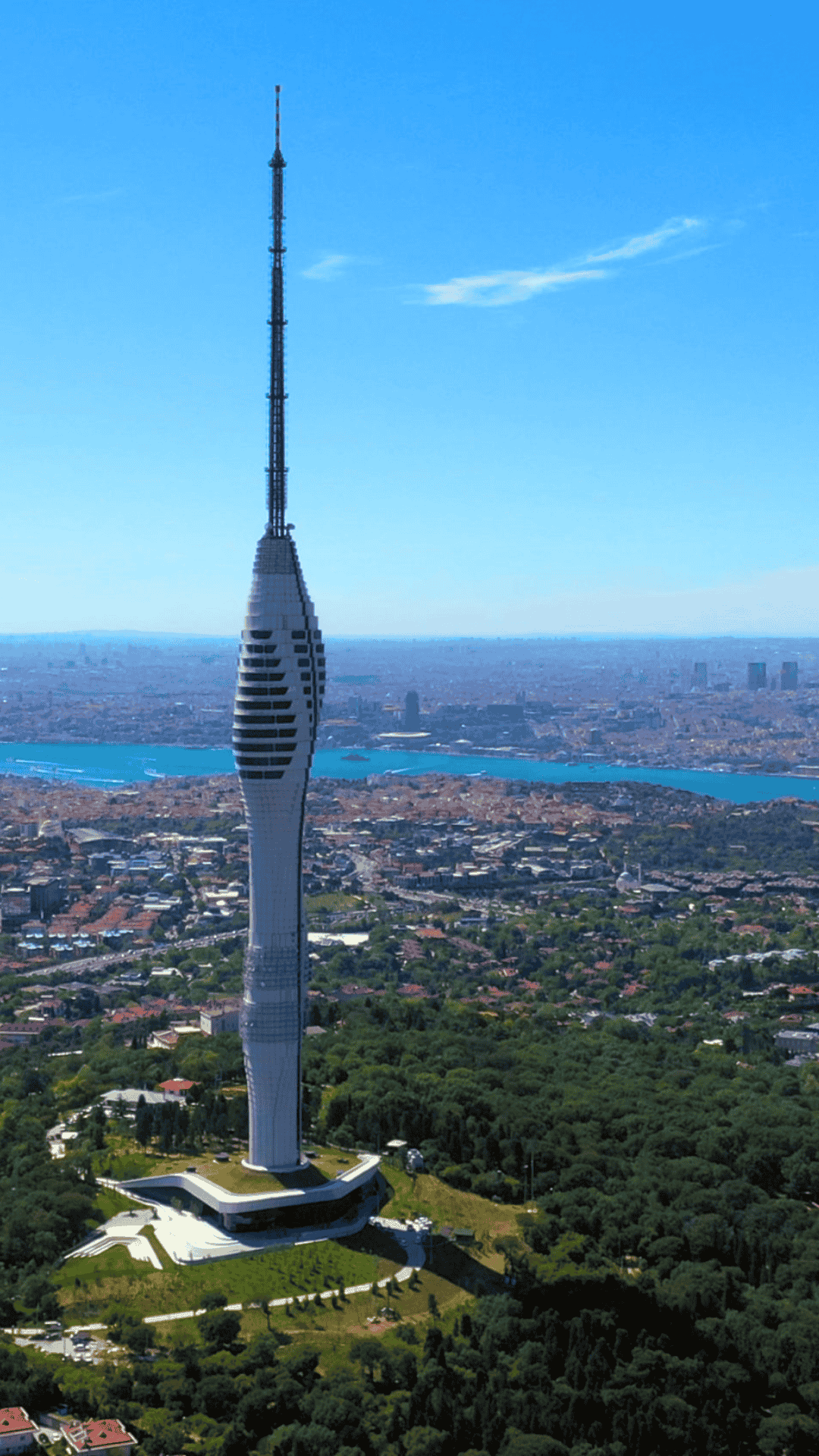
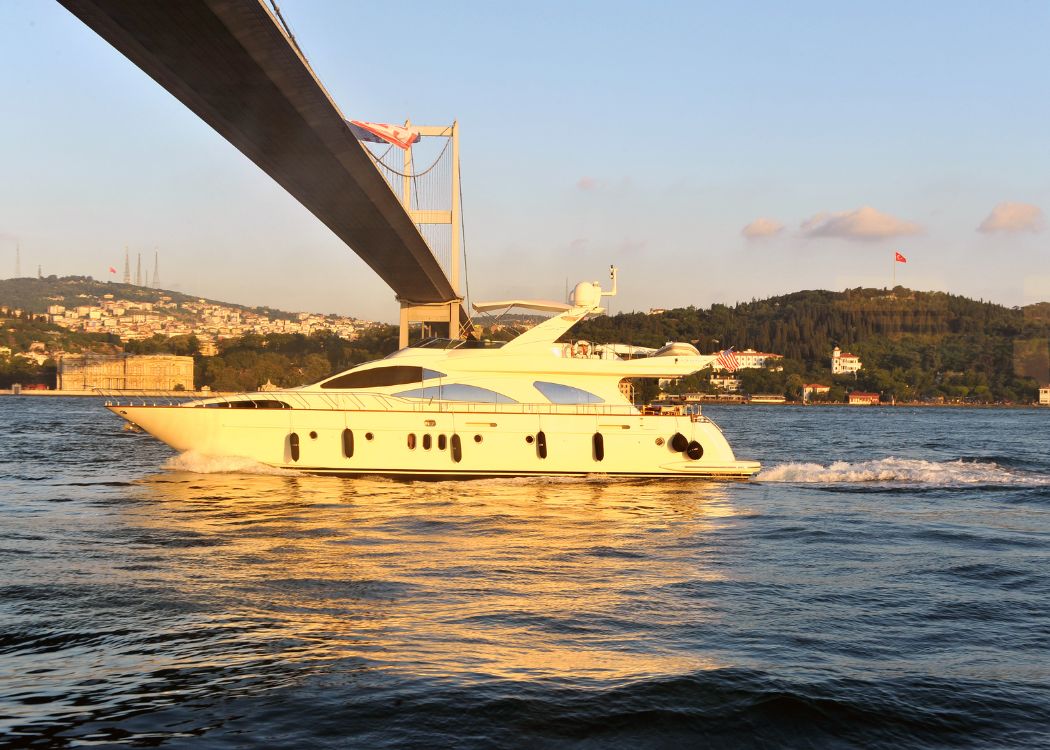
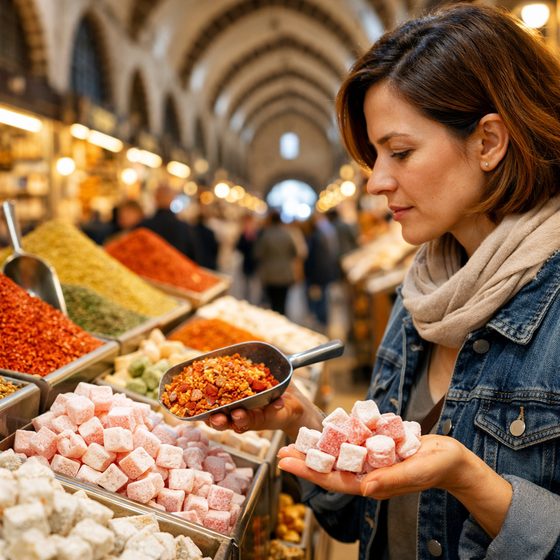
Istanbul rarely makes sense all at once. It unfolds neighborhood by neighborhood, ferry ride by ferry ride, steep street by steep street. One moment you are standing under Byzantine domes in Sultanahmet, the next you are sipping coffee on a backstreet in Cihangir, browsing fish restaurants in Karakoy, or watching the Bosphorus drift by from Arnavutkoy. That is why understanding the neighborhoods of Istanbul is one of the smartest ways to plan a trip here.
If we were planning Istanbul for a friend, we would not begin with a giant checklist of monuments. We would begin with districts. Because neighborhoods tell you how the city actually feels: where first-time visitors should stay, where to go for classic sightseeing, where to eat well, where nightlife makes sense, where the Bosphorus feels most cinematic, and where Istanbul starts to feel less like a postcard and more like real life.
This guide is designed for trip planning, not just inspiration: practical guidance, realistic walking expectations, transit notes, crowd avoidance advice, food suggestions, and neighborhood-by-neighborhood decision support. One thing we often tell first-time visitors: do not try to “do all of Istanbul.” Choose a few areas, move thoughtfully, and let the city come into focus. That is when it becomes memorable.
EXPLORE BY DISTRICT Plan the city one neighborhood at a time Browse attractions, tours, and experiences to anchor each district day.Which Istanbul Neighborhood Is Right for You?
| Neighborhood | Best For | Atmosphere | Time Needed |
|---|---|---|---|
| Sultanahmet | Major landmarks, history, first visit | Monumental, historic, busy | 1 full day |
| Eminonu & Sirkeci | Bazaars, ferries, classic city energy | Lively, chaotic, practical | Half day to full day |
| Beyoglu, Galata & Karakoy | Walking, cafes, views, design, nightlife | Creative, layered, social | 1 full day |
| Taksim & Cihangir | Urban life, restaurants, boutique stays | Modern, local, energetic | Half day to full day |
| Kadikoy | Local food, market culture, Asian side feel | Authentic, youthful, relaxed | Half day to full day |
| Uskudar | Mosques, Bosphorus views, calmer pace | Traditional, residential, scenic | Half day |
| Besiktas & Ortakoy | Waterfront walks, food, local energy | Busy, social, Bosphorus-focused | Half day |
| Arnavutkoy & Bebek | Elegant Bosphorus strolls, cafes, photos | Refined, scenic, leisurely | Half day |
| Balat & Fener | Street texture, churches, photography | Historic, atmospheric, changing | Half day |
| Nisantasi | Shopping, stylish dining, upscale stay | Polished, upscale, contemporary | Half day |
Why Plan Istanbul District by District
- Neighborhoods tell you how the city actually feels. Where first-time visitors should stay, where classic sightseeing lives, where to eat well, where nightlife makes sense, where the Bosphorus feels most cinematic, and where Istanbul starts to feel less like a postcard and more like real life.
- Districts are the city's real vocabulary. Sultanahmet gives you empire and memory. Eminonu gives you movement. Galata and Beyoglu give you urban texture. Kadikoy gives you appetite and everyday life. Uskudar gives you calm. The Bosphorus neighborhoods give you air, light, and perspective.
- Some areas deserve a full day, others a half-day wander. Some districts are perfect for a first Istanbul itinerary. Some are better for a second or third visit. Some are worth a full day; others work best as a half-day wander before dinner. Knowing the difference is half the planning.
- Depth beats checklist speed. For most short trips, focus on three to five neighborhoods done well rather than trying to cover everything. Istanbul rewards depth more than checklist speed.
- Don't try to 'do all of Istanbul'. Choose a few areas, move thoughtfully, and let the city come into focus. That is when it becomes memorable.
How to Use This Neighborhood Guide for Your Itinerary
The best Istanbul travel guide is one that helps you make decisions. If it is your first time, prioritize Sultanahmet, Eminonu, Galata/Karakoy, and either Kadikoy or a Bosphorus neighborhood like Ortakoy or Arnavutkoy — that gives you the historic core, the commercial waterfront, European-side urban culture, and at least one neighborhood that shows how locals actually spend time by the water. With limited time, do not over-scatter yourself: many travelers lose too much time crossing the city without a clear plan. You can refine your route with our broader Istanbul itinerary guide, things to do in Istanbul recommendations, and where to stay in Istanbul guide.
Where to Stay by Neighborhood
Sultanahmet
Stay here if you want walking access to major historical attractions, it is your first visit, and you plan early starts at famous sites. The trade-off: evenings can feel quieter and more tourist-oriented.
Best for Heavy sightseeing and easy landmark access
Karakoy, Galata & Beyoglu
Stay here if you want restaurants, cafés, nightlife, and character, enjoy walking urban neighborhoods, and want a more contemporary feel without losing central access. The trade-off: hills, busier streets, and less direct monument access than Sultanahmet.
Best for A walkable, café-and-dinner kind of base
Taksim
Stay here if convenience matters most and you want a wide hotel range and central transit. The trade-off: less atmospheric than other bases. Use it as a node rather than a destination — walk into Istiklal, drift toward Cihangir, or connect toward Besiktas and Ortakoy.
Best for Convenience, hotel choice, and transit
Kadikoy
Stay here if you want local life and food over classic sightseeing convenience, or you are a repeat visitor staying longer. The trade-off: more cross-city travel for old-town attractions. For deeper lodging strategy, see our where to stay in Istanbul guide.
Best for Local neighborhoods over tourist zones
Istanbul District by District
 Old City
 Sultanahmet: The Historic Heart of Istanbul
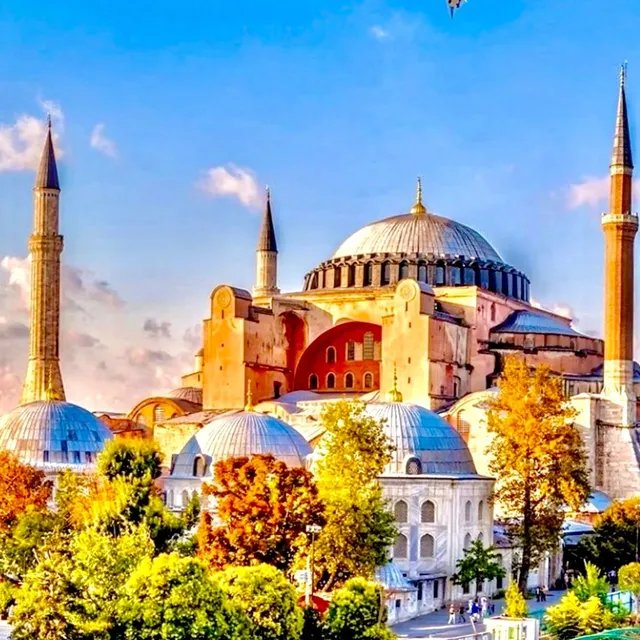
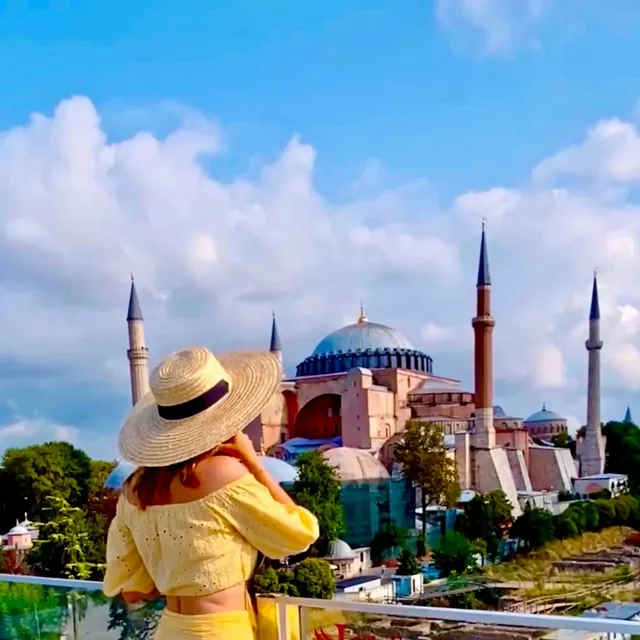
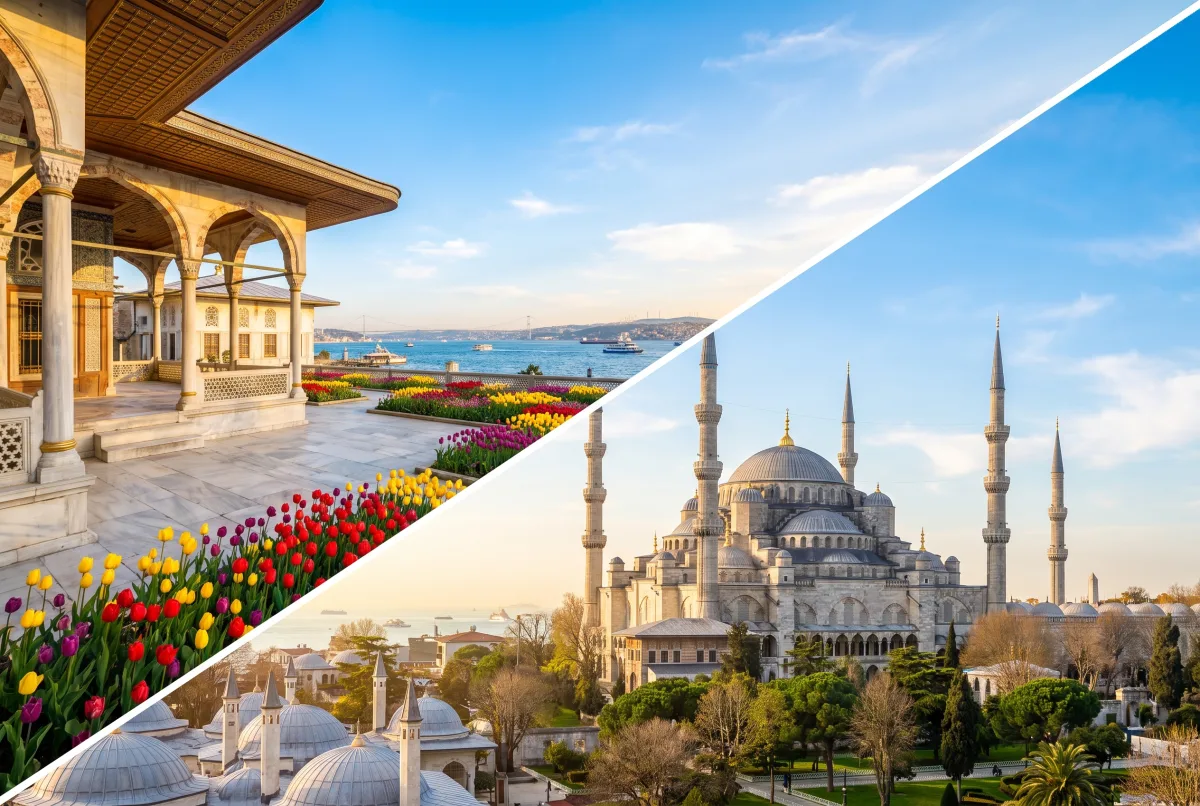
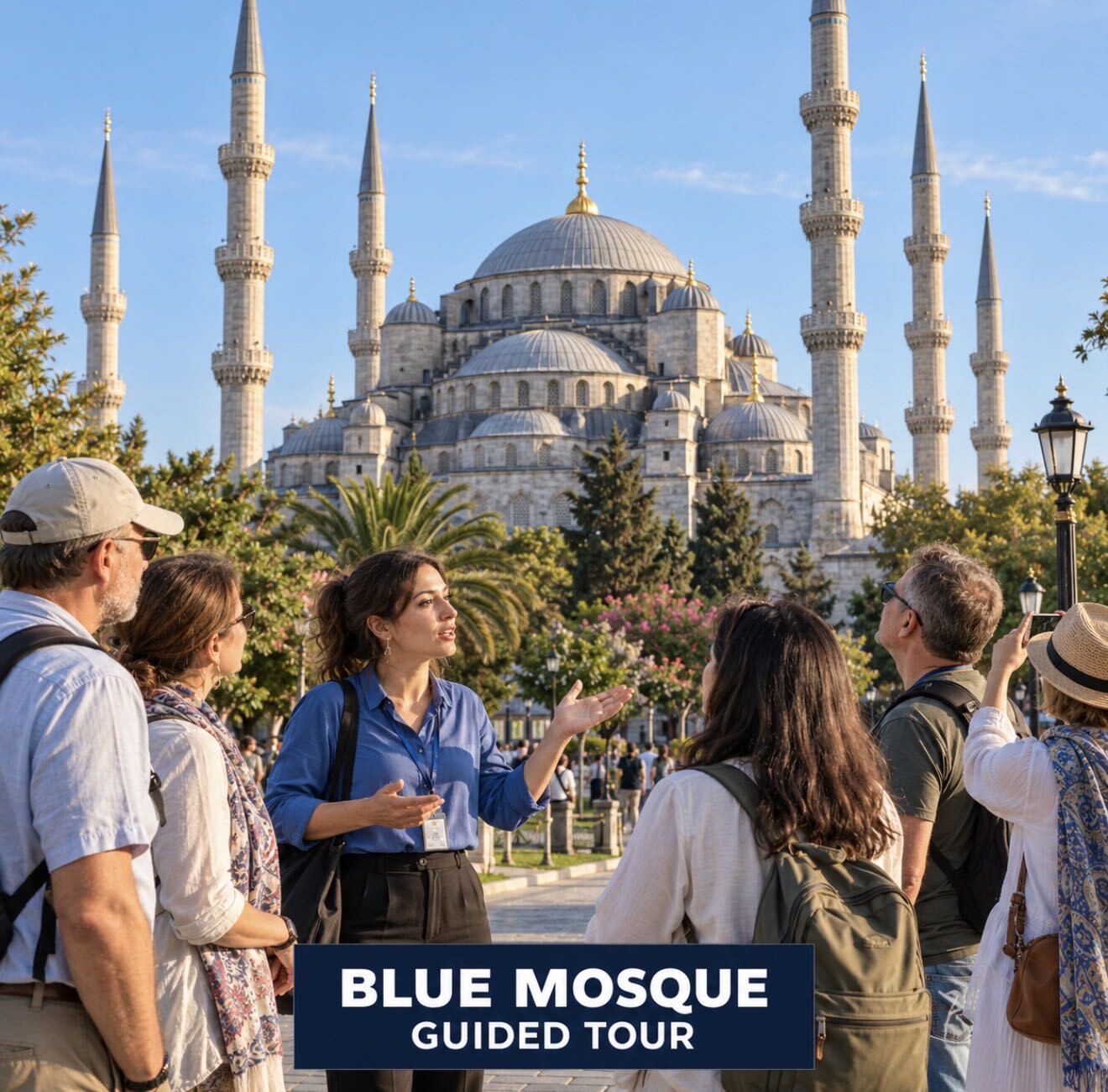
The monumental core of the old city: Hagia Sophia, Blue Mosque, Basilica Cistern, the Hippodrome, Topkapi Palace, and the layered remains of Roman, Byzantine, and Ottoman Istanbul all within walkable reach. Essential for first-timers, history lovers, and anyone with only one or two days; repeat visitors and café-culture seekers may spend less time here.
Start early at Hagia Sophia and the Blue Mosque
Arriving early changes the experience completely — the square becomes far more manageable before large group traffic builds. If religious sites are high on your list, early morning is one of the best crowd-avoidance strategies in the city. Read our full guides to Hagia Sophia and the Blue Mosque before you go so you understand dress requirements, prayer-time etiquette, and realistic visit timing.
Basilica Cistern and Topkapi Palace
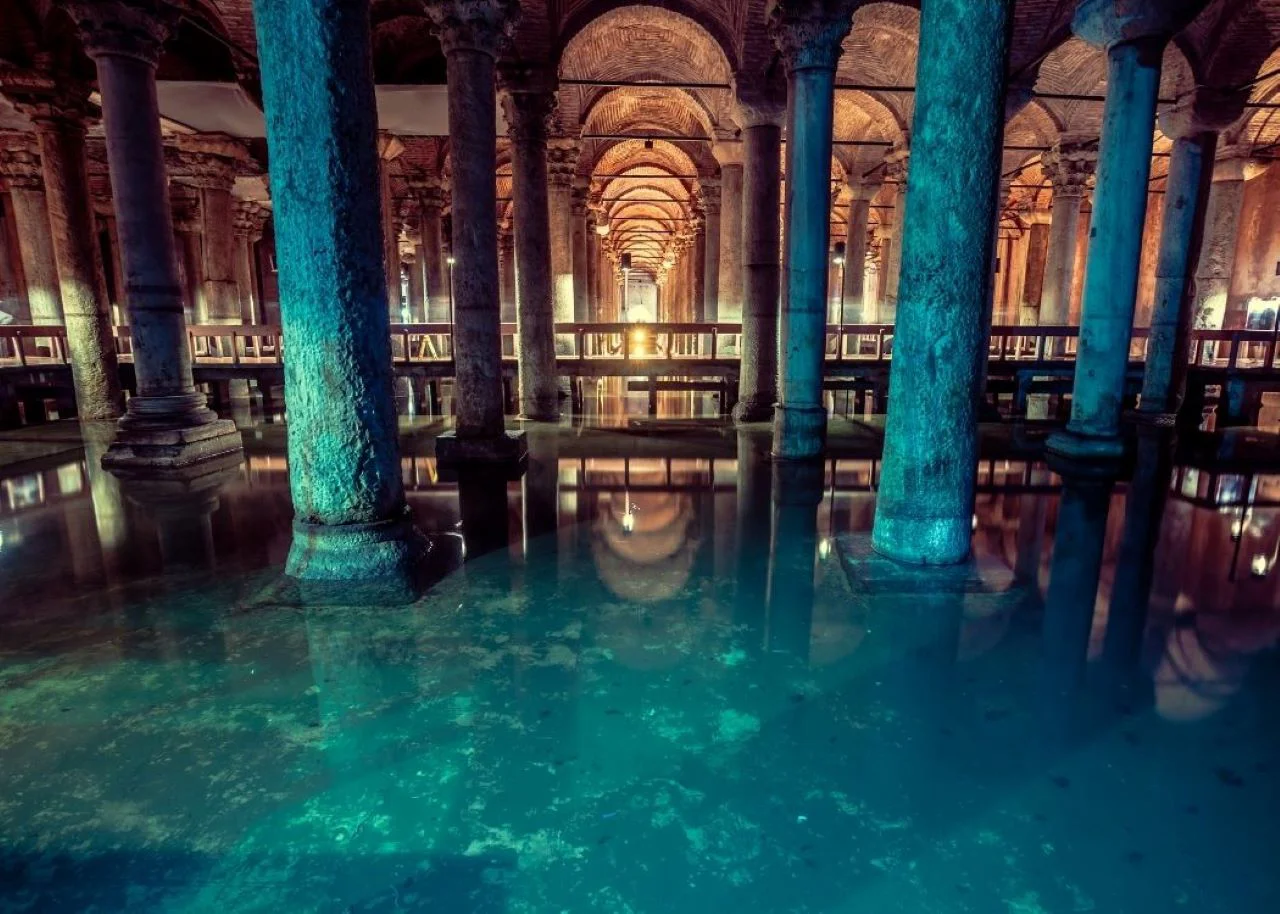
The Basilica Cistern is one of the most atmospheric indoor sites in Istanbul and a smart addition on hot summer afternoons or rainy days — booking ahead can save valuable time in peak season. Topkapi is not a “quick stop”: if the imperial collections, courtyards, and Bosphorus views interest you, budget at least two to three hours, more if you are detail-oriented.
Food and break stops
Food in Sultanahmet is convenient but not always the city’s strongest — be selective. Look for well-reviewed traditional restaurants rather than the most aggressively advertised terraces. If lunch quality matters deeply to you, it can make more sense to sightsee here and eat later in Eminonu, Karakoy, or Sirkeci.
Photography, walking, and an insider tip
For classic photos, the Blue Mosque and Hagia Sophia area is strongest early in the day or near sunset; the outer courtyards and tree-lined spaces are especially photogenic when the light softens. The area is highly walkable, though stone streets and crowds make it feel slower than the map suggests — tram connections are easy via the T1 line, and walking downhill to Eminonu is often more rewarding. Insider tip: slow down enough to notice the transitions between courtyards, old walls, fountains, and smaller side streets. Sultanahmet is not just a monument zone; it is a layered urban landscape.
 Golden Horn waterfront
 Eminonu and Sirkeci: Ferries, Bazaars, and the City in Motion
If Sultanahmet is ceremonial Istanbul, Eminonu is operational Istanbul: ferries churn across the water, spice shops spill into the streets, and the city feels less composed and more alive.
Explore the Spice Bazaar and nearby market streets
The Spice Bazaar is smaller and easier to navigate than the Grand Bazaar, making it a more approachable first market experience. The surrounding lanes are just as important as the building itself: tea shops, sweets, dried goods, cookware, and old commercial passageways all help explain the district’s character.
Walk the Galata Bridge — and find Rustem Pasha Mosque
Walking the bridge from Eminonu toward Karakoy is one of Istanbul’s simplest pleasures: fishermen line the upper level, while restaurants and water views create a completely different mood underneath. Most tourists miss this: Rustem Pasha Mosque has one of the finest tile-filled interiors in the city, but because it sits slightly tucked away above market streets, it is often overlooked.
What to eat here
Eminonu is known for quick, classic, no-fuss food: fish sandwiches by the waterfront, Turkish sweets, grilled meats, and traditional eateries in Sirkeci. For many travelers, this is a better neighborhood for snack-style grazing than a long, polished dinner.
Transport notes and a mistake to avoid
This is one of the easiest places in the city to connect by tram, ferry, and on foot — our Istanbul transportation guide explains where transit is easy and where a transfer simplifies things. Avoid this mistake: do not try to combine Eminonu, the Grand Bazaar, Sultanahmet, and a Bosphorus cruise in one rushed half-day. The area rewards focus — pair Eminonu either with the old city or with Karakoy and Galata.
 European side core
 Galata, Karakoy, and Beyoglu: The Most Rewarding Urban Walk
Steep streets, old facades, design shops, coffee stops, rooftop views, churches, mosques, and galleries — a shifting rhythm that changes block by block. This is where Istanbul starts to feel different from the version many first-time visitors imagine.
Waterfront energy and food-forward stops
Karakoy works well as a transition zone between the Golden Horn, the Bosphorus, and uphill Beyoglu streets: stylish cafes and breakfast spots, easy ferry and tram access, and casual but strong food options. If you want old-world quiet, it can feel too transitional and busy — best used as a lively starting point rather than the only destination.
Iconic tower, layered streets — wandering beats checklisting
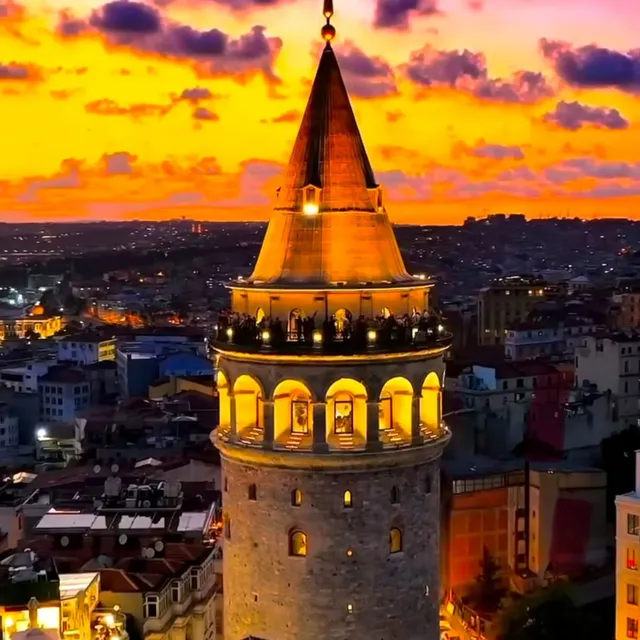
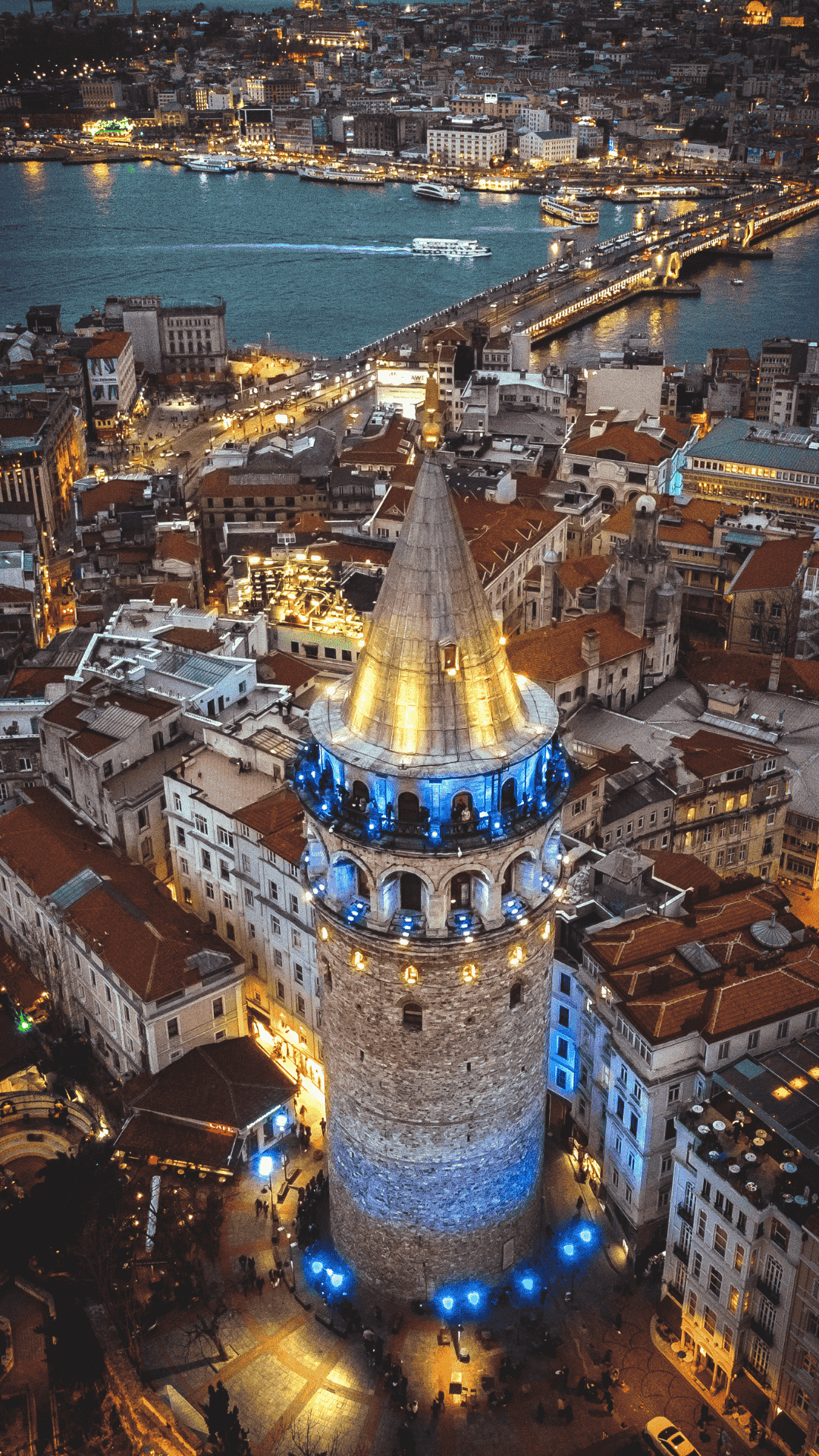
The Galata Tower is the obvious landmark, but the neighborhood matters more than the tower itself. Many travelers spend too much energy queuing for the tower and not enough on the surrounding streets — if the line is long and your schedule is tight, consider whether the view is worth the wait. Walk slowly uphill from Karakoy, drift around the tower area, then continue into side streets with independent shops, old apartment buildings, and cafés. The joy comes from texture: staircases, corner cats, laundry lines, church facades, and sudden viewpoints. Morning light works in the tighter lanes; late afternoon is beautiful for skyline perspectives.
Istiklal Avenue and Beyoglu: energy, scale, and contrasts
Istiklal is one of the city’s main pedestrian arteries: crowded, noisy, commercial, and absolutely worth understanding. The trick is not to expect old-city romance — expect scale, movement, side streets, music, institutions, and dessert shops. Walk at least part of the avenue once, ride or photograph the nostalgic tram if it interests you, dip into side passages and arcades, and prioritize backstreets for meals rather than eating on the busiest strip.
Cihangir: a softer, more residential counterpoint
Just off the busier zones, Cihangir offers leafy slopes, independent cafés, cats everywhere, and a more residential urban feel — where you exhale after Galata and Istiklal. If you have limited time: do not try to “finish” Beyoglu. Choose one walking route — Karakoy to Galata to Istiklal, or Galata to Cihangir to Taksim. This area is stronger as a sequence than as a set of pin drops. Food-wise, this is one of the easiest parts of Istanbul to eat well across multiple budgets: good coffee, meze, pastry shops, modern Turkish menus, and casual local spots.
 Central European side
 Taksim and Nisantasi: Practical Base and Polished Contrast
Taksim is rarely the most beautiful neighborhood, but often one of the most practical. Nisantasi is its polished, upscale counterpart — stylish, contemporary, and best for a different side of Istanbul.
Transit hub, hotel base, practical starting point
Many hotels cluster here, airport connections are straightforward, and the area links easily to Beyoglu, Cihangir, and Besiktas. Travelers tend to either overvalue or undervalue it — see it clearly: less romantic than Sultanahmet, less textured than Galata, but very useful for centrality and movement. Choose Taksim if you want a central base with many hotel options and value transit convenience over charm. Choose another base if you want a more atmospheric first impression, prefer Bosphorus views or old-city proximity, or are sensitive to noise and traffic.
Stylish, contemporary, upscale
Nisantasi is for travelers who enjoy shopping, design, polished streets, upscale dining, and contemporary city life. Not essential for every first-time visitor, but a smart choice if your interests lean toward fashion, boutiques, cafés, and a cosmopolitan residential atmosphere. It makes sense as a partial day combined with nearby districts, for a late lunch, as a break from monument-heavy sightseeing, or for high-end hotel options. If you are maximizing history, Bosphorus views, or budget-friendly local food, other neighborhoods give more value first.
 Asian side
 Kadikoy, Moda, and Uskudar: The Asian Side
Ask returning visitors which neighborhood surprised them most, and Kadikoy often comes up. If Sultanahmet is where you understand imperial Istanbul, Kadikoy is where you feel contemporary Istanbul — and Uskudar offers its calmer, more traditional counterpoint.
Markets, appetite, and everyday life
The market streets are the heart of Kadikoy: fishmongers, pickle shops, bakeries, meyhanes, produce sellers, dessert stops, and specialty food stores — one of the best neighborhoods for slow, appetite-led exploration. Come hungry and avoid overplanning; wandering usually beats rigid reservations here. Kadikoy is excellent for repeat visitors, food-focused travelers, and digital nomads, though staying here on a first short trip adds friction if your must-sees are on the European side. Insider tip: do not visit too late in the day if your goal is market browsing — come earlier, then stay into the evening for dinner and nightlife.
Walk toward Moda
Keep going south and east and the atmosphere softens further: coastal views, parks, and a more residential café scene. Ideal for a lower-pressure afternoon after a busy morning elsewhere.
Take the ferry there and back
The ferry is part of the experience, not just transportation. You get skyline views, sea air, and a stronger sense of the city’s geography — if you only cross the Bosphorus underground or by road, you miss one of Istanbul’s defining pleasures.
Uskudar: Bosphorus calm and mosque silhouettes
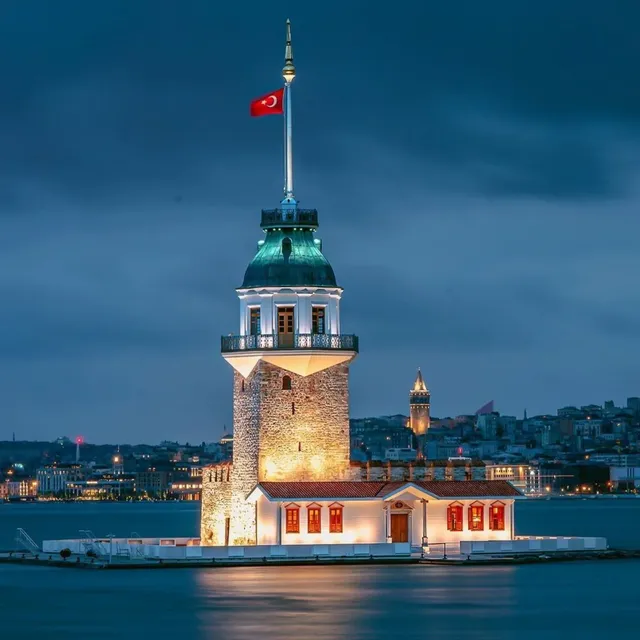
Less trend-driven than Kadikoy and more tied to waterfront views, mosque architecture, and contemplative Bosphorus moments. Come by ferry, walk the waterfront, visit a mosque or two, stop for tea, and let the skyline do the work — this is not a district to over-program. Most tourists miss this: many come only for a quick Maiden’s Tower photo, but Uskudar is better enjoyed as a slow waterfront district, especially in late afternoon when locals gather by the water. Choose Uskudar for calm, views, and traditional atmosphere; choose Kadikoy for food, markets, and a busier social scene — with time, they complement each other well.
 Bosphorus, European side
 Besiktas and Ortakoy: Social Waterfront Istanbul
Besiktas is one of the city’s busiest everyday districts; Ortakoy, farther along the Bosphorus, is more scenic and visitor-facing. Together, they make sense as a Bosphorus-side half day.
Local momentum and food
Not polished in a postcard way, but tremendously useful and enjoyable: strong breakfast and casual food options, good transport connections, and a local, busy, unvarnished city feel outside the old-city tourist frame.
Bosphorus views and classic photos
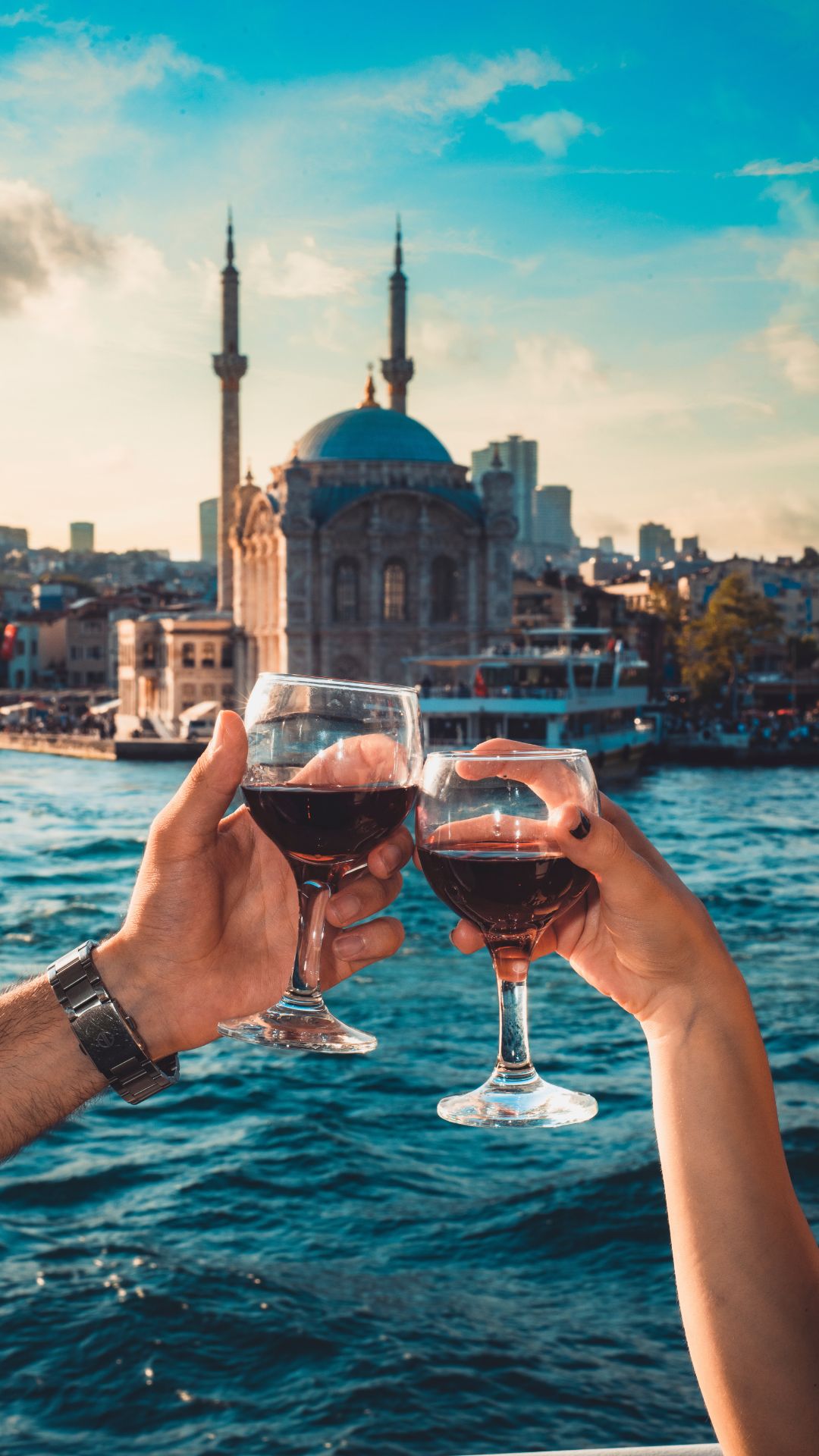
One of the easiest places to get that signature Istanbul image: elegant mosque, churning Bosphorus, and the dramatic span of the bridge overhead. It can be crowded, especially on weekends, but for first-time visitors the setting is genuinely memorable. Photography tips: early morning for cleaner compositions; late afternoon and blue hour are beautiful but much busier. Ortakoy is known for street snacks and waterfront cafés — a pleasant break, though Besiktas generally gives stronger value and local eating. Avoid this mistake: do not expect Ortakoy alone to fill a full day unless you pair it with a Bosphorus cruise, a longer waterfront route, or nearby districts.
 Upper Bosphorus
 Arnavutkoy and Bebek: Elegant Bosphorus Neighborhoods for Slow Travel
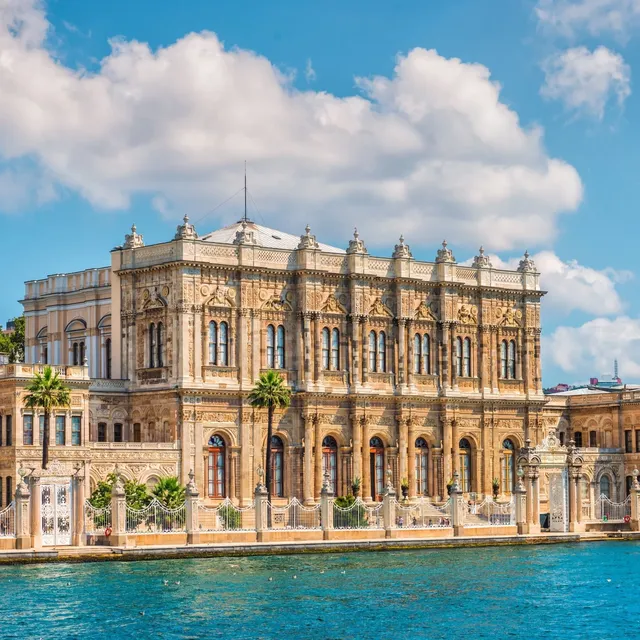
Choose these when you want Istanbul at its most refined and breezy: Arnavutkoy’s waterside mansions and seafood reputation, and Bebek’s polished promenade and café culture.
Why travelers love this stretch
- Beautiful waterfront walking
- Excellent Bosphorus atmosphere
- Strong café and dining scene
- Great for couples, photographers, and slower itineraries
Prioritize this area if you have already covered the major landmarks, want a scenic afternoon or dinner area, or crave Bosphorus beauty without museum fatigue. If it is your first trip with only a day or two, focus first on the old city and central districts — this area is wonderful, but not a substitute for Istanbul’s core historical experiences.
Best way to experience the area
Come in late afternoon, walk the waterfront, stop for coffee or dessert, and stay for dinner if your schedule allows. This is one of the best parts of the city for a “less agenda, more atmosphere” plan. Insider tip: many travelers rush through the Bosphorus only on a cruise. Seeing the water from neighborhood level adds a completely different layer — Arnavutkoy and Bebek are where the Bosphorus feels lived-in, not just scenic.
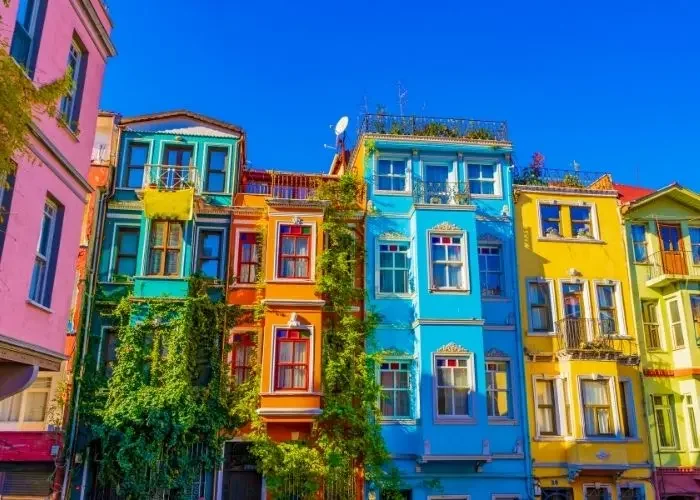 Golden Horn
 Balat and Fener: Historic Texture Beyond the Postcard Version
Colorful streets and photogenic facades draw many travelers, but this historic district with deep religious, architectural, and social layers deserves a more thoughtful approach than a quick social media sweep.
Why go to Balat and Fener
- Atmospheric streets and historic buildings
- Churches, schools, and layered community history
- Good half-day exploration away from major monument clusters
- Excellent photography potential
The area is hilly, uneven, and best explored slowly. Some streets are lively with cafés and visitors; others feel quieter and more residential. Not every corner is curated — that is part of the point.
How to do it right
Most tourists miss this: they come only for a few famous colorful streets and leave without understanding the district. The stronger experience pairs visual wandering with at least one meaningful historical stop and time for unstructured walking. There are pleasant cafés, but we would not choose Balat as the single most important dining neighborhood on a first trip — come for atmosphere and history first. Avoid this mistake: do not over-romanticize the area or treat it as an “undiscovered hidden gem.” It is well known, and it is also a living neighborhood. Visit with respect.
 Planning layer
 Neighborhood Food Strategy and Seasonal Tips
Food is one of the best reasons to explore Istanbul district by district — and each season changes which neighborhoods shine.
Which neighborhoods for which meals
- Traditional sightseeing-day meals: Sirkeci, Eminonu, and Sultanahmet with selectivity
- Strong casual dining: Kadikoy, Besiktas, Karakoy, Beyoglu side streets
- Waterfront dining: Arnavutkoy, Bebek, Ortakoy
If you have limited time: do not waste every meal in high-tourist zones. One strategic dinner in Kadikoy, Karakoy, or along the Bosphorus can rebalance an entire trip. For restaurant planning, sweets, breakfast, and local dishes, explore our Istanbul food guides.
Seasonal tips for neighborhood exploring
- Spring: one of the best seasons for neighborhood walking — comfortable temperatures make Galata, Balat, Bebek, and old-city exploration far more enjoyable.
- Summer: start historical neighborhoods early, then shift toward ferries, Bosphorus districts, and shaded cafés by afternoon — the city can feel intense at midday.
- Autumn: excellent for almost everything; Bosphorus neighborhoods are especially beautiful and evening dining more comfortable.
- Winter: prioritize indoor attractions, market neighborhoods, and atmospheric ferry rides when weather allows. Sultanahmet can feel wonderfully moody in winter light, though wind and rain can change your pace dramatically.
How to Get Around Istanbul's Neighborhoods
The tram is best for Sultanahmet, Eminonu, and parts of the historic center; the metro is useful for broader city movement and avoiding traffic.
Best for Kadikoy, Uskudar, and scenic city crossings. For daytime sightseeing between central areas, public transit is often excellent — and ferries especially are not just efficient; they are part of the experience.
Essential in Galata, Beyoglu, Balat, and old-city zones. The smartest choice is not always the fastest on paper — hills and crowds shape real walking times.
Helpful for airport days, late nights, or tricky luggage movements — especially if you are staying in a hilly district.
Should You Book Tours, Attractions, or an Istanbul Pass?
Book ahead when it saves real time
- An Istanbul pass if you plan several paid attractions in a short timeframe — most useful for first-time visitors doing a concentrated sightseeing itinerary
- Guided visits at historically dense sites like Topkapi Palace — a good guide helps decode what you are seeing rather than just moving you faster through it
- Basilica Cistern tickets in peak season — booking ahead can save valuable time
- An airport transfer for late arrivals, families, and hilly hotel areas
- One or two high-demand attractions where queue-saving is meaningful
Keep loose
- If your trip is more neighborhood-based than attraction-based, you may not need a large pass or multiple pre-booked tours
- Kadikoy, Cihangir, Besiktas, Arnavutkoy, and Bebek are best enjoyed loosely — leave space for wandering
- Many districts are best explored independently; a good plan usually matters more than a formal guide
- Meals in Kadikoy and Beyoglu side streets — wandering usually beats rigid reservations
- At least one detour a day: a second tea, a side street, a waterfront bench, a market lane, a view you did not plan
Suggested 3-Day Neighborhood-Focused Itinerary
Common First-Time Mistakes — and Smarter Pairings
Avoid these
- Trying to cover too many districts in one day — more neighborhoods usually means less experience in each one
- Underestimating hills and walking times
- Eating every meal near major landmarks
- Skipping ferries and relying only on roads
- Assuming Taksim represents all of modern Istanbul, or Sultanahmet all of historic Istanbul
- Going to Balat only for photo spots, skipping prayer times and dress etiquette at mosques, or overbooking tours where independent exploring is best
Pairings that make better days
- Sultanahmet + Eminonu — the classic old-city day: monuments, bazaar culture, waterfront energy
- Karakoy + Galata + Istiklal + Cihangir — the best all-around urban walking day in Istanbul
- Besiktas + Ortakoy — a slower morning, Bosphorus views, and casual eating in an easy half-day
- Kadikoy + Moda — food, ferry time, and a more local neighborhood day
- Uskudar + Bosphorus cruise — water, skyline views, and a calmer pace
- Beware map-only combos: Balat + Kadikoy in a rushed half day, Sultanahmet + Bebek + Kadikoy in one day, or Grand Bazaar + Ortakoy + Istiklal in peak traffic
Frequently Asked Questions
What is the best neighborhood to stay in Istanbul for first-time visitors?
Which Istanbul neighborhood is the most local?
Is it worth visiting the Asian side of Istanbul?
How many neighborhoods should I visit in Istanbul?
Which Istanbul neighborhood is best for nightlife?
What are the best neighborhoods in Istanbul for food?
Is Sultanahmet too touristy to stay in?
Which neighborhood is better, Kadikoy or Uskudar?
What is the most beautiful Bosphorus neighborhood in Istanbul?
Can you explore Istanbul neighborhoods without a tour?
How do I get between neighborhoods in Istanbul?
Which neighborhood should I visit if I only have one day in Istanbul?
Are Balat and Fener worth visiting?
Is Taksim a good area for tourists?
Let Istanbul Reveal Itself District by District
The neighborhoods of Istanbul are not separate attractions — they are the city's real vocabulary. Sultanahmet gives you empire and memory, Eminonu movement, Galata and Beyoglu urban texture, Kadikoy appetite and everyday life, Uskudar calm, and the Bosphorus neighborhoods air, light, and perspective. Plan fewer neighborhoods, move with intention, use ferries when you can, and eat outside the obvious zones at least once a day. Leave room for a second tea, a side street, a detour, a waterfront bench — that is usually when the city stops feeling overwhelming and starts feeling personal.
Start planning your districts