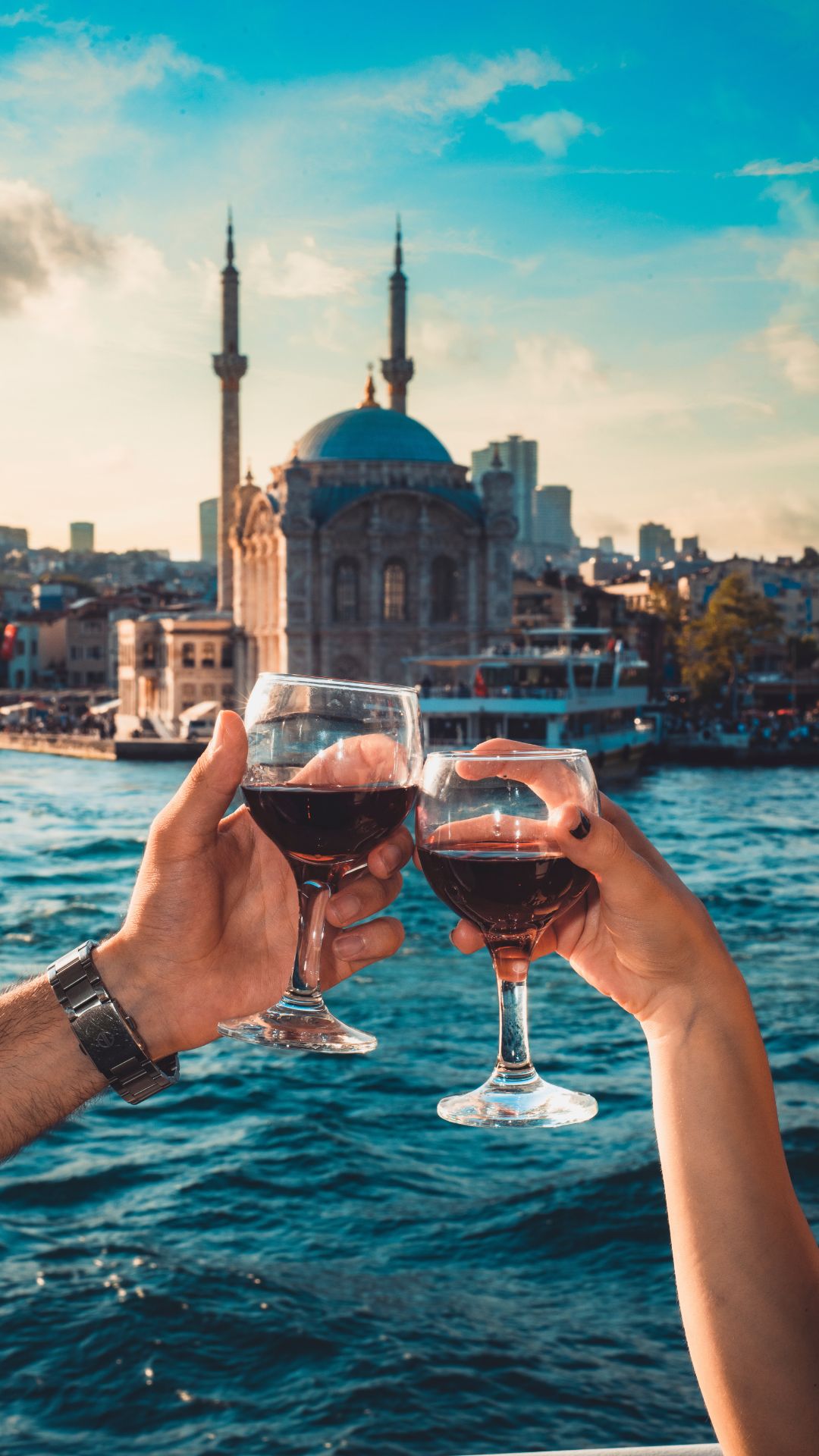
Istanbul is one of the few cities where a food crawl can also become your Istanbul itinerary. Breakfast can begin with a simit bought near a ferry pier, lunch can happen standing at a döner counter, the afternoon can drift into tea and sweets in an old neighborhood, and dinner can end inside a modest lokanta where the day's best dishes are written on a board rather than marketed on a menu. That is what makes an Istanbul Street Food Trail so satisfying: it is not only about what you eat, but how you move through the city.
If we were planning this for a friend visiting for the first time, we would not treat street food as a checklist of snacks. We would build a route that helps you understand Istanbul itself: ferries, markets, backstreets, mosque squares, commuter neighborhoods, and the everyday rhythm between Europe and Asia. The best bites are often tied to timing, location, and appetite management more than hype.
One thing we often tell first-time visitors: Istanbul rewards flexible structure. Have a route, know your anchor stops, but leave room for impulse. The smell of roasting chestnuts, a line of locals waiting for midye dolma, a tiny soup spot packed at noon, or a lokanta tray that looks too good to walk past can become the meal you remember most.
EAT LIKE A LOCAL Build your Istanbul food day Ferries, markets, and lokantas — connect the city's best bites into one route.Quick Overview
| Need to Know | Quick Answer | ||
|---|---|---|---|
| Best way to do an Istanbul Street Food Trail | Split it by neighborhood and ferry lines rather than trying to cross the whole city in one day. | ||
| Best areas for street food | Eminönü, Karaköy, Kadıköy, Beşiktaş, Taksim-Beyoğlu, and selected pockets of Fatih and Üsküdar. | ||
| Most iconic foods | Simit, balık ekmek, döner, kokoreç, lahmacun, pide, börek, midye dolma, kumpir, roasted chestnuts, dondurma, baklava, and traditional lokanta dishes. | ||
| Best time of day | Morning for simit and börek, midday for lokantas and döner, evening for kokoreç and meyhane-adjacent street bites. | ||
| Budget expectation | You can eat very well on a moderate budget if you mix street snacks with one substantial lokanta meal. | ||
| Public transport strategy | Use ferries, trams, and metro to connect neighborhoods; walking is essential once you arrive. | ||
| Who should book a food tour | Travelers short on time, solo visitors wanting confidence, and anyone especially curious about food culture and local context. | ||
| Who can skip a tour | Confident independent travelers with 2–3 flexible meal windows and willingness to navigate neighborhoods on their own. |
Why Istanbul Is One of the World's Great Street Food Cities
- Food is woven into movement. The city itself works at street level. Commuters eat standing up, families pick up trays of börek, office workers fill lokantas at lunch, and ferry passengers carry tea, simit, and sandwiches onto boats.
- "Street food" means more than carts. Some of the most authentic stops are tiny shops with four tables, old-school takeaway windows, and neighborhood lokantas serving home-style dishes behind a glass display. If your definition is too narrow, you will miss some of the city's best everyday food.
- Regional, seasonal, and practical. This is not a city where every famous dish is available in its ideal form at all times, everywhere. Some foods are best near the water, some are strongest in specific districts, some are breakfast foods, some are late-night foods.
- The commuter routes are where it gets good. Most tourists focus on the headline experiences near Sultanahmet and miss how much stronger the food rhythm becomes once you follow local commuter routes into Kadıköy, Beşiktaş, or <a href="/blog/districts/karakoy">Karaköy</a> — less staged, more lived in, and more delicious.
Choose a Route, Not Just a List
The easiest mistake is to collect 20 famous foods and try to eat them across unrelated districts in one day. Istanbul is too large for that approach, and your energy will go into transportation instead of enjoyment. If you have limited time, choose only one side of the city for a half-day food crawl. If you have a full day, do one neighborhood in the morning and another after a ferry ride. For most travelers, the sweet spot is 5 to 7 food stops over a full day, including one sit-down lokanta meal and one dessert break.
The Best Neighborhoods for an Istanbul Street Food Trail
Eminönü
Central, busy, historic, and loaded with food cues: simit sellers near the ferry docks, balık ekmek by the waterfront, pickles, roasted chestnuts, and fresh juice around the market streets, sweets around the Spice Bazaar area. Morning through lunch is strongest. Most tourists eat only on the waterfront and leave — some of the better casual bites are one or two streets back, where workers actually grab lunch.
Best for The classic first stop
Karaköy
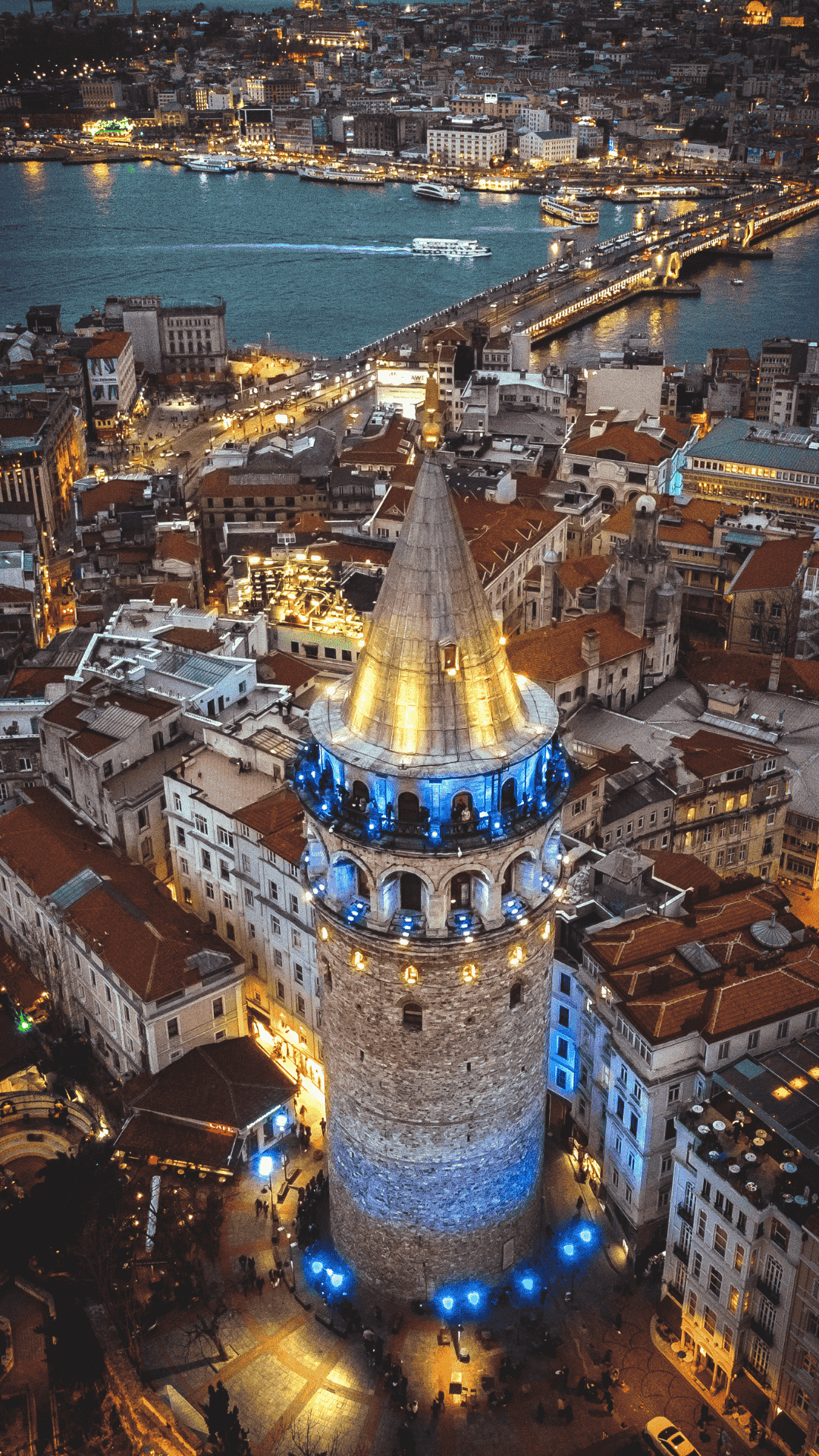
Trendy surface, strong food core: börek or pastries in the morning, baklava and sweets from respected shops, street-side sandwiches and quick seafood, coffee and dessert breaks between savory stops. Good for a mix of old and new Istanbul with routes uphill to Galata — plan 15 to 20 minutes with pauses for that climb, especially after eating.
Best for Best for old-meets-new food walking
Kadıköy
The richest standalone food-walking experience: a dense, lively, genuinely local market area where you can move between produce stands, meze shops, fishmongers, bakeries, dessert spots, and casual eateries within a compact area. Arrive by ferry from Eminönü or Karaköy if possible — the crossing resets your pace. Walk onward to Moda for coffee, dessert, and sea views, and see our where to eat in Kadıköy guide.
Best for The best all-round food neighborhood
Beşiktaş
Fast, lively, local: busy with students, commuters, workers, and football culture, which creates excellent quick food options — breakfast pastries and tea, toasts, sandwiches, döner, grills, and desserts between Bosphorus walks. Avoid arriving only at the hungriest part of midday; a late breakfast or late lunch works better.
Best for Best for everyday city energy
Fatih
For travelers specifically interested in conservative, traditional, old-Istanbul food culture: soup shops, kebab spots, dessert shops, and lokantas that feel less performative and more rooted in daily life. Best with a bit more confidence navigating local neighborhoods — if it is your first day, start with Eminönü or Kadıköy and build up.
Best for Best for traditional depth
Üsküdar
Not usually the first neighborhood travelers think of for street food, but a smart addition if you want a calmer Asian-side route with local rhythm and waterfront atmosphere. Especially pleasant for tea, pastries, and a less crowded pace.
Best for Understated and worth considering
The Trail: Planning, Foods, and Ready-to-Use Routes
 Planning
 How to Plan Your Street Food Day
Have a route, know your anchor stops, and pace yourself — your energy should go into enjoyment, not transportation.
Understand the eating rhythm
- Early morning: simit, poğaça, börek, tea
- Late morning: soup, pastry shops, early fish sandwiches, market wandering
- Lunch: lokantas, döner, pide, kebab counters
- Afternoon: Turkish coffee, baklava, sütlaç, dondurma, pickles, juice stands
- Evening: kokoreç, mussels, wraps, meze-adjacent snacking, grilled meats
Trying to eat a heavy kebab lunch and a heavy kebab dinner usually backfires. Pace your trail. Leave room for sweets and snacks between larger stops.
Budgeting the day
A street food trail can be very affordable, but the cost climbs quickly if you sit for every drink, order too much too early, or choose only famous, heavily touristed stops. A balanced approach works best: two or three small snacks, one substantial lunch at a lokanta, one sweet stop, and one evening savory stop. This rhythm gives you variety without burnout and helps you spend where it matters: on quality and atmosphere rather than oversized portions.
How many stops is ideal?
For most travelers, the sweet spot is 5 to 7 food stops over a full day, including one sit-down lokanta meal and one dessert break. More than that sounds ambitious online but feels rushed in reality. Avoid this mistake: treating every stop like a full meal. Think tasting portions where possible. Share. Order one item first. See how you feel.
 What to eat
 Essential Foods: The Morning and Midday Classics
The foods that define the first half of an Istanbul food day.
Simit
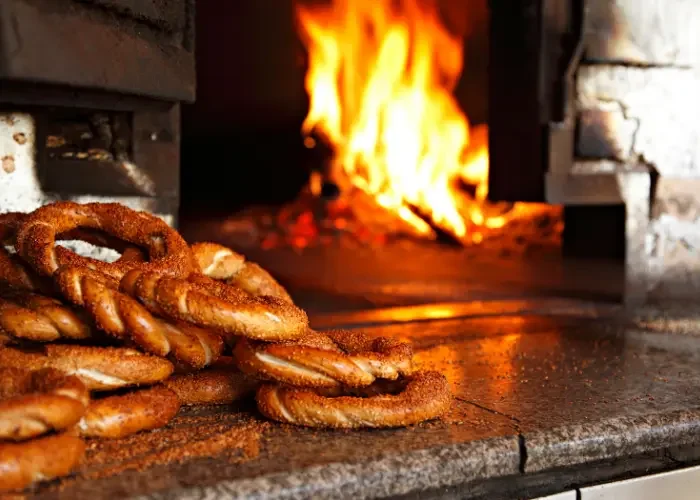
If there is one bite that captures Istanbul's daily rhythm, it is simit: ring-shaped bread encrusted with sesame, sold at bakeries, carts, ferry terminals, and street corners across the city. Fresh simit should feel lightly crisp outside, soft but not doughy inside, and fragrant from toasted sesame. The most atmospheric way to eat it is near the Bosphorus or on a ferry, ideally with tea. Insider tip: buy simit in the morning, not late afternoon, if freshness matters to you.
Börek and poğaça
These are morning heroes and one of the smartest starts to a food-focused day. Börek can be layered, rolled, filled with cheese, spinach, or minced meat, and varies by shop. Poğaça is softer and more bread-like, often eaten on the go. Choose them for a practical breakfast before sightseeing; skip them if you are saving appetite for a larger Turkish breakfast spread.
Balık ekmek
The classic fish sandwich is closely tied to Eminönü and the Galata Bridge area. The best ones feel straightforward: grilled fish, bread, onion, salad, lemon. Most tourists miss this: balık ekmek is as much about the waterfront rhythm as the sandwich itself. Eat it while watching ferries, fishermen, and commuters, and it makes sense.
Döner
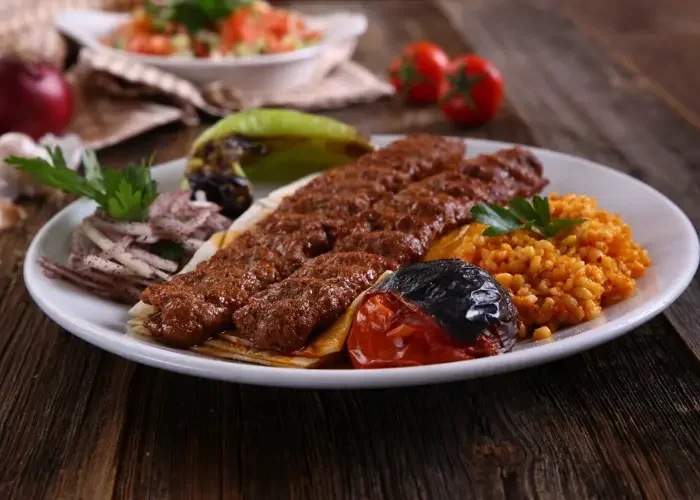
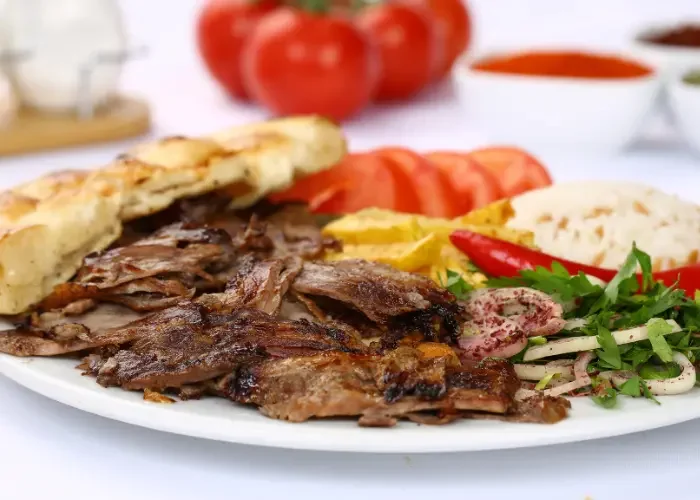
Good döner in Istanbul can be extraordinary, but not every vertical spit deserves your time. Look for busy places with turnover, visible slicing, and locals ordering quickly. Meat should taste seasoned and clean, not greasy and over-sauced. In many cases, a focused shop doing one or two things well is the better bet than the biggest sign or longest menu.
 What to eat
 Essential Foods: Evening Bites, Lokantas, and Sweets
The second half of the day is where the trail deepens — from late-day street classics to the lokanta meals that explain how Istanbul actually eats.
Kokoreç
One of Istanbul's most famous late-day and late-night street foods, made from seasoned lamb intestines chopped on a hot griddle and served in bread, often with spices and tomato. Deeply beloved and not for everyone. Curious eaters wanting a distinctively local experience should try it; travelers with a sensitive stomach or little interest in offal can skip it. If unsure, try a small portion rather than committing to a full sandwich.
Lahmacun and pide
Lahmacun is thin, crisp, and designed for speed. Pide is more substantial and more meal-like. Both are excellent trail foods because they can be filling without stopping you for too long. If you have limited time, lahmacun is the smarter pick: quicker, lighter, and easier to fit between neighborhoods.
Midye dolma
Stuffed mussels with spiced rice and lemon are one of Istanbul's most atmospheric evening snacks. Buy from busy, reputable vendors and use common sense — this is not the moment to be adventurous in a deserted lane with zero turnover. Avoid this mistake: eating too many too fast early in the day. They are more filling than they look.
Lokanta dishes
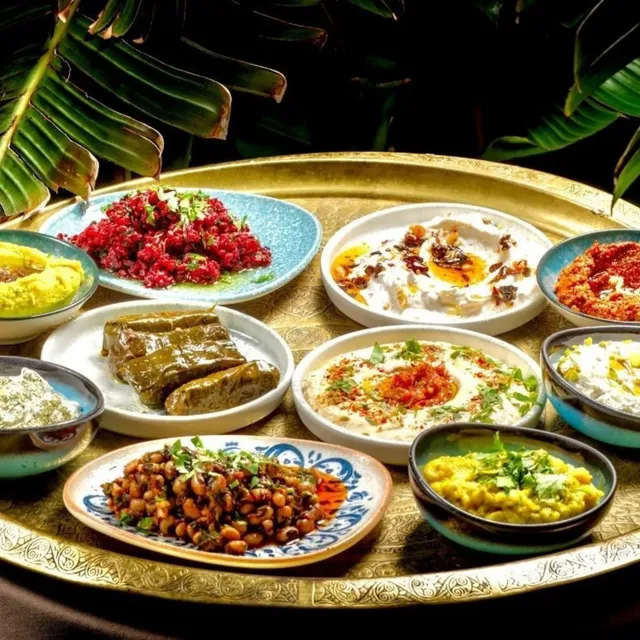
This is where "street food" stretches into something more complete. A lokanta may not look like a cart, but it belongs on the same trail because it serves fast, everyday, affordable food that locals actually eat: stews, beans, rice, vegetables cooked in olive oil, meat dishes, soups, and trays of the day's specialties. If there is one category we most recommend for travelers who want to understand Istanbul beyond snack culture, it is this one.
Sweets and drinks
- Baklava: best as a purposeful stop, not an afterthought
- Dondurma: especially enjoyable as a walking pause in warmer months
- Turkish tea: essential for pacing the day
- Turkish coffee: ideal when you want a slower cultural break
- Şalgam, ayran, fresh juices, pickle juice: local, practical, and worth trying in the right context
 Routes
 Three Ready-to-Use Street Food Trail Itineraries
Pick the version that fits your time and travel style.
Half-day trail for first-time visitors
Best for short stays, cruise passengers, or a first afternoon in the city:
- Start in Eminönü with simit and tea near the ferry area
- Walk through the Spice Bazaar surroundings for snacks and aromas
- Try balık ekmek or a light seafood stop
- Cross the Galata Bridge on foot
- Finish in Karaköy with börek, baklava, or coffee
Walking estimate: 60 to 90 minutes total, spread across stops. It delivers classic atmosphere without overcomplicating logistics.
Full-day two-continent food route
Best for travelers with one dedicated food day:
- Breakfast in Karaköy with pastry or börek
- Walk and snack toward Galata or return to the waterfront
- Take a ferry to Kadıköy
- Explore the market area with a mix of savory small plates and one proper lunch
- Pause for Turkish coffee or dessert in Moda
- Return by ferry or stay on the Asian side for evening kokoreç or mussels
It combines scenery, transport, and neighborhood contrast while keeping the route coherent.
Local-feeling food day without sightseeing pressure
Best for repeat visitors, culinary travelers, and slower itineraries:
- Begin in Beşiktaş with breakfast pastries and tea
- Browse and snack lightly rather than committing early
- Take a ferry to Üsküdar or Kadıköy depending on mood
- Build in one lokanta meal at lunch
- Spend the afternoon on sweets, coffee, and market browsing
- End with a casual evening bite instead of a formal dinner
Trade-off: less postcard sightseeing, more everyday Istanbul.
 Combining
 Build Your Food Day Around Major Attractions
You do not need to choose between famous landmarks and good eating.
If you are staying in Sultanahmet
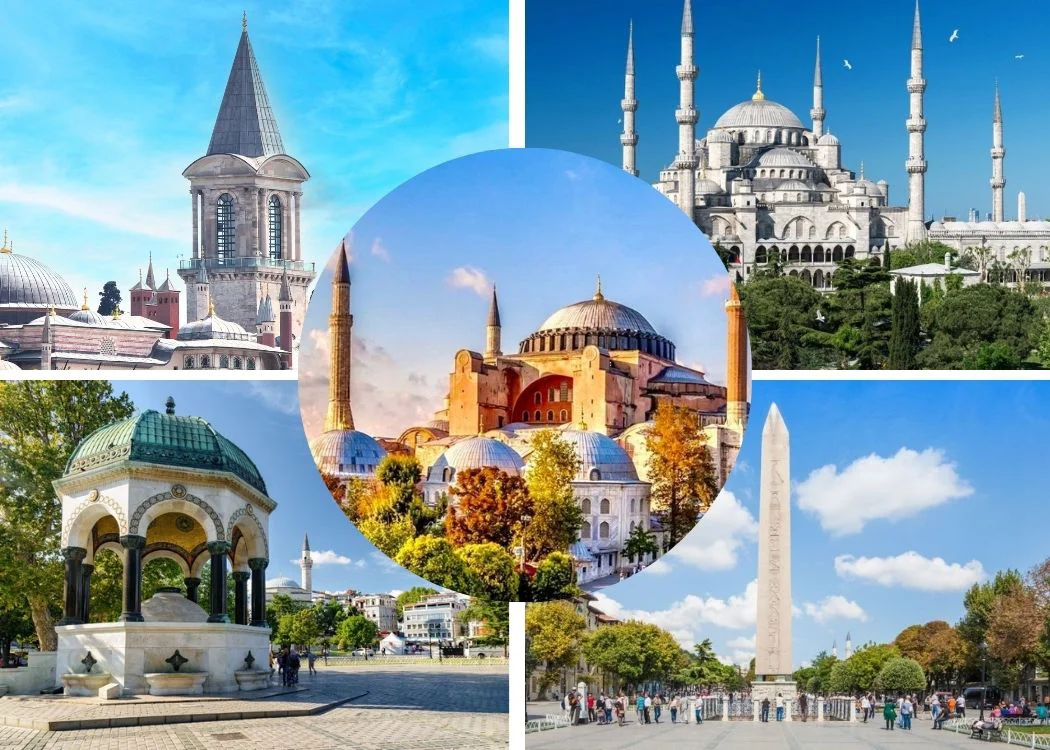
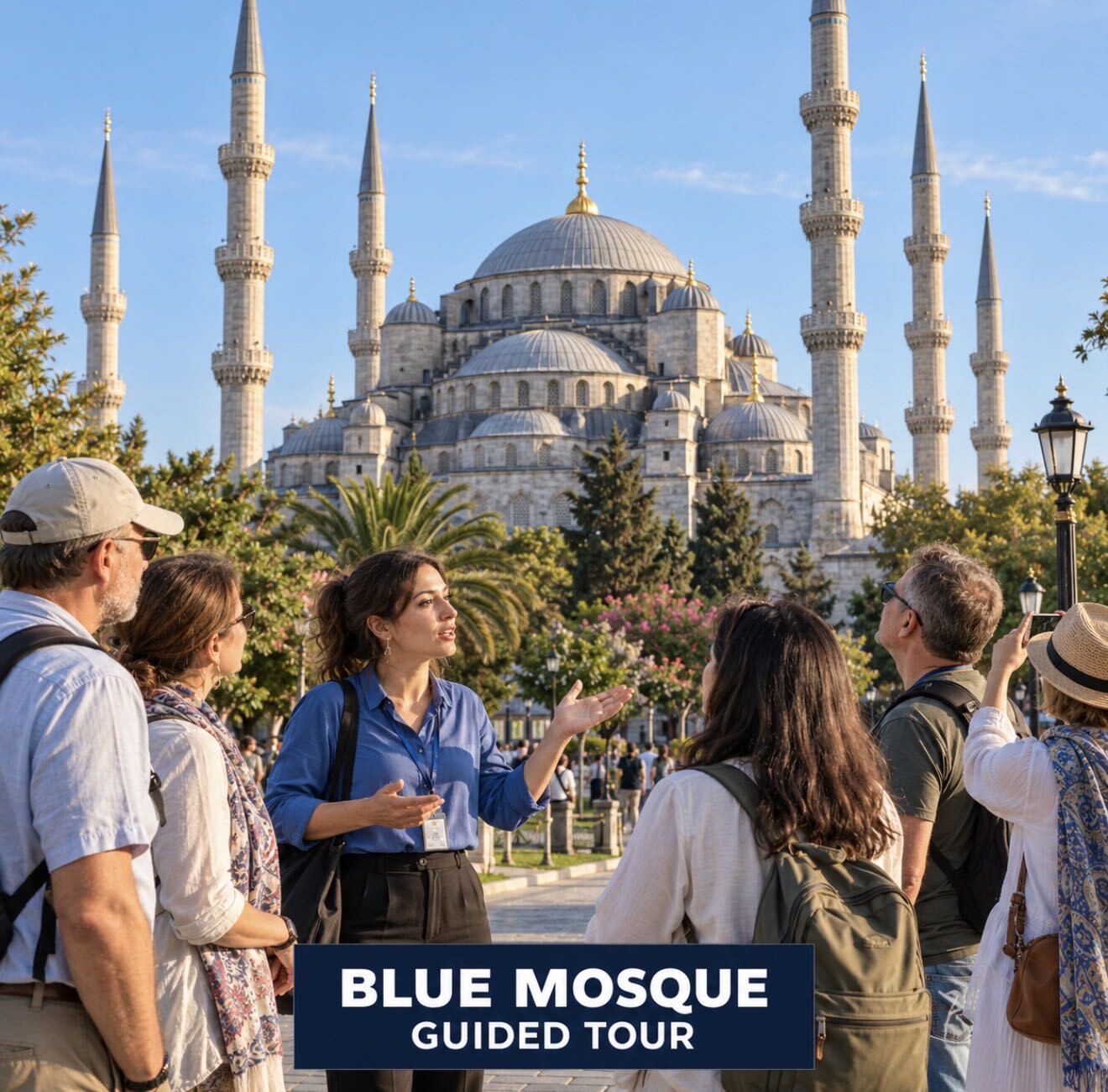
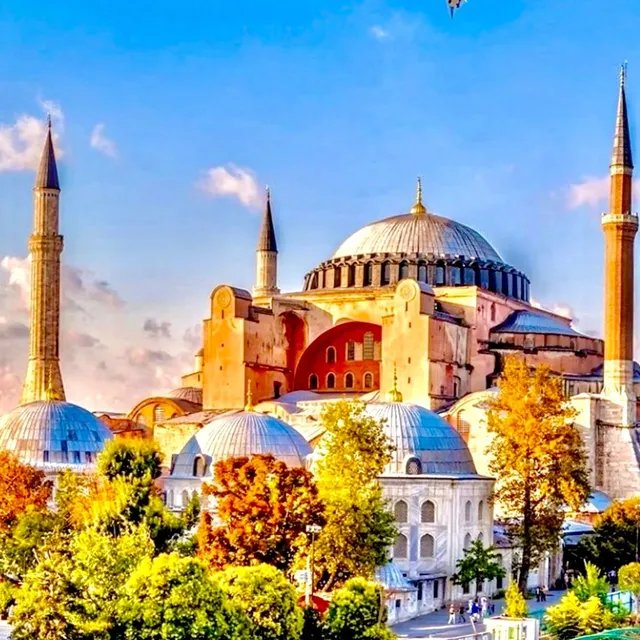
Start your morning sightseeing around Hagia Sophia or the Blue Mosque, then walk or take the tram to Eminönü for your first proper food stop. If you have an Istanbul tourist pass or a pre-booked attractions plan, schedule your major historical sights early, when queues are more manageable, and let the street food trail take over from late morning onward.
If you are staying in Beyoğlu or near Taksim
You are well placed for Karaköy, Cihangir, Galata, and Beşiktaş. This area suits travelers who like urban walking, café breaks, and a mix of contemporary and traditional food options. Use the downhill routes strategically; many paths feel easy one way and less fun on the return.
If you want to pair food with a Bosphorus day
Food and water views belong together in Istanbul. Use ferries as transitions between snacks and neighborhoods: a morning bite in Eminönü or Beşiktaş, a ferry ride, and an afternoon in Kadıköy or Üsküdar is often more satisfying than forcing a long restaurant lunch. If you are also planning a cruise, browse our Bosphorus cruise options and keep your food schedule lighter before boarding.
 Choosing
 Street Food vs Lokanta vs Food Tour
Street snacks create excitement; lokantas explain how Istanbul actually eats. And not every visitor needs a guided tour.
Which should you prioritize?
- Street stalls and quick counters: best for fast-moving days, tasting variety, and iconic bites — atmospheric, affordable, flexible, but quality varies more and there is less rest.
- Lokantas: best for travelers wanting a deeper daily-food experience — better range, comforting dishes, local rhythm, though they can fill you up quickly.
- Guided food tour: best for short stays, solo travelers, and culture-focused visitors — context, confidence, time efficiency, at the cost of spontaneity and fixed pacing.
- DIY neighborhood crawl: best for confident independent travelers — freedom, personalization, flexible budget, but requires planning and decision energy.
If we had to choose only one for a first-time traveler, we would not skip lokantas. They add emotional depth to the day.
When a food tour is worth it
Book a tour if: you have only one or two days in Istanbul, want cultural context rather than just food stops, are traveling solo and want immediate confidence, feel unsure about choosing reputable places, or want to explore neighborhoods you might not navigate alone.
Skip the tour if: you have several days and enjoy self-guided travel, prefer spontaneous decisions, already know the neighborhoods you want to visit, or your budget is better spent on a few excellent meals and ferries.
The smarter middle ground: book one guided culinary experience early in the trip, then use what you learn to shape the rest of your eating independently. Our curated Istanbul food tours can shorten the learning curve without making the whole trip feel scheduled.
 Daily rhythm
 What to Eat by Time of Day
Some foods shine in the morning; some are better later. Match the bite to the hour.
Morning
- Simit
- Börek
- Poğaça
- Tea
- Soup in traditional neighborhoods if you want something savory and local
Midday
- Döner
- Lahmacun
- Pide
- Lokanta dishes
- Fish sandwiches near the waterfront
Afternoon
- Baklava
- Turkish coffee
- Dondurma
- Fresh juices
- Pickles or lighter snack stops
Evening
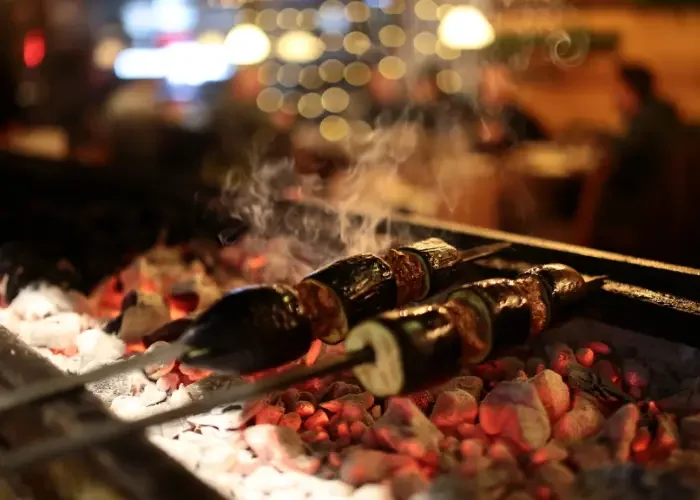
- Kokoreç
- Midye dolma
- Wraps and grilled meats
- Casual meze-adjacent bites in lively neighborhoods
 Practical
 Seasons, Safety, and Practical Confidence
The trail changes with the season, and a little judgment goes a long way.
Spring and summer
Spring: one of the best seasons for a food-focused itinerary — walking is pleasant, ferry rides feel ideal, and neighborhoods are lively without the exhaustion of peak summer heat. Summer: start earlier, slow down more, and build in shade and drinks. Dense midday eating can be less appealing in hot weather, so lighter snacks and evening bites often work better than a heavy lunch.
Autumn and winter
Autumn: excellent for long walking routes, waterfront snacking, and richer foods — one of our favorite times for a full-day trail. Winter: do not dismiss it. Soup, roasted chestnuts, tea, börek, and warm bakery culture become especially satisfying. Ferry decks can be cold, but indoor market streets and lokantas feel even better in contrast.
Food safety and practical confidence
Most travelers do very well eating casually in Istanbul, but a little judgment goes a long way. Choose places with turnover. Watch how locals order. Prefer visibly fresh ingredients. Be careful with seafood in low-traffic places and with rich foods if you have just landed after a long flight. Your first food stop does not need to be your most adventurous — start with something easy and reliable, then get bolder once you are settled.
 Short on time
 Limited Time and Where to Base Yourself
If you only have a few hours, do not chase the "ultimate" route. Choose one clean, memorable sequence.
Best 3-hour route
- Eminönü for simit and tea
- Spice Bazaar surroundings for market atmosphere
- Balık ekmek or a similar quick lunch
- Ferry to Kadıköy if time allows, or Karaköy if you want to stay central
- Finish with baklava or Turkish coffee
Best food stop for cruise or layover travelers
Eminönü is usually the most efficient. It connects quickly to major landmarks and transport, making it the easiest district to sample without turning your day into a logistics project.
Where to stay for easy food exploration
If food is a major priority, location matters. Staying in Sultanahmet is convenient for monuments, but staying near Karaköy, Galata, or Kadıköy often makes a food-led itinerary feel more natural — closer to strong neighborhood dining, less dependent on crossing the city every time you get hungry. First-time visitors often do best balancing sightseeing convenience with evening atmosphere; our neighborhood guides and broader Istanbul travel guide can help you choose the right base.
Transport Strategy: Ferries Are Part of the Meal
Ferries are not just functional; they are one of the best ways to connect food neighborhoods while giving yourself an appetite reset. The Eminönü or Karaköy crossing to Kadıköy gives a food day a natural second act.
Useful around the historic peninsula — Eminönü is one of the easiest food hubs to reach by tram, ferry, or on foot from Sultanahmet, ideal for combining an eating route with major things to do in Istanbul.
These help with longer moves across the city. Before you head out, it is worth understanding the basics of <a href="/blog/general-information/istanbul-transportation-card">Istanbul public transportation</a>, especially if you plan to combine several districts in one day.
If you are arriving directly from the airport and want a smooth first day, an airport transfer can be worth paying for, especially when you are carrying bags and want to start exploring immediately.
What to Book vs What to Leave to Instinct
Worth booking
- One guided food tour early in the trip if you have only one or two days
- A food tour if you are solo and want immediate confidence, or want cultural context, not just food stops
- An airport transfer for arrival day if you want to start exploring immediately
- A Bosphorus cruise if you are pairing food with a water day — keep the food schedule lighter before boarding
- A tourist pass only if you are combining food exploration with several major attractions
Leave to instinct
- The individual food stops — follow busy local turnover, not just lists
- Meals beyond your one anchor lokanta lunch
- Ferry rides between neighborhoods — casual and frequent
- Snack detours: chestnuts, midye dolma lines, pastry windows
- The tour, if you have several days and enjoy self-guided travel — spend the budget on a few excellent meals and ferries instead
A Food Day, Hour by Hour
Common Mistakes and Insider Tips
Mistakes to avoid
- Trying to cover too much geography — Istanbul looks manageable on a map until hills, crowds, ferry timings, and appetite enter the picture; choose fewer districts and go deeper
- Eating the wrong food at the wrong time — do not chase kokoreç at 10 a.m., and do not leave simit until the evening
- Only following social media hype — viral stops can be better for video than flavor; busy local turnover matters more
- Ignoring water and breaks — heat, hills, and salty food add up; sit down for tea and reset
- Skipping the Asian side — many travelers never see how strongly the city's food identity expands in Kadıköy; if your schedule allows one ferry crossing, make it happen
Insider tips
- Buy simit in the morning, not late afternoon — a hot simit near a pier at the start of the day feels like Istanbul itself
- In Eminönü, walk one or two streets back from the waterfront — that is where workers actually grab lunch
- Look for döner shops with turnover, visible slicing, and locals ordering quickly
- Treat stops as tasting portions: share, order one item first, see how you feel
- Carry small notes and coins — many small vendors still prefer cash
- Make your first stop easy and reliable, then get bolder once you are settled into the city
Frequently Asked Questions
What is the best neighborhood for an Istanbul Street Food Trail?
Is Istanbul street food safe for tourists?
How much should I budget for a full street food day in Istanbul?
Should I do a food tour or explore on my own?
What is the most famous street food in Istanbul?
Can I do an Istanbul Street Food Trail with kids?
Is the Asian side better for food than the European side?
What time should I start a street food trail in Istanbul?
Are lokantas considered street food?
What foods should cautious eaters skip?
Can I combine a street food trail with sightseeing in one day?
What is the best street food route for first-time visitors?
Do I need cash for street food in Istanbul?
Is one day enough for Istanbul food lovers?
The Best Istanbul Food Days Feel Lived, Not Collected
The most rewarding Istanbul Street Food Trail is not the one with the longest list. It is the one that leaves you feeling connected to the city: a ferry breakfast, a market wander, a spontaneous pastry, a proper lokanta lunch, a tea by the water, an evening bite among locals heading home. The neighborhoods matter, the time of day matters, the transport between stops matters. Let the route breathe — done well, an Istanbul food trail does more than feed you. It teaches you how the city moves.
Plan your Istanbul food day