

This guide is designed to be that plan. After years of exploring these streets, museums, and monuments, it has become clear that many visitors lose valuable time in unnecessary lines, overcrowded routes, and tourist traps that are easy to avoid with a little preparation.
Below, you’ll find the major attractions, estimated April 2026 ticket prices and opening hours, the smartest order to visit them, where to eat nearby, and practical advice on making the most of your time.
Note: Prices and opening hours reflect April 2026 estimates and should always be verified on official websites before visiting. Foreign visitor rates at major attractions are reviewed regularly and may change.
Sultanahmet at a Glance
| Category | Details |
|---|---|
| Location | Fatih district on Istanbul’s Historic Peninsula, European side |
| What it is | The Roman, Byzantine, and Ottoman center of the city, home to Istanbul’s most famous landmarks |
| Time needed | One full day for highlights, two days for a relaxed visit |
| Getting there | T1 Tram to Sultanahmet or Gulhane stations |
| Best time | Arrive at your first attraction by 9:00 AM |
| Closed days | Topkapi Palace closes Tuesdays; some museums close Mondays; mosques close during prayer times |
| Typical major attraction cost | Approximately 1,500-2,500 TL per attraction (April 2026) |
A Little History, Because It Changes What You See
The hill occupied by Sultanahmet began as the acropolis of ancient Byzantium, a Greek colony founded around 660 BC. In 330 AD, Emperor Constantine transformed the city into Constantinople, the new capital of the Roman Empire.
For more than a thousand years, Constantinople was among the wealthiest and most influential cities in the world. The Hippodrome served as its civic center, while Hagia Sophia became its spiritual heart.
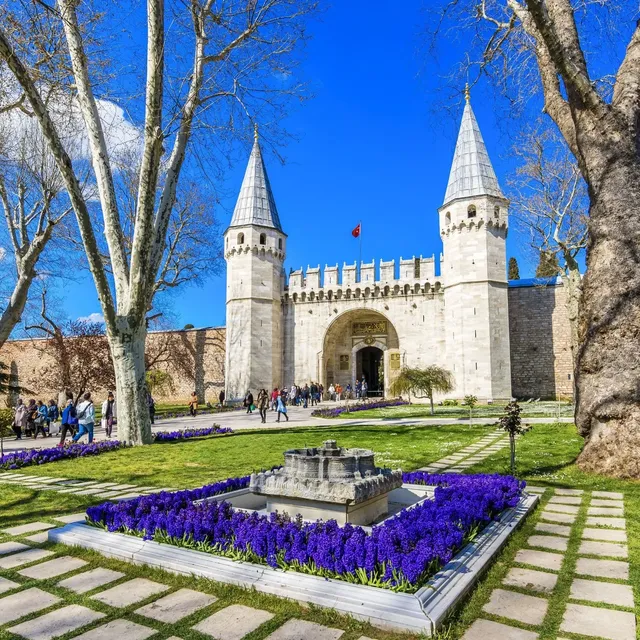
Following the Ottoman conquest in 1453, Sultan Mehmed II did not destroy the city. Instead, he adopted and transformed it. Hagia Sophia became a mosque, Topkapi Palace rose above the Bosphorus, and Ottoman architects gradually reshaped the skyline.
Today, Sultanahmet feels like three civilizations occupying the same space. Roman monuments stand beside Byzantine structures and Ottoman masterpieces. Once you begin noticing these layers, the district reveals itself in a completely different way.
For a deeper look into Ottoman history, see our Topkapi Palace guide.
The Major Attractions, One by One
These are the essential Sultanahmet things to do, arranged in roughly the order that makes the most sense for a day of sightseeing.
Hagia Sophia (Ayasofya)
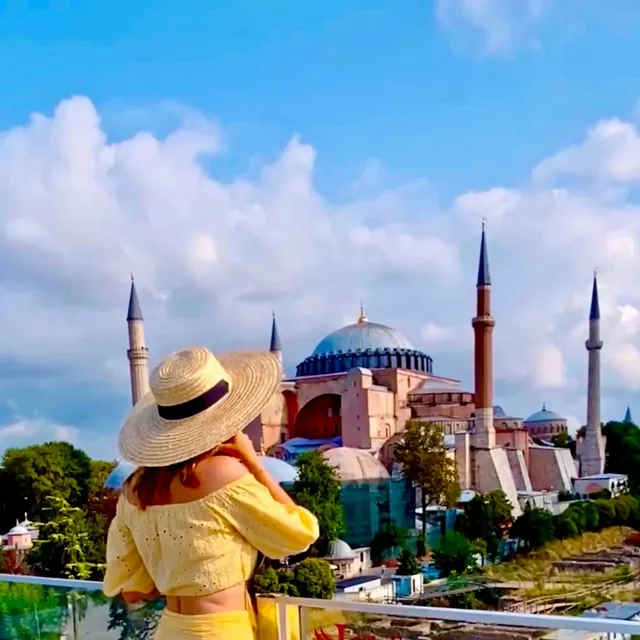
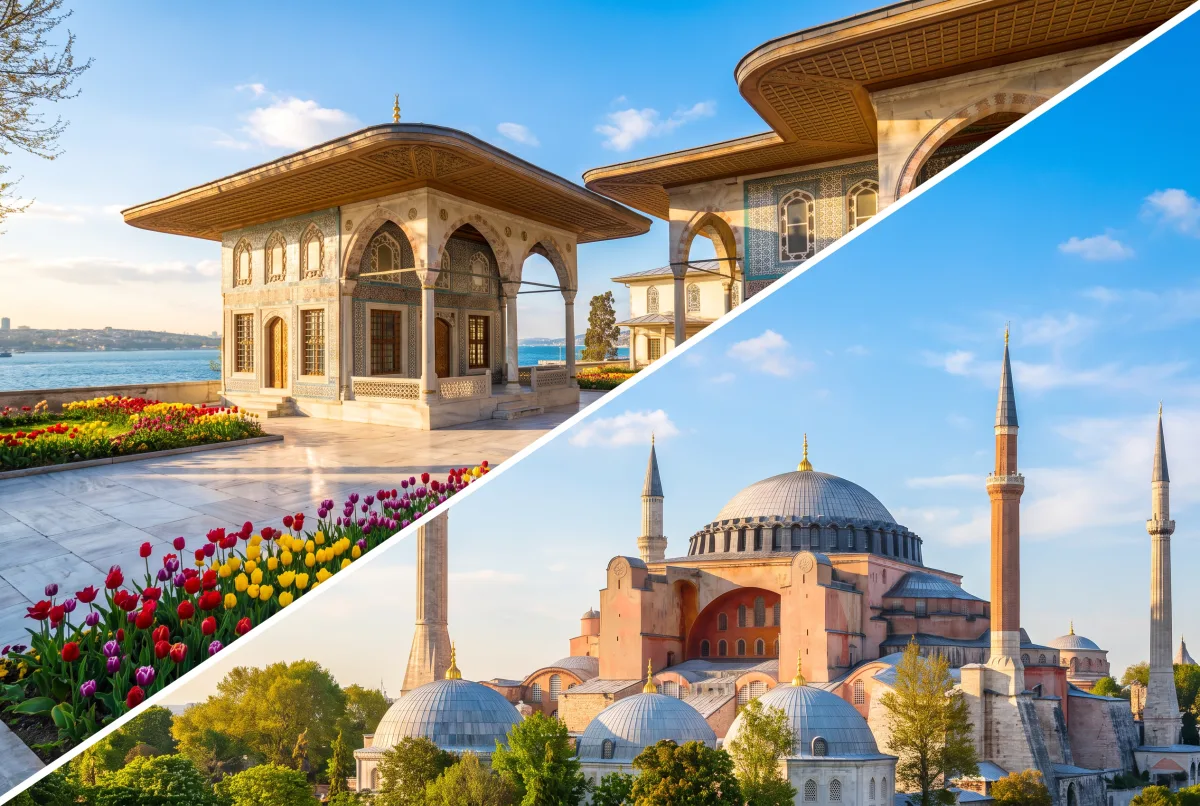
Hagia Sophia remains one of the world’s most extraordinary buildings. Completed in 537 during the reign of Emperor Justinian, it served as the largest enclosed space on Earth for nearly a thousand years.
The structure has lived many lives: Byzantine cathedral, Ottoman mosque, museum, and today, once again, a working mosque.
The enormous dome appears to float above the interior thanks to innovative engineering that was centuries ahead of its time. Even today, the scale of the building remains astonishing.
Visitors use a dedicated upper-gallery route that is separate from worshippers. Admission is approximately €25 or 1,500 TL (April 2026 estimate).
- Hours: Daily, excluding prayer times
- Time needed: 60-90 minutes
- Best time: 9:00 AM
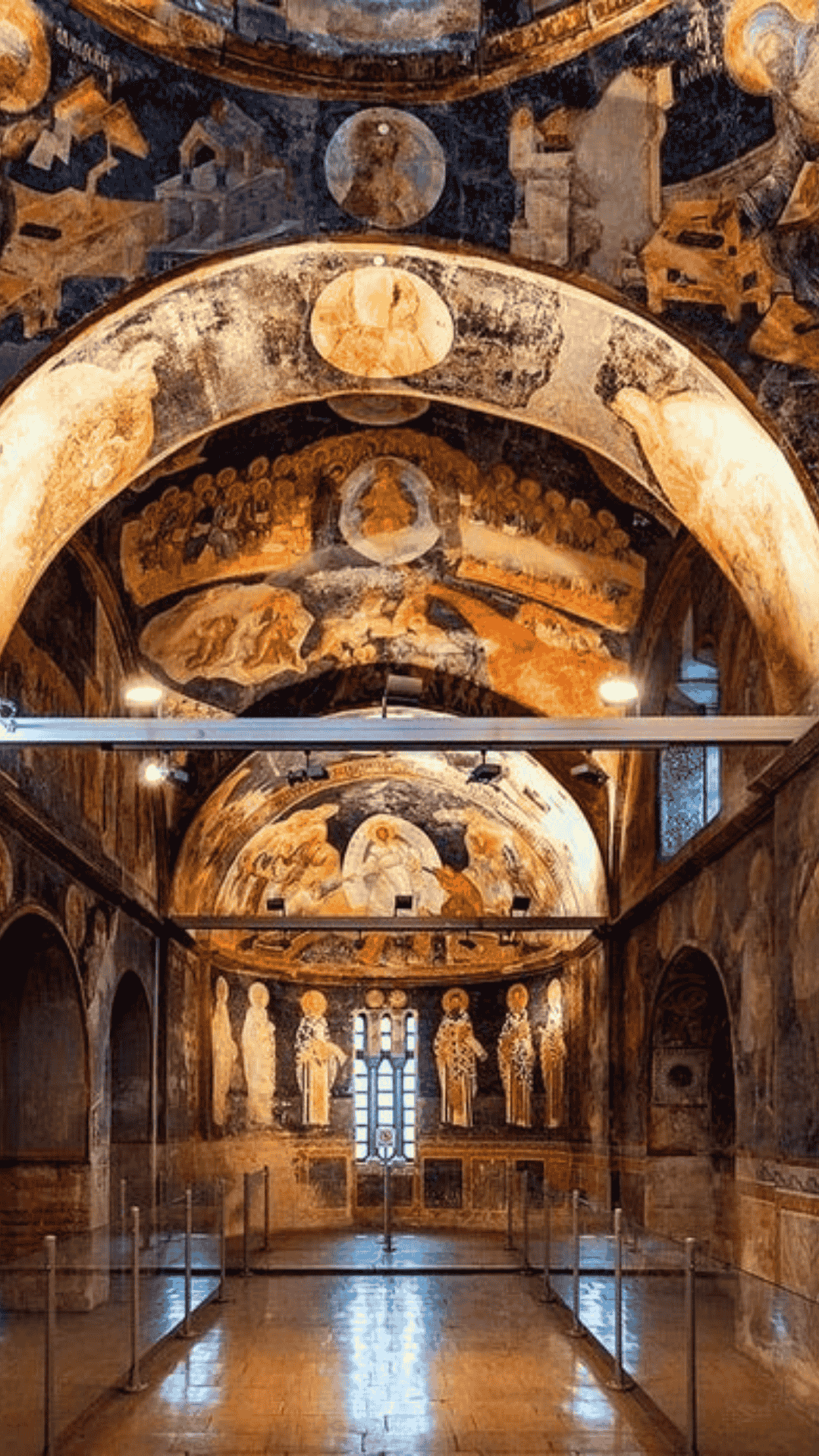
What most visitors miss: The Byzantine mosaics in the upper gallery, particularly the famous Deesis Mosaic, are among the finest surviving artworks in the city.
For complete visitor information, see our Hagia Sophia tickets & visitor guide.
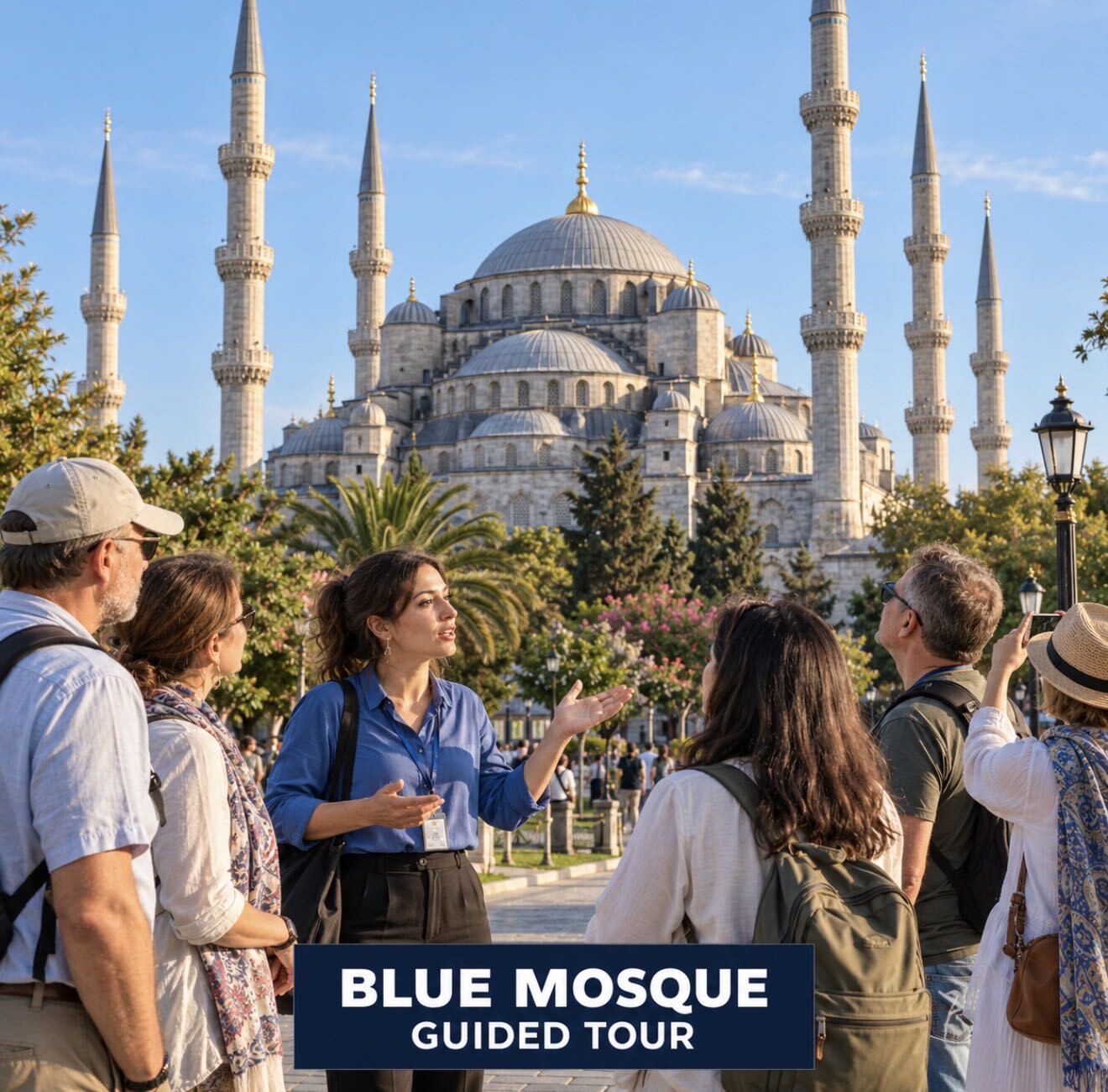
The Blue Mosque (Sultan Ahmet Mosque)
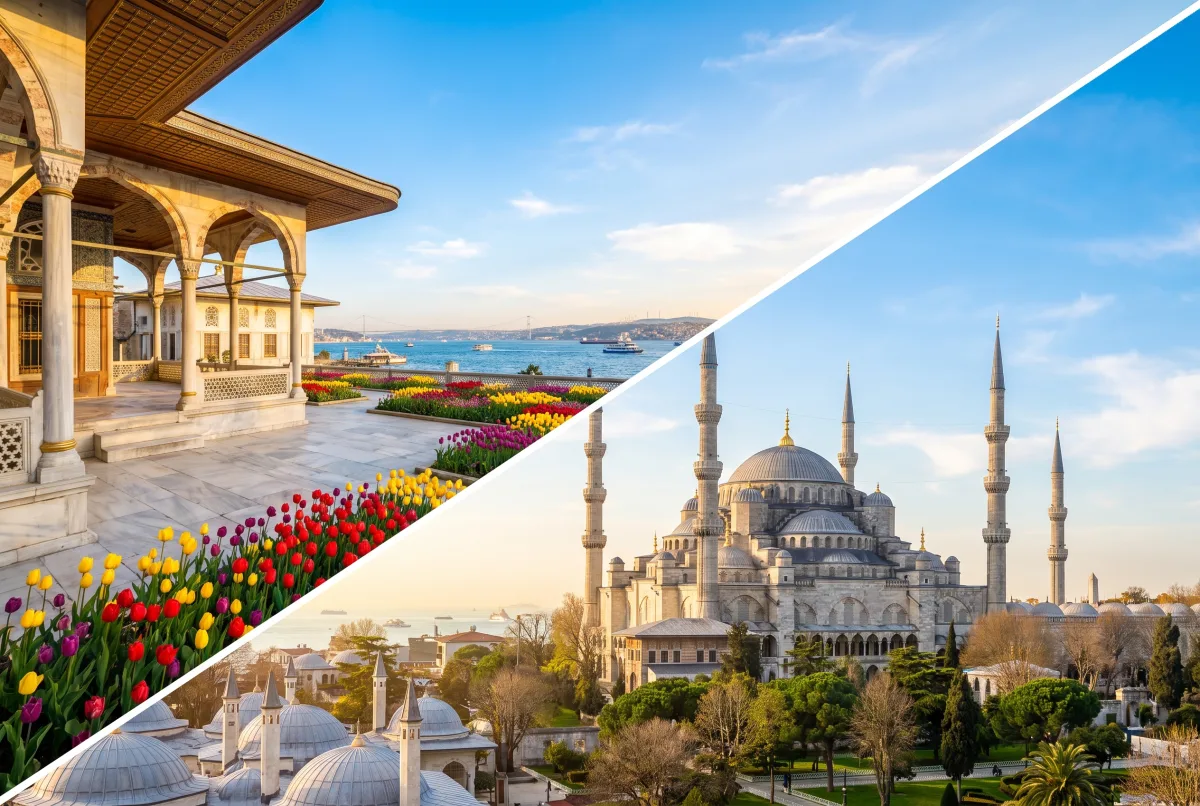
Facing Hagia Sophia across Sultanahmet Square, the Blue Mosque is one of Istanbul’s defining landmarks.
Built in the early 17th century, it is famous for the more than 20,000 handmade Iznik tiles that decorate its interior and create the soft blue glow that inspired its nickname.
Unlike many nearby attractions, entry remains free because it is an active place of worship.
- Admission: Free
- Hours: Daily, except during prayer times
- Time needed: 30-45 minutes
Visitors should dress respectfully. Shoes must be removed, shoulders and knees covered, and women should cover their hair. Scarves and robes are available free of charge at the entrance.
What most visitors don’t know: Mid-afternoon is often quieter than the morning rush, especially after large tour groups have moved on.
Recent restoration work has also left the mosque looking better than it has in years.
Topkapi Palace and the Harem
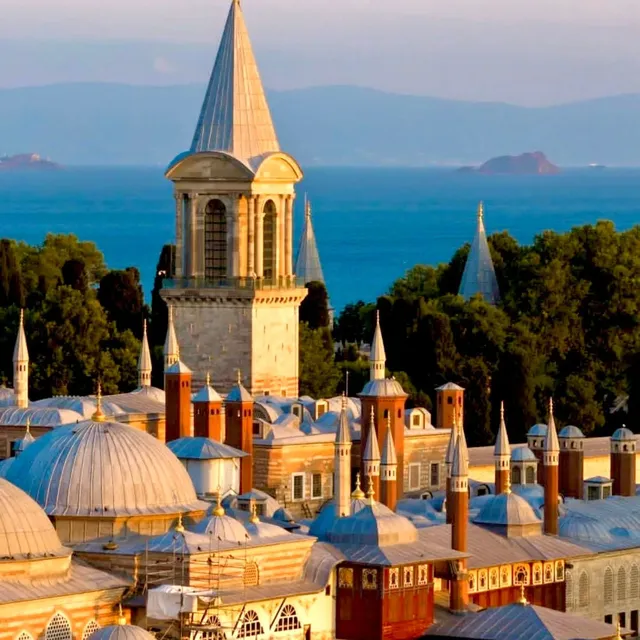
For nearly four centuries, Topkapi Palace served as the political center of the Ottoman Empire.
Rather than a single palace building, it is an enormous complex of courtyards, kitchens, gardens, pavilions, treasury rooms, and ceremonial halls overlooking the Bosphorus.
Highlights include the famous Spoonmaker’s Diamond, the Topkapi Dagger, and the Sacred Relics collection.
- Topkapi Palace: Approximately 1,500 TL
- Harem ticket: Approximately 1,000 TL additional
- Closed: Tuesdays
- Time needed: 2-3 hours
What most visitors don’t know: Head directly to the Treasury and Harem when the palace opens. These areas become significantly more crowded later in the day.
Save the gardens and Bosphorus-view terraces for the afternoon.
See our Topkapi Palace tickets & visitor guide.
The Basilica Cistern (Yerebatan Cistern)
A few minutes from Hagia Sophia lies one of the district’s most atmospheric attractions.
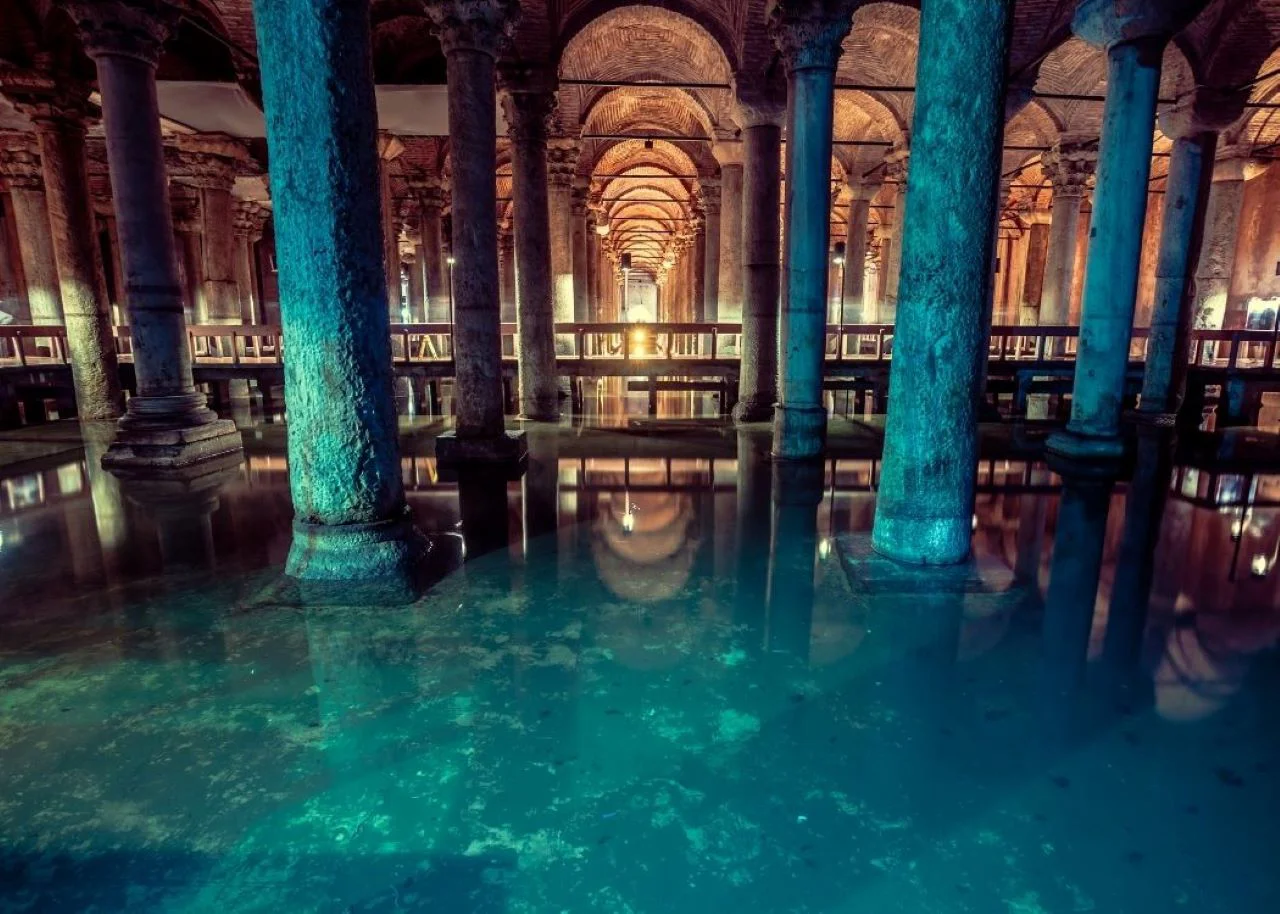
The Basilica Cistern was constructed during the 6th century to store water for the Great Palace of Constantinople. Today, its 336 columns rise dramatically from shallow water illuminated by carefully designed lighting.
The famous Medusa-head column bases remain one of the most photographed features inside.
- Admission: Approximately 2,000 TL
- Hours: Daily
- Time needed: 45 minutes
What most visitors don’t know: The longest lines typically form between late morning and early afternoon. Early morning and evening visits are considerably more comfortable.
Advance reservations are recommended through the official Basilica Cistern website.
The Hippodrome (Sultanahmet Square)
Many visitors walk through the Hippodrome without realizing its significance.
This large open square was once the sporting and political center of Byzantine Constantinople, where chariot races attracted tens of thousands of spectators.
Three historic monuments remain from the original complex:
- The Obelisk of Theodosius
- The Serpent Column
- The Walled Obelisk
At the northern end stands the elegant German Fountain, presented by Kaiser Wilhelm II in 1900.
- Admission: Free
- Hours: Open 24 hours
- Time needed: 15-20 minutes
What most visitors don’t know: The curved southern retaining wall of the original Hippodrome, known as the Sphendone, still survives behind modern buildings and reveals the true scale of the ancient arena.
Istanbul Archaeology Museums
Tucked below Topkapi Palace and often overlooked by visitors rushing between bigger attractions, the Istanbul Archaeology Museums are among the finest museum complexes in the world.
The collection spans thousands of years of history, from Mesopotamia and Ancient Egypt to Greece, Rome, Byzantium, and the Ottoman Empire. The undisputed highlight is the Alexander Sarcophagus, whose remarkably preserved battle scenes still retain traces of their original paint.
The complex consists of three museums:
- Archaeological Museum
- Museum of the Ancient Orient
- Tiled Kiosk Museum
- Admission: Approximately 600 TL
- Closed: Mondays
- Time needed: 60-90 minutes
What most visitors don’t know: While Hagia Sophia and Topkapi Palace can feel crowded throughout the day, the Archaeology Museums often remain surprisingly quiet, even during peak season. It is one of the best-value attractions in Sultanahmet.
Little Hagia Sophia and the Quieter Corners
About ten minutes downhill from the main square sits one of Sultanahmet’s most underrated landmarks: Little Hagia Sophia (Kucuk Ayasofya Mosque).
Originally built in the 6th century as the Church of Saints Sergius and Bacchus, it later became a mosque during the Ottoman period. Many architectural historians consider it a precursor to Hagia Sophia itself.
The atmosphere here could not be more different from the busy square above. The surrounding streets of Kadirga offer a glimpse into a more residential side of the neighborhood, where tea houses, local workshops, and historic wooden buildings create a completely different experience.
- Admission: Free
- Hours: Daily, except during prayer times
- Time needed: 20-30 minutes
What most visitors don’t know: The streets around Little Hagia Sophia are among the most peaceful parts of the historic peninsula and reward slow exploration far more than any checklist of attractions.
Sultanahmet Ticket Prices 2026 at a Glance
The table below summarizes the estimated Istanbul museum ticket prices for Sultanahmet attractions as of April 2026.
| Attraction | Price (April 2026) | Hours / Closed Day | Recommended Time |
|---|---|---|---|
| Hagia Sophia Gallery | ~€25 / ~1,500 TL | Daily (except prayer times) | 60-90 min |
| Blue Mosque | Free | Daily (except prayer times) | 30-45 min |
| Topkapi Palace | ~1,500 TL | Closed Tuesdays | 2-3 hrs |
| Topkapi Harem | ~1,000 TL | Closed Tuesdays | 45 min |
| Basilica Cistern | ~1,300 TL | Daily | 45 min |
| Istanbul Archaeology Museums | ~600 TL | Closed Mondays | 60-90 min |
| Hippodrome | Free | Always Open | 15-20 min |
| Little Hagia Sophia | Free | Daily (except prayer times) | 20-30 min |
Foreign visitor rates are subject to change. Verify current prices before your visit.
Tickets, the Museum Pass, and the City Pass: What Actually Saves Money?
This is one of the most common questions visitors ask when planning a trip to Sultanahmet.
1. Individual Tickets
Buying tickets separately is the simplest option if you only plan to visit a handful of attractions.
However, costs add up quickly. Hagia Sophia, Topkapi Palace, and the Basilica Cistern alone can exceed 4,000 TL per person.
The advantage is flexibility. You only pay for what you actually visit.
2. The Official Museum Pass Istanbul
The Museum Pass Istanbul is issued by the Turkish Ministry of Culture and Tourism and covers many state-run museums.
It generally includes:
- Topkapi Palace
- Topkapi Harem
- Istanbul Archaeology Museums
- Several additional museums across the city
Important: It does not include Hagia Sophia or the Basilica Cistern.
For current pricing and inclusions, check the official muze.gov.tr museum portal.
You can also read our detailed Istanbul Museum Pass guide.
3. Tourist City Passes
Commercial city passes combine attraction entries with experiences such as guided tours, Bosphorus cruises, airport transfers, and other activities.
A city pass can provide excellent value for travelers planning a busy sightseeing schedule across several days.
However, visitors who prefer a slower pace may find individual tickets more economical.
For a detailed comparison, see our Museum Pass versus City Pass comparison.
Quick Rule of Thumb
- Busy sightseeing trip: A Museum Pass or city pass usually saves money and time.
- Only two or three attractions: Individual tickets are usually cheaper.
- Remember: Hagia Sophia and the Basilica Cistern generally require separate admission from the official Museum Pass.
How to Get to Sultanahmet
Sultanahmet is one of the easiest parts of Istanbul to reach using public transportation.
The most important line is the T1 Tram, which stops directly at Sultanahmet and Gulhane.
- From Taksim: Take the F1 Funicular to Kabatas and transfer to the T1 Tram.
- From the Asian Side: Take a ferry to Eminonu and either walk uphill or continue one stop on the tram.
- From Istanbul Airport (IST): Use the M11 Metro and connect via the M2 Metro and T1 Tram. See our airport-to-city transport guide.
- Within Sultanahmet: Everything in this guide is walkable once you arrive.
An Istanbulkart is the easiest way to pay for public transportation. A standard tram ride costs approximately 27 TL as of April 2026.
If arriving from the Asian side, consult the Sehir Hatlari ferry timetable for current schedules.
Where to Eat in and Around Sultanahmet
The restaurants directly surrounding Sultanahmet Square are convenient, but many are overpriced and aimed primarily at tourists.
Walking just a few minutes away usually results in better food and lower prices.
These are the types of places that consistently deliver a better experience.
- For kofte: Traditional meatball restaurants along Divanyolu offer filling meals for approximately 180-260 TL.
- For local Turkish cooking: Head toward the Grand Bazaar and look for an esnaf lokantasi, where workers eat lunch. Expect home-style dishes for around 200-300 TL.
- For breakfast: The areas around Gulhane and Sirkeci offer some excellent Turkish breakfast spots. See our best Turkish breakfast spots guide.
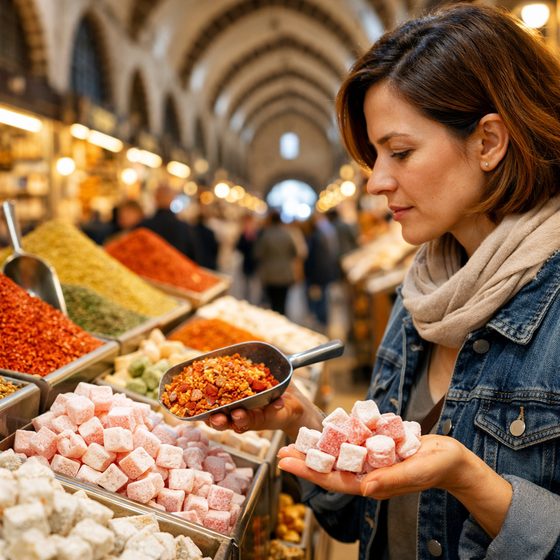
- For dessert: Baklava and tea remain one of the neighborhood’s best traditions, typically costing 150-250 TL.
For a broader culinary exploration, see our Istanbul street food guide.
If you’re looking for a more local evening atmosphere, consider taking a ferry to the Asian side and exploring the restaurants featured in our Kadikoy waterfront guide.
Where to Stay: Is Sultanahmet the Right Base?
For first-time visitors focused on Istanbul’s historic attractions, Sultanahmet is an excellent place to stay. Most of the city’s most famous landmarks are within walking distance, allowing you to maximize sightseeing time and minimize transportation.
The trade-off is that Sultanahmet becomes relatively quiet after dark. While there are restaurants and cafes, it lacks the nightlife, local energy, and neighborhood atmosphere found elsewhere in the city.
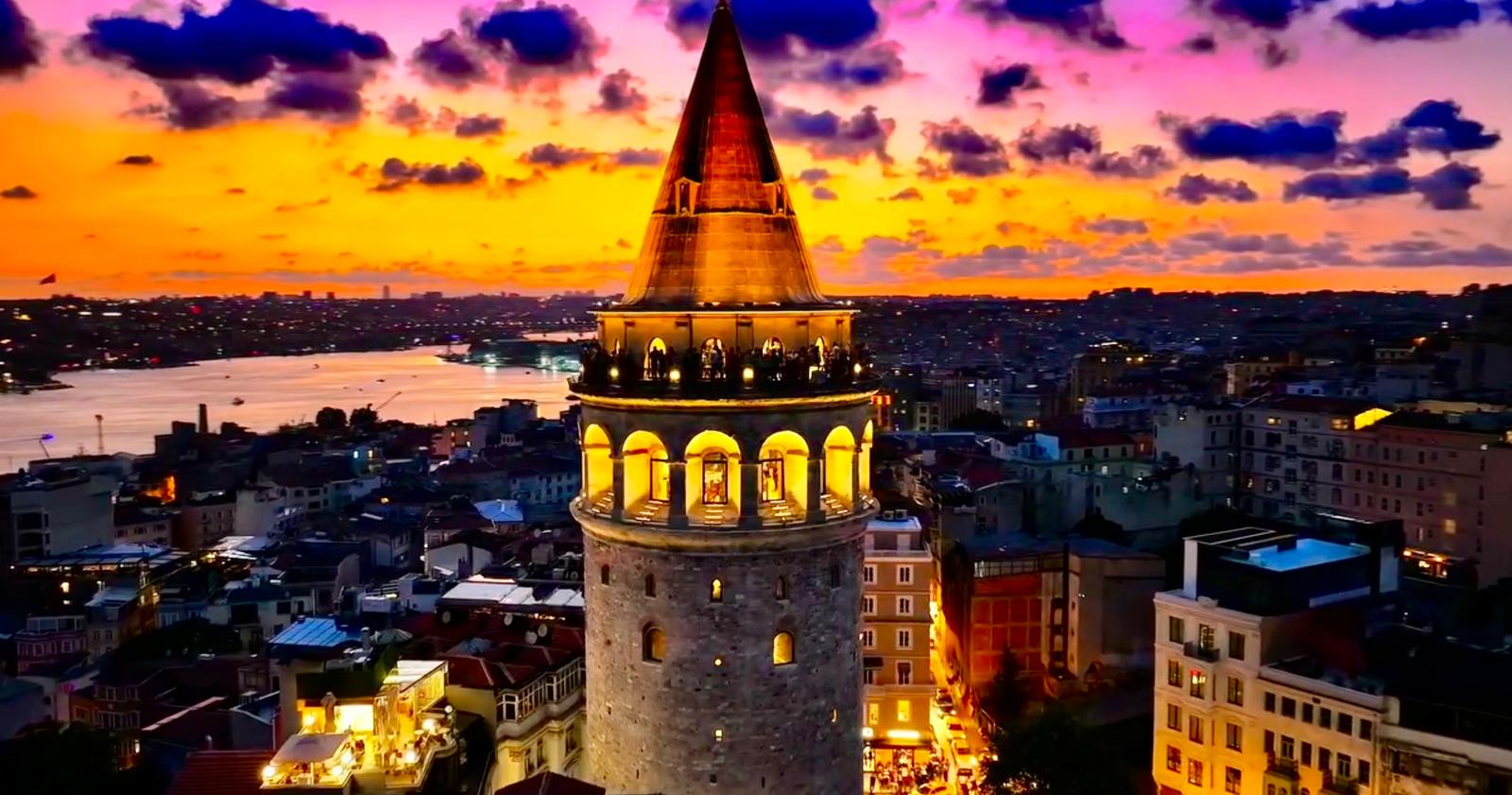
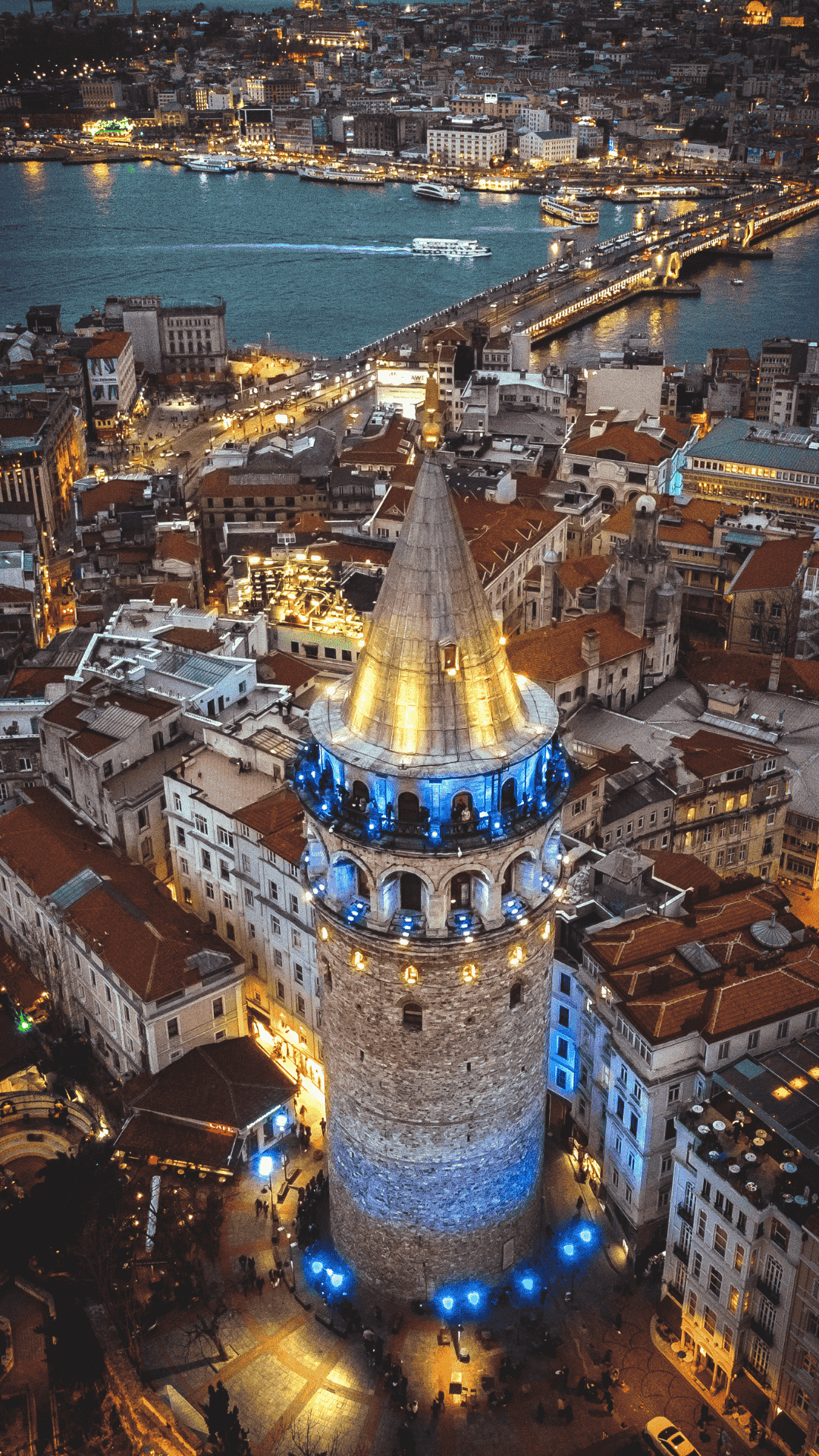
If you prefer a more balanced experience, consider staying in Beyoglu near the Galata Tower or around Besiktas on the Bosphorus, then visiting Sultanahmet during the day.
Many repeat visitors choose exactly that approach.
Best Time to Visit: Time of Day, Day of Week, and Season
Timing has a huge impact on your experience in Sultanahmet.
Time of Day
The best strategy is simple: arrive when attractions open.
Being at Hagia Sophia or Topkapi Palace at 9:00 AM often means experiencing the quietest and most pleasant hour of the day. Tour groups and cruise passengers typically arrive later in the morning.
Day of Week
- Topkapi Palace is closed on Tuesdays.
- Istanbul Archaeology Museums are closed on Mondays.
- Friday midday prayers affect mosque visiting hours.
- Weekends are generally busier at free attractions.
Season
- Spring (April-May): Ideal weather, blooming tulips, and comfortable temperatures.
- Autumn (September-October): Pleasant weather and fewer crowds.
- Summer: Long days but intense crowds and heat.
- Winter: Quieter and more affordable but often cold and rainy.
If the weather changes unexpectedly, keep indoor attractions such as the Basilica Cistern and Archaeology Museums as backup options.
Sample Itineraries
The Essential Half-Day Visit
- 9:00 AM: Hagia Sophia and the upper gallery.
- 10:30 AM: Blue Mosque.
- 11:15 AM: Walk through the Hippodrome.
- 12:00 PM: Basilica Cistern.
- 1:00 PM: Lunch away from the main square.
The Full-Day Experience
- 9:00 AM: Topkapi Palace and Harem.
- 11:30 AM: Istanbul Archaeology Museums.
- 12:30 PM: Lunch.
- 2:00 PM: Hagia Sophia.
- 3:30 PM: Blue Mosque and Hippodrome.
- 4:30 PM: Basilica Cistern.
Two Relaxed Days
Spread the major attractions across two mornings and leave afternoons flexible.
Add Little Hagia Sophia, Kadirga’s residential streets, nearby Gulhane Park, and perhaps a Bosphorus cruise from Eminonu.
For spring visitors, combine your itinerary with the Tulip Festival guide. If you are considering a cruise, our Bosphorus cruise guide compares the available options.
Etiquette, Scams, and Small Things That Matter
- Mosque dress code: Shoes off, shoulders and knees covered, women should cover their hair.
- Prayer times: Mosques temporarily close to visitors during the five daily prayers.
- Commission-based approaches: Be cautious of overly friendly strangers directing you toward carpet shops, bars, or restaurants.
- Shoeshine trick: If a shoeshiner drops a brush and encourages interaction, it is often part of a sales routine.
- Photography: Photography is generally permitted outdoors. Inside mosques, avoid photographing worshippers and do not use flash.
- Accessibility: The square and tram line are relatively accessible, but Topkapi Palace, the Basilica Cistern, and many historic streets contain stairs and uneven surfaces.
What It All Costs: A Sample Budget
| Item | Estimated Cost (April 2026) | Notes |
|---|---|---|
| Hagia Sophia | ~1,500 TL | Gallery route |
| Topkapi Palace + Harem | ~2,500 TL | Combined admission |
| Basilica Cistern | ~1,300 TL | Timed-entry ticket |
| Lunch, tea, and dessert | ~450 TL | Local restaurant |
| Public transportation | ~80 TL | Using Istanbulkart |
| Total | ~5,830 TL | Full sightseeing day |
The total can be reduced significantly by skipping one paid attraction or using a museum or city pass when appropriate.
Frequently Asked Questions
What are the main things to do in Sultanahmet?
The major highlights are Hagia Sophia, the Blue Mosque, Topkapi Palace, the Basilica Cistern, the Hippodrome, and the Istanbul Archaeology Museums. Together they represent Roman, Byzantine, and Ottoman history in one compact area.
How much do Sultanahmet attractions cost in 2026?
As of April 2026 estimates, expect approximately 1,500 TL for Hagia Sophia, 1,500 TL for Topkapi Palace, 1,000 TL for the Harem, 1,300 TL for the Basilica Cistern, and 600 TL for the Archaeology Museums. The Blue Mosque, Hippodrome, and Little Hagia Sophia are free.
Is the Istanbul Museum Pass worth it?
It can be excellent value if you plan to visit several state museums. However, it generally does not include Hagia Sophia or the Basilica Cistern, which many visitors mistakenly assume are covered.
How long do you need in Sultanahmet?
One full day covers the major attractions. Two days allows a slower pace and time for museums, neighborhood walks, and less-visited sites.
How do I get to Sultanahmet from Taksim or the airport?
From Taksim, take the F1 Funicular to Kabatas and transfer to the T1 Tram. From Istanbul Airport, use the M11 Metro and connect through the city’s rail network.
Can I visit Hagia Sophia and the Blue Mosque on the same day?
Absolutely. They stand directly opposite each other across Sultanahmet Square and are commonly visited together.
Is Sultanahmet safe?
Yes. It is one of the safest and most heavily visited areas of Istanbul. Basic awareness of belongings and common tourist scams is generally sufficient.
Useful Turkish for Sultanahmet
- cami (jah-MEE) – mosque
- saray (sah-RYE) – palace
- muze (mew-ZEH) – museum
- giris (gee-REESH) – entrance
- kac para? (kahch pah-RAH) – how much?
Conclusion
Sultanahmet is the historical heart of Istanbul, where Roman, Byzantine, and Ottoman history intersect within a remarkably walkable area.
Whether your focus is the grandeur of Hagia Sophia, the treasures of Topkapi Palace, the atmosphere of the Basilica Cistern, or simply wandering through streets layered with centuries of history, Sultanahmet rewards thoughtful planning more than almost anywhere else in the city.
Arrive early, prioritize your must-see attractions, allow time to wander between monuments, and remember that some of the district’s most memorable moments happen not inside the landmarks, but in the streets connecting them.
Istanbul Tourist Pass®
If your itinerary includes multiple attractions beyond Sultanahmet, consider checking the Istanbul Tourist Pass®. The pass includes access to many of Istanbul’s most popular experiences and can help save both time and money depending on the number of attractions you plan to visit during your stay.