Istanbul is one of the few cities where shopping still feels like part of the culture rather than just a practical errand. Here, buying something can mean bargaining for a handwoven textile in a centuries-old han, stepping into a polished contemporary design store in Karakoy, comparing gold and ceramics near the Grand Bazaar, or pausing for tea while a shopkeeper explains where a kilim came from. The best shopping in Istanbul is not only about what you buy. It is about where you buy it, how much time you give it, and whether you understand the rhythm of the neighborhoods around you.
If we were planning this for a friend, we would say this first: do not try to shop everywhere. Istanbul rewards focus. A traveler looking for antiques, handmade objects, Turkish textiles, gourmet food, modern fashion, or affordable souvenirs should shop in very different parts of the city. The city becomes much easier once you stop thinking in terms of "best mall" or "best bazaar" and start thinking in terms of "best area for what I actually want."
This guide is built to help you decide: where to go for traditional markets, where to find local designers, which shopping streets are worth your time, how to avoid overpriced tourist buys, what is realistic to carry home, and when it is smarter to book guided experiences in Istanbul or use airport transfers if you expect to leave with fragile purchases or heavy luggage. Think of this as your Istanbul shopping strategy, not just a list.
SHOP SMART Plan Your Istanbul Shopping Days Choose one or two shopping identities for your trip and lean into them — Istanbul rewards depth more than quantity.Quick Overview
| Need | Best Area | Why Go | Best For |
|---|---|---|---|
| Classic Istanbul market atmosphere | Grand Bazaar and Spice Bazaar | Historic setting, huge variety, iconic first-time experience | Souvenirs, ceramics, lamps, textiles, spices, jewelry |
| Local fashion and urban street life | Istiklal Avenue, Galata, Karakoy | Mix of high-street brands, independent shops, cafés, and city energy | Clothing, books, accessories, contemporary gifts |
| Upscale shopping | Nisantasi and luxury malls | International brands, Turkish designers, polished retail environment | Designer fashion, premium shopping, stylish browsing |
| Authentic neighborhood markets | Kadikoy and Besiktas | Less touristy feel, stronger local rhythm, food-driven browsing | Gourmet items, housewares, vintage, affordable shopping |
| Home decor and handmade goods | Grand Bazaar area, Arasta Bazaar, Balat, select design stores | Good range from traditional to modern | Ceramics, textiles, evil eye decor, copper, artisan objects |
| One-stop mall convenience | Zorlu Center, Istinye Park, Kanyon, Cevahir | Easy, climate-controlled, practical for families or rainy days | Fashion, cosmetics, electronics, dining |
Why Shopping in Istanbul Is Different
- Historic bazaar shopping. Bargaining and small specialty stores in a setting shaped by old trade routes.
- Street shopping. Centered on walkable neighborhoods where browsing feels like part of city life.
- Luxury retail. Comparable to major global cities, with international labels and premium Turkish fashion.
- Food shopping. Rooted in local ingredients and Turkish culinary traditions.
- Craft and design shopping. Blends Ottoman references with contemporary aesthetics.
- Several cities in one. The Grand Bazaar is iconic, but it is only one version of shopping in Istanbul. If you only shop there, you miss the modern side of the city. If you only go to malls, you miss the soul of it. Shopping becomes a way to understand the city's layers: Ottoman, Republican, contemporary, local, international, handmade, mass-market, refined, chaotic, elegant.
Choose One Shopping Style per Half Day
The biggest mistake is mixing areas that are far apart without considering traffic, hills, and ferry timing. If you have limited time, do not cross the Bosphorus just to "fit in" another shopping district unless there is a specific reason — ferries are scenic, but Istanbul distances can look shorter on a map than they feel in practice.
Neighborhood Pairings That Work Well
Grand Bazaar + Spice Bazaar + Eminonu
A compact old-city shopping day combining the two iconic markets with Eminonu's ferry-side energy. Pair with Suleymaniye surroundings for a strong historic-commercial day.
Best for First-time visitors and classic souvenirs
Karakoy + Galata + Istiklal
Stylish browsing, local design, cafés, and a day that feels both modern and unmistakably Istanbul. Add Cukurcuma for antiques and vintage finds.
Best for Design-minded travelers
Kadikoy + Moda
Local atmosphere, food, independent shops, and a more relaxed pace on the Asian side — with the ferry crossing as part of the experience.
Best for Local life and food shopping
Nisantasi + Besiktas or Dolmabahce area
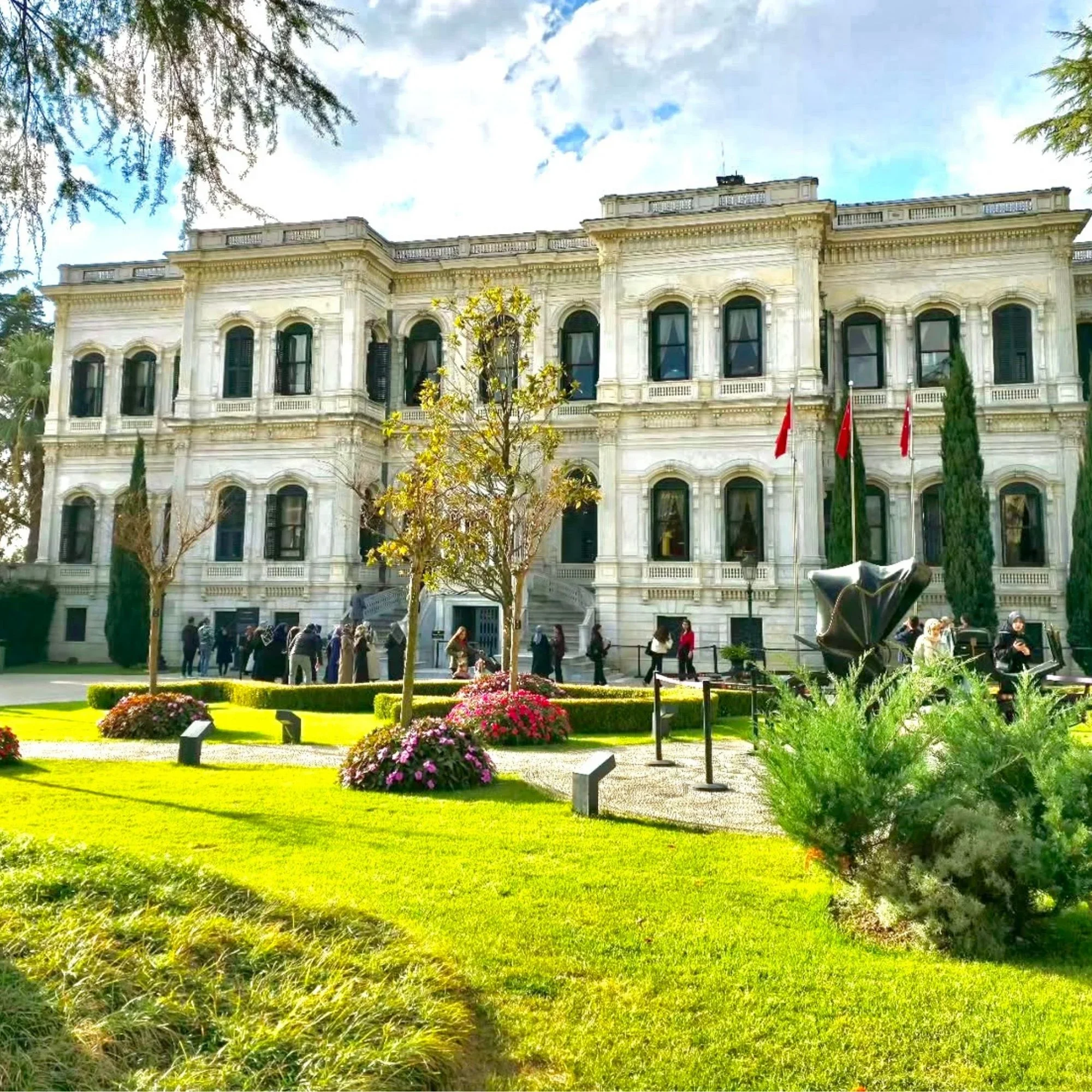
Fashion shopping mixed with a refined city day. If sightseeing is part of the plan, Dolmabahce Palace fits naturally nearby.
Best for Luxury and fashion-focused travelers
The Best Shopping Areas in Istanbul, District by District
 Planning
 How to Plan a Shopping Day in Istanbul
A little strategy — timing, payment, bargaining, and logistics — makes every shopping day in Istanbul smoother.
Best times to shop
Morning: best for bazaars before they become crowded. Late afternoon to evening: best for street shopping in neighborhoods like Karakoy, Galata, Istiklal, and Kadikoy. Weekdays: better than weekends for a calmer browsing experience. Rainy days: malls become much more attractive and much busier.
Insider Tip: the Grand Bazaar is far more pleasant early in the day than in the busiest middle hours. Arriving soon after opening gives you better movement, easier conversation, and less pressure.
Cash or card?
In upscale boutiques, malls, and many established shops, cards are widely accepted. In smaller market stalls, neighborhood shops, and some discount-oriented places, cash can still be useful. Carry a mix. Many travelers end up over-withdrawing on the first day; that is rarely necessary.
How bargaining really works
Bargaining exists, especially in the bazaars, but not everywhere. It is expected more in tourist markets, carpet shops, some lamp stores, and certain souvenir and leather sellers. It is not standard in branded stores, department stores, cafés, malls, or many modern boutiques.
A reasonable approach is polite, light, and informed. If you love an item, ask the price, compare a few nearby shops, and make a respectful counteroffer if the context feels appropriate. Avoid treating every interaction like a contest — the best outcome is a fair price and a pleasant exchange, not "winning" by exhausting the seller.
Shipping, luggage, and breakables
If you plan to buy ceramics, lamps, copper pieces, or multiple textiles, think about logistics before your final day. Some reputable shops can arrange shipping; others will package items carefully for checked luggage. If you are staying far from the airport or departing with fragile items, this is one of the few cases where booking a reliable private airport transfer in Istanbul can genuinely make the end of your trip easier.
 Old City
 Grand Bazaar: First-Time Visitors and Traditional Souvenirs
Historic, atmospheric, and enormous — you come here partly to buy, and partly to experience Istanbul through its commercial heart.
The classic categories
- Ceramics and Iznik-inspired tableware
- Turkish lamps and mosaic lamps
- Textiles, scarves, pashminas, and towels
- Jewelry and gold
- Copperware and metalwork
- Leather goods
- Carpets and kilims
- Evil eye decor and classic souvenirs
Who should choose it: first-time visitors, travelers who want a classic Istanbul shopping experience, and anyone searching for gifts in one concentrated area. Who might skip it: travelers who dislike crowds, fixed-attention selling, or heavily touristed environments — if you prefer contemporary design or neighborhood atmosphere, you may enjoy Karakoy, Cukurcuma, or Kadikoy more.
How much time to allow
Give it 2 to 4 hours depending on your patience and purpose. Less than 90 minutes usually feels rushed. More than half a day can become tiring unless you are shopping seriously for rugs, jewelry, or home goods.
Additions and food
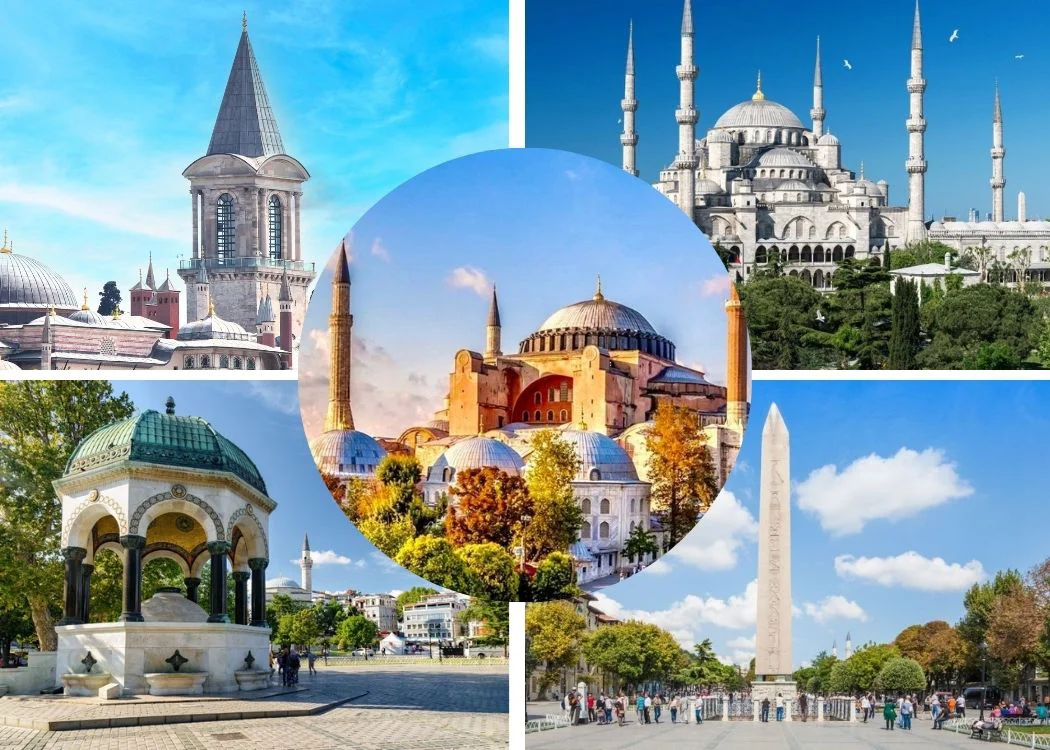
Pair the Grand Bazaar with the Spice Bazaar, Suleymaniye surroundings, or a walk toward Eminonu. If you are also sightseeing nearby, the area works well alongside Topkapi Palace, Hagia Sophia, and the Blue Mosque — but keep expectations realistic about walking time and energy. For food, look for a classic kebab, pide, beans-and-rice lunch, or Turkish desserts rather than the first tourist menu at the entrance.
Photography and the comparison rule
The architecture, arches, and color-filled storefronts are highly photogenic — the challenge is the crowd. Morning light outside the entrances and quieter side corridors usually produce better images than the busiest central lanes.
Avoid this mistake: do not buy from the first shop that catches your eye if the item is common. In the Grand Bazaar, comparison is part of the process. Most tourists miss this: two stores a few corridors apart can offer similar products with very different quality and pricing.
 Old City markets
 Spice Bazaar, Eminonu, and Arasta Bazaar
Smaller, easier market experiences: edible gifts and sensory shopping by the ferries, and a calm alternative near Sultanahmet.
Edible gifts and a livelier local mix
The Spice Bazaar is smaller and easier to navigate than the Grand Bazaar — one of the best places in Istanbul for edible souvenirs: spices, herbal teas, Turkish delight, dried fruit, nuts, and specialty food products. The surrounding Eminonu area adds movement, ferries, market life, and everyday urban energy.
What to buy: Turkish delight from reputable sellers, spices in practical quantities, tea blends, dried fruits and nuts, local sweets and packaged gifts, and some kitchen items. If you are not especially interested in edible gifts, 45 to 90 minutes is usually enough.
Insider Tip: buy what you will realistically use. Many travelers get carried away by color and aroma, then take home large bags of spices they never touch. Smaller, good-quality purchases beat bulk souvenir buying.
Nearby suggestions
Walk the Galata Bridge, take a Bosphorus ferry, or continue to Karakoy for a more contemporary second half of the day. This combination works particularly well if you want one historic market experience and one modern shopping neighborhood in the same outing.
Arasta Bazaar: a short, easy Old City stop
If the Grand Bazaar feels too large or intense, Arasta Bazaar near Sultanahmet is a gentler option: smaller, calmer, and convenient if you are already exploring the historic core, with textiles, ceramics, souvenirs, and decorative items in a compact setting. It is not where we would send a dedicated shopper for the city's best variety or value, but for travelers based in Sultanahmet who want a low-stress browse between major landmarks, it works well.
 Beyoglu
 Istiklal, Galata, Karakoy, and Cukurcuma
The modern European side: urban energy, design-led stores, and antique streets that reward patience.
Energy, variety, and mainstream shopping
Istiklal Avenue is not where you go for old-world market romance — it is where you go for urban movement. This pedestrian spine through Beyoglu brings together mid-range fashion brands, shoe and accessory stores, bookshops and music stores, pastry shops and Turkish sweets, and historic arcades. Best for travelers who like to walk and browse without a strict list, especially in the late afternoon and evening.
Most tourists miss this: the side passages and nearby streets often matter more than the avenue itself. Historic passages, side cafés, and neighborhoods like Galata reveal a more layered shopping experience than the main pedestrian flow alone.
Design stores, creative shopping, and stylish cafés
If your idea of shopping includes contemporary ceramics, design-led homeware, independent fashion labels, stationery, books, jewelry, and fragrance, this is one of the strongest areas in Istanbul. You can combine shopping with excellent coffee, lunch, galleries, Bosphorus views, and easy walking.
What to buy: modern Turkish design objects, jewelry from local designers, art books and stationery, contemporary ceramics, fashion basics, and better-quality gifts that do not feel generic. Galata's sloping streets and layered urban textures are ideal for atmospheric photos; Karakoy gives sharper contrasts of historic architecture, street art, ferries, and contemporary storefronts.
Avoid this mistake: do not wear shoes that punish you on hills. The area is walkable, but the inclines are real.
Antiques, vintage finds, and browsing with patience
Cukurcuma is one of Istanbul's most distinctive shopping neighborhoods if you enjoy old objects, furniture, vintage decor, retro glassware, prints, and stores that feel more like cabinets of curiosity than straightforward retail. It rewards slow browsing rather than checklist shopping — you may leave with a small object, a story, and a much stronger sense of the city's layered domestic history.
Who should go: antique lovers, vintage shoppers, photographers, travelers who prefer character over efficiency. Who should skip it: if you want straightforward souvenirs or obvious bargains, this is not the best use of your time. It pairs naturally with Istiklal, Galata, and a meal in Beyoglu, and works beautifully as a slower second-trip neighborhood.
 Upscale & local
 Nisantasi, Kadikoy, Besiktas, and the Malls
From polished fashion streets to everyday Asian-side browsing and climate-controlled convenience.
Luxury shopping and Turkish designers
Nisantasi is Istanbul's polished fashion district: international luxury labels, high-end Turkish fashion houses, refined cafés and restaurants, and orderly, upscale browsing. Best for travelers specifically interested in fashion and discovering Turkish designers in an elevated retail setting. The trade-off is that it offers comfort and style, not the historic atmosphere many first-time visitors expect. If you have limited time: only prioritize Nisantasi if designer shopping is genuinely on your list — otherwise Galata-Karakoy or the bazaars deliver a stronger "Istanbul" feeling.
Local life, food shopping, and independent browsing
On the Asian side, Kadikoy offers one of the city's most enjoyable shopping environments for travelers who want to feel plugged into everyday Istanbul: food culture, casual fashion, music, books, household goods, and neighborhood-scale independent stores, with Moda adding a residential, stylish, café-filled atmosphere. Shopping here is less performative — you browse because you are part of the neighborhood flow.
Getting there: the ferry is usually the most enjoyable option and turns the trip into part of the experience. For route planning, our Istanbul public transportation guide helps with ferries, metro links, and Istanbulkart use. This is also one of the best places to build a shopping day around food: market snacks, meze, seafood, bakeries, long café stops. Insider Tip: come hungry and avoid overscheduling — Kadikoy is best when you let it unfold a little.
Everyday shopping and local rhythm
Besiktas is not usually first on a tourist shopping list, but it is a practical, enjoyable area for casual local browsing, with busy, youthful energy around the market area. It works best for travelers already staying nearby or connecting a shopping stop to ferries, Dolmabahce, or the Bosphorus waterfront — a smart, unpretentious place for daily-life shopping and food.
Convenience, family needs, and rainy days
Istanbul's major malls are modern and comfortable when you need efficiency rather than atmosphere: Zorlu Center (upscale, strong for fashion and dining), Istinye Park (premium brands and broad choice), Kanyon (open-air feel with higher-end retail), and Cevahir (central, practical, mid-range).
A mall is the smart choice when you are traveling with children, the weather is poor, you need practical items fast, you want a less intense environment, or you need tax-free shopping services from larger retailers. If this is your first trip and your time is short, a mall should not replace the city's more distinctive shopping areas unless your needs are specifically practical.
 Products
 What to Buy in Istanbul
The classic categories — and how to pick quality within each of them.
Ceramics, towels, scarves, and kilims
Ceramics are among the most popular and worthwhile purchases: everything from low-cost souvenir bowls to refined hand-painted pieces inspired by Iznik traditions. If the painting looks sloppy, repetitive, or overly glossy in a mass-produced way, keep looking — and think about luggage weight and fragility; a few well-chosen pieces beat a bulky set.
Textiles: Turkey has a deep textile tradition, from lightweight scarves to peshtemal towels and serious kilim purchases. Towels are practical, packable, easy gifts; kilims require more confidence in quality and provenance, so compare carefully. Avoid this mistake: do not assume every "handmade" textile is exactly what the label suggests. Ask questions — good sellers will explain materials, weaving methods, and care.
Lighting, gold, and serious purchases
Mosaic lamps remain one of the most visually tempting buys — beautiful in shops, memorable at home, and awkward to transport. Ask about bulb compatibility, electrical fittings, packing, and whether the size is actually practical for your home.
Jewelry and gold: Istanbul has a strong jewelry culture, especially around the Grand Bazaar. Gold shopping is serious business here. This is not a casual category — buy from reputable, established sellers, ask about weight and purity, and do not rush the decision.
Spices, tea, Turkish delight, and copperware
Spices, tea, and Turkish delight are classic edible gifts: easy to share and strongly associated with Istanbul. Turkish delight ranges from excellent to forgettable, so taste if possible, and only buy tea and spice blends you will genuinely use.
Copperware: coffee sets, trays, bowls, and kitchenware are striking and distinctly regional — and heavy. Small trays, coffee accessories, or one well-chosen decorative item are usually the easiest wins.
Leather goods and modern Turkish design
Leather: jackets, bags, wallets, and accessories appear in many areas, especially traditional shopping zones. Quality ranges from excellent to average — feel the material, inspect stitching, and compare. A polished presentation does not always mean better value.
Modern Turkish design is one of the best categories for travelers who want something less predictable: modern ceramics, fragrance, home objects, fashion accessories, and paper goods that feel more personal and less stereotypically "tourist." Karakoy, Galata, and selected boutiques elsewhere are your best bet.
 Buying smart
 How to Spot Better Quality and Fairer Prices
Comparison, specific questions, and knowing when to walk away are the shopper's best tools in Istanbul.
Compare before committing
In markets especially, comparison matters. Spend 15 to 20 minutes understanding the general range before buying. This is usually enough to notice differences in material, finish, confidence of explanation, and price flexibility.
Ask specific questions: Where was this made? Is it handmade or machine-made? What material is this exactly? How should it be packed for travel? What size or weight is easier to carry? Shops that answer clearly and calmly are often more reassuring than shops that push aggressively toward a sale.
Notice the selling style, and know when to walk away
Warm hospitality is normal in Istanbul commerce. Pressure is different. Tea offered in a carpet or jewelry shop is part of the experience; you are not obligated to buy. If the interaction feels manipulative, it is fine to thank them and move on. If something feels rushed, overpriced, unclear, or too good to be true, leave — Istanbul offers too many alternatives to make a purchase you will regret.
Shopping by budget
Budget: focus on neighborhood markets, side streets off major avenues, Kadikoy, selected parts of Istiklal, and practical mall stores. Buy fewer but smarter souvenirs: tea glasses, small textiles, spice packets, soaps, or one ceramic piece instead of a bag of low-value trinkets.
Mid-range: this is where Istanbul shines — very satisfying ceramics, scarves, design objects, leather accessories, gourmet items, and home goods without luxury pricing. Karakoy, Galata, the better end of bazaar shopping, and selected boutiques are especially strong.
Luxury: Nisantasi and top malls are your main zones for international labels, premium Turkish fashion, fine jewelry, and refined home decor — worth prioritizing if service quality and retail comfort matter as much as the product.
 By traveler
 Best Shopping Itineraries by Traveler Type
Match your shopping route to what you actually want to take home.
One day, classic experience
Choose the Grand Bazaar and Spice Bazaar, with a lunch break in between and a walk through Eminonu afterward. This gives you the historic shopping atmosphere most first-time visitors imagine. Do not try to add Nisantasi or Kadikoy on the same day.
Stylish, non-touristy gifts
Spend your time in Karakoy, Galata, and perhaps Cukurcuma. You are more likely to find objects you will still love years later, rather than souvenirs that felt exciting only in the moment.
For fashion lovers and food shoppers
Fashion: prioritize Nisantasi and one premium mall; add Karakoy or Galata for smaller designer discoveries if you have more time. Food: start at the Spice Bazaar, then plan a separate half day in Kadikoy — iconic edible gifts plus a more local market-food experience.
For families and returning visitors
Families: balance atmosphere with energy levels. A short visit to the Grand Bazaar or Arasta Bazaar plus one mall usually works better than an all-day market marathon. Families often benefit from using city passes and pre-planned attraction combinations on non-shopping days so shopping days stay flexible.
Returning visitors: skip the pressure to revisit every icon. Explore Cukurcuma, Kadikoy, Moda, Karakoy, and neighborhood-specific shopping that reflects how the city actually lives now.
Shopping and sightseeing: what combines well
- Sultanahmet landmarks + Arasta Bazaar: easy and efficient
- Grand Bazaar + Spice Bazaar + Suleymaniye: strong historic-commercial day
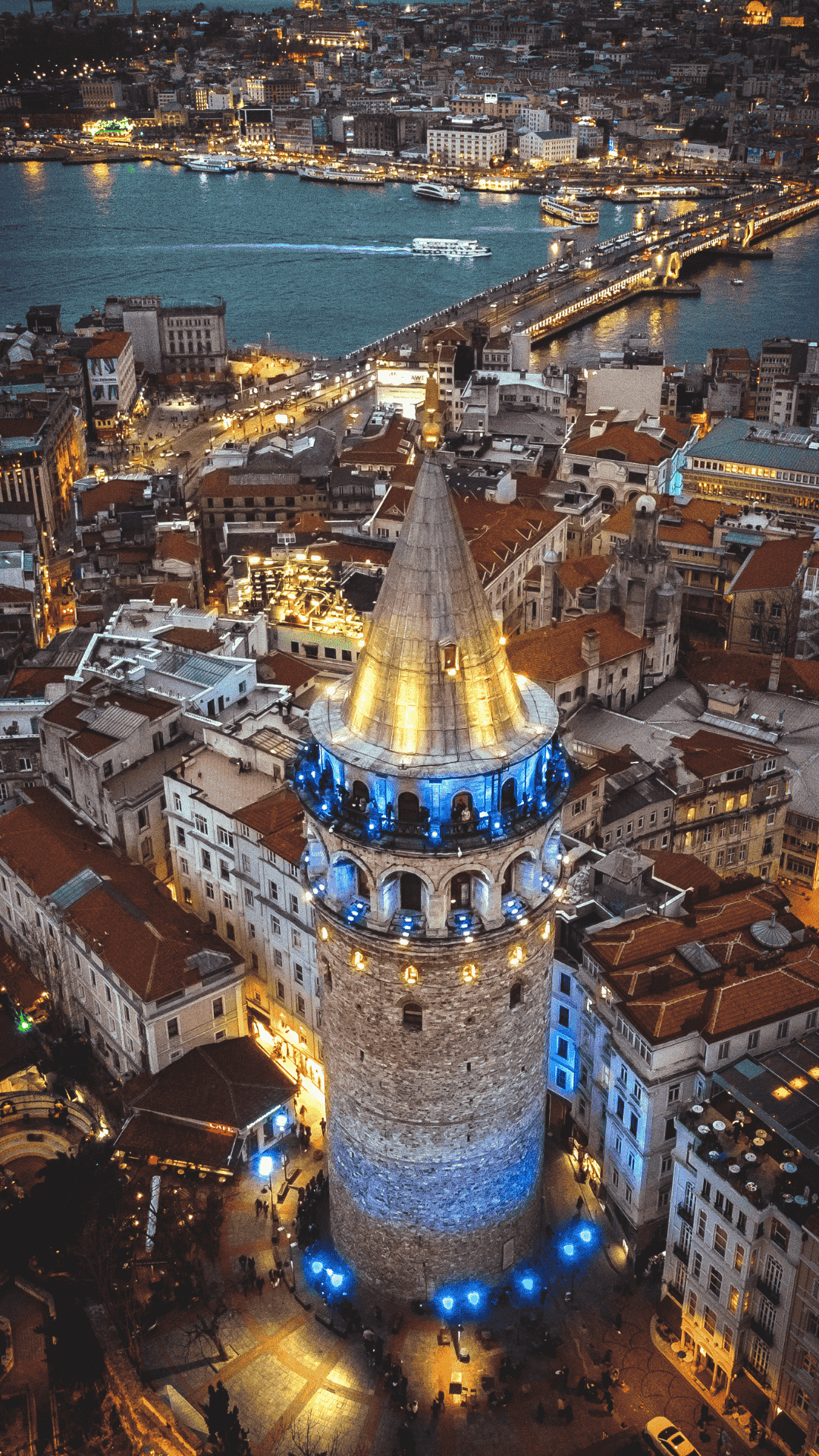
- Galata Tower area + Karakoy: ideal for design-minded travelers, with the Galata Tower nearby
- Kadikoy shopping + ferry ride: excellent for local atmosphere
- Nisantasi + Dolmabahce: refined city day with fashion and architecture — Dolmabahce Palace fits naturally nearby
If your trip also includes major highlights, our best things to do in Istanbul guide helps balance shopping with core sightseeing.
 Seasons & food
 Seasons, and Where to Eat During a Shopping Day
A better shopping day is usually a better eating day too — and the season shapes how far your feet will take you.
Seasonal advice for shopping
Spring and autumn: the most comfortable seasons for neighborhood shopping on foot — lively streets, manageable temperatures, and shopping pairs beautifully with café breaks or ferry rides. Summer: start earlier, pause more often, and consider indoor shopping or shaded breaks in the hottest hours; historic market areas can feel especially dense in peak season. Winter: excellent if you do not mind occasional rain — bazaars feel atmospheric, malls become more practical, and cooler temperatures make long urban walks easier than summer heat.
Where to eat during a shopping day
Near the Grand Bazaar and Spice Bazaar: classic Turkish lunch spots, dessert stops, or tea breaks rather than generic tourist menus by the entrances. Karakoy and Galata: café and lunch territory — some of the city's most pleasant breaks, from modern coffee stops to elegant meals. Kadikoy: let food lead — snack first, browse second, then sit down properly when the neighborhood tells you where. Nisantasi: take your time with a stylish lunch or coffee stop; the area suits a slower, more polished rhythm.
Practical Transport Notes for Shopping in Istanbul
For shopping between Eminonu, Karakoy, Besiktas, and Kadikoy, ferries are often both scenic and efficient. They also help break up a shopping day mentally.
Be realistic about taxis and traffic: a short drive on the map can become slow in practice. This matters especially when carrying purchases or trying to reach a mall across town. For general navigation, start with our guide to getting around Istanbul.
Grand Bazaar browsing: 2-4 hours mostly on your feet. Spice Bazaar and Eminonu: 1-2 hours with nearby wandering. Galata and Karakoy: 3-5 hours with breaks, hills included. Istiklal area: 2-4 hours depending on side streets. Kadikoy and Moda: half a day comfortably. Nisantasi: 2-4 hours depending on your focus.
What to Arrange Ahead vs Keep Flexible
Worth arranging ahead
- A reliable private airport transfer if you are departing with fragile purchases or heavy luggage
- Shipping from reputable shops for carpets, lamps, and larger decorative items — confirm total cost, insurance, delivery time, and packaging before agreeing
- Guided market or neighborhood tours if you value local context, price confidence, or limited-time efficiency
- City passes and attraction combinations for non-shopping sightseeing days, so shopping days stay flexible
Keep flexible
- Leave large purchases until later in the trip so you are not carrying fragile or heavy items between hotels and neighborhoods
- Keep your itinerary loose around opening rhythms — some small shops open later than malls, and some markets have quiet days
- Plan two well-chosen areas per day, not three — shopping is decision-heavy
- Leave room for tea, café breaks, and a long lunch; neighborhoods that let you pause well end up being the most enjoyable
The Rhythm of a Good Shopping Day
Common Shopping Mistakes in Istanbul
Avoid these mistakes
- Trying to buy everything in one market — the city is too diverse; different neighborhoods do different things better
- Confusing atmosphere with value: a beautiful shop or historic setting does not automatically mean better quality
- Buying large items too early in the trip, then hauling fragile or heavy purchases between hotels and neighborhoods
- Ignoring opening rhythms — some small shops open later than malls, and some markets have quiet days
- Overpacking your day: three good areas in one day can feel far more stressful than two well-chosen ones
- Buying a common item from the first shop that catches your eye
Insider tips
- Arrive at the Grand Bazaar soon after opening for better movement, easier conversation, and less pressure
- The side passages off Istiklal often matter more than the avenue itself
- Spend 15-20 minutes comparing before you buy — it reveals differences in material, finish, and price flexibility
- Tea offered in a carpet or jewelry shop is hospitality, not an obligation to buy
- Buy spices and sweets in amounts you will genuinely use — taste Turkish delight before buying if possible
- Take the ferry to Kadikoy: the crossing itself is one of the city's most rewarding everyday pleasures
Frequently Asked Questions
What is the best area for shopping in Istanbul?
Is the Grand Bazaar worth visiting?
What should I buy in Istanbul?
Is shopping in Istanbul expensive?
Can you bargain in Istanbul?
Is the Spice Bazaar better than the Grand Bazaar?
Where can I buy authentic Turkish souvenirs in Istanbul?
What is the best shopping street in Istanbul?
Are Istanbul malls worth visiting?
Which side of Istanbul is better for shopping, European or Asian?
Is Istanbul good for luxury shopping?
What are the best non-touristy shopping areas in Istanbul?
Can shops in Istanbul ship purchases internationally?
How much time should I plan for shopping in Istanbul?
Shop for the Istanbul You Actually Want to Remember
The best shopping in Istanbul is not about collecting the maximum number of bags. It is about choosing places that match your curiosity. The smartest approach is to choose one or two shopping identities for your trip and lean into them — classic bazaars and ceramics, Kadikoy food shopping and Karakoy design stores, or Nisantasi fashion and one careful jewelry purchase. Istanbul will usually reward depth more than quantity. Plan it well, walk slowly, compare before you buy, and leave room for tea.
Plan the rest of your Istanbul trip