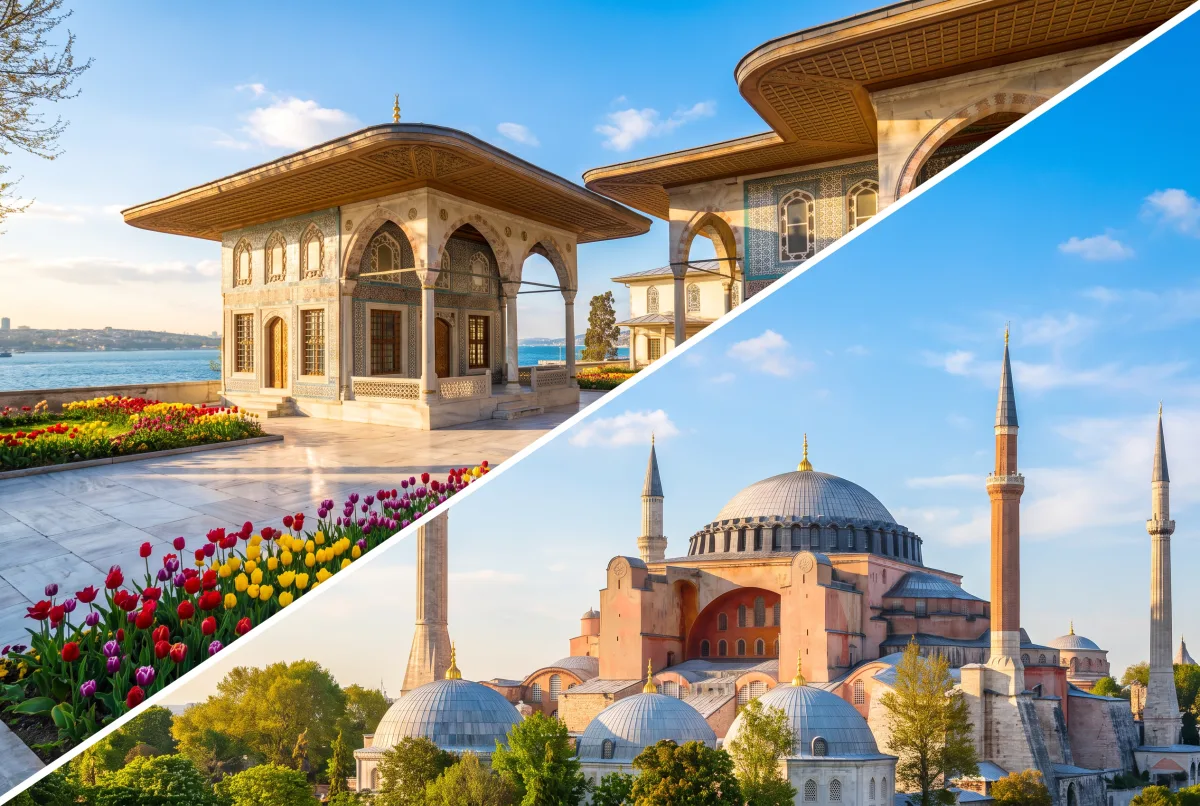
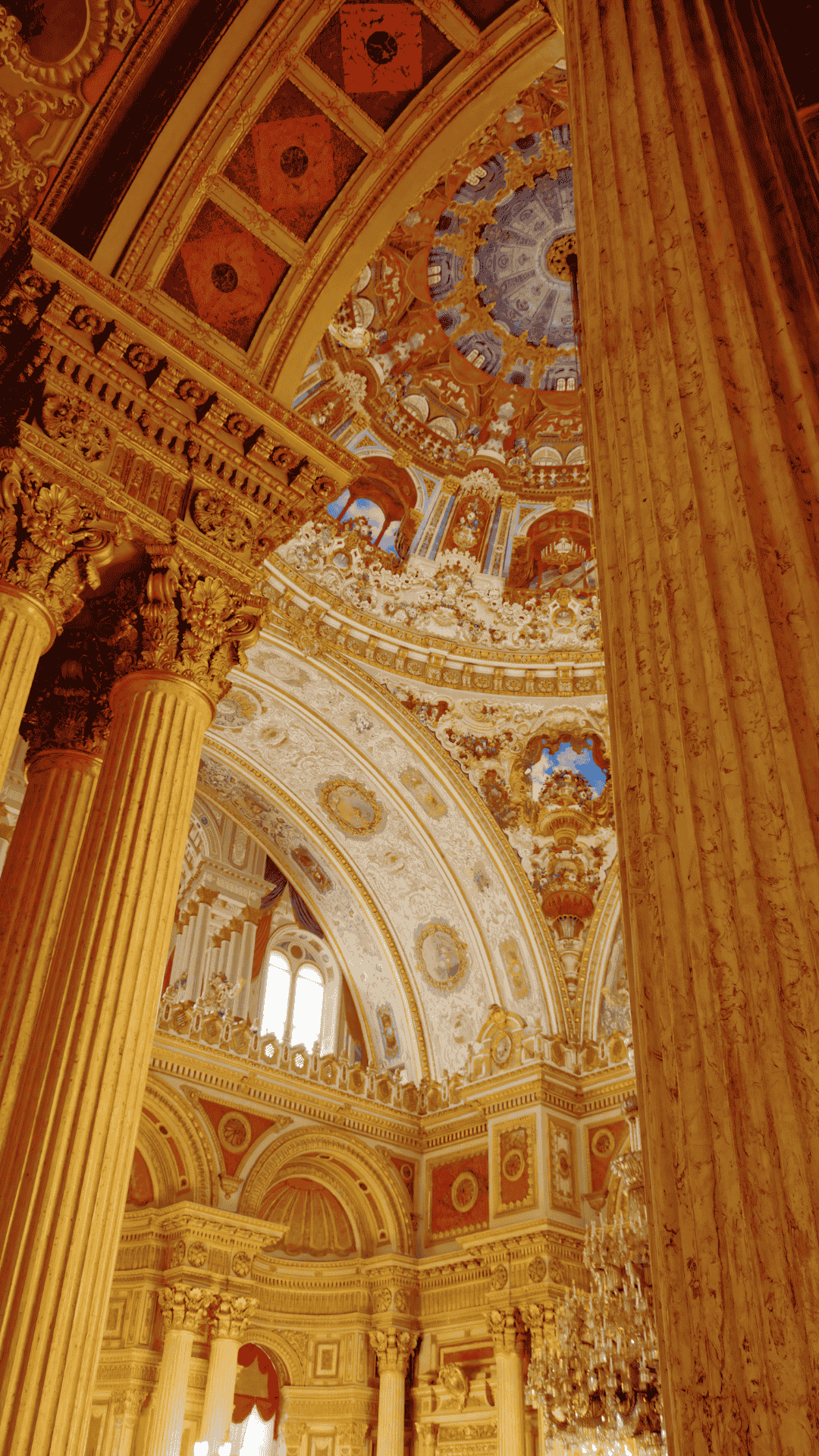
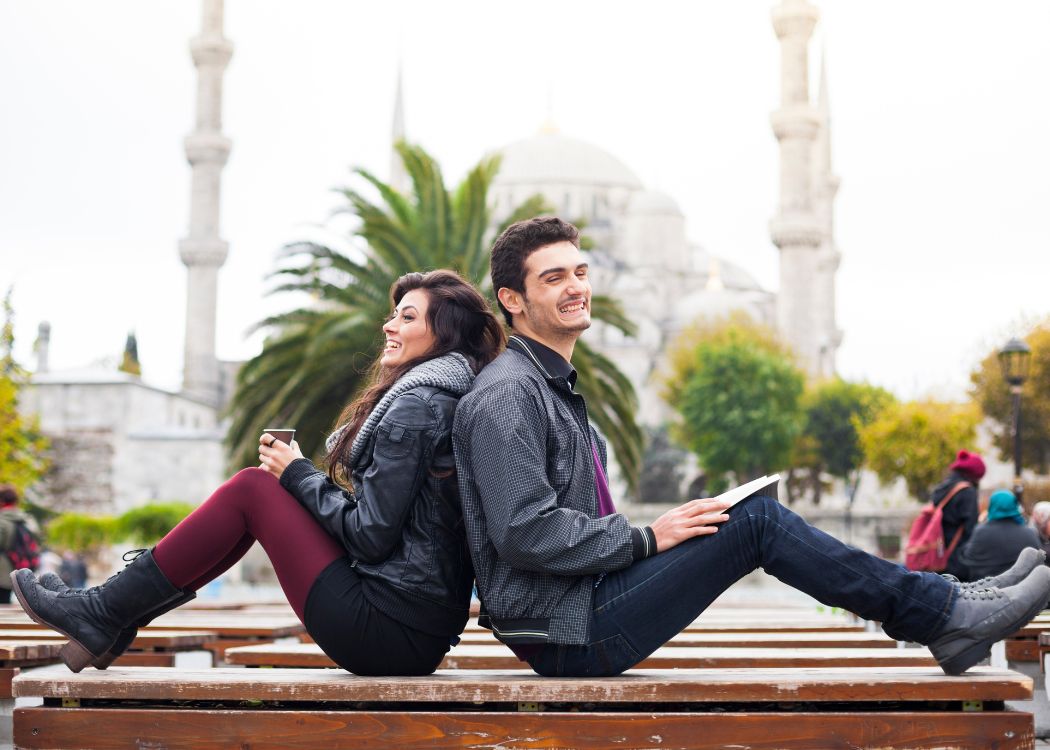
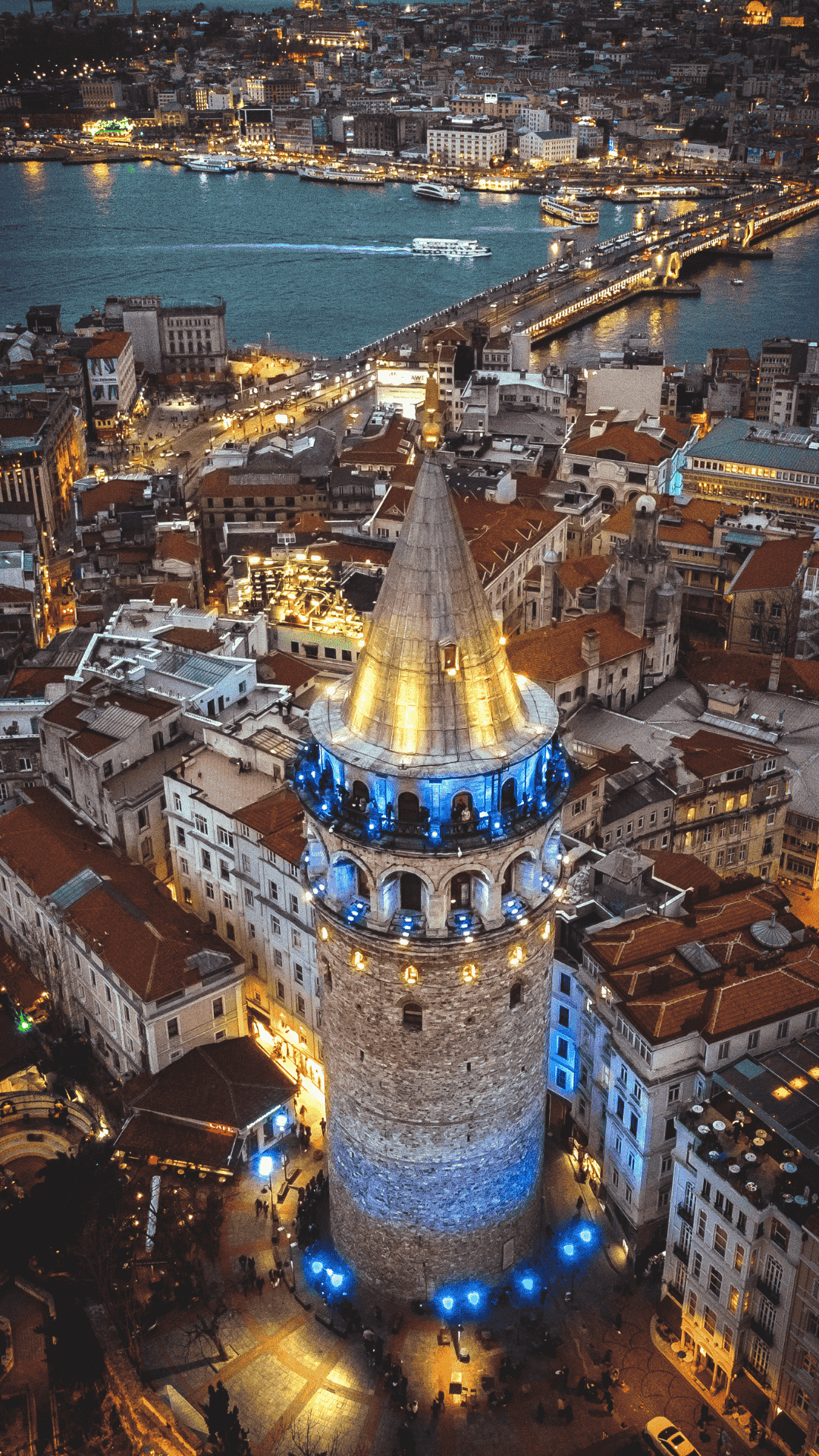
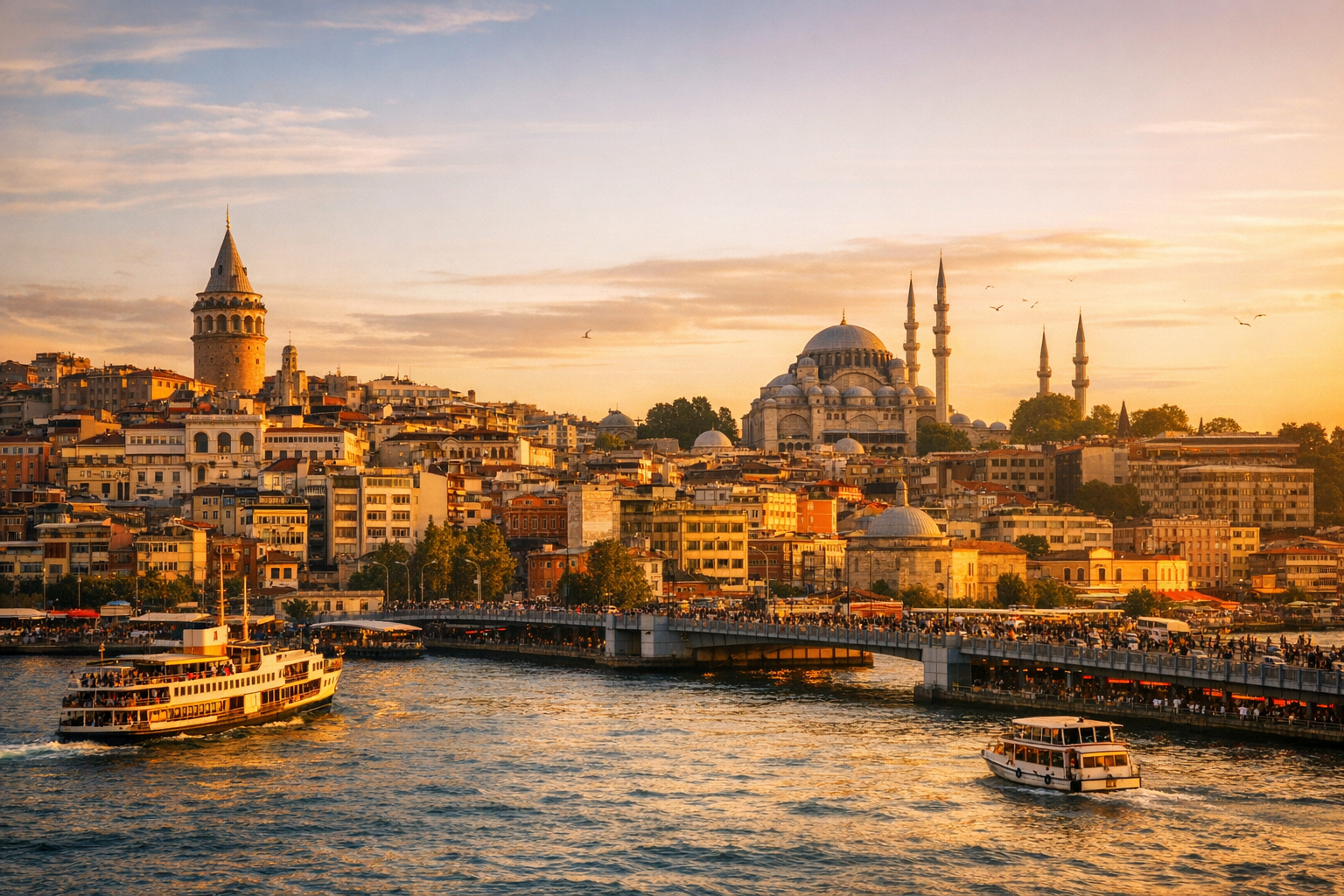
Ramadan is one of the most atmospheric times to be in Istanbul. The city slows down in some ways, comes alive in others, and reveals a rhythm many travelers never see at any other time of year. Mosques glow after sunset, public squares fill with families waiting for iftar, bakeries sell warm rounds of Ramadan pide, and the city feels more communal, more reflective, and more alive after dark.
If you are planning a trip to Istanbul during Ramadan, the most important thing to know is this: visiting at this time is not difficult, but it does feel different. Restaurant hours may shift, alcohol can be less visible in some areas, daytime energy varies by neighborhood, and evenings become the emotional center of the day. Istanbul remains fully visitable during Ramadan, major attractions stay open, transport runs as normal, and non-Muslim travelers are welcome throughout the city. What changes is the social texture of the day.
This guide is designed to help you make smart choices: where to stay, what to eat, how to time your sightseeing, what to wear, what customs matter, and which parts of Ramadan in Istanbul feel genuinely meaningful for travelers. If we were planning this trip for a friend, this is the advice we would give them.
SEASONAL GUIDE Experience Ramadan in Istanbul Do the classics in the morning, leave sunset open, choose one thoughtful iftar, and stay out later than you normally would.Ramadan in Istanbul at a Glance
| Question | Short Answer | ||
|---|---|---|---|
| Is Istanbul open during Ramadan? | Yes. Attractions, transport, shops, and hotels generally operate as usual, though some businesses adjust their hours. | ||
| Is it a good time to visit? | Yes, especially if you want a more local, cultural, and evening-focused experience. | ||
| Can tourists eat and drink during the day? | Yes. Many restaurants, cafés, hotels, and tourist areas continue serving during daylight hours. | ||
| What changes most? | The city becomes quieter in the late afternoon and much livelier after sunset, especially around historic squares and mosques. | ||
| Should you dress differently? | Modest clothing is appreciated, especially near mosques and in more conservative neighborhoods. | ||
| Best Ramadan experience for first-timers? | Be in Sultanahmet, Eminönü, Üsküdar, or Eyüp around iftar and stay out into the evening. | ||
| Best seasonal food to try? | Ramazan pidesi, güllaç, dates, lentil soup, Ottoman-style iftar menus, and post-iftar tea with dessert. | ||
| Biggest mistake? | Planning your main dinner at iftar time without a reservation in popular areas. |
Is Ramadan a Good Time to Visit Istanbul?
- Culture-first travelers. Travelers interested in local culture and living traditions, not just landmarks, gain the most from this season.
- Evening energy lovers. Visitors who enjoy evening energy and slower, more atmospheric city experiences will find the month rewarding.
- Photographers. Mosque lighting, sunset scenes, and street life after dark make Ramadan a strong season for photography.
- Food-focused travelers. Seasonal dishes and iftar culture make this one of the best times of year to understand Istanbul through food.
- Repeat visitors. Those who want to see Istanbul in a different mood get a rhythm many travelers never see at any other time.
- The trade-off. You gain atmosphere, seasonal food, and a more meaningful view of the city's social life. In exchange, you plan meals a little more carefully, reserve popular dinners, and accept that some neighborhoods are quieter during fasting hours. For most city travelers, that is a very favorable trade.
Suggested Ramadan Itineraries in Istanbul
If you only have two or three days in Istanbul and want maximum sightseeing efficiency, Ramadan is still manageable. Just front-load major sightseeing in the morning and early afternoon, then shape your evenings around iftar and post-iftar walks. A good first step is reviewing the city's main historic route in our things to do in Istanbul guide and adapting the timing around Ramadan.
Best Areas to Experience Ramadan in Istanbul
Sultanahmet
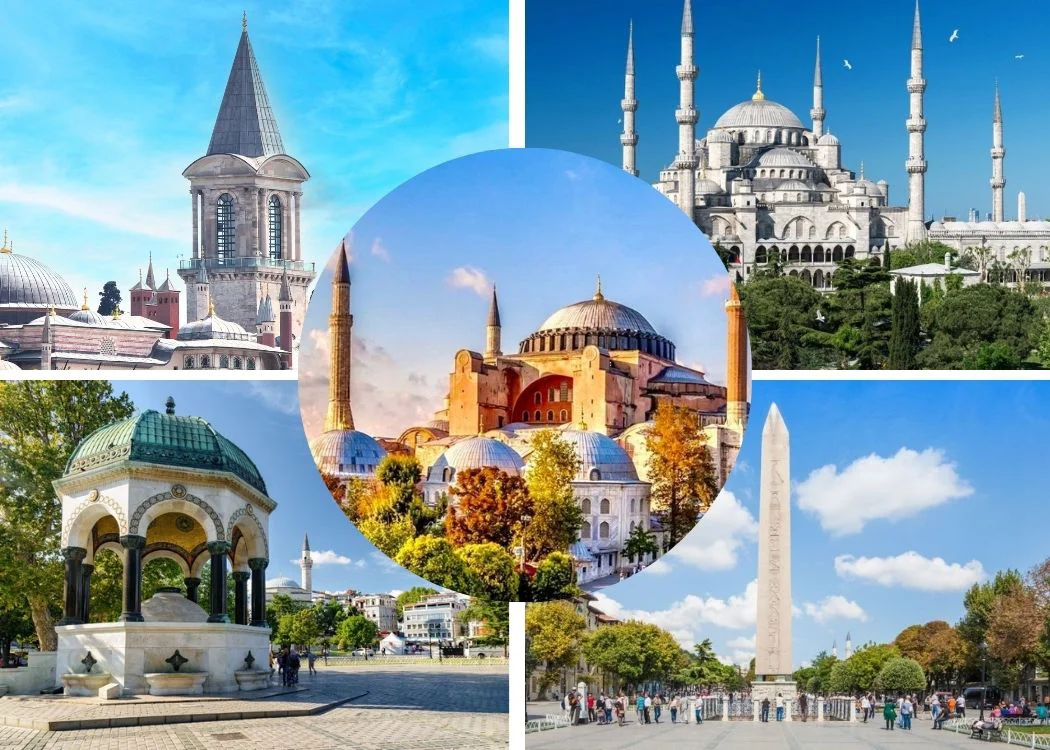
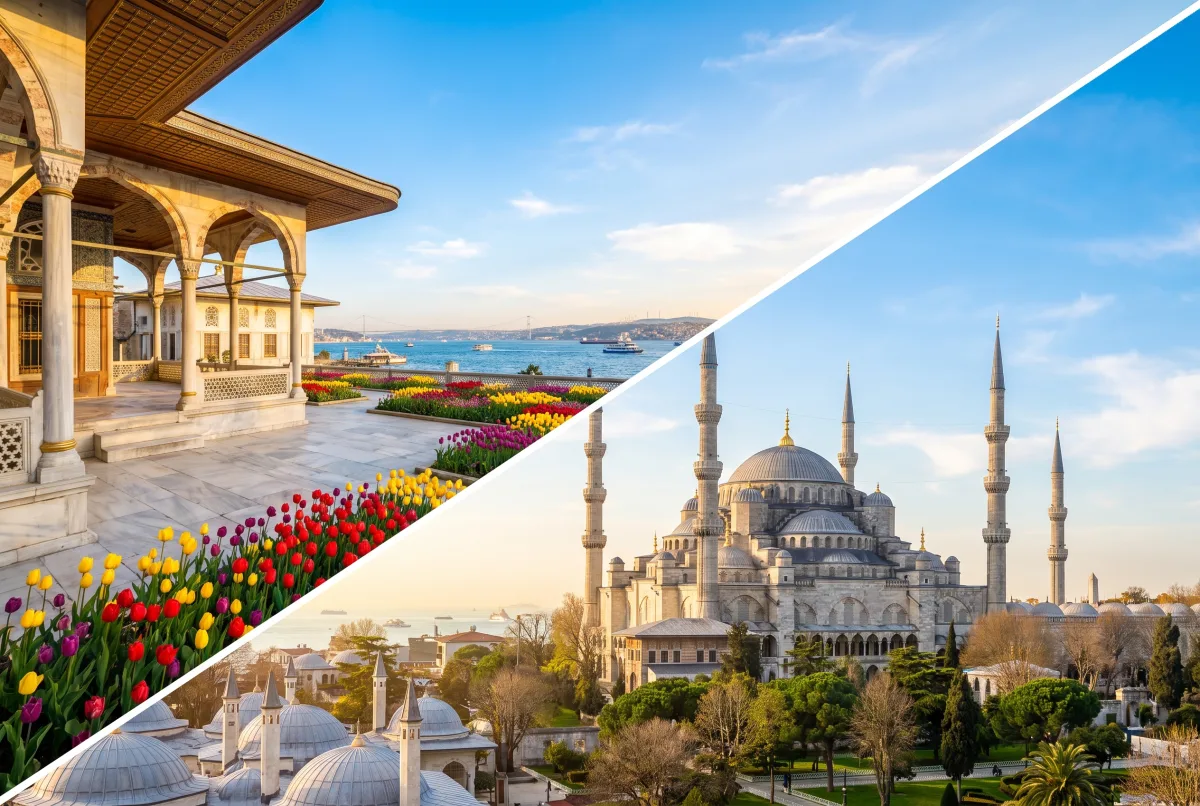
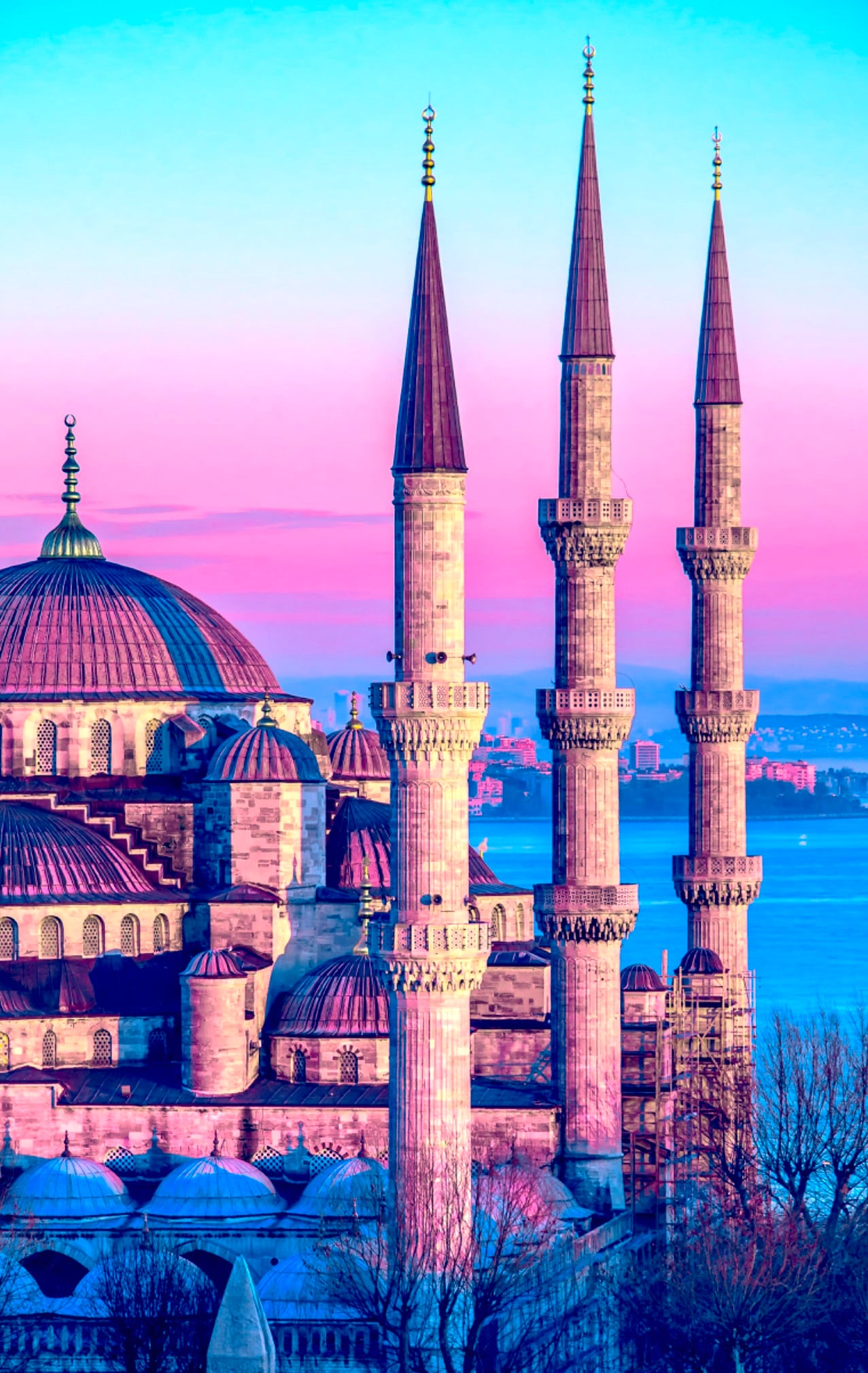
The easiest and most visually striking place to start. The Blue Mosque, Hagia Sophia, and the open spaces around them take on a special atmosphere at sunset and after dark, with families gathering in the squares and mosque silhouettes defining the skyline. Close to major attractions, tram connections, and a wide range of restaurants.
Best for First-time visitors
Eminönü
More kinetic: ferry movement, the spice market area, waterfront views, and dense local foot traffic. Around iftar the neighborhood builds energy quickly, and after dark it remains one of the most interesting places to simply walk and observe.
Best for Street energy and food atmosphere
Eyüp
Around Eyüp Sultan Mosque you find one of the most meaningful Ramadan atmospheres in the city — a pilgrimage dimension, a family dimension, and a more devotional public mood. Pair it with the Pierre Loti hill area for views.
Best for A more spiritual, local Ramadan mood
Üsküdar
On the Asian side, one of the best choices for Ramadan evenings: waterfront setting, mosques, the flow of local families, and the Bosphorus backdrop. Particularly strong if you want to combine ferry travel with Ramadan atmosphere.
Best for Mosque views and local evening life
Kadıköy
Less traditionally "Ramadan postcard" than Sultanahmet or Eyüp, but extremely useful for travelers who want a balance of local life, dining choices, and a more mixed social atmosphere — a strong base for younger or repeat visitors.
Best for Flexibility
Beyoğlu and Karaköy
If your trip includes stylish hotels, rooftop dinners, galleries, and walkable urban energy, these remain excellent. You may move from a design-forward café to a sunset mosque view to a traditional dessert stop in the same evening.
Best for Atmosphere plus modern dining
Ramadan in Istanbul: The Full Guide
 The season
 What Ramadan in Istanbul Actually Feels Like
Many travelers arrive expecting a city that is quieter, stricter, or less accessible. In reality, Ramadan in Istanbul often feels warmer and more social than people imagine.
A city experienced through timing
The spiritual side is real and visible, but so is the everyday human side: families carrying picnic bags to the park before sunset, friends lingering over tea late into the night, bakery lines forming for fresh pide, and children running through squares lit with festive decorations.
During much of the year, travelers experience the city through monuments, ferry rides, markets, and neighborhoods. During Ramadan, you also feel the city through timing. The hours before sunset matter. The moment the call to prayer marks iftar matters. The streets after evening prayer matter. That rhythm changes by district: tourist-heavy areas like Sultanahmet keep familiar travel patterns, while neighborhoods with stronger local residential life feel deeper and more communal.
Insider Tip: if you only experience Istanbul during the day, you will miss the best part of Ramadan. Leave at least a few evenings open for wandering rather than scheduled too tightly.
What stays the same, and what shifts
What usually stays the same: major tourist attractions remain open, public transportation runs normally, hotels function as usual, tour boats, ferries, museums, and airport transfers continue operating, and most tourist restaurants and cafés still serve visitors during the day.
What often changes: some local eateries open later or focus heavily on iftar service, late afternoon can feel quieter in residential districts, popular restaurants become crowded right before sunset, alcohol may be less prominently served or advertised in some areas, and evenings become more active than usual, especially around mosques and parks.
Tourist-centered neighborhoods such as Beyoğlu, Karaköy, Sultanahmet, Nişantaşı, and parts of Kadıköy remain very easy to navigate — your experience simply becomes more neighborhood-dependent.
Can tourists eat, drink, and sightsee normally?
Yes. Non-fasting travelers can eat and drink during the day in Istanbul. Hotels serve breakfast, many restaurants stay open, cafés in tourist areas continue business, and sightseeing proceeds normally.
What is respectful: you do not need to pretend you are fasting, but a little social awareness goes a long way. In highly conservative or very local settings, it is considerate not to eat or drink conspicuously directly in front of fasting crowds if easy alternatives exist.
Alcohol: still available in many parts of Istanbul, especially in neighborhoods with established dining and nightlife scenes such as Beyoğlu, Karaköy, Galata, Nişantaşı, and Kadıköy. A rooftop dinner with wine is still possible, yet the city's emotional center this month is elsewhere: around iftar, sweets, tea, prayer, and public gathering spaces.
Avoid this mistake: do not assume every restaurant that is usually open all day will keep identical hours during Ramadan. Always check on the same day, especially outside the main tourist core.
 Timing
 When Ramadan Happens and Why Dates Change Every Year
Ramadan follows the Islamic lunar calendar, so its dates shift earlier each year on the Gregorian calendar.
Sunset becomes the city's planning anchor
Ramadan in Istanbul can fall in cool spring weather one year and much warmer conditions in later years. Fasting takes place from dawn to sunset, and day length affects the fasting experience for locals and the timing of the city's evening energy. For travelers, the practical point is where your trip overlaps with the daily schedule: sunset defines iftar, the meal that breaks the fast, and this becomes a planning anchor for the entire city.
Most tourists miss this: the most important planning variable is not the month itself but the sunset hour on your travel dates. That affects restaurant reservations, transport crowding near iftar, and the best time to be in mosque squares or waterfront parks.
Timing terms travelers should know
- Sahur: the pre-dawn meal before the fast begins
- Iftar: the meal at sunset that breaks the fast
- Teravih: evening prayers held during Ramadan, usually after the night prayer
- Eid al-Fitr / Ramazan Bayramı: the holiday marking the end of Ramadan
 Accommodation
 Where to Stay in Istanbul During Ramadan
Your hotel location shapes your Ramadan experience more than usual, because evenings matter so much.
Easy access to Ramadan atmosphere
The easiest option for first-time visitors who want to step outside and feel the season immediately. You are close to major mosques, public squares, tram lines, and many dining choices. The downside is that it can feel more tourist-centered overall, and some travelers prefer a little more urban variety after dark.
The balanced choice
Often the smartest choice for travelers who want stylish accommodation, easy ferry and tram access, good food, and flexibility between traditional and modern Istanbul. You can easily reach Ramadan hotspots while still having plenty of dining options during the day.
Local life over postcard views
Works well if you have been to Istanbul before or if your priority is neighborhood living, food culture, and independent exploration. Less convenient for nonstop monument-focused sightseeing, but stronger for travelers who prefer city life over historic-core immersion.
Pick a side, don't split the difference
Choose the side of the city that matches your core priorities. If your trip is landmark-heavy, stay on the European side. If it is more food-and-neighborhood driven, Asian-side stays can work beautifully. For most first-time visitors during Ramadan, we would still lean toward the Old City, Karaköy, or Galata. For broader planning, see our where to stay in Istanbul guide.
 Daily rhythm
 How to Plan a Typical Ramadan Day
Front-load your sightseeing, slow down before sunset, and treat the evening as the destination.
Best time for major sightseeing
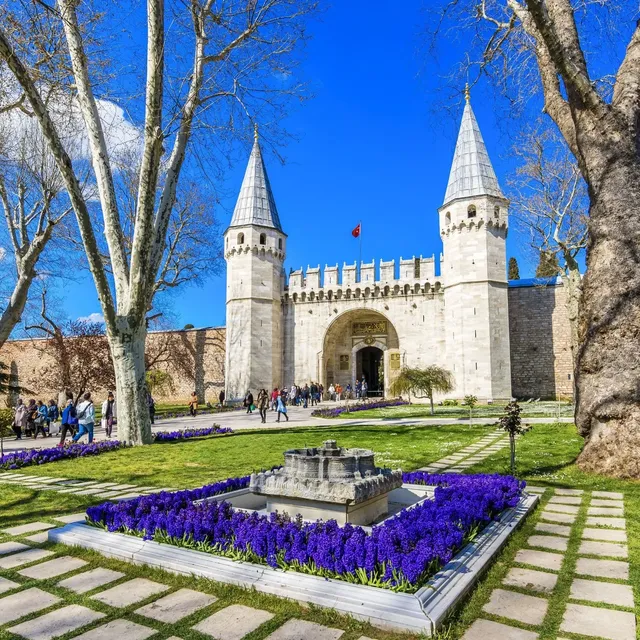
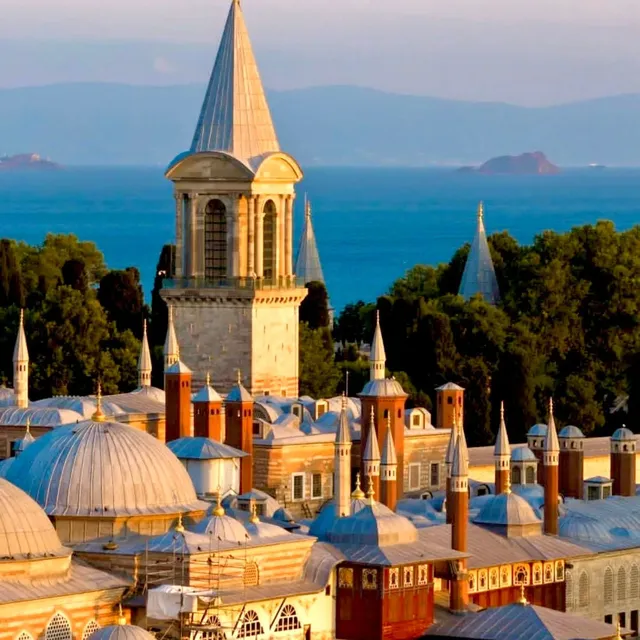
Mornings are ideal for big-ticket attractions. Energy is steady, crowds are usually more manageable, and you can comfortably visit landmarks such as Hagia Sophia, Topkapi Palace, Basilica Cistern, and the Blue Mosque before the evening rhythm takes over. If these are high on your list, use our Istanbul tourist pass overview to decide whether bundled entry helps your schedule. In Sultanahmet, most major sites are within 5 to 15 minutes of one another on foot.
Slow down and avoid over-scheduling
Late afternoon is where many travelers misjudge the pace of the city during Ramadan. This is a good time for a Bosphorus cruise, a ferry ride, a tea break, a museum, or a neighborhood walk rather than a tightly timed meal plan. Restaurants begin preparing for iftar, locals start moving with purpose, and some areas feel paused before sunset. This is the hour to preserve your energy rather than fill every minute.
Be intentional
At iftar, the city briefly converges around a shared moment. If you want to participate, make a plan: a proper restaurant reservation, a simple local meal, or a public-space atmosphere where you watch the city break the fast around you. If you have limited time, prioritize one memorable iftar evening rather than trying to make every dinner into a "special Ramadan event." One well-chosen evening in Sultanahmet, Üsküdar, or Eyüp is often more meaningful than several rushed attempts.
This is the heart of the experience
After dinner, stay outside. Walk. Have tea. Try dessert. Visit a square near a major mosque. Watch the city settle into its night rhythm. Many travelers make the mistake of eating and going straight back to their hotel. During Ramadan, that is often when the city becomes most interesting.
 Food
Food What to Eat During Ramadan in Istanbul
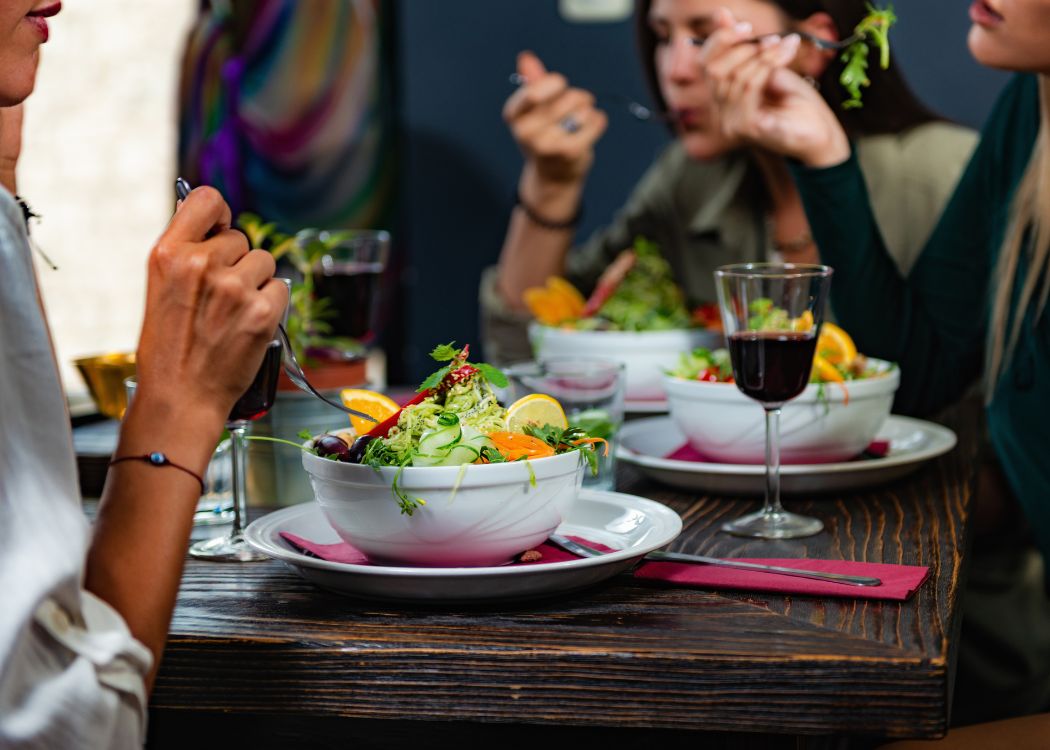
Ramadan is one of the best times in the year to understand Istanbul through food: the city's culinary culture becomes more seasonal and more ritualized.
The most iconic seasonal food
This soft, round Ramadan bread appears in bakery windows and in the hands of people hurrying home before sunset. Fresh from the bakery, it is one of the simplest and best things to eat in the city during this month. Most tourists miss this: buy it warm, close to iftar time, and eat it the same evening. It is not really a souvenir food; it is a timing food.
Dates, soup, and a gentle dessert
Many iftar meals begin with dates and soup, often lentil soup. Even at restaurants with expansive menus, the opening of the meal can be quite simple — that simplicity is part of the experience. Güllaç, a light dessert made with thin starch wafers, milk, and often pomegranate or nuts, is strongly associated with Ramadan. Travelers expecting heavy syrup desserts are often pleasantly surprised by how gentle and refreshing it can be after a large meal.
Fixed menus, variable quality
Many restaurants offer fixed iftar menus during Ramadan. These can be a good value and an easy way to experience a traditional sequence of dishes, but quality varies. The best versions feel generous without being wasteful or overly performative. If you see an iftar menu in a highly touristy setting, check whether the restaurant is genuinely respected or simply capitalizing on the season.
Where food matters most by neighborhood
- Sultanahmet: convenient iftar settings and historic atmosphere, but quality varies widely
- Eminönü: strong street energy and easy access to traditional flavors
- Karaköy: better for curated dining and stylish settings
- Kadıköy: strongest for broader local food exploration before or after iftar
- Üsküdar: rewarding for a more local Ramadan evening experience
Avoid this mistake: do not judge Istanbul's Ramadan food culture only by one large hotel buffet. Those can be comfortable and useful, but they are not the whole story.
 Iftar
Iftar Best Places for Iftar for Travelers
Choosing where to break your evening meal depends on what kind of experience you want.
Mosque-adjacent historic areas
For first-time visitors, areas around Sultanahmet and Eminönü are the easiest places to combine visual impact, walkability, and a strong Ramadan feeling. You are there as the city transitions into evening, and that transition is what many people remember most.
Hotel restaurants and established dining rooms
If your schedule is tight, if you are traveling with family, or if you simply want a smoother experience, booking an iftar at a reliable hotel or known restaurant can be the best move — especially if sunset falls right after a busy sightseeing day and you do not want to search for options while the city is filling up.
Local neighborhood restaurants, without over-romanticizing
Neighborhood restaurants can be wonderful during Ramadan, but the key is realism. "Authentic" does not always mean magical, scenic, or traveler-friendly. Sometimes it means fluorescent lighting, fast service, and a room full of local families. That can be very rewarding if that is what you are hoping for — less ideal if you expect a curated postcard moment.
Soft planning advice
If a restaurant is central to your evening, reserve ahead. If the experience matters less than the atmosphere, keep your meal simple and put more weight on where you walk before and after dinner. In many cases, a practical airport transfer, a well-located hotel, or a thoughtfully timed Bosphorus cruise improves a Ramadan itinerary more than over-optimizing dinner itself.
 Evenings
 Ramadan Nights: What to Do After Sunset
This is the part of the trip we most encourage travelers to build around — Ramadan nights can be memorable even when the daytime sightseeing has been ordinary.
Walk around Sultanahmet Square
After iftar, the area around Hagia Sophia and the Blue Mosque becomes one of the city's great evening stages. This is less about checking sights off a list and more about absorbing the scene. The walking is easy, the lighting is beautiful, and the mood is festive without feeling artificial.
Take a ferry at night
One of the easiest ways to improve a Ramadan evening is to add a ferry ride. Even a short crossing can reset your sense of the city and give you skyline views that feel especially dramatic after dark. For route ideas, our Istanbul ferries guide is helpful.
Skip the big night out
Ramadan is often better suited to tea houses, dessert stops, and neighborhood wandering than to a "big night out." Nightlife does not disappear entirely, but if your goal is to experience the season itself, tea after dinner will usually feel more connected to the city than chasing bars. You can also respectfully observe the movement and atmosphere around major mosques after teravih prayers — keep a considerate distance, avoid blocking entrances, and remember this is part of the living religious life of the city, not a performance for visitors.
Visiting mosques during Ramadan
Dress modestly: women should carry a scarf for mosque visits, and all visitors should avoid revealing clothing — covered shoulders and knees are a good baseline. Timing matters: avoid entering right around prayer times if you are visiting as a tourist; outside prayer windows, the experience is calmer and more respectful. Do not treat worshippers as photo subjects: wide architectural shots are one thing; close or intrusive photos of people praying are another — when in doubt, skip the shot.
Best approach: visit the major mosques during quieter hours for architecture and context, then return to the surrounding squares in the evening for atmosphere. This gives you both the cultural and emotional sides of Ramadan without placing pressure on sacred interior spaces.
 Practicalities
 Attractions, Shopping, What to Wear, Families, and Budget
The city does not shut down — but a few practical adjustments make the month smoother.
Museums, bazaars, and guided tours
Most major attractions continue on normal or near-normal schedules, including the historic landmarks most travelers prioritize — still, confirm current hours, especially during the final days of Ramadan and the Bayram holiday period. The Grand Bazaar and Spice Bazaar remain very doable; mornings are still the best bet for easier browsing, and late afternoon can feel more transitional.
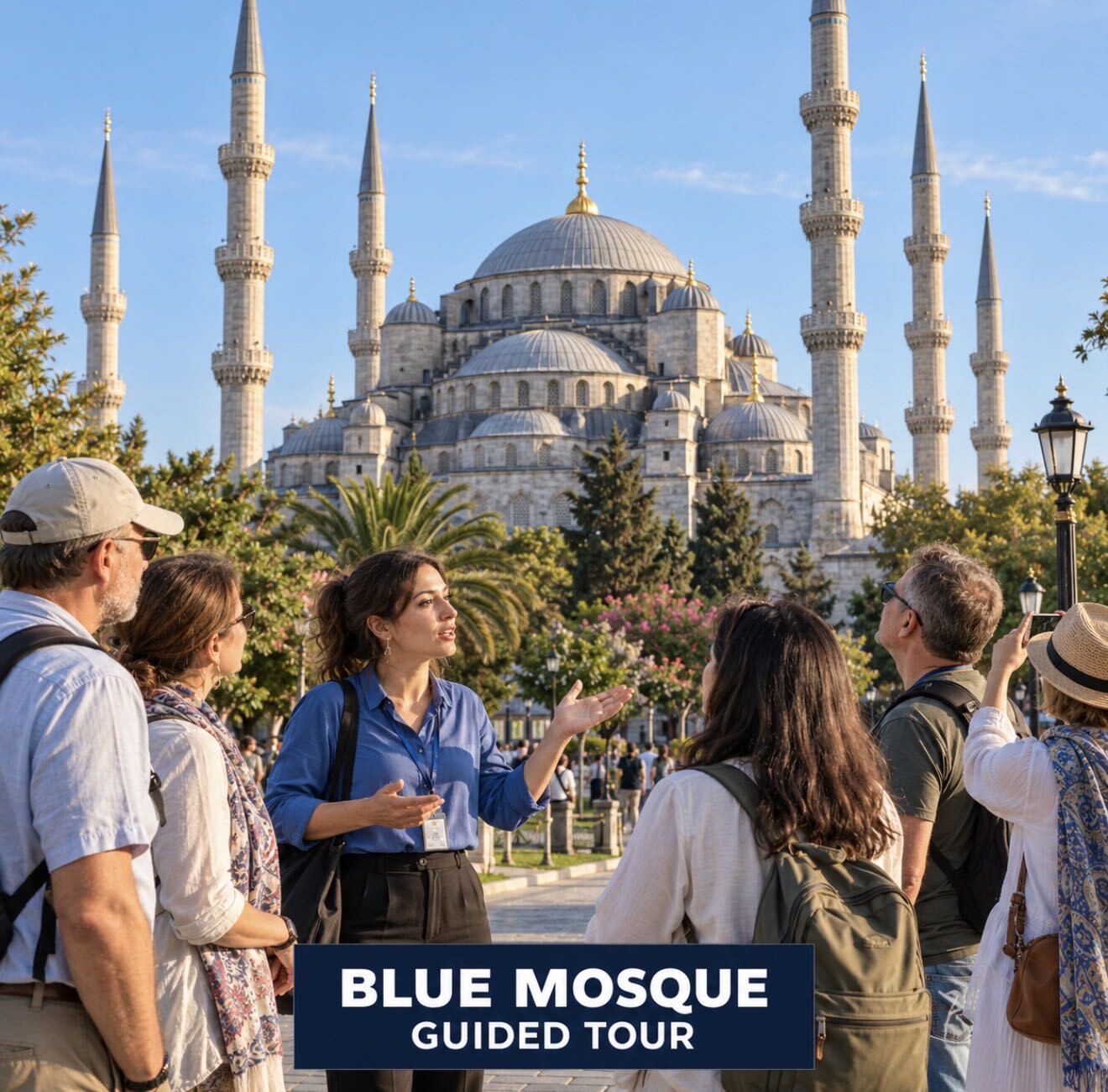
A guided tour can be especially valuable if you want context rather than just access: during Ramadan, a knowledgeable guide can help you understand customs, timing, and the city's changing atmosphere in ways you would likely miss on your own. If you are comfortable navigating independently, self-planning works well for most major sights.
No special clothes, but be intentional
A good traveler baseline: tops that cover shoulders; trousers, midi skirts, or dresses with comfortable coverage; layers for mosque visits; and walking shoes suited to cobblestones and hills. Near mosques, in more conservative neighborhoods, and during evening religious activity, modest clothing feels more appropriate. In modern districts dress is more mixed, but there is rarely a downside to leaning slightly more covered during Ramadan.
Practical note: Istanbul weather during Ramadan depends entirely on the year — check forecasts closely, because this month moves through the seasons over time. Spring evenings can still feel cool near the water.
Family travel during Ramadan
Ramadan can be a very good time for families, especially with children who enjoy evening public life, lights, sweets, and open squares. Parks and squares become lively after sunset, food is central to the experience, walking-based evenings adapt easily to family pace, and the atmosphere is often communal rather than rowdy.
Plan carefully: children used to early dinners may struggle if your whole evening depends on waiting for iftar. If that sounds likely, feed them earlier and treat iftar as the family's second, lighter meal or cultural outing rather than the only dinner plan.
Budget considerations
Ramadan does not automatically make Istanbul cheaper or more expensive, but spending patterns shift. You may spend more on: special iftar menus in premium restaurants or hotels, well-located accommodation in high-demand historic areas, and last-minute dinner plans around sunset. You may save on: simple bakery and street-food style meals outside peak iftar plans, ferry-based transportation rather than repeated taxis, and self-guided evening wandering instead of expensive entertainment.
Smarter trade-off: spend selectively on one special iftar or one premium evening experience, then keep the rest of your Ramadan nights simple. In Istanbul, atmosphere often comes free if you are standing in the right place at the right time.
 End of Ramadan
 Ramazan Bayramı and Direct Answers to Common Questions
The holiday at the end of Ramadan can affect travel plans more noticeably than the fasting month itself.
What happens at the end of Ramadan
Ramazan Bayramı is a festive period when families gather, some locals leave the city to visit relatives, and transportation patterns become busier around holiday movement. Expect some shops and neighborhood businesses to adjust hours, major tourist zones to remain generally active, intercity transport to get busy, and local family visits to become a bigger part of the social landscape.
Should you visit during Bayram? Yes, but double-check operating hours for anything important and book transport earlier if your trip overlaps with the holiday. If your focus is pure sightseeing efficiency, the days just before Bayram can sometimes be simpler than the holiday itself.
Direct answers to common traveler questions
Is Istanbul crowded during Ramadan? Yes and no. Major tourist areas remain busy, but the pattern changes: late afternoon can feel uneven, while the period around iftar and after dark can be especially lively in key districts.
Is everything closed? No — that is a common misconception. The more accurate expectation is "shifted rhythm," not "shutdown."
Is it worth it for non-Muslim travelers? Absolutely, if you are curious, respectful, and willing to adapt your timing. You do not need to share the faith to appreciate the city's atmosphere, hospitality, and seasonal food culture.
Is it harder for solo travelers? Not necessarily. In some ways it can be easier, because solo travelers can move with flexibility and choose atmosphere over fixed dining plans — just reserve ahead if you want a specific iftar restaurant.
Transportation During Ramadan in Istanbul
Public transport still works well — trams, metros, buses, and taxis continue operating, and for most travelers it remains the easiest way to move between major neighborhoods. If you are new to the system, start with our public transportation in Istanbul guide.
During Ramadan especially, ferries are not just transport — they are one of the most pleasant ways to move through the city without getting trapped in road traffic. Choose ferry links between Eminönü, Karaköy, Kadıköy, Beşiktaş, and Üsküdar whenever practical.
The period shortly before sunset can be unusually dynamic: people are trying to get home, reach family, or arrive at restaurants in time. In busy districts, roads and sidewalks can feel more pressured than at other hours.
When Booking Ahead Is Worth It
Book ahead
- Highly specific iftar plans at known restaurants
- Premium Bosphorus dinner cruises during peak dates
- Top hotels in well-located neighborhoods
- Airport transfers if you are arriving at a busy evening hour
- Intercity transport if your trip overlaps with the Bayram holiday
Keep flexible
- Keep your meal simple if atmosphere matters more than the restaurant — put weight on where you walk before and after dinner
- Self-guided evening wandering: in Istanbul, atmosphere often comes free if you are standing in the right place at the right time
- Self-planning works well for most major sights if you are comfortable navigating independently
- Leave at least a few evenings open for wandering rather than scheduled too tightly
A Typical Ramadan Day in Istanbul
Common Mistakes and Insider Tips
Avoid these mistakes
- Trying to eat exactly at iftar without a plan — if dining at sunset matters, reserve in advance or keep it very simple and flexible
- Ignoring the evening potential of the city and retreating to the hotel early
- Choosing the wrong neighborhood base, leaving you disconnected from the Ramadan atmosphere you came for
- Being too nervous about etiquette — respect matters, but fear is unnecessary; Istanbul is used to visitors
- Over-romanticizing "local" experiences — not every local iftar beats a well-run hotel terrace or central restaurant
- Assuming every restaurant keeps identical hours during Ramadan — always check on the same day
Insider tips
- The key planning variable is the sunset hour on your travel dates, not the month itself
- Buy Ramazan pidesi warm, close to iftar time, and eat it the same evening
- Arrive at mosque squares 45-60 minutes before sunset for the best golden hour to illuminated-mosque transition
- Prioritize one memorable iftar evening instead of making every dinner a "special Ramadan event"
- Use ferries whenever possible — dramatic skyline views and no road traffic
- Mornings are the best time for bazaar browsing and major attractions
Frequently Asked Questions
Is Ramadan a good time to visit Istanbul?
Can tourists eat during the day in Istanbul during Ramadan?
Are tourist attractions open during Ramadan?
What is the best place to experience iftar in Istanbul?
Should I book iftar dinner in advance?
Can I drink alcohol in Istanbul during Ramadan?
What should I wear in Istanbul during Ramadan?
Is Istanbul quieter during Ramadan?
What foods should I try in Istanbul during Ramadan?
Is it respectful to visit mosques during Ramadan?
Does public transportation change during Ramadan?
Is Ramadan better for first-time visitors or repeat visitors?
Should I stay in Sultanahmet during Ramadan?
What happens in Istanbul at the end of Ramadan?
Why Ramadan Can Be One of the Best Times to See Istanbul
During Ramadan, the city's historic monuments become part of a living rhythm rather than a sightseeing backdrop: food becomes seasonal in a more immediate way, evenings become more generous, and public space becomes more meaningful. If there is one mistake worth avoiding, it is treating Ramadan only as a complication to manage. Do the classics in the morning, leave sunset open, choose one thoughtful iftar, take at least one ferry after dark, and stay out later than you normally would — that is when Istanbul during Ramadan tends to stay with you.
Plan your Istanbul trip