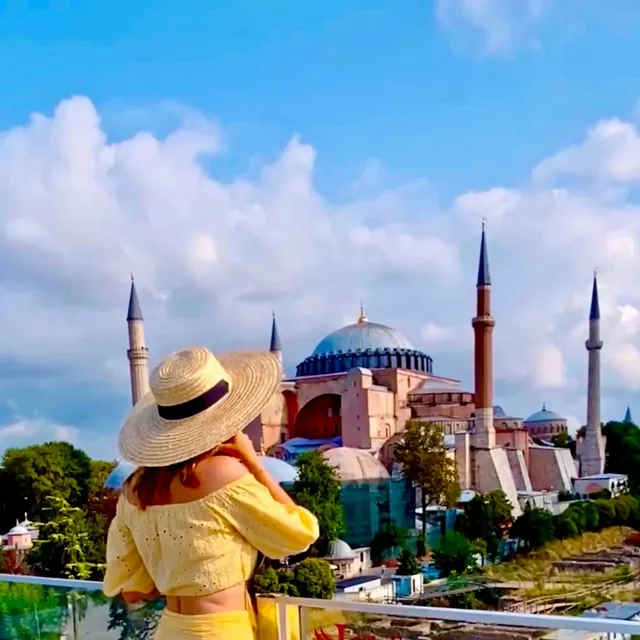
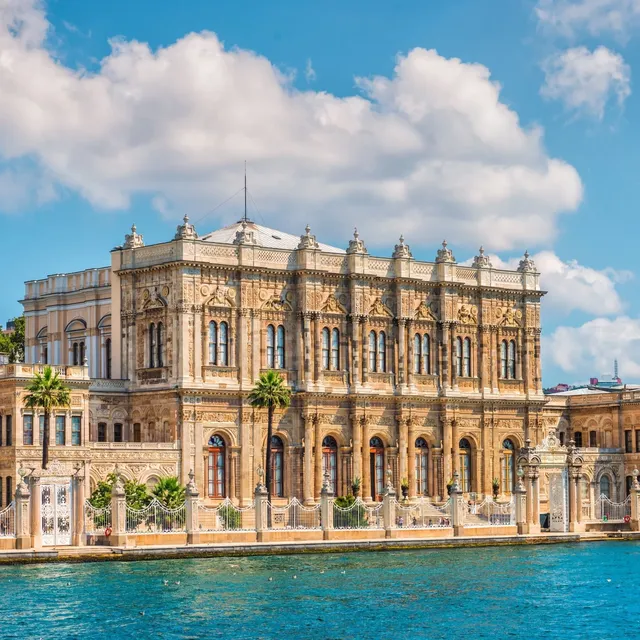
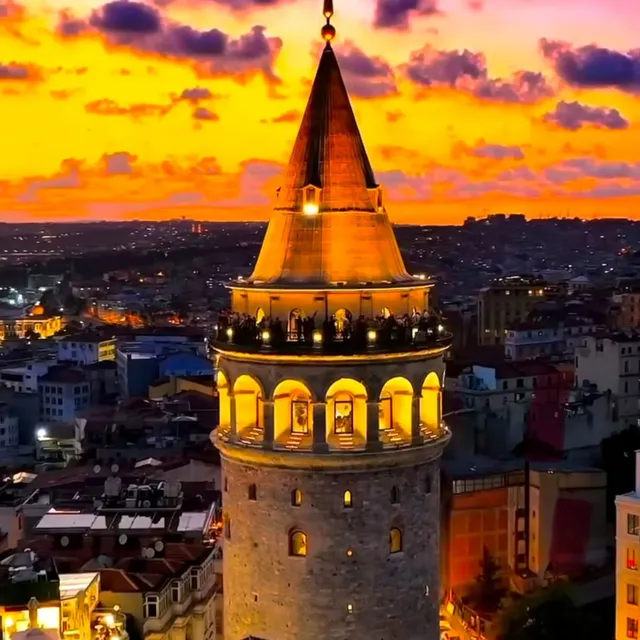
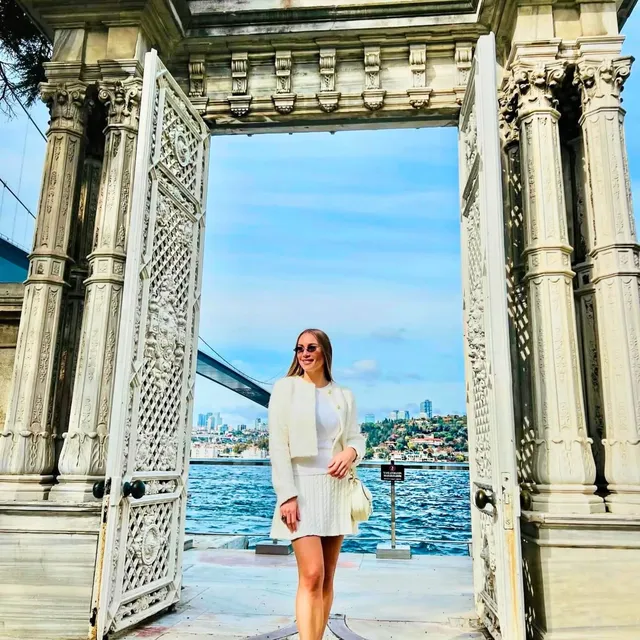
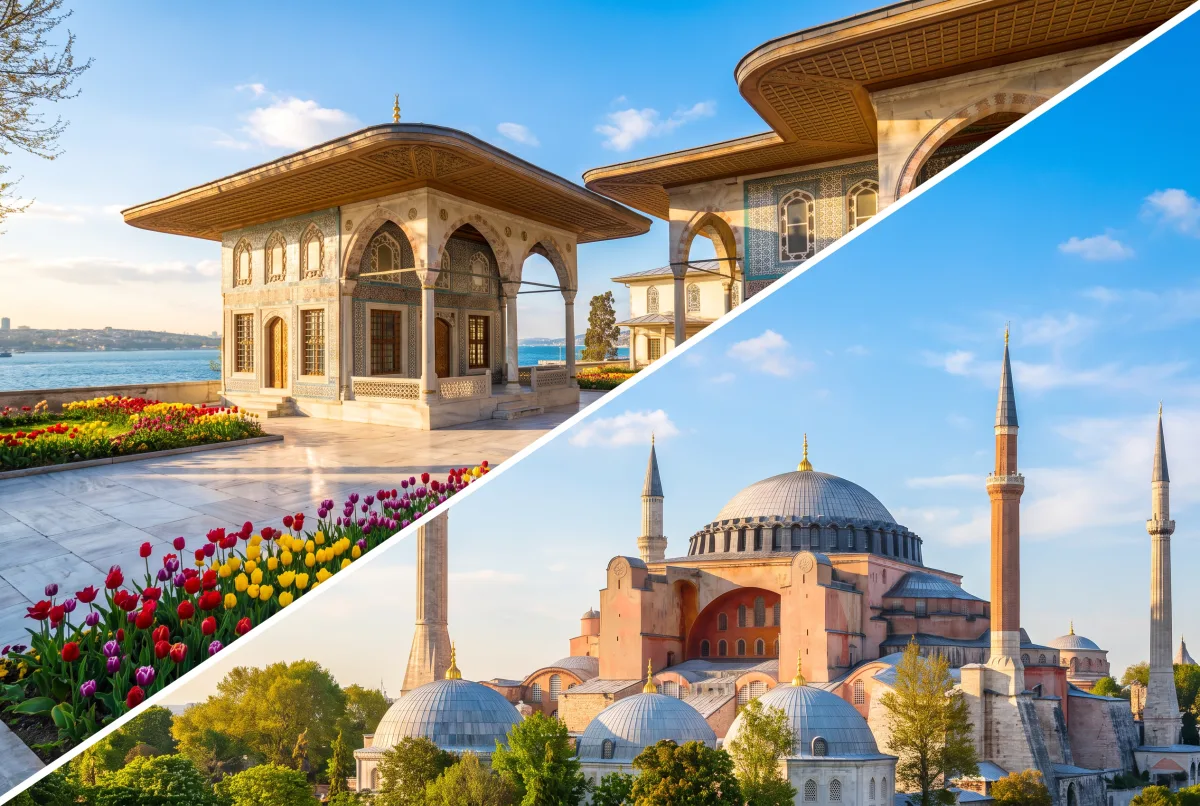
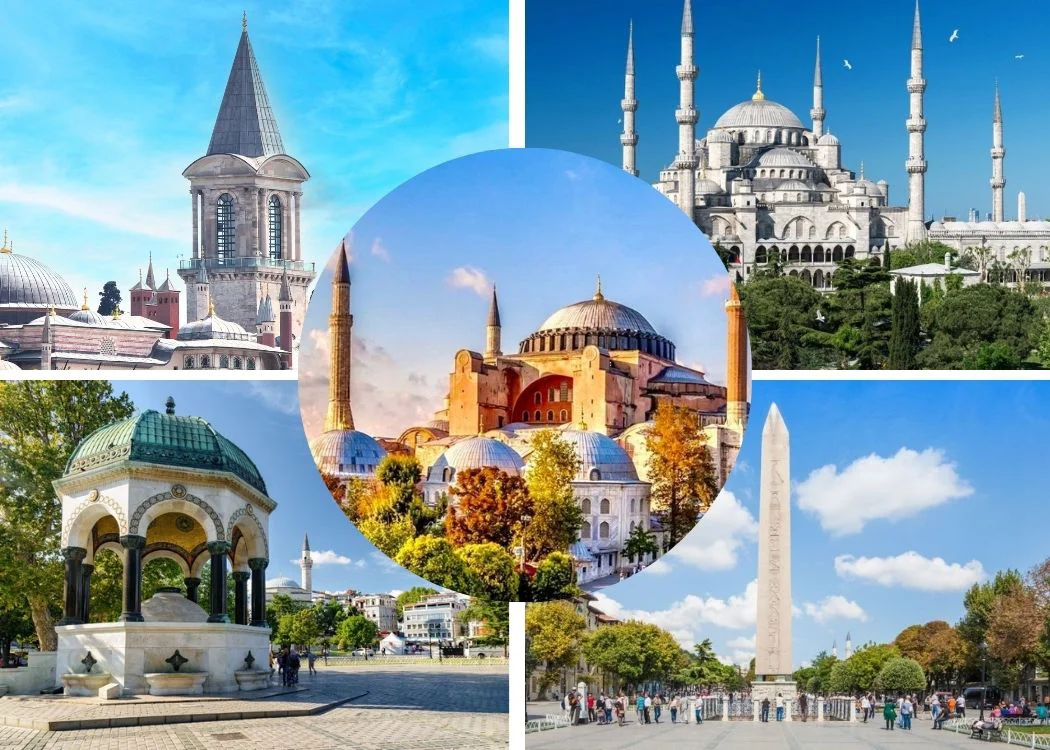
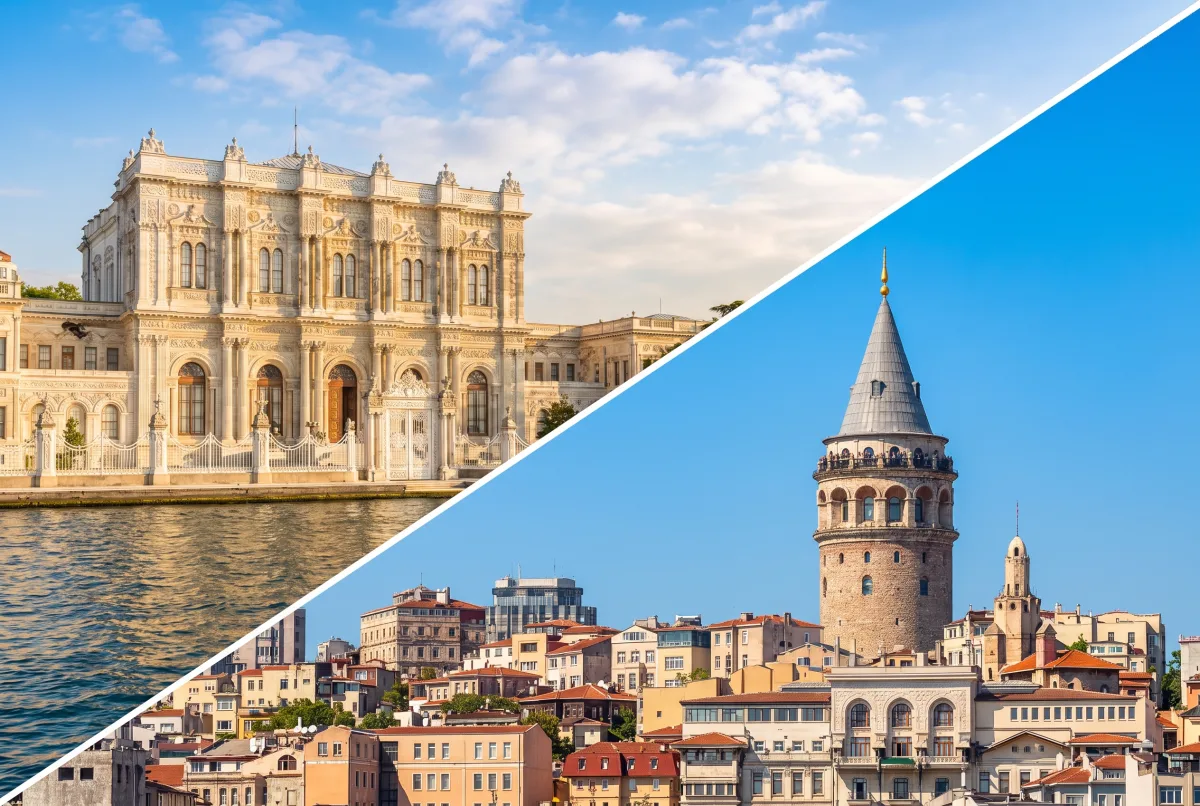
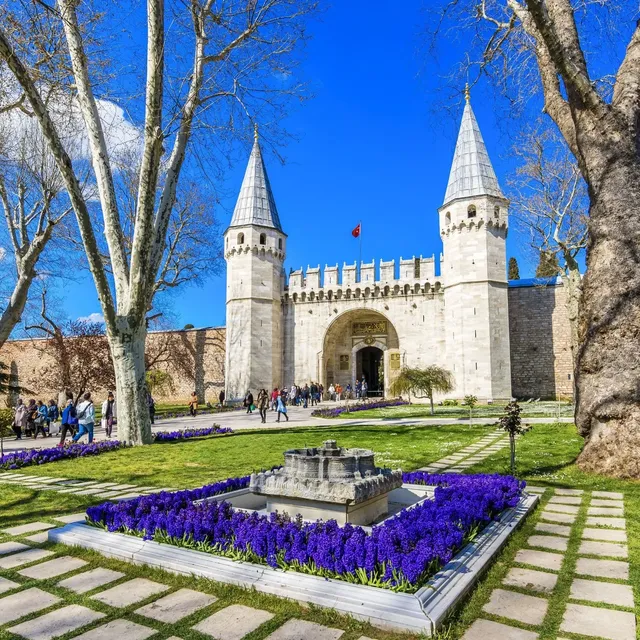
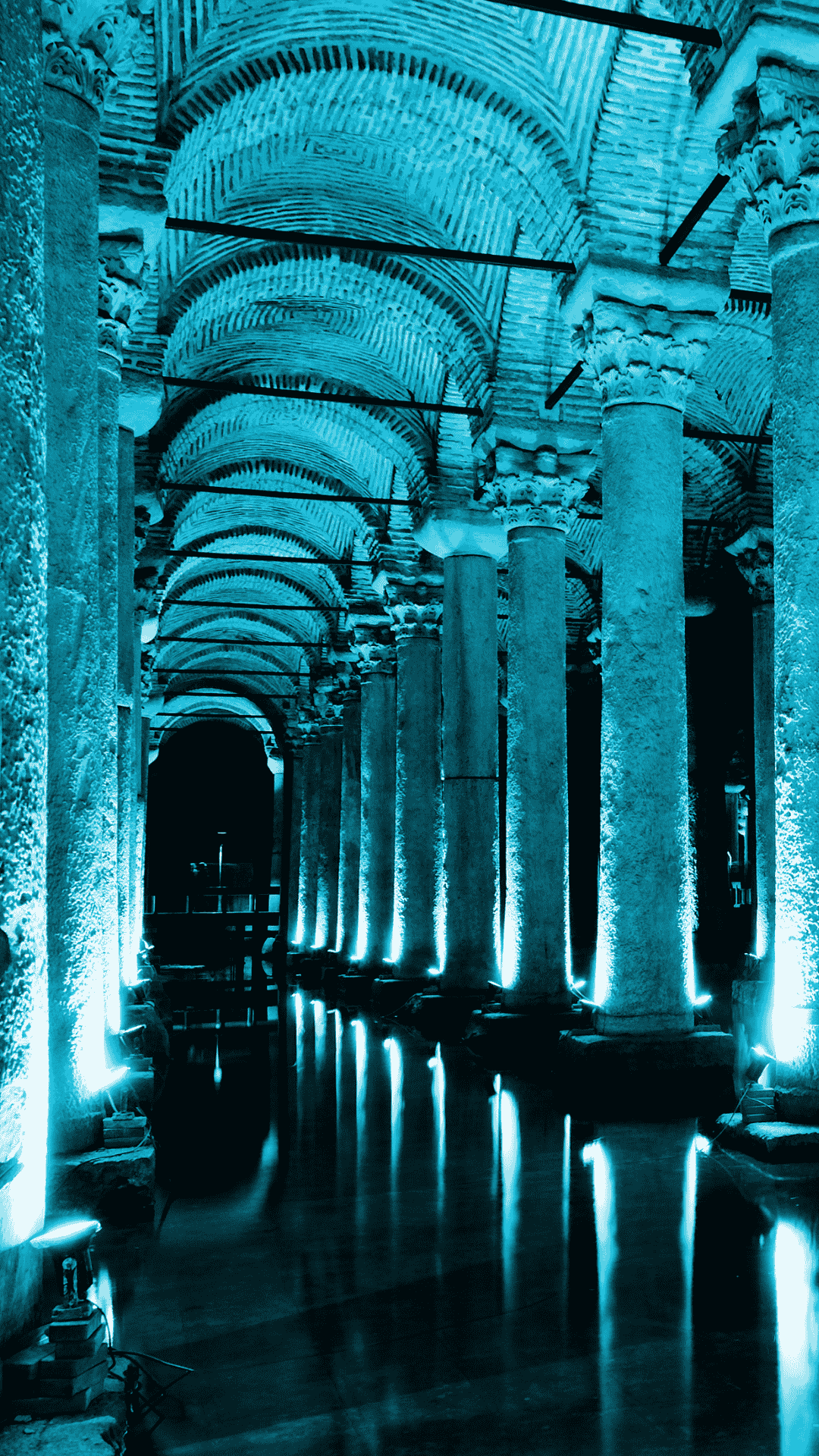
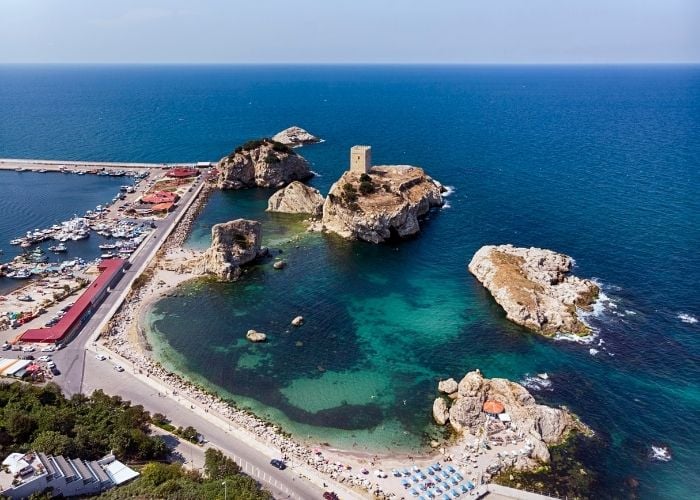
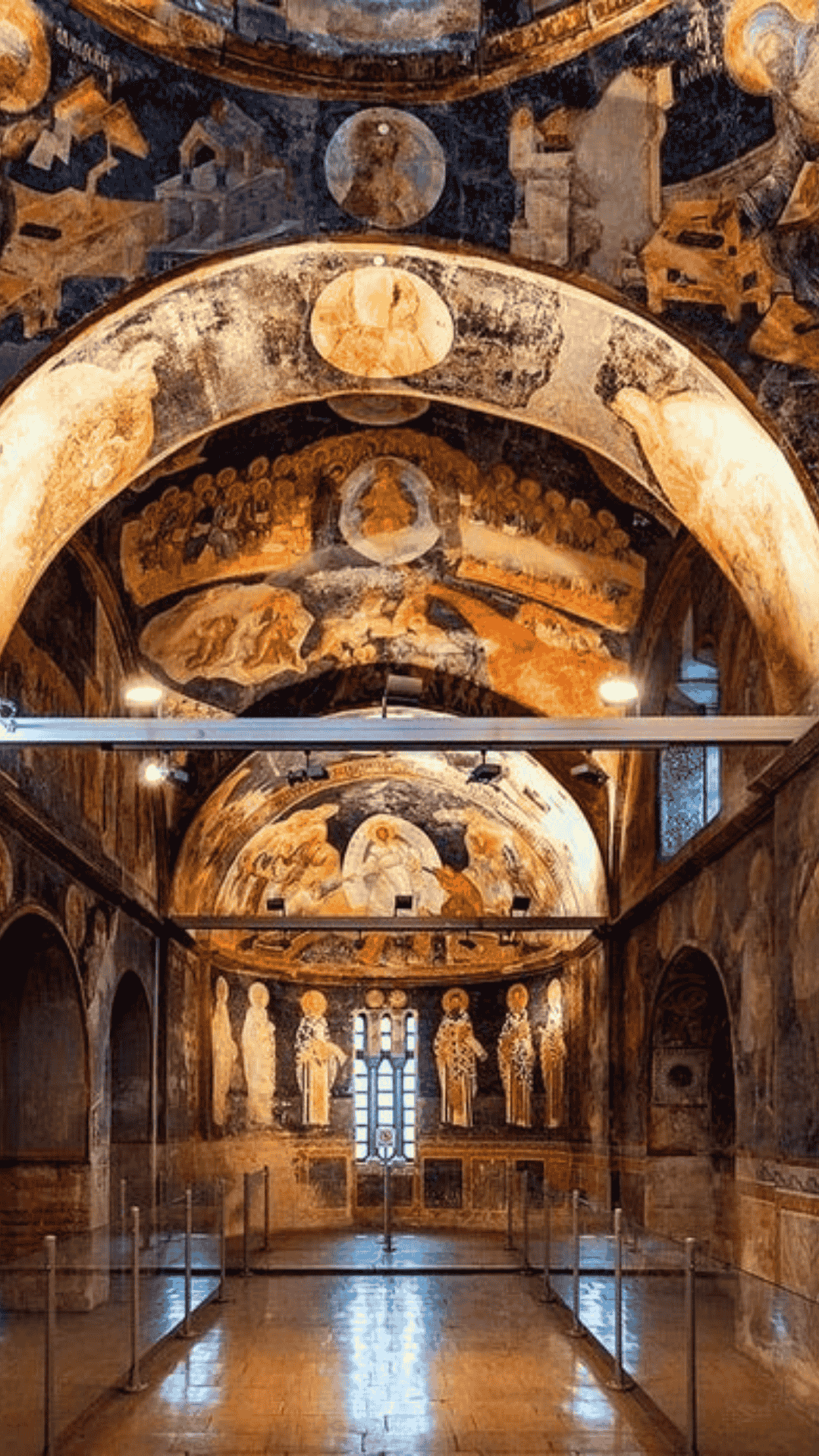
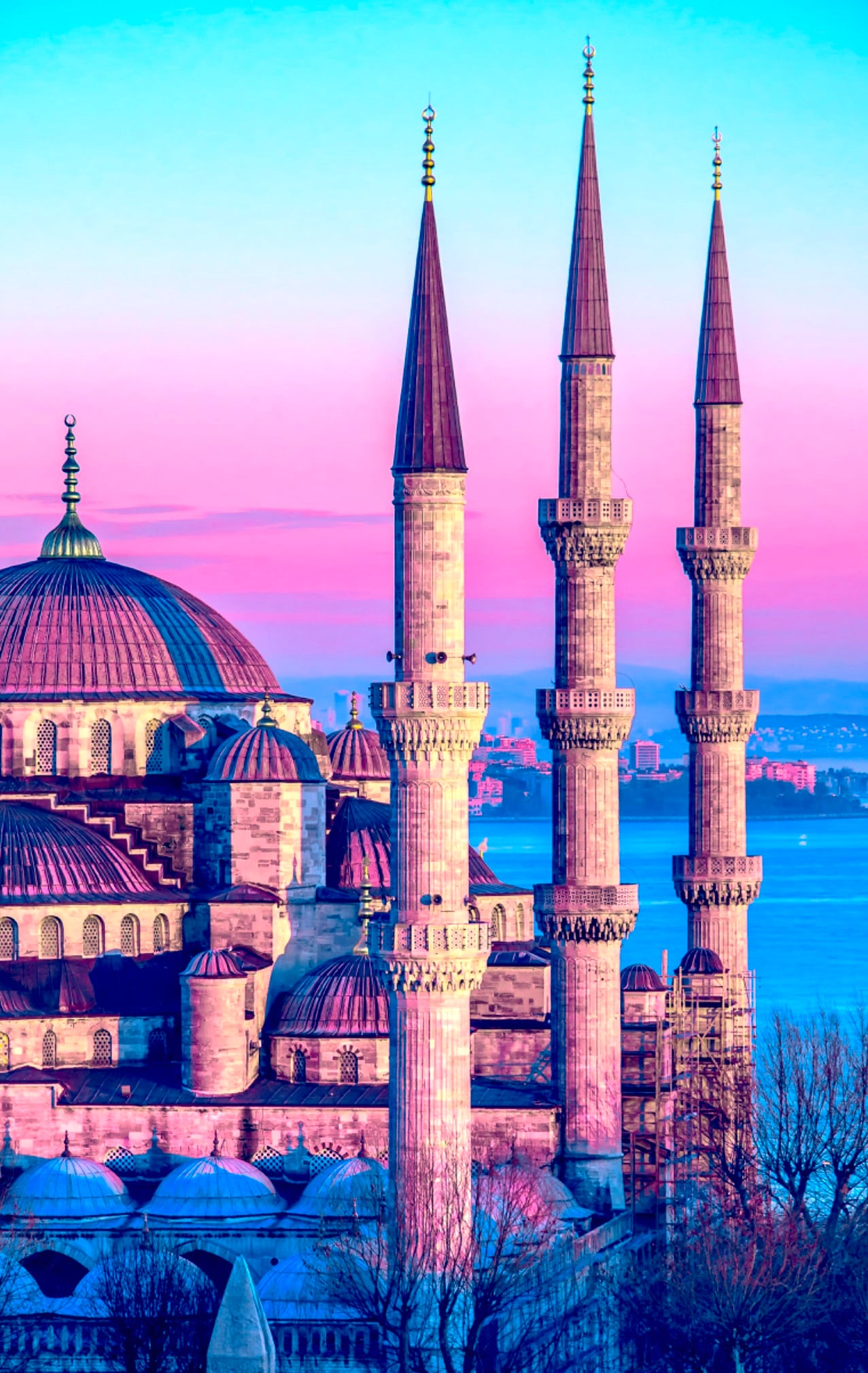
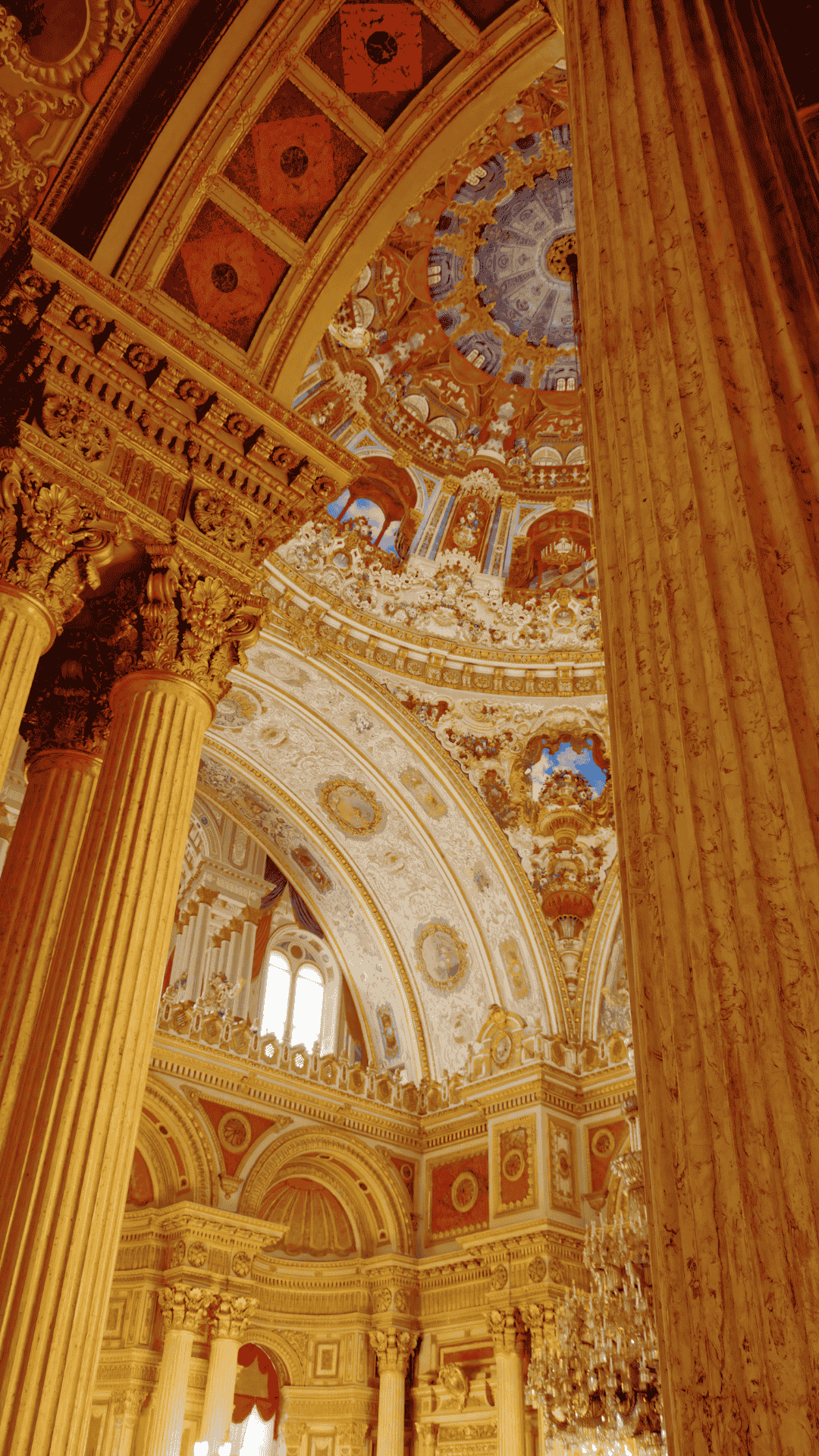
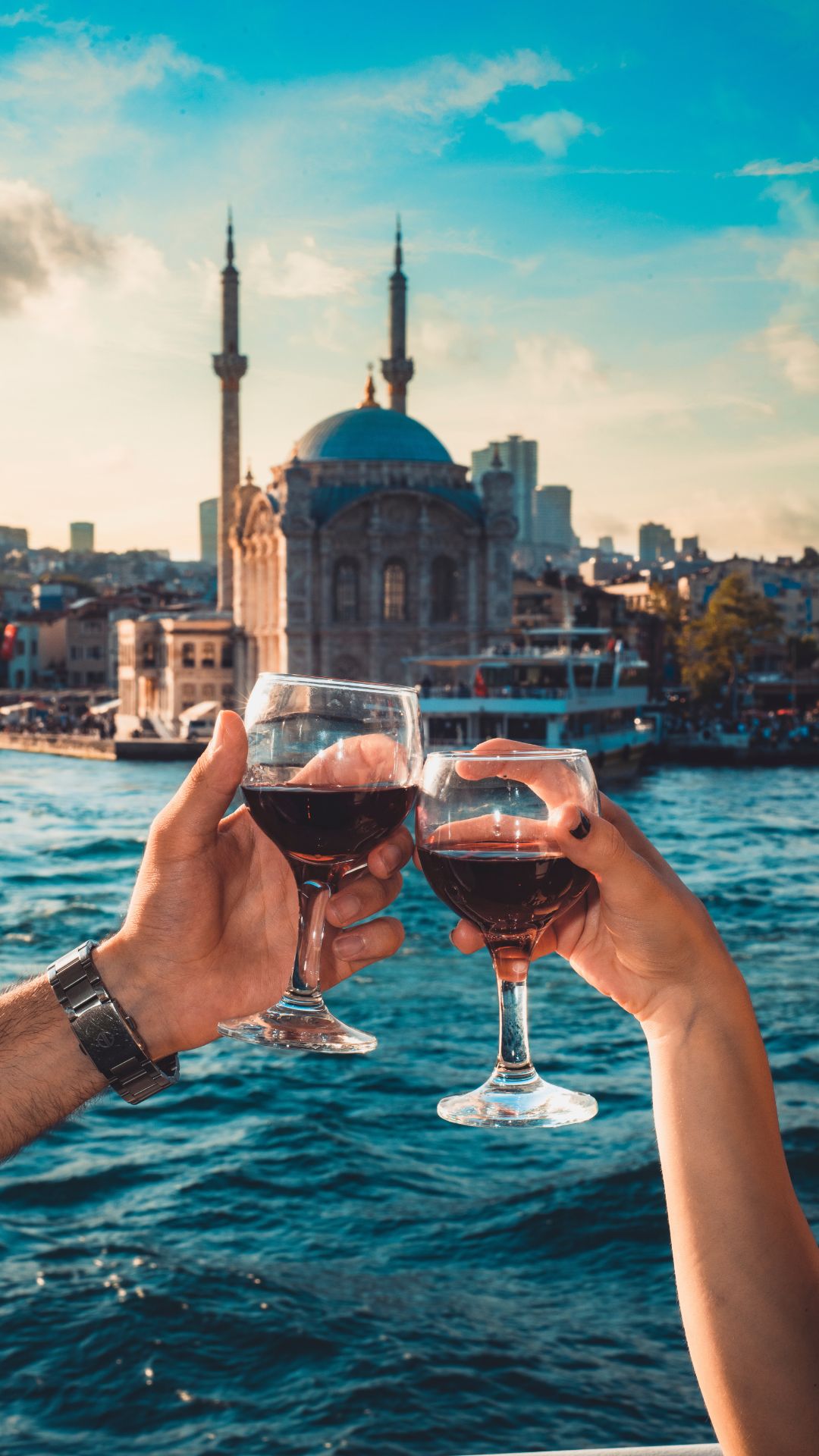
Istanbul does not reveal itself in one postcard view. It unfolds in layers: domes behind ferry wakes, gulls crossing minarets at golden hour, steep streets opening suddenly to the Bosphorus, and neighborhoods where laundry lines, tea glasses, and weathered facades feel as photogenic as the monuments. For travelers planning a visually rich trip, Istanbul for Photographers is not just about finding famous viewpoints. It is about knowing when to be there, how to move between them efficiently, and which scenes are worth your limited time.
This guide is designed for photographers, content creators, architecture lovers, and travelers who want an Istanbul itinerary shaped by light, mood, and story. From our experience, the difference between a rushed snapshot and a memorable frame in Istanbul is usually timing, angle, and patience rather than access.
If we were planning this trip for a friend, we would build it around three visual rhythms: early morning for skyline serenity, late afternoon for texture and street life, and blue hour for the city's cinematic glow. Below, you will find the city's best viewpoints for photography, practical planning advice, neighborhood-by-neighborhood shooting ideas, route suggestions, food stops, transport notes, and the mistakes that first-time visitors make most often.
SHOOT & EXPLORE Build Your Photo Route Through Istanbul Pair the city's most cinematic viewpoints with a smart, light-driven plan.Quick Overview: Best Istanbul Viewpoints for Photographers
| Viewpoint | Best For | Best Time | Who It Suits |
|---|---|---|---|
| Galata Tower area | Historic skyline, streets, telephoto compression | Early morning, blue hour | First-time visitors, architecture lovers |
| Suleymaniye terraces | Golden Horn, layered domes, atmospheric city scale | Sunrise, late afternoon | Landscape and cityscape photographers |
| Eminonu and Galata Bridge | Boats, fishermen, urban energy | Sunrise, sunset, blue hour | Street and documentary photographers |
| Karakoy rooftops and upper streets | Modern-meets-historic compositions | Golden hour | Lifestyle and editorial shooters |
| Uskudar waterfront | Maiden's Tower, sunset skyline | Sunset, blue hour | Romantic, skyline-focused travelers |
| Ortakoy waterfront | Mosque and Bosphorus Bridge contrast | Early morning, night | Architecture and urban contrast photographers |
| Pierre Loti Hill | Golden Horn panorama | Morning, hazy winter afternoons | Panorama seekers |
| Bosphorus ferry and cruise routes | Water-level skyline views | Late afternoon to sunset | Anyone wanting variety in one session |
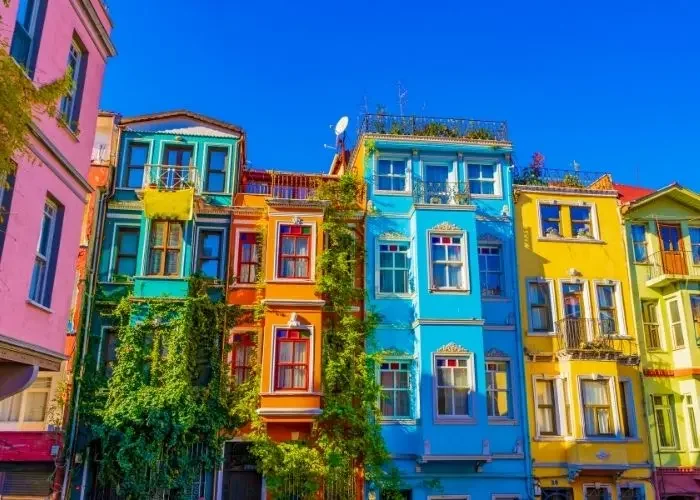
| Balat and Fener hills | Color, texture, local street scenes | Morning, late afternoon | Street photographers |
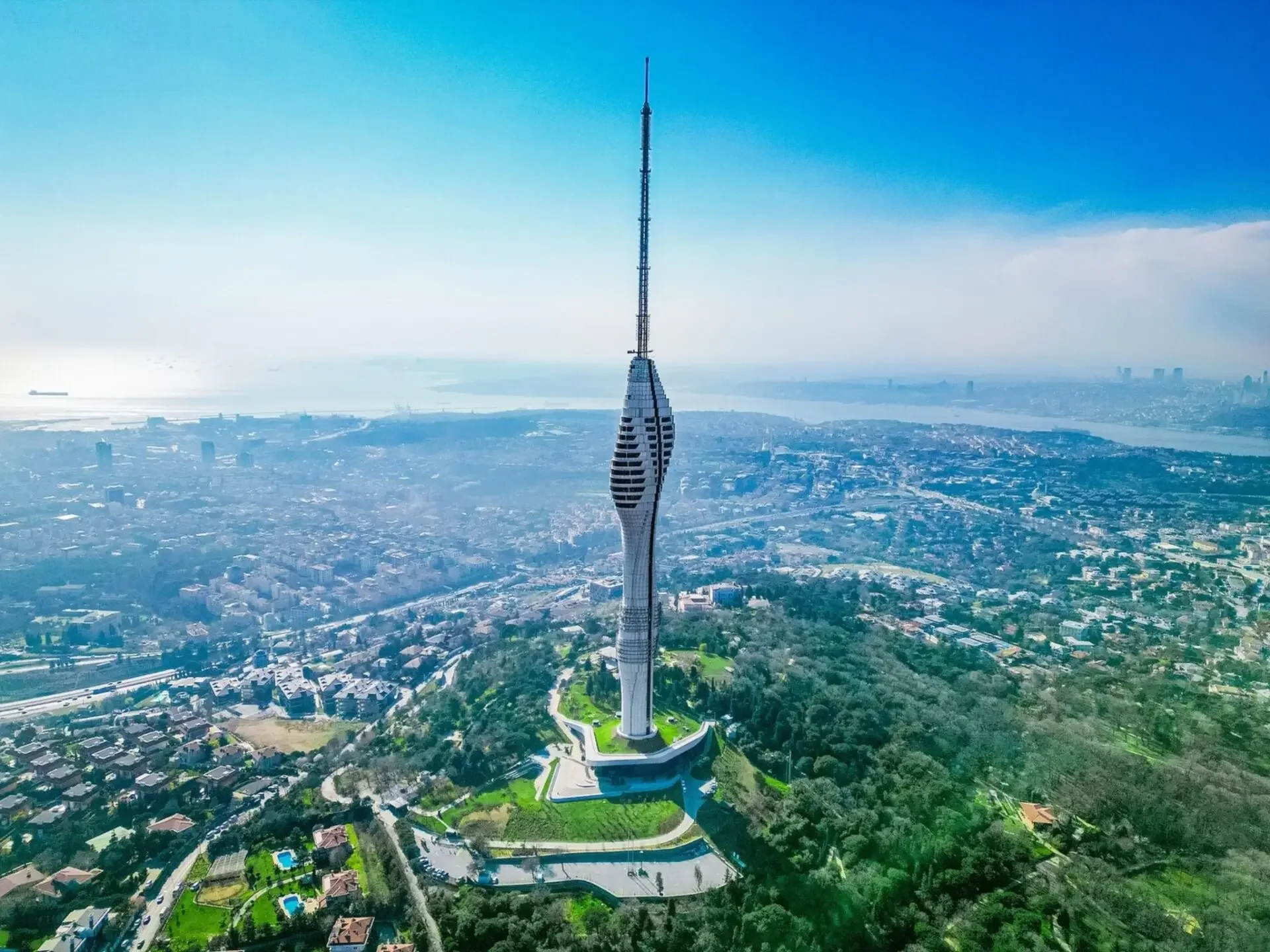
| Camlica Hill | Wide city panorama from the Asian side | Clear mornings, sunset | Travelers wanting scale |
Why Istanbul Is So Photogenic
- Cinematic, not just beautiful. Many cities are beautiful. Istanbul is cinematic. What makes it special is the way the city creates depth in almost every frame.
- Hills layer neighborhoods. Ferry smoke and sea mist soften backgrounds, minarets punctuate the skyline, and markets and side streets add human scale.
- The Bosphorus acts like moving light. The water reflects weather and changes the color palette hour by hour.
- The city rewards sequences. Don't come expecting a single “best photo spot.” A morning in Sultanahmet gives monumental symmetry; Eminonu shifts into movement and commerce; Karakoy becomes sharper and more graphic; a ferry to Uskudar turns the skyline into theater.
- Slowing down pays. Photographers tend to enjoy Istanbul most when they slow down and leave room for repeated visits to the same viewpoint in different light.
- It fits a bigger trip. The city can absolutely be part of a broader things to do in Istanbul plan while still serving images first.
How Many Days Do Photographers Need?
Best seasons: spring and autumn are usually the most balanced for photography — softer light, more walkable temperatures, and better chances of atmospheric skies. April and May can be lush and clear, while October and early November often bring warm color and excellent golden-hour conditions. Summer offers long days and lively waterfront scenes, but harsh midday light, humidity, and crowds are real trade-offs. Winter can be surprisingly rewarding: low-angle light lasts longer, haze can make skylines feel moody, and major landmarks are easier to photograph without dense visitor traffic — though days are shorter and weather more variable.
Best times of day: sunrise for Sultanahmet exteriors, Galata streets, and quieter waterfronts; early morning for street photography before tour groups; golden hour for Balat, Karakoy, Ortakoy, and ferry-based compositions; blue hour for skyline shots from Galata Bridge, Uskudar, and Bosphorus viewpoints; night for bridges, mosque silhouettes, and reflections.
Where to Stay in Istanbul for the Best Photography Access
Karakoy or Galata
For many photographers, this is the sweet spot. You can reach the Historic Peninsula easily, walk to strong street scenes, access ferries, and get to evening dining without much backtracking. An excellent base for mixed shooting styles.
Best for Flexibility and mixed shooting styles
Sultanahmet
The practical choice if early-morning access to the old city matters more than nightlife or restaurant variety. The trade-off is that evenings can feel quieter and more tourist-oriented.
Best for Sunrise monuments and dawn access
Besiktas
Good for waterfront atmosphere, food, and Bosphorus access, though less ideal for frequent pre-dawn runs to the Historic Peninsula.
Best for Trips where the Bosphorus is central
The Asian side (Uskudar, Kadikoy)
Rewarding if you want a slower pace, but for first-time visitors building a compact photo itinerary, the cross-city logistics can add complexity. For hotel planning, see our where to stay in Istanbul guide.
Best for Slower-paced, repeat visitors
The Best Cinematic Viewpoints in Istanbul
 Galata
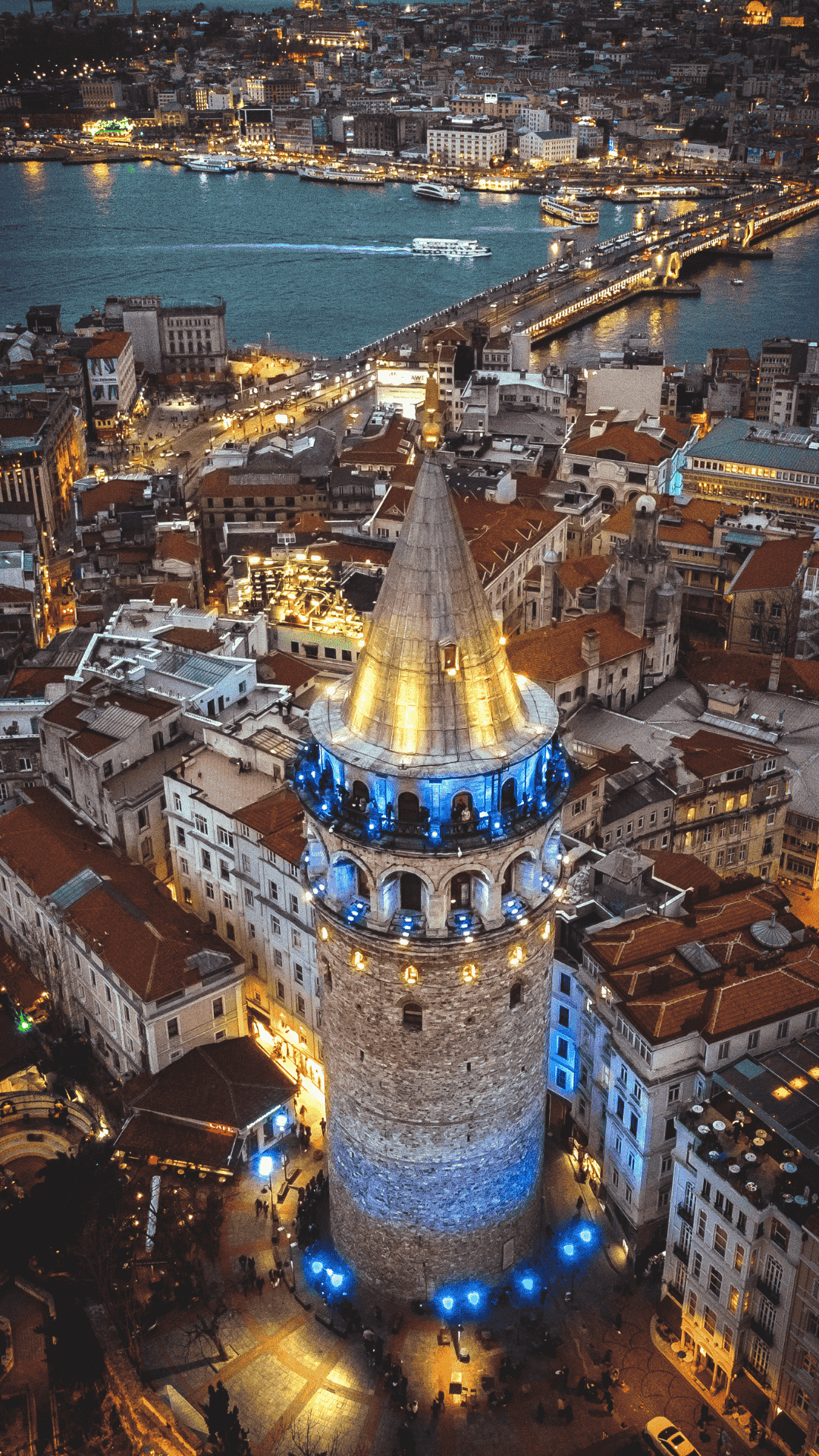
 Galata Tower and the Surrounding Streets
Galata is one of the most recognizable photography zones in Istanbul, but many visitors approach it too literally. The strongest images often come from the streets around the tower.
Why it works and when to go
You get historical texture, vertical drama, and a strong sense of place — the neighborhood around the tower is especially rewarding for editorial-style city frames. Arrive at sunrise or shortly after for cleaner compositions. Blue hour is also excellent, especially with the tower illuminated against deepening sky tones.
Where to position yourself
- Side streets leading toward the tower for compressed urban framing
- Downhill stretches toward Karakoy for layered perspective
- Upper terraces and public vantage points in the area for contextual skyline shots
Insider Tip: if your goal is to photograph the tower well, spend more time around the neighborhood than in the queue. The tower interior view can be worthwhile, but the surrounding streets often produce the more distinctive images.
Nearby food, and who should choose it
Galata and Karakoy are ideal for a photography day because you can move between shoot locations and coffee stops easily — plan a slow breakfast after sunrise or pause for specialty coffee before walking downhill. See our Galata guide and Karakoy guide. Choose it if you are a first-time visitor, architecture lover, or want an instantly recognizable Istanbul mood. Skip it if you strongly dislike crowds and only have one prime evening shoot — Uskudar may feel more rewarding.
 Suleymaniye
 Suleymaniye Mosque Surroundings and the Terraces Below
If there is one viewpoint area we recommend to photographers who want grandeur without the obvious checklist feeling, it is Suleymaniye and the streets descending from it toward the Golden Horn.
Why it works and when to go
You get one of the most elegant skyline areas in the city, plus old streets, shopfronts, stairways, and rooftop lines that add context and atmosphere. This part of the city reveals itself gradually. Sunrise and early morning are exceptional; late afternoon also works well for warm side-light and street texture.
What to photograph
- Courtyard and architectural details of the mosque
- Domes and minarets against soft morning sky
- Golden Horn panoramas from lower streets and terrace viewpoints
- Layered urban scenes with old buildings in the foreground
Avoid this mistake: do not visit only the mosque courtyard and leave. Some of the best compositions are found by walking downhill 10 to 20 minutes through the surrounding streets.
Nearby suggestions
From here, continue toward Eminonu, the Spice Bazaar, or the waterfront. If you are planning a monument-heavy day, pairing this area with Suleymaniye Mosque and later the Spice Bazaar is efficient and visually varied.
 Eminonu
 Eminonu Waterfront and Galata Bridge
This is Istanbul in motion: ferries arriving, fishermen lined along the bridge, mosque silhouettes across the water, gulls in shifting light, and constant urban rhythm.
Why it works and when to go
You are photographing atmosphere as much as architecture — one of the strongest locations for documentary-style travel photography. Sunrise gives you softer light and fewer people. Sunset and blue hour create dramatic skyline color and reflections, but expect larger crowds.
Best compositions
- Fishermen silhouettes on Galata Bridge
- Ferries crossing in front of mosque skylines
- Close-up street moments around Eminonu piers
- Bridge-level views toward Karakoy and the Golden Horn
Transport and food notes
One of the easiest photography zones to reach by tram and ferry, and a natural transition point between the Historic Peninsula and Beyoglu/Karakoy. For food, choose carefully: shoot first, then move slightly away from the busiest waterfront strip for a calmer meal. Our where to eat in Eminonu guide helps separate genuinely worthwhile stops from tourist-only convenience.
 Uskudar
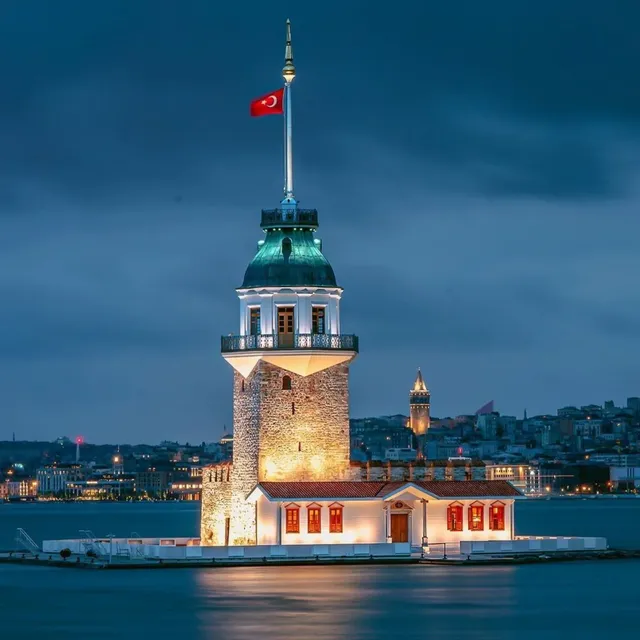
 Uskudar Waterfront and Maiden's Tower Views
For many photographers, this is the moment Istanbul becomes unforgettable. From the Asian side, the historic peninsula reads like a stage set across the water.
Why it works and when to go
The skyline relationship is nearly perfect: water in the foreground, Maiden's Tower as subject, old city behind, ferries cutting through the frame, and changing sky color through sunset. Come 60 to 90 minutes before sunset and stay through blue hour — the transition matters. Unlike some elevated viewpoints, Uskudar gives you intimacy and scale at the same time.
Most tourists miss this
Instead of standing in one crowded spot, walk the waterfront. The best composition may appear 5 to 10 minutes away from the most obvious cluster of people.
Nearby food and tea
Uskudar is a great place to slow down after shooting. Have tea on the waterfront or continue deeper into the district for a local meal — pair it with our Uskudar guide. If you have limited time: choose Uskudar over chasing multiple sunset points in one evening. It is one of the highest-reward photo sessions in the city.
 Bosphorus & panoramas
 Ortakoy, Pierre Loti, and Camlica Hill
Three very different flavors of viewpoint: graphic urban contrast, a contemplative Golden Horn panorama, and the broadest city-scale view from the Asian side.
Ortakoy Waterfront
One of Istanbul's most striking contrasts: the elegant Ortakoy Mosque in the foreground and the Bosphorus Bridge behind it — a more graphic, high-contrast scene than the softer historic skyline views. Early morning is best for cleaner frames; night can be dramatic once the bridge lights join the composition. The area is busy, popular, and often windy — less suited to solitude or a flexible tripod setup. Ortakoy pairs naturally with a Bosphorus day; see our Ortakoy guide.
Pierre Loti Hill
One of the classic panoramic viewpoints over the Golden Horn — broad, layered, and atmospheric, especially in soft weather or winter haze. The journey takes intention: if your trip is short and centered on Sultanahmet, Galata, and the Bosphorus, you may get more value staying central. Choose it with 4+ days, as a repeat visitor, or if you collect panoramas; skip it on a one- or two-day first trip with a packed landmark schedule.
Camlica Hill
One of the broadest city panoramas, especially from the Asian side. Less intimate than Uskudar and less atmospheric than a ferry at water level, but for sheer scale it is hard to ignore. Best on clear mornings and at sunset — be realistic about haze. Insider Tip: come here for the city's size, not its intimacy. For mood and storytelling, Balat or Uskudar will likely give you stronger image variety.
 On the water
 Bosphorus Ferries and Cruises
One of the best viewpoints in Istanbul is not static at all. It moves. Public ferries and Bosphorus cruises provide constantly changing angles on palaces, mosques, waterfront mansions, bridges, and hillsides.
Why it works
You get access to water-level perspectives impossible from land. Compositions change every minute, and even simple crossing routes can produce standout frames. If you are trying to understand the city visually, this is one of the smartest uses of your time.
Public ferry vs cruise
- Public ferry: best for budget-conscious travelers and authentic daily rhythm — affordable and practical, though with less seating and route control.
- Short Bosphorus cruise: best for first-time visitors wanting a scenic overview — relaxed and broad, but less spontaneous.
- Sunset cruise: best for blue-hour and golden-hour skyline lovers — excellent light and memorable, but needs advance booking in busy periods.
When booking helps
If sunset timing matters to you, booking ahead can be worthwhile, especially in peak season. If your goal is simply strong photos and flexibility, public ferries are often enough. Explore options through our Bosphorus cruise and ferry guide.
 Neighborhood storytelling
 Balat, Fener, and Rooftop Perspectives
Less about one grand viewpoint and more about visual storytelling: color, steep streets, old facades, layered urban life — plus the skyline from above, approached realistically.
Balat and Fener hills
This is where photographers often find some of their favorite images of the trip. Morning is ideal for gentler foot traffic and softer light; late afternoon can be beautiful in upper streets. Photograph colorful houses and stairways, street textures, historic religious architecture in context, and cafe scenes. Avoid this mistake: do not treat the area as a social-media set. Respect residents, avoid blocking doorways, and remember that “photogenic” neighborhoods are still neighborhoods. Explore more with our Balat guide and Fener guide — these districts pair especially well with Pierre Loti or a Golden Horn-focused day.
Rooftops in Beyoglu and Karakoy: what they do best
The skyline can look extraordinary from above — rooftops create separation and simplify the city into domes, minarets, ferries, and horizon lines. For couples or content creators, one well-chosen rooftop stop can be genuinely memorable. But watch out: access policies change, some venues prioritize dining over photography, midday light can flatten the skyline, and heavy editing online often misrepresents the real view.
Smarter rooftop approach
Choose one rooftop at golden hour or breakfast time rather than trying to “collect” several. If it aligns with your route and meal plans, it can be excellent. If it requires a major detour, ask whether Uskudar, Galata, or a ferry would give you more authentic value.
 Route planning
 How to Build an Istanbul Itinerary Around Photography
One, two, and three-day plans — plus the highest-reward priority order if you only have a single serious photography day.
One-day photo-focused itinerary
- Sunrise: Sultanahmet exteriors and surrounding streets
- Early morning: walk or tram toward Suleymaniye
- Late morning: descend to Eminonu and Galata Bridge
- Lunch: Karakoy
- Afternoon: Galata streets and nearby upper viewpoints
- Sunset: ferry to Uskudar
- Blue hour: Maiden's Tower and skyline session
This is intense but highly rewarding. The key is not to overschedule interiors.
Two-day photo-focused itinerary
Day 1: Historic Peninsula, Suleymaniye, Eminonu, Galata, Karakoy. Day 2: Balat/Fener in the morning, Bosphorus ferry or cruise in the afternoon, Ortakoy or Uskudar at sunset. This is a more balanced plan and better for most travelers.
Three-day itinerary for slow photography travelers
Day 1: Sultanahmet sunrise, Blue Mosque/Hagia Sophia exterior context, Basilica Cistern or indoor break, Suleymaniye golden-hour revisit. Day 2: Galata and Karakoy in the morning, ferry transitions, Bosphorus cruise, Ortakoy evening. Day 3: Balat/Fener, Pierre Loti or Camlica depending on your interests, Uskudar sunset finale. If you want to build around monuments too, a city pass can make sense when you plan several major attractions; if your priority is mostly streets and viewpoints, public transport plus selective ticketed entries is often smarter.
The highest-reward one-day priority order
If you have just one serious photography day: 1) Suleymaniye area in the morning, 2) Eminonu and Galata Bridge late morning, 3) Galata/Karakoy in the afternoon, 4) Uskudar at sunset and blue hour. This sequence gives you monuments, texture, movement, skyline, and emotional contrast without wasting time in transit. If you want one additional paid experience, choose either a well-timed Bosphorus cruise or a convenient transfer that protects your energy at the start or end of the day.
 Practical craft
 Shooting Styles, Gear, Etiquette, and Food Stops
Match locations to your style, carry less than you think you need, and plan meals as carefully as viewpoints.
Best photography experiences by style
Architecture: Suleymaniye surroundings, Sultanahmet at sunrise, Ortakoy Mosque and Bosphorus Bridge contrast, Galata for towers and layered urban geometry. Street: Eminonu and Galata Bridge, Balat and Fener, Karakoy backstreets, Uskudar market and waterfront transitions. Skyline: Uskudar waterfront, Bosphorus ferries and sunset cruises, Camlica Hill, selected rooftops in Beyoglu/Karakoy. Couples and lifestyle creators: golden-hour rooftops, Uskudar at sunset, Galata streets in early morning, and a stylish breakfast or coffee stop in Karakoy between sessions.
What gear makes sense in Istanbul
- 24–70mm equivalent: the best all-purpose lens for architecture, streets, and waterfronts
- 70–200mm equivalent: excellent for skyline compression, ferry details, and minaret layering
- Wide lens: useful inside larger spaces and tight streets, but less necessary than many expect
- Extra battery and cloth: essential, especially on ferry days and humid mornings
- Small tripod: sometimes helpful, but not always practical in crowded areas
Most tourists miss this: a telephoto lens is often more useful than an ultra-wide in Istanbul. The city's layered hills and skyline details reward compression beautifully.
Photography etiquette and respect
Istanbul is visually generous, but it is also deeply lived-in. Neighborhood photography should never turn local life into spectacle. In residential areas like Balat, Fener, Kuzguncuk, or side streets in Uskudar, shoot with awareness. If someone is clearly the subject, ask where appropriate. Around mosques, dress respectfully and be mindful during prayer times. In markets and tea houses, a smile and brief gesture often go a long way.
Food stops that fit a photography day
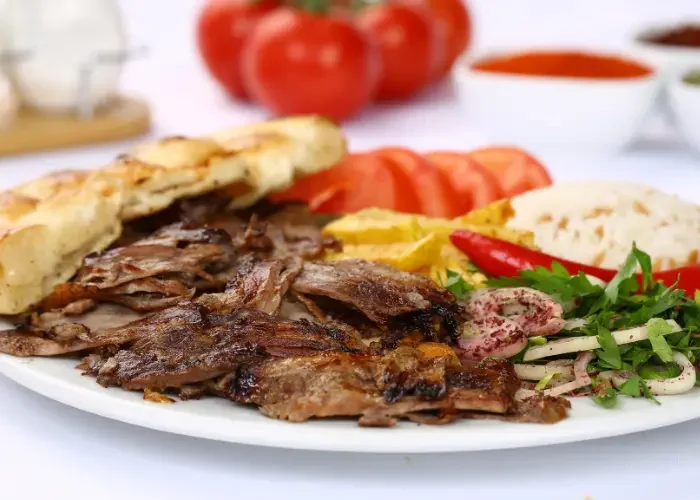
Photographers often plan locations well and meals badly — in Istanbul, that leads to fatigue quickly. Build in real breaks. Karakoy: strong choice for coffee, breakfast, and mid-day reset. Eminonu: convenient between major shoots, but pick selectively. Balat: good for cafe pauses during neighborhood walks. Uskudar: great for tea and a slower waterfront finish. If food matters as much as photography, connect your route with our Istanbul street food guide rather than relying on whatever appears nearest your viewpoint when you are tired.
Getting Around Efficiently
The backbone for Sultanahmet, Eminonu, and access toward Karakoy via bridge or transfer.
Not just transport — they are part of the photography experience, with water-level angles you cannot get from land.
Help save energy on days with multiple viewpoints across the city's steep terrain.
Taxis can help after sunset or when carrying gear, but traffic can erase any time savings. If you arrive with heavy equipment or plan a sunrise shoot after a late flight, a pre-booked airport transfer is often worth it.
Helpful Booking Decisions for Photography Travelers
Worth booking ahead
- A sunset Bosphorus cruise for peak-season timing, special seasons, or a curated route
- An airport transfer if you land late, carry expensive gear, or need to start shooting early the next day
- A city pass if your trip also includes major attractions, cisterns, palaces, and museums
- A guided tour where context deepens what you see — the Historic Peninsula or Balat/Fener
- Major attractions and popular rooftops during peak season
Keep flexible
- Public ferries — often excellent value and all the flexibility you need
- Outdoor viewpoints — they rarely require booking
- Independent cityscape photography days — a guide is less necessary here
- Street-level neighborhood wandering in Balat, Fener, Karakoy, and Uskudar
- One rooftop at golden hour, only if it aligns with your route and meal plans
A One-Day Photo-Focused Timeline
Common Mistakes Photographers Make in Istanbul
Avoid these mistakes
- Trying to shoot too much in one day — traffic, hills, ferry timing, and crowds all add friction; two major zones a day is usually enough
- Ignoring the Asian side — some of the most cinematic skyline views are from across the water
- Only chasing social-media rooftops — Istanbul's true visual strength is often at street and ferry level
- Arriving late to famous spots — if a location is popular online, assume it will be busy, especially Galata, Sultanahmet, and Ortakoy
- Not budgeting for recovery time — carrying gear on steep streets is tiring
- Forgetting weather and haze — a perfect sunset skyline is never guaranteed; build flexibility into your plan
Insider tips
- A telephoto is often more useful than an ultra-wide — the layered hills reward compression
- At Uskudar, walk the waterfront — the best composition may be 5 to 10 minutes from the crowd
- Around Galata, spend more time in the streets than in the tower queue
- From Suleymaniye, walk downhill 10 to 20 minutes for the best compositions
- Plan two anchor locations plus a connecting neighborhood per day
- Shoot Balat and Fener in the morning, respectfully — softer light and gentler foot traffic
Frequently Asked Questions
What is the best viewpoint in Istanbul for photography?
Where can I take the best skyline photos in Istanbul?
Is Istanbul good for street photography?
What time should photographers go to Sultanahmet?
Are rooftops in Istanbul worth it for photographers?
Which side of Istanbul is better for photographers, European or Asian?
What lens is best for Istanbul photography?
Is a Bosphorus cruise worth it for photography?
How many days do photographers need in Istanbul?
Where should photographers stay in Istanbul?
Can I use public transport easily for photography locations in Istanbul?
Is Balat worth visiting for photographers?
What are the most photogenic neighborhoods in Istanbul?
Do I need to book attractions in advance for a photography trip?
How to See Istanbul Like a Photographer
The best photo trip to Istanbul is rarely the one with the longest checklist. It is the one with the best rhythm: start early, stay out through blue hour, cross the water at least once with intention, and leave room for tea, for weather, and for returning to the same skyline in different light. Istanbul rewards observation more than urgency — the city's most cinematic viewpoints are not only places to stand; they are moments to wait in.
Plan Your Photo Trip