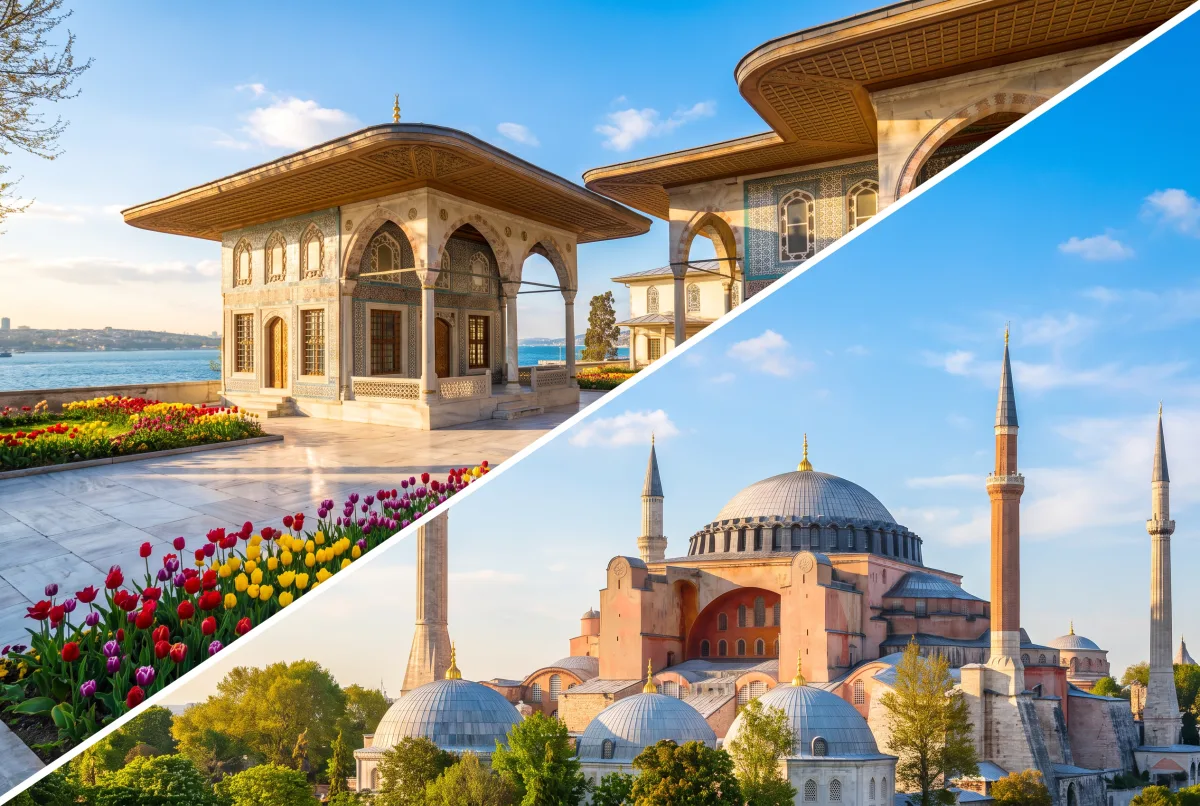
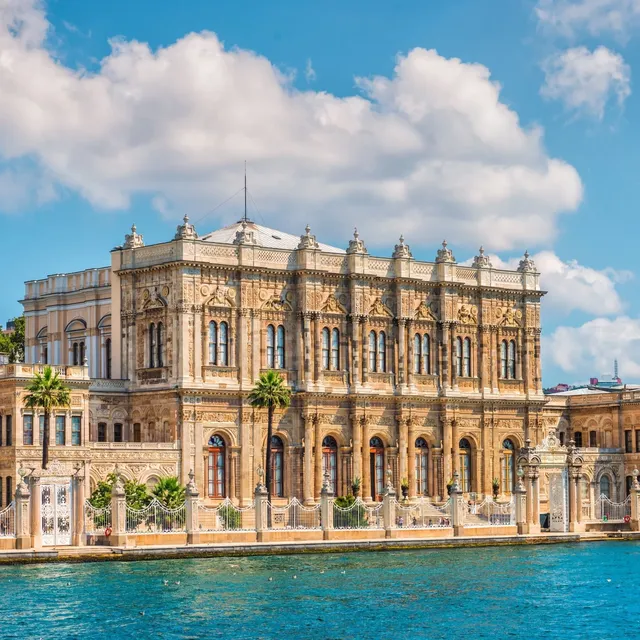
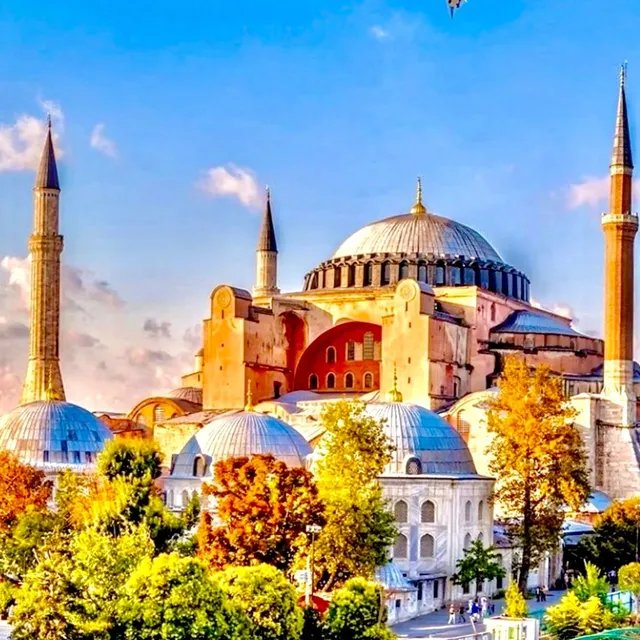
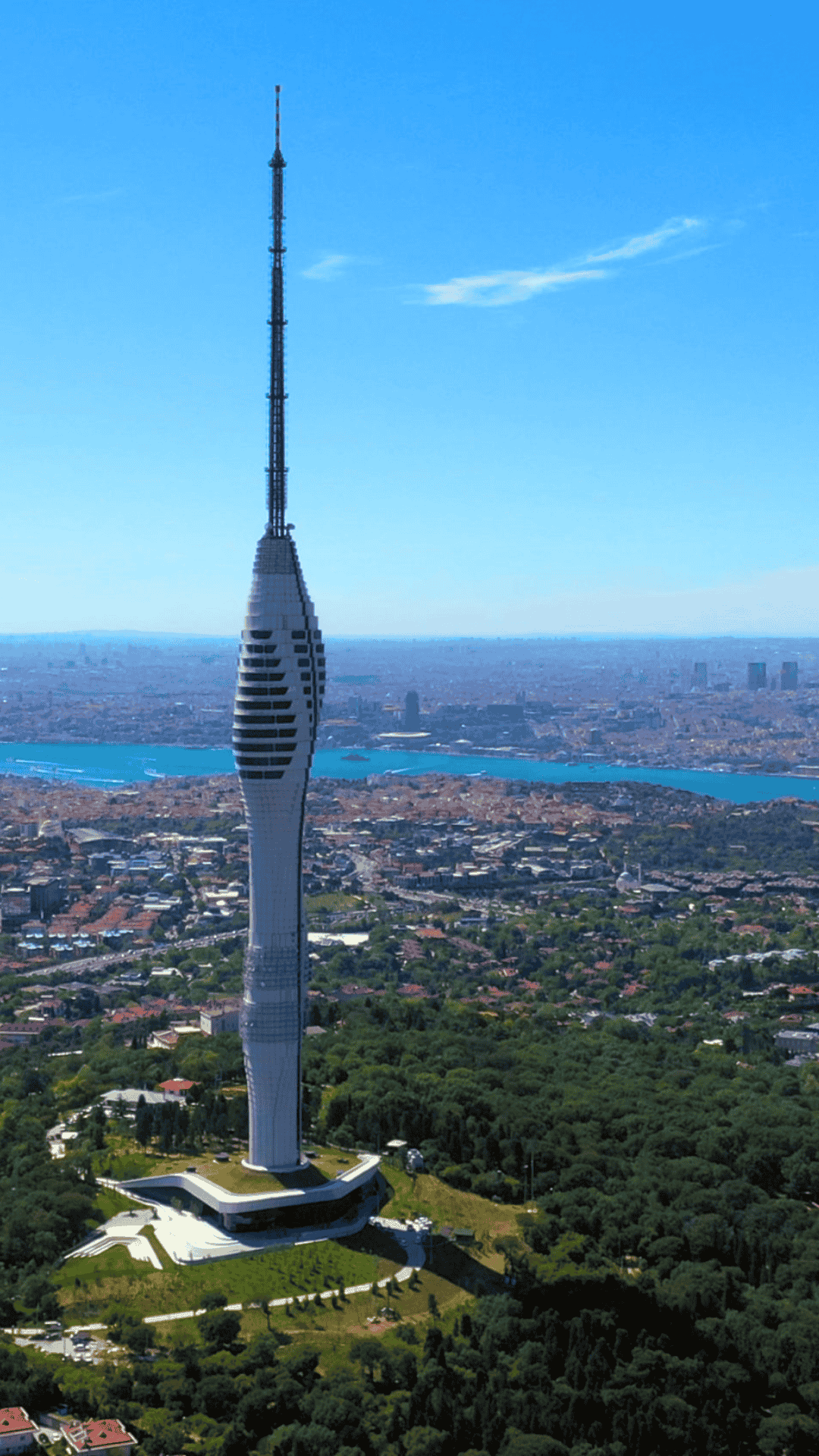
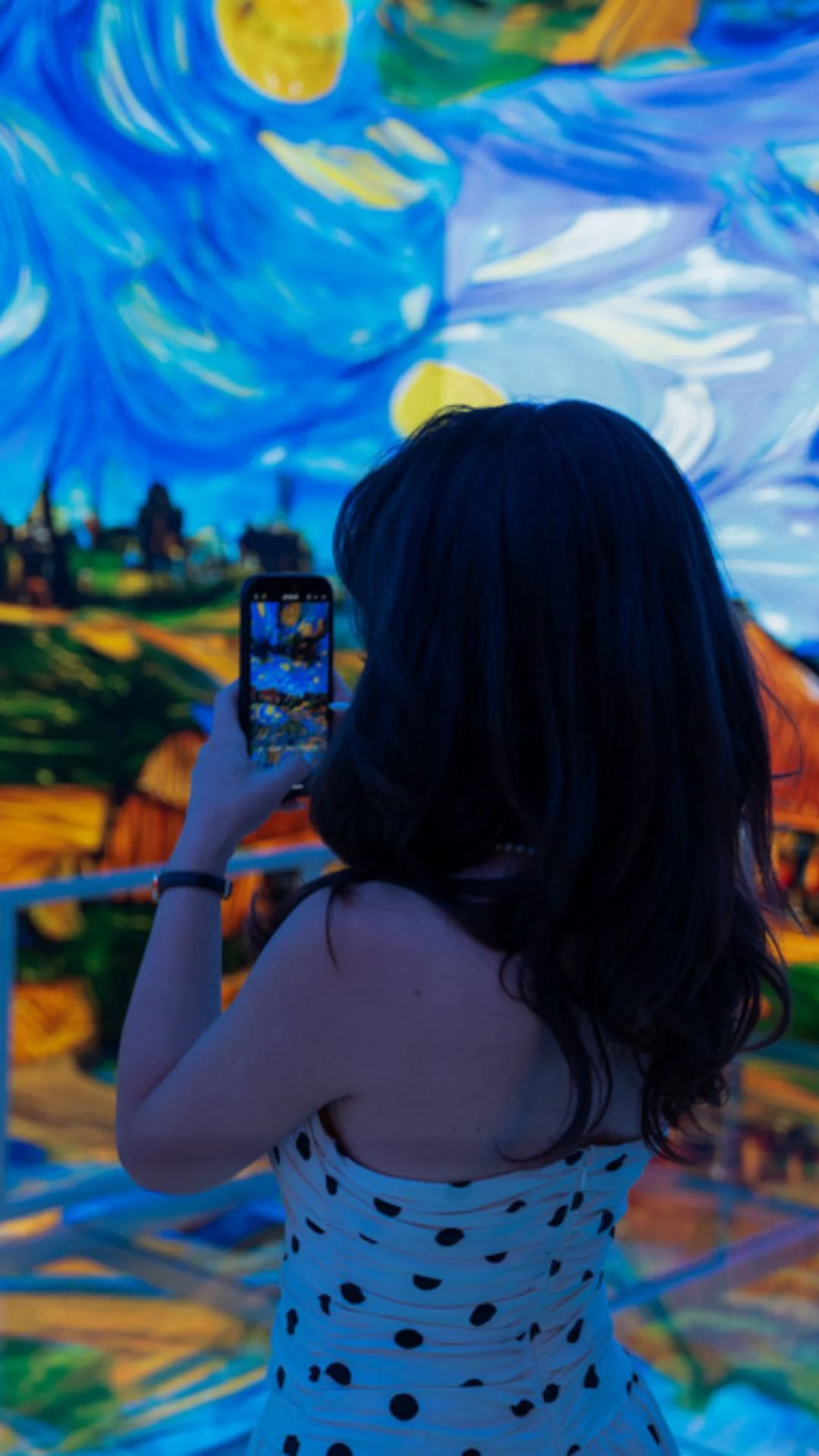
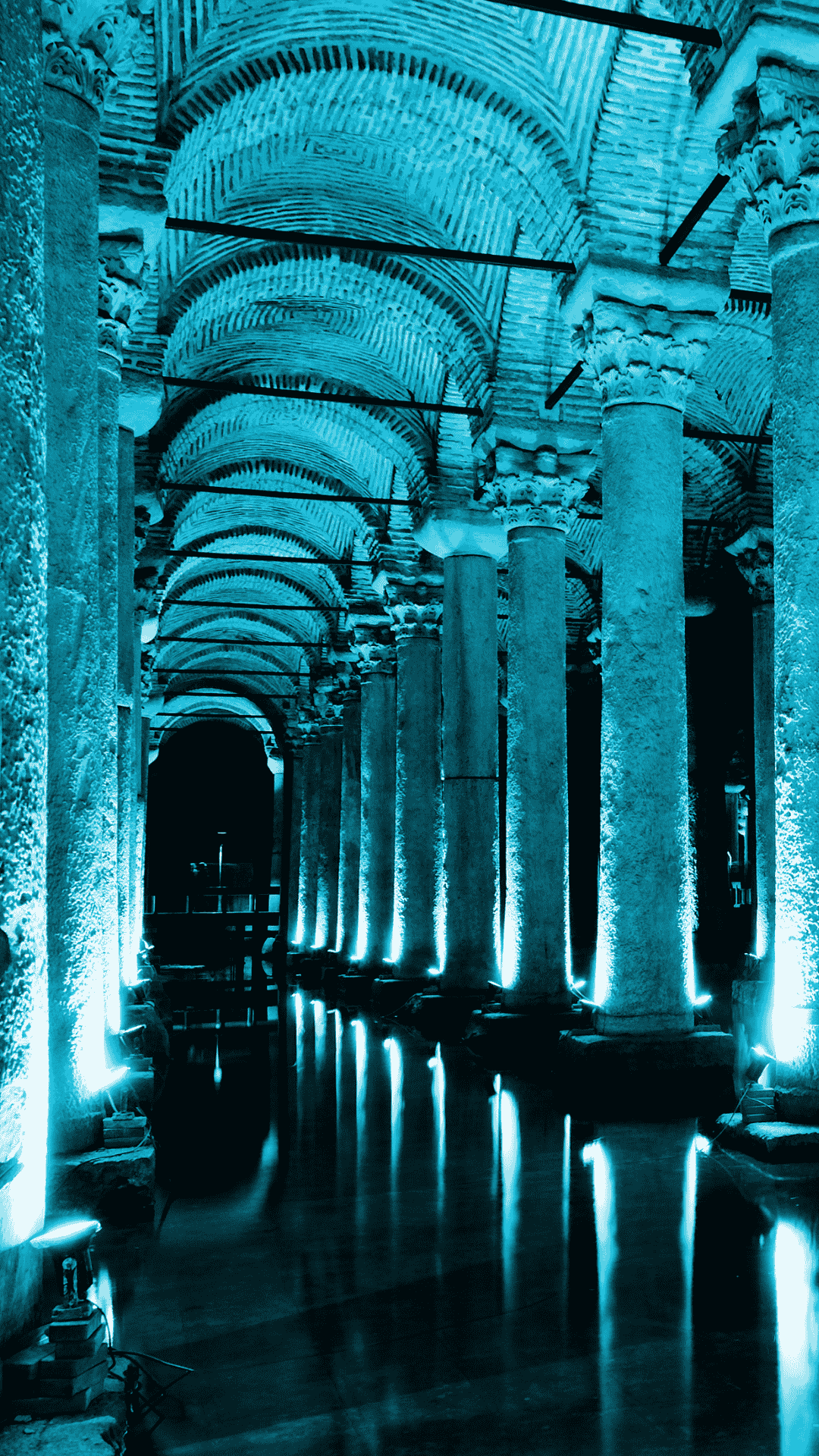
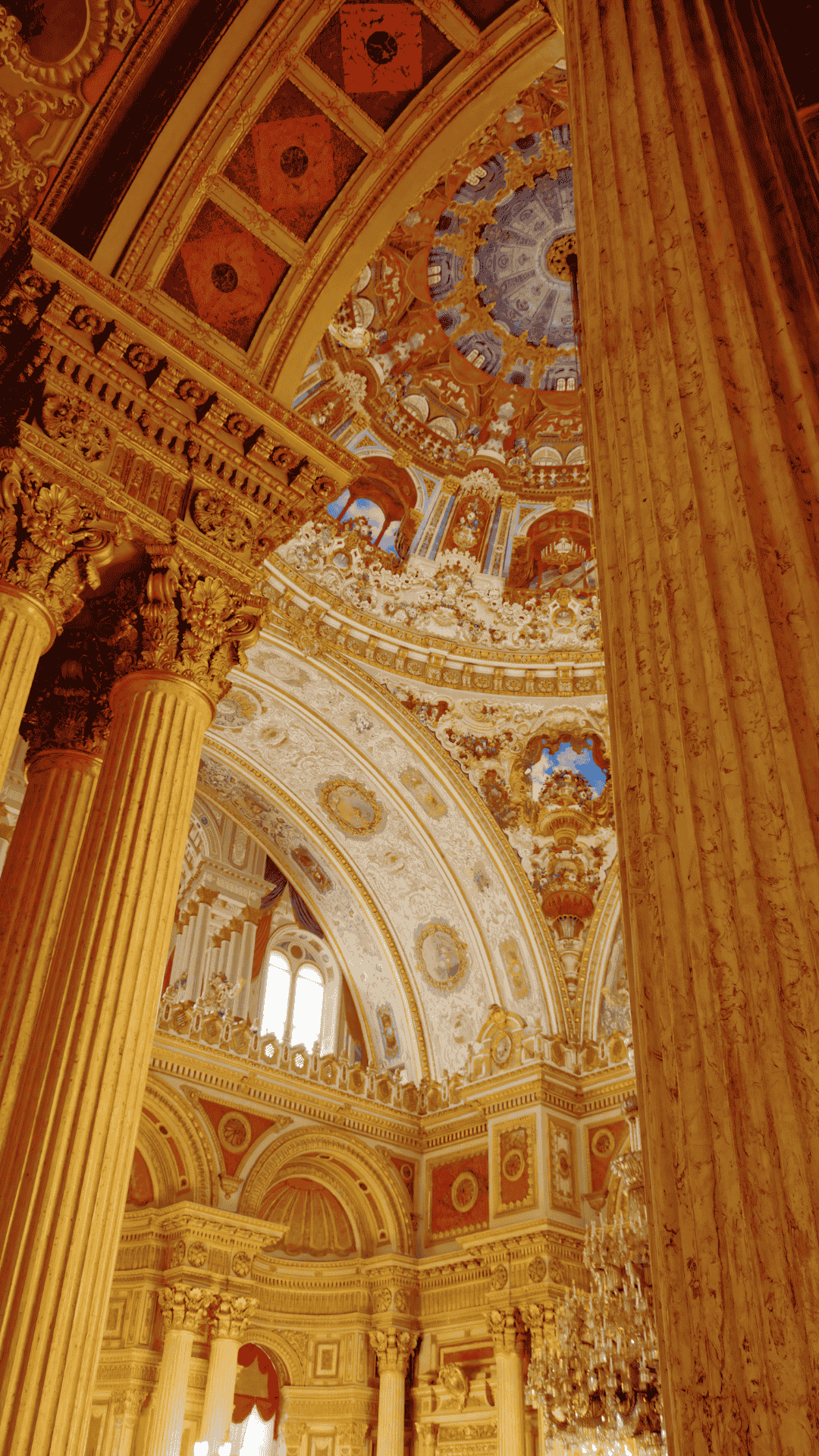
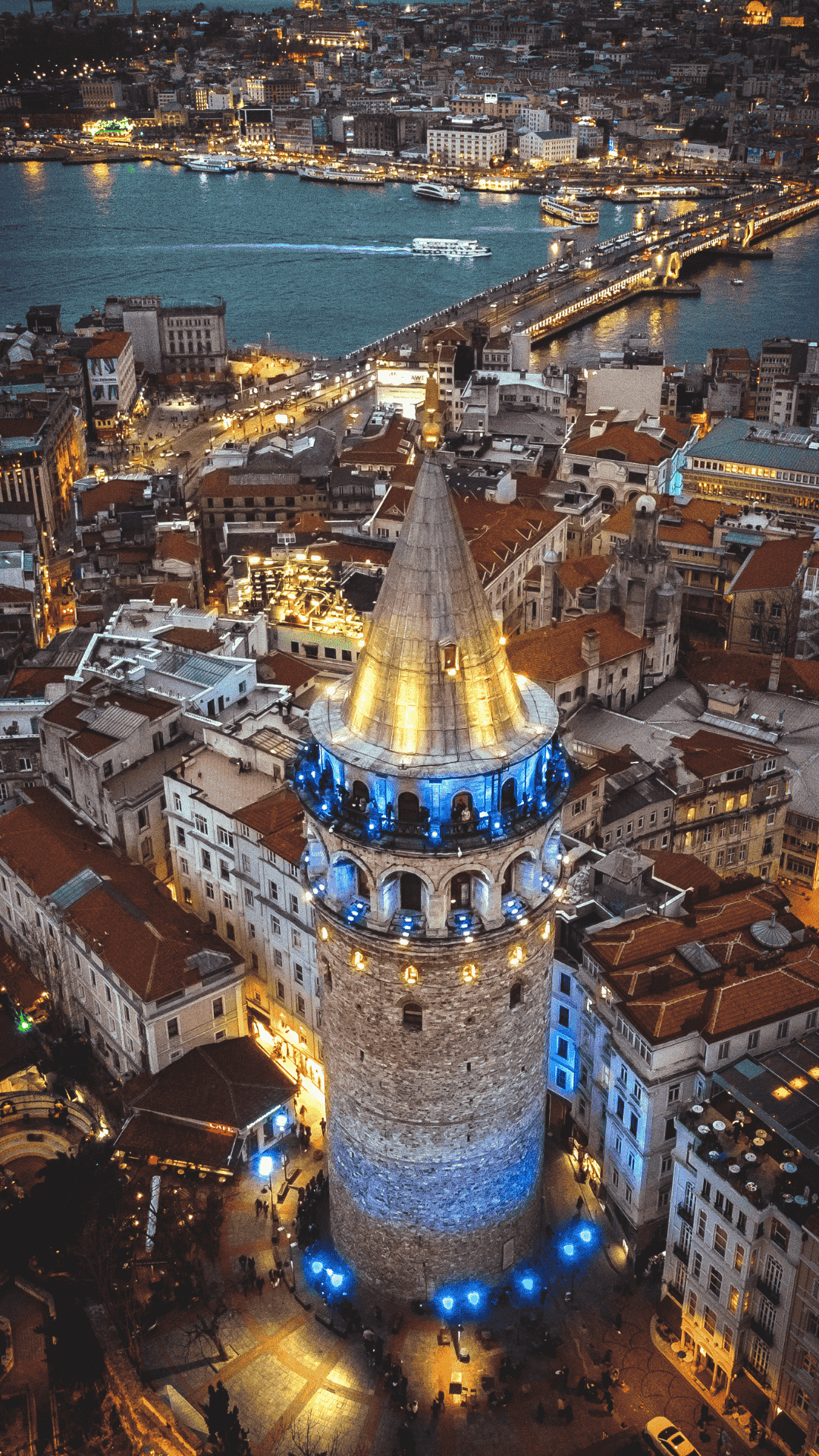
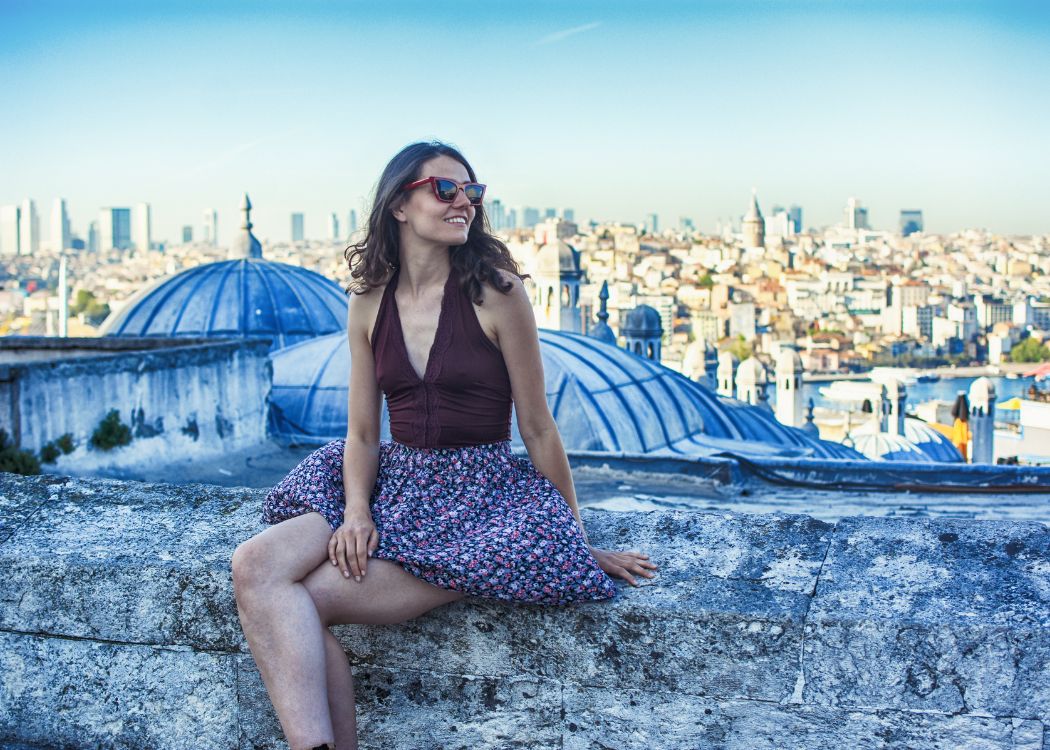
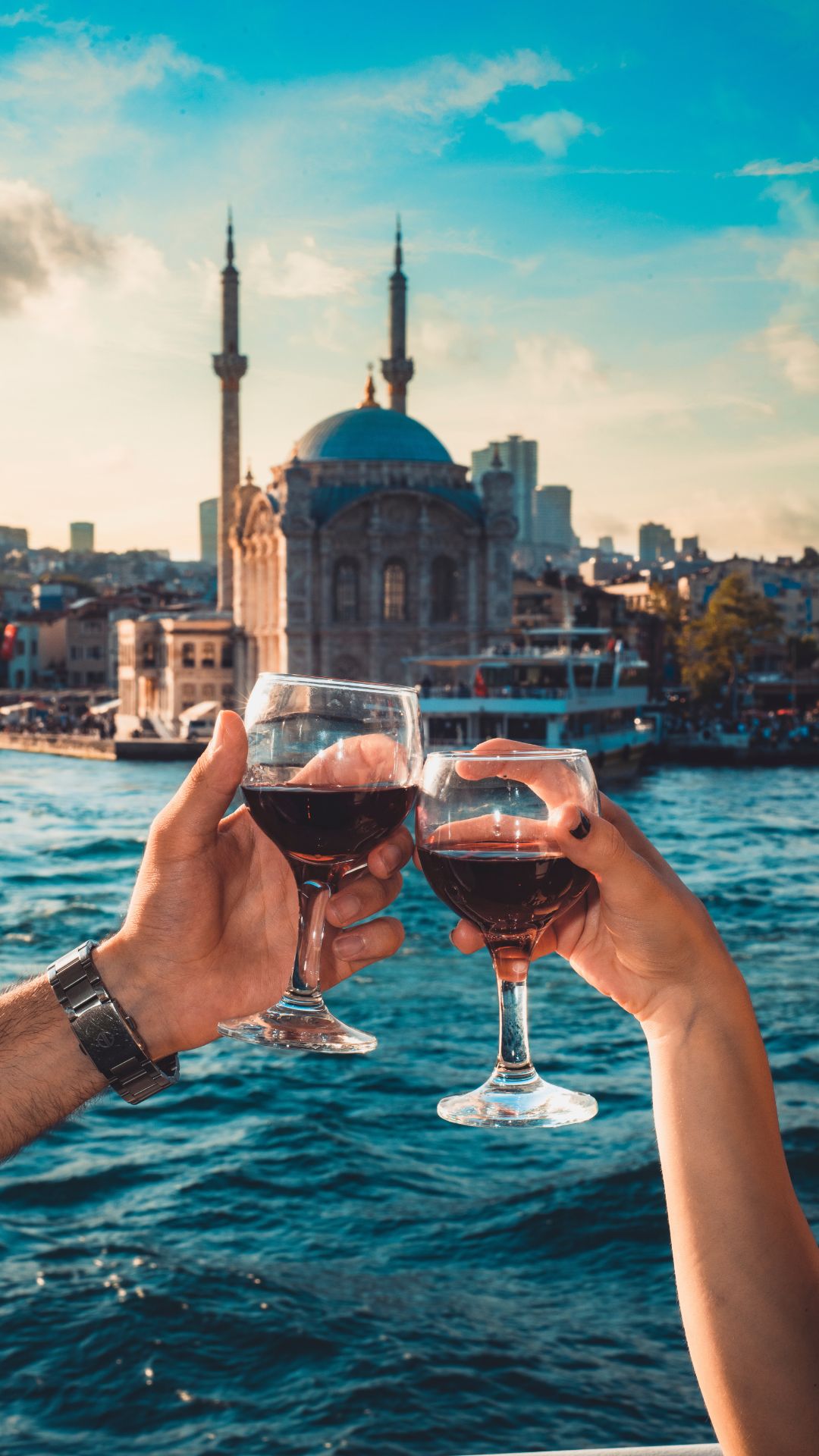
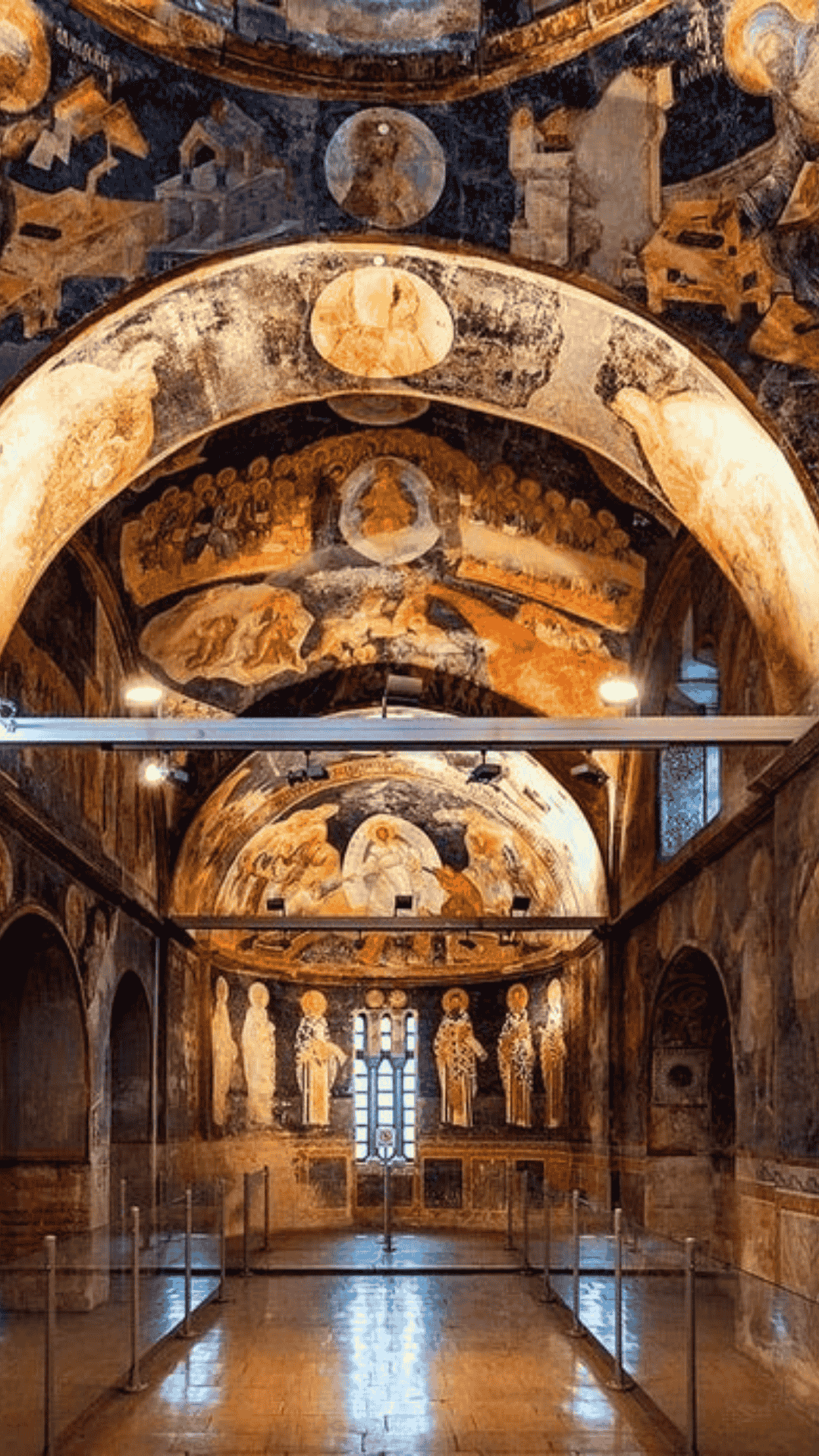
Some cities ask you to choose between history and contemporary culture. Istanbul does not. Here, Byzantine churches, Ottoman palaces, experimental galleries, Bosphorus mansions, artist-run spaces, and design-forward cafes all sit inside the same living city. For travelers planning Istanbul for Art Lovers, that is exactly what makes the experience so rewarding: you are not visiting an isolated museum district, but a layered cultural landscape where old and new keep talking to each other.
This guide is designed for travelers who want more than a checklist of museums. If we were planning this trip for a friend, we would focus on rhythm as much as landmarks: when to go, how to connect neighborhoods without wasting energy, where to stop for lunch between exhibitions, which districts feel most creative right now, and how to shape an itinerary that includes both major institutions and the city’s everyday artistic texture.
One thing we often tell first-time visitors: pair ambition with selectivity. Art days in Istanbul are best when you choose two major institutions and one neighborhood to wander, rather than trying to force six stops into a single afternoon. This is a city that reveals itself gradually, and often the most memorable moments happen between the headline attractions.
CULTURE & CREATIVITY Two museums, one neighborhood, one great lunch The formula for a perfect Istanbul art day — build yours around it.Quick Overview
| Category | Best Choices | Why It Matters | |
|---|---|---|---|
| Best museums for modern and contemporary art | Istanbul Modern, Pera Museum, Arter | These give first-time visitors the clearest entry into Istanbul’s modern visual culture. | |
| Best historic art experience | Turkish and Islamic Arts Museum | Essential for understanding the artistic traditions behind the city’s contemporary scene. | |
| Best creative neighborhoods | Beyoglu, Karakoy, Tophane, Kadikoy, Cihangir | These districts combine galleries, street life, cafes, design stores, and architecture. | |
| Best for limited time | Istanbul Modern plus Karakoy and Galataport | Easy logistics, strong architecture, waterfront setting, and plenty of food options. | |
| Best half-day art route | Pera Museum, Istiklal area, Arter | A strong cultural cluster with walkable urban texture. | |
| Best full-day route | Istanbul Modern, Tophane, Karakoy, Galata, Istiklal | Combines institutions with neighborhood energy and skyline views. | |
| Best season | Spring and autumn | Comfortable walking weather and better conditions for district-hopping. | |
| Transport strategy | Tram, metro, ferry, and short taxi hops | Smarter and faster than relying only on taxis in busy central areas. |
Why Istanbul Is Such a Strong City for Art Lovers
- Old and new keep talking to each other. The city’s cultural identity is not limited to one period: you can move from Ottoman calligraphy and ceramics to modern Turkish painting, photography, and video installations within the same day. Contemporary work feels richer because it exists in conversation with centuries of visual traditions.
- Art is tied to neighborhoods. Museums matter, but so do the streets around them. A serious art day might include a major institution, a small gallery, an architectural detour, a bookstore, tea with a Bosphorus view, and dinner where young creative professionals actually spend their evenings.
- Every district has its own creative personality. Karakoy feels design-conscious and fast-moving. Beyoglu has layered literary and artistic history. Tophane has a stronger contemporary edge. Kadikoy offers a looser, more local creative atmosphere. Sultanahmet gives you the historical artistic foundation without which modern Istanbul makes less sense.
- Broad rather than concentrated. The biggest mistake first-time visitors make is assuming all the important spaces are in one walkable area. The most rewarding art experiences stretch across Karakoy, Galataport, Beyoglu, Tophane, Besiktas, Dolapdere, Sultanahmet, Kadikoy, and the Bosphorus — group your days by geography.
- Pair ambition with selectivity. Choose two major institutions and one neighborhood to wander rather than forcing six stops into a single afternoon. The most memorable moments often happen between the headline attractions.
How Many Days Do Art Lovers Need in Istanbul?
If art is a central reason for your trip, plan at least two dedicated cultural days, ideally three. One day lets you see a flagship museum and one creative district. Two days allow a more satisfying contrast between historical collections and modern institutions. Three or four days give you room to move intelligently across the city and avoid museum fatigue.
Best Areas to Stay for an Art Trip
Karakoy
Best for easy access to Istanbul Modern, Galataport, ferries, and stylish dining — the most convenient base for modern museum routes.
Best for Easy access to Istanbul Modern and Galataport
Galata
Strong for atmosphere, boutique stays, and walkable access to Beyoglu, with one of the strongest urban backdrops in the city.
Best for Atmosphere and boutique stays
Beyoglu / Cihangir
Best if you want literary history, side streets, cafes, and a more residential creative feel — the heart of the city’s layered cultural territory.
Best for Literary history and a residential creative feel
Besiktas
Smart for Bosphorus access, the Dolmabahce area, and transport connections toward northern museums like Sakip Sabanci.
Best for Bosphorus access and transport connections
Sultanahmet
Better for first-time visitors focused on monuments, but less ideal if contemporary art is your priority. The trade-off is simple: Sultanahmet is better for classic sightseeing efficiency, while Beyoglu and Karakoy are better for an art-focused trip.
Best for Monument-focused first visits
The Art Lover’s Istanbul: Museums, Districts, and Routes
 The institutions
 The Best Museums for Art Lovers in Istanbul
Five anchors — from the cleanest contemporary entry point to the decorative traditions that make everything else legible.
Istanbul Modern
If there is one museum we would put first for most international travelers interested in contemporary culture, it is Istanbul Modern: a clear introduction to modern and contemporary Turkish art in a setting that feels polished, accessible, and current. The waterfront building is part of the appeal — light, Bosphorus atmosphere, and a sense that Istanbul’s creative life is facing outward. Expect permanent collection highlights and temporary exhibitions spanning painting, photography, installation, and new media. Prioritize it if you are a first-time visitor, short on time, staying near Karakoy or Galataport, or balancing classic sights with modern culture. Allow 1.5 to 2.5 hours, then combine it with a stroll through Karakoy, lunch near Galataport, or a walk uphill toward Galata. Avoid this mistake: do not treat it as a quick stop before rushing elsewhere — the surrounding district is part of why this visit works so well.
Pera Museum
One of the most rewarding places in the city for an art experience with historical depth: the collection bridges Ottoman visual culture, Orientalist painting, and later developments, while temporary exhibitions broaden into photography, design, and modern art. It answers a question many visitors do not realize they have — what did artistic modernity look like in Istanbul before contemporary institutions took center stage? Plan 1.5 to 2 hours, then linger: a walk along Beyoglu and Istiklal Avenue, side streets toward Cihangir, a bookstore or design shop, and dinner or classic meze nearby.
Arter
One of the most important contemporary art institutions in Istanbul for travelers who want more than a quick museum hit. If Istanbul Modern is the cleanest introduction, Arter rewards the traveler who wants to go deeper: sound, performance, conceptual work, moving image, and installations that ask for time and focus. Choose it if you are already invested in contemporary art, staying in Beyoglu, or looking for a more immersive museum afternoon. Timing note: give it at least 2 hours — rushing Arter usually means missing what makes it special.
Turkish and Islamic Arts Museum
For travelers who care about craft, pattern, calligraphy, textiles, and the deeper visual traditions of the region, this museum is essential. Istanbul’s contemporary scene makes more sense when you have seen the artistic languages that shaped the city long before the gallery system did: carpets, manuscripts, woodwork, ceramics, and calligraphic traditions with a depth many visitors underestimate. Most tourists miss this: they see Sultanahmet only as a monuments district and forget that some of the city’s richest artistic experiences are here too.
Sakip Sabanci Museum
Set further north along the Bosphorus, this is one of the most elegant museum experiences in Istanbul — less like dropping into a central-city institution, more like a deliberate cultural excursion. Ideal for travelers with three or more days, couples, and repeat visitors who enjoy pairing art with a scenic Bosphorus route. Transport note: reach it by taxi, bus, or a Bosphorus-oriented route; if you squeeze it into an overloaded day it feels out of the way, but built into a Bosphorus day it feels completely right.
Smaller institutions and university museums
Istanbul also rewards travelers who go beyond the headline institutions: painting and sculpture museums, university-linked exhibition spaces, and specialized collections can deepen an art trip, especially for repeat visitors. If this is your first visit, start with the major anchors and layer in secondary stops where the location works naturally with your route.
How to choose between Istanbul’s art museums
- Istanbul Modern — first-time contemporary visitors; 1.5–2.5 hours; Galataport/Karakoy. Choose it for the cleanest, easiest modern art entry point.
- Pera Museum — history plus art; 1.5–2 hours; Beyoglu. Choose it for context and a culturally layered district.
- Arter — serious contemporary art lovers; 2+ hours; Beyoglu area. Choose it for immersive, ambitious exhibitions.
- Turkish and Islamic Arts Museum — decorative arts and historical depth; 1.5–2 hours; Sultanahmet. Choose it to understand the visual traditions behind the city.
- Sakip Sabanci Museum — scenic cultural excursion; 2–3 hours; Bosphorus. Choose it with extra time for a refined museum day.
 The districts
 The Best Creative Districts in Istanbul
Museums matter, but the streets around them are half the experience — each district adds a different creative note.
Karakoy: contemporary without losing the texture
One of the easiest neighborhoods for art-minded travelers to enjoy immediately — architecture, waterfront movement, design-conscious cafes, boutique hotels, ferry links, and proximity to major institutions. A satisfying half-day here requires very little in a checklist sense: coffee, a museum visit, a waterfront walk, lunch, a climb toward Galata, and time to look closely at the streetscape. It is also one of the easiest areas to combine culture with a good lunch or early dinner, from modern Turkish menus to pastry, coffee, and seafood.
Tophane: the city’s living edges
Tophane sits where institutional art spaces, urban change, and older city textures overlap — more grounded than polished, and a natural bridge between Istanbul Modern, Karakoy, and the uphill movement toward Beyoglu. The district can feel transitional, but that is part of its artistic character. Insider tip: it is best experienced in daylight or early evening, when you can actually observe its street life and architecture rather than rushing through.
Beyoglu and Istiklal Avenue: how culture circulates
Beyoglu remains one of Istanbul’s most important cultural territories: historic passages, cinemas, bookstores, churches, consulates, music venues, side streets, and museums all contribute. You do not come here only to see art on walls — you come to understand how culture circulates through the city. Walk sections of Istiklal, then peel off into side streets. Look for museums and temporary exhibitions, historic architecture, bookstores and design shops, cafes where creative locals actually spend time, and evening dining that extends the cultural day. Avoid this mistake: do not judge Beyoglu only by the busiest part of the avenue — the surrounding lanes and upper streets are where much of its character lives.
Cihangir: where the museum route exhales
Less about formal institutions, more about atmosphere: cafes, side streets, apartment facades, views, independent shops, and a longstanding creative reputation. If you need a reflective pause between exhibitions, this is one of the best places to take it — best folded into a larger Beyoglu day.
Galata: connective tissue with a visual payoff
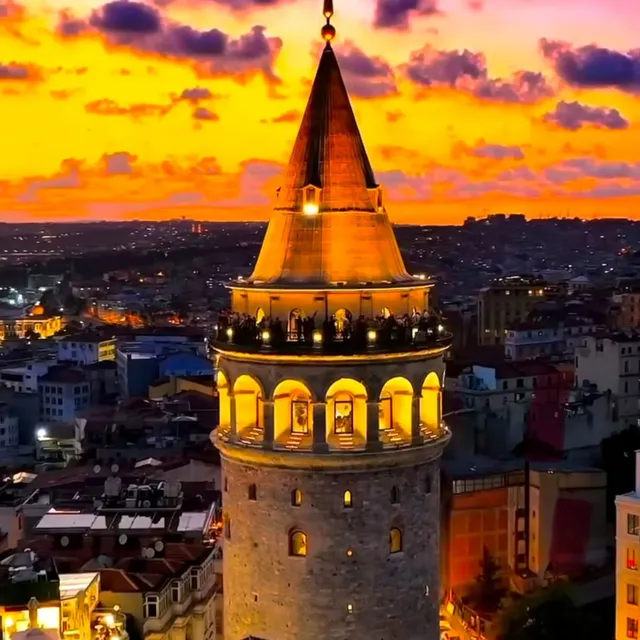
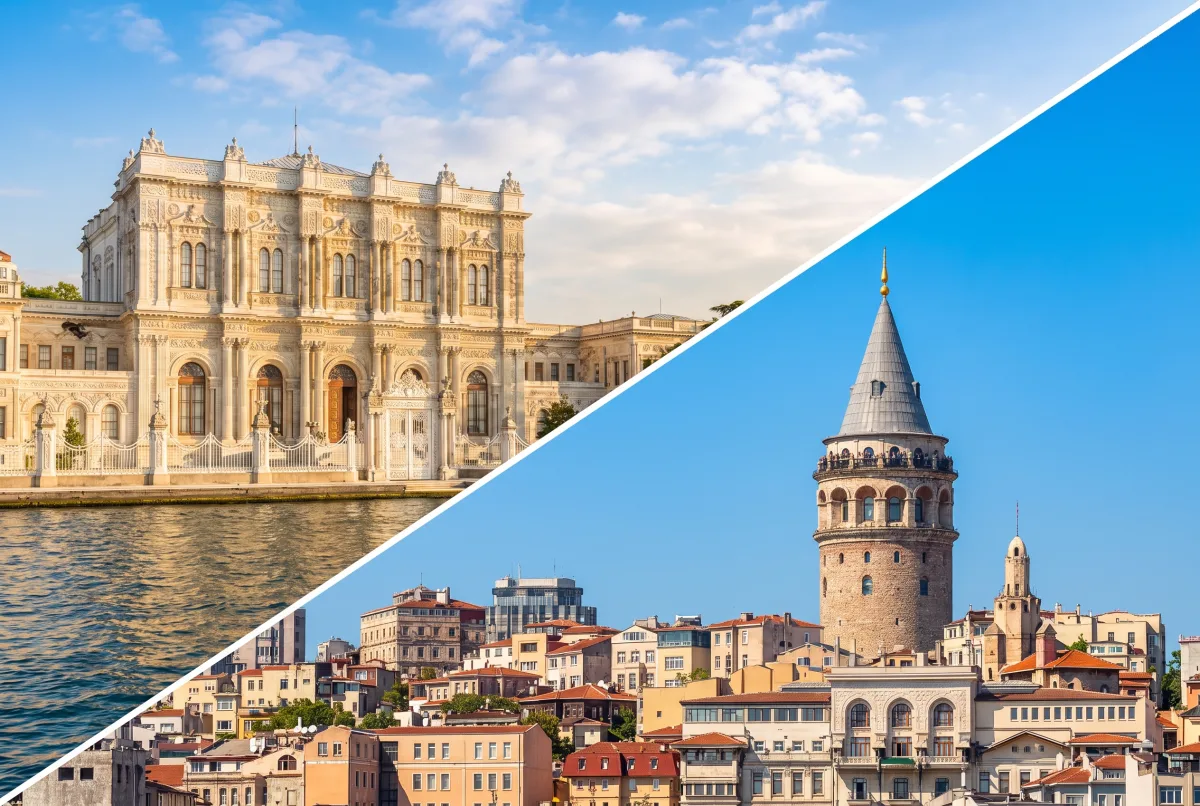
Stone facades, sloping streets, old commercial buildings, and one of the strongest urban backdrops in the city. Some visitors come only for the tower, but art-minded travelers enjoy the district as connective tissue between Karakoy and Beyoglu. Most tourists miss this: Galata is one of the best neighborhoods for noticing the relationship between architecture, commerce, design, and changing urban identity.
Kadikoy and Yeldegirmeni: the Asian side’s creative note
Crossing to the Asian side adds a different creative register: more local, more relaxed, less performance-driven. Come for everyday creative energy — street art, independent cafes, bookstores, younger crowds, and music culture. Yeldegirmeni in particular has become part of many art itineraries thanks to murals and evolving creative spaces. Choose it if you are a repeat visitor or staying 3–4 days or more; trade-off: the ferry ride is enjoyable, but the area is less efficient if your time is extremely limited.
 Routes
 Best Art Itineraries by Time Available
From one focused day to a four-day curated trip — plus when to travel for the best district-hopping conditions.
Best time of year for museums and gallery-hopping
Spring and autumn are the easiest seasons: comfortable walking weather, active terraces, and ferry rides that are part of the experience rather than a weather gamble. Summer can still work if you start early and move indoors in the afternoon. Winter is often underrated for museum-goers — shorter days and occasional rain, but very pleasant for long indoor visits and slower lunches. Insider tip: check opening days before building your itinerary; museum schedules and temporary exhibitions can change the logic of your route more than travelers expect.
The best 1-day art itinerary
Do not overcomplicate it. Start with Istanbul Modern in the morning when your attention is fresh, walk through Karakoy, pause for lunch, then continue uphill toward Galata and into Beyoglu. If your energy is still strong, finish with Pera Museum or a slower wander around Istiklal and Cihangir. This route works because it minimizes backtracking and gives you both institution-based art and the urban atmosphere that makes the city memorable.
The best 2-day art itinerary
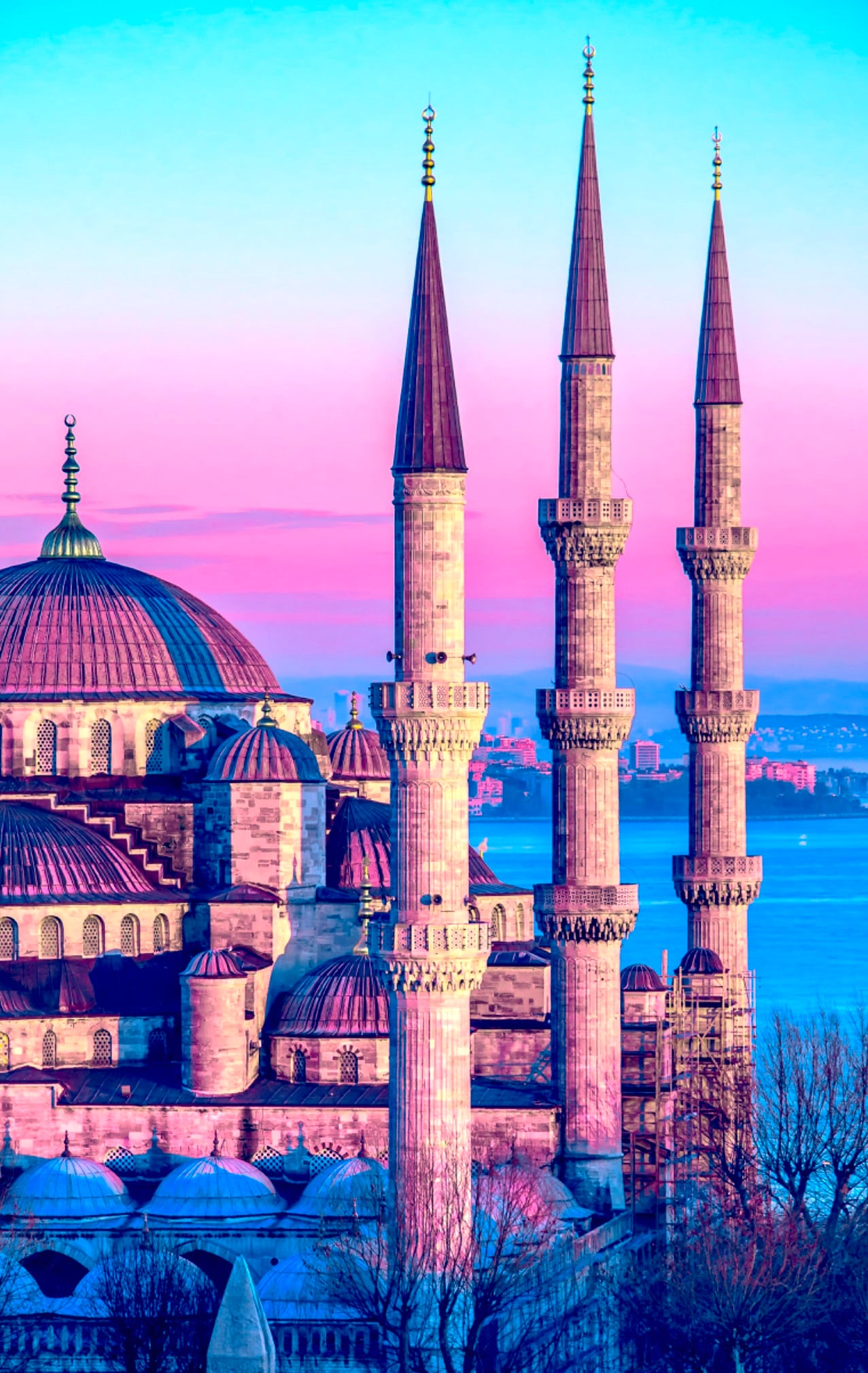
Day 1 — Contemporary and creative neighborhoods: Istanbul Modern, a Tophane and Karakoy walk, a Galata coffee break, Pera Museum or Arter depending on your energy, and dinner in Beyoglu, Cihangir, or Karakoy. Day 2 — Historical artistic foundations: Turkish and Islamic Arts Museum, time in the Blue Mosque and Hagia Sophia area for architectural context, lunch in Sultanahmet, and an optional secondary museum or Bosphorus view stop. Avoid museum overload — historical art in Istanbul is not confined to museum walls, so leave time for tile work, light, and urban setting.
The best 3-day art itinerary
Day 1 — Karakoy to Beyoglu: Istanbul Modern, Karakoy lunch, Galata walk, Pera Museum, evening in Cihangir or Asmalimescit. Day 2 — Sultanahmet and historical arts: Turkish and Islamic Arts Museum, architectural study of the monuments, traditional lunch, and the Grand Bazaar area for craftsmanship and visual culture. Day 3 — Arter or a Bosphorus museum day: Arter for contemporary depth and upper Beyoglu streets, or Sakip Sabanci Museum with a Bosphorus-oriented day built around it. For someone who loves both contemporary art and scenery, we would make day three the Bosphorus day.
The best 4-day art itinerary
Day 1: Istanbul Modern, Karakoy, Galata. Day 2: Pera Museum, Beyoglu, Cihangir, evening dining. Day 3: Turkish and Islamic Arts Museum, Sultanahmet, Grand Bazaar craftsmanship focus. Day 4: Kadikoy and Yeldegirmeni, or Sakip Sabanci Museum and a Bosphorus route. This is the point where one guided cultural tour can genuinely help for deeper context — choose one guided experience, not four; too many booked activities flatten the spontaneity that makes art travel here enjoyable.
 Between the stops
 Art Beyond Museums: What Actually Deepens the Experience
The most satisfying cultural moments in Istanbul often happen in-between official attractions.
Architecture as part of the itinerary
Istanbul is one of those cities where architecture should be considered part of your art itinerary, not a separate category. The visual language of domes, courtyards, facades, tiled surfaces, waterfront mansions, and layered streetscapes affects how you read the city’s art institutions. Pair at least one museum day with time in Sultanahmet, one walk through Beyoglu’s historic fabric, and if possible a Bosphorus segment — you begin to understand not just what the city exhibits, but how it sees.
Bookstores, design shops, and gallery-adjacent spaces
A bookstore after a museum. A design shop tucked into a side street. A beautifully designed cafe where the clientele tells you as much about a neighborhood as the architecture does. These are not “hidden gems” in the clichéd sense — they are simply how creative districts function. If you like bringing home something meaningful, prioritize books, prints, ceramics, textiles, and design objects over impulse market purchases.
Street art and public visual culture
Istanbul is not a pure street-art destination in the way some travelers imagine Berlin or Lisbon, but there are pockets where murals and public visual culture add to the urban experience, especially around Kadikoy and Yeldegirmeni. The point is not to chase individual walls across the city — it is to notice how creativity appears in ordinary streets, shutters, posters, signage, and neighborhood identity.
 Food
Food Food for Art Lovers: Where to Pause Between Museums
Good art days are shaped by where you pause — the right lunch can make the second half of your day much better.
Best lunch zones for an art itinerary
- Karakoy: easy, stylish, and convenient for modern museum routes.
- Beyoglu: better for longer meals, meze, classic dining rooms, and cafe breaks.
- Cihangir: great for coffee, cake, brunch-style pauses, and a slower pace.
- Sultanahmet: functional if you choose carefully — research to avoid tourist-trap meals.
- Kadikoy: excellent for market energy, casual local dining, and younger cafe culture.
What to eat on an art-focused day
Keep lunch satisfying but not too heavy if you are walking a lot: meze, grilled fish, soups, pide, kofte, salads, simit-and-cheese style snacks, or a refined modern Turkish lunch. For dinner, lean in — one of the best endings to an art day is a meal in Beyoglu, Karakoy, or along the Bosphorus, especially if the route brings you there by sunset. For neighborhood-specific ideas, connect your day with our Istanbul food guide rather than choosing the first convenient table near a major monument.
Coffee matters more than you think
Art trips run on energy and attention. Build in proper coffee stops — Karakoy, Galata, Cihangir, and Kadikoy all offer good opportunities, and the cafe scene itself tells you a lot about the city’s current creative life.
 The full trip
 A Smart 5-Day Istanbul Itinerary with an Art Focus
For travelers building a broader trip around art without skipping the city’s major essentials.
Classic arrival and neighborhood orientation
Settle into Karakoy, Galata, or Beyoglu. An easy walk, coffee, a sunset view, an early dinner. Do not force a major museum after arrival unless you landed early and feel fresh.
Contemporary Istanbul
Istanbul Modern, Karakoy lunch, Galata streets, then Pera Museum or design-shop wandering in Beyoglu.
Historic artistic foundations
The Hagia Sophia and Blue Mosque area, the Turkish and Islamic Arts Museum, and a Grand Bazaar craftsmanship focus.
Deeper contemporary or Bosphorus culture
Arter or Sakip Sabanci Museum, a long lunch, and an optional Bosphorus cruise or waterfront dinner.
Asian side creative day
Ferry to Kadikoy, Yeldegirmeni and local cafe culture, bookstores, murals, a casual lunch, and a return ferry at sunset. This schedule creates a much more balanced trip than doing all the monuments first and cramming the art scene into the final afternoon.
 Photography
 Photography Tips for Art Lovers in Istanbul
Istanbul is one of the best cities in the world for visual composition — but photographing it well requires restraint.
Best photography moments
- Morning light in Karakoy streets
- Waterfront architecture around Galataport
- Late afternoon slopes in Galata
- Bosphorus light during museum excursions
- Architectural details in Sultanahmet rather than only wide monument shots
- Ferry approaches to Kadikoy and the European shore
Shoot the transitions, not just the skyline
Most tourists miss this: the best art-trip photos are often not the obvious skyline shots but the transitions — tiled detail, stairwells, facades, passageways, books on cafe tables, ferry windows, exhibition reflections, and the contrast between monumental and everyday spaces. Avoid this mistake: do not try to photograph every museum visit intensively; some exhibitions are better experienced directly. Use your camera to support the day, not dominate it. Note that not every museum allows the same level of photography.
Transportation Tips for an Art Trip
The smartest approach is hybrid: walk within neighborhoods, use trams or metro between bigger jumps. Use public transport when moving between Sultanahmet, Karakoy, and Beyoglu access points, when you want to avoid traffic delays, or when planning multiple stops in one corridor.
Rely on ferries when crossing to the Asian side for Kadikoy — and whenever you want the transport itself to feel like part of the trip.
Helpful for specific segments: heading to a Bosphorus museum with limited time, a tired end to a long gallery day, or uphill stretches in bad weather. Rarely the best all-day strategy in central areas.
If your hotel is in Karakoy, Galata, or Beyoglu and you are arriving with luggage, a pre-arranged transfer can be worth paying for after a long flight. If you are budget-conscious and comfortable with public transit, save the money for museums and meals.
What to Book Ahead vs Keep Flexible
Worth booking ahead
- Major museums and time-sensitive attractions during busy seasons and holiday periods — pre-booking protects your best museum window from queues.
- Bosphorus experiences and any guided visit you feel strongly about — one guided cultural tour for interpretation, not four.
- An attraction pass if you already know you will combine museums with classic sightseeing — not “just in case.”
- Airport transfer at the edges of the trip: arrivals with luggage into Karakoy, Galata, or Beyoglu, late-night returns, or a long Bosphorus museum outing.
Keep flexible
- The overall plan — you do not need to overbook your entire art trip.
- Independent contemporary museum visits, which many travelers are happier exploring at their own pace.
- Neighborhood wandering in Karakoy, Beyoglu, Cihangir, Galata, and Kadikoy.
- Meals and coffee stops — choose by neighborhood strength as the day unfolds.
- The pass decision if your trip is mostly neighborhood wandering with only one or two paid museums — it may not be worth it.
The Perfect One-Day Art Route, Hour by Hour
Common Mistakes and Insider Tips
Avoid these mistakes
- Trying to cover too much geography in one day — the city is large, and traffic can distort plans quickly.
- Ignoring historical arts: even contemporary-focused travelers benefit from one serious historical art stop.
- Treating Beyoglu as only a shopping street — it is far richer than that.
- Choosing convenience meals in tourist-heavy zones; better food usually means a better cultural day.
- Leaving Kadikoy for the final rushed afternoon — it deserves intention or should be skipped.
- Underestimating walking and hills, and not checking museum schedules — opening days and temporary exhibitions shape the smartest route.
Insider tips
- At Istanbul Modern, don’t rush off — the surrounding district is part of why the visit works so well.
- Give Arter at least 2 hours; rushing it usually means missing what makes it special.
- Tophane is best in daylight or early evening, when you can actually observe its street life and architecture.
- Walk sections of Istiklal, then peel off into side streets — the character lives in the lanes and cross-connections.
- Build in proper coffee stops: art trips run on energy and attention.
- Photograph the transitions — tiled detail, stairwells, passageways, ferry windows — and let some exhibitions be experienced directly.
Frequently Asked Questions
What are the best museums in Istanbul for art lovers?
Is Istanbul good for contemporary art?
Which neighborhood is best for art lovers in Istanbul?
How many days do I need in Istanbul for an art-focused trip?
Is Istanbul Modern worth visiting?
Should I visit Sultanahmet if I am mainly interested in art?
Are galleries in Istanbul concentrated in one area?
Is Kadikoy worth it for art lovers?
What is the best 1-day art itinerary in Istanbul?
Are museum passes worth buying in Istanbul?
What is the best way to get around Istanbul for museum visits?
Can I combine art museums with food experiences in the same day?
Is Istanbul a good destination for decorative arts and design lovers?
What should art lovers buy in Istanbul?
How to Experience Istanbul as an Art Lover
The best version of this trip is not a marathon of museum tickets — it is a well-paced conversation with the city. Start with a strong institution, give historical art its proper place, walk through neighborhoods that still carry cultural memory, pause for lunch somewhere rooted in the area, and leave room for one or two unplanned discoveries. If there is one mistake worth avoiding, it is treating art in Istanbul as a niche add-on to “real sightseeing” — in this city, art is one of the best ways to understand the whole destination.
Explore things to do in Istanbul