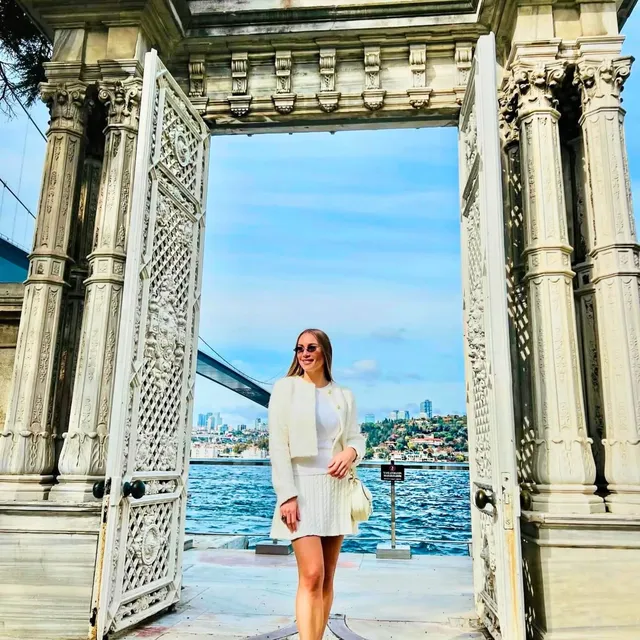
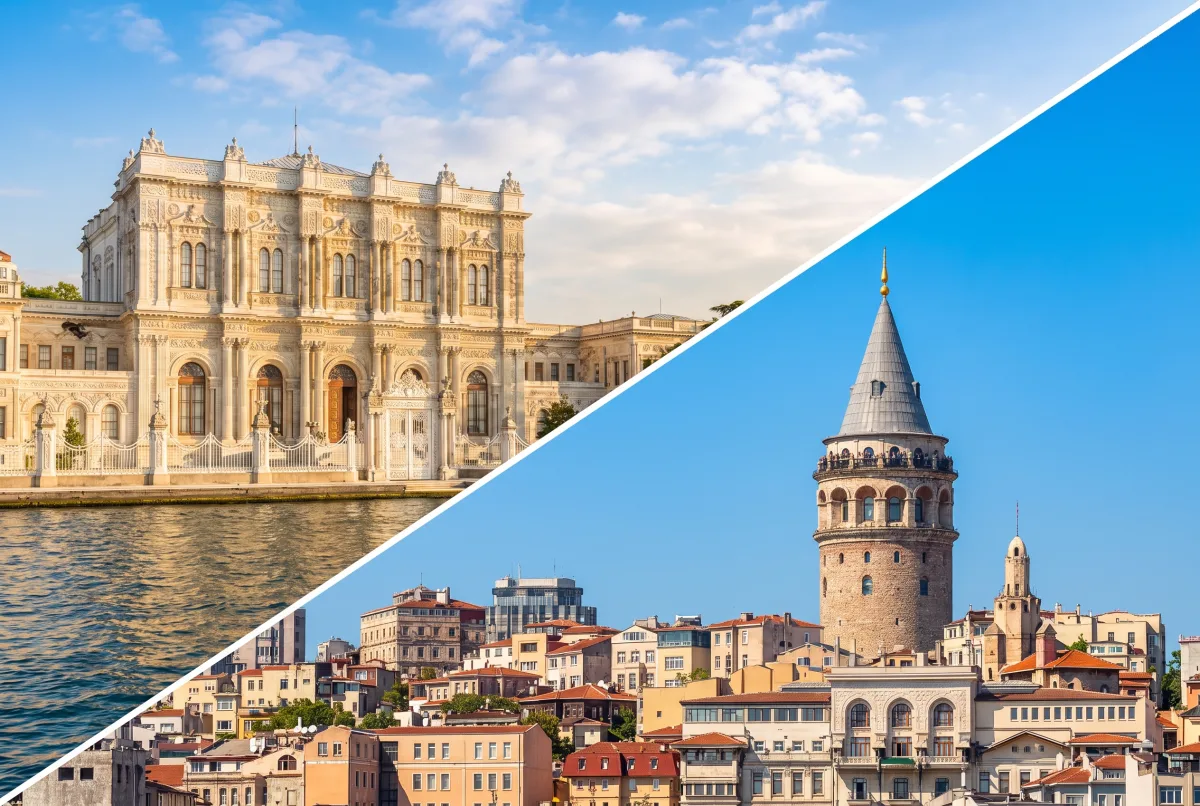
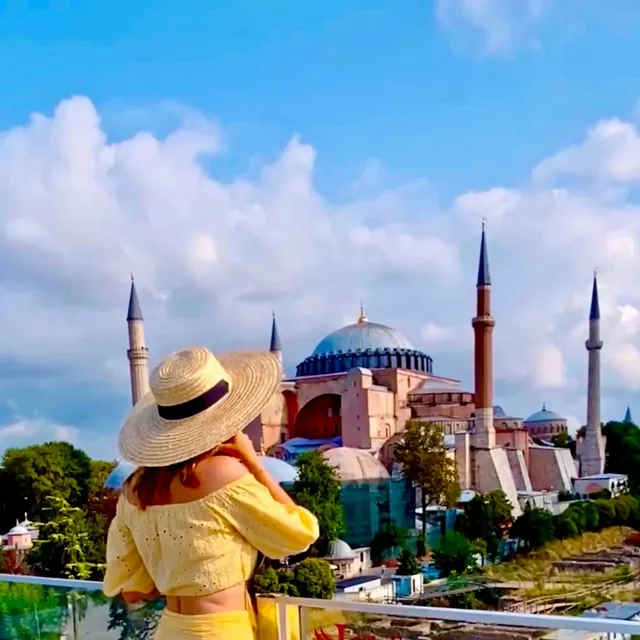
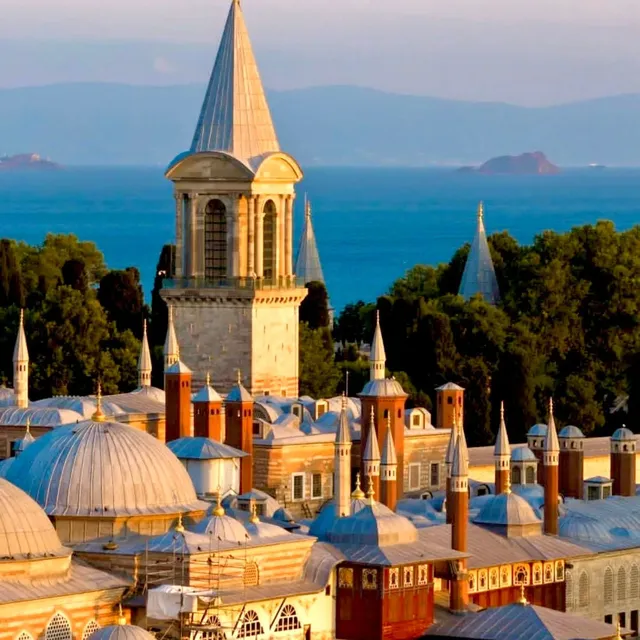
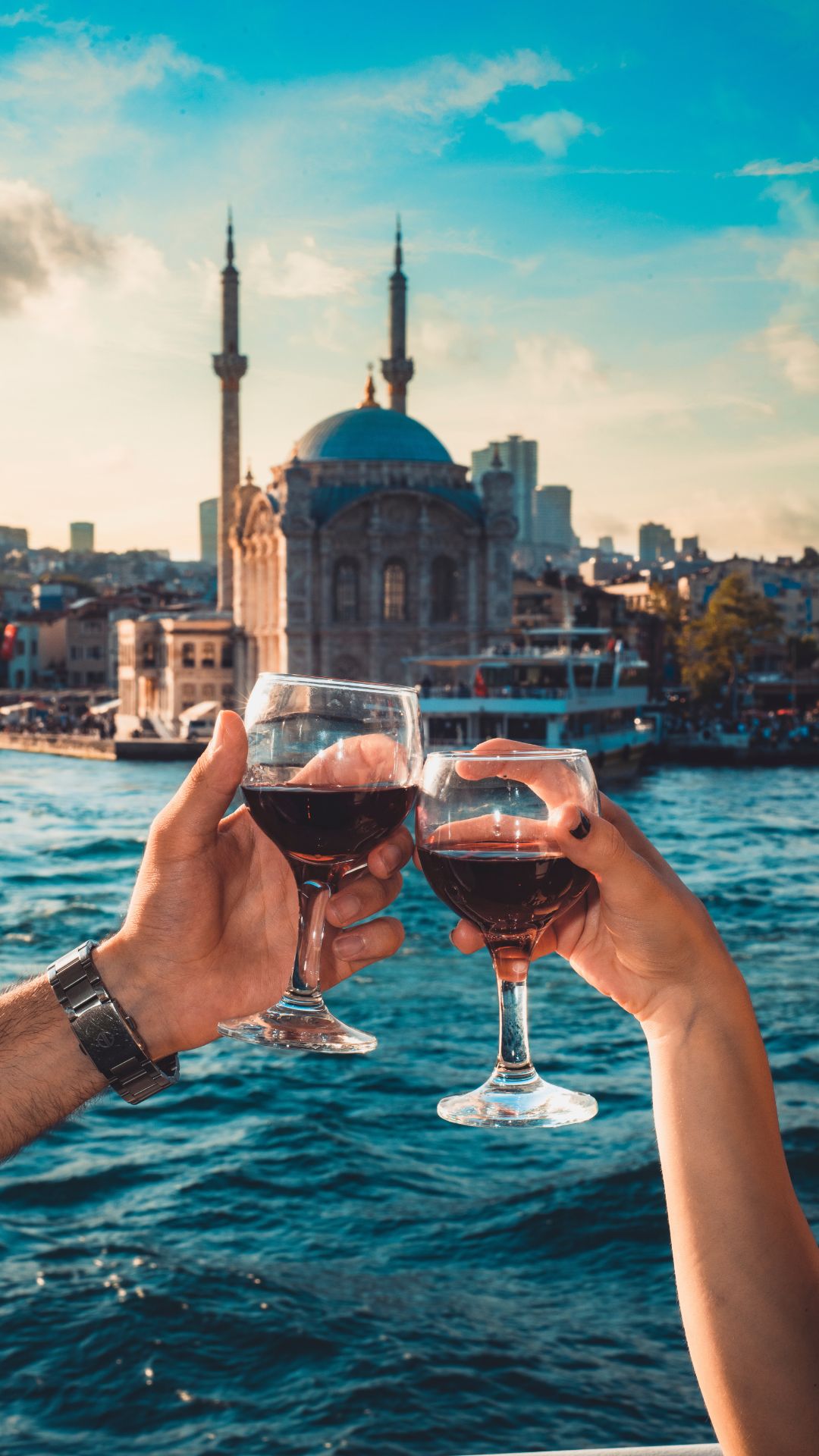
If you want to see Istanbul’s icons without spending your trip standing in ticket queues, this is the itinerary we would plan for a friend. It is built for first-time visitors who want to save time, avoid the most common planning mistakes, and experience the city’s essentials with a calm, well-paced flow rather than a rushed checklist.
Istanbul rewards good timing more than almost any major city. The difference between a smart day and a frustrating one is often not what you see, but when you see it, how you move between neighborhoods, and which attractions are worth booking in advance. That is exactly where skip-the-line access helps: not because every site has a huge ticket line all day, but because a few key bookings can protect your best hours and keep your energy for the city itself.
This guide combines a practical 3-day Istanbul itinerary with strategic skip-the-line planning, neighborhood logic, food stops, transport advice, and local pacing. From our experience, many visitors either book too little and waste time, or book too much and turn Istanbul into a series of timed entries. The sweet spot is somewhere in between.
SAVE YOUR HOURS Pre-book only the pieces that truly save time Basilica Cistern, Topkapi Palace, and your Bosphorus cruise — leave the rest open.Quick Overview
| Best For | Trip Length & Pace | Skip-the-Line Priorities | Base & Transport |
|---|---|---|---|
| First-time visitors who want to save time | 3 days ideal, 2 days possible, 4 days excellent | Hagia Sophia area planning, Basilica Cistern, Topkapi Palace, selected guided entry, Bosphorus cruise | Sultanahmet, Sirkeci, Karakoy, Galata, Taksim |
| Daily rhythm | Moderate and efficient — walking level high on historic peninsula days | Spend on time-saving entries, not unnecessary transfers | Mostly tram and ferry, short taxi only when useful |
How Skip-the-Line Access Actually Works in Istanbul
- Pre-booked entry to popular attractions. Some attractions let you avoid the on-site ticket purchase line by booking in advance. This does not always mean skipping security lines, and that distinction matters — security checks can still take time at major sites.
- Guided or hosted entry. At certain landmarks, a guide or host can streamline access and help you avoid confusion around queues, entrances, and ticket validation. This is often more valuable than people expect, especially in Sultanahmet where multiple lines and entry rules can feel unclear.
- Timed visits that protect your best hours. Even when “skip-the-line” is not literal, reserving a specific time can preserve your morning. Your early hours in Istanbul are your most valuable hours, especially around the Old City.
- Strategic itinerary design. The part many travelers overlook: arriving at the right gate, visiting in the right sequence, using the tram instead of a taxi stuck in traffic, and breaking at the right time can save as much time as an advance ticket.
- When it is worth it. Skip-the-line access is worth it when it removes uncertainty from your busiest sightseeing window. It is less useful when applied blindly to every museum on your list.
- Who this plan is for — and the trade-off. First-time visitors staying 2 to 4 days: couples, solo travelers, and families with older children who want iconic sights plus local atmosphere. Repeat visitors wanting a deeper neighborhood-led trip may find it too classic. The trade-off: you will not see everything — that is intentional. Istanbul is not a city to conquer; it is a city to enter gradually.
How Many Days Do You Need?
Three full days is the sweet spot for a first trip with skip-the-line planning. Two days is enough for highlights if you are disciplined. Four days gives you breathing room and lets you add the Asian side, a hammam, or a slower market-and-food day.
If you have limited time: prioritize Hagia Sophia, Basilica Cistern, Topkapi Palace, a Bosphorus cruise, and one modern neighborhood walk.
When not to overbook: do not fill every hour with timed reservations. Istanbul is full of unplanned pleasures — a tea stop with a view, a ferry detour, a slow walk through side streets near Suleymaniye, an extra hour in Karakoy. Leave room for the city to surprise you.
Where to Stay for This Itinerary
Sultanahmet
Walking to major sites before crowds build can save more time than many paid upgrades. Trade-off: evenings can feel quieter and more tourism-focused.
Best for Early access to major sights, shortest morning walks, classic first-time convenience.
Sirkeci
Close to the historic core without being entirely inside it. Trade-off: less romantic in atmosphere than some visitors imagine.
Best for Practical transport and an easier local dining balance.
Karakoy
Karakoy is usually the better balance if you prefer more restaurants and a livelier evening atmosphere. Trade-off: more hills and urban energy.
Best for A balanced first trip with food, ferry access, nightlife, and easy movement.
Galata
Trade-off: uphill walking and less direct access to Sultanahmet than staying in the Old City.
Best for Character, restaurants, walkable atmosphere, photogenic streets.
Taksim
It can work, but for first-time visitors focused on the classic sights it adds more transport friction than people expect — less efficient for a monument-heavy short stay.
Best for Travelers prioritizing modern city life and nightlife.
The Best 3-Day Istanbul Itinerary With Skip-the-Line Access
 Historic Peninsula
 Day 1: Sultanahmet Done Smart
Your first day should capture Istanbul’s biggest historic landmarks while your energy is high. This is the day where skip-the-line planning makes the biggest difference.
Arrive Early in Sultanahmet
Get here before the area fully wakes up. The square is at its best in the early morning light, when the proportions of the monuments feel more dramatic and the crowds have not yet flattened the mood. If you are staying nearby, walk. If not, take the tram and avoid driving into the area unless absolutely necessary.
Hagia Sophia Exterior and Entry Planning
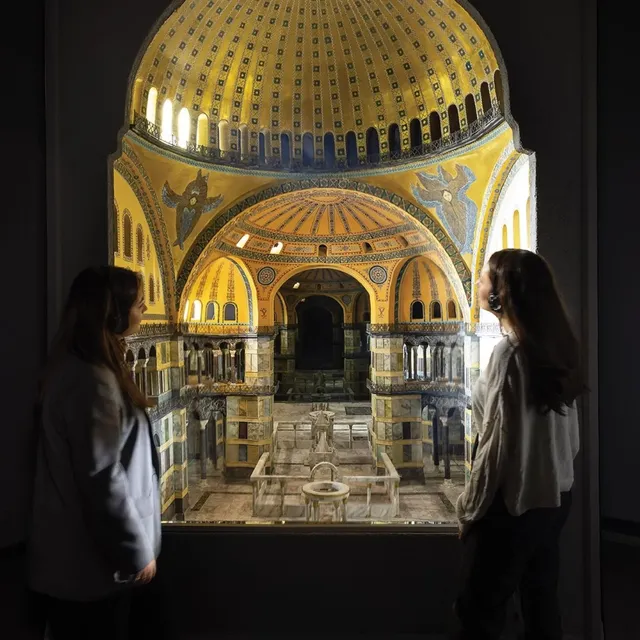
Hagia Sophia is one of those places where expectations, entry rules, and crowd patterns can confuse first-time visitors. Depending on current access rules, visitor circulation may differ from what older guidebooks describe, so always check the latest conditions before your trip. Skip-the-line products here are often more about simplifying entry logistics than bypassing every line entirely — that can still be worth it if this is one of your must-see landmarks.
Insider tip: even when you cannot skip security, early arrival changes the experience dramatically: calmer atmosphere, better lighting, a more cinematic square. Photography: capture the exterior from the Sultanahmet Square side early, then again later from a slightly lower angle near the gardens for a different sense of scale.
Basilica Cistern
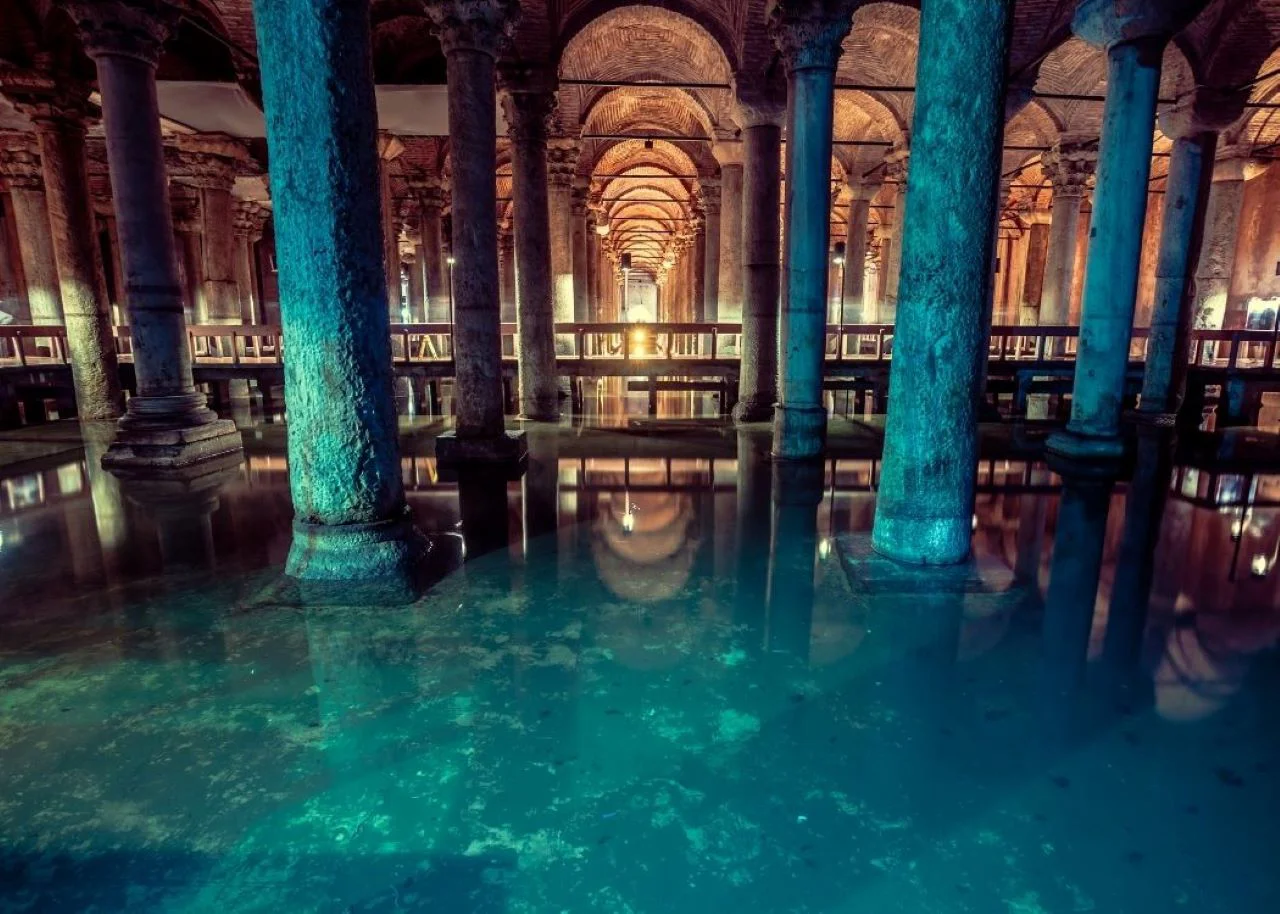
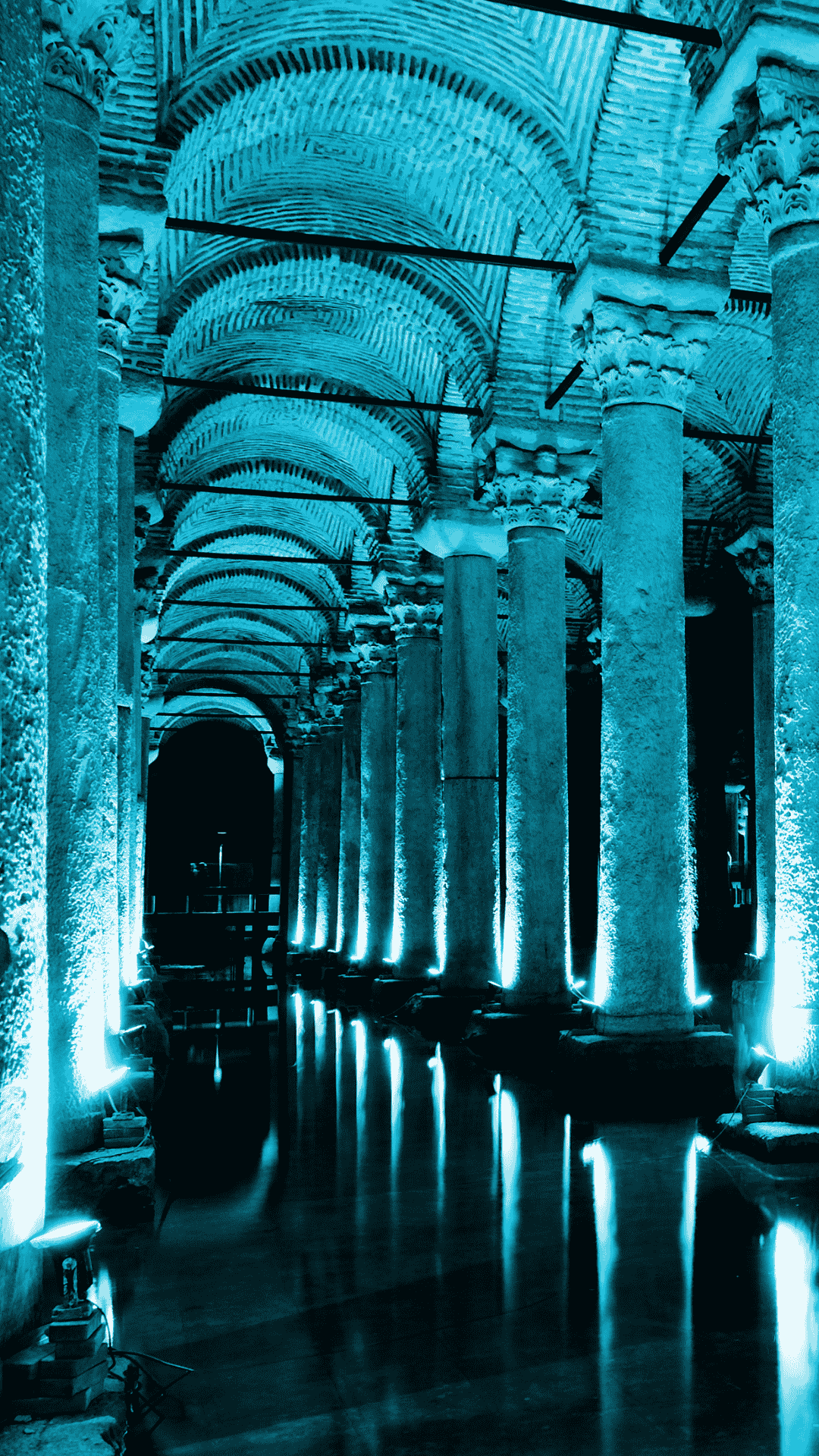
The Basilica Cistern is currently temporarily closed to visitors, so check its official reopening status before including it in your itinerary. Lines can become disproportionately long relative to the actual length of the visit, and the interior has a dramatic payoff. If there is one mistake worth avoiding on your first day, it is standing outside the Basilica Cistern in a midday queue. Plan 30 to 45 minutes inside. Move slowly, let your eyes adjust — the columns, reflections, and low light create one of Istanbul’s most atmospheric interiors.
Most tourists miss this: the experience is not only visual. Listen to the acoustics, footsteps, and dripping water — one of the rare places in Sultanahmet that still feels almost theatrical.
Blue Mosque and the Square
The Blue Mosque belongs in the same morning cluster because it is steps away and easy to pair with Hagia Sophia and the Basilica Cistern on most days; on Fridays, tourist visiting hours begin at 1:30 PM, so plan the mosque for the afternoon instead. Modest dress and respectful timing matter; entry is usually straightforward, but prayer times can affect visits, so flexibility helps. The square between these monuments is not just a transit space — pause here. This is where Byzantine and Ottoman legacies face one another in a way that few cities can match.
Short Tea Break or Early Lunch
The right moment to pause before Topkapi Palace. You do not want to arrive hungry and rush through it. A quick tea, simit, or light breakfast plate nearby is enough.
Topkapi Palace With Pre-Booked Entry
Topkapi Palace, which is closed on Tuesdays, can easily become overwhelming if you arrive unprepared. It is not one building; it is a sequence of courtyards, chambers, views, imperial spaces, and exhibits. A pre-booked ticket or hosted entry is usually worth it here, especially in the warmer months. Plan at least 2 to 3 hours — longer if you like history. The Imperial Treasury, palace courtyards, and Bosphorus views are highlights, but the broader pleasure is understanding how the Ottoman court positioned itself physically above the water and the city.
Avoid this mistake: do not treat Topkapi like a 45-minute stop between lunch and your next attraction — rushing makes it feel confusing rather than impressive. Who should consider a guide: travelers who enjoy context, imperial history, court culture, and symbolism.
Lunch With a View or a Classic Kebab Stop
Either stay close for a terrace lunch with a historic skyline view or walk toward Sirkeci for a more grounded local meal. Good choices include grilled meats, soup, meze, or a simple Turkish home-style lunch. If you want dessert, keep room for baklava later rather than ordering heavily now.
Walk Through Gulhane or Down Toward Eminonu
If you need a softer transition after palace interiors, walk through Gulhane Park or continue down toward Eminonu. The slope down reveals the city’s geography in a satisfying way and shifts your perspective from monumental history to everyday urban rhythm. Topkapi to the Gulhane edge is easy and short; continuing to Eminonu takes longer but is pleasant downhill.
Spice Bazaar or Eminonu Waterfront
The Spice Bazaar is not a hidden gem, and it does not need to be. It is lively, sensory, and easy to combine with the rest of the day — go for atmosphere, sweets, tea, lokum, and the surrounding streets. If you are tired, simply walk the Eminonu waterfront and watch ferries crossing between continents.
Most tourists miss this: the streets around the bazaar are often more interesting than the bazaar itself. Let yourself drift into the surrounding commercial lanes.
Dinner in Sirkeci, Karakoy, or Galata
Do not stay in Sultanahmet for dinner by default unless you have a place you really want to try. If your feet still have energy, cross to Karakoy for a more contemporary evening atmosphere, or head to Galata for a walk that makes the city feel immediately bigger. For ideas, see our guides to the best restaurants in Istanbul and what to eat in Istanbul.
Optional evening add-on: if the weather is good, end with a relaxed walk near Galata Bridge. The skyline, fishing rods, ferry movement, and evening lights create one of the most unmistakably Istanbul scenes in the city.
 Beyoglu & the Bosphorus
 Day 2: Bosphorus, Beyoglu, and the City Beyond the Monuments
Day 2 shifts from the Old City’s heavy historical concentration into a broader sense of Istanbul. If Day 1 tells you what Istanbul was, Day 2 starts to show you what Istanbul feels like.
Start in Karakoy
Come for coffee and a slower beginning. Karakoy is one of the best neighborhoods for the transition between sightseeing mode and city mode. Depending on where you are staying, arrive by tram, on foot via Galata Bridge, or by short taxi if needed.
Walk Uphill Toward Galata
The climb from Karakoy to Galata is part of the experience. The streets change character quickly: ports and commerce give way to design shops, cafes, older facades, and side streets that reward wandering.
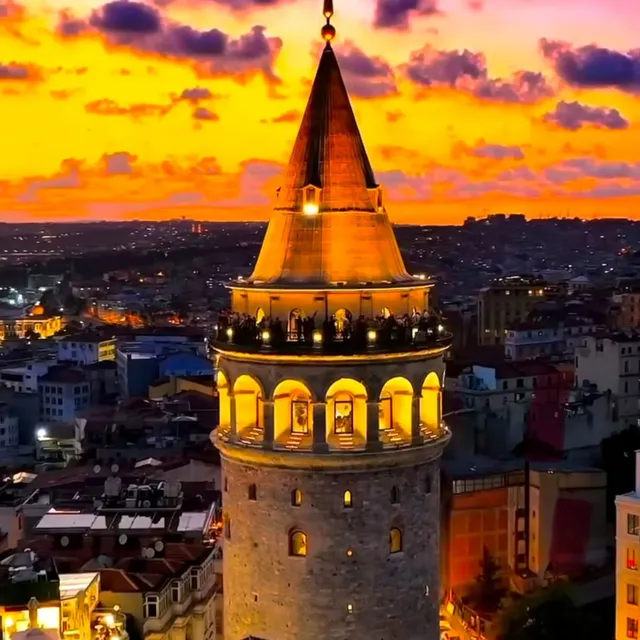
Should you go up Galata Tower? Choose it if it is your first time in Istanbul, visibility is clear, and skyline views matter to you. Skip it if you dislike queues, have already had strong skyline viewpoints, or would rather spend the time walking. The view is memorable, but the surrounding neighborhood often gives more pleasure than the tower itself.
Continue Along Istiklal Avenue
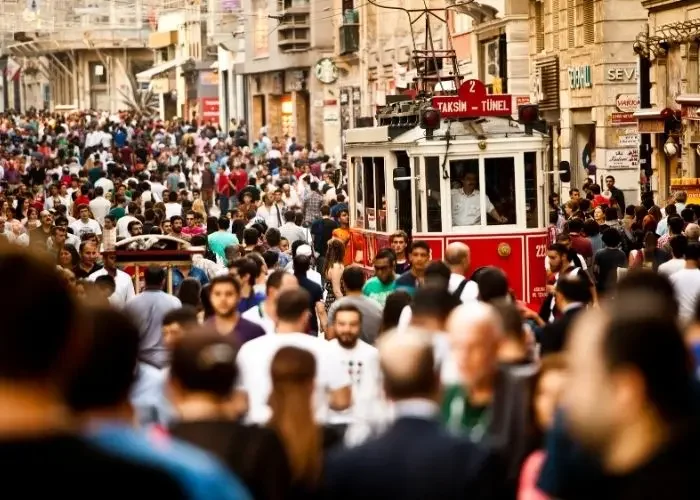
Istiklal is not quiet, polished, or always charming in the conventional sense. It is dense, layered, and alive — one of the easiest ways to understand modern Istanbul’s public rhythm. Walk it in sections rather than trying to “finish” it. Dip into side passages, churches, arcades, and side streets when something catches your eye. This is where a too-rigid itinerary becomes a problem: leave room to explore.
Midday Cultural Stop or Museum Choice
Depending on your interests, this is a good window for a museum, hammam, or simply a slower lunch. Do not force another major queue-heavy attraction if the weather is good and the neighborhood is pulling you outward. One of the smartest choices is to skip adding another “must-see” and instead preserve your afternoon for the Bosphorus.
Lunch in Beyoglu or Karakoy
This part of the city gives you far better food variety than many first-time visitors expect: traditional meze and grilled fish, modern Turkish, street food, or a simple lokanta-style lunch.
Insider tip: this is the right day to try a stronger dessert stop, specialty coffee break, or more modern dining style. Day 1 is about efficiency. Day 2 can be more expressive.
Bosphorus Cruise With Pre-Booked Departure
If there is one experience that helps visitors emotionally understand Istanbul, it is seeing the city from the water. A Bosphorus cruise reframes everything: palaces, hills, mosques, mansions, fortresses, ferries, and the constant movement between Europe and Asia. Booking ahead helps most if you want a specific departure time, a sunset sailing, or a curated cruise rather than an improvised pier decision.
- Public ferry: best for budget-conscious independent travelers — affordable, local, flexible, but less explanatory and less curated.
- Short Bosphorus cruise: best for first-time visitors wanting simplicity — easy planning and scenic focus, but costs more.
- Sunset cruise: best for couples and travelers prioritizing atmosphere — beautiful light and memorable skyline views, but popular slots book quickly.
For route ideas, compare options with our best Bosphorus cruises in Istanbul guide.
Evening in Besiktas, Ortakoy, or Back in Karakoy
Where you continue depends on your energy and cruise route. Besiktas works well for a lively local dinner atmosphere. Ortakoy is scenic and photogenic, though often crowded. Karakoy is the easiest all-rounder if you want flexibility.
Avoid this mistake: do not take a taxi everywhere along the Bosphorus at peak traffic hours and assume it will save time — often it will do the opposite. Photography: late afternoon and sunset along the Bosphorus give you some of the city’s best light; keep your camera ready during the cruise rather than waiting for a single “perfect” stop.
 Markets & viewpoints
 Day 3: Grand Bazaar, Suleymaniye, and a More Layered Istanbul
Your third day should still include major sights, but with a little more texture and less pressure. This is where Istanbul starts to feel different from a simple monuments trip.
Grand Bazaar Area Before the Crowds Peak
The Grand Bazaar, which is closed on Sundays, is at its best before it turns into a shoulder-to-shoulder flow. Go in with realistic expectations: it is historic, atmospheric, and enormous, but also commercial. You are here for the setting, the lanes, craftsmanship glimpses, and the sense of continuity more than for miraculous shopping bargains.
Shopping guidance: buy if you genuinely like something, not because you think it is your only chance; quality varies dramatically; shipping large items home is possible but only with reputable sellers; for ceramics, textiles, spices, and sweets, comparing a few shops helps. The streets around the Grand Bazaar often provide as much interest as the interior halls.
Walk or Ride Toward Suleymaniye Mosque
Suleymaniye offers one of the most rewarding combinations of architecture, atmosphere, and city view in Istanbul. It is less compressed than Sultanahmet and often feels more spacious mentally as well as physically — its elevated position gives it a commanding relationship with the Golden Horn. If Day 1 was about imperial icons, Day 3 lets you exhale into a landmark that still feels monumental but less overprocessed by tourism.
Insider tip: spend time outside as well as inside. The courtyards and surrounding slopes are part of the experience.
Terrace or Local Lunch Near Suleymaniye
A great place for a slower meal. Some of the nearby streets offer deeply satisfying, no-drama local food with strong city views. You do not need a trend-driven restaurant here — a well-cooked traditional lunch in this part of the city often becomes one of the most memorable meals of the trip.
Choose Your Afternoon Based on Travel Style
- Option A — More history: continue with an additional museum or monument if you still have appetite for interiors and collections.
- Option B — More neighborhood texture: walk down into Eminonu, continue toward the waterfront, or cross over to Karakoy and let the city unfold at street level — often the more rewarding choice if you feel saturated with formal sightseeing.
- Option C — Hammam experience: by now your body will appreciate it, and it creates a clean contrast with the monument-heavy parts of the trip. Choose carefully: historic ambiance matters, but so do hygiene, service clarity, and whether you want a traditional treatment or a gentler first-time introduction. Our best hammams in Istanbul guide can help you choose without guesswork.
Final Golden-Hour Viewpoint or Ferry Ride
For your last major block, choose one final perspective rather than one more indoor attraction. A short ferry ride, a waterfront tea, or a hilltop skyline view often leaves a stronger final memory than another museum room.
Farewell Dinner
Make this meal count. If your first dinners were practical, this is the night to choose atmosphere: a rooftop with a view, a fish dinner by the water, a contemporary Turkish restaurant in Karakoy, or a warm neighborhood table in Cihangir or Galata.
 Compressed plan
 If You Only Have 2 Days in Istanbul
If you have limited time, you can still do Istanbul well. The key is not to squeeze a 3-day itinerary into 2 days — cut intelligently.
2-Day Plan Summary
Day 1: Hagia Sophia, Basilica Cistern, Blue Mosque, Topkapi Palace, Eminonu or the Spice Bazaar. Day 2: Karakoy, Galata, Istiklal, a Bosphorus cruise, and one final dinner neighborhood.
What to Pre-Book for 2 Days
- Basilica Cistern
- Topkapi Palace
- Bosphorus cruise
- Airport transfer if your arrival is tight
What to Skip in 2 Days
- Too many museums
- Long detours to outlying neighborhoods
- Multiple shopping stops
- Ambitious same-day cross-city taxi plans
 Extended plan
 If You Have 4 Days in Istanbul
A fourth day is where Istanbul becomes more personal. Once the headline attractions are done, you can shape the city around your interests.
Best Additions for Day 4
- Kadikoy and Moda for food and local life
- Balat and Fener for architecture and walking
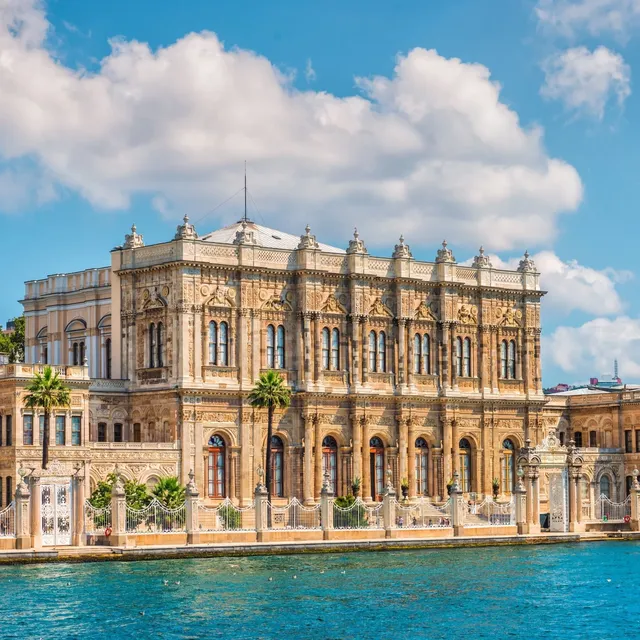
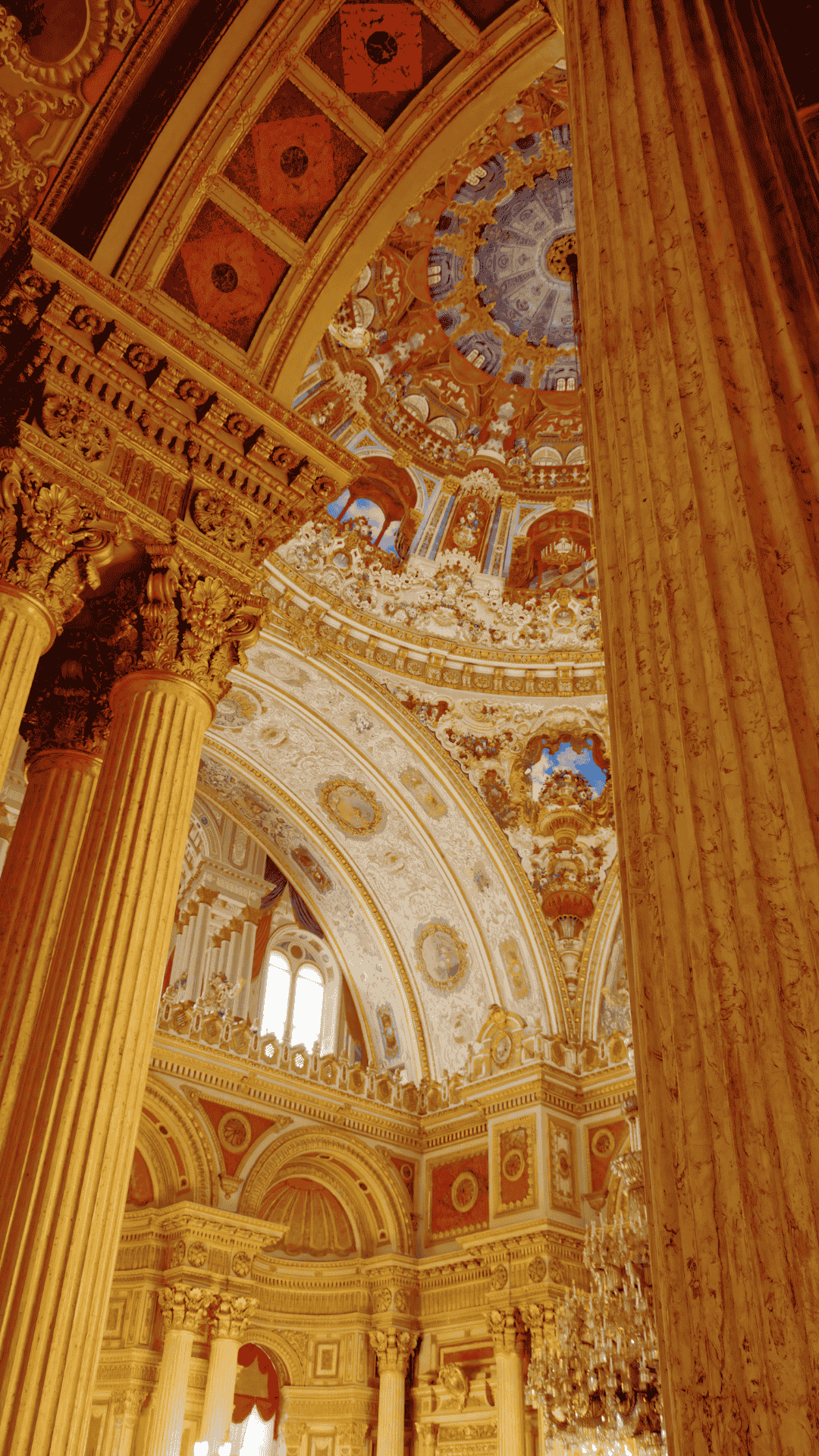
- Dolmabahce Palace if you want a different imperial style
- A dedicated hammam and spa half-day
- A food-focused day with markets, dessert, and neighborhood exploration
For travelers extending their stay, our guides to things to do in Kadikoy, Balat and Fener, and Dolmabahce Palace help you build a more layered trip.
 Booking strategy
 Best Attractions to Pre-Book in Istanbul
Not every attraction needs advance booking. Here is the practical version.
Should You Pre-Book?
- Basilica Cistern — yes: queues can be long relative to visit length.
- Topkapi Palace — usually yes: protects your schedule and reduces entry friction.
- Hagia Sophia access-related services — sometimes: useful for clarity and timing, but check current rules carefully.
- Bosphorus cruise — yes if timing matters: best departures and sunset slots can fill.
- Blue Mosque — no: timing matters more than paid access.
- Grand Bazaar — no: no need for advance booking.
When a Guided Tour Adds Real Value
A guide is worth considering for Topkapi Palace, a combined Old City walking route, or a history-rich visit where context turns rooms into stories. It is less necessary for open-ended neighborhood wandering, ferry rides, or market browsing.
When a Pass Makes Sense
A city pass can work if you already know you will visit multiple included attractions in a tight timeframe and the pass meaningfully reduces booking friction. It is not automatically a money saver — many travelers buy passes and then move too slowly to use them fully. Calculate honestly.
 Food
Food Food Stops That Fit This Itinerary
Food should support the rhythm of your days, not derail them. One of the easiest ways to improve this trip is to stop trying to make every meal a destination meal.
Best Food Strategy by Day
Day 1: keep lunch efficient near Sultanahmet or Sirkeci; save dinner for Karakoy or Galata. Day 2: use Karakoy or Beyoglu for your more expressive meal and dessert stops. Day 3: enjoy a slower traditional lunch near Suleymaniye; make dinner your finale.
What to Try
- Simit and tea for a fast start
- Kebabs and grilled meats in classic local spots
- Meze and fish if dining near the water
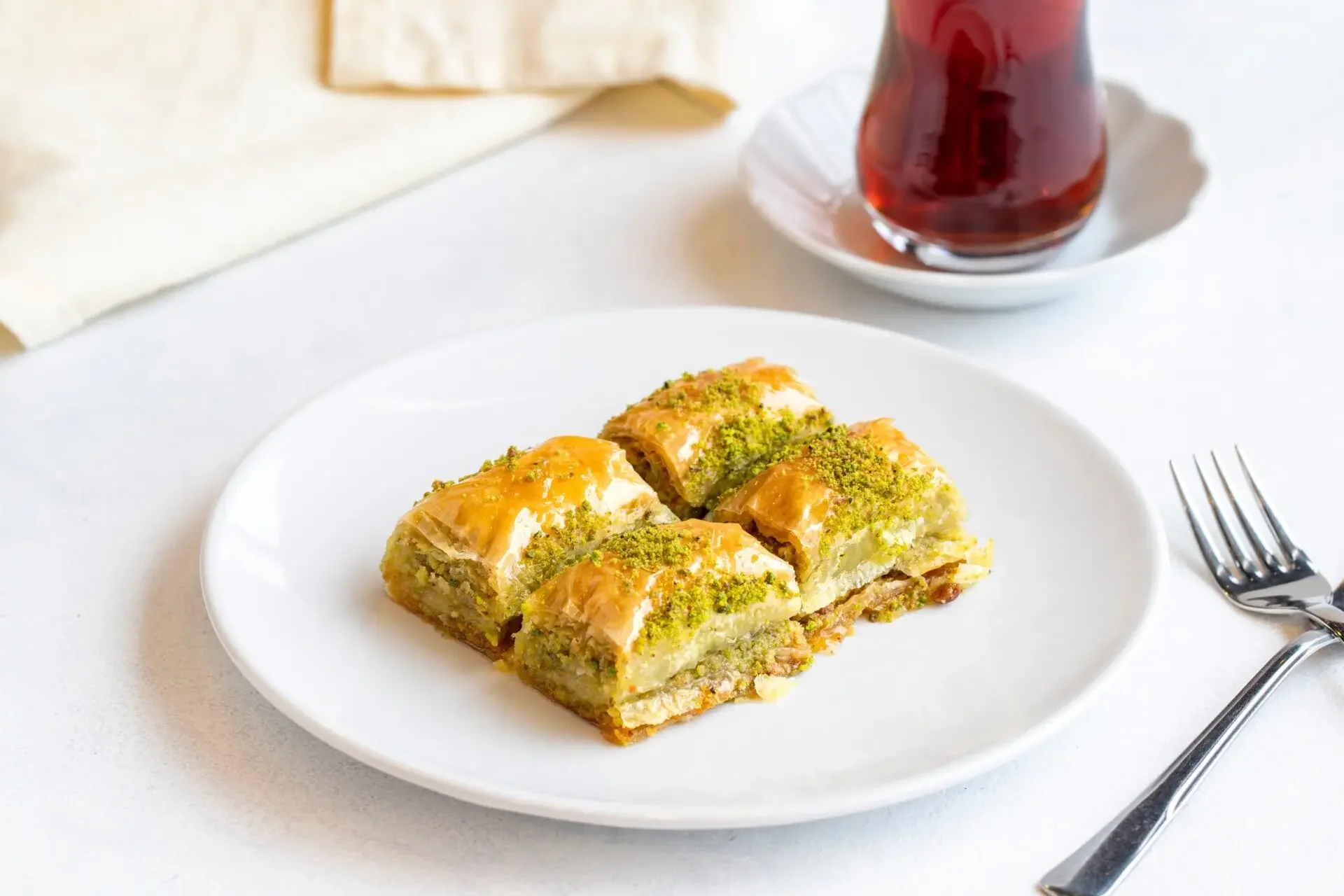
- Baklava from a respected specialist
- Turkish breakfast if you have a slower morning
- Turkish coffee or modern specialty coffee depending on neighborhood
Avoid This Mistake
Do not eat every meal within a two-minute radius of the busiest monument entrances. You do not need to chase hard-to-book tasting menus either. In Istanbul, some of the happiest meals are the well-timed, unfussy ones.
 Practical notes
 Budget, Seasons, and Packing
You do not need to spend heavily to save time well in Istanbul. The smarter approach is targeted spending.
Sample Daily Budget Approach
- Attractions: pre-book key sites and consider an occasional guide; skip unnecessary premium upgrades.
- Transport: airport transfer after a late arrival and the occasional taxi uphill; use trams and ferries for most city movement.
- Food: one or two memorable dinners; simple lunches and tea breaks.
- Cruises: book a sunset or curated cruise if atmosphere matters; choose the public ferry for value.
Best Time of Year for This Itinerary
Spring and autumn are ideal for most travelers: the city is lively, the light is beautiful, and walking is more comfortable. Summer gives long evenings but heavier crowds and warmer conditions in the Old City. Winter can be atmospheric and rewarding if you do not mind shorter days and variable weather. If seasonality matters to your planning, see our best time to visit Istanbul guide.
Packing and Practical Notes
- Wear comfortable shoes with grip for stone streets and slopes
- Carry a light layer even in warmer months if you plan a Bosphorus cruise
- Bring modest clothing or a cover-up for mosque visits
- Use offline maps in dense central areas where route logic can be less intuitive on foot
- Keep some flexibility for weather changes, especially in shoulder season
Getting Around During This Itinerary
Often the smartest way to move between Sultanahmet, Eminonu, Sirkeci, and Kabatas — it anchors the historic-center days of this plan.
Both useful and memorable. Ferries handle the Bosphorus and any Asian-side crossing, and they double as sightseeing.
Essential in many areas — but Galata, Beyoglu, and parts of the historic peninsula involve more uphill and downhill walking than many visitors plan for.
Can help on uphill routes or late nights, but daytime traffic can make taxis a poor time-saving choice. Use them only when they genuinely improve the route.
When to Book in Advance — and When Not To
Worth booking ahead
- Topkapi Palace if visiting in peak season
- Basilica Cistern — check the official reopening status before planning your visit; once reopened, advance booking may help reduce ticket-purchase time.
- Bosphorus cruise if you want a sunset slot or a specific style of cruise
- Airport transfer if arriving late or with family
- Guided Old City experiences if context matters to you
Usually fine to keep flexible
- Blue Mosque — timing matters more than paid access
- Grand Bazaar — no need for advance booking
- Tea stops, ferry detours, side streets near Suleymaniye, an extra hour in Karakoy — leave room for the city to surprise you
- A city pass — only if you are sure you will use several included attractions in a short period; calculate honestly
Sample Day 1 Timing That Actually Works
Common Mistakes and Crowd-Avoidance Tips
Avoid these mistakes
- Trying to do too much in Sultanahmet in one block — even close landmarks take time because of queues, security, scale, and sensory fatigue
- Doing Sultanahmet in the middle of the day and expecting a relaxed experience
- Assuming every skip-the-line product is equally useful — some genuinely save time, others mainly provide reassurance; buy selectively
- Using taxis as the default solution — in the wrong traffic they cost more and save less than you expect
- Underestimating walking — Galata, Beyoglu, and the historic peninsula involve real hills
- Leaving Bosphorus time too late in the trip — if weather turns, you may lose the chance; protect one slot early
Crowd-avoidance tips that matter
- Start Sultanahmet as early as possible — queue avoidance is often more about arrival time and route order than premium products
- Do the Basilica Cistern with pre-booked access if available
- Visit the Grand Bazaar earlier in the day
- Use ferries and trams instead of assuming taxis save time
- Keep one attraction flexible each day so you can adapt to queues or weather
- Pace yourself — hills, cobblestones, changing weather, and crowd density all add up
Frequently Asked Questions
Is skip-the-line access worth it in Istanbul?
Can you really skip all lines at Istanbul attractions?
How many days do I need for a first trip to Istanbul?
What is the best order to visit Hagia Sophia, the Blue Mosque, and Basilica Cistern?
Is Topkapi Palace worth visiting on a short trip?
Should I book a Bosphorus cruise in advance?
Is it better to stay in Sultanahmet or Karakoy?
Are Istanbul city passes worth buying?
What is the best way to get around Istanbul for this itinerary?
Is the Grand Bazaar worth visiting if I do not want to shop much?
Should I take a guided tour of the Old City?
Is a hammam worth adding to a short Istanbul itinerary?
What should I wear for mosque visits in Istanbul?
When is the least crowded time to visit Istanbul’s main sights?
Final Thoughts
The best Istanbul itinerary with skip-the-line access is not the one with the most reservations. It is the one that protects your best hours, keeps major sights in a logical order, and leaves enough room for the city’s texture to come through. Reserve the pieces that truly save time — Topkapi Palace and your Bosphorus cruise — and check the official reopening status of the Basilica Cistern before adding it to your plans; avoid overcommitting, and let Istanbul reveal itself between the landmarks. The magic of this city is in the way one courtyard leads to a ferry, one hill opens to a skyline, and one well-timed day makes the whole place feel suddenly understandable.
Explore things to do in Istanbul