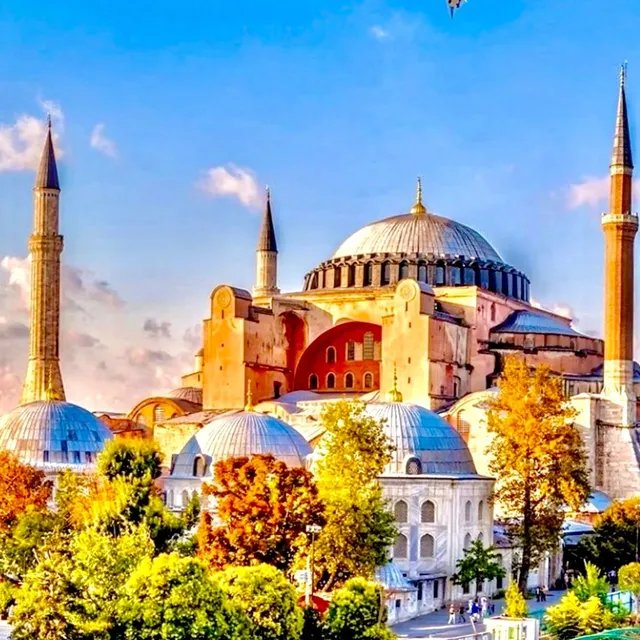
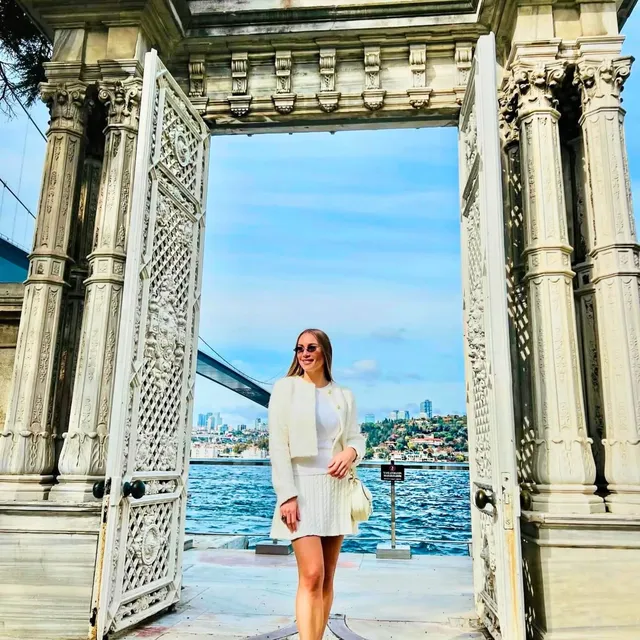
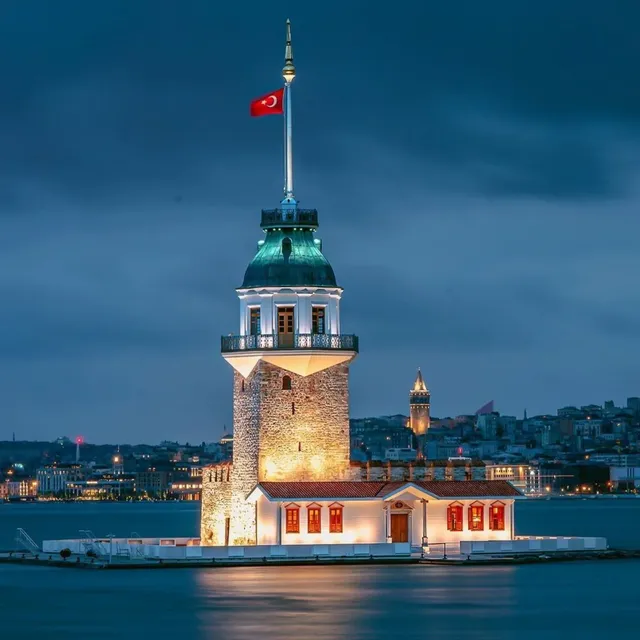
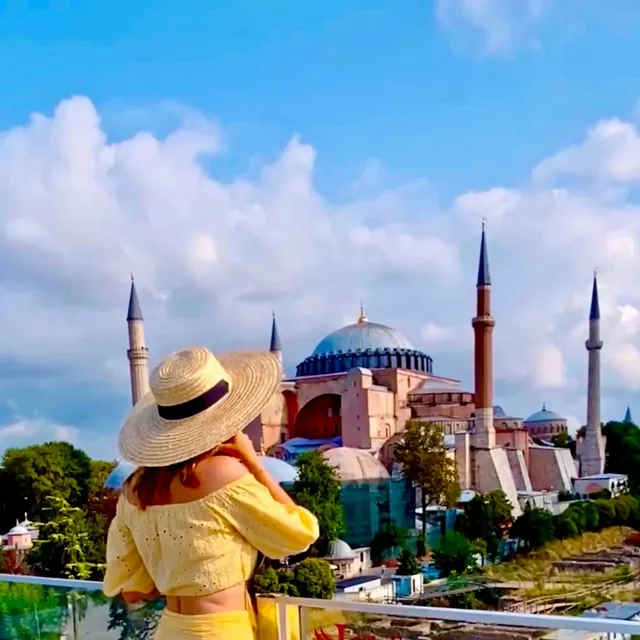
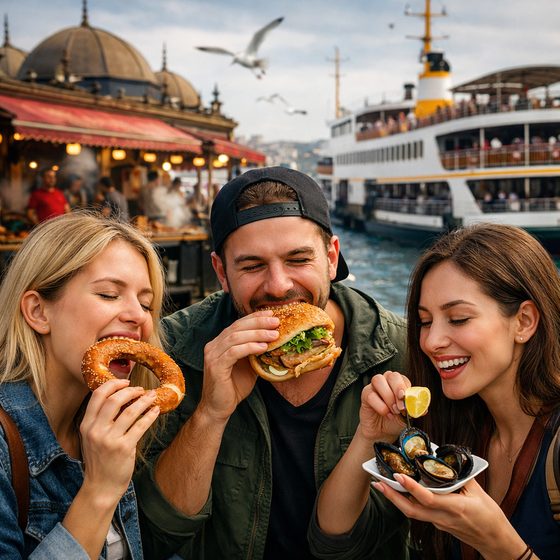
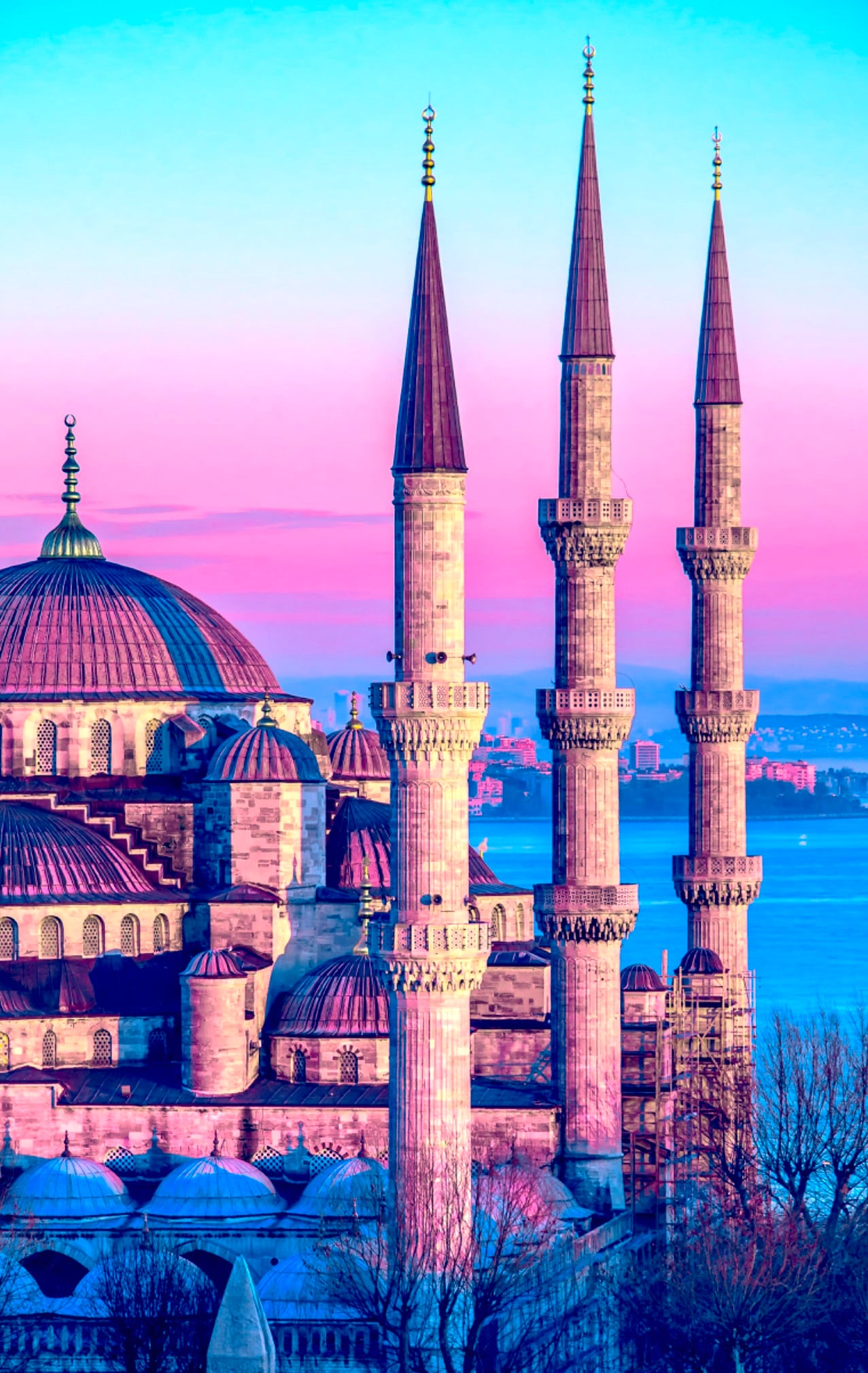
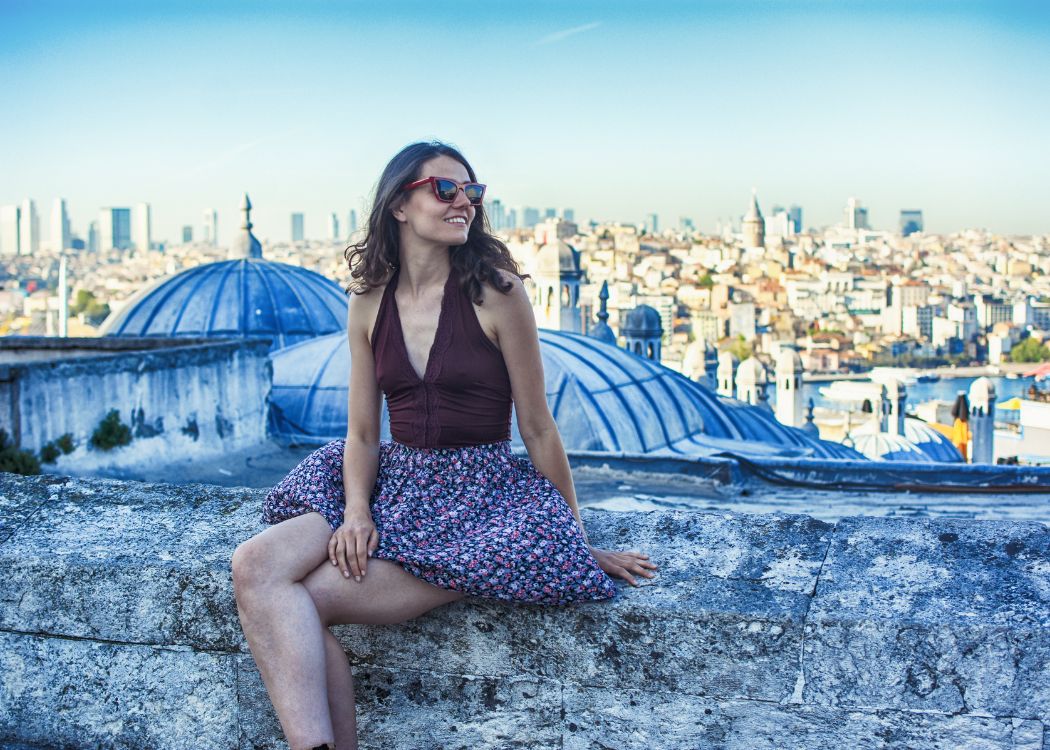
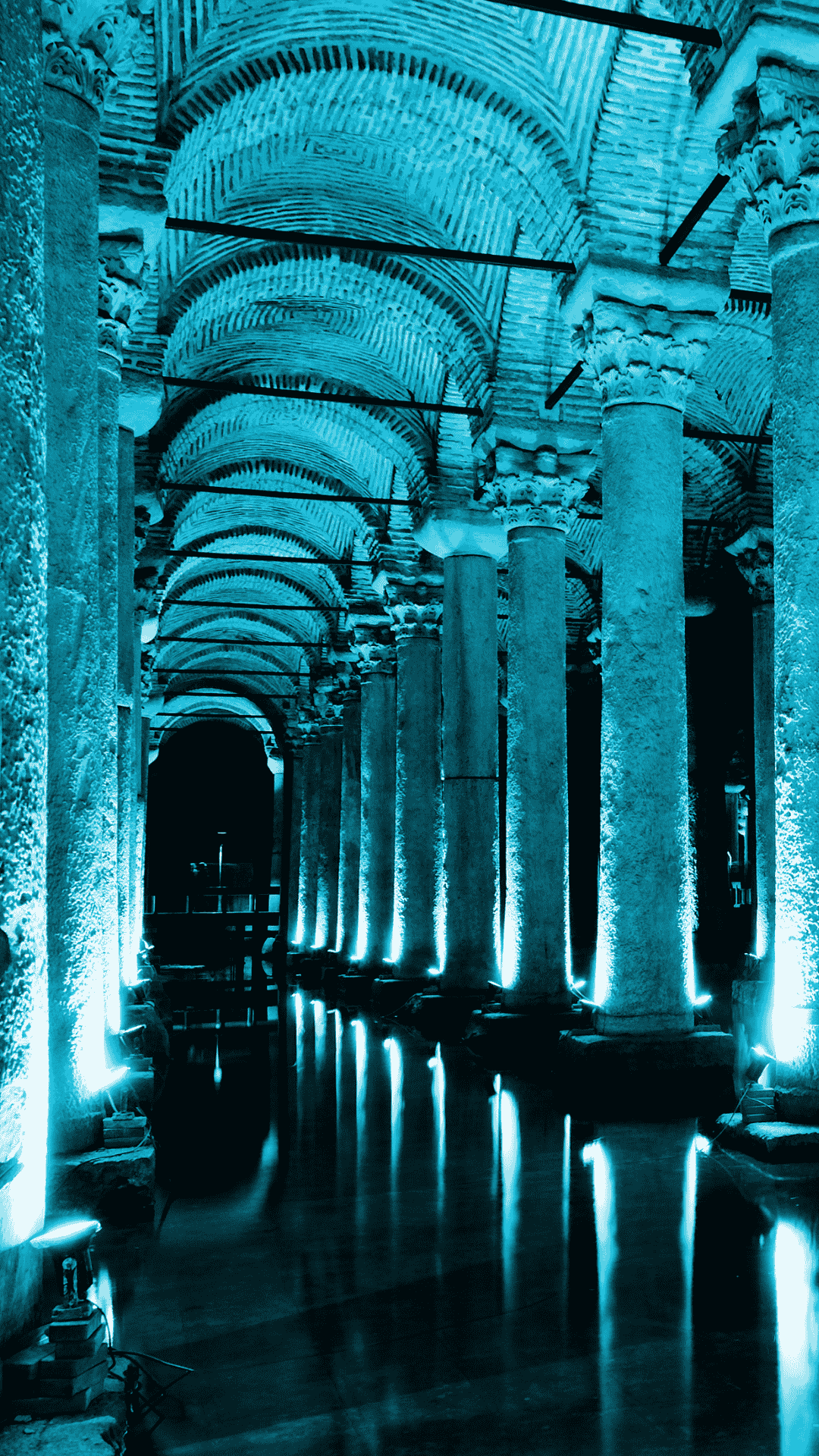
There are many ways to see Istanbul. You can rush from mosque to palace, stand in ticket lines, and collect the city as a checklist. Or you can do something that often feels far more rewarding: slow down and let Istanbul unfold at its natural rhythm.
This is our Slow Istanbul route, designed for travelers who want the city's gentler pleasures: ferry decks instead of traffic, tea gardens instead of overpacked cafés, neighborhood walks instead of nonstop museum hopping, and sunsets that feel earned rather than scheduled. Many first-time visitors underestimate how intense Istanbul can feel — vast, layered, crowded, and energizing. That energy is part of the city's magic, but it also means pacing matters. A slower route does not mean a lesser trip. In many cases, it leads to a better one.
If we were planning this trip for a friend, we would say this: keep a few anchor points, leave generous space between them, and let the Bosphorus do part of the work. Istanbul reveals itself beautifully when you stop trying to conquer it.
SLOW TRAVEL Let Istanbul Come to You One crossing, one district, one meal, one pause, one sunset — the calm route through the city's gentler pleasures.Quick Overview
| What This Route Is Best For | Ideal Pace | Best Areas | Best Transport |
|---|---|---|---|
| Travelers seeking a calm, local, scenic side of Istanbul | 2 to 4 unhurried days | Karaköy, Beşiktaş, Üsküdar, Kadıköy, Moda, Kuzguncuk, Çengelköy, Emirgan | Ferries, walking, trams, short taxi rides when needed |
| If you have limited time: do one Bosphorus ferry day and one Asian side neighborhood day | Best moment: late afternoon into sunset | Don't miss: sunset ferry, tea by the water, Moda walk, Kuzguncuk or Çengelköy | Skip or reduce: trying to combine too many major attractions in one day |
| Walking level: light to moderate, depending on neighborhoods and hills | Budget: flexible — ferries and tea gardens are some of the best-value experiences in the city | Photography: strongest at ferry decks, waterfronts, backstreets, and golden-hour viewpoints | Food style: breakfast spreads, meze, tea, fish sandwiches, street snacks, neighborhood bakeries |
What Slow Istanbul Actually Means
- Replace friction with flow. Slow Istanbul is not about doing nothing — it is about choosing better. Instead of spending a whole day in transfer mode between major sights, you choose routes that are pleasurable in themselves. The result is a trip that feels less fragmented and more memorable.
- Ferries are not just transport. They are scenic, affordable, practical, and often emotionally grounding after a busy morning. Stepping onto a ferry instantly changes your pace: the city opens up, wind replaces street noise, distances make sense.
- Tea gardens show the social side. Tea gardens are where Istanbul slows itself down: students, retirees, families, office workers, and visitors sharing simple tables, water views, and endless glasses of tea. Most tourists miss this by defaulting to trend-driven cafés.
- Sunset makes the city legible. The skyline softens, ferries glow, hills layer in silhouette, and waterfront neighborhoods become more social. If you plan one thing carefully on a Slow Istanbul day, plan the final two hours before dark.
- Who this is for. Travelers planning a 3-to-5-day itinerary who want balance, couples looking for atmosphere, solo travelers who enjoy walking and observation, repeat visitors who have already seen the icons, and anyone overwhelmed by "see everything in two days" advice.
- The smarter compromise. If it is your first visit, dedicate your first day or two to the core historic sights, then shift into Slow Istanbul mode. That way you get both the icons and the city's softer edges.
How Many Days You Need for a Slow Istanbul Itinerary
The sweet spot is two to four days. You can absolutely borrow the philosophy for a single day, but Istanbul's calmest pleasures benefit from repetition: one ferry ride is enjoyable, three ferry rides at different times of day begin to show you the city. The trade-off: if your trip is short, every slow day means sacrificing some classic sightseeing — worth it if your goal is atmosphere and local texture, less so if you know you will regret missing the major monuments. In that case, split the trip.
Where to Base Yourself for a Calm Istanbul Trip
Karaköy
One of the best all-around bases for Slow Istanbul: close to ferry connections, walkable waterfronts, cafés, Galata, and access to both the historic peninsula and the Bosphorus.
Best for Style, convenience, easy movement
Beşiktaş
A strong choice for a more lived-in local feel and practical ferry links. Less postcard-pretty in parts than Galata or Sultanahmet, but more useful for daily movement, especially with multiple Bosphorus or Asian side crossings planned.
Best for Local feel and ferry links
Kadıköy
Ideal for repeat visitors and travelers who prefer local energy to classic sightseeing proximity. Food is excellent, ferry access is strong, and evenings feel relaxed — the trade-off is longer travel to the historic core.
Best for Local energy and food
Moda
Better for travelers who already know Istanbul a little, or who are intentionally building a slower trip with fewer classic attraction priorities. Atmospheric, walkable, and rewarding.
Best for Intentionally slower trips
Sultanahmet (with a caveat)
Excellent for first-time access to iconic sites, but for a dedicated Slow Istanbul route it can feel disconnected from the daily ferry-and-neighborhood rhythm. You can still stay there on a first visit — just expect more transit shifts.
Best for First-visit icon access only
The Core Slow Istanbul Route: 3 Calm Days (and Beyond)
 European waterfront
 Day 1: Karaköy to Beşiktaş to Ortaköy, ending on the water
The European-side version of Slow Istanbul: elegant, scenic, and easy to shape around your energy level.
Start in Karaköy slowly
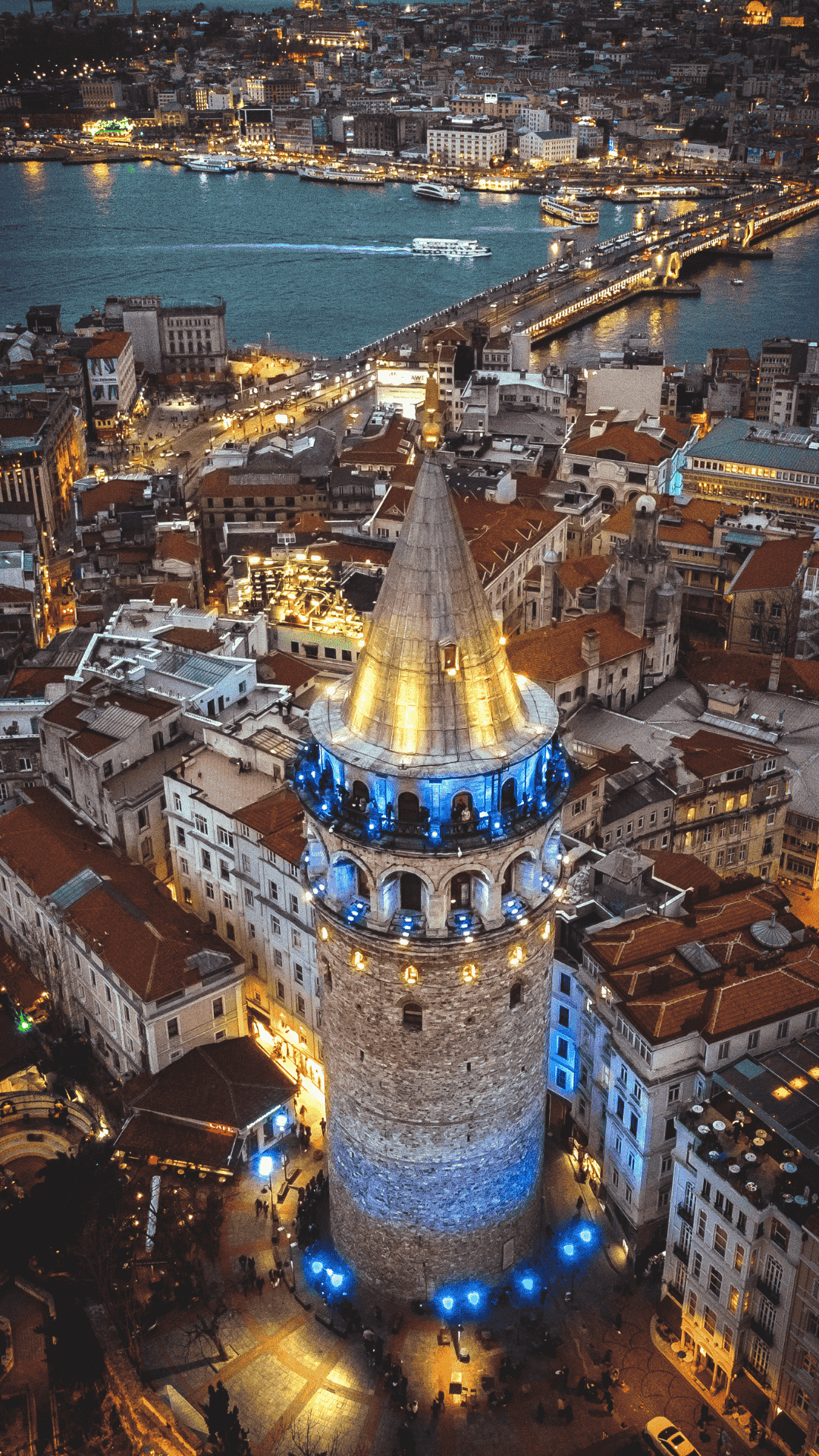
Begin with breakfast in Karaköy, ideally not too early and not at peak brunch hour. The point is not to hunt the trendiest line-forming place — the point is to begin without stress. A Turkish breakfast spread, simit, pastries, or a good neighborhood café all work. After breakfast, walk the waterfront and nearby streets rather than immediately aiming for "must-see" boxes. If you want a gentle cultural layer, wander uphill toward Galata at your own pace and dip into the atmosphere. Our Karaköy guide and Galata guide are useful companion reads.
Move toward Beşiktaş, then a simple lunch
Reach Beşiktaş by ferry depending on your exact starting point, or by a short ride and waterfront continuation. Beşiktaş is not a polished postcard neighborhood in every corner, but it is one of the most practical and authentic hubs in the city: strong street life, generous food options, and real ferry pulse.
Lunch: this is a good area for straightforward Turkish comfort food — döner, pide, soups, grills, or a casual lokanta-style lunch. Browse our Istanbul food guides before the trip and save a few neighborhood options instead of deciding when hungry.
Walk or ride toward Ortaköy
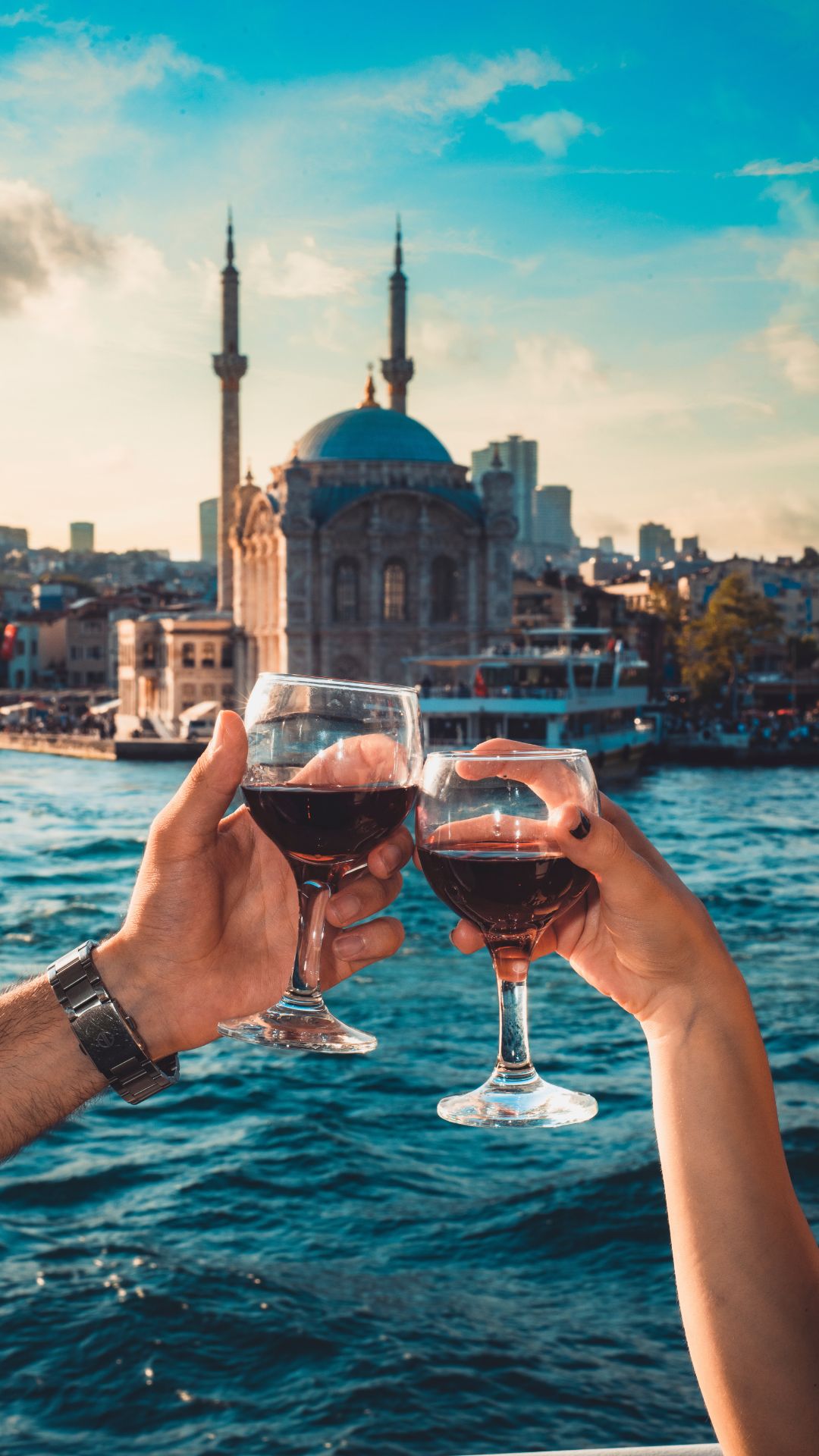
This stretch begins to deliver the emotional side of the itinerary. The Bosphorus is close, the movement relaxes, and the city starts to feel more spacious. Continue gradually toward Ortaköy, stopping for tea when the mood feels right rather than on a rigid schedule. Ortaköy can be busy, especially on weekends, but the mosque, bridge, and waterfront composition make it one of the easiest places in the city for memorable late-afternoon photos.
Stay by the Bosphorus
Do not leave too early. This is where many visitors make the wrong move by trying to squeeze in "one more thing" inland. If the light is good, the right decision is almost always to stay with the water. Have tea. Sit. Watch the ferries and private boats shift across the strait.
Photography note: the most satisfying images here often come a little before sunset and again in the blue hour after, when the bridge lights and waterfront glow begin to show.
Low-friction dinner
Stay in the area for dinner or head back toward Karaköy. Choose fish, meze, or a relaxed neighborhood restaurant rather than overcommitting to a formal destination meal. On a Slow Istanbul day, friction matters: a decent restaurant in the right place often beats a great restaurant that turns the evening into logistics.
 Asian side
 Day 2: Ferry to Kadıköy, walk to Moda, end with sea views
If Day 1 is about scenic European waterfront energy, Day 2 is where Istanbul starts to feel more personal. For many travelers, this becomes the favorite day.
Take a ferry to Kadıköy
Choose a crossing in the morning when the city still feels fresh. Stand outside for at least part of the ride — this is one of the clearest examples of why ferries are essential to the Slow Istanbul idea. Arriving in Kadıköy, do not judge the district too quickly from the immediate ferry surroundings: it is busy, functional, and sometimes a little chaotic at first glance. The character deepens as you walk in.
Explore the market area without rushing
Kadıköy rewards wandering. Browse produce, bakeries, fishmongers, delicatessens, and casual food counters. Even if you are not shopping, this is a strong place to absorb local daily life, and one of the best areas for travelers who want to eat well without overpaying for views. Most tourists miss this by treating Kadıköy as a quick transfer point. It deserves more than that.
Lunch: Kadıköy is full of temptation — choose one place you are genuinely excited about instead of grazing too randomly and ending up too full for the rest of the day. Seafood, meze, Turkish home-style dishes, and desserts are all strong here.
Walk to Moda
The walk from central Kadıköy toward Moda is one of the city's easiest and most rewarding neighborhood transitions. The pace changes, streets quiet slightly, and the shoreline begins to pull you outward. Allow around 25 to 40 minutes on foot depending on your route and stops. Moda is ideal for a slower afternoon: coffee or tea, a bench by the sea, a park stretch, independent shops, and a less performative version of Istanbul style.
Tea break: you do not need the most famous place — you need a place where sitting feels easy. Order tea, maybe dessert, maybe something savory if you kept lunch light. Then stop planning for a while.
Moda waterfront
This is one of the classic local sunset habits on the Asian side for a reason: social without being staged, beautiful without requiring effort, and especially good after a day built around walking and ferry movement. Insider Tip: bring a small layer even in warm seasons — sea breezes rise around dusk, especially if you stay seated by the waterfront.
Stay on the Asian side
Unless you have a strong evening booking elsewhere, stay. One of the easiest ways to improve this day is not to interrupt it with another crossing after sunset. Kadıköy and Moda both offer excellent dinner options, from casual meyhane-style tables to modern local restaurants.
 Bosphorus villages
 Day 3: Bosphorus villages — Kuzguncuk, Çengelköy, or Emirgan
This day is where Slow Istanbul gets more selective. Rather than racing up and down the Bosphorus, choose one or two neighborhoods and experience them properly.
Kuzguncuk
One of the most atmospheric neighborhood choices for a slower day, known for village-like streets, wooden houses, layered cultural history, and a strong local feel. Charming, but not in a fake "secret spot" way — it is simply pleasant to walk. It works well for travelers who enjoy small streets, light café time, and a neighborhood with emotional softness rather than a checklist of major attractions. Allow half a day to a full day.
Çengelköy
A good fit if you want more Bosphorus-front time and a quieter pace. Tea by the water works especially well here — it feels like a place to sit and watch rather than to consume quickly. For many visitors, that is the point. Low-key, waterside, local; allow half a day.
Emirgan
On the European side, Emirgan offers one of the best combinations of waterfront calm, greenery, and slower residential atmosphere — refined, spacious, and scenic. It works especially well in spring and early autumn, and is a strong choice if you want a park element built into the day. Allow half a day to a full day.
Pick depth over coverage
Trying to do Kuzguncuk, Beylerbeyi, Çengelköy, Arnavutköy, and Emirgan in one sweeping day usually turns a beautiful idea into an exhausting transfer puzzle. Choose one side of the city and stay with it.
 One-day version
 If You Only Have One Day: The Best Slow Istanbul Day Plan
Easy to understand, scenic from start to finish, and it gives you both continents without forcing too many transitions.
Eight simple steps
- Start in Karaköy with a relaxed breakfast
- Take a ferry to Kadıköy late morning
- Explore Kadıköy market streets
- Have lunch in Kadıköy
- Walk to Moda slowly
- Take a long tea or coffee break
- Stay for sunset at the waterfront
- Have dinner on the Asian side, then ferry back if needed
For most travelers with limited time, this is the most satisfying short expression of Slow Istanbul.
2-day and 4-day versions
2-day version: Day 1 — Karaköy, Beşiktaş, Ortaköy sunset. Day 2 — ferry to Kadıköy, Moda walk, Asian side dinner.
4-day version: Day 1 — Karaköy and Galata at a relaxed pace. Day 2 — Kadıköy and Moda. Day 3 — Kuzguncuk or Çengelköy. Day 4 — Emirgan or a longer Bosphorus cruise plus waterfront dining.
If you want one splurge: make it a well-timed dinner, a memorable hotel with Bosphorus access, or a smooth airport transfer after a late arrival. These improve comfort more than randomly expensive activities do.
 Tea culture
 The Best Tea Gardens and Waterfront Sitting Habits
In Istanbul, a good tea stop is less about prestige and more about position and rhythm.
What makes a tea garden worth your time
- A location that gives you a reason to stay 30 to 60 minutes
- A view, trees, sea breeze, or neighborhood setting that feels lived in
- Simple service and fair pricing
- A local crowd alongside visitors
- Comfort without too much performance
Where tea fits a slow itinerary
Waterfront Bosphorus-facing spots in Çengelköy or along calmer coastal stretches, parks or seafront areas around Moda, green and garden-like spaces in Emirgan, and neighborhood sitting spots in Kuzguncuk after a light walk.
Avoid this mistake: do not choose every stop based on social media popularity. The best tea break is often the one that fits your route naturally and arrives at exactly the moment you need to pause.
 Food
Food Food for a Slow Istanbul Trip
Food should support the pace, not overwhelm it — this is not the trip for aggressively overbooking "famous" places across the city.
Best meal types for this itinerary
Breakfast: Turkish breakfast is one of the city's great pleasures, but it can consume too much time done formally every day. Choose one memorable breakfast, then keep other mornings lighter with simit, pastries, or café breakfasts.
Lunch: neighborhood lunch is where Istanbul often shines brightest — lokantas, grills, pide shops, soup houses, market-area restaurants, and straightforward home-style cooking often beat highly stylized destination dining.
Afternoon break: tea with dessert, a bakery stop, or a seaside snack — this is where the city's rhythm feels generous.
Dinner: choose based on where you already are. Fish and meze near the water can be wonderful, but so can a good neighborhood restaurant with no view at all. If your evening is already atmospheric, you do not need to "upgrade" it with a complicated crossing.
What to eat along the way
- Simit and bakery goods in the morning
- Turkish breakfast spreads
- Meze and seafood by the Bosphorus
- Home-style dishes in neighborhood lokantas
- Street snacks in Kadıköy
- Dondurma or traditional desserts during waterfront walks
If food is one of your main trip priorities, combine this route with our Istanbul food guide so you can save a few smart options in each district before you go.
 Photography
 Photography: Where Slow Istanbul Looks Best
This route is especially rewarding for travelers who like to photograph atmosphere rather than only monuments.
Best photography moments
- Morning ferry arrivals with open skyline views
- Tea glasses against Bosphorus water
- Backstreets in Kuzguncuk
- Kadıköy market textures and storefronts
- Moda waterfront at golden hour
- Bridge and mosque compositions around Ortaköy
- Blue hour after sunset on either shore
Best light, and what most tourists miss
Early morning is good for soft streets and lower crowds. Late afternoon and sunset are best for waterfront drama. Midday can flatten the mood, especially in summer.
Most tourists miss this: the ferry itself is one of the best photo locations in Istanbul. Shoot both outward toward the skyline and inward toward people, railings, gulls, tea cups, and the movement of daily life.
 Mixed trips
 Combining Slow Istanbul With Classic Attractions
You do not need to choose one or the other — the smartest mixed itinerary gives high-intensity sightseeing days and low-intensity neighborhood days equal respect.
A practical 4-day structure
- Day 1: Sultanahmet and major historic sights
- Day 2: Palace or museum day plus Galata/Karaköy
- Day 3: Slow Istanbul Asian side day
- Day 4: Bosphorus village or waterfront slow day
When guided tours and passes add value
A guided tour is worth it when you want context at major historical sites, skip-the-line efficiency, or a structured introduction at the start of your trip. For the slower neighborhood and ferry days, self-guided exploration is usually better — if you want to layer in curated experiences, browse our Istanbul tours and choose only what genuinely improves your trip.
Passes are helpful on concentrated attraction days and less relevant on ferry-and-neighborhood days. A common mistake is buying a pass and then feeling pressure to fill every hour with ticketed sightseeing. Let the type of trip decide the product, not the other way around.
The best time of year for Slow Istanbul
Spring: one of the best seasons — pleasant ferries, lively parks, tea gardens filling naturally, and easy neighborhood walks; evenings on the water can still feel cool. Early autumn: also excellent — the heat drops, the sea breeze feels comfortable, and sunsets remain generous; September and October are especially good for walking and outdoor dining. Summer: doable, but make ferries and shaded tea stops the spine of the day, and do longer walks early or late. Winter: underrated for atmosphere but weather dependent — a clear winter day can make the Bosphorus feel cinematic; keep plans lighter and sit indoors by the windows when needed.
Avoid this mistake: assuming waterfront means warm. Even in mild months, ferry decks can feel windy — a light layer is one of the simplest upgrades to the experience.
 Extras
 Cruises, Romance, and Budget Notes
Choose the water experience that fits your time, notice where the route turns romantic, and keep the budget where it matters.
Is a Bosphorus cruise worth it for Slow Istanbul?
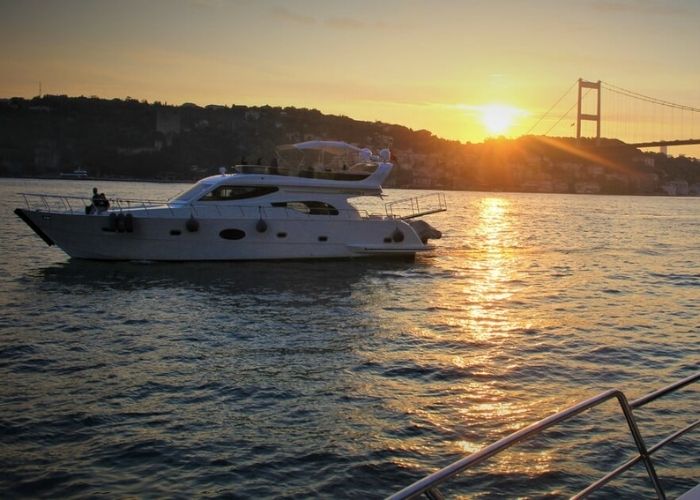
Usually, yes — but choose carefully. Worth it when: you want a more complete sense of the Bosphorus beyond commuter ferries, have at least half a day to enjoy it without rushing afterward, and prefer seated scenic time over walking-heavy planning. Regular ferries are enough when: you are on a budget, mainly want the feeling of being on the water, and enjoy building your own route between neighborhoods.
The smarter choice for most travelers: use regular ferries as your default and add a cruise only if you have time to enjoy it properly. Our Bosphorus cruise guide compares the main styles so you do not book more than you need.
Where Slow Istanbul feels most romantic
A ferry deck just before sunset, tea by the Bosphorus in a quiet pause between neighborhoods, the long walk from Kadıköy into Moda, blue-hour waterfront time after the day crowds thin, and a simple seafood or meze dinner near the water. Many travelers assume romance in Istanbul means only rooftop views — those can be lovely, but the city often feels more emotionally convincing at street level and sea level.
Is Slow Istanbul expensive?
Compared with attraction-heavy city breaks, it can be a very smart-value way to travel: ferries are affordable, tea gardens are inexpensive relative to view-focused venues, neighborhood meals offer better value than tourist-center restaurants, and many of the best moments are free — walking, sitting, watching, crossing, sunset.
Where costs can rise: hotel location and quality, frequent taxis instead of ferries, high-demand Bosphorus dining spots, and unnecessary passes or overbooked tours. If your budget is tight, prioritize ferry routes, neighborhood food, and one or two intentional splurges rather than many average-priced conveniences.
How to Move Around: The Smart Transport Strategy
Your first choice when the route makes sense: ferries connect both continents with built-in views, reduce stress compared with road traffic, create natural breaks in the day, and are among the best-value travel experiences in Istanbul.
For most of this itinerary, public transport is enough. With an Istanbulkart and a bit of patience, ferries plus tram or metro connections cover the route well. This is the right choice for most travelers.
A taxi makes sense late at night, in bad weather, or when heading uphill to or from a neighborhood that is inconvenient with luggage. Pre-booked airport transfers can be worth paying for after a long flight — but once you are settled, you generally do not need private transport for a Slow Istanbul stay.
What to Book Ahead and What to Leave Open
Worth booking ahead
- A pre-booked airport transfer if you are arriving late or after a long flight
- One well-timed splurge dinner or a specific popular restaurant
- A Bosphorus cruise — only if you have at least half a day to enjoy it without rushing
- A guided tour for major historical sites or skip-the-line efficiency at the start of the trip
- A city pass — only if paired with concentrated, museum-heavy attraction days
Leave open
- Most restaurants — for Slow Istanbul days, flexibility is more valuable than heavily pre-booked dining
- Tea stops — the best break is the one that fits your route naturally and arrives when you need to pause
- Ferry rides — use regular ferries as your default; no formal sightseeing format needed
- Your slow days themselves — do not feel pressure to fill every hour with ticketed sightseeing
The One-Day Slow Istanbul Flow
Common Mistakes and Crowd-Avoidance Tips
Avoid these mistakes
- Turning it into a normal checklist trip — too many landmarks, reservations, and cross-city detours break the slow logic
- Ignoring geography: Istanbul looks compact on a map until you start moving through it — group nearby neighborhoods together
- Leaving the water too soon — some of the best moments happen in the last light of the day
- Overcommitting to taxis: road traffic can undo the calm you were trying to create
- Skipping the Asian side — Kadıköy and Moda often provide the balance the trip was missing
- Assuming waterfront means warm — ferry decks can feel windy even in mild months
Crowd-avoidance tips
- Use ferries outside the tightest commuter peaks if possible
- Visit Ortaköy on a weekday rather than a weekend if you can
- Keep major attraction visits for separate mornings, not mixed into your slow days
- Have lunch slightly early or slightly late in busy neighborhoods
- Stay on the Asian side into the evening rather than immediately returning at sunset
- Build rest into your route before you feel tired, not after
Frequently Asked Questions
What is Slow Istanbul?
Is Slow Istanbul good for first-time visitors?
How many days do I need for a Slow Istanbul itinerary?
Which neighborhoods are best for a calm Istanbul trip?
Is Kadıköy worth visiting for tourists?
Are ferries the best way to get around Istanbul?
Is a Bosphorus cruise better than a regular ferry?
Where is the best sunset in Istanbul for a slow itinerary?
Is Slow Istanbul suitable in winter?
Should I stay in Sultanahmet for this itinerary?
Do I need to book restaurants in advance?
Is Istanbul expensive for this kind of trip?
What is the best one-day Slow Istanbul route?
Can I do this itinerary with children or older travelers?
Let Istanbul Come to You
There is a version of Istanbul that dazzles immediately: domes, minarets, palaces, bazaars, rooftops. But there is another version that stays with people longer — it arrives through ferry crossings, unplanned tea stops, neighborhood light, sea air, and the feeling that you were not rushing to prove anything. If you have limited time, do not try to recreate all of Slow Istanbul at once. Choose one crossing, one district, one meal, one pause, one sunset. In a city as intense and rewarding as Istanbul, slowing down is not a compromise — very often, it is the smartest travel decision you can make.
Build your Istanbul trip