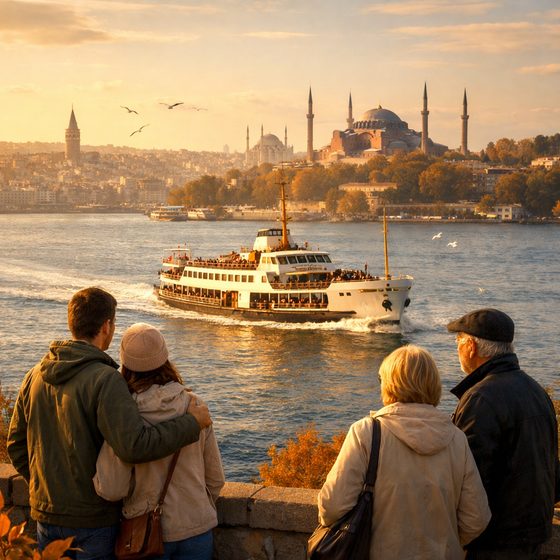
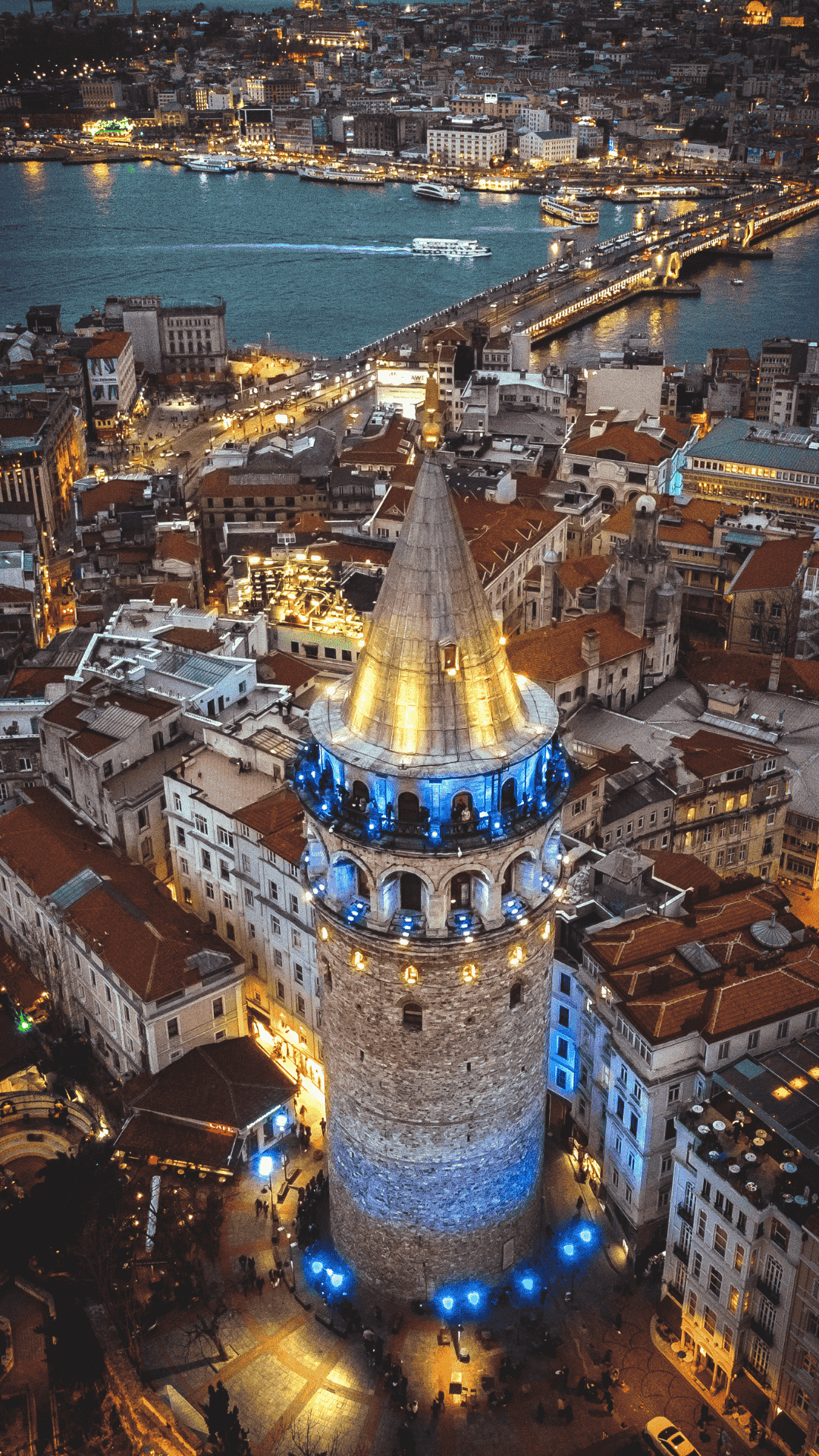
There is the Istanbul almost every first-time visitor meets first: Sultanahmet’s monuments, the Bosphorus cruises, the postcard skyline, the call to prayer drifting over domes and ferries. And then there is another Istanbul — the one that reveals itself after you step a little sideways from the obvious route. It lives in neighborhood markets, tea gardens above the water, backstreet meyhanes, ferry commutes, independent galleries, old apartment blocks, football districts, repair workshops, music bars, and long walks between places that never make the same top-10 list.
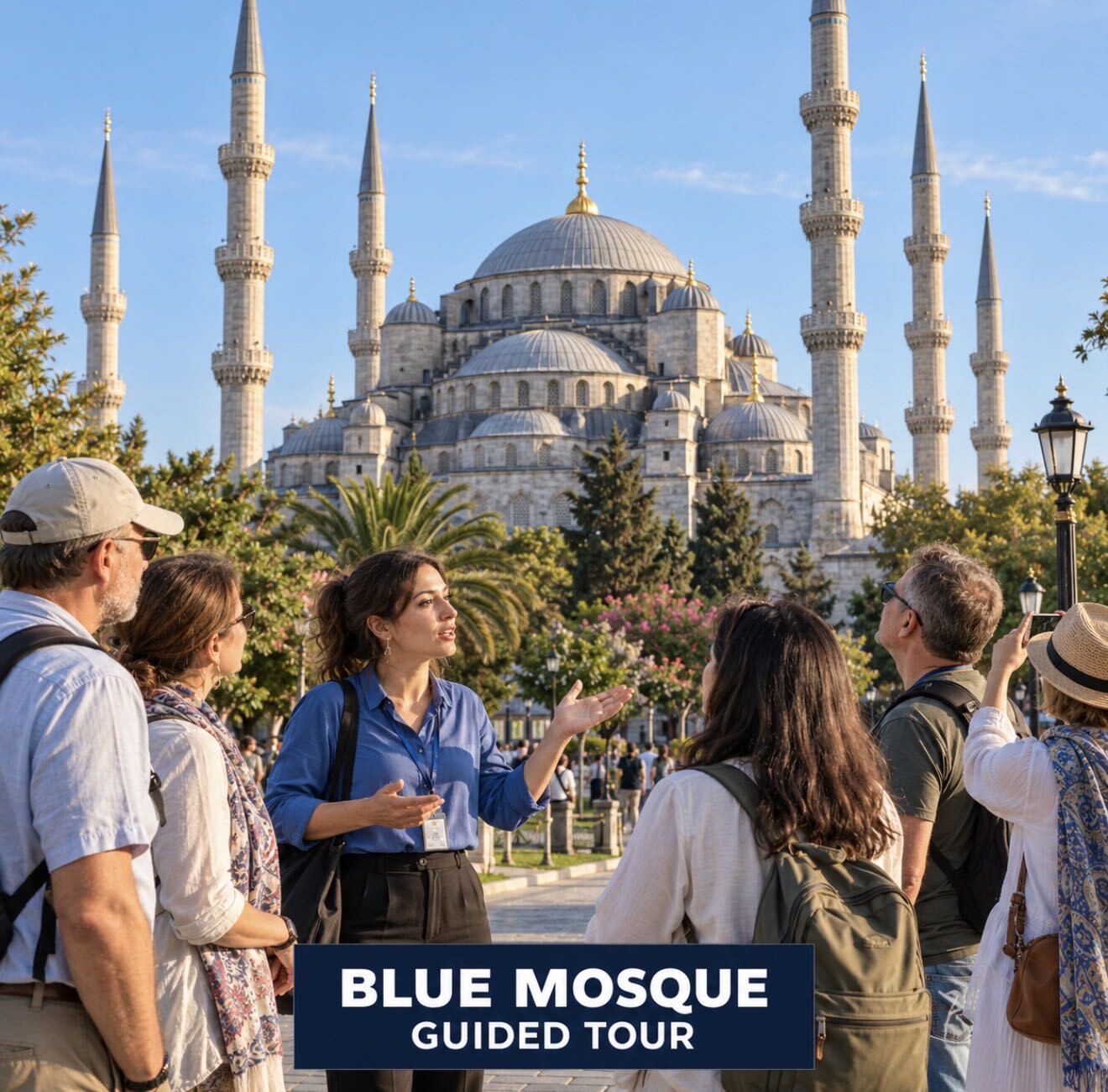
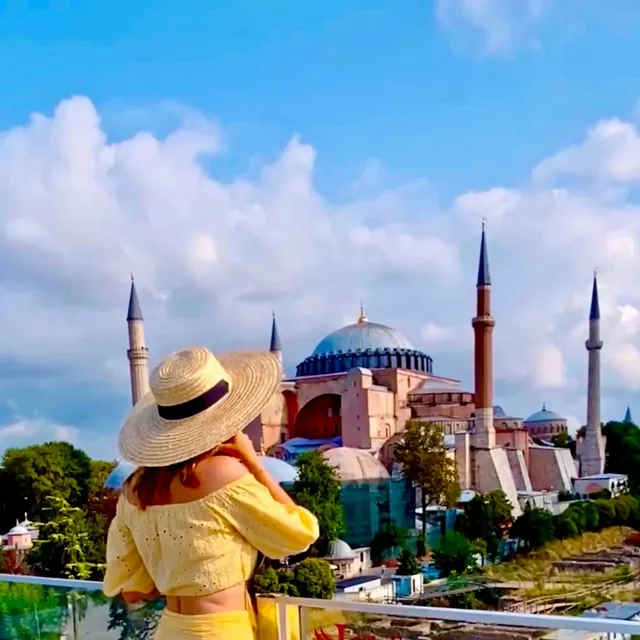
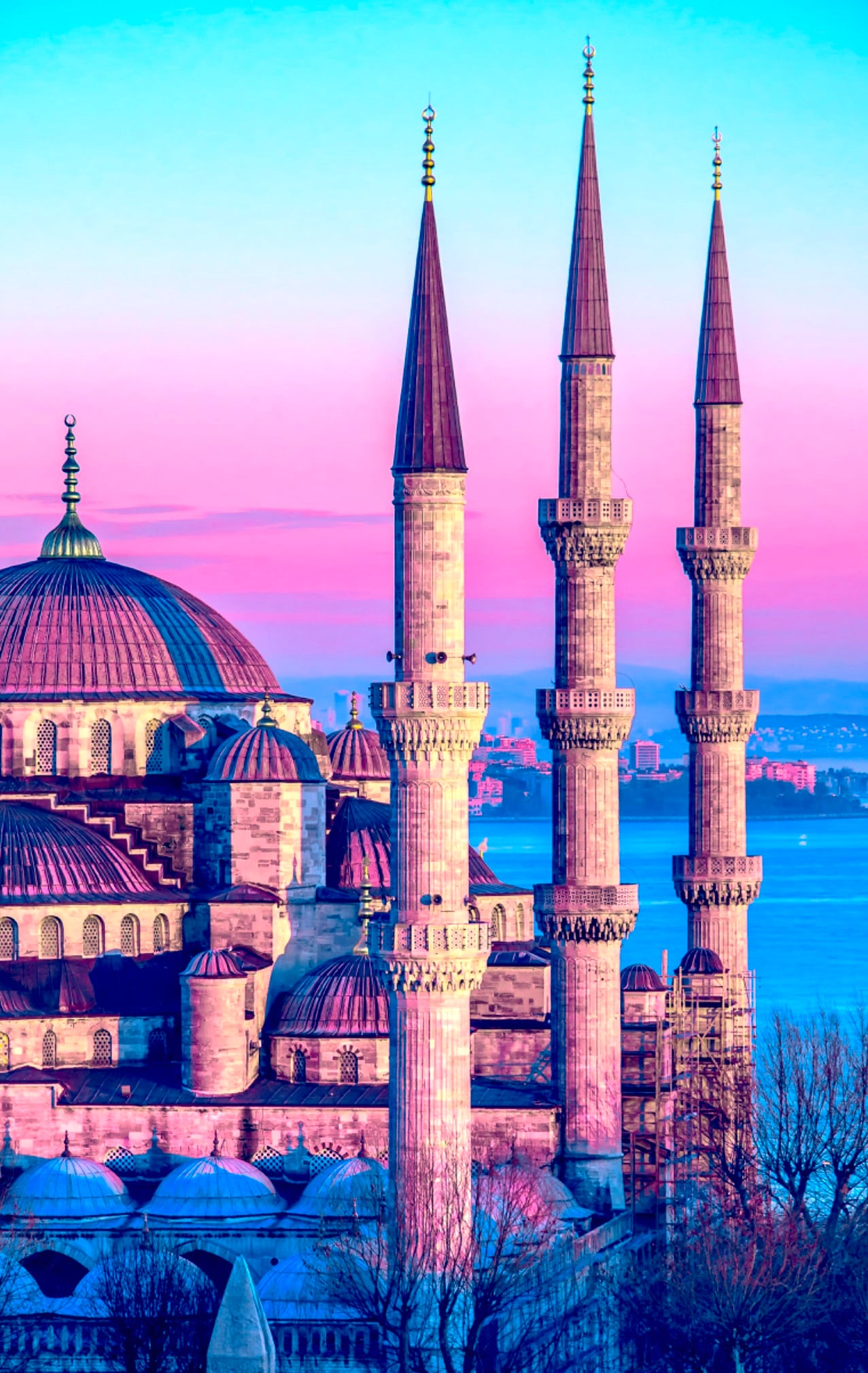
If you are looking for alternative Istanbul — not in a performative “secret spots” way but in a real, local, lived-in way — this guide is for you. It is designed for travelers who want authentic Istanbul experiences without pretending the classics do not matter. You can still visit Hagia Sophia and the Blue Mosque. But you can also build days that feel more connected to how Istanbul actually moves: between Europe and Asia, between old and new, between ritual and improvisation.
From our experience, the best “alternative” Istanbul is not about chasing hidden gems. It is about choosing better rhythms: taking the ferry instead of a taxi, spending a long morning in Kuzguncuk instead of trying to check off five museums, and eating where neighborhoods gather rather than where tour menus begin.
GO LOCAL See the Istanbul locals live in Balance the classics with slower neighborhood days, ferry crossings, and meyhane evenings.Alternative Istanbul at a Glance
| Question | Short Answer | ||
|---|---|---|---|
| What does “alternative Istanbul” mean? | A more local, neighborhood-based, creative, food-led, ferry-connected experience beyond only the historic center. | ||
| Best areas to explore | Kadikoy, Moda, Yeldegirmeni, Balat, Fener, Kuzguncuk, Cihangir, Besiktas, Arnavutkoy, Karakoy side streets. | ||
| Best for first-time visitors? | Yes — if you combine the classics with 2–3 slower neighborhood days. | ||
| Best side of the city for local atmosphere? | Asian side for daily-life authenticity; European side for layered history and creative energy. | ||
| How many days do you need? | At least 4–5 days to balance major sights and alternative neighborhoods well. | ||
| Best transportation | Ferries, Marmaray, metro, trams, and walking. Taxis are not the backbone of a smart itinerary. | ||
| Best season | Spring and autumn for neighborhood walks, outdoor cafés, markets, and Bosphorus time. | ||
| Who should choose this style? | Repeat visitors, culturally curious travelers, photographers, food lovers, remote workers, and first-timers who dislike rushed sightseeing. |
Why Alternative Istanbul Is Worth Your Time
- The city becomes intimate. Leave the orbit of the historic core and Istanbul turns less monumental and more intimate: barbers, tea trays, ferry horns, fish counters, murals, simit sellers — each district with a distinct emotional tone.
- Istanbul is neighborhood-based. The city is not best understood through monuments alone. Even with only a few days, adding local districts helps you understand it more deeply than collecting famous sites.
- Better rhythms, not hidden gems. The best “alternative” Istanbul is about choosing better rhythms: the ferry instead of a taxi, a long morning in Kuzguncuk instead of five museums.
- Made for wanderers and eaters. Ideal for travelers who enjoy walking and letting neighborhoods unfold, who care about food culture beyond famous restaurants, photographers, and repeat visitors ready to go beyond Sultanahmet and Galata.
- First-timers welcome too. It works on a first visit if you combine the classics with two or three slower neighborhood days. The goal is not to prove you travel “better” — it is a richer, more memorable trip.
- Know when not to force it. Skip this style if you are in Istanbul for only one full day, avoid hilly walks and frequent transit changes, or expect every “authentic” neighborhood to feel polished or conventionally pretty.
How Many Days — and Which Version of Alternative Istanbul?
If you have limited time, do not try to make the entire trip “alternative.” The smarter approach is one classic day, one Bosphorus-focused day, and one neighborhood-based day — that balance usually works much better than rejecting the main sights completely.
Where to Stay for an Alternative Istanbul Trip
Kadikoy or Moda
Neighborhood life, food, local cafés, and an Asian-side base — especially good for repeat visitors and longer stays. Trade-off: you rely more on ferries to reach the historic center, though many travelers end up loving that.
Best for Local life and longer stays
Karakoy
Central access while still moving easily toward Galata, ferries, and Beyoglu — a practical compromise. Trade-off: parts of Karakoy feel busier and more commercial than travelers expect.
Best for Central access with edge
Cihangir
Atmosphere, cafés, and a more residential-feeling base near Beyoglu. Trade-off: hills — a lot of travelers underestimate this.
Best for Café culture and atmosphere
Besiktas
Transit convenience and local energy. Trade-off: less conventionally charming as a hotel district, depending on the exact street.
Best for Transit convenience
Sultanahmet — visit, don’t sleep
Convenient for major monuments, but many travelers feel its energy fades in the evening compared with living neighborhoods. If local dining and after-dark atmosphere matter, use it as a visit zone rather than your hotel base.
Best for Day visits, not a base
The Alternative Istanbul Playbook
 The idea
 What Alternative Istanbul Is — and What It Is Not
Before planning your route, it helps to avoid a common mistake: confusing “alternative” with “remote,” “undiscovered,” or “better because fewer tourists go there.” Istanbul is too large and too layered for that kind of simplistic ranking.
A smarter definition
In practical travel terms, alternative Istanbul usually means one or more of the following:
- Choosing neighborhoods where daily life is more visible than major sightseeing
- Prioritizing food, ferries, local markets, music, and street culture
- Exploring districts with strong local identity rather than only iconic monuments
- Building slower days with fewer stops and more time in each place
- Mixing European and Asian sides to understand the city as locals experience it
What it is not
It does not mean traveling far from the center for the sake of novelty, turning every café in Balat into a secret, treating real residential districts like open-air lifestyle sets, or ignoring logistics. One thing we often tell first-time visitors: the goal is not to prove you are traveling “better” than other people. The goal is to have a richer, more memorable trip.
 Asian side
 The Asian-Side Gateway: Kadikoy, Moda, and Yeldegirmeni
If we were planning this trip for a friend who wanted a more authentic Istanbul without logistical friction, this trio would be one of our first recommendations.
Kadikoy: the easiest gateway to local Istanbul
Lively, food-focused, connected by ferry, and unmistakably local without being inaccessible. Arrive by boat from Eminonu, Karakoy, or Besiktas and immediately feel the shift. The central market area near the ferry is energetic and practical rather than picturesque — fishmongers, pickle shops, bakeries, spice stores, meyhanes, breakfast spots, and dessert counters in a highly walkable grid. Walk the market streets without overplanning, have a long Turkish breakfast or a simit-and-tea start, browse record stores and bookshops, and stay for lunch or return for a meyhane dinner.
Insider tip: come by ferry in the morning or late afternoon — arriving over the water gives the neighborhood context. Avoid this mistake: do not reduce Kadikoy to one Instagrammable food stop; it works best as a sequence — market streets, side lanes, tea, waterfront, then a slower drift toward Moda.
Moda: relaxed, residential, and one of the city’s best walking districts
Moda is where many travelers begin to feel they could actually live in Istanbul. Greener, calmer, and more residential than central Kadikoy, but still socially alive: coastal walks, cafés, ice cream, neighborhood streets. Spend at least 2 to 4 hours — many people rush it in 45 minutes and miss the point entirely. Best from late morning into sunset, when locals gather on the waterfront. Photograph layered street scenes, tram details, old facades, and sea-edge life rather than skyline icons. Most tourists miss this: the pleasure of doing very little here. If your itinerary is too packed for one slow neighborhood afternoon, your Istanbul plan probably needs simplifying.
Yeldegirmeni: murals, old apartments, creative texture
Just uphill from the Kadikoy ferry terminal, Yeldegirmeni gets called “hip,” which is not wrong but not quite enough. What makes it interesting is the mix: older apartment buildings, street art, coffee culture, and a neighborhood feel that still belongs to residents first. Best for travelers interested in architecture, urban texture, and cafés — and for remote workers or slow travelers wanting a half-day base. Trade-off: no grand monuments or classic Bosphorus glamour; the reward is atmosphere and urban character.
 Historic quarters
 Golden Horn and Bosphorus Villages: Balat, Fener, and Kuzguncuk
Two very different answers to the same desire for texture, color, and neighborhood identity.
Historic, layered, photogenic — and best handled carefully
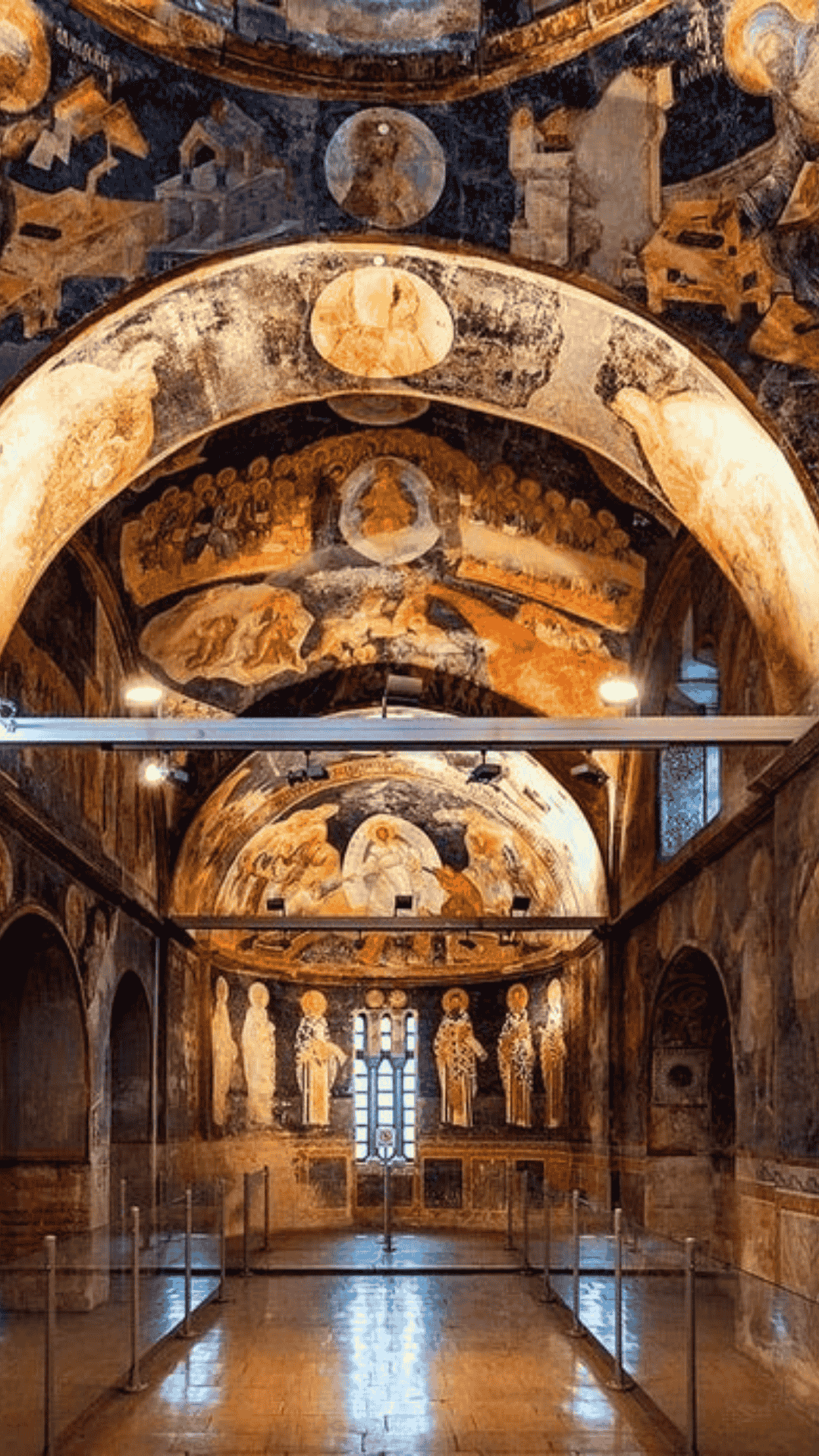
Balat and Fener are often marketed aggressively online, which can distort expectations. Yes, they are colorful, historic, and visually striking — some of the most distinctive street textures in Istanbul, with deep layers tied to Greek Orthodox, Jewish, and Ottoman histories. But they are not outdoor theme sets; they are old neighborhoods with churches, schools, steep streets, housing, and ongoing change. Go on a weekday morning for calmer streets, walk slowly and respectfully, and combine architecture, coffee, and one or two specific stops rather than hunting photo corners. Avoid this mistake: do not expect every colorful house you saw online to be empty and waiting for photos. If you enjoy this part of the city, connect it to the Golden Horn, the Chora area, or continue toward Eyup for a more spiritually significant local district.
Small-scale Bosphorus life with real neighborhood warmth
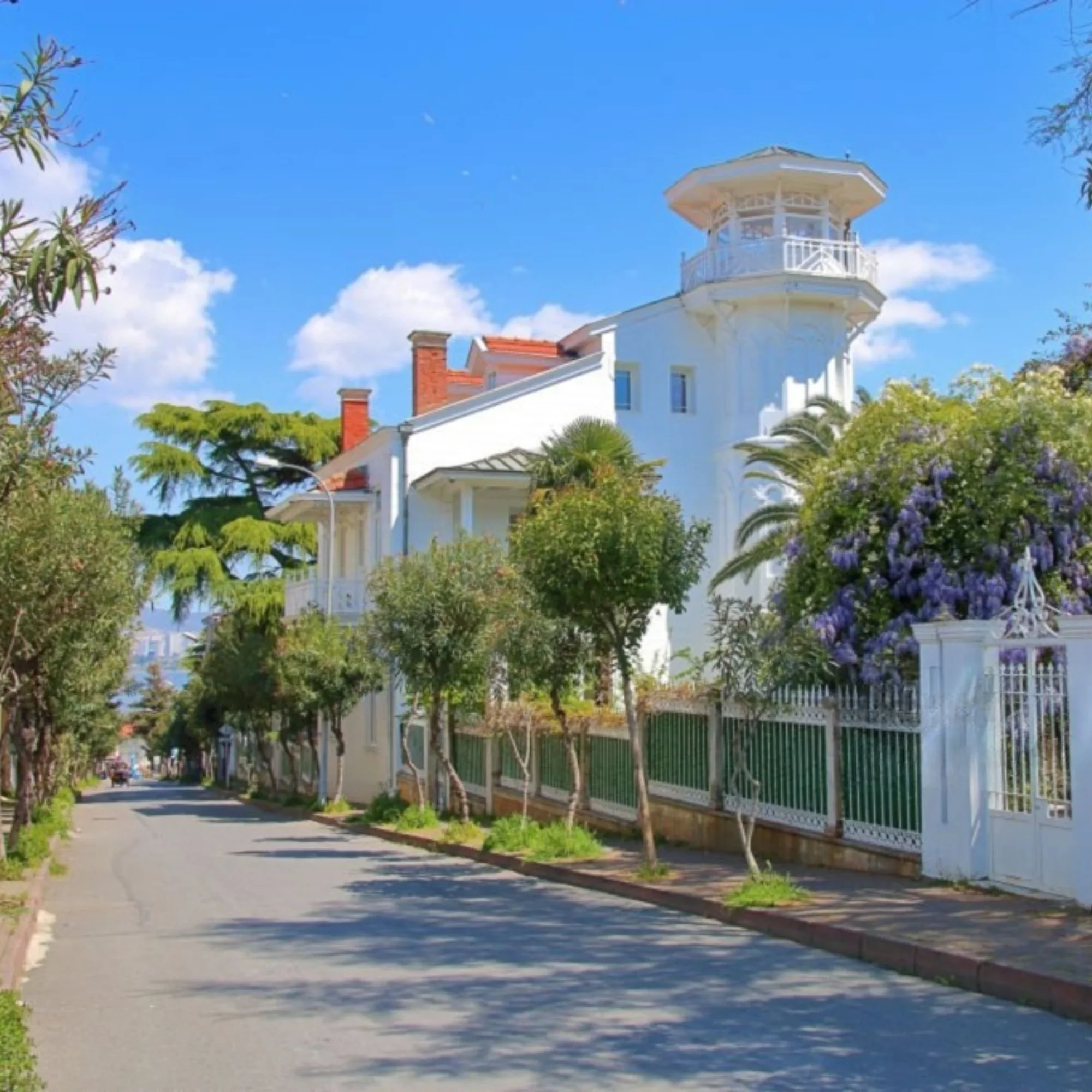
Kuzguncuk is one of the few places where the Bosphorus, residential calm, wooden-house nostalgia, local cafés, and daily life align in a way that feels immediately intimate. It is not large, and that is exactly why it works: quieter streets, domestic scale, shops that feel more local than destination-driven. On the Asian-side Bosphorus, it pairs beautifully with Uskudar or a ferry day. Best for couples, photographers, and travelers who love neighborhood walks over attraction lists. If you have limited time: choose either Kuzguncuk or Balat/Fener, not both on the same rushed day — the mood is very different.
 European side
 European-Side Texture: Cihangir, Besiktas, Arnavutkoy, and Karakoy Side Streets
The European side still offers deeply local districts — creative, practical, and elegant in turn.
Literary, café-lined, observant Istanbul
Cihangir is less about attractions and more about urban sensibility: apartment-lined streets, independent cafés, a slightly bohemian atmosphere, and the feeling of being near everything without standing inside the most touristic flow. Walkable from Taksim, Galata, and Karakoy, good for coffee breaks, brunch, and slow observation — a softer counterpoint to Istiklal Avenue. If you expect “must-see” attractions it may feel understated; for many travelers, that understatement is the draw.
Daily Istanbul in motion
Besiktas is not usually sold as romantic, but it is one of the most useful and revealing districts for understanding the city’s real tempo: ferries, buses, breakfast spots, student energy, fish-market streets, and nonstop movement. Most tourists miss this: Besiktas is not necessarily where you linger longest, but it can be one of the best transition neighborhoods in a smart itinerary, especially before or after a Bosphorus route.
Bosphorus elegance without the palace crowds
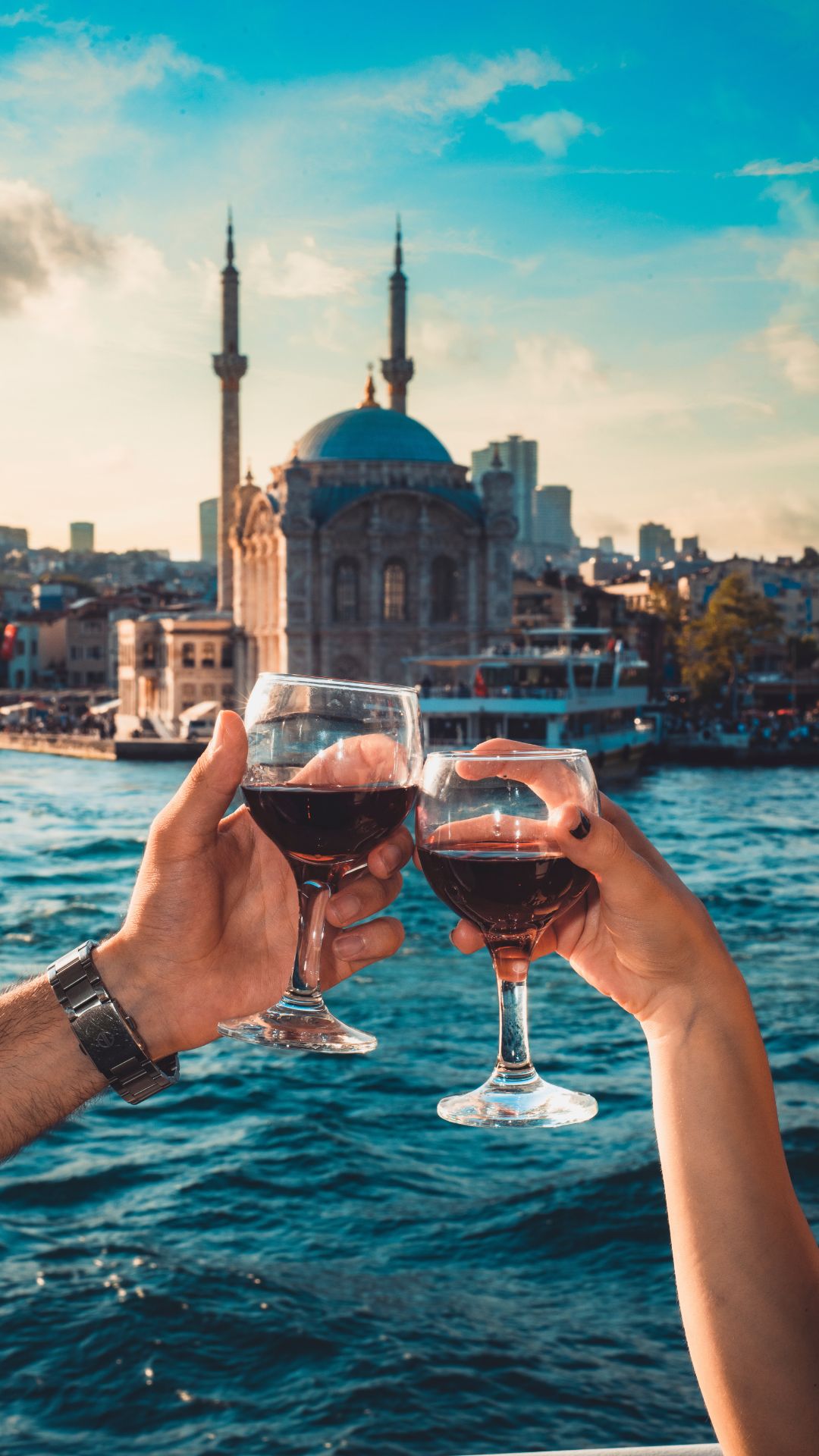
One of the most appealing waterfront walks in the city: Ottoman-era wooden mansions, seafood restaurants, Bosphorus light, and a more refined local atmosphere. Best from late afternoon into evening, especially for dinner or a waterfront stroll. Good to know: this is not the cheapest area for eating by the water — come for the atmosphere, not a budget meal.
Karakoy side streets: beyond the cruise-stop version
Karakoy can feel overcrowded and trend-chasing in parts, but the side streets still reward curious walkers: historic passages, design stores, cafés, old commercial buildings, and easy access to Galata. The smarter approach: use Karakoy as a connector, not your entire alternative-Istanbul day; pair it with Galata backstreets, Cihangir, or a ferry crossing; and go early for better light and fewer crowds.
 Experiences
 The Best Alternative Things to Do
Alternative Istanbul often works best when the structure of the day changes — fewer stops, more time in each place.
Take ferries as part of the day, not just transportation
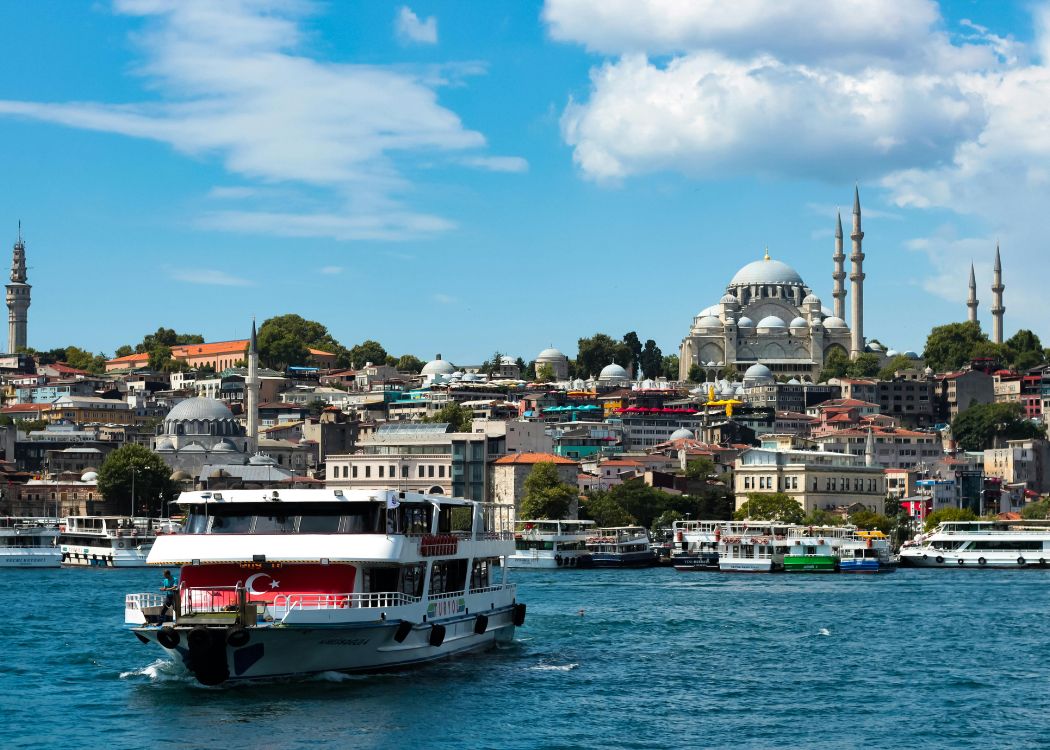
If there is one simple change that makes an Istanbul trip feel more local, it is this: use ferries intentionally. The city makes more sense from the water — distances become emotional as well as geographic. Routes between Eminonu, Karakoy, Besiktas, Uskudar, and Kadikoy are not scenic add-ons; they are daily life, and they often create the most memorable transitions. They offer affordable, traffic-free transportation and skyline views without a formal cruise. If you want a more expansive water experience, a Bosphorus cruise can still be worth booking on a first trip — but do not skip the ordinary commuter ferries.
Visit local markets and food streets
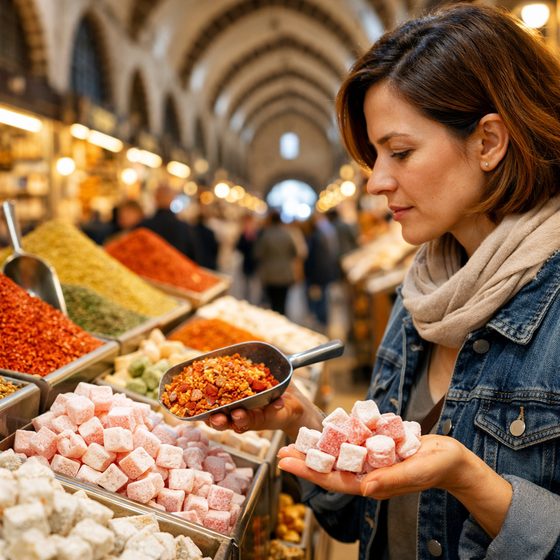
Istanbul’s market culture is one of the clearest ways into the city’s everyday texture. The goal is not always to buy much — sometimes the value is simply observing how a neighborhood shops, eats, and gathers. Good options: Kadikoy market streets for fish, olives, pickles, cheese, meze ingredients, and sweets; the Besiktas fish market area for compact local energy; smaller weekly neighborhood markets if they align with your stay. Avoid this mistake: do not confuse the Grand Bazaar with local daily market culture — it is historic and worth seeing, but it serves a different role.
Choose one hammam carefully
A Turkish bath fits an alternative Istanbul trip if you choose it well. The smartest version is not always the most luxurious: sometimes a beautifully restored historic hammam is worth it for atmosphere; sometimes a straightforward local-style experience aligns better with your trip. Comfort level matters more than internet hype — if you are new to hammams, read the setup carefully. Our guide to the best hammams in Istanbul helps compare options realistically.
Music, bars, and meyhanes in the right neighborhood
Evening culture is part of local Istanbul — the key is matching district to style. Kadikoy and Moda: relaxed bars, meyhanes, a younger scene, easier spontaneous evenings. Beyoglu side streets: more mixed nightlife, music venues, late-night energy. Arnavutkoy and Bosphorus dinner districts: better for atmosphere than bar-hopping. If you prefer a slower evening, choose a meyhane over a loud bar — the pace suits conversation, food, and the social ritual of the city.
Walk the Bosphorus without turning it into a checklist
Stop trying to “cover the Bosphorus” as if it were a single attraction. Pick one stretch and do it well: Ortakoy to Arnavutkoy, or Uskudar toward Kuzguncuk, works much better than sampling five separate waterfront stops in one day.
 Templates
 Sample Itineraries: 3 Days and 5 Days
We rarely recommend skipping the classics entirely. A stronger plan pairs major landmarks with local neighborhoods so the city feels complete.
Sample 3-day alternative Istanbul itinerary
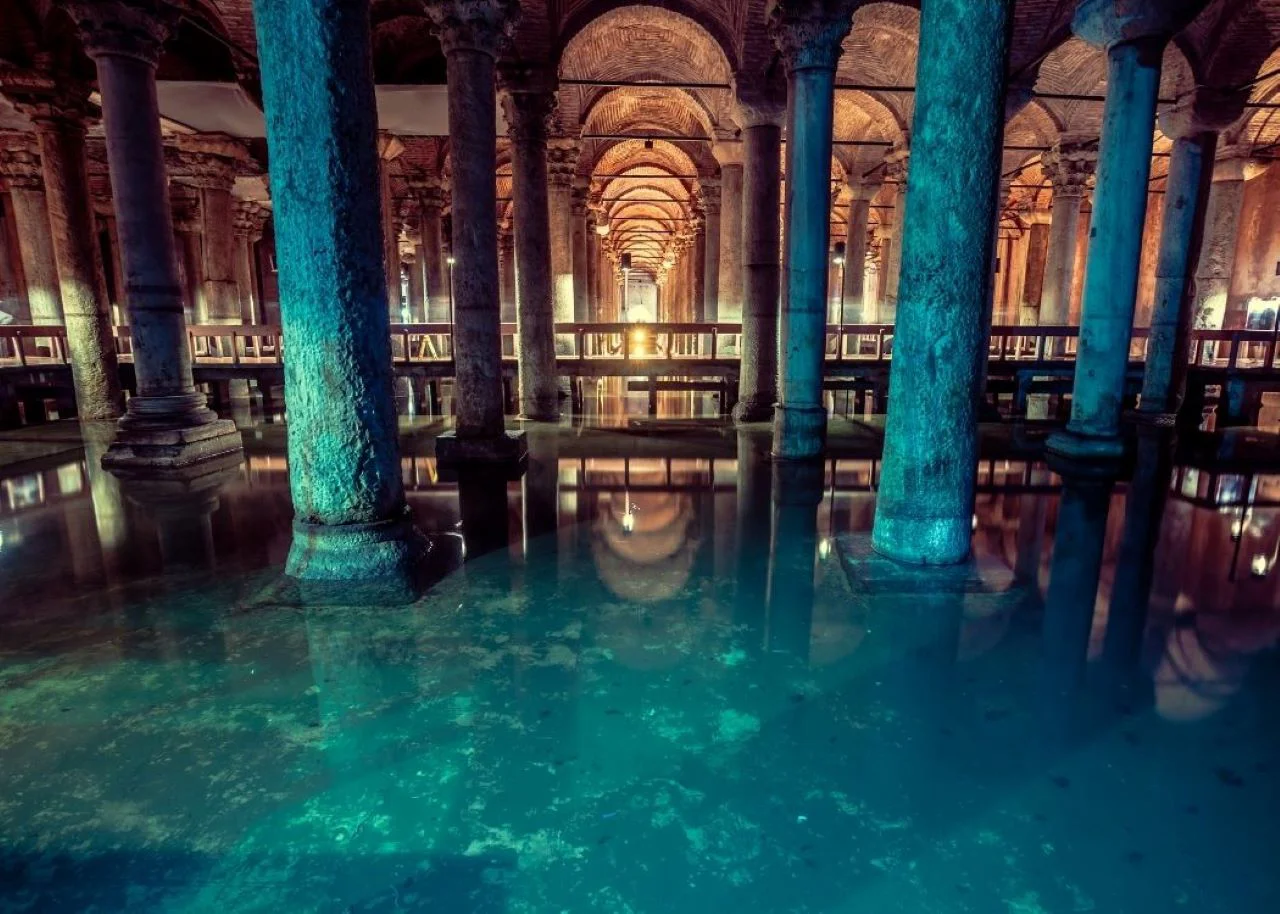
Day 1 — historic essentials, done efficiently: start in Sultanahmet with Hagia Sophia, the Blue Mosque, and the surrounding historic zone; keep the pace disciplined, add the Basilica Cistern if lines and energy allow, then walk toward Eminonu and take the ferry to Kadikoy for dinner. Day 2 — Kadikoy, Yeldegirmeni, Moda: take an early or mid-morning ferry, explore the market, walk uphill into Yeldegirmeni, return for lunch, then continue to Moda for coffee, waterfront time, and sunset. Day 3 — Balat/Fener or Kuzguncuk + a Bosphorus segment: choose Balat/Fener for history, textures, and photography, or Kuzguncuk for Bosphorus calm; end with dinner by the water or in Besiktas/Kadikoy depending on your base.
Sample 5-day itinerary for deeper local immersion
- Day 1: Historic peninsula essentials
- Day 2: Galata, Karakoy side streets, Cihangir
- Day 3: Kadikoy, Yeldegirmeni, Moda
- Day 4: Uskudar and Kuzguncuk, or a Bosphorus ferry and Arnavutkoy
- Day 5: Balat/Fener and the Golden Horn, plus a hammam or meyhane evening
 Food
Food Food That Makes Istanbul Feel More Local
Some of the most memorable Istanbul meals are the least advertised ones.
Have breakfast in a neighborhood, not just at the hotel
A Turkish breakfast changes depending on where and how you eat it. In local districts it feels integrated into daily life — families, friends, long tables, bread baskets, tea refills, olives, cheese, eggs, jams, tomatoes, cucumbers, maybe menemen, maybe börek, maybe all of it. Neighborhood breakfast is one of the simplest ways to shift your trip into a more authentic mode.
Eat fish, meze, and seasonal dishes where locals gather
You do not need the city’s most expensive seafood table for a memorable dinner — a strong meyhane or neighborhood fish restaurant often offers a better balance of flavor, atmosphere, and comfort. Good principles: look for places busy with local groups in the evening, do not choose solely by waterfront view, ask what is seasonal, and understand that meyhane dining is about pace, not speed.
Street food still matters
Some of the most local-feeling food moments are not restaurant-centered at all: simit by the ferry, roasted chestnuts in cooler months, midye dolma if you know and trust the source, kokorec if it suits your taste, or a quick lahmacun in a neighborhood setting. For broader planning, our Turkish food in Istanbul guide helps you prioritize across a short stay.
Desserts and tea are part of the experience
Visitors often underestimate how much Istanbul’s rhythm includes tea breaks, sweet stops, and small resets. A pastry, tea, or coffee stop in the right neighborhood can structure an afternoon better than forcing another attraction.
 Light & timing
 Photography, Atmosphere, and Seasons
Alternative Istanbul is not only about avoiding famous views — sometimes the best local photographs still include the classic silhouette, just from less expected transitions.
Where alternative Istanbul looks best
For street texture: Balat and Fener, Yeldegirmeni, Kadikoy side streets, Cihangir slopes and apartment-lined corners. For water and light: the Moda waterfront, the Uskudar shoreline, the Kuzguncuk Bosphorus edge, Arnavutkoy at golden hour, and any cross-city ferry near sunset. Insider tip: morning light is usually better for quieter neighborhood photography, while Bosphorus and ferry shots become more atmospheric later in the day.
Seasonal advice for experiencing local Istanbul
Spring: one of the best times — pleasant neighborhood walks, enjoyable ferry decks, active outdoor café culture. Summer: energetic and social, especially on the Asian side and near the water, but midday heat can make long walks draining — plan slower afternoons and prioritize evening neighborhood life. Autumn: excellent for food-focused travel and Bosphorus walks; often the sweet spot. Winter: wonderful if you enjoy moody city atmospheres, tea culture, and fewer crowds — choose neighborhoods with flexible indoor options and do not overplan waterfront walks on stormy days. For weather-specific guidance, see the best time to visit Istanbul.
How to Get Around Alternative Istanbul Efficiently
The backbone of this style of trip — often more valuable than taxis. Ferries connect the key neighborhoods while giving you breathing space between them.
Marmaray is especially useful for crossing between sides quickly when you do not need the scenic route. Metro helps in larger transitions, but many of the most rewarding local areas still require some walking.
Istanbul is a walking city, but not always an easy one: streets can be steep, uneven, and crowded. A “10-minute walk” may feel longer than it sounds, especially in Beyoglu, Balat, and parts of the Bosphorus. Wear shoes you genuinely trust.
Sensible late at night after a long dinner, when moving with luggage, in heavy rain on an awkward route, or for selected uphill jumps if mobility is limited. Not the backbone of a smart itinerary.
What to Book Ahead vs Keep Spontaneous
Worth booking
- A pre-booked airport transfer for odd-hour arrivals, luggage-heavy transfers, or an Asian-side base after a long flight
- A hammam — choose the style that matches your expectations and read the setup carefully before booking
- A guided food walk or neighborhood tour for Balat/Fener context or culinary depth
- A Bosphorus cruise if you want a structured, scenic water experience on a first trip
Keep spontaneous
- Commuter ferries — no booking needed, and they are the more local backbone of the trip
- Moda and Kuzguncuk — independent wandering works just as well as any tour
- A tourist pass — only if you pair local neighborhoods with several ticketed highlights; do not overbuy for a neighborhood-led itinerary
- Meals — look for places busy with local groups in the evening instead of reserving by waterfront view
- Your daily route — leave room for a second tea, a longer walk, and a meyhane table that lasts longer than planned
A Local Day, Hour by Hour
Common Mistakes When Chasing “Authentic” Istanbul
Avoid these mistakes
- Trying to avoid all famous places — iconic sites are iconic for a reason; the goal is to contextualize them, not reject them
- Overloading too many neighborhoods in one day — traffic, hills, ferry timing, and meal stops add up; choose fewer places and stay longer
- Treating residential neighborhoods like photo sets — especially in Balat and Kuzguncuk, people live there; photograph thoughtfully
- Ignoring transit strategy — the wrong route can make a beautiful neighborhood feel inconvenient; the right ferry-and-walking sequence makes the same day effortless
- Confusing trendiness with authenticity — a café-lined street is not automatically more local than a market road full of practical shops
- Treating authenticity like a scavenger hunt — Istanbul opens up through rhythm, repetition, and context, not secrets
Insider tips
- Arrive in Kadikoy by ferry — the transition over the water feels much more “Istanbul” than arriving underground
- Give Moda 2 to 4 hours; rushing it in 45 minutes misses the point entirely
- Visit Balat and Fener on a weekday morning for calmer streets
- On a rushed day, choose either Kuzguncuk or Balat/Fener, not both — the mood is very different
- Pick one Bosphorus stretch and do it well: Ortakoy to Arnavutkoy, or Uskudar toward Kuzguncuk
- Morning light suits quiet neighborhood photography; ferries and the Bosphorus turn more atmospheric later in the day
Frequently Asked Questions
What is the best area in Istanbul for local atmosphere?
Is the Asian side better for authentic Istanbul?
Is Balat still worth visiting, or is it too touristy now?
Where should I stay in Istanbul if I want something less touristy?
How many days do I need for alternative Istanbul?
Can first-time visitors skip Sultanahmet and only do local neighborhoods?
What are the best non-touristy things to do in Istanbul?
Is Kuzguncuk worth visiting?
What is the best way to get around local neighborhoods in Istanbul?
Are local neighborhoods in Istanbul safe for travelers?
What is the best neighborhood for nightlife with a local feel?
Are guided tours worth it for alternative Istanbul?
Is an Istanbul tourist pass useful for this kind of trip?
What should I wear for neighborhood exploration in Istanbul?
The Best Alternative Istanbul Leaves Room to Feel the City
The most rewarding version of alternative Istanbul is not built on obscure checklists. It is built on better choices: the right neighborhood instead of one more rushed landmark, the right ferry instead of a traffic-heavy ride, the right meal instead of the most advertised one, the right pace instead of a crowded schedule. So see the big monuments — absolutely. But leave space for Kadikoy at lunchtime, Moda at sunset, a ferry with no agenda beyond crossing, a quiet street in Kuzguncuk, and a meyhane table that lasts longer than planned. That is often where the city becomes unforgettable.
Explore things to do in Istanbul