Istanbul Population Growth
After the declaration of the Republic of Turkey, the population of Istanbul grew even further. Especially during the second half of the 20th century, the city experienced rapid population growth. Between 1950 and 2000, the population of the city increased almost. Currently, the population growth rate in Istanbul is estimated to be 3.45%. This growth rate makes Istanbul the fastest-growing city. Istanbul is also ranked among the 78 largest metropolitans in the world. As the country’s main economic and cultural center, Istanbul continues to attract people each year, and this increase is linked both to job opportunities and to cultural factors.
Demographics of Istanbul
The demographics of Istanbul reflect both density and diversity. Currently, the population density of Istanbul is 2,523 people per square kilometer. Compared to the population density of Turkey, which is 102 people per square kilometer, this figure is remarkably high. Istanbul has a relatively small surface area, yet its population is very large. For this reason, it is considered the densest city in Turkey.
The population is distributed across both the European and Asian sides of the city. Most people living in Istanbul have immigrated from other cities, and it is believed that only 28% of Istanbul residents were born in the city itself. This pattern has shaped Istanbul into a place where regional identities, languages, and traditions meet in everyday life.
This movement of people also helps explain why the city feels so layered. A walk from Sultanahmet Square to the Grand Bazaar, or across neighborhoods near the Golden Horn, reveals how different communities, trades, and histories have become part of a single urban fabric.
Major Ethnic Groups in Turkey
Approximately 80% of the population of Turkey consists of Turkish people. The remaining 20% is formed by different ethnic groups. Like many countries around the world, Turkey is home to a wide range of communities, and these groups contribute to the country’s diverse culture. Although people in different ethnic groups continue their own traditions, every individual within the borders of the Republic of Turkey is considered a Turkish citizen. Unlike other countries, racism and ethnical discrimination in Turkey is rare.
The major ethnic groups in Turkey can be listed as follows:
- Laz people
- Kurds
- Zazas
- Abkhazians
- Bulgarians
- Pomaks
- Yuruks
- Tatars
However, there are also other ethnic groups in Turkey. Some of these are Karachays, Azerbaijanis, Sephardi Jews, Gajal, Circassians, and many others. Ethnic groups in Turkey are dispersed across the country, although there are some exceptions. For example, while the majority of Laz people live in the Eastern Black Sea Region, the majority of Kurdish and Zaza people live in the East Anatolian Region. People from these ethnic groups also live in Istanbul, further contributing to the city’s multicultural character.
Why Istanbul Attracts So Many People
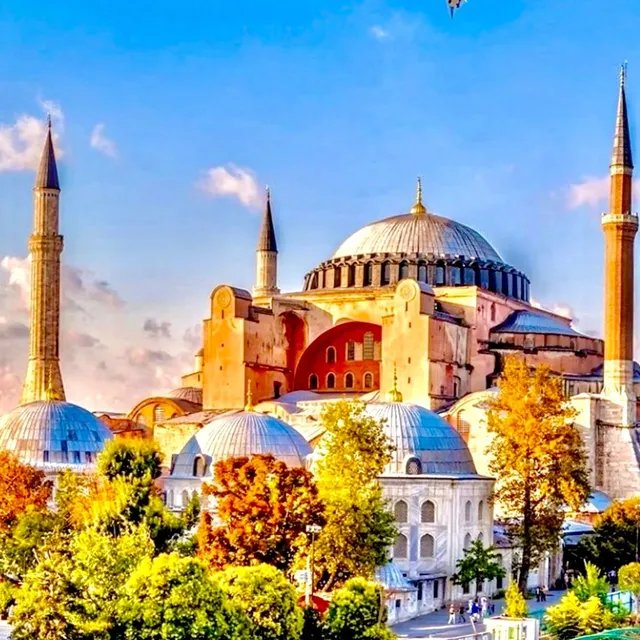
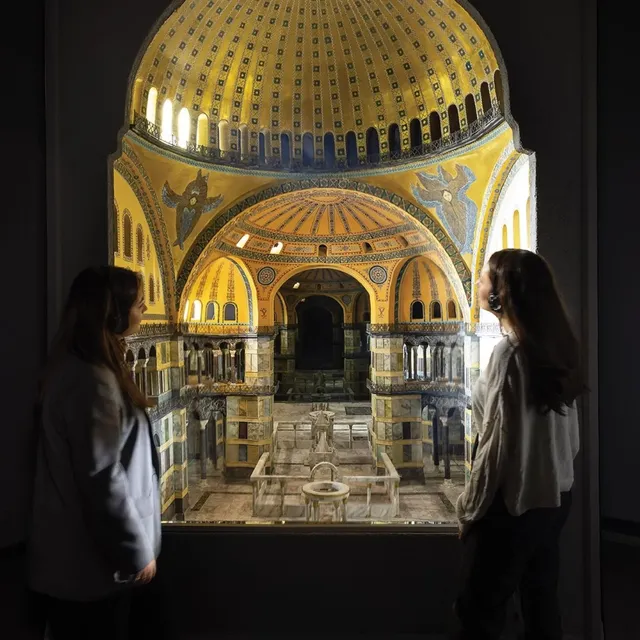
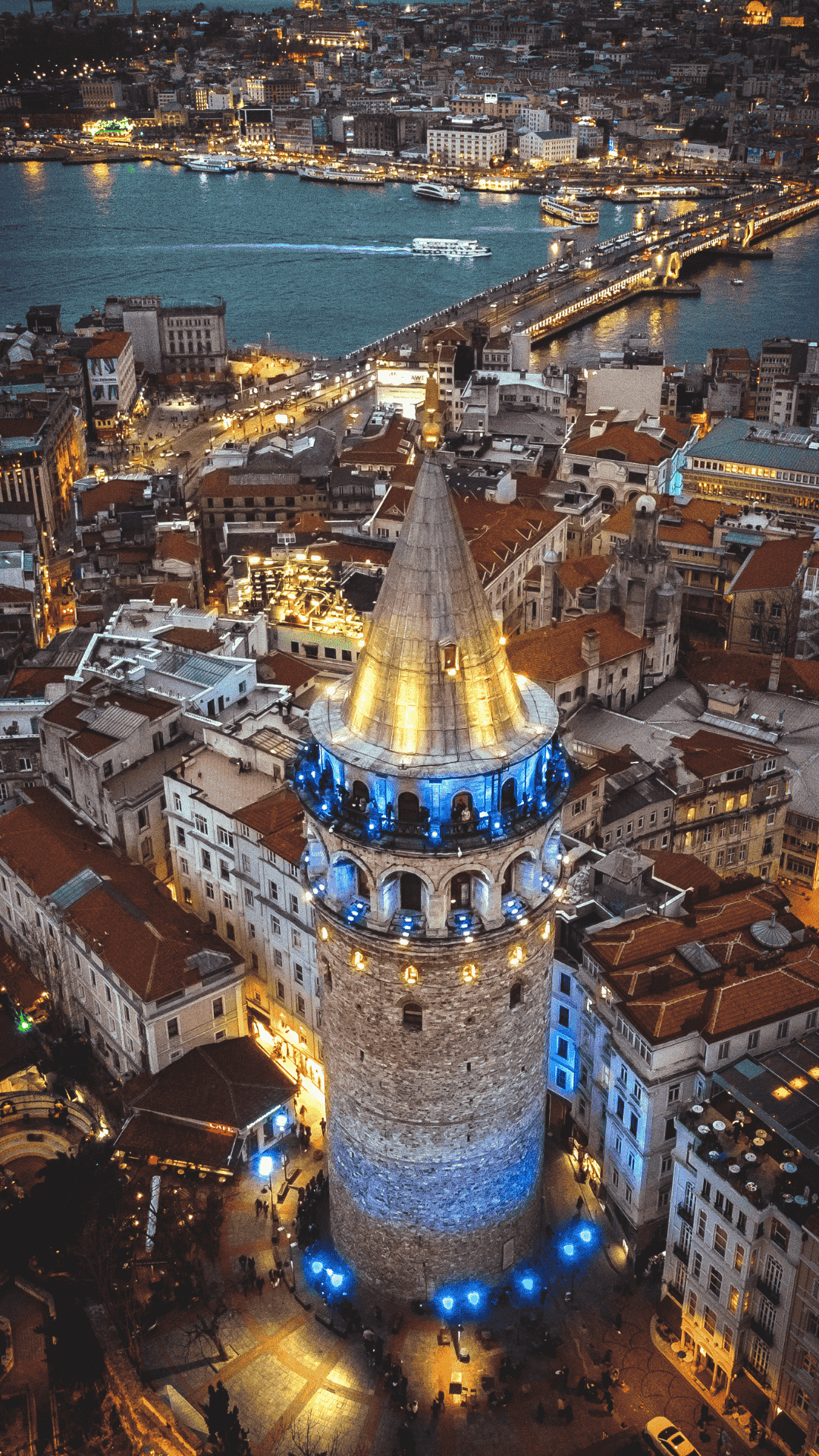
Istanbul’s location, history, and economy have made it a magnet for migration for generations. As a city connecting Europe and Asia, it offers opportunities in trade, tourism, education, and culture. Its globally known landmarks, from Hagia Sophia to waterfront districts along the Bosphorus, also strengthen its role as Turkey’s best-known urban center.
The city’s long history as an imperial capital and commercial hub helps explain why its population has remained dynamic for centuries. You can explore more about Istanbul’s global and historical significance through resources such as Britannica’s overview of Istanbul and broader cultural context on UNESCO.
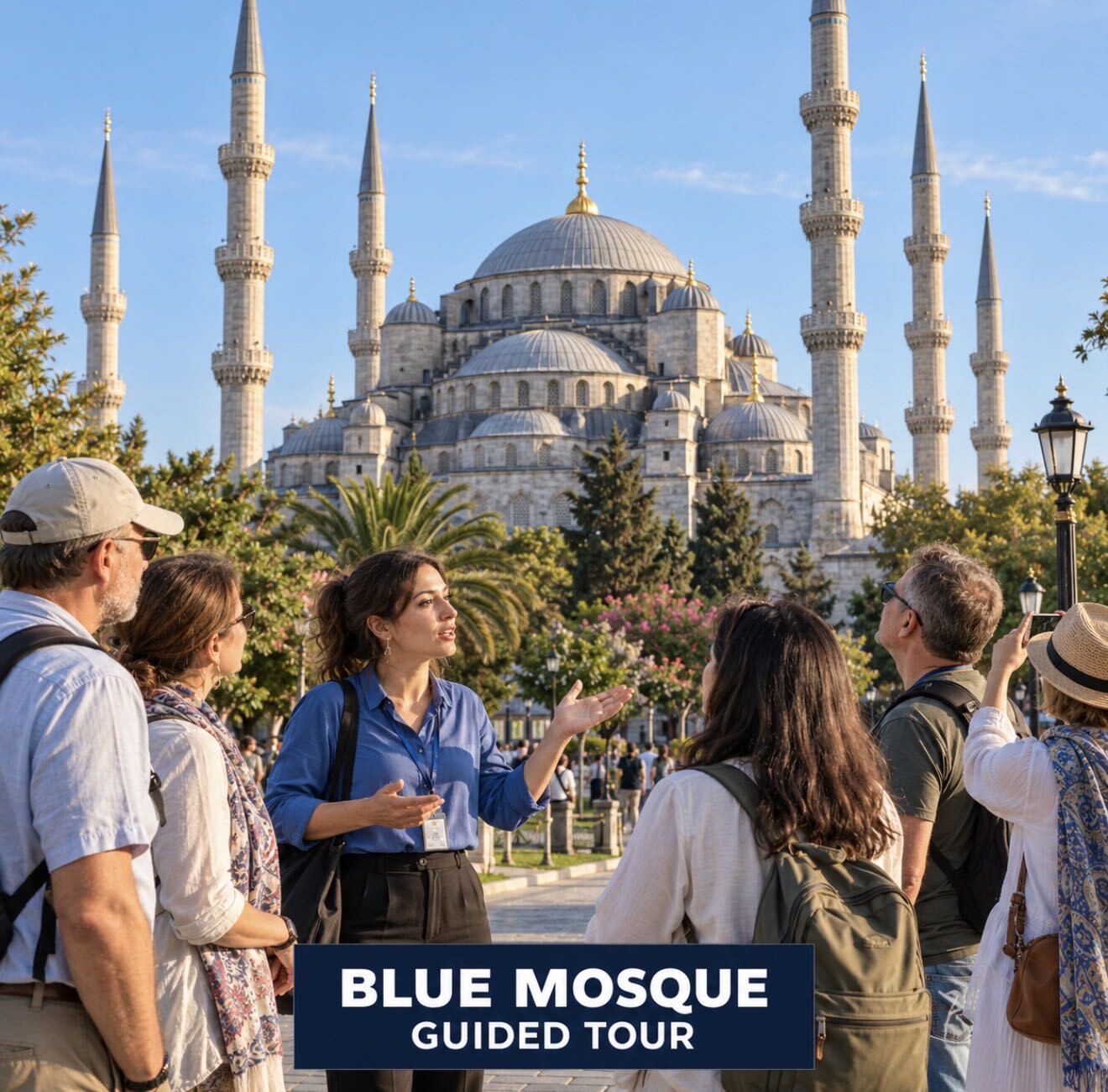
If you want to visit this historical city, you can now book one of our tours by using your credit card, bank card, or another payment method. With our secure payment system and extensive tour options like a Hagia Sophia guided tour, you can experience some of the best places in Istanbul.
FAQ
What was the population of Istanbul in 2014?
As stated in the data cited in this article, the population of Istanbul was 14,160,467 as of January 2014. At that time, this number represented 18.5% of Turkey’s total population of 76,667,864.
Why is Istanbul so densely populated?
Istanbul is densely populated because it has a relatively small surface area compared with the number of people living there. Its role as Turkey’s economic, cultural, and historical center also continues to attract residents from across the country.
Is Istanbul located in both Europe and Asia?
Yes. Istanbul is a transcontinental city, meaning it is located on two continents: Europe and Asia. This unique geography has played a major role in shaping the city’s history, culture, and economic importance.
Were most Istanbul residents born in the city?
According to the information in this article, it is believed that only 28% of Istanbul residents were born in the city. This shows how strongly migration from other parts of Turkey has shaped Istanbul’s population.
What ethnic groups live in Turkey and Istanbul?
Turkey includes many ethnic groups alongside the Turkish majority, including Laz people, Kurds, Zazas, Abkhazians, Bulgarians, Pomaks, Yuruks, and Tatars. Members of these and other communities also live in Istanbul.