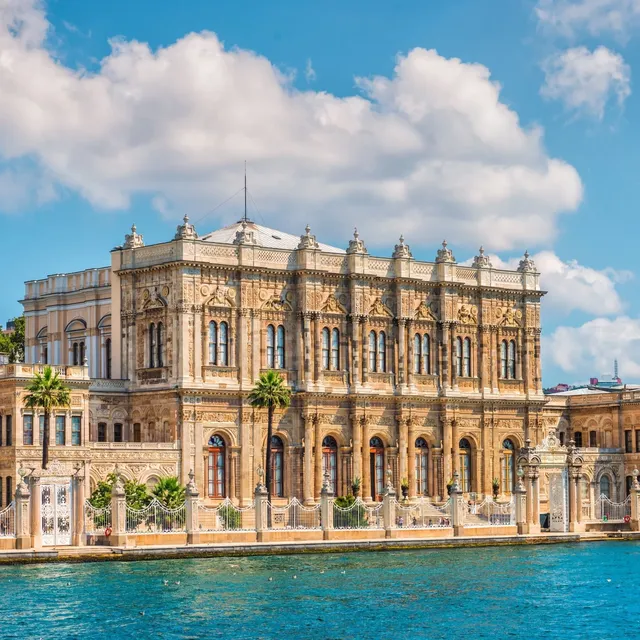
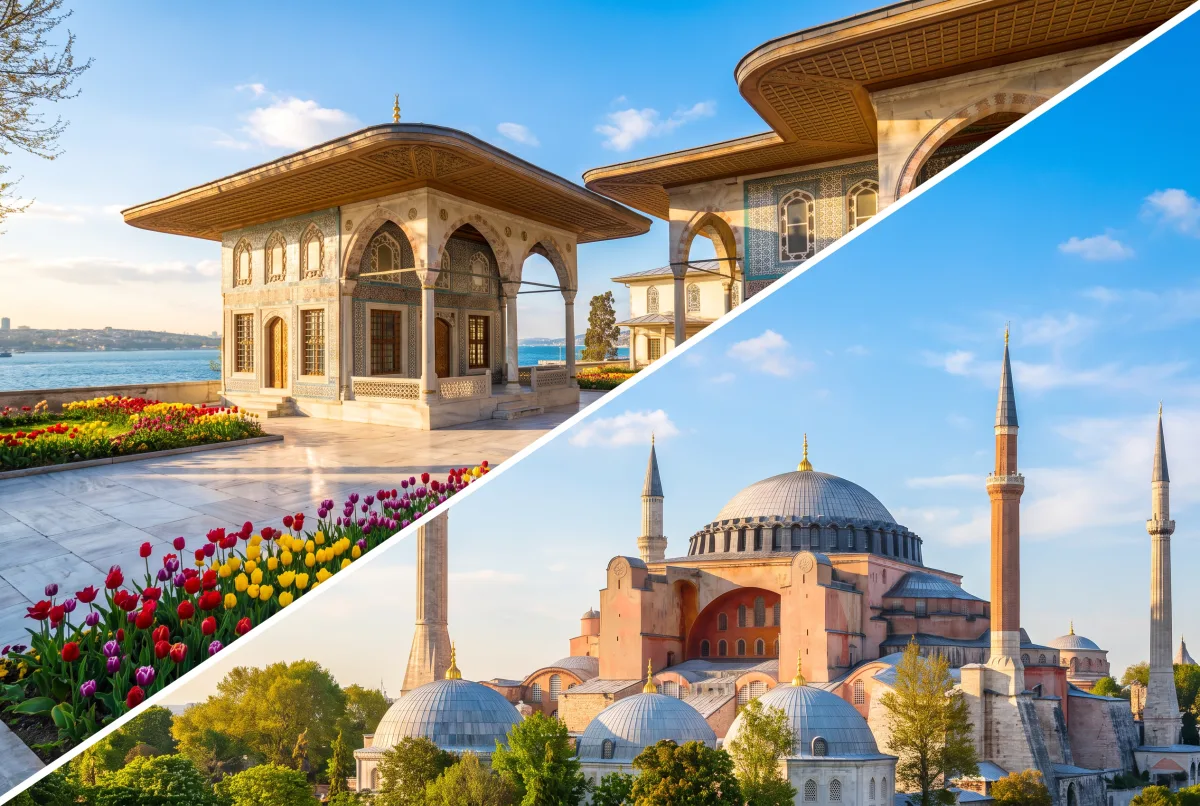
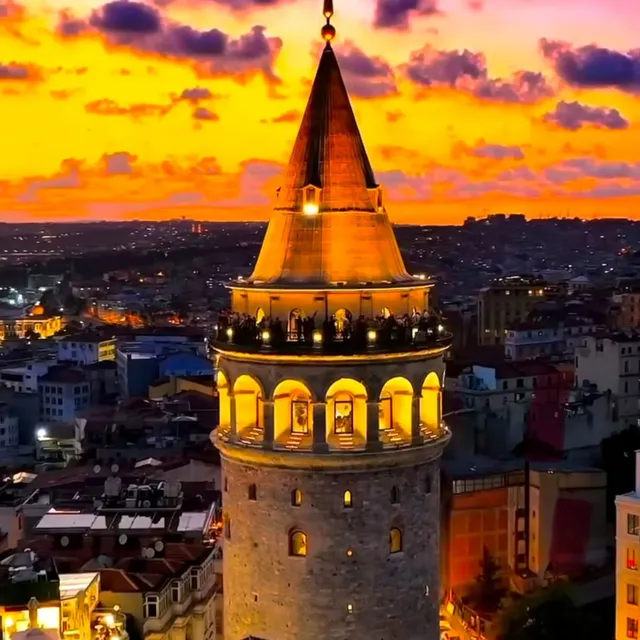
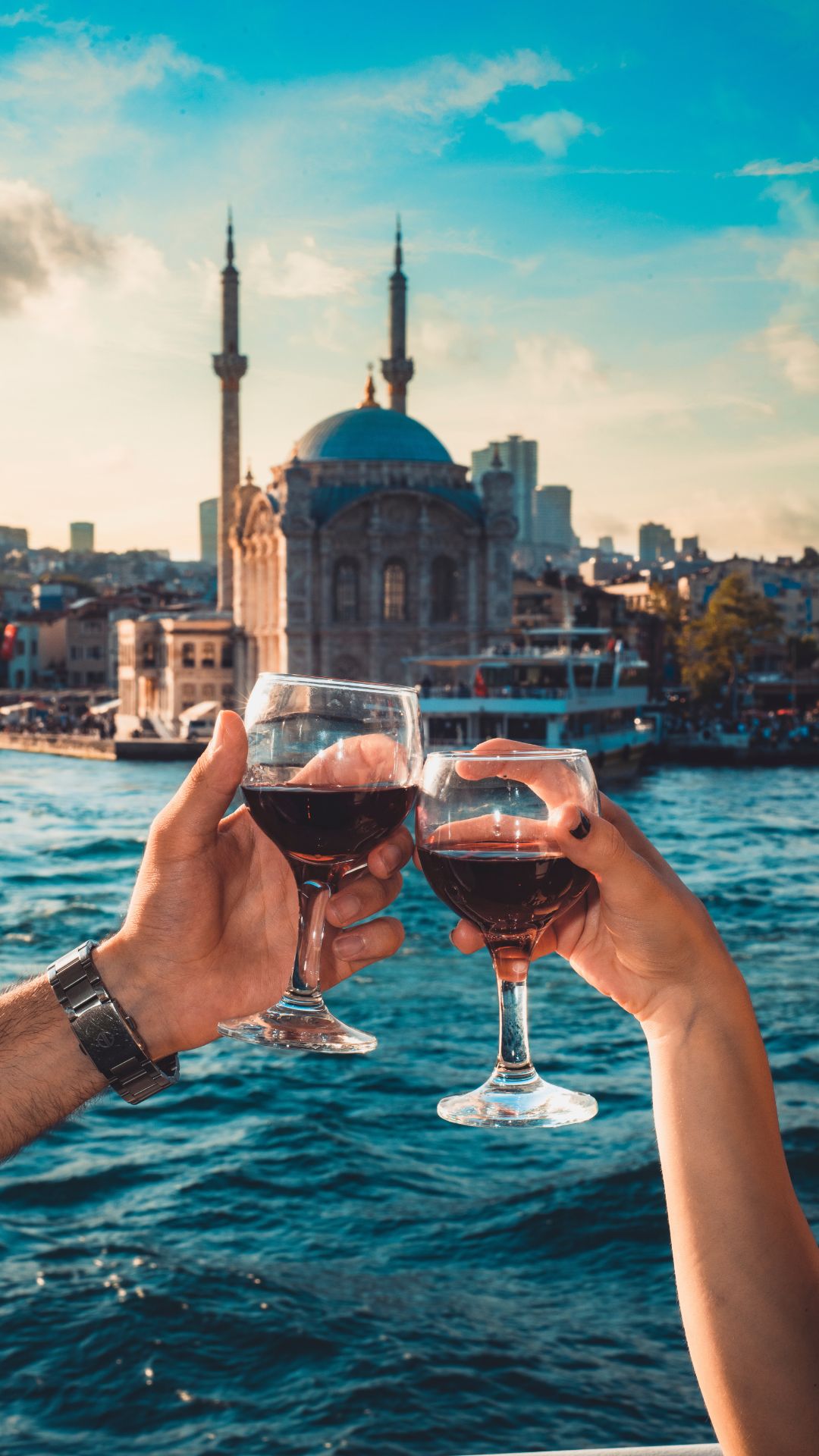
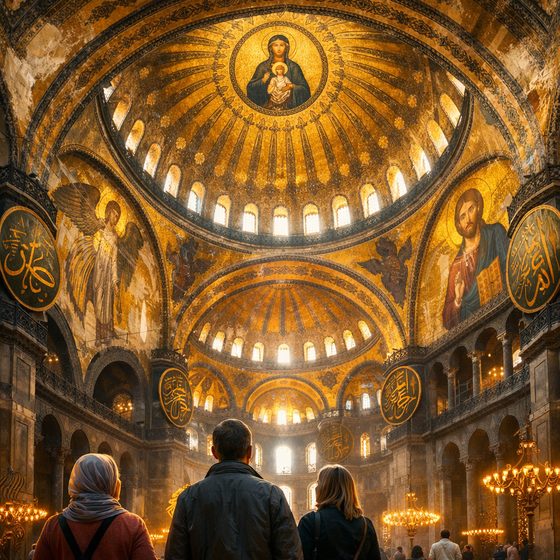
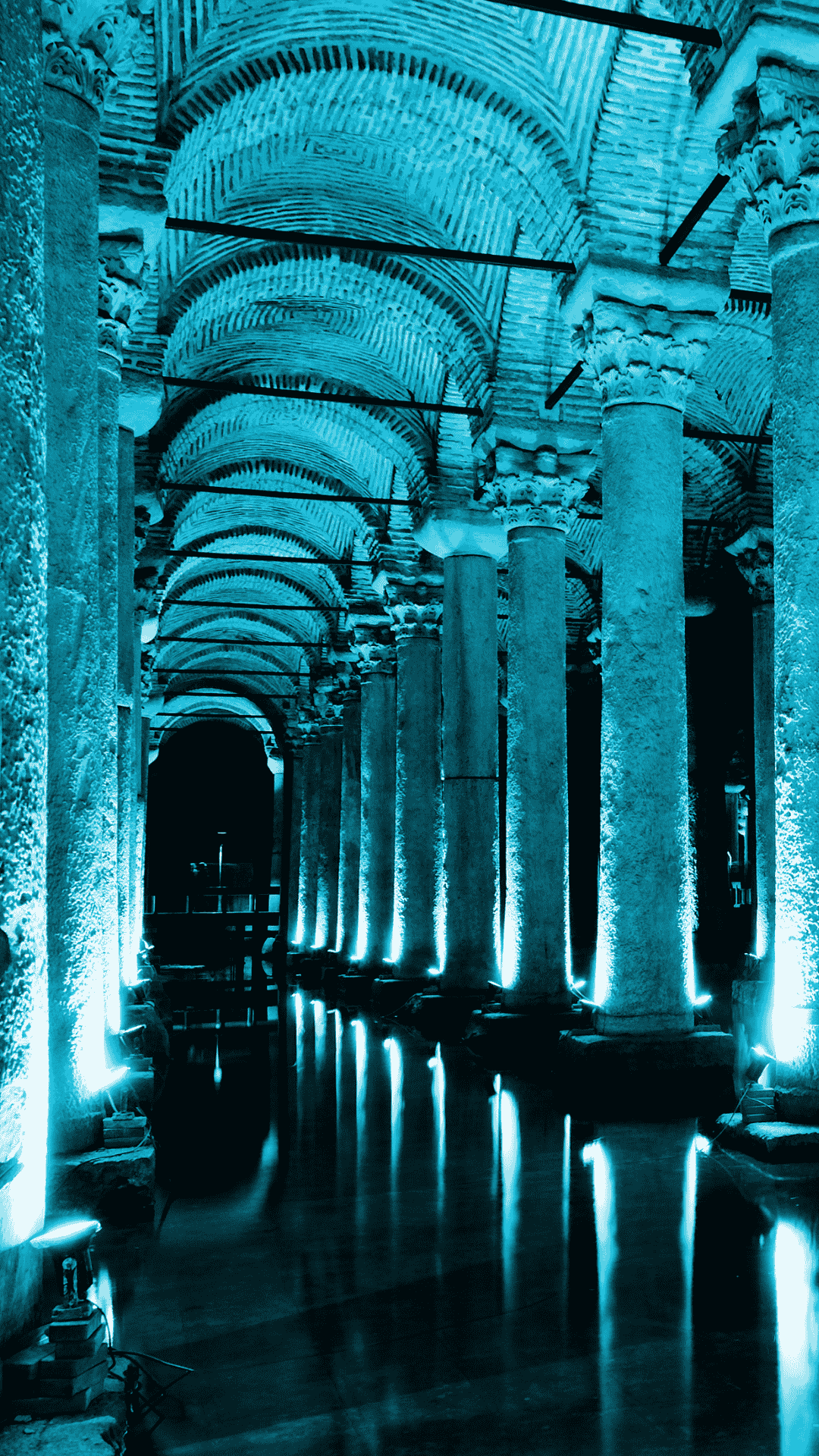
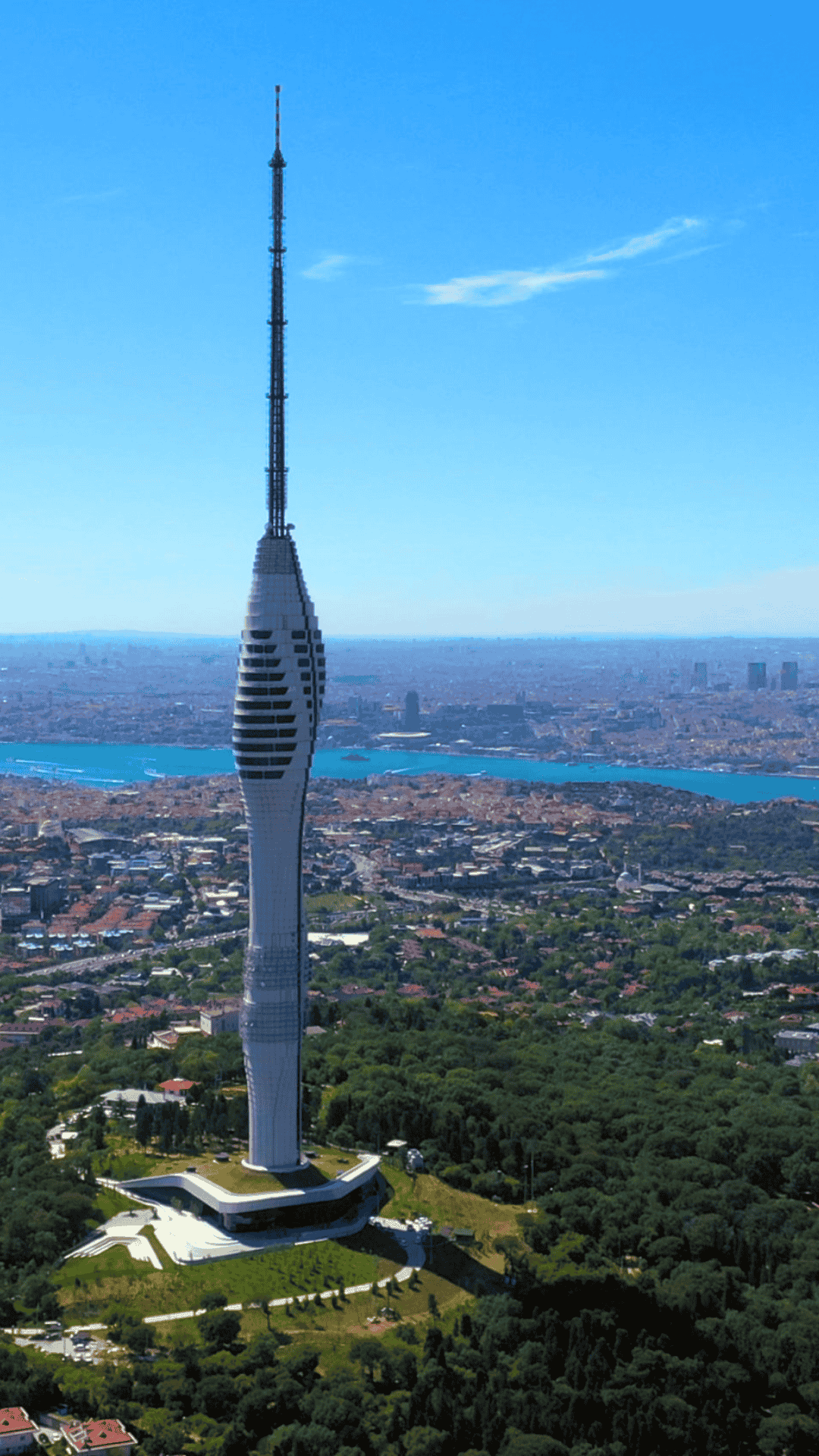
You do not need a luxury budget to enjoy Istanbul well. In fact, some of the city's best experiences are still inexpensive: ferry rides across the Bosphorus, tea with skyline views, neighborhood walks that reveal layers of Byzantine, Ottoman, and modern life, and meals that cost less than what many travelers spend on a single coffee in Western Europe.
If we were planning this trip for a friend, we would focus on one idea: spend carefully, not fearfully. That means paying for what genuinely improves your experience, skipping tourist traps, using public transportation intelligently, and building a route that reduces backtracking. The result is a 3-day Istanbul itinerary under €100 that feels thoughtful, local, and satisfying rather than cheap.
This itinerary assumes you already have accommodation covered and focuses on daily sightseeing, transportation, food, and simple traveler expenses. One thing we often tell first-time visitors: Istanbul rewards rhythm more than rushing. If you group sights properly and use ferries, trams, and walking routes well, the city becomes surprisingly manageable. You can compare bases in our guides to where to stay in Istanbul and Istanbul neighborhoods.
PLAN & SAVE See Istanbul well without overspending Pay only for what genuinely improves your trip—compare attractions before buying individual tickets.Quick Overview
| Category | Budget Plan | ||
|---|---|---|---|
| Total budget | Under €100 for 3 days, excluding hotel and flights | ||
| Best for | Budget travelers, smart travelers, first-time visitors, backpackers, solo travelers | ||
| Main strategy | Walkable neighborhood clusters, ferries, trams, low-cost local food, selective paid entry | ||
| Ideal base | Sultanahmet, Karaköy, Eminönü, Taksim, or Kadıköy | ||
| Average daily spend | €30–€33 | ||
| Transport style | Istanbulkart + ferries + tram + walking | ||
| Biggest money saver | Choose free viewpoints, mosques, neighborhood walks, and ferry rides over expensive add-ons | ||
| Worth paying for | One or two major sights only if they matter to you |
Who This €100 Istanbul Itinerary Is Best For
- First-time visitors. Who want a realistic low-cost plan with clear priorities.
- Solo travelers. Who prefer independence over tours.
- Couples. Who want a romantic-feeling city break without overspending.
- Students & backpackers. Plus cruise stopover travelers extending a short city stay.
- Atmosphere over luxury. Travelers who care more about atmosphere, streets, shorelines, and ferry crossings than premium tickets.
- Who should adjust it. Travelers who want multiple major museums, nightlife-focused visitors, families needing frequent taxis or sit-down breaks, and luxury travelers forcing a budget format that will not suit their style.
Can You Really Spend 3 Days in Istanbul Under €100?
Yes, with planning. Not with random decisions. Istanbul can be expensive if you rely on taxis, eat in obvious tourist zones, buy every museum ticket, and drift from one side of the city to the other without a route. But it can also be one of the best-value major cities in Europe and the Mediterranean if you use the city like locals do.
What is included: 3 days of transportation inside the city, affordable breakfasts, lunches, dinners and tea/coffee breaks, one selective paid attraction, free and low-cost things to do, and room for small price changes. Not included: hotel, flights, airport transfers, heavy shopping, alcohol-focused nightlife, or multiple premium museum tickets.
- Public transportation: €8–€12
- Breakfasts: €6–€12
- Lunches: €12–€18
- Dinners: €18–€27
- Snacks, tea, water: €6–€10
- One paid attraction or viewpoint: €10–€18
- Buffer for small extras: €10–€15
- Total: €70–€100
Best Areas to Stay for a Budget Trip
Sultanahmet
Best for first-timers who want to wake up near the Blue Mosque, Hagia Sophia, and the historic core—practical if you only have 3 days and want to walk to major landmarks early. Trade-off: restaurants immediately around the main squares can be overpriced, so walk a few streets away for better value.
Best for First-timers
Karaköy
A central base with ferries, trams, modern cafés, and easy access to Galata, Eminönü, and Beyoğlu. Often one of the most efficient bases for a smart itinerary. Trade-off: trendier places can raise food costs if you are not selective.
Best for Efficient central base
Kadıköy
Best for repeat visitors, budget-conscious travelers, and anyone who prefers a more local atmosphere with strong food value. Ferry links make it enjoyable, but it adds a little more planning for very early starts in the historic center.
Best for Budget & food value
Taksim & Beyoğlu
Best for nightlife access, energy, and wider accommodation choice. The area is useful, but choose carefully because not all streets feel equally calm or practical.
Best for Nightlife & choice
The 3-Day Budget Itinerary
 Sultanahmet & Eminönü
 Historic Istanbul Without Overspending
Your first day should give you that unmistakable "I'm really in Istanbul" feeling. The historic peninsula does this better than anywhere else—but this is also where first-time travelers overspend fastest. The secret is to arrive early, focus on atmosphere, and only pay for what actually matters to you.
Sultanahmet at Its Quietest
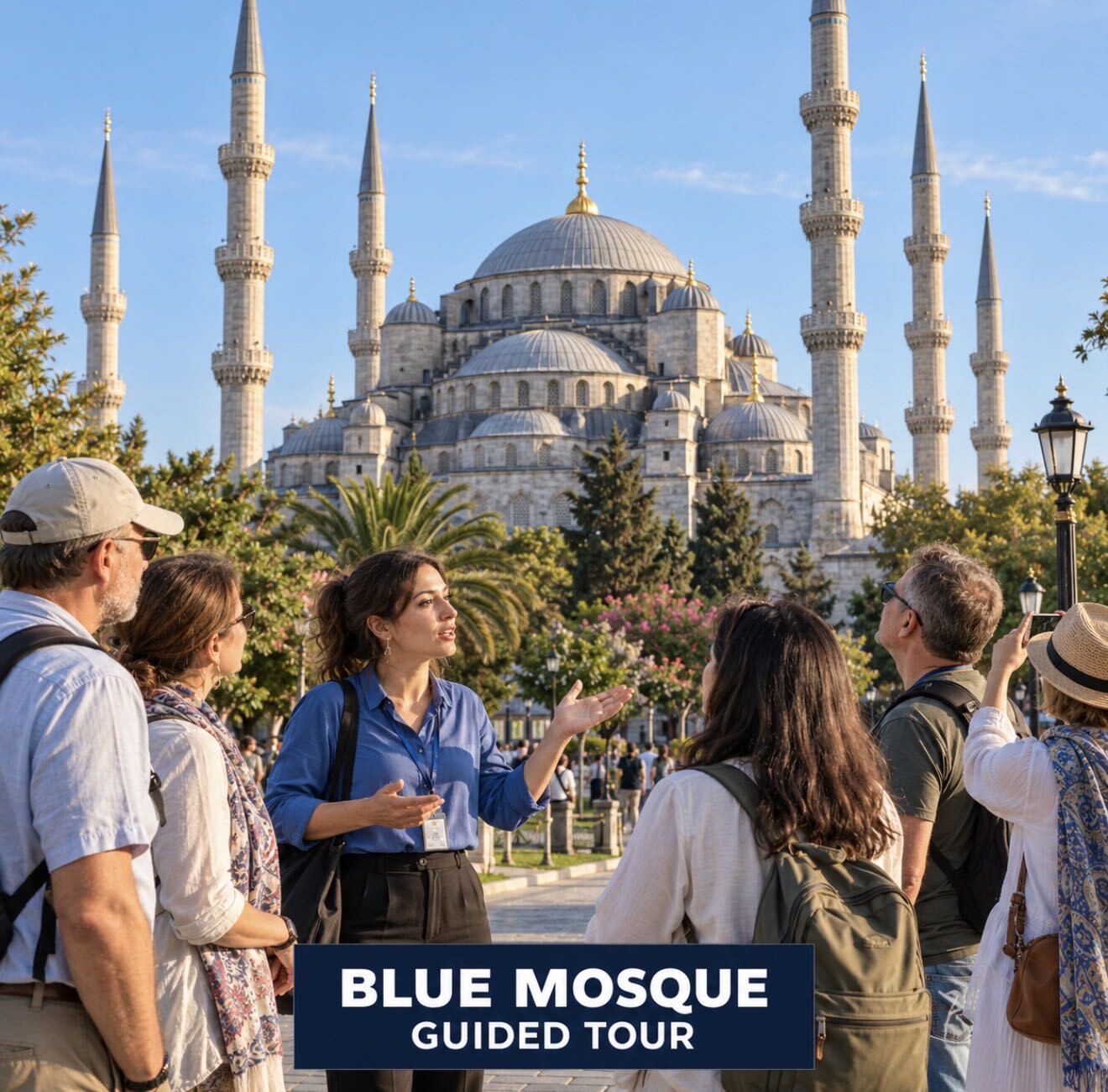
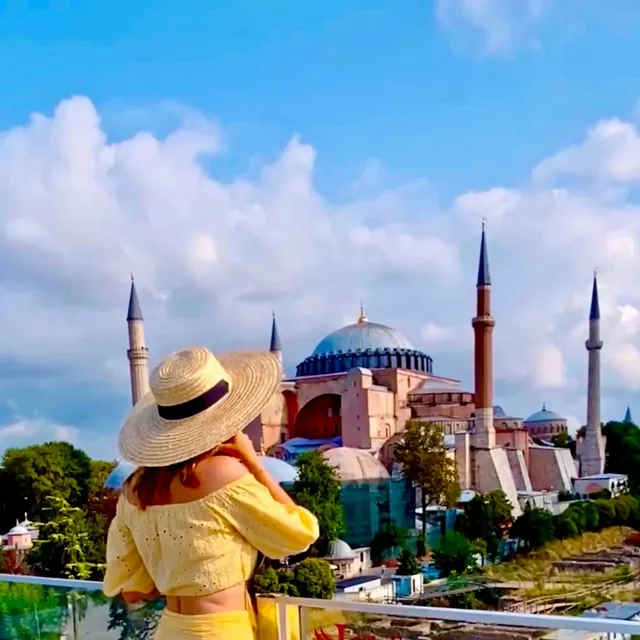
Start early in Sultanahmet. Early morning is cooler, calmer, and more photogenic—the space between Hagia Sophia and the Blue Mosque feels entirely different before tour groups fill the square. Suggested route: Blue Mosque exterior and courtyard, Hagia Sophia exterior and surrounding square, Sultanahmet Square and the ancient Hippodrome area, the German Fountain, then walk toward Gülhane Park. Walking estimate: around 60 to 90 minutes with photo stops. Most tourists miss how beautiful the area feels before 9:00 am.
Budget breakfast: keep it simple—simit, tea, and perhaps a pastry or börek. Avoid hotel-style breakfast spots charging premium prices just because they face a famous monument. Insider tip: if your accommodation offers breakfast included, use it on at least one of these days—that single decision can preserve room in the budget for a better lunch or one paid sight later.
Choose Your Approach to the Major Monuments
This is where smart travel matters. You do not need to enter everything.
- Option A—budget-first: spend more time outdoors, in courtyards, and in the surrounding streets. Visit a mosque respectfully, enjoy the park edges, and move on. Affordable and still deeply atmospheric.
- Option B—one major paid interior: if there is one landmark you strongly care about, choose one and build around it. Do not stack multiple interiors in one morning unless architecture and history are your main reason for visiting.
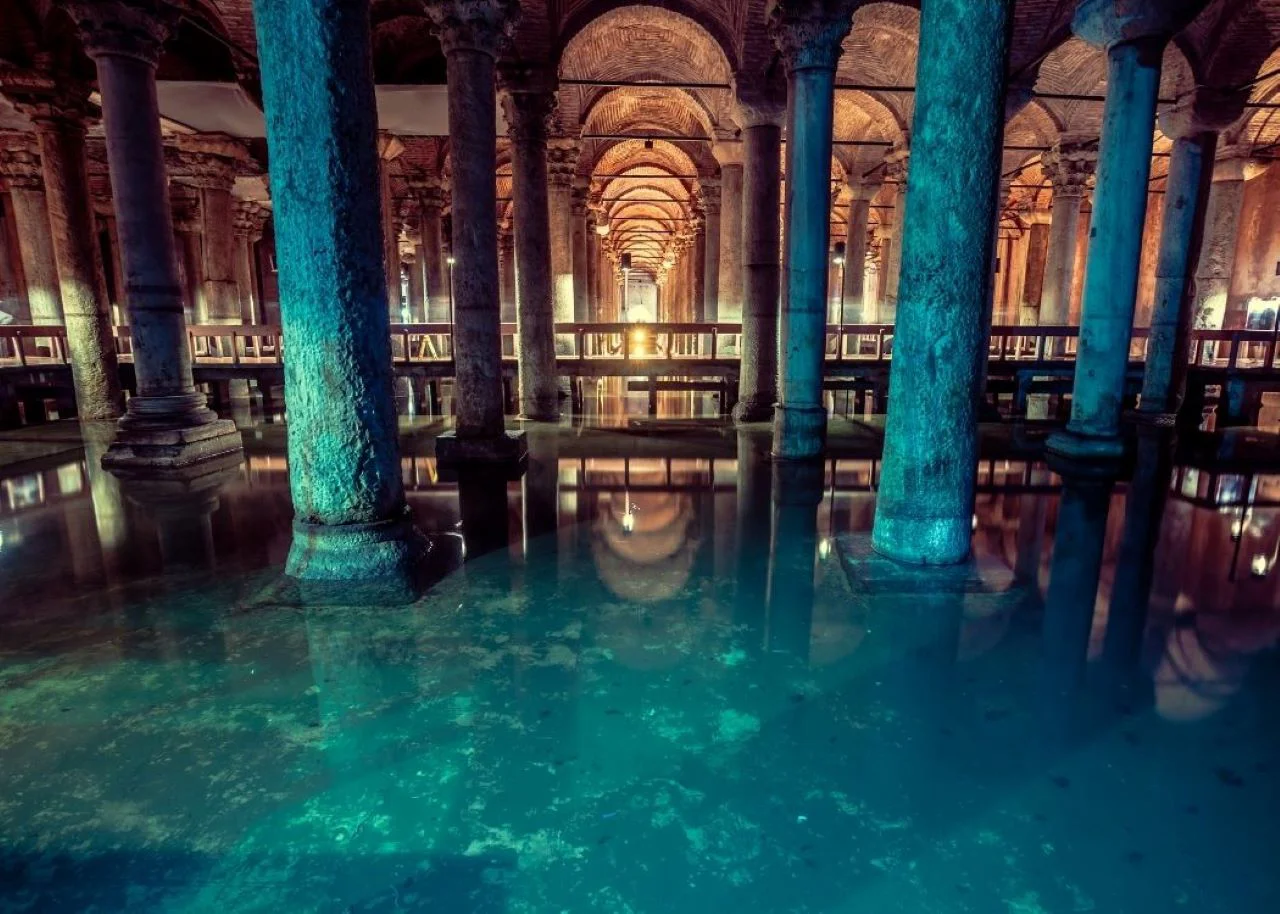
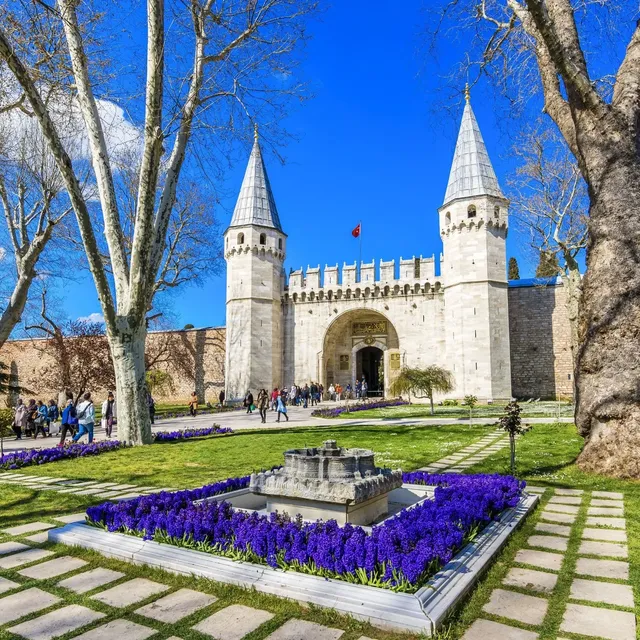
For deeper planning, compare Hagia Sophia, the Blue Mosque, Topkapi Palace, and the Basilica Cistern before you decide. If you have limited time: prioritize atmosphere and one standout interior rather than trying to tick every famous site.
Eat Outside the Most Obvious Tourist Strip
Walk a few streets away from the central square for lunch. A lokanta, kebab shop, soup place, or pide restaurant can give you a filling meal at a fraction of the price of restaurants directly facing the monument zone. Good budget choices: lentil soup and bread, pide or lahmacun, rice, beans and a simple lokanta dish, or döner with ayran.
Avoid this mistake: sitting down at the first menu you see with laminated tourist photos and aggressive staff outside. In Sultanahmet, the distance of just two or three streets can noticeably improve prices and quality.
Gülhane, Eminönü, and the Waterfront
After lunch, walk through Gülhane Park—one of the easiest transitions from monument-heavy sightseeing into something more relaxed. From there continue downhill toward Eminönü, one of the best-value areas in Istanbul for atmosphere: the Spice Bazaar exterior and nearby lanes, Galata Bridge views, ferry terminals, street food stands, and the New Mosque square. Walking estimate: 30 to 45 minutes depending on stops.
You get some of Istanbul's strongest sensory experiences without buying anything: ferry horns, seagulls, roasted chestnuts or grilled fish, the rush of commuters, and layered skylines from the bridge. Snack ideas: balık ekmek if prices look fair and the place is busy, corn or chestnuts in season, tea by the water, or a simple Turkish coffee.
Sunset From Galata Bridge or Karaköy
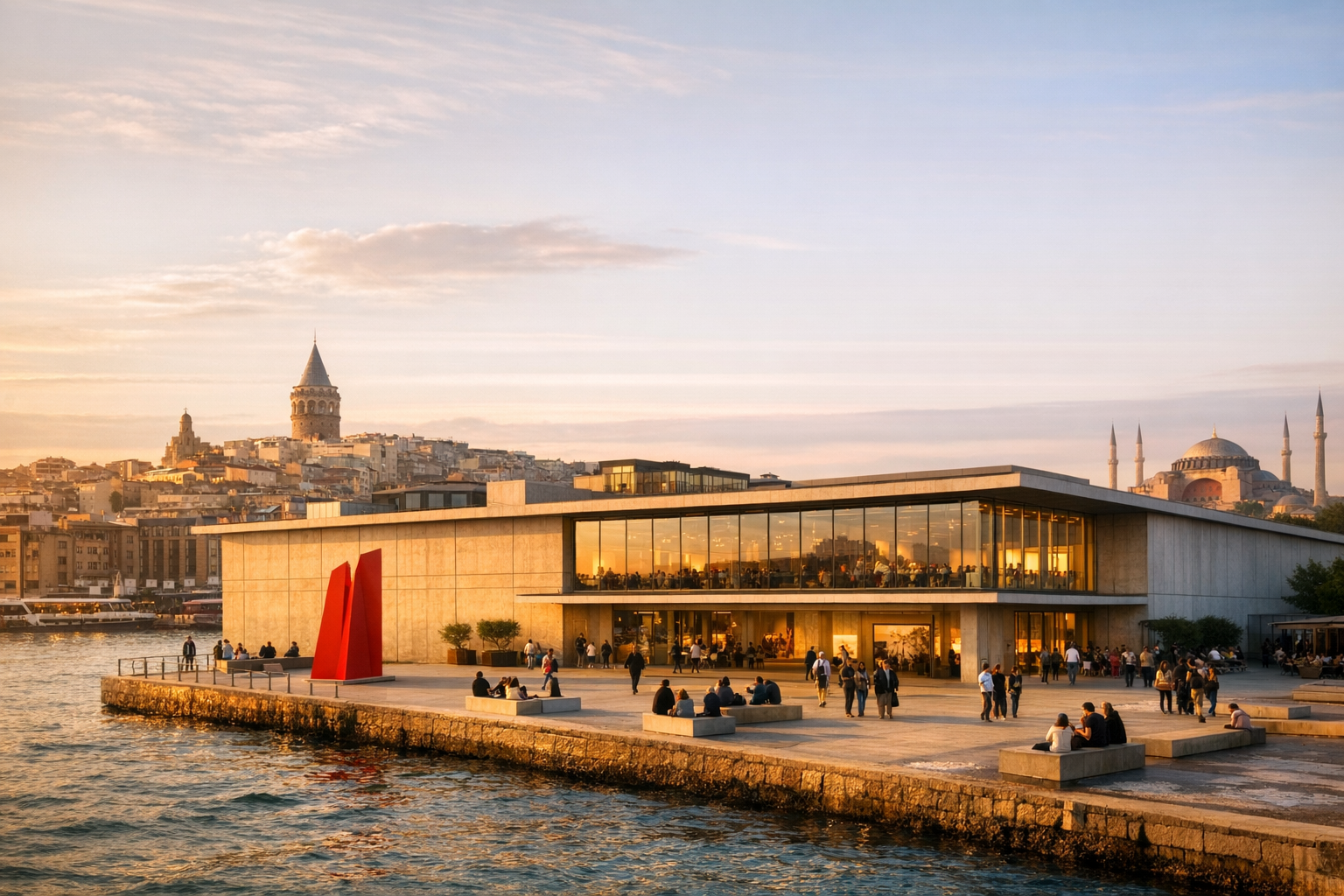
Cross toward Karaköy by walking the Galata Bridge or taking a short ferry depending on energy. Sunset here gives you one of the classic Istanbul views: domes behind you, ferries below, and the city shifting from day to evening around the Golden Horn. For dinner, keep things practical—Karaköy has trendy places, but also simpler eateries if you stay selective.
Day 1 budget example: breakfast €2–€4, transport €2–€3, lunch €4–€6, snacks/tea €2–€3, dinner €6–€9, optional paid sight €0–€15+ — total €16–€40. If you skip major paid entries on day one, you preserve more budget for days two and three.
 Bosphorus & the Asian side
 Bosphorus Feeling on a Public-Transport Budget
Many travelers assume the Bosphorus requires a cruise ticket. It does not. One of the smartest budget moves in Istanbul is to use ordinary ferries as sightseeing experiences—you share the ride with locals, get real city movement, and often pay far less than a tourist cruise.
Ferry Ride for Skyline Views
Begin from Eminönü, Karaköy, or Kadıköy depending on where you stay. A public ferry ride is one of the highest-value things to do in Istanbul: even a short crossing gives you mosque silhouettes, waterfront mansions, sea air, and changing angles on the city. Good approaches: a short crossing between the European and Asian sides, a longer Bosphorus-oriented public ferry if timing works, or a Kadıköy/Üsküdar ferry followed by waterfront walking.
For route planning, see our Istanbul ferry guide and Bosphorus cruise options. A paid cruise is worth it mainly if you want commentary, structured timing, or a dedicated sightseeing experience. Insider tip: sit outside if weather allows, but bring a layer—even on warm days, the wind on the water can feel cooler than expected.
Üsküdar or Kadıköy?
Option A—Üsküdar for classic skyline emotion: looking back across the water toward the historic peninsula at the right hour is unforgettable. The waterfront is ideal for a slow walk, tea stop, and photographs. Best for first-time visitors, photographers, and travelers who want calm, iconic views. Skip if you want more food-focused wandering and youthful street energy.
Option B—Kadıköy for local life and budget food: stronger for eating, browsing, and seeing a more everyday Istanbul—markets, side streets, snack culture, and casual café life. Best for food lovers, repeat visitors, and anyone tired of tourist-heavy areas. Skip if you only have a few hours and your priority is iconic skyline imagery.
One of the Easiest Budget Wins of the Trip
This is where Istanbul becomes kind to budget travelers. On the Asian side, especially in Kadıköy, you can eat very well for modest prices at practical local spots: soup and bread, home-style lokanta dishes, çiğ köfte wraps, pilav with chicken or chickpeas, döner or tantuni, börek and tea. Many travelers are surprised by how much better the value feels once they leave the immediate orbit of the most famous sights.
Moda Walk or Üsküdar Waterfront
If you chose Kadıköy, walk toward Moda: tree-lined streets, sea views, and a slower neighborhood rhythm, ideal for sitting by the water with tea or a simple dessert. You do not need to fill every hour with paid attractions—this city is often best when you pause. Walking estimate: 60 to 120 minutes with detours.
If you chose Üsküdar, continue along the shoreline and enjoy the changing Bosphorus views—this side works particularly well in softer afternoon light. Keep your route simple and scenic rather than jumping between too many inland stops.
Return by Ferry
Returning by ferry doubles the value of the experience. One crossing gives orientation; the second gives recognition. You begin to understand how the city connects—that is one of the reasons ferry travel feels richer than a simple sightseeing ticket.
Low-Cost Dinner With a View, Not a Trap
Choose dinner according to where you end the day. In Kadıköy you can still eat affordably; in Karaköy or Eminönü, look a little inland before sitting down. If you want a view, remember that a bench by the shore with takeaway food can be more memorable than an overpriced terrace.
Most tourists miss this: some of the best Bosphorus moments happen between transit steps, not at formal viewpoints—the walk from ferry dock to side street, the tea in hand, the sudden call to prayer at dusk.
Day 2 budget example: breakfast €2–€4, transport including ferries €3–€5, lunch €4–€7, tea/snack €2–€3, dinner €6–€9, optional extra €0–€5 — total €17–€33.
 Galata & Beyoğlu
 Galata, Beyoğlu, and One Last Smart Choice
For your final day, shift into a different Istanbul: vertical streets, creative energy, historic passages, layered architecture, and broad city views. You can keep it almost entirely free, or use your final budget margin on one experience that matters most.
Karaköy to Galata on Foot
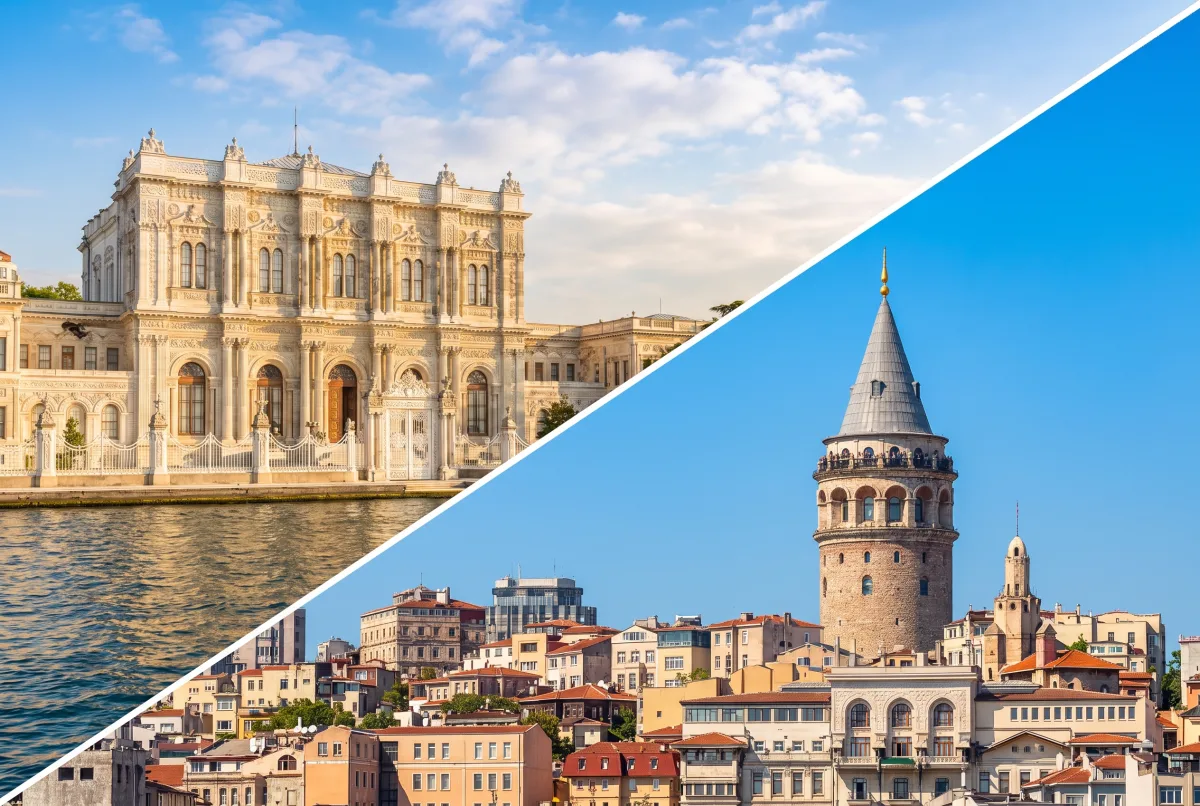
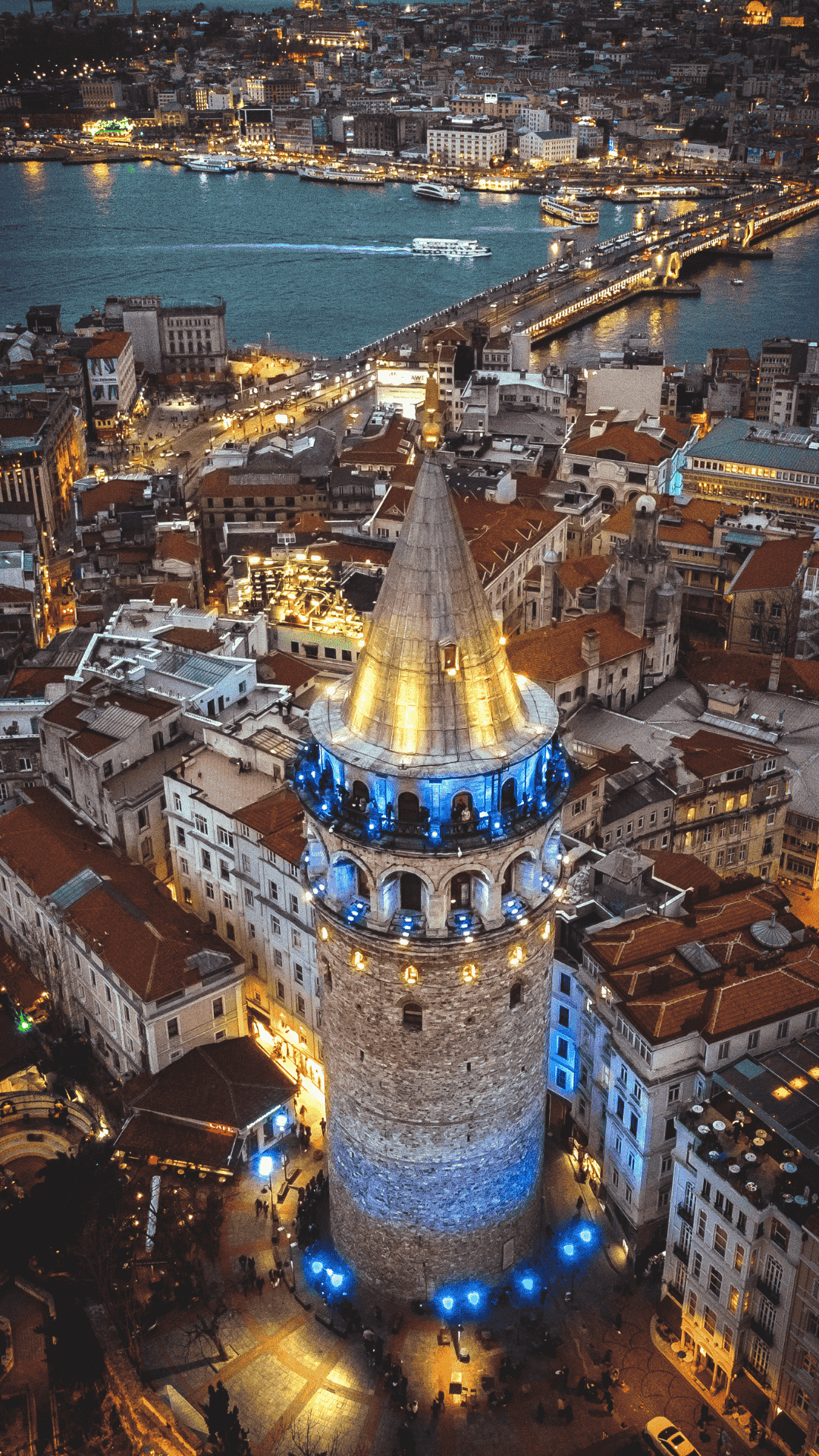
Start in Karaköy and walk uphill toward Galata. The climb is short but steep in parts—wear proper shoes. This route reveals one of the city's best transitions, from port energy to older stone streets and then into the wider pulse of Beyoğlu. You feel the city change block by block, get strong photo opportunities without paying for an attraction, and it connects naturally to the Galata Tower area and İstiklal Avenue.
Avoid this mistake: arriving at Galata Tower late in the day expecting an easy experience—the area is busiest when tour traffic peaks. If you want the tower itself, go early and only if the cost fits your priorities.
Should You Pay for Galata Tower?
One of the most common decision points for budget travelers. Choose it if you really want a panoramic city view, this is your first visit and skyline orientation matters, or you have saved budget by skipping other paid attractions. Skip it if you have already enjoyed multiple ferry and waterfront views, dislike queues and crowded photo spaces, or would rather spend the money on better food or another museum.
The trade-off is simple: the view is excellent, but Istanbul also offers many strong free viewing moments. If your trip is tightly capped at €100, Galata Tower should be a conscious choice, not an automatic one—see our Galata Tower guide.
İstiklal Avenue and Side Streets
Walk toward İstiklal Avenue. You do not need to shop here to enjoy it—the avenue works best as a cultural corridor rather than a retail street, with historic arcades, side lanes, churches, old façades, and constant city movement. If you want a rest, stop for tea, not a long expensive café break—this area can absorb money quickly.
Most tourists focus on the main avenue, but the side streets often make the experience: short detours reveal passages, staircases, corner bakeries, and quieter urban textures.
Beyoğlu on a Budget
Beyoğlu can be expensive, but not always. Use the same rules as elsewhere: busy local spots, simpler menus, quick turnover, and a few streets away from the highest-footfall corners. Good budget lunch options include döner, pide, soups, rice dishes, and modest grills.
Taksim, Cihangir, or a Free Final View
Option A—Taksim and surrounding streets: good if you want to understand modern central Istanbul and finish in a highly connected area. Option B—Cihangir-style wandering: good if you prefer slower streets and a final neighborhood feel rather than another landmark-heavy route. Option C—return to the water: often the best decision; a final ferry, waterfront walk, or bridge crossing can be more satisfying than forcing one more attraction.
If you have limited time: choose one compact cluster rather than trying to combine Taksim, Beşiktaş, Dolmabahçe, Ortaköy, and a Bosphorus stop in one afternoon. That is exactly how budget travel turns into tired travel.
Your Smartest Small Splurge
If you still have money left in the budget, use it on something that improves the emotional finish of the trip: a better dinner in a neighborhood you enjoyed, a dessert stop such as baklava at a reputable place, a scenic tea or coffee with a view, or a short paid entry you truly care about. What we would not do: spend the final budget on a random taxi, an overpriced rooftop with average food, or souvenirs you do not actually want.
Day 3 budget example: breakfast €2–€4, transport €2–€4, lunch €4–€7, snack/coffee €2–€4, dinner €6–€10, optional viewpoint or tower €0–€15 — total €16–€44.
3-day summary: Day 1 €16–€40, Day 2 €17–€33, Day 3 €16–€44 — total €49–€117. The upper end goes over €100 only with pricier optional entries or more expensive meals; with selective choices, staying under €100 is very realistic.
 Food strategy
 What to Eat in Istanbul on a Budget
Budget travel in Istanbul improves dramatically when you understand what the city does well at lower price points. You do not need formal dining to eat memorably.
Best-Value Budget Foods
- Simit: ideal for breakfast or a snack
- Börek: filling and widely available
- Mercimek çorbası: lentil soup, one of the smartest low-cost meals
- Pide and lahmacun: dependable budget lunch options
- Döner: good when the place is busy and the meat looks fresh
- Lokanta dishes: home-style cooked food with excellent value
- Pilav: simple, cheap, useful for a quick meal
- Ayran and tea: budget-friendly drinks that fit almost any meal
How to Avoid Overpaying for Food
- Check prices before sitting
- Avoid restaurants that rely mainly on location or view
- Do not assume English-heavy menus mean better quality
- Look for turnover and local customers
- Walk one or two streets farther before deciding
When a Small Food Splurge Is Worth It
If food is central to your travel experience, it can make sense to save on attractions and reserve one meal for something special. That is smarter than eating mediocre food three times in tourist zones. For deeper food planning, browse Turkish food in Istanbul, best baklava in Istanbul, and Istanbul street food.
 Free highlights
 Free and Cheap Things to Do in Istanbul
If your goal is to keep 3 days in Istanbul under €100, these are the experiences that offer the strongest return.
The Strongest Free Experiences
- Walk Sultanahmet early in the morning
- Visit mosque courtyards respectfully
- Cross the Bosphorus by public ferry
- Stroll through Gülhane Park
- Walk Galata Bridge at sunset
- Explore Eminönü and market lanes
- Wander Kadıköy and Moda
- Walk Karaköy to Galata
- Explore side streets off İstiklal Avenue
- Sit by the water in Üsküdar or Kadıköy with tea
Which Paid Experiences Are Most Worth It?
Worth considering: one major historic site, Galata Tower if views matter to you, a well-chosen museum, or a short guided experience if historical context matters more than quantity. Less essential on a strict budget: premium cruises, multiple museum entries in one trip, expensive rooftop venues, and hop-on-hop-off style products if you are comfortable using public transport.
 Weather backup
 Rain Plan: What to Do If the Weather Turns
Istanbul is still enjoyable in rain, but your pacing changes.
Best Rainy-Day Budget Adjustments
- Spend longer in covered bazaars and market streets
- Choose one interior site instead of many outdoor stops
- Use trams and ferries strategically rather than long exposed walks
- Plan a longer lunch at a lokanta
- Save scenic waterfront stretches for a drier hour
If you are building a weather backup route, our rainy day guide to Istanbul will help.
How to Get Around Cheaply in Istanbul
Excellent for the historic center.
Both transport and sightseeing—especially valuable because it doubles as a Bosphorus experience.
Metro is helpful for longer city jumps; the funicular is useful on hill connections when you are tired.
Best in clustered neighborhoods—pair Sultanahmet with Eminönü, Karaköy with Galata and İstiklal, Kadıköy with Moda.
Where to Spend—and Where to Save
Worth paying for
- One major historic site that genuinely matters to you—choose one paid highlight, not five
- Galata Tower if a panoramic view is a top priority and you have saved budget elsewhere
- A well-chosen museum, or a short guided experience if historical context matters more than quantity
- A pre-arranged airport transfer for very early or late arrivals, heavy luggage, or rainy days
- One special meal if food is central to your travel experience—smarter than eating mediocre food three times in tourist zones
Skip on a strict budget
- Premium Bosphorus cruises—public ferries give you much of the same atmosphere for far less
- Multiple museum entries in one trip
- Expensive rooftop venues and "special menu" restaurants on postcard streets
- Hop-on-hop-off style products if you are comfortable using public transport
- Random taxis in traffic—expensive, unpredictable, and usually unnecessary for this style of trip
A Sample Budget Day, Hour by Hour
Common Mistakes Budget Travelers Make in Istanbul
Avoid these mistakes
- Trying to do too much on both continents every day—you spend more, tire faster, and enjoy less
- Eating only near famous monuments—you will pay more for less; short detours matter
- Ignoring ferry travel—one of the best-value experiences in the city
- Taking taxis in traffic—expensive, unpredictable, and usually unnecessary
- Buying too many attraction tickets—Istanbul is not only a ticketed-sight city
- Underestimating hills and walking time—Galata, Beyoğlu, and some Bosphorus areas are more tiring than they look on a map
Insider tips
- Walk in clusters: Sultanahmet with Eminönü, Karaköy with Galata and İstiklal, Kadıköy with Moda or Üsküdar with a Bosphorus stretch
- Check prices before sitting, look for turnover and local customers, and never assume English-heavy menus mean better quality
- Carry small cash notes for kiosks and market vendors, but keep a card for transport top-ups and cafés
- If your accommodation includes breakfast, use it—that single decision preserves budget for a better lunch or one paid sight
- The best Bosphorus moments happen between transit steps: tea in hand, skyline between buildings, the call to prayer at dusk
Frequently Asked Questions
Is Istanbul cheap for tourists?
Can you really do Istanbul in 3 days?
How much money do I need per day in Istanbul without hotel costs?
What are the cheapest ways to get around Istanbul?
Is the Istanbulkart worth it for only 3 days?
What is the cheapest area to eat in Istanbul?
Should I book a Bosphorus cruise on a budget trip?
Are museums in Istanbul expensive?
What are the best free things to do in Istanbul?
Is Sultanahmet too expensive to stay in on a budget?
Is it better to stay on the European side or Asian side for 3 days?
Can I avoid taxis completely in Istanbul?
What food should I try in Istanbul if I am on a budget?
Is Galata Tower worth it on a €100 trip?
The Best Budget Trip Does Not Feel Cheap
The smartest version of Istanbul under €100 is not about deprivation. It is about editing: atmosphere over excess, ferries over formal cruises, local meals over scenic overpricing, and neighborhoods over constant ticket scanning. You remember the sea crossing, the tea by the water, the steep street to Galata, the first skyline view from Üsküdar, and the sound of evening ferries at Eminönü. Those experiences are not "budget substitutes"—they are part of the real Istanbul.
Continue planning your trip