




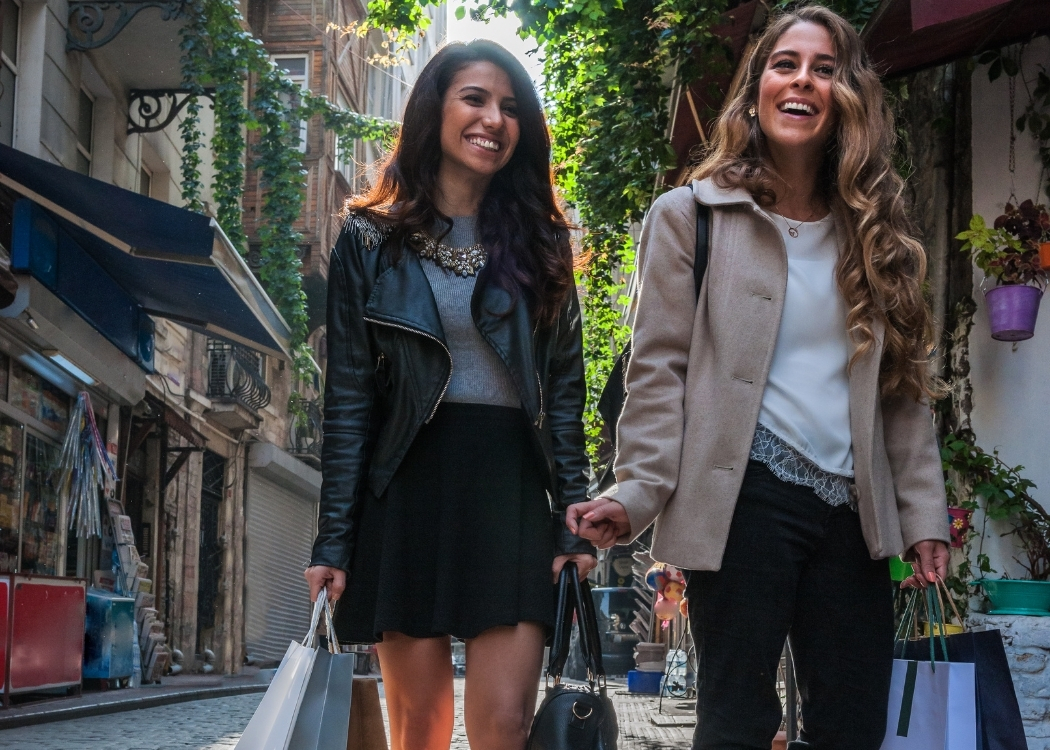
Shopping in Istanbul
Shopping in Istanbul blends historic bazaars, indie boutiques, and sleek malls. Browse carpets, ceramics, gold, spices, leather, and local design in the Grand Bazaar, Spice Bazaar, Nisantasi, Galata, and Istinye Park. Prices are fixed in malls and many shops; in markets you can bargain politely. Pay by card or cash, ask for a tax-free form on bigger buys, and arrange shipping for heavy pieces. Most places open late, so you can browse after sightseeing.

Shopping in Istanbul is a full-day story rather than a quick stop. You walk from stone lanes into covered bazaars, then out to bright waterfront streets. Old crafts sit next to new ideas. You can buy a hand-painted bowl and a designer jacket within an hour. The pleasure is in the mix and in the small talks with shopkeepers who pour tea and tell you where an item came from.
Where to Begin Shopping in Istanbul
Start with places that show the city’s full range. The historic markets carry scent and color. The modern streets bring calm windows and clear prices. Visit both and you will understand how the city shops today.
Grand Bazaar
One of the world’s classic markets. Arched ceilings and painted vaults cover lanes filled with carpets, jewelry, leather, and ceramics. It is easy to wander and just look. Step into a quiet side street when the main path feels busy. Prices vary by quality and craft. Take your time. Friendly bargaining is part of the dance, and a smile helps more than anything.

Spice Bazaar
A smaller market with strong character. Pyramids of spices glow in reds and golds. Tea blends, nuts, and dried fruit fill glass jars. Turkish delight appears in many styles. Ask for small tastes and buy what you will truly use at home. Freshness matters and high turnover stalls usually deliver the best flavor.
Kadıköy Market Streets
Local life on the Asian side. Fish on ice, olives in many shades, pickles stacked in tall jars, and bakeries that open early. Around the market you will find shops that sell enamelware, textiles, and simple home goods. This is the place to fill a small tote with gifts you will actually use.

Arasta Bazaar
Calm lanes behind the Blue Mosque. Crafts, carpets, and ceramics with a gentler pace than the Grand Bazaar. A good stop if you want quality without the rush of crowds.
Çukurcuma and Galata
Antiques, design shops, and tiny studios. Shelves hold old maps, lamps, records, and small treasures. Around Galata Tower, jewelry makers and leather artisans show clean, modern work with local touch.
Modern Streets and Malls
When you want clear prices and a relaxed stroll, pick these areas. You will find Turkish designers beside international names, with cafés for a slow break between stores.

Istiklal Avenue and Passages
The city’s promenade for shopping and people watching. Bookstores, fashion windows, and small arcades hide vintage shops and dessert counters. Look up to enjoy the old façades as you walk.
Nişantaşı and Teşvikiye
Polished streets with tree shade and wide sidewalks. Boutiques show local designers who work with silk, wool, and leather. Tailors and cobblers finish the scene and make small repairs while you sip coffee.

Bağdat Avenue
Long shopping street on the Asian shore. International brands, Turkish labels, and many cafés for easy breaks. Parks by the sea are close, which makes a shopping day feel light and breezy.
Galataport and Karaköy
New waterfront zone with clean lines and open air paths. Design stores and galleries sit beside pastry shops. Sunsets here turn window shopping into a slow walk by the water.
City Malls for Rainy Days
When the weather turns, head indoors. Places like Zorlu, Kanyon, and IstinyePark bring many brands in one place. Food halls and cinemas turn shopping into a full afternoon plan.
What to Buy
Choose items that carry the city’s craft home with you. Think of texture, scent, and daily use. The best souvenirs are the ones you will touch or taste a hundred times.
Ceramics and İznik Style Tiles
Bowls, plates, and tiles glow with cobalt and turquoise. Look for even glaze, fine lines, and a smooth base. Ask whether a piece is hand painted. Buy a few small plates for tea glasses and olives. They brighten any table.
Carpets and Kilims
These are heirlooms when chosen with care. Learn the difference between a knotted pile carpet and a flat woven kilim. Natural dyes age beautifully and feel soft to the touch. Good shops explain origin and weave and will let you take your time. Ask for a written note of materials and age.
Textiles and Towels
Peshtemal towels travel light and dry fast. Cotton and linen blends feel kind on the skin. Table runners and throws bring a quiet pattern to your home.
Jewelry and Gold
From bold Ottoman inspired settings to minimal silver. Buy from licensed jewelers, ask for the weight and karat, and take a stamped receipt. Many workshops can size a ring the same day.
Leather Goods
Soft jackets, bags, and belts are common finds. Look at stitching, zippers, and lining. A simple, well made piece will outlast a louder one.
Spices, Tea, and Turkish Delight
Scents and sweets that carry the market home. Choose small amounts of the freshest spice. Try apple tea for guests and strong black tea for daily life. Buy delight in boxes that protect the shape and keep it cool on the trip.
Turkish Coffee and Copperware
Pick a cezve and a bag of freshly ground beans. A small set turns a short visit into a ritual you can repeat at home. Copper should feel solid, with a smooth tin lining inside.
Perfumes, Soaps, and Hammam Kits
Rose water, olive oil soaps, and kese scrub mitts make gentle gifts. Many shops will build a small set for you and wrap it well for travel.
Contemporary Turkish Designers
Clothing, shoes, and home objects with clean lines. These pieces feel modern yet local. They also support small studios and fair work.
Antiques and Books
Old prints, calligraphy, and second hand books are easy to find around Çukurcuma and Beyoğlu. A single framed page can change a wall at home.
How to Bargain Kindly
Bargaining in the bazaars is a friendly talk, not a contest. Keep your tone warm, say what you like, and respect the craft. If the price does not fit, say thank you and take a slow step away. Often the seller will meet you partway.
Simple steps that work
- Ask the price and what makes the piece special. You learn and you build trust.
- Offer a fair number. Aim for a gentle middle rather than a sharp cut.
- Buy only what you love. The right item looks even better when you get it home.
- Celebrate the deal. A handshake and a smile are part of the tradition.
Practical Tips
A few small habits make shopping calm and safe. Plan your route, carry a light tote, and keep a photo of your hotel address for deliveries.
Payments and Currency
Cards are widely accepted in shops and malls. Choose to pay in Turkish lira at the terminal for better rates. Carry some cash for markets and small vendors. Keep receipts for larger items.
Tax Free Refunds
Non residents can ask for tax free forms at participating stores. Bring your passport details, keep the stamped forms and receipts together, and present them at the airport before departure. Allow extra time on travel day since lines can form.
Receipts, Certificates, and Warranties
For carpets, jewelry, and leather, ask for written details. Note the material, size, and any care advice. Good shops do this without hesitation and will also share after sales contacts.
Shipping and Packing
Large items can be shipped by the store. Use tracked services and keep photos of the item and the paperwork. For hand luggage, wrap ceramics in soft clothes and place them in the center of your bag.
Opening Hours and Best Times
Most malls and big streets open late morning and stay open into the evening. Bazaars are lively from mid morning to late afternoon. Come early for calm browsing or late for a warmer buzz. Fridays and weekends feel busiest.
Seasonal Markets
Pop up design fairs and holiday markets appear through the year. Ask your hotel or check neighborhood posters. These events are perfect for meeting small makers and finding limited pieces.
Ethical and Sustainable Choices
Choose items that support fair work and real craft. You will enjoy them longer and you will feel good about the story behind them.
Know the maker when possible
Studios and small labels often explain who made the piece. This clarity is part of the value. Paying a little more for honest work is a kind choice.
Natural materials and dyes
Wool, cotton, linen, and natural dyes age well. They feel better in the hand and they tell a calmer story when they return home with you.
Local brands
Support Turkish designers and cooperatives. Your purchase keeps skills alive and spreads the benefit across the city.
Two Easy Shopping Days
A gentle plan helps you enjoy without rushing. Mix historic markets with modern streets and give yourself pauses for tea and lunch.
Day One: Old City and Waterfront
Begin at the Grand Bazaar for crafts and jewelry. Walk to the Spice Bazaar for tea and sweets. Cross the bridge and explore Karaköy design shops. End at Galataport for an open air stroll by the water and a simple dinner.
Day Two: Across the Water
Ferry to Kadıköy for market streets and small studios. After lunch, ride to Bağdat Avenue for boutiques and a sea breeze walk in the parks. Return before sunset and rest with tea as the city lights come on.
Closing Note
Shopping in Istanbul is about pleasure as much as purchase. Sit for a tea, listen to the story of a craft, and choose pieces that feel like you. When you unpack at home, you will remember the voices, the light in the alleys, and the way the city turned a simple errand into a warm memory.


