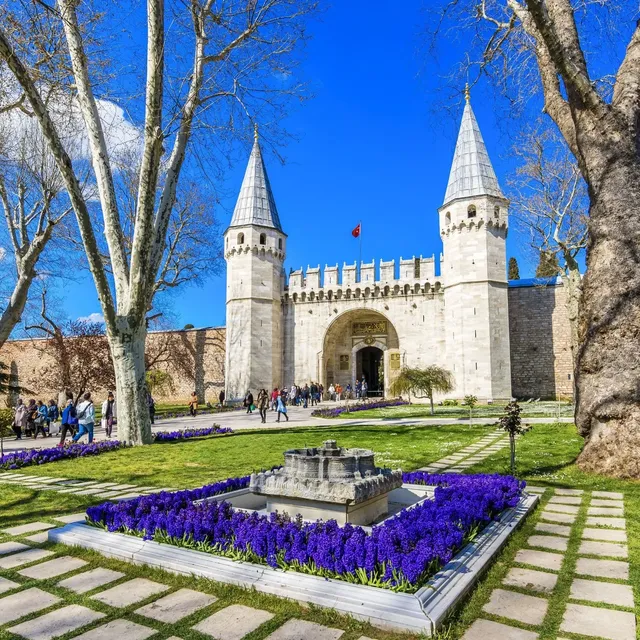
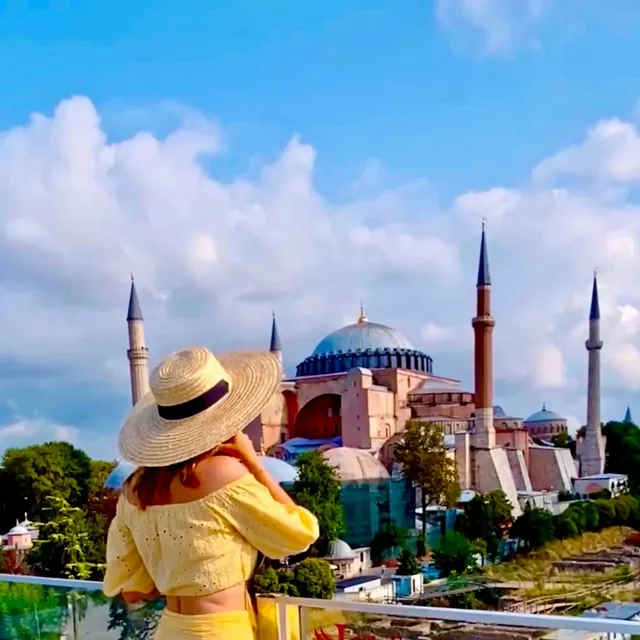
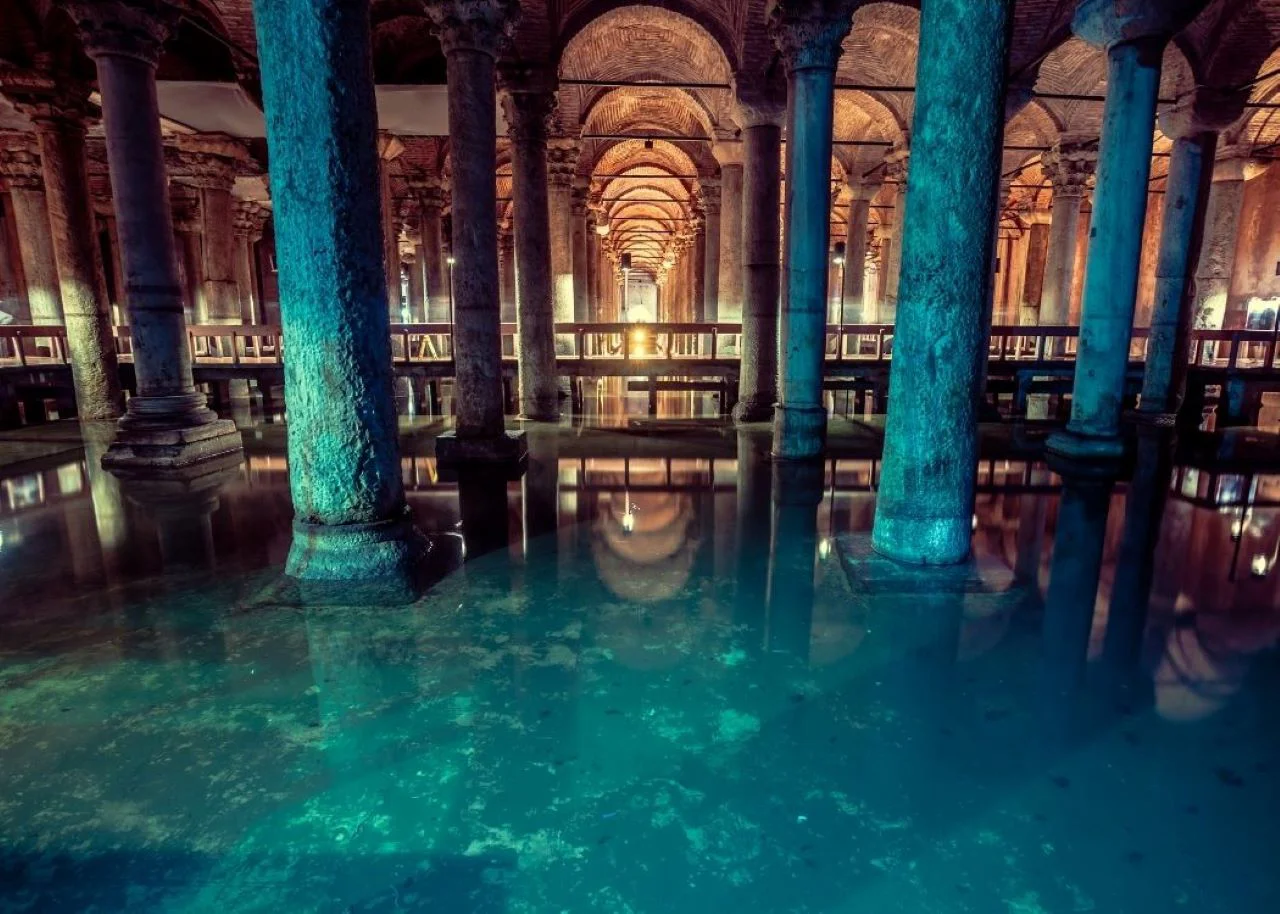
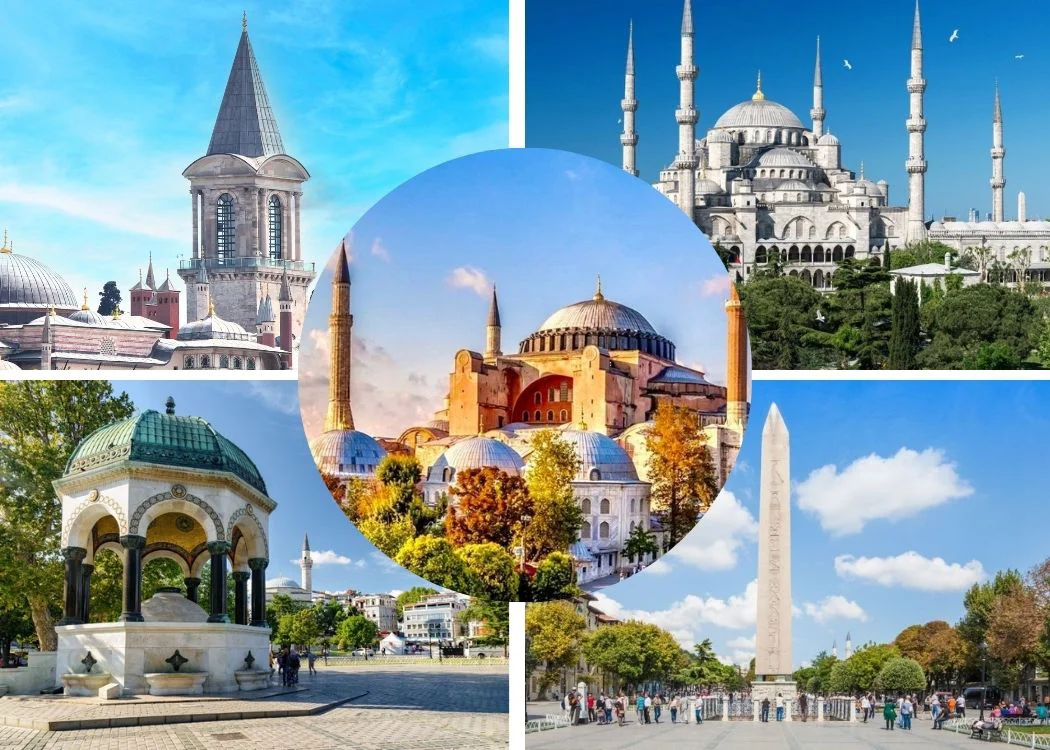
There are many ways to experience Istanbul. You can chase the skyline from rooftop terraces, spend days moving between imperial landmarks, or build an Istanbul itinerary around museums, bazaars, and Bosphorus views. But there is another Istanbul that reveals itself more slowly: in the pause before prayer inside a great mosque, in the sound of seagulls over a ferry crossing, in the measured rhythm of a dervish ceremony, in a courtyard where the city suddenly feels far away.
Spiritual Istanbul is not only about religion in a formal sense. It is also about attention, atmosphere, and the rare feeling of stillness inside one of the world's busiest cities. For some visitors, that means tracing Ottoman and Byzantine sacred history. For others, it means understanding Sufism with respect, finding peaceful places to sit, or using the Bosphorus itself as a form of reflection.
In this guide, we will help you decide what belongs in a spiritually focused visit, how to move through the city without rushing, where ferries genuinely add to the experience, when a guided experience is worth it, and how to avoid turning meaningful places into a hurried photo circuit. Whether you are visiting for one day or building a slower multi-day journey, this is a practical, locally grounded guide to Spiritual Istanbul.
SLOW & SACRED Plan a calmer, more meaningful Istanbul Build your days around mosques, ferries, and quiet neighborhoods instead of a checklist.Quick Overview
| Need | Best Choice | Why It Works | |
|---|---|---|---|
| First spiritual day in Istanbul | Sultanahmet + Süleymaniye + sunset ferry | Combines major sacred landmarks, city perspective, and reflective pacing | |
| Best Sufi-focused experience | Respectful whirling dervish ceremony + Galata walk | Adds context, music, and atmosphere beyond standard sightseeing | |
| Quietest reflective morning | Early visit to Süleymaniye Mosque and its gardens | Less crowded, more contemplative, stronger sense of the city opening up | |
| Most restorative ferry route | Eminönü to Üsküdar or Karaköy to Kadıköy | Short, beautiful, affordable, and deeply connected to everyday Istanbul life | |
| If you have limited time | Blue Mosque, Hagia Sophia exterior context, ferry crossing, one peaceful neighborhood walk | Captures the city's sacred atmosphere without overloading the day | |
| Best area to stay | Sultanahmet for sacred monuments, Karaköy/Galata for balance, Üsküdar for local calm | Each supports a different style of spiritual trip | |
| When to go | Spring and autumn | Better walking weather, clearer light, and more comfortable pacing | |
| Best soft upgrade | Airport transfer on arrival or departure | Reduces stress and protects the calm tone of the trip |
Why Spiritual Istanbul Feels Different
- Continuity, not just monuments. Sacred spaces here are not isolated monuments; they are still woven into daily life. You may stand under the domes of the Blue Mosque while worshippers come and go naturally, or hear the ezan drifting across the water from multiple shorelines at once.
- Sacred architecture and prayer spaces. Awe, history, and contemplation inside great mosques where the city's volume changes the moment you step into a courtyard.
- Sufi heritage. Music, ritual, humility, and symbolic understanding — a dimension of the city that goes beyond standard sightseeing.
- Ferry crossings. Breathing room and reflection between districts. The spiritual experience exists in transitions: ferry decks, cemetery paths, hilltop viewpoints, and tea gardens beside mosques.
- Hilltop and waterside neighborhoods. Slower walking and perspective in areas where faith, memory, trade, and movement have coexisted for centuries.
- Simple food rituals. Tea, soup, bread, and shared meals that support an unhurried day. Doing less often gives you more — a meaningful itinerary is not empty; it is intentional.
How Many Days Do You Need?
One thing we often tell first-time visitors: do not build your day around a map alone. Build it around energy. Pair a monumental site with a quieter one. Follow an interior space with a ferry crossing. End with a view or a simple meal rather than another line.
A strong Spiritual Istanbul day usually includes one major sacred site, one secondary quiet place or neighborhood walk, one ferry crossing, one unhurried food stop, and one viewpoint, cemetery garden, or waterfront pause.
The Spiritual Geography of Istanbul
Sultanahmet
The monumental sacred heart, where many spiritual journeys begin. The Blue Mosque, Hagia Sophia, historic courtyards, and the physical layering of Byzantine and Ottoman memory make this area emotionally powerful. Stay here if your trip is short and you want to walk early to major monuments before the city fully wakes up; skip sleeping here if you want evenings with more neighborhood life.
Best for First-time visitors, limited time, foundational context
Süleymaniye and the historic hills
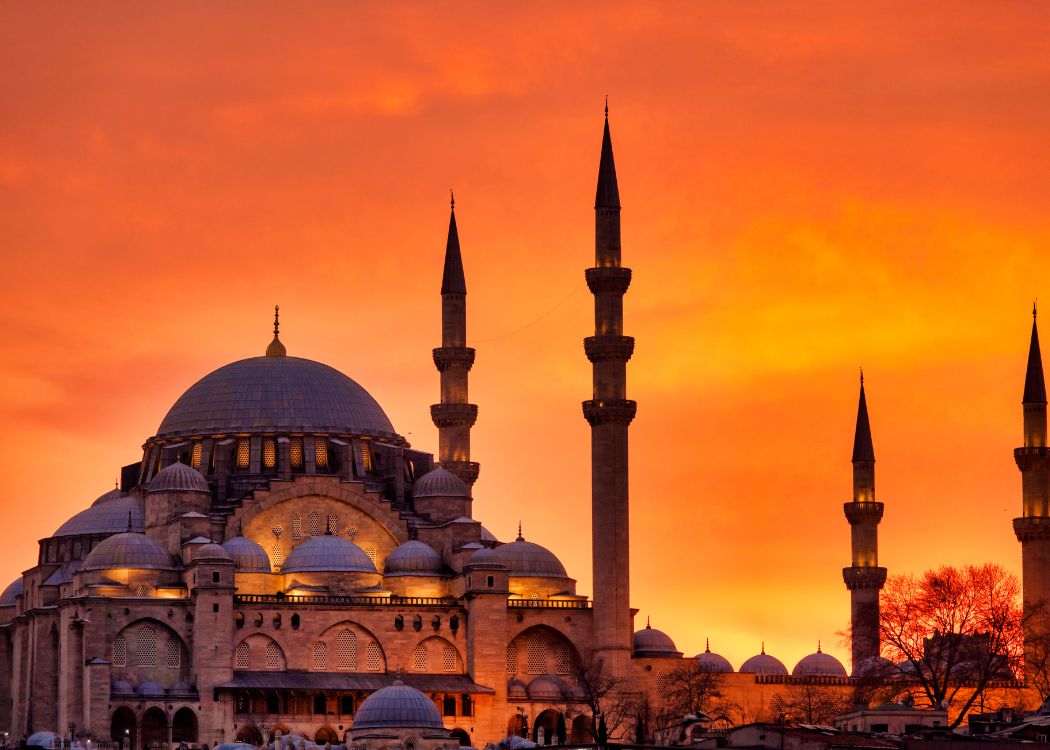
If Sultanahmet gives you ceremony, Süleymaniye gives you space. The mosque complex sits above the Golden Horn with a calmer, more elevated feeling. Most tourists miss this: the emotional payoff comes from arriving on foot — the city gradually opens below you, and by the time you reach the courtyard, the atmosphere has already changed.
Best for Quieter grandeur and city perspective
Galata and Beyoğlu
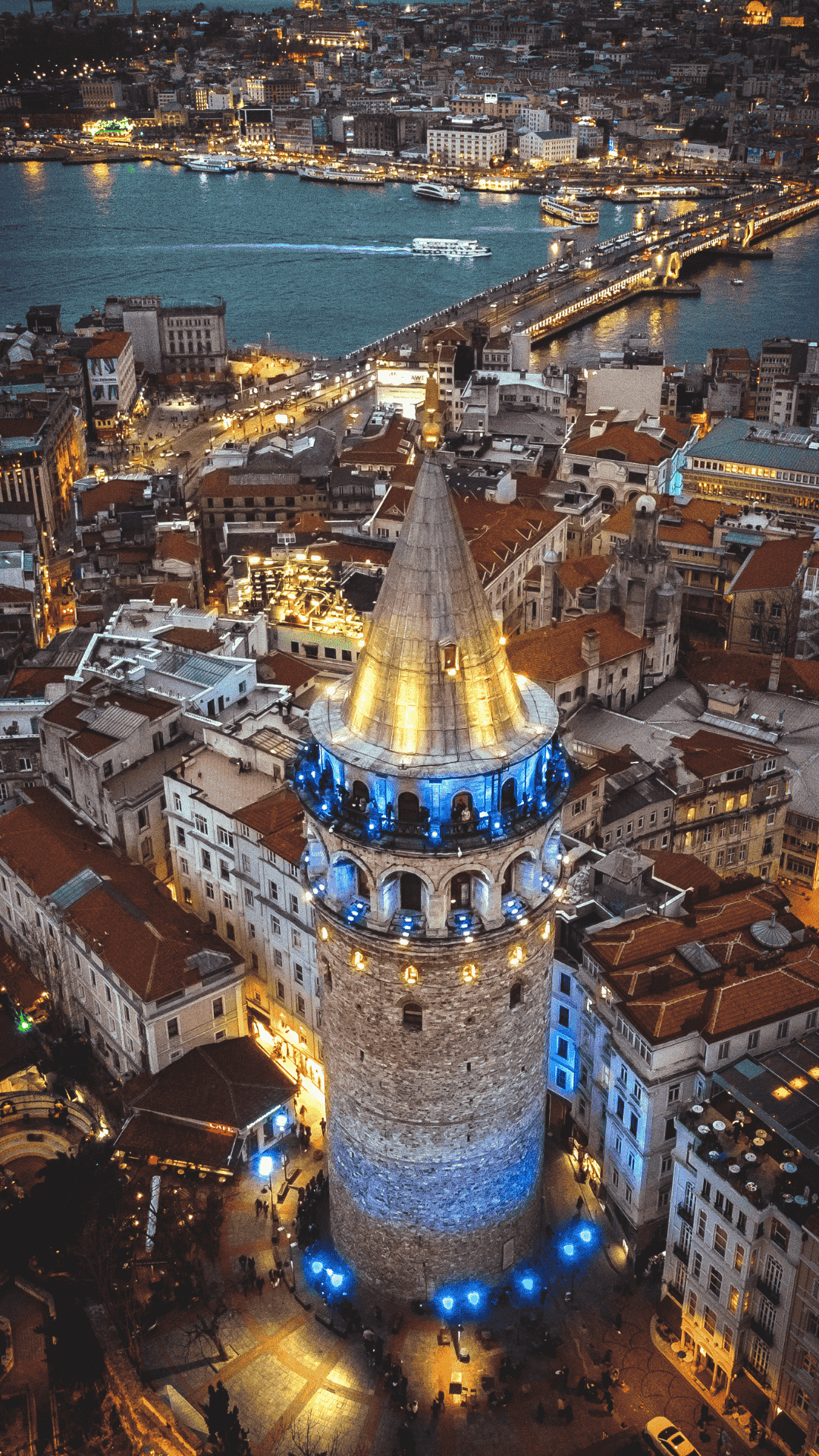
Not quiet in the conventional sense, but essential for travelers interested in Sufi culture, whirling dervish ceremonies, old lodges, and layered cosmopolitan history. Often the smartest all-around base: you can reach historic areas easily, connect to ferries, and still have evenings that feel urban and alive without being chaotic.
Best for Sufi evenings, ferry flexibility, good food options
Üsküdar
One of the best places in Istanbul for travelers seeking a gentler rhythm. Mosques, shoreline views, tea spots, and everyday neighborhood life come together in a way that feels less performative and more lived-in. If you have limited time and want one ferry crossing to carry real emotional weight, choose this side.
Best for Local calm, shoreline time, a more local rhythm
Eyüp
A more explicitly devotional atmosphere than many central districts. For some travelers it becomes one of the most moving parts of the trip; for those with very limited time, it can feel slightly farther out than the schedule allows. The trade-off is worthwhile if your interests are spiritual rather than purely touristic.
Best for Devotion, hillside views, a different pace
The Spiritual Istanbul Itinerary
 Mosques & sacred sites
 Essential Sacred Places
The defining sacred spaces of Istanbul — and how to give each one the time and mental space it deserves.
Blue Mosque: beauty, scale, and active worship
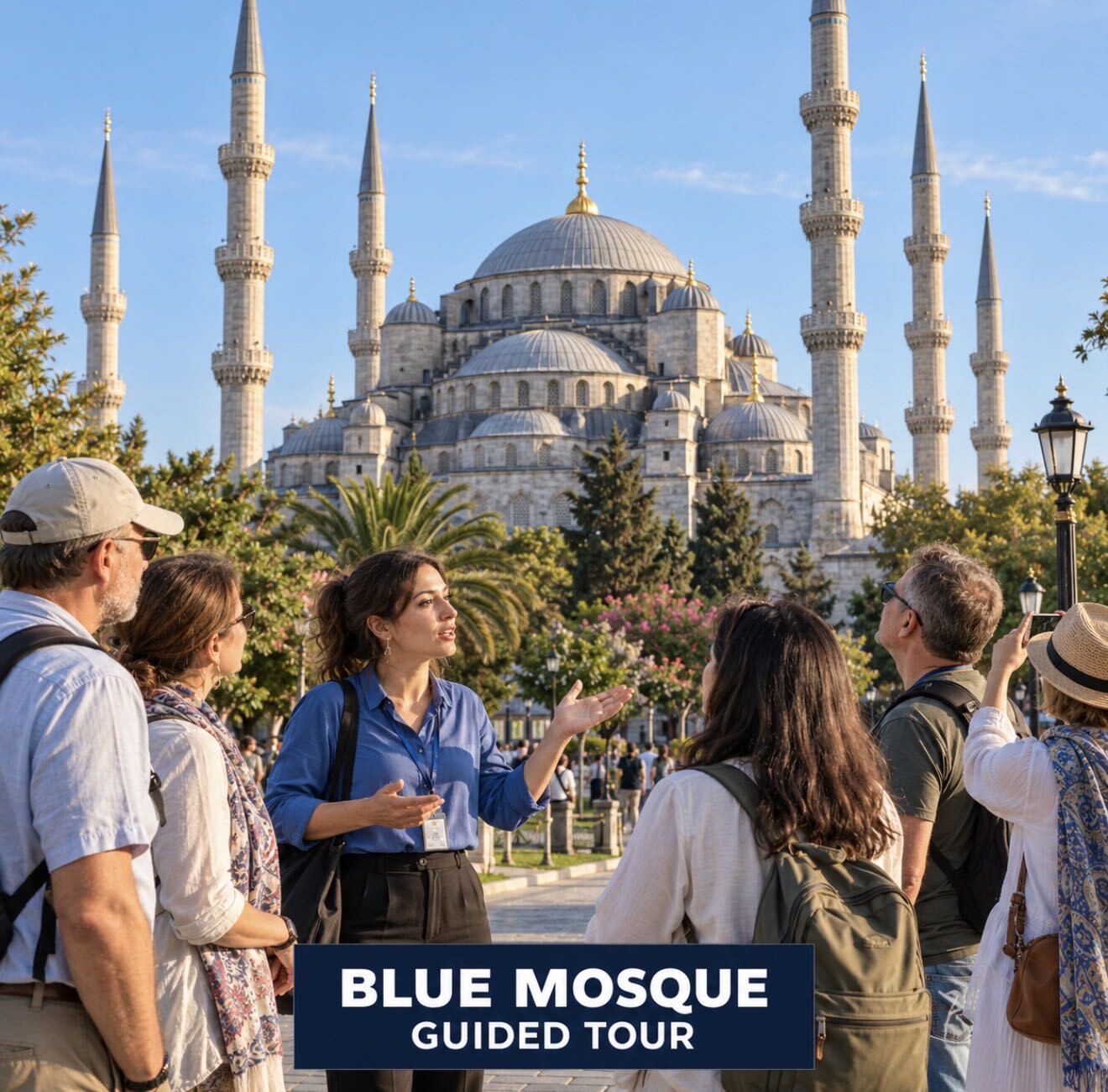
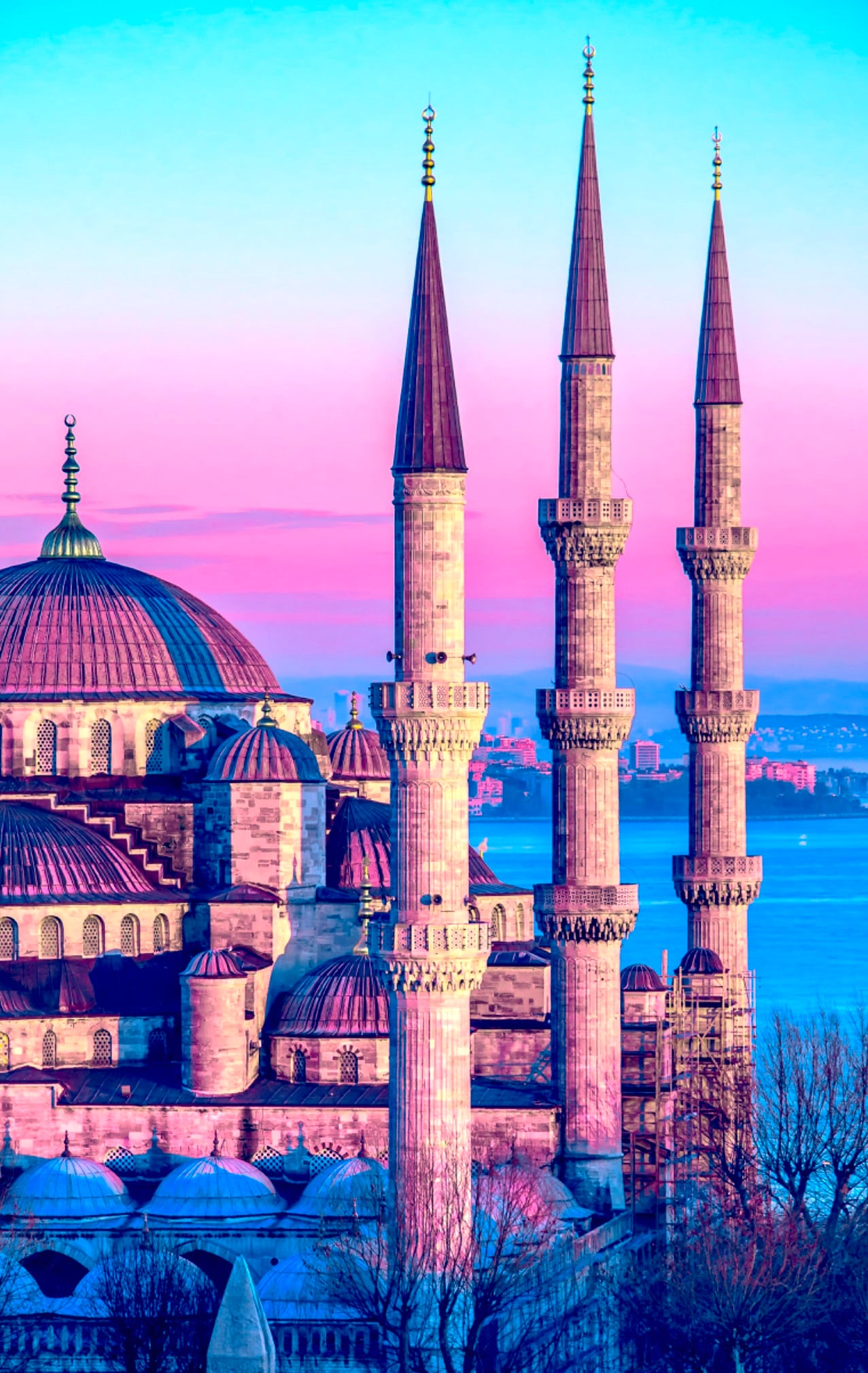
The Blue Mosque remains one of the defining sacred spaces in Istanbul, and not only because of its fame. Entering a living mosque of this scale can be genuinely affecting, especially if you arrive early and move with patience. It combines architectural elegance, historical importance, and a strong sense of active religious life. Best time: early morning or between peak tour waves; allow 30 to 60 minutes. Avoid this mistake: rushing in directly after a large group — even 10 to 15 minutes of waiting can change the feel completely. Afterwards, walk the Hippodrome area slowly, then pause for tea.
Hagia Sophia: layered sacred history and emotional complexity
Whether you approach Hagia Sophia primarily as a mosque, as an architectural wonder, or as one of the world's most symbolically layered buildings, it deserves time and mental space. Few buildings carry this much religious, imperial, and cultural significance. The trade-off: it can be crowded and emotionally fragmented if you arrive at the wrong time. If crowds are overwhelming, visit with clear expectations, then seek your quieter reflective moment elsewhere, such as Süleymaniye or a ferry crossing. Travelers often get more out of it when they think of it as a place to witness rather than conquer.
Süleymaniye Mosque: the most quietly transformative major mosque
If there is one place that consistently gives travelers the feeling they were looking for in Spiritual Istanbul, it is often Süleymaniye Mosque. The architecture is magnificent, but the setting is just as important: air, height, proportion, and the sense of a city unfolding beneath you. Expect uphill walking if arriving on foot from Eminönü or the Grand Bazaar area. Insider tip: leave enough time to walk the surrounding complex and viewpoints — the spiritual experience is not only inside the prayer hall. Keep the nearby meal light and traditional so the tone of the visit stays intact.
Eyüp Sultan Mosque and surroundings: devotion with local depth
Eyüp offers a different emotional register from central tourist districts. You will likely encounter more local families and pilgrims and fewer travelers treating the area as a box to tick. It provides a more devotional atmosphere and a valuable perspective on living religious culture. Continue to the hilltop area for a view over the Golden Horn if you want to combine devotion with perspective. Avoid this mistake: do not come here with the same pace you would use in Sultanahmet — Eyüp rewards slower walking and quieter observation.
Rüstem Paşa Mosque: detail over scale
This smaller mosque near the market areas is worth considering if you are interested in intimate beauty rather than monumental scale. Its tile work and compact setting create a more concentrated experience, especially rewarding if you are already exploring Eminönü and the historic commercial district. Very short-stay visitors already overloaded with major mosque visits can skip it.
 Galata & Beyoğlu
 Sufism in Istanbul: How to Experience It Respectfully
Sufism is a spiritual tradition, and the sema is not just entertainment — the goal is to encounter music, symbolism, discipline, and devotion in a setting that preserves some dignity.
What many travelers misunderstand about "whirling dervishes"
Many visitors arrive searching for a "whirling dervish show." The language itself points to the problem. In Istanbul, there are experiences that are more respectful and context-rich, and there are others that feel flattened for tourist consumption. If understanding matters to you, choose carefully — the goal is not simply to see spinning figures in white robes.
How to choose a dervish ceremony or Sufi experience
- Look for venues that explain the tradition, not just stage it
- Prefer settings with cultural or historical framing
- Do not expect audience participation or theatrical energy
- Arrive early and treat it as a contemplative event
- Check photography rules in advance and follow them strictly
A guided or ticketed experience adds value here when it helps with context. This is one of the few areas where paying for a well-curated experience can make the evening more meaningful rather than more commercial.
What to expect emotionally
Sema ceremonies are often quieter and more formal than first-time visitors imagine. That is part of their power. If you come expecting spectacle, you may miss the subtler dimensions: repetition, humility, sound, breath, and the room's shared concentration. Most tourists miss this: the best Sufi evenings are often shaped by what comes before and after. Walk there without rushing, keep dinner light, and leave time afterwards for a quiet street or shoreline walk.
Where Sufi Istanbul fits into your itinerary
The strongest pairing is usually Galata or Beyoğlu in the late afternoon, followed by an early evening ceremony and a calm meal afterwards. For route-building, our Beyoğlu guide and Galata neighborhood guide can help connect ceremony venues, walks, and food stops without backtracking. If you want more neighborhood depth, connect the evening with our Istanbul food guide and choose somewhere understated rather than trend-driven.
 Bosphorus & Golden Horn
 Ferries as Spiritual Practice
The city reveals itself differently from the water. You stop navigating, you stand still while the city moves around you — for many travelers, the ferry is when everything they have seen finally settles.
Why ferries matter on this kind of trip
- They create natural pauses between intense sites
- They connect sacred districts without feeling like transit drudgery
- They provide some of the city's most democratic beauty
- They are inexpensive and deeply local
- They give you horizon, air, and perspective
Eminönü to Üsküdar
One of the most accessible and emotionally satisfying short crossings. It links the historic peninsula to a calmer Asian-side atmosphere with very little effort. Best for first-time visitors, short stays, and late afternoon transitions.
Karaköy to Kadıköy
Less overtly "sacred" in theme, but excellent if your idea of reflection includes urban observation, sea air, and a slower reentry into local daily life. Best for repeat visitors, travelers staying on the Asian side, and mixed spiritual-cultural itineraries.
Golden Horn routes toward Eyüp
These require more planning but can be deeply rewarding if you want to connect devotional atmosphere with a softer, less hurried urban edge.
Public ferries vs premium cruises
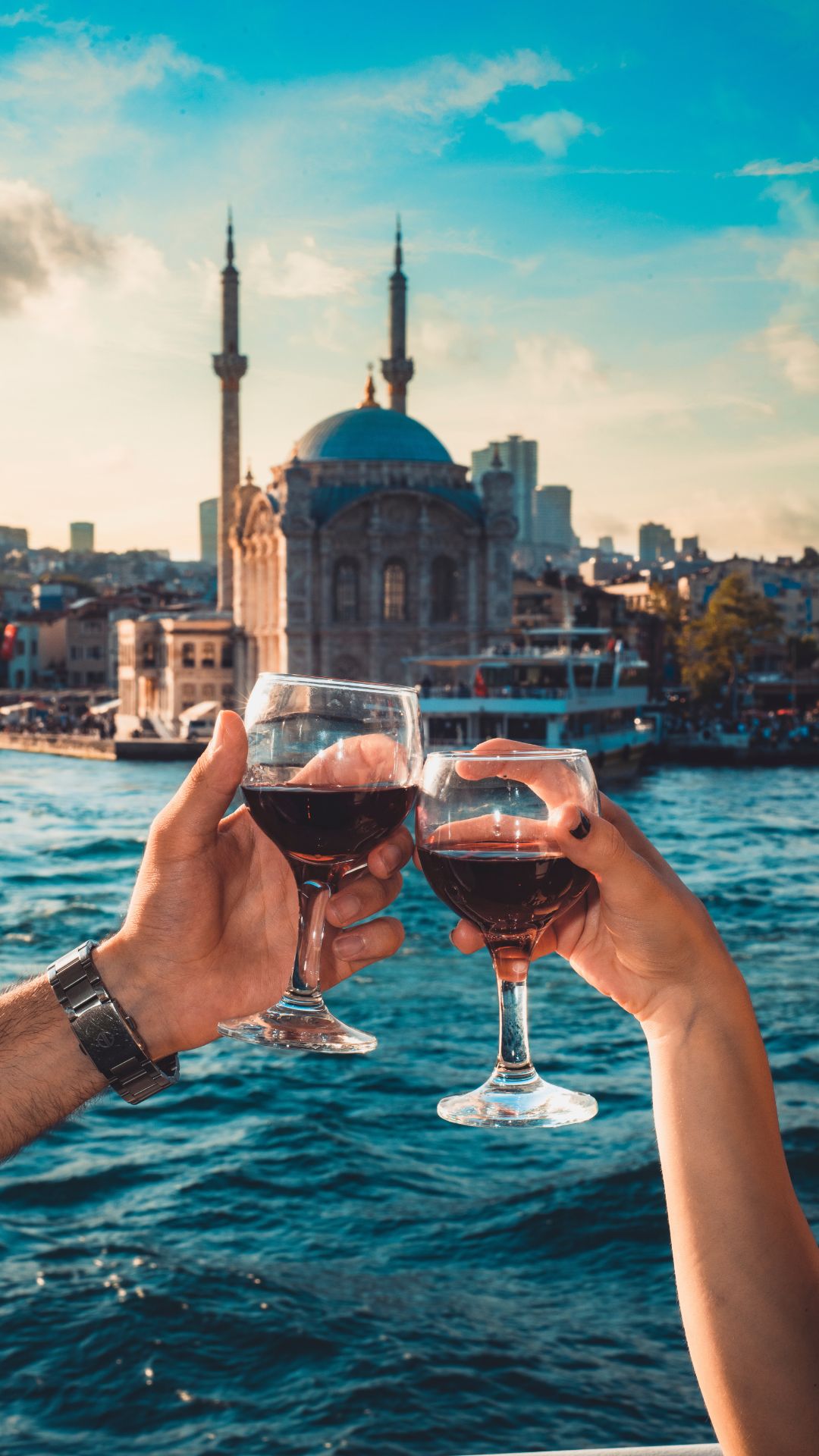
Insider tip: try one ferry in daylight and one near sunset — they do not feel redundant. The city's emotional register changes completely as the light fades and the skyline becomes silhouette and sound. Avoid this mistake: do not book every Bosphorus experience as a premium cruise. Public ferries often deliver the more authentic reflective moment; choose a paid cruise only because you want the route, timing, or interpretation. For schedules and practical card usage, see our Istanbul transportation guide.
 On foot
 The Best Reflective Walks in Istanbul
Walks that turn transitions into part of the spiritual experience — slope, light, and the changing city textures all matter.
Süleymaniye to Eminönü
This downhill route gives you one of the best transitions in the city: from elevated calm to commercial movement and water. It works especially well after a morning mosque visit. Walking estimate: around 20 to 30 minutes depending on stops. You get old streets, changing city textures, and a satisfying arrival at the shoreline.
Blue Mosque area at first light
If you can start early, the space around Sultanahmet becomes gentler and more legible before the crowds build. The square, trees, and monument silhouettes create a very different mood than midday. Best for photographers, quiet-minded travelers, and anyone struggling with heavy attraction crowds.
Üsküdar waterfront and mosque approach
One of the easiest walks to recommend to travelers who want peace without isolation. You are still very much in the city, but the scale feels more breathable. Sit for tea after the walk rather than immediately returning by ferry — the pause is part of the experience.
Galata down toward the water after a Sufi evening
At the right hour, this route gives you a sense of release. The city remains alive, but you move through it more quietly. It is a surprisingly effective way to let a ceremony settle rather than ending the evening abruptly.
 Quiet corners
 Where to Find Quiet in a Crowded City
You do not always need a secret place. In Istanbul, quiet often exists just a few meters from movement.
Mosque courtyards and garden edges
Courtyard edges, side gardens, benches near ablution fountains, and slightly elevated terraces can offer enough stillness to reset — often just a few meters from the busiest streets.
Cemeteries and hillside paths
Some of the city's most contemplative spaces are tied to old cemeteries and hill routes. These are not attractions in the usual sense and should be approached with respect, but they offer perspective, shade, and a strong sense of historical continuity.
Ferry upper decks
Not every quiet moment needs architecture. Sometimes the right answer is simply to stand at the rail and let the crossing do its work.
Tea gardens with a view
A reflective trip does not require austerity. Tea in the right setting can be part of the day's spiritual rhythm. Choose places where you can sit without pressure to move on quickly.
 Eating well, gently
 Food for a Slower, More Grounded Istanbul Day
Heavy, poorly timed meals can flatten a reflective day. Lighter, traditional, well-timed stops keep your energy even and your schedule flexible.
Best types of meals for this itinerary
- Simple Turkish breakfast before an early mosque visit
- Soup, pide, or home-style dishes for lunch
- Tea and a light pastry between neighborhoods
- Fish, vegetable dishes, or kebab dinner after an evening ferry or ceremony
What works best by area
Sultanahmet: useful for convenience, but choose carefully — practical, not always the strongest for atmosphere or value. Süleymaniye and the surrounding hills: better for keeping the day traditional and understated. Galata and Karaköy: good for a thoughtful dinner after a Sufi-focused evening, with more range in style and quality. Üsküdar: excellent for tea, modest local meals, and a less performative dining rhythm.
Timing your biggest meal
Avoid this mistake: do not place your biggest meal in the middle of your most contemplative block of the day. You will lose momentum and often feel too full to walk comfortably. A better plan is a moderate lunch, then a more rewarding dinner once the day's major visits are done. For neighborhood-specific dining ideas, link your route with our Istanbul food guides rather than relying on the nearest visible restaurant around major monuments.
 Ready-made plans
 Sample Spiritual Istanbul Itineraries
Three tested shapes for a spiritually focused visit — from one iconic day to a three-day version that lets you feel the city rather than only manage it.
One-day Spiritual Istanbul itinerary
The smartest version for travelers who want depth without pretending they can do everything: early morning in Sultanahmet around the Blue Mosque; Hagia Sophia with realistic expectations; a light lunch or tea break; Süleymaniye Mosque as your calmer midday anchor; a walk down toward Eminönü; a ferry to Üsküdar — sit, breathe, and do not treat the crossing as dead time; then a sunset shoreline pause with tea before dinner. Why this works: it balances major sacred monuments with air, water, and local rhythm.
Two-day Spiritual Istanbul itinerary
Day 1 — Sacred foundations: Sultanahmet in the morning, Blue Mosque and Hagia Sophia context, quiet lunch, Süleymaniye Mosque and the surrounding walk, sunset ferry crossing. Day 2 — Sufism and local calm: easy morning in Üsküdar or Eyüp, tea and waterfront or hillside time, late afternoon in Galata/Beyoğlu, a respectful Sufi or dervish ceremony, and a calm dinner nearby. Best for first-time visitors who want one iconic day and one more inward day.
Three-day Spiritual Istanbul itinerary
Day 1: Sultanahmet and sacred orientation — understand the city's religious and imperial heart without overscheduling. Day 2: Süleymaniye, old streets, and the water — more time for walking, perspective, and transitions. Day 3 — choose your path: Galata/Beyoğlu and an evening sema for Sufi interest; Eyüp and the Golden Horn for devotional atmosphere; or Üsküdar and the Asian-side shoreline for calm and local rhythm. This is usually the sweet spot: three days give you enough room to feel the city rather than only manage it.
 Know before you go
 Practical Tips, Seasons, and Short Visits
Etiquette, prayer-time flexibility, the best seasons, and focused short versions of the trip — plus who this approach really suits.
Who this approach is for
This guide is especially useful for travelers interested in Islam, Sufism, Ottoman spirituality, and sacred history; visitors seeking quiet, reflection, and slower travel rhythms; first-time visitors who want a thoughtful version of things to do in Istanbul; repeat visitors wanting a more inward trip; and couples, solo travelers, and small groups who value atmosphere over nightlife-heavy planning. If your goal is to cover every headline attraction in 48 hours, this is probably not the right framework — reflection requires space.
Dress, etiquette, and photography
- Wear modest clothing appropriate to active worship spaces
- Carry a scarf if needed for mosque visits
- Remove shoes where required
- Keep voices low and movements unhurried
- Do not block worshippers for photos
Some of the most powerful spaces lose their meaning when treated like content studios. Take the image, but do not make the image your entire reason for being there. If a place or ceremony limits photography, respect that fully.
Timing around prayer
Access conditions can shift around prayer times. Build flexibility into your day and never assume uninterrupted visitor access. This is one reason a loosely structured itinerary works better than a rigid attraction checklist — do not schedule sacred spaces like museum slots.
When to visit Spiritual Istanbul
Spring: one of the best times overall — walking is easier, light is beautiful, ferry crossings feel restorative. Autumn: also excellent; the city feels textured and comfortable. Summer: possible, but plan around heat and crowds — start earlier, rest in the afternoon, use ferries strategically. Winter: underrated for contemplative travelers; the city feels more atmospheric and less crowded, and ferries on grey days have a certain beauty if you are open to it.
If you have limited time
Best 4-hour version: Blue Mosque area, Hagia Sophia exterior and contextual stop, tea break, ferry from Eminönü to Üsküdar. Best 8-hour version: early Sultanahmet, Blue Mosque, Hagia Sophia, light lunch, Süleymaniye Mosque, sunset ferry. Best evening-only version: late ferry crossing, waterfront walk in Üsküdar or Karaköy, a respectful dervish ceremony if pre-booked, quiet dinner. If we were simplifying ruthlessly, we would keep one great mosque, one ferry, and one unhurried view — that combination captures the spirit of the city better than five rushed stops.
Getting Around Without Losing the Mood
In historic districts, walking is often the right choice not only for practicality but for atmosphere. The slope, the call to prayer, the street-level transitions, and the changing skyline all matter.
Public transport is often enough for this kind of trip. You do not need a private car to move spiritually through Istanbul — overusing taxis can fragment the day and make the city feel more transactional.
Arrival and departure are exceptions. If you are landing late, carrying luggage, or want to avoid immediate logistical friction, a pre-arranged airport transfer is often worth paying for. It is not luxury for its own sake; it protects the tone of the trip.
If your itinerary also includes museums and headline attractions beyond sacred spaces, an Istanbul pass can be useful. But do not overbuy — if most of your plan centers on mosques, ferries, and neighborhoods, a pass may be unnecessary.
What to Book Ahead vs Keep Flexible
Book ahead
- A respectful, well-contextualized dervish ceremony — arrive early and treat it as a contemplative event
- An airport transfer on arrival or departure to protect the calm tone of the trip
- A guided old-city or sacred-history tour if you want context at Hagia Sophia and Sultanahmet
- An Istanbul pass — only if you are combining spiritual travel with museums and paid attractions
Keep flexible
- Public ferry crossings — inexpensive, deeply local, and often the more authentic reflective moment
- Mosque visits — access shifts around prayer times, so never assume uninterrupted visitor access
- Meals and tea stops — keep them light and let them follow the day's rhythm
- Neighborhood walks in Üsküdar, Eyüp, or the Süleymaniye hills
A Sample Reflective Day, Hour by Hour
Common Mistakes and Insider Fixes
Avoid these mistakes
- Trying to combine every major monument in a single morning
- Ignoring ferry time as if it were wasted time
- Booking a dervish performance without checking whether it is respectful and context-rich
- Eating too heavily in the middle of the day
- Assuming all meaningful places are in Sultanahmet
- Underestimating hills and walking fatigue
Insider tips
- Wait 10–15 minutes after a large tour group enters a mosque — the feel changes completely
- Early morning is your window for silence in central Istanbul
- Do not expect every sacred place to feel silent — Istanbul's spiritual life is lived, not staged
- Take one ferry in daylight and one near sunset; they never feel redundant
- If crowds overwhelm Hagia Sophia, find your quiet reflective moment at Süleymaniye instead
- Never schedule sacred spaces like museum slots — prayer times, visitor flow, and local use matter
Frequently Asked Questions
What does Spiritual Istanbul actually mean for travelers?
Is Istanbul a good destination for spiritual travel?
How many days do I need for a Spiritual Istanbul itinerary?
What are the best mosques to visit in Istanbul for a reflective experience?
Is a whirling dervish ceremony worth it in Istanbul?
Are public ferries enough, or should I book a Bosphorus cruise?
Which side of Istanbul is better for a spiritual trip, European or Asian?
What should I wear when visiting mosques in Istanbul?
Can non-Muslims visit mosques in Istanbul?
What is the quietest major mosque in Istanbul?
Is Eyüp worth visiting for first-time visitors?
What is the best area to stay in for Spiritual Istanbul?
Can I combine Spiritual Istanbul with a general Istanbul travel guide itinerary?
A Final Word: Let the City Breathe Back
Istanbul can overwhelm even experienced travelers — that is part of its force. On a spiritually focused trip, the goal is not to defeat the city's scale but to enter into a better rhythm with it. Make room for the crossing, sit longer than you planned, and choose the mosque that gives you peace, not only the one everyone photographs. Spiritual Istanbul is not hidden; it is simply easier to feel when you stop trying to consume the city all at once.
Plan your spiritual Istanbul trip