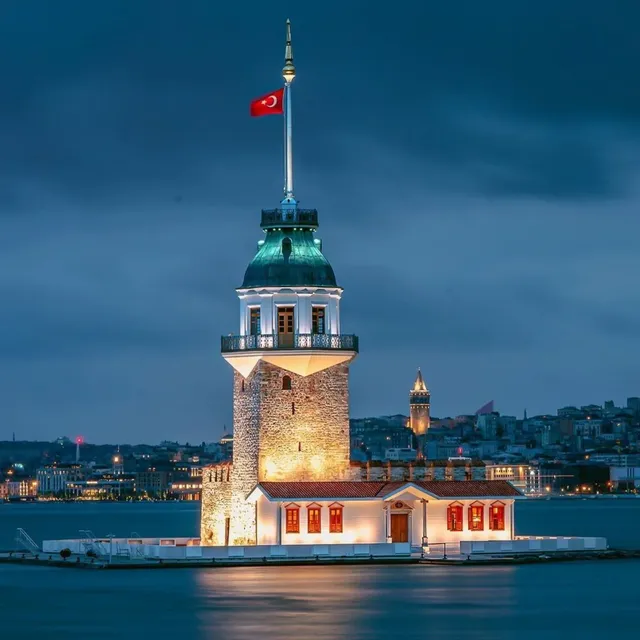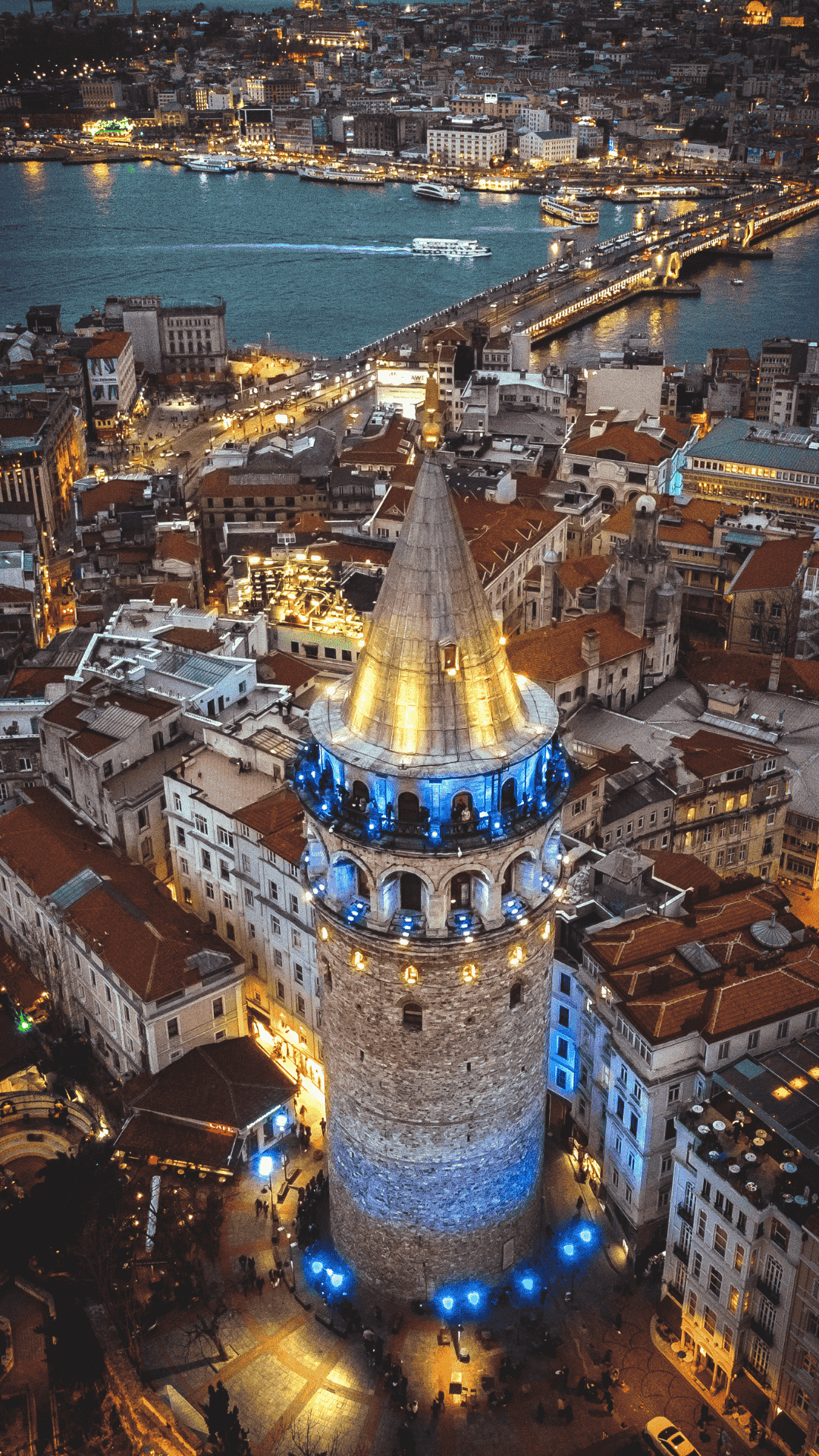

Pronounced kah-duh-KOY, it sits on the Asian shore directly opposite the historic peninsula, a 20-minute ferry ride that is, for my money, the best two euros you can spend in this city. The neighbourhood is young, loud in a friendly way, and unapologetically local. This is a practical, opinionated guide: where to eat, what to skip, what it costs in April 2026, and how to string it all into one easy day.
Kadıköy at a glance
-
Where: Asian (Anatolian) shore, opposite the old city; a district of roughly half a million people.
-
Getting there: Ferry from Eminönü, Karaköy, or Beşiktaş (~20 min), or the Marmaray rail tunnel.
-
Ferry fare: About 30 TL each way with an Istanbulkart (April 2026).
-
Best for: Food markets, seaside walks, bars, bookshops, record stores, day-in-the-life Istanbul.
-
Market day: Tuesdays bring the big open-air street market; the covered food market runs daily.
-
Time needed: Half a day minimum; a full day if you add the Moda walk and dinner.
-
Tourist crowds: Low. Busy with locals, especially Friday and Saturday nights.
Why cross to the Asian side at all
Istanbul straddles two continents, and most visitors never leave the European one. That is their loss and your opportunity. The Asian side has no blockbuster monuments no Hagia Sophia, no Topkapı which is precisely why it stays unhurried and affordable. People come here to live, not to sightsee, and the neighbourhood rewards anyone willing to wander without a checklist.
Kadıköy has been a settlement far longer than the old city across the water. The Greeks who founded Byzantium around 660 BC are said to have first passed over a settlement here called Chalcedon later nicknamed “the city of the blind” for choosing the lesser shore. Layers of Greek, Armenian, and Jewish life shaped the streets for centuries; you still see it in a disused church here, a century-old patisserie there. Today it is the cultural engine of the Anatolian side: progressive, studenty, and proudly independent.
If you only do one cross-Bosphorus trip on a short visit, weigh it against a European-side neighbourhood day. Our Balat neighbourhood guide covers the photogenic Golden Horn alternative; this is the everyday-life one. I’d take Kadıköy on a clear afternoon every time.
The ferry: how to arrive (and why it matters)
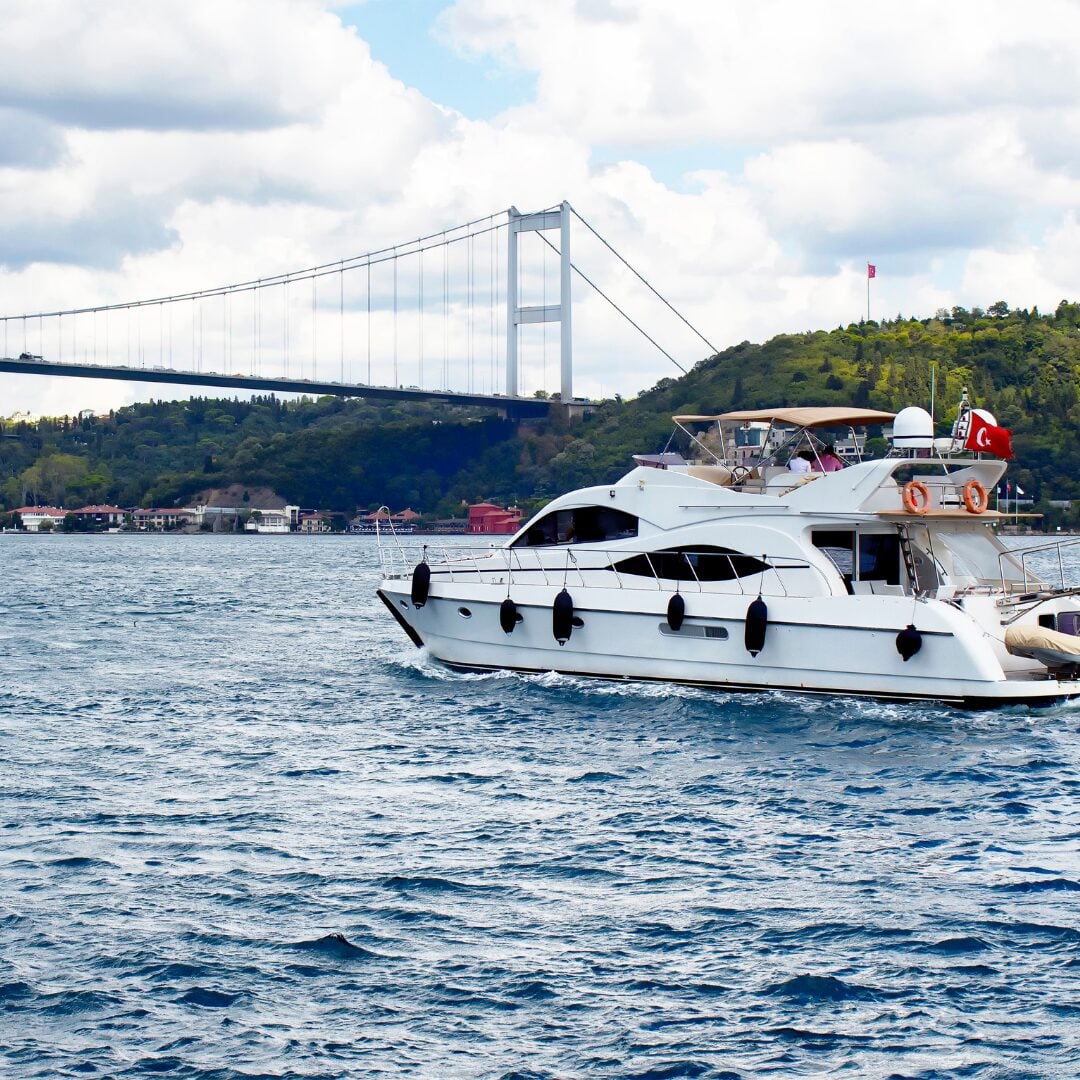
Arrive by boat. The Marmaray tunnel under the strait is faster and useful in bad weather, but it deposits you underground and robs you of the best part. The Şehir Hatları (sheh-HEER hat-lah-RUH, City Lines) ferries leave from Eminönü, Karaköy, and Beşiktaş roughly every 15–20 minutes through the day, and the crossing costs about 30 TL each way with an Istanbulkart (April 2026). Tap the same card you use for the tram and metro.
Sit on the open back deck if it’s not raining, buy a glass of tea from the steward for around 20 TL, and watch the old city slide away behind you. Gulls trail the boat for the simit crumbs that everyone throws. It is a 20-minute ritual that locals do twice a day without ever quite getting bored of it. Check live departures on the Şehir Hatları timetable before you set off, especially after about 9 PM when boats thin out.
You’ll step off at the Kadıköy pier into a small plaza with a statue of a bull (Boğa), the unofficial meeting point of the neighbourhood “see you at the bull” is how half of Istanbul’s east side makes plans. Pin it on Google Maps so you can always find your way back to the water.
The Kadikoy Market Istanbul: eating your way through the çarşı
The reason to come is the kadikoy market istanbul (çarşı), the tangle of pedestrian streets just inland from the pier, anchored by Güneşlibahçe Sokak. This is a working food market, not a tourist set-piece: fishmongers hosing down marble slabs, pickle shops with walls of glowing jars, cheese-agers, spice sellers, and bakeries, all packed into a few hundred metres. The covered and open stalls run daily from roughly 9 AM to 8 PM; everything is busiest late morning and on Saturdays.
Come hungry and graze. Here is the short list I walk first-timers through, all prices April 2026:
-
Pickle juice at a turşucu the briny shops along Güneşlibahçe sell turşu suyu (toor-SHOO soo-yoo, pickle brine) by the cup for about 30–50 TL. Bracing, sour, weirdly addictive. Start here to wake up your palate.
-
Fish at Çiya or the simpler fish stalls grilled or fried by the portion; a plate of fresh hamsi (HAM-see, anchovies) in season runs about 180–280 TL.
-
Turkish delight and akide sweets the old confectioners weigh out lokum and boiled sweets; expect 250–400 TL for a generous box of mixed delight.
-
Coffee and a sweet at Baylan a 1923 patisserie famous for its kup griye caramel sundae, around 220–300 TL; a slow-paced institution rather than a quick stop.
-
Roasted nuts and dried fruit the kuruyemişçi shops sell warm roasted hazelnuts and pistachios by weight; a 250 g bag is about 150–250 TL.
The market’s most talked-about table is Çiya Sofrası on Güneşlibahçe Sokak, the restaurant that put forgotten Anatolian regional cooking back on the map. You point at what looks good from the steam trays (lokanta style) or order from the kebab menu; a full lunch with several dishes lands around 400–700 TL per person (April 2026). It’s open daily, roughly noon to 10 PM, and it does not take the air out of the room with hype the food simply delivers. Find it on Google Maps.
One honest warning: the fish-stall restaurants will sometimes quote tourists a vague “market price” and the bill arrives larger than you expected. Ask the price per portion before you sit, in writing if needed, and you’ll eat brilliantly for very little. For a deeper crawl across the whole city, our Istanbul street food guide maps the classics.
The Tuesday street market (Salı Pazarı)
If your visit lands midweek, the giant Salı Pazarı (sah-LUH pah-zah-RUH, Tuesday market) is a different animal from the daily food çarşı a sprawling covered bazaar of clothes, fabric, household goods, cheap sunglasses, and seasonal produce, set a 10-minute walk inland in the Hasanpaşa area. Locals come for socks and tomatoes, not souvenirs, which is exactly the appeal.
Go in the morning for the produce and the energy; prices soften in the last hour before closing around 6 PM as sellers clear stock. Bargaining is normal on clothing and homeware but not on food. Bring cash and a tote bag. It is messy, cheap, and one of the most genuinely local scenes you can stumble into on the Asian side.
Moda: the waterfront walk that locals actually do
Once you’ve eaten, walk it off along the sea. From the kadikoy market istanbul, it’s about 15 minutes south on foot to Moda, the leafy, slightly bohemian headland that is Kadıköy’s prettiest stretch. The seaside promenade curves around the point with the water on one side and tea gardens, ice-cream sellers, and dog-walkers on the other. On a clear spring afternoon the Princes’ Islands float on the horizon and the Sea of Marmara turns silver.
The ritual is simple: buy a tea or a dondurma (don-door-MAH, the stretchy Turkish ice cream) and sit on the grass or the sea wall. The Moda Çay Bahçesi tea garden, run by the municipality, pours endless small tulip-glasses of tea for about 20–30 TL each (April 2026) with an unbeatable view; it’s first-come, first-served and packed at weekends. Nearby, Moda Sahili (the shore park) is where families picnic and students sprawl with guitars.
Walk out to the little Moda İskelesi, the disused Art Nouveau ferry pavilion on the water that now serves as a café a lovely spot for coffee with the sea on three sides. The whole headland is flat and stroller-friendly, a rare easy walk in a city built on hills. Trace the route on Google Maps.
Coffee, records, and bookshops: the Kadıköy that keeps people here
Between the market and Moda lies the part of the neighbourhood that makes people move here. Kadife Sokak universally known as Barlar Sokağı (bar-LAR soh-kah-uh, Bar Street) is the spine of the going-out scene, a sloping lane of bars, live-music venues, and cafés that wakes up in the late afternoon. By day it’s quiet and good for coffee; by 10 PM it’s shoulder-to-shoulder with students and musicians.
A few of my standbys, all easy to find on foot:
-
Third-wave coffee independent roasters around Moda and Kadife pull a proper flat white for about 110–160 TL (April 2026). Skip the international chains and look for the single-origin chalkboards.
-
Record shops Kadıköy is the city’s vinyl capital; a clutch of stores around the market sell Turkish psych, jazz, and second-hand records. Browsing is free and welcomed.
-
Bookshops several stock English titles and there’s a small open-air book bazaar near the Süreyya Opera House.
-
Akmar Pasajı a warren of a shopping arcade beloved by comic, music, and second-hand book hunters; pure local subculture.
Architecture fans should detour to the Süreyya Opera House on Bahariye Caddesi, a jewel-box 1927 theatre modelled on European opera houses, and to the pedestrianised Bahariye itself, where a vintage red tram still trundles between Kadıköy and Moda. The tram is more charm than transport, but it’s a fine two-minute ride for about 15 TL (April 2026).
A few worthwhile sights nearby
Kadıköy isn’t about monuments, but a handful of stops reward the curious. The Haydarpaşa Terminal, the grand German-built railway station on the water just north of the centre, is one of the most beautiful buildings on the Asian shore long closed for restoration, it’s still a stunning exterior to photograph from the seafront.
For a half-day add-on, the Yeldeğirmeni quarter just inland has become the neighbourhood’s street-art district, its older apartment blocks covered in large-scale murals from a mural festival, with cafés and a renovated synagogue tucked between them. And if you have an evening, the broader Asian-side bar and music scene is one of the reasons people choose this side of the water at all our things to do on the Asian side round-up goes wider than this one neighbourhood.
Local etiquette and a few honest cautions
Kadıköy is relaxed and secular by Istanbul standards you’ll see far less conservative dress than in the old city, and nobody will blink at shorts or a glass of wine. A few things still smooth the way:
-
Tea is social currency. If a shopkeeper offers you çay, accepting is polite and carries no obligation to buy. Refusing flatly can read as cold.
-
Tip lightly. Round up or leave 5–10% at restaurants; it isn’t the heavy-tipping culture some visitors expect.
-
Cards work almost everywhere, but the market stalls and the Tuesday bazaar are cash kingdoms. Carry some lira.
-
The bars get loud and late. Kadife Sokak on a Friday is a joy, but it is not a quiet night out choose a side street if you want conversation.
-
Watch the last ferry. Boats to the European side thin out after about 9 PM and stop around midnight; check the timetable or you’ll be paying for a long taxi over the bridge.
On safety: Kadıköy is one of the easier parts of Istanbul to walk at night, busy and well-lit, with plenty of women out alone. Normal city sense applies mind your bag in the market crush but it’s a low-stress neighbourhood. For broader orientation on moving around, see our Istanbul public transport guide.
When to come
Spring (April–May) and autumn (September–October) are the sweet spots: warm enough for the Moda walk and the open ferry deck, cool enough that the market crush isn’t sweaty. Summer is hot and the seafront fills with locals escaping airless flats; winter is grey and wet but the bars and cafés are at their cosiest. If you’re planning around the season, our Istanbul in May guide covers what to expect that month.
For the rhythm of the week: a weekday gives you a calmer market and easier café tables; Tuesday adds the big street bazaar; Friday and Saturday nights are when Bar Street truly comes alive. Sundays are gentle and family-heavy along the shore. Mornings belong to the market, late afternoons to Moda and the golden light off the water.
How to get there and around
From the European side, the ferry is the obvious and best option. Catch a Şehir Hatları boat from Eminönü (handy after Sultanahmet sightseeing), Karaköy (near Galata), or Beşiktaş, for about 30 TL each way (April 2026). The faster all-weather alternative is the Marmaray rail line, which tunnels under the strait from Sirkeci or Yenikapı to Ayrılık Çeşmesi, a short walk or one metro stop from the centre of Kadıköy, for roughly the same fare.
Once you arrive, walk the market, Moda, and Bar Street are all within a flat 20-minute radius of the pier. The M4 metro connects Kadıköy onward to the Asian-side suburbs and Sabiha Gökçen Airport, useful if you’re flying out of that airport. Everything runs on the same Istanbulkart; if you haven’t got one yet, our how to use the Istanbulkart guide explains where to buy and top it up.
What it costs: a Kadıköy budget
| Item | Price (April 2026) | Notes |
| Ferry from European side | ~30 TL each way | With Istanbulkart; tap on the same card |
| Glass of tea (çay) | ~20–30 TL | Cheaper at street stalls than cafés |
| Cup of pickle brine (turşu suyu) | ~30–50 TL | From a turşucu in the market |
| Specialty coffee | ~110–160 TL | Independent roasters in Moda/Kadife |
| Lunch at Çiya Sofrası | ~400–700 TL per person | Several dishes, lokanta style |
| Fish-stall plate | ~180–280 TL | Confirm the per-portion price first |
| Box of Turkish delight | ~250–400 TL | Sold by weight at the old confectioners |
| Nostalgic tram (Bahariye–Moda) | ~15 TL | With Istanbulkart; more charm than transport |
Prices verified April 2026 and change quickly with the lira treat them as a guide, not a quote.
Doing several paid sights in a few days?
Kadıköy itself is almost free the costs above are mostly food and tea. But if your wider trip packs in Hagia Sophia, Topkapı, a Bosphorus cruise and a couple of museums, an Istanbul Tourist Pass bundles entries and a cruise into one card and can work out cheaper than buying separately. Run the numbers against your actual list in our Istanbul Museum Pass and ticket prices guide before you buy.
For a market-and-Moda day, you don’t need the city pass at all bring lira and an appetite.
A perfect day in Kadıköy (sample route)
Here’s the loop I’d hand a friend visiting for the first time weather-flexible, mostly flat, and built around eating and the sea.
Late morning the market
-
11:00 AM Ferry over from Eminönü or Karaköy; ride the open deck.
-
11:30 AM Land at the pier, find the bull statue, and walk into the çarşı.
-
11:45 AM Graze: pickle brine, roasted nuts, a wedge of cheese, a box of delight to take home.
-
1:00 PM Sit-down lunch at Çiya Sofrası or a fish stall (confirm prices first).
Afternoon Moda and coffee
-
2:30 PM Walk 15 minutes south to the Moda waterfront.
-
3:00 PM Tea at the Moda Çay Bahçesi, or coffee at the old ferry pavilion (Moda İskelesi).
-
4:00 PM Stroll the shore park, then loop back via Kadife Sokak for a flat white and a record-shop browse.
Evening Bar Street (optional)
-
6:30 PM Early drink on Kadife Sokak before it fills up; catch live music if it’s a weekend.
-
8:30 PM Dinner of meze and rakı at a Kadıköy meyhane, or more market-style small plates.
-
10:30 PM Last ferries back, or stay out and taxi over the bridge.
Frequently asked questions
How do you get to Kadıköy from Sultanahmet?
Walk or tram down to Eminönü and take a Şehir Hatları ferry across, about 20 minutes for roughly 30 TL with an Istanbulkart (April 2026). Alternatively, the Marmaray rail line from Sirkeci tunnels under the strait to Ayrılık Çeşmesi in a few minutes.
Is Kadıköy worth visiting for tourists?
Yes, if you want everyday local Istanbul rather than monuments. The kadikoy market istanbul, the Moda seaside walk, and the bar and café scene are the draw, and tourist crowds are low. Give it at least a half day; a full day with dinner is better.
What should I eat in the Kadıköy market?
Graze through the kadikoy market istanbul: try pickle brine from a turşucu, fresh fish or anchovies from the stalls, Turkish delight from the old confectioners, roasted nuts by weight, and a sit-down lunch of regional Anatolian dishes at Çiya Sofrası. Confirm fish prices per portion before ordering.
When is the Kadıköy street market open?
The covered and open food market around Güneşlibahçe Sokak runs daily, roughly 9 AM to 8 PM, busiest late morning. The large general-goods Tuesday market (Salı Pazarı) in Hasanpaşa is a separate, once-a-week event held on Tuesdays until about 6 PM.
Is Kadıköy safe at night?
Kadıköy is one of the easier Istanbul neighbourhoods to walk after dark busy, well-lit, and relaxed, with plenty of people out late on the bar streets. Use normal city caution with your belongings in the market crowds, and check ferry times so you don’t get stranded.
How much time should I spend in Kadıköy?
A half day covers the market and a quick Moda walk. A full day lets you add coffee, record shops, the Yeldeğirmeni murals, and dinner with a drink on Bar Street. Many visitors come for an afternoon and end up staying for the evening.
Is the Asian side of Istanbul different from the European side?
Noticeably. The Asian shore, with Kadıköy at its heart, has few major monuments and far fewer tourists, so it feels more residential, relaxed, and affordable. It’s where locals eat, drink, and spend weekends rather than where they sightsee.
Useful Turkish for your Kadıköy day
-
çarşı (char-SHUH) market or bazaar here, the food market streets
-
vapur (vah-POOR) ferry the boat across the Bosphorus
-
çay (chai) tea offered everywhere, often as a gesture of welcome
-
turşu suyu (toor-SHOO soo-yoo) pickle brine a sour market drink to try
-
hesap, lütfen (heh-SAHP loot-FEN) the bill, please your end-of-meal phrase