Everything You Need to Know
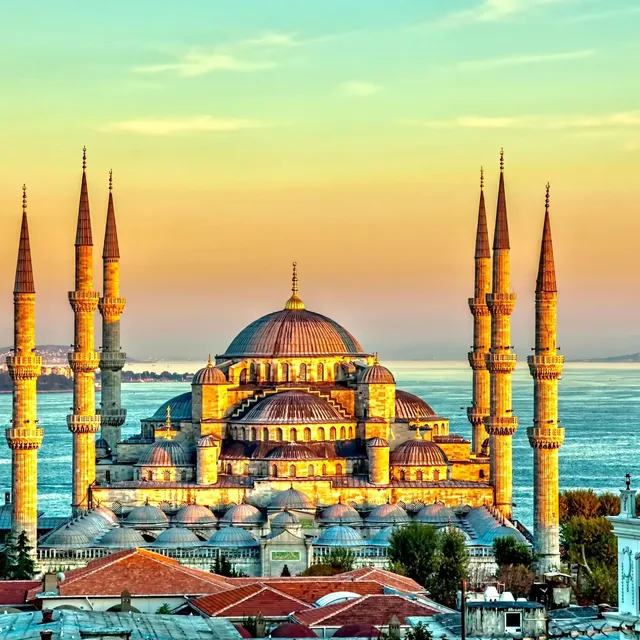
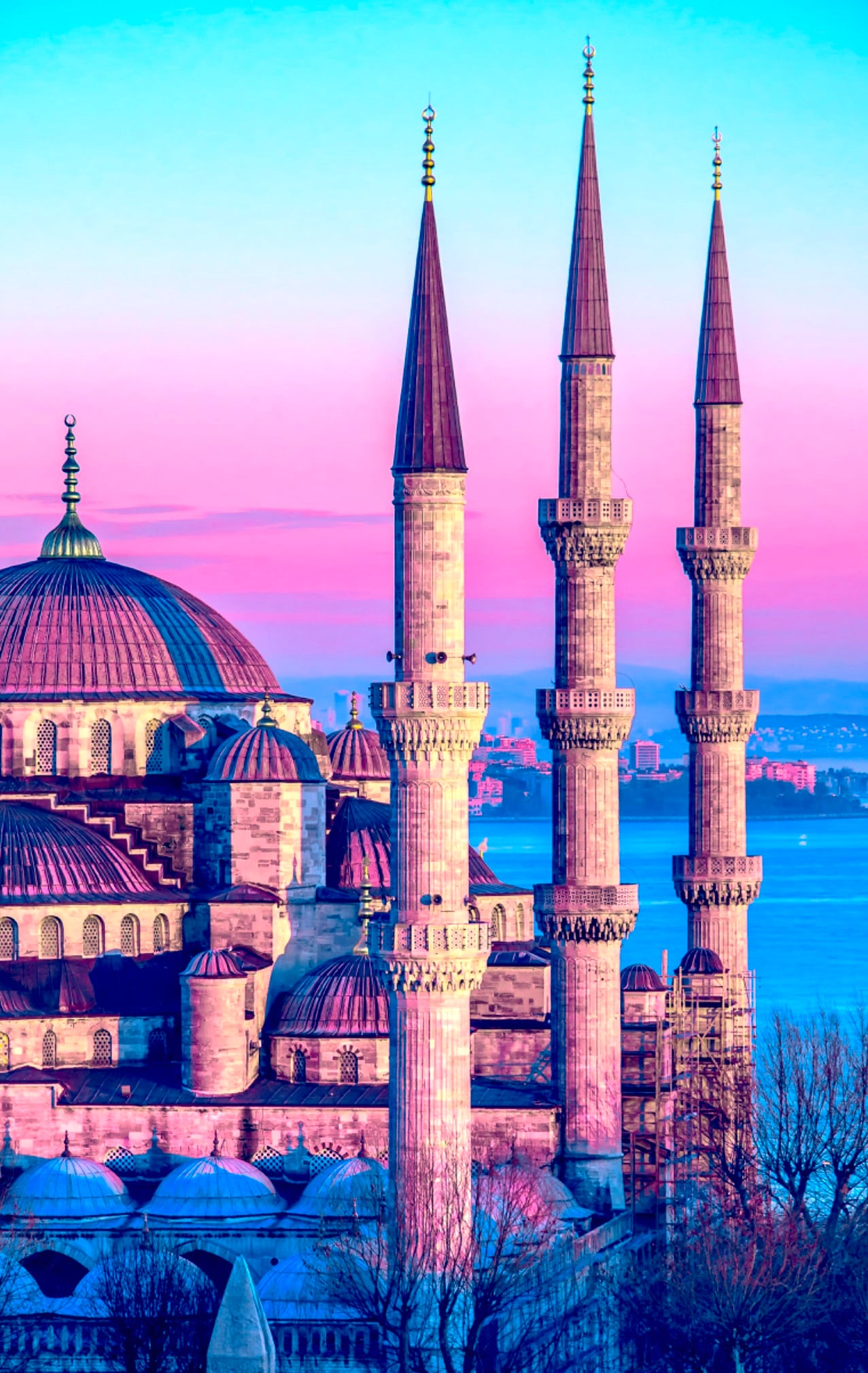
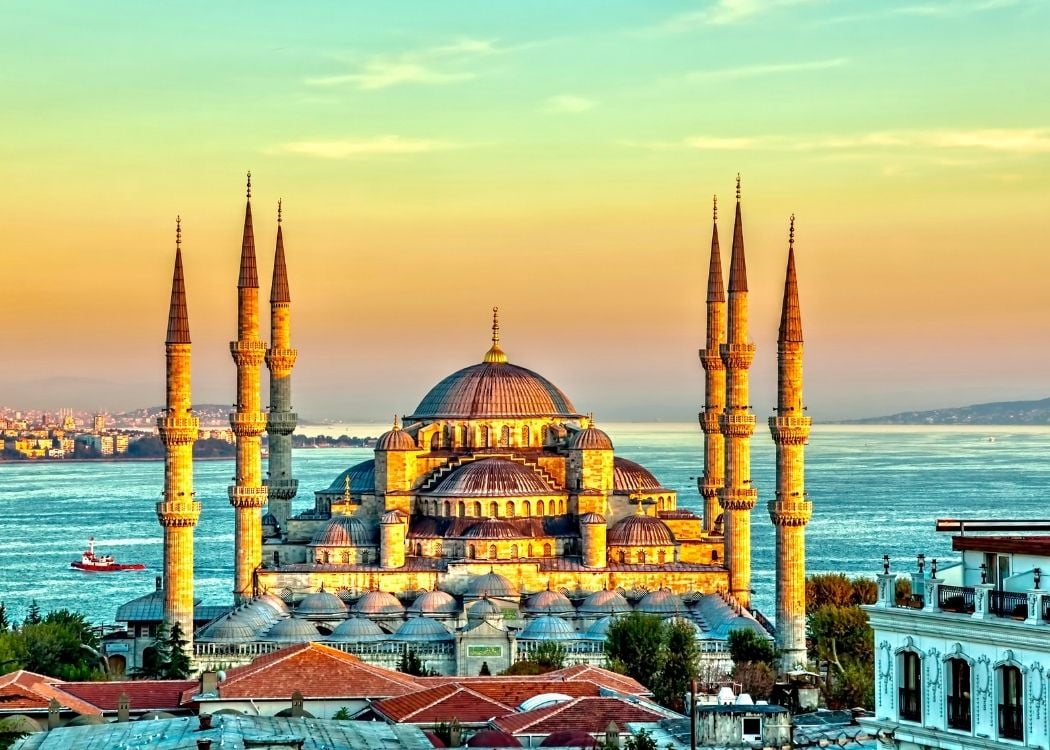
Across the rooftops of the old city, six slender minarets rise above a cascade of swelling domes and half-domes, the silhouette unmistakable from miles away. The Sultan Ahmed Mosque—widely known as the Blue Mosque—is one of the best-known examples of early seventeenth-century Ottoman mosque architecture and one of Istanbul's most recognizable landmarks.
Step inside and the nickname explains itself. More than 21,000 Iznik tiles decorate the lower and middle sections of the interior walls and galleries, featuring floral and geometric motifs in blue, green, turquoise, red, and white. Natural light enters through approximately 260 windows, illuminating the tilework and painted decoration throughout the prayer hall. This guide gives you everything you need to visit with confidence, respect, and genuine awe.
History: From Sultan Ahmed I's vision to completion in 1616
What Makes It Special: Tiles, minarets, domes & stained glass
Visiting Guide: Hours, dress code, prayer times & etiquette
Insider Tips: Best times, photo spots & local secrets
History of the Blue Mosque
A young sultan's ambition, an architect's genius, and a controversy that reached Mecca
The story of the Blue Mosque begins not with an architect's drawing but with a treaty. In 1606, Sultan Ahmed I's government concluded the Treaty of Zsitvatorok with the Habsburg Monarchy after a long and costly conflict. Sultan Ahmed I commissioned a monumental imperial mosque near the Hippodrome and Hagia Sophia as a major religious complex bearing his name.
It was a bold and deeply personal undertaking. The project was financed from the imperial treasury at a time when Sultan Ahmed I had not achieved a major military victory, which contributed to criticism of the expenditure. The use of treasury funds for such a large imperial building project reportedly attracted criticism from some contemporary religious and political figures. The sultan was undeterred. He appointed Sedefkar Mehmed Aga, a student of the legendary architect Mimar Sinan, as chief architect and demanded a structure of unsurpassed magnificence.
Construction began in 1609 in the area of the former Byzantine Great Palace and the ancient Hippodrome, close to Hagia Sophia. Sedefkar Mehmed Aga drew on the lessons of his master Sinan — the soaring interior volumes, the elegant management of structural weight through cascading domes — and layered them with an unprecedented decorative program. The commission called for the finest Iznik tiles, handmade stained glass, and calligraphic inscriptions executed by the age's leading artists. After approximately seven years of construction, the mosque was completed and opened for worship in 1617.
The Sultan Ahmed Mosque took seven years to build, from 1609 to 1616, under architect Sedefkar Mehmed Aga.
Sultan Ahmed I commissions the mosque. Construction begins on the site of the former Byzantine Great Palace, overlooking the ancient Hippodrome.
Sedefkar Mehmed Aga oversees seven years of construction. Over 20,000 Iznik tiles are installed, calligraphy panels are commissioned, and more than 200 stained-glass windows are fitted.
The mosque is completed and opened for worship. Its six minarets become one of the building's most distinctive architectural features.
Sultan Ahmed I dies of typhus at the age of 27, just one year after his great mosque opens. He is buried in a mausoleum beside the mosque, where his tomb remains to this day.
A comprehensive restoration of the mosque and its complex is completed, and the building is officially reopened on April 21, 2023.
But the most enduring controversy was not about money or aesthetics — it was about minarets. Several popular legends attempt to explain the mosque's six minarets. The best-known claims that the architect misunderstood the Turkish word “altin,” meaning gold, as “alti,” meaning six. Another tradition says that an additional minaret was later added to the Great Mosque of Mecca. These stories are widely repeated, but they should be understood as legends rather than firmly documented historical facts. It is a story that perfectly captures the mosque's character: ambitious, controversial, and ultimately magnificent.
Sultan Ahmed I died in 1617 at the age of twenty-seven, shortly after the completion of the mosque. His body was laid to rest in a mausoleum beside the mosque's outer wall, where he rests to this day, eternally in the shadow of the monument that bears his name. More than four centuries later, the Sultan Ahmed Mosque remains an active place of worship and one of Istanbul's most frequently visited historic landmarks.
What Makes the Blue Mosque Special
Watch: Story of Blue Mosque (3 min)
Five defining features that have captivated visitors for four hundred years
20,000+ Hand-Painted Iznik Tiles
The interior of the Blue Mosque is a living gallery of Ottoman ceramic art. A total of 21,043 Iznik tiles decorate sections of the interior walls and galleries, displaying more than fifty different floral and geometric designs. Crafted in the kilns of the town of Iznik (ancient Nicaea) during the peak of that city's tile-making tradition, these ceramics feature elaborate tulip, carnation, cypress, and abstract arabesque motifs in a palette dominated by cobalt blue, turquoise, and white with accents of green and occasionally red. The sheer density of tilework at the gallery level creates a seamless mosaic of pattern that seems to ripple and shift as daylight moves across the interior throughout the day. The prominence of blue tones in the tilework and later painted decoration inspired the mosque's popular English nickname, the Blue Mosque.

Six Minarets — A Unique Distinction
The Blue Mosque was the first Ottoman imperial mosque built with six minarets and remains one of Türkiye's best-known six-minaret mosques. Four minarets have three balconies and two have two, creating a total of sixteen balconies. This number is sometimes interpreted as a reference to Sultan Ahmed I's place in the Ottoman dynasty, although the symbolism is not certain. The minarets are slender and fluted in the classical Ottoman style, rising to points sheathed in lead, and their silhouette against the sky is one of the most photographed views in Istanbul. Today they serve as a defining visual signature: when you see six minarets on the old-city skyline, you are looking at the Blue Mosque.
Cascading Domes — An Ottoman Crown
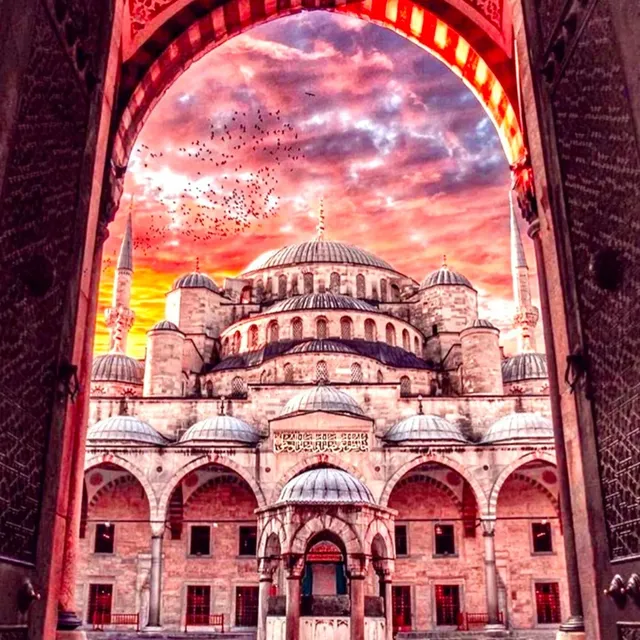
The mosque's exterior is often described as a cascade of domes and half-domes tumbling down from a single great central dome. The main dome rises 43 meters (141 feet) from the ground and spans 23.5 meters (77 feet) in diameter. It is supported by four massive columns nicknamed "elephant feet" for their size, each measuring five meters across. The central dome is surrounded by semi-domes and smaller domed sections that create the mosque's characteristic cascading roofline. The cascading arrangement of domes and semi-domes reflects the development of classical Ottoman mosque architecture, while its position opposite Hagia Sophia creates one of Istanbul's most recognizable architectural pairings.

200+ Stained-Glass Windows
Light is the secret architect of the Blue Mosque's interior atmosphere. Approximately 260 windows illuminate the interior. The original seventeenth-century windows included colored glass associated with Venetian craftsmanship, but much of the original glass has been replaced over time. The windows are positioned so that light enters from all sides throughout the day, illuminating different sections of tilework as the sun moves.The many windows illuminate different parts of the prayer hall throughout the day, highlighting the tiles, painted decoration, and architectural details. The interplay of colored light and blue tile is the mosque's most transcendent quality — a constantly shifting visual experience that rewards visitors who linger and observe.

The Grand Courtyard
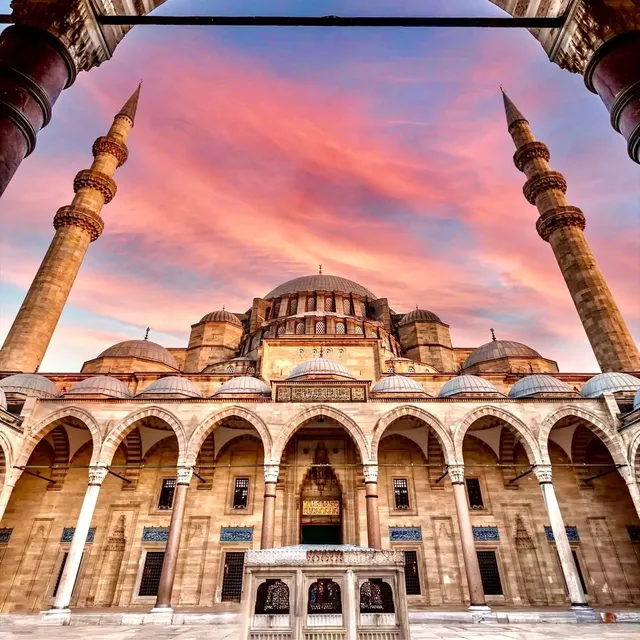
Many visitors rush straight to the prayer hall, but the courtyard (avlu) deserves attention in its own right. Roughly the same footprint as the mosque itself, it is ringed by a graceful arcade of pointed arches supported by alternating columns of granite and marble. At the center stands a historic hexagonal fountain that forms the visual focus of the courtyard. The courtyard is surrounded by an arcaded portico, while its monumental entrances feature carved stonework and muqarnas decoration. Standing in the courtyard with your back to the fountain, you face the mosque's northern facade — arguably its most photogenic angle, with the cascade of domes perfectly framed by the flanking minarets.

Visiting the Blue Mosque
A practical guide for non-Muslim visitors and first-time travelers

What to Expect Inside
The interior is a single vast prayer hall. Your eyes will likely be drawn upward first — to the great dome, the tiers of windows, and the fields of blue tile that wrap the upper walls. The prayer hall is covered with a red patterned carpet that supports worship and softens sound within the large interior. Large circular lighting fixtures hang low beneath the dome, continuing the visual tradition of the mosque's historic lamp arrangements while using modern electric lighting. The mihrab (prayer niche indicating the direction of Mecca) is on the southeastern wall, richly carved in marble with a tall, elaborate crown. Flanking it is the minber (pulpit), a steep marble staircase capped with a conical canopy from which the imam delivers the Friday sermon. Take your time. The longer you stand and observe, the more details reveal themselves: the calligraphy panels, the subtle color variations in the tiles, the way the light changes minute by minute.
Istanbul Tourist Pass® & Istanbul Prime Pass
For visitors looking for a more seamless and value-packed experience, the Istanbul Tourist Pass® is an excellent option. The Blue Mosque area and many nearby attractions are included in the pass. The Istanbul Tourist Pass® is also included within the Istanbul Prime Pass, offering even more flexibility for travelers who want to bundle premium experiences.
With the pass, you benefit from a fully digital and hassle-free experience, including hosted entry and access to audio guides at nearby attractions, helping you better understand the history and significance of Sultanahmet. There is no need to manage multiple bookings, simply choose your preferred time slots and enjoy a smooth experience.
Beyond the Blue Mosque area, the pass covers 120+ top attractions and experiences across Istanbul, making it an ideal choice for visitors planning to explore the city in depth. From iconic landmarks to guided tours and unique activities, it offers both convenience and excellent overall value.
If you are looking to save time, skip lines, and maximize your Istanbul itinerary, the Istanbul Tourist Pass® (and its inclusion within the Istanbul Prime Pass) is a smart and efficient choice.
Dress Code — What You Need to Know
Simple guidelines to ensure a respectful and comfortable visit

Shoes, Photography & General Etiquette
All visitors must remove their shoes before entering the prayer hall. Plastic bags are provided at the entrance; place your shoes inside and carry them with you. Socks are recommended for comfort and hygiene, as the carpeted floor is shared by thousands of barefoot visitors daily. Photography is permitted for personal, non-commercial use, but flash and tripods are discouraged. Be mindful of worshippers — never photograph someone praying without their consent, and avoid walking in front of anyone in prayer. Keep voices low, silence mobile phones, and remember that you are a guest in someone's house of worship.
Blue Mosque vs Hagia Sophia
Two masterpieces, one square — how they compare
They face each other across Sultanahmet Square, separated by a garden of fountains and a few hundred meters of walkway. Hagia Sophia, completed in 537 AD by the Byzantine Emperor Justinian, stood as the world's largest cathedral for nearly a thousand years before being converted to a mosque following the Ottoman conquest of Constantinople in 1453. The Blue Mosque was built more than a millennium later, in 1609–1616, as a deliberate answer to the Byzantine monument — an Ottoman statement of aesthetic and spiritual equivalence. Together they create one of the most extraordinary architectural dialogues on earth.
| Feature | Blue Mosque | Hagia Sophia |
|---|---|---|
| Built | 1609–1616 | 532–537 AD |
| Style | Classical Ottoman | Byzantine |
| Current Use | Active mosque | Active mosque (since 2020) |
| Entry Fee | Free | Paid (for non-worshippers) |
| Minarets | 6 | 4 |
| Known For | 20,000+ Iznik tiles | Byzantine mosaics, massive dome |
| Visit Duration | 30–45 minutes | 60–90 minutes |
| Best For | Ottoman art & tilework | Layered history, Byzantine art |
The honest advice: visit both. They are two minutes apart on foot and offer fundamentally different experiences. The Blue Mosque is a concentrated burst of Ottoman decorative brilliance — its uniform aesthetic vision and the spiritual atmosphere of an active congregation are deeply moving. Hagia Sophia is a palimpsest, its walls bearing the fingerprints of nearly 1,500 years of Byzantine, Ottoman, and modern history. Together they tell the full story of Istanbul.
Continue Exploring Istanbul's Landmarks
Practical Information
Everything you need to plan your visit
Opening Hours
Open Daily, 8:30 AM – Sunset Closed 30 min before each of the five daily prayers and during Friday midday prayer (~11 AM – 2:30 PM).
Prayer Times (Approx. Summer)
Fajr 4:30 · Dhuhr 1:15 · Asr 5:15 Maghrib ~8:30 PM · Isha ~10:15 PM. Times shift daily with the sun. Check diyanet.gov.tr for exact times.
Getting There
Sultanahmet Tram Stop (T1 Line) Exit the tram and walk 3 minutes south through Sultanahmet Square. The mosque is directly opposite Hagia Sophia.
Visit Duration
30 – 45 Minutes Allow extra time for the courtyard, exterior photography, and potential queues during summer peak season (June–August).
Are you ready to explore the Blue Mosque?
Unforgettable views and the best moments await you.
Insider Tips from Local Guides
Eight things seasoned Istanbul travelers know that most guidebooks miss
See the Blue Mosque with a Local Guide
Our expert-led Sultanahmet walking tour covers the Blue Mosque, Hagia Sophia, the Hippodrome, and the Basilica Cistern in one unforgettable morning.
Book Sultanahmet Walking Tour
Visit at 8:30 AM Sharp
The mosque opens to tourists after morning prayer. Arrive at 8:30 AM on a weekday and you may have the interior nearly to yourself — a dramatic contrast to the midday crowds.
Stand Beneath the Central Dome
Once inside, move to the center of the roped tourist area and look directly up. The tiers of windows in the dome drum flood the apex with light, and the calligraphy medallions seem to float.
Best Exterior Photo Spot
For the classic six-minaret silhouette shot, walk to the northeast corner of the Hippodrome (Sultanahmet Square). The full cascade of domes and all six minarets frame perfectly from here.
Return at Night for Illumination
The mosque is spectacularly illuminated after dark with warm golden floodlights. The courtyard is often open in the evening and far less crowded than during the day.
Explore the Hippodrome
The ancient Roman chariot-racing arena is right outside. Look for the Egyptian Obelisk (3,500 years old), the Serpentine Column from Delphi, and the German Fountain.
Bring Socks in Summer
The stone floors leading to the entrance and the mosque carpets are much more comfortable in socks, especially on hot days when bare feet on sun-heated pavement can be unpleasant.
Skip Friday Midday
The Cuma (Friday congregational prayer) closes the mosque to tourists from about 11 AM to 2:30 PM. Visit in the morning on Friday, or plan another attraction for this window.
Visit the Tomb of Sultan Ahmed I
The sultan's mausoleum is at the northwest corner of the mosque, often overlooked. Inside you will find ornate Iznik tilework and the tombs of Ahmed I, his wife, and three of his sons.
Nearby Attractions
Everything within walking distance of the Blue Mosque

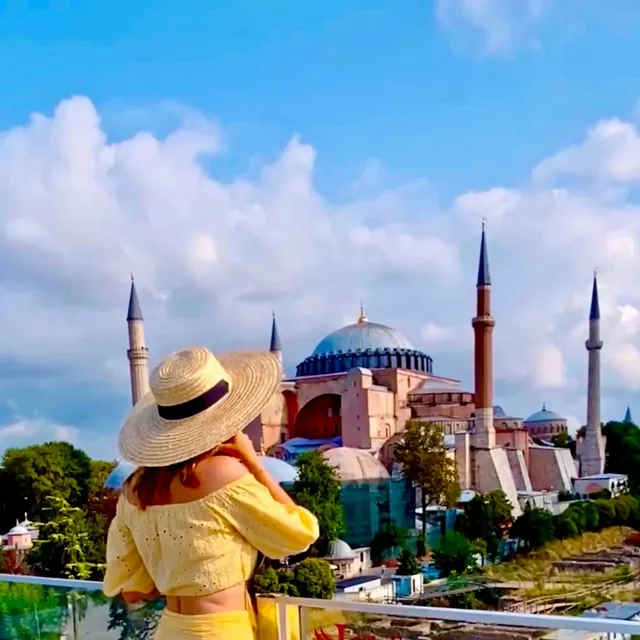
Hagia Sophia
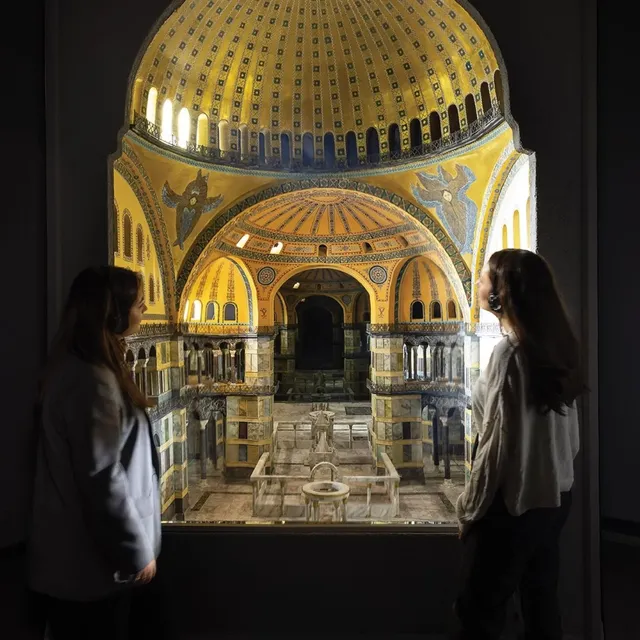
Hagia Sophia. Nearly 1,500 years of layered Byzantine and Ottoman history, directly across Sultanahmet Square.
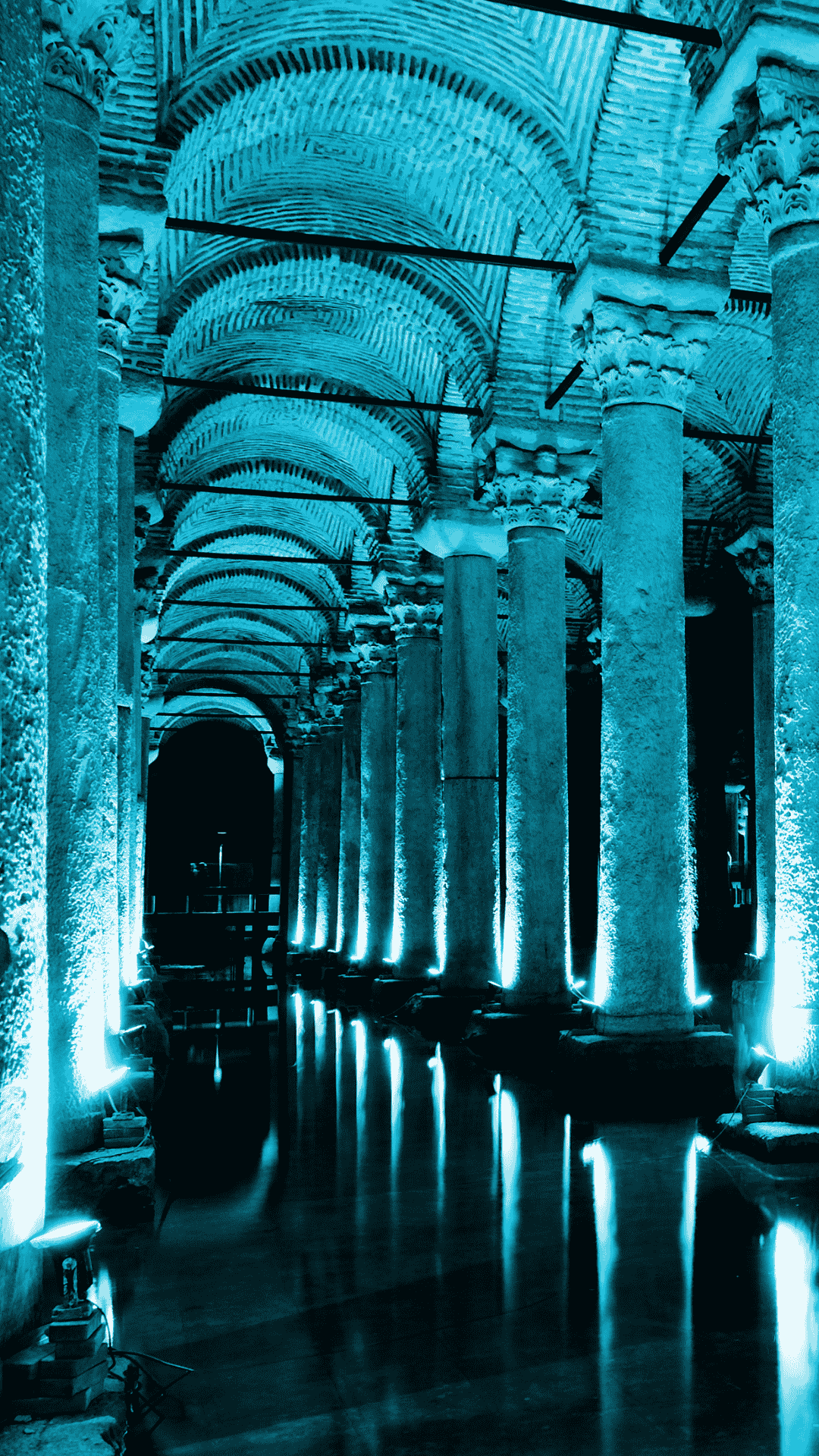
Basilica Cistern
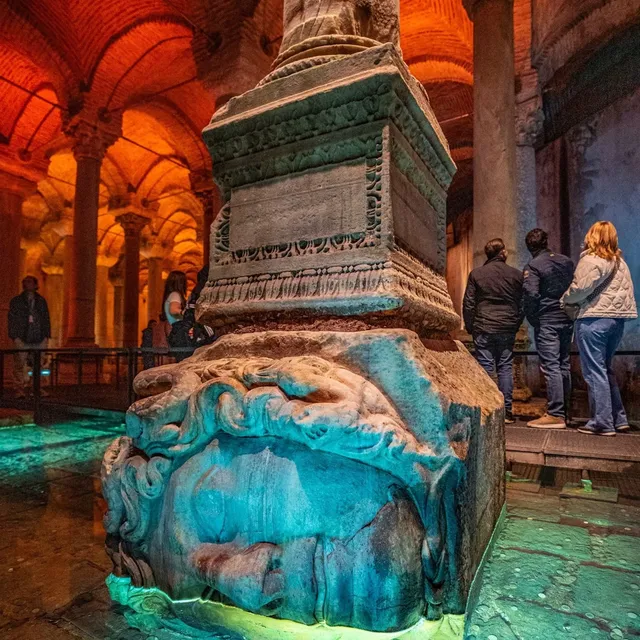
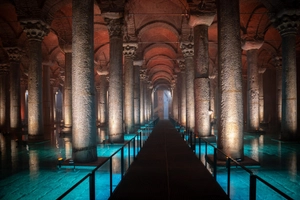
Basilica Cistern. A subterranean palace of 336 marble columns, the largest surviving Byzantine cistern in Istanbul.
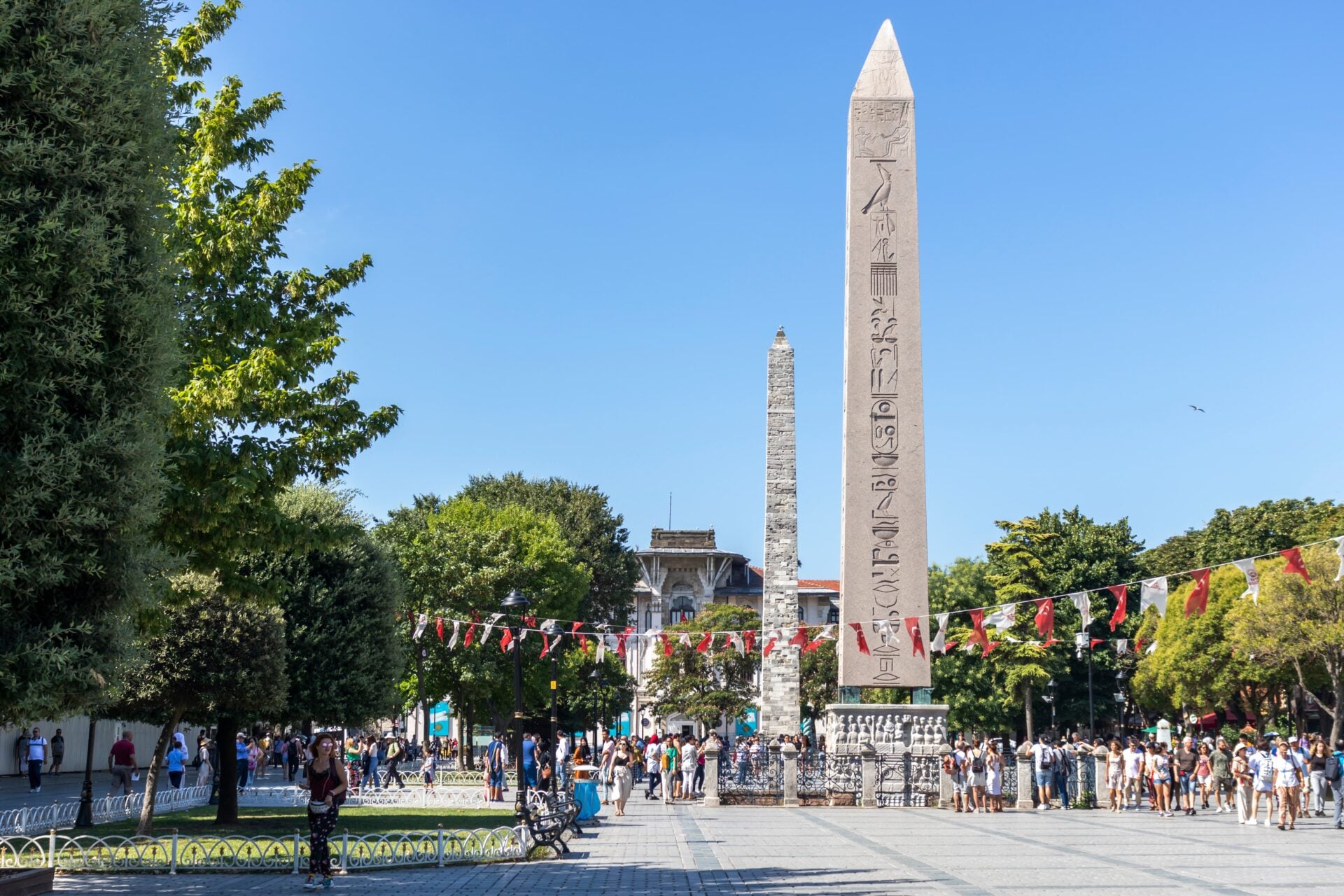
Hippodrome & Sultanahmet Square
Hippodrome & Sultanahmet Square. The ancient chariot-racing arena, home to the 3,500-year-old Egyptian Obelisk and the Serpentine Column.
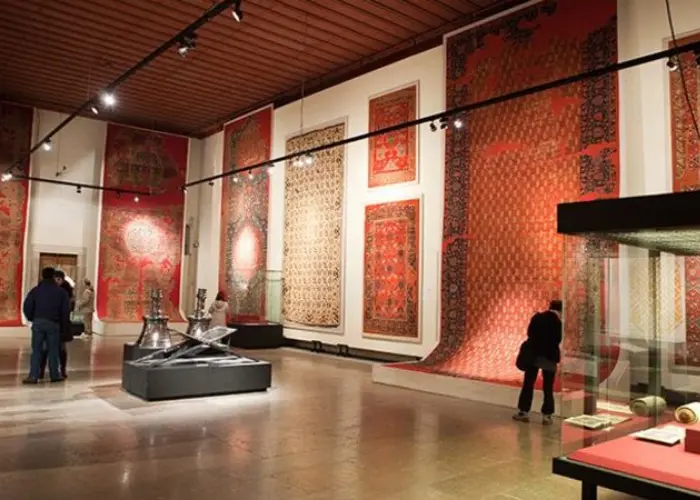
Turkish & Islamic Arts Museum
Turkish & Islamic Arts Museum. Housed in the Ibrahim Pasha Palace on the Hippodrome, with the world's finest collection of Islamic carpets.

Grand Bazaar
Grand Bazaar. Over 4,000 shops across 61 covered streets — one of the world's oldest and largest covered markets.
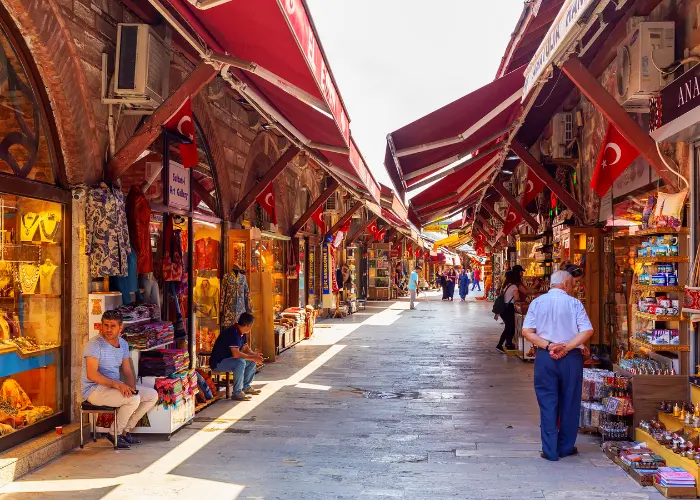
Arasta Bazaar
Arasta Bazaar. A charming row of artisan shops behind the Blue Mosque, originally part of the mosque complex, perfect for ceramics and textiles.
Frequently Asked Questions
Quick answers to the most common Blue Mosque visitor questions
Yes, the Blue Mosque is completely free to enter. It is an active mosque and does not charge an admission fee. There is no ticket, reservation, or museum pass required. Donations are welcome but never expected. This makes it one of the few major Istanbul landmarks you can visit without any cost, and one of the easiest to add to any itinerary.
Women must cover their hair with a headscarf, wear clothing that covers the shoulders and upper arms (no sleeveless tops), and wear a long skirt or trousers that reach below the knee. Clothing should be loose-fitting and opaque. If you arrive without proper coverings, free headscarves and body wraps are available at the entrance — there is no need to purchase anything in advance, though carrying a lightweight scarf in your bag is a good habit throughout Istanbul.
Most visitors spend 30 to 45 minutes inside the Blue Mosque. This includes time to admire the Iznik tiles, the central dome, the calligraphy, and the stained-glass windows, as well as a few minutes in the courtyard. If you visit during busy summer months, add 15 to 20 minutes for the entrance queue. If you are a photographer or architecture enthusiast, you could easily spend over an hour.
Absolutely. Non-Muslim visitors are warmly welcome at the Blue Mosque during tourist visiting hours, which fall between the five daily prayers. The mosque management actively encourages inter-cultural visits and has dedicated a tourist entrance on the south side with multilingual signage and staff to assist visitors. The only requirement is to dress modestly and observe the general etiquette of a place of worship.
The mosque observes five daily prayers: Fajr (pre-dawn), Dhuhr (midday), Asr (afternoon), Maghrib (sunset), and Isha (evening). Exact times change daily based on the solar calendar. During each prayer, the mosque closes to tourists approximately 30 minutes before the call to prayer and reopens roughly 30 minutes after. Check the Turkish Presidency of Religious Affairs website (diyanet.gov.tr) for exact daily prayer times during your visit.
The nickname comes from the more than 20,000 hand-painted Iznik ceramic tiles that cover the mosque's interior walls, galleries, and areas surrounding the domes. These tiles feature predominantly blue floral and geometric patterns in cobalt, turquoise, and white. When sunlight streams through the 200-plus stained-glass windows, the reflected and refracted light creates a luminous blue atmosphere throughout the prayer hall. The official name is the Sultan Ahmed Mosque (Sultanahmet Camii in Turkish), but even most locals refer to it simply as the Blue Mosque.
Yes, personal photography is permitted inside the Blue Mosque. You may use your phone or camera freely within the tourist area. Flash photography is discouraged, and tripods or professional equipment may require special permission. The most important etiquette rule: do not photograph individuals who are praying without their explicit consent, and never step in front of someone at prayer to frame a shot. Respect always comes before the photograph.
They offer fundamentally different experiences and most visitors choose to see both (they are two minutes apart on foot). The Blue Mosque showcases the pinnacle of classical Ottoman decorative art — its 20,000 Iznik tiles, uniform aesthetic vision, and the atmosphere of an active congregation are deeply moving. Hagia Sophia offers nearly 1,500 years of layered history, Byzantine mosaics, and an immense architectural space unlike anything else on earth. Neither is objectively "better"; together, they tell the full story of Istanbul.
What Visitors Say
Real experiences from travelers around the world