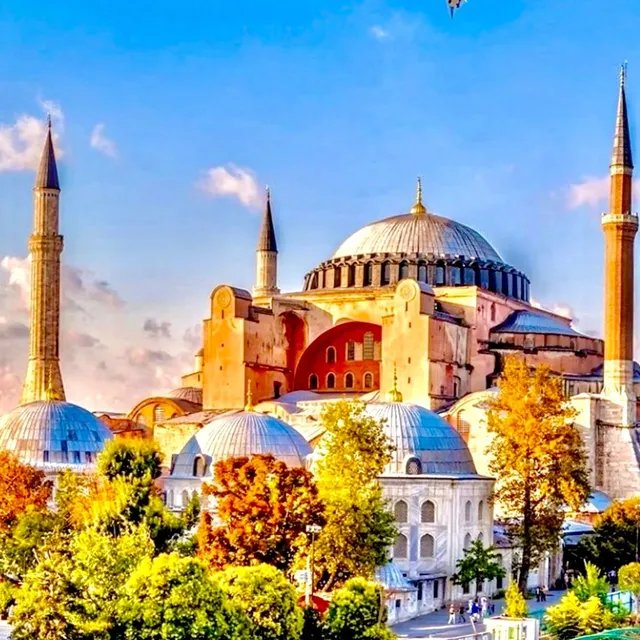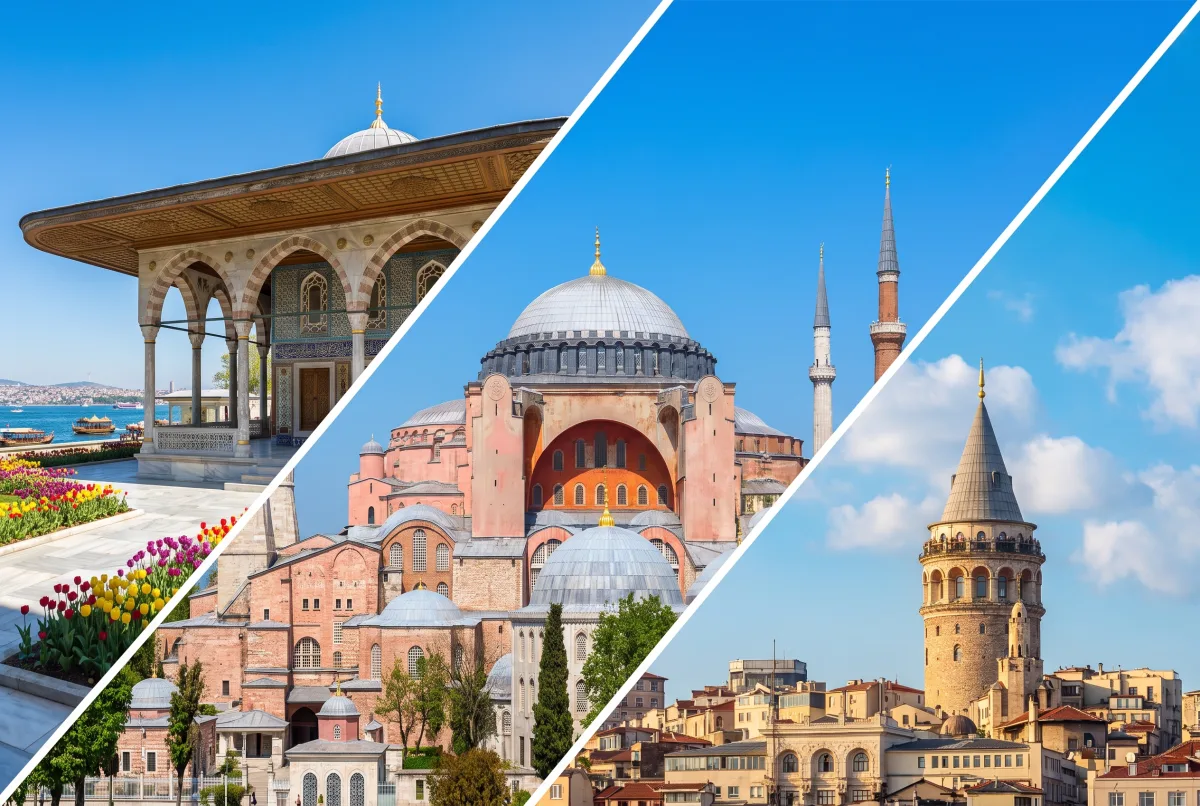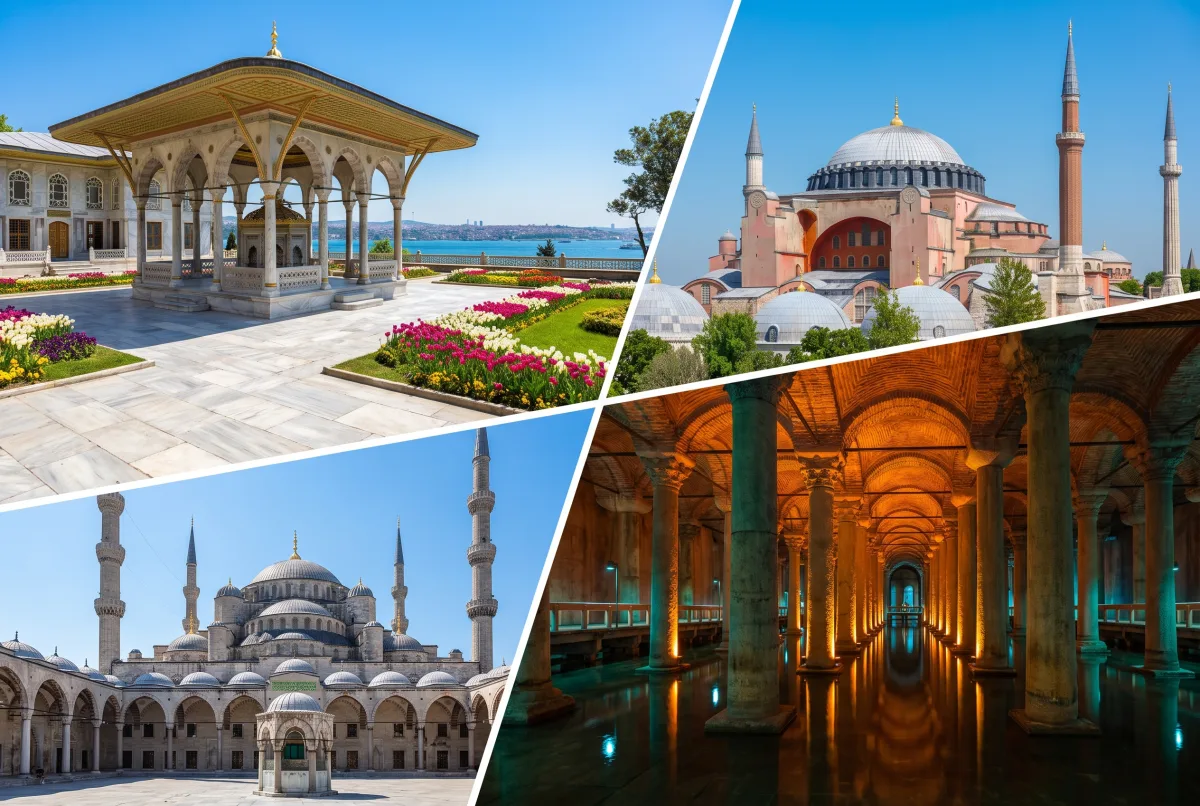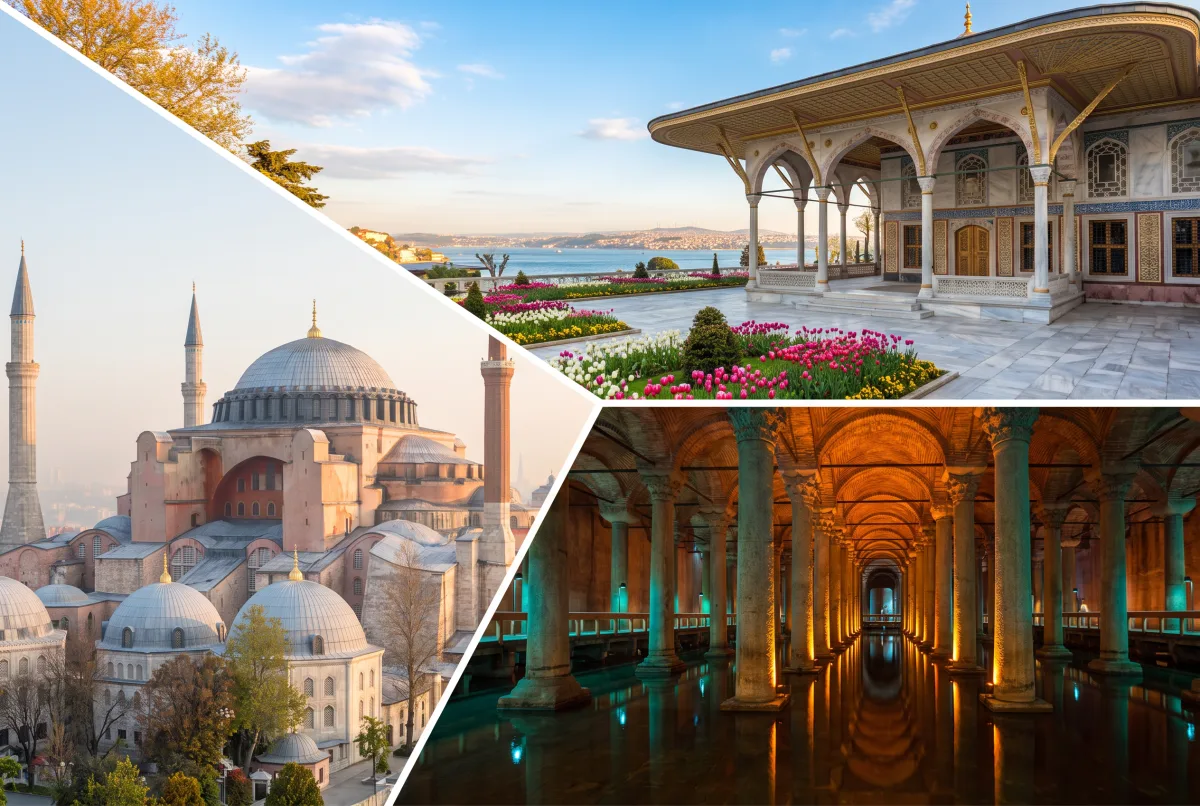
Before the 6th century, Hagia Sophia burned twice and was restored. After the 6th century, an earthquake caused a partial collapse of the dome. In 1204, Venetians and the Crusaders looted the building. After the conquest of Istanbul in 1453, Fatih Sultan Mehmed ordered his soldiers to protect this marvelous architecture. Since then, Hagia Sophia has remained at the heart of the city, welcoming people from different cultures, religions, and nations.
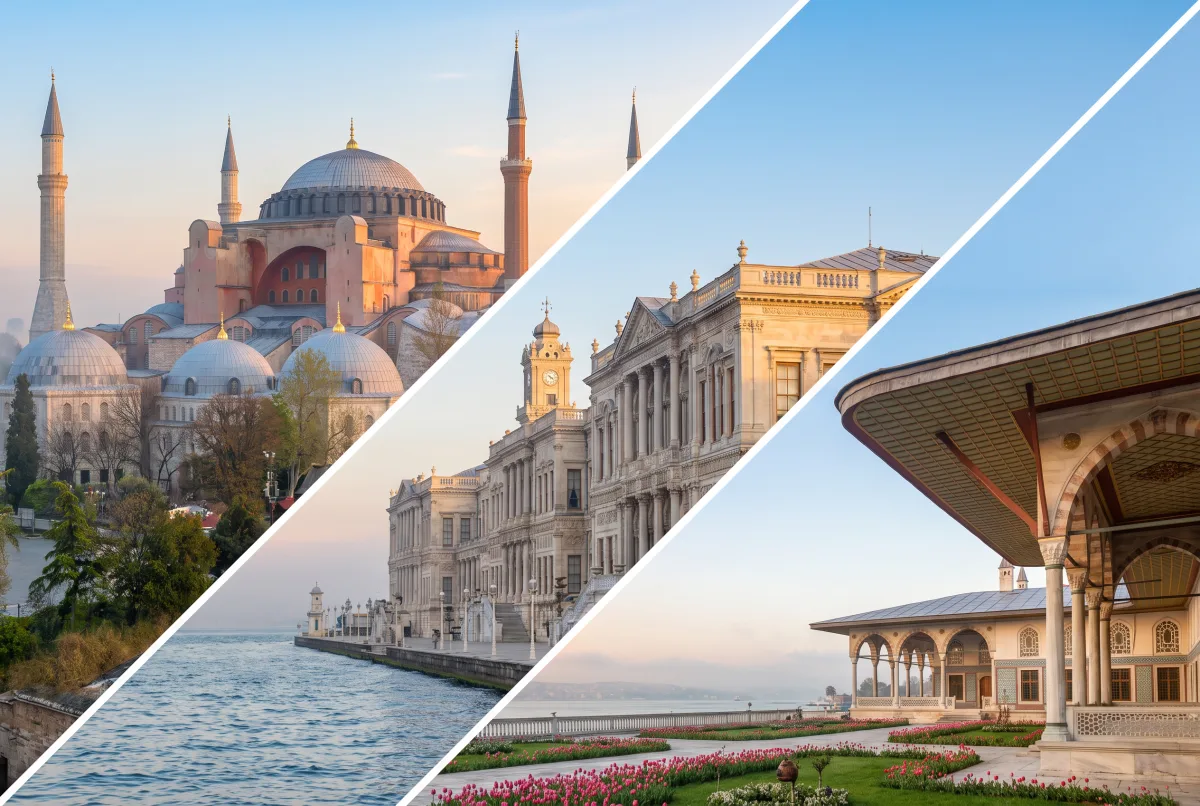
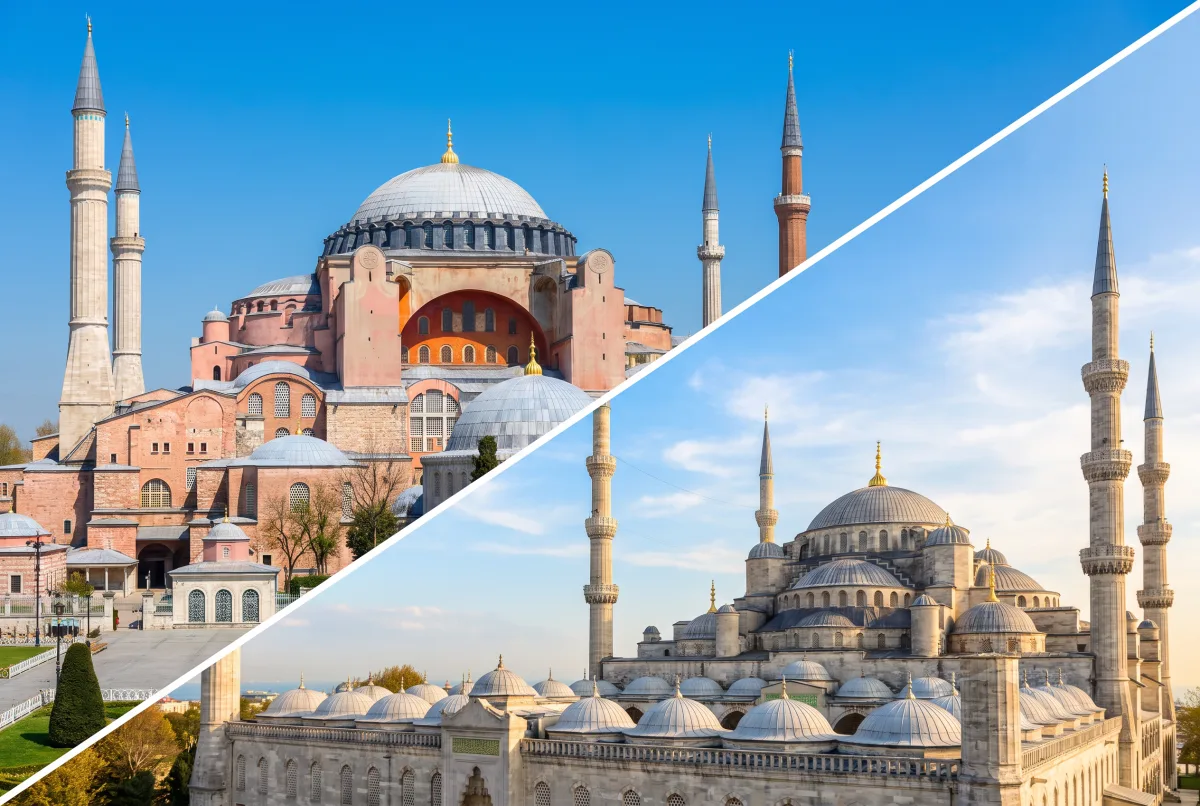
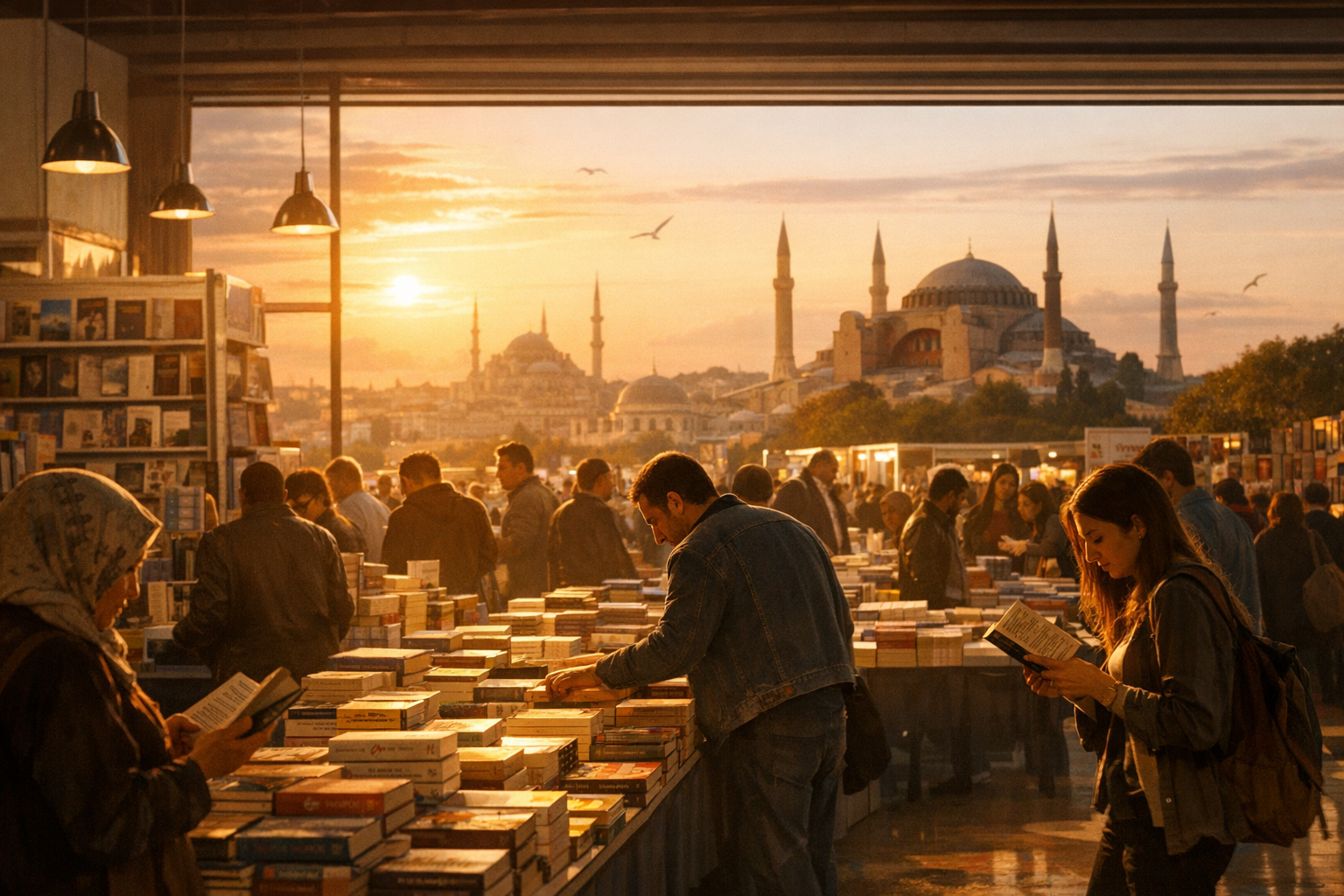
If you are exploring the historic core of the city, Hagia Sophia is best experienced together with nearby highlights such as Sultanahmet Square, the Blue Mosque, and Topkapi Palace.
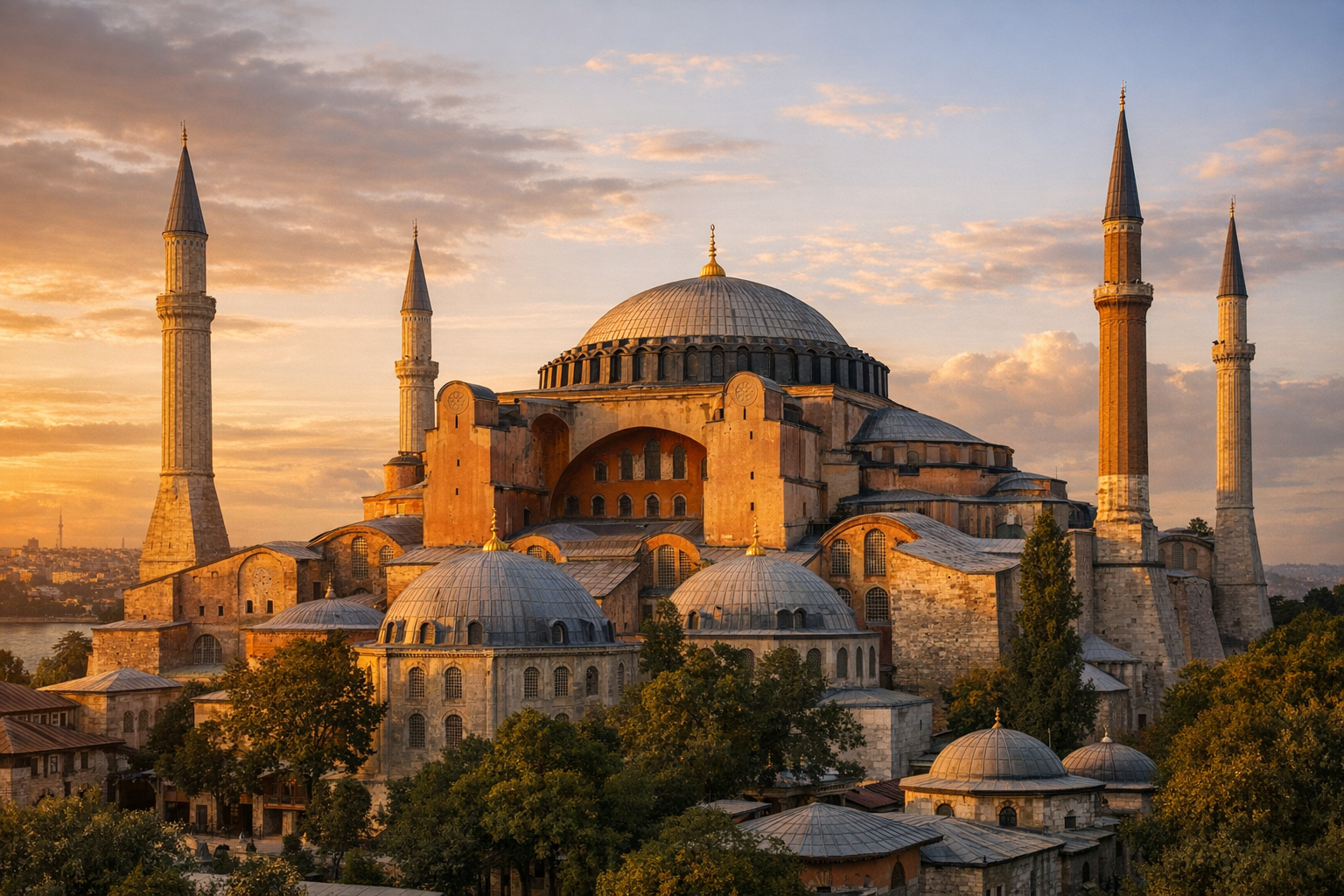 About the architecture of Hagia Sophia in its Christian period
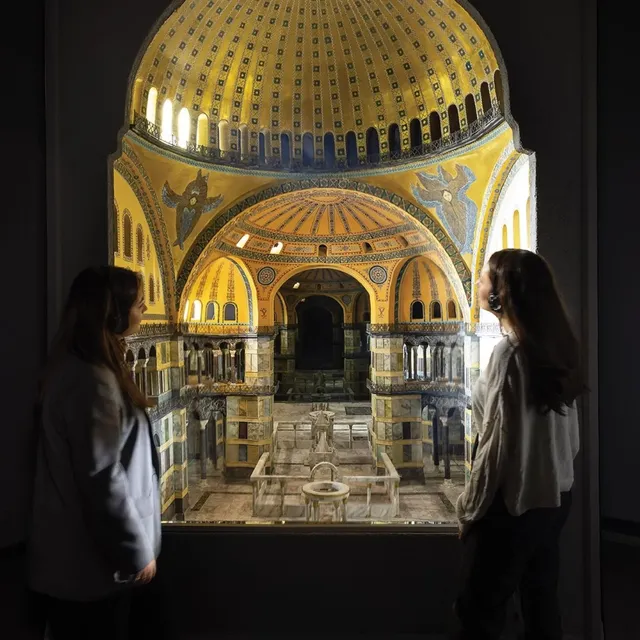
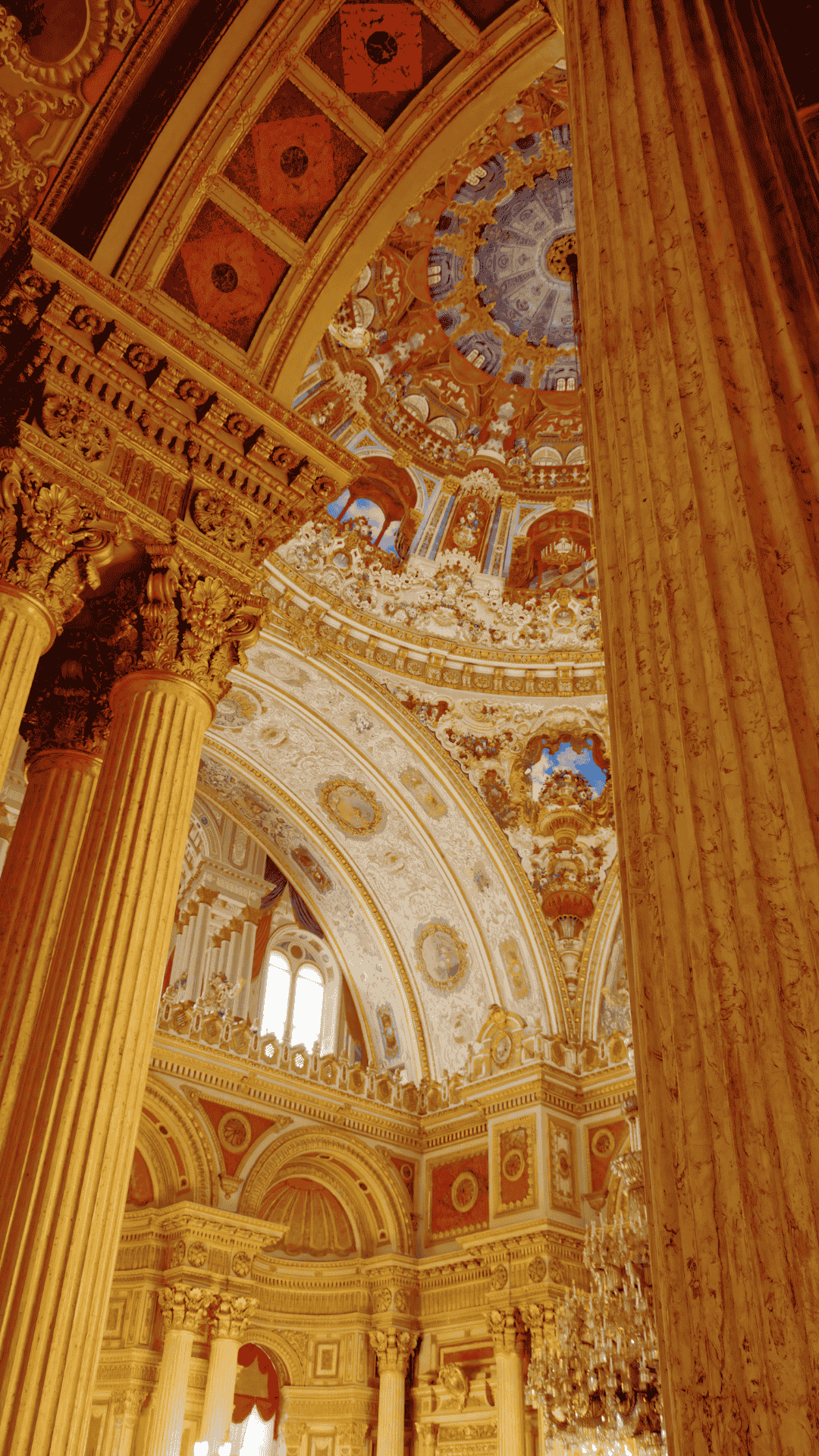
Have you ever wondered why Hagia Sophia feels so magnificent? Much of that greatness comes from its early Christian basilica design. Constructed at the will of Constantine I., the building was planned around a central dome, with semi-domes to the east and west. Columns divide the space into three aisles, while galleries rise above them. Great marble piers at either end support the dome, and the columns themselves were chosen from fine marble for their variety and color.
The lower walls are covered with marble slabs, while the curtain walls above the galleries and at the base of the dome are pierced by windows. These windows flood the interior with daylight and soften the visibility of the supports, giving the dome a floating effect. This visual lightness is one of the most memorable qualities of Hagia Sophia’s interior.
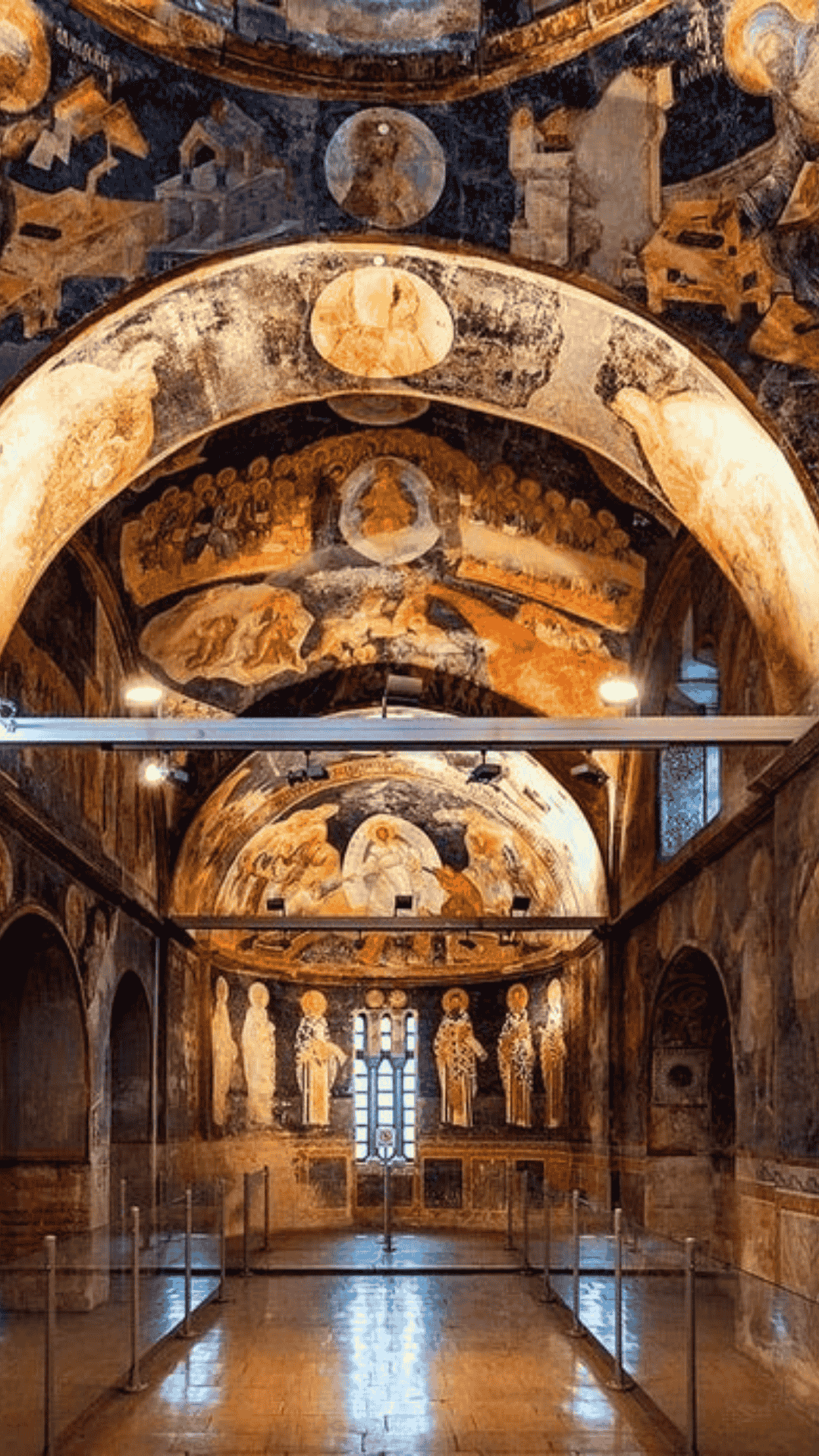
Inside Hagia Sophia, mosaics reveal the tradition of early Byzantine art in both color and technique. Strong, clear tones and the use of gold cubes create a dazzling visual impression. During a visit, you may notice depictions of Christ, the Virgin Mary, and saints. In the apse, Christ and the Virgin Mary are shown against a gold background.
On the nave walls, drawings of saints welcome visitors. It is known that saints in the middle zone of the wall represent prophets. Those on the lower part are holy bishops, while figures higher up are regarded as guardian angels. In the center of the dome, it is thought that there was a mosaic of Christ.
About the architecture of Hagia Sophia in its Islamic period
After the conquest of Istanbul in 1453, Mehmed II gave Hagia Sophia special respect, and the Byzantine architecture was not destroyed. Its function changed, however, and it became a place of worship for Muslims. By the order of Fatih Sultan Mehmed, Hagia Sophia was transformed into a mosque. A wooden minaret was built, and an altar and pulpit were added. Fatih Sultan Mehmed also added a library and madrasah.
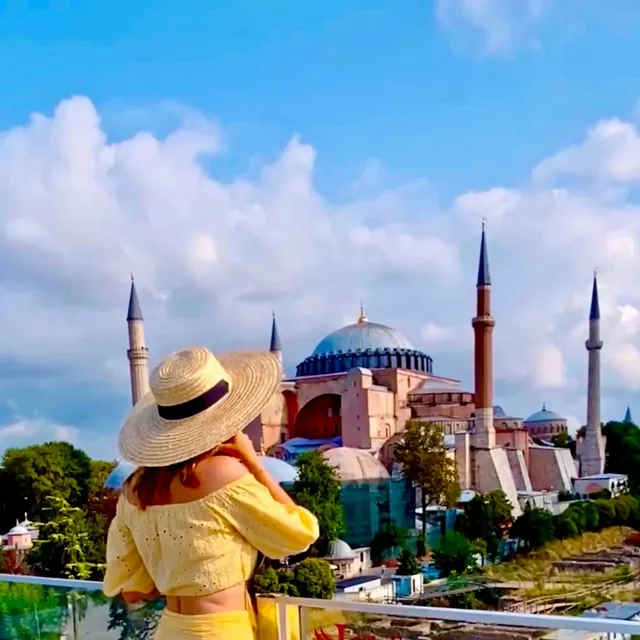
Later, in the northeast corner, Beyazıd II, the son of Fatih Sultan Mehmed, added a white mihrab, a niche in a mosque indicating the direction of Mecca, and a minaret. Sultan Süleyman the Magnificent, who ruled the Ottoman Empire from 1520 to 1566, brought two lamps from Hungary to Hagia Sophia. During the reign of Sultan Selim, two identical minarets were built on the western side.
The famous Ottoman architect Sinan contributed retaining structures and strengthening work to help preserve the building. These additions were crucial in supporting Hagia Sophia and helping it endure across the centuries.
In 1934, Mustafa Kemal Atatürk secularized Hagia Sophia, and it became a museum in 1935. It was declared a UNESCO World Heritage site in 1985. In 2020, Hagia Sophia was converted into a mosque once again, while continuing to open its doors to visitors. For broader historical background, you can also consult Britannica.
Why Hagia Sophia’s architecture feels unique
Hagia Sophia offers a rare harmony of Christian and Islamic features in both architecture and history. During your visit, depictions of holy figures such as Christ, the Virgin Mary, and prophets may immediately draw your attention. At the same time, you will also encounter Islamic calligraphy and features added during the Ottoman period. Seeing these layers together is part of what makes the building so moving.
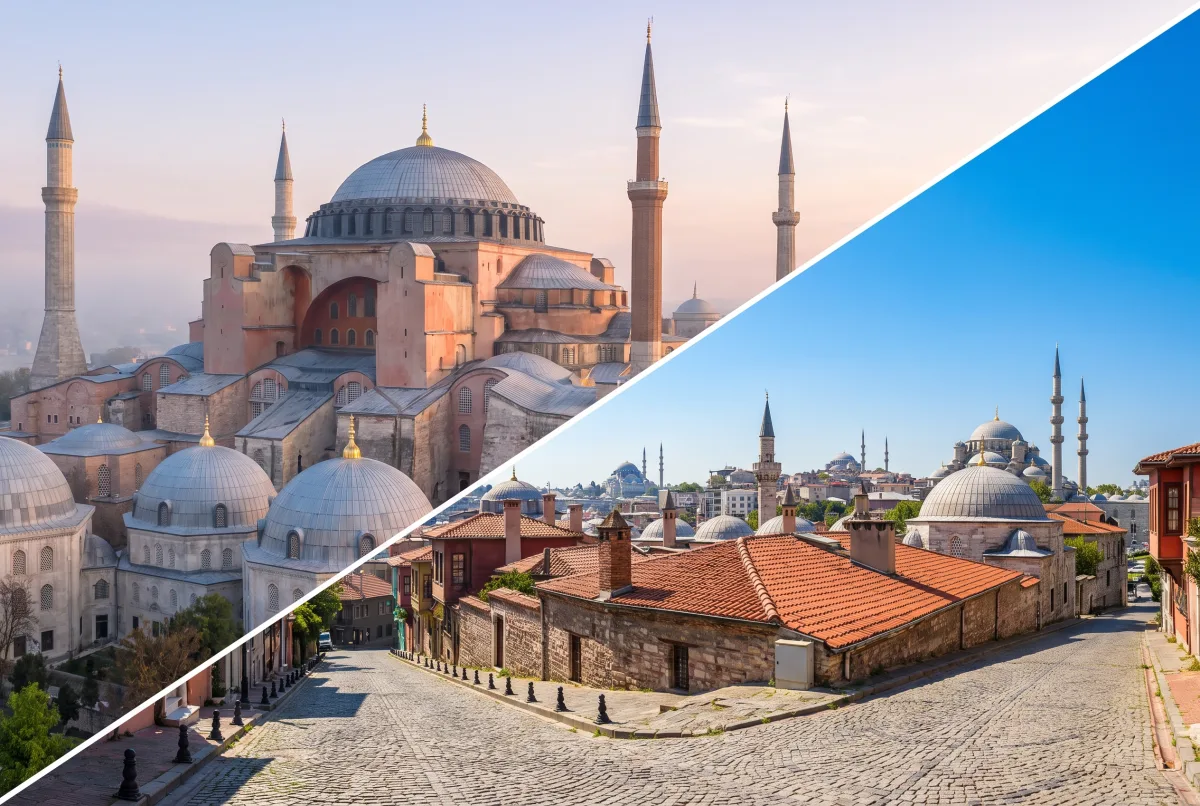
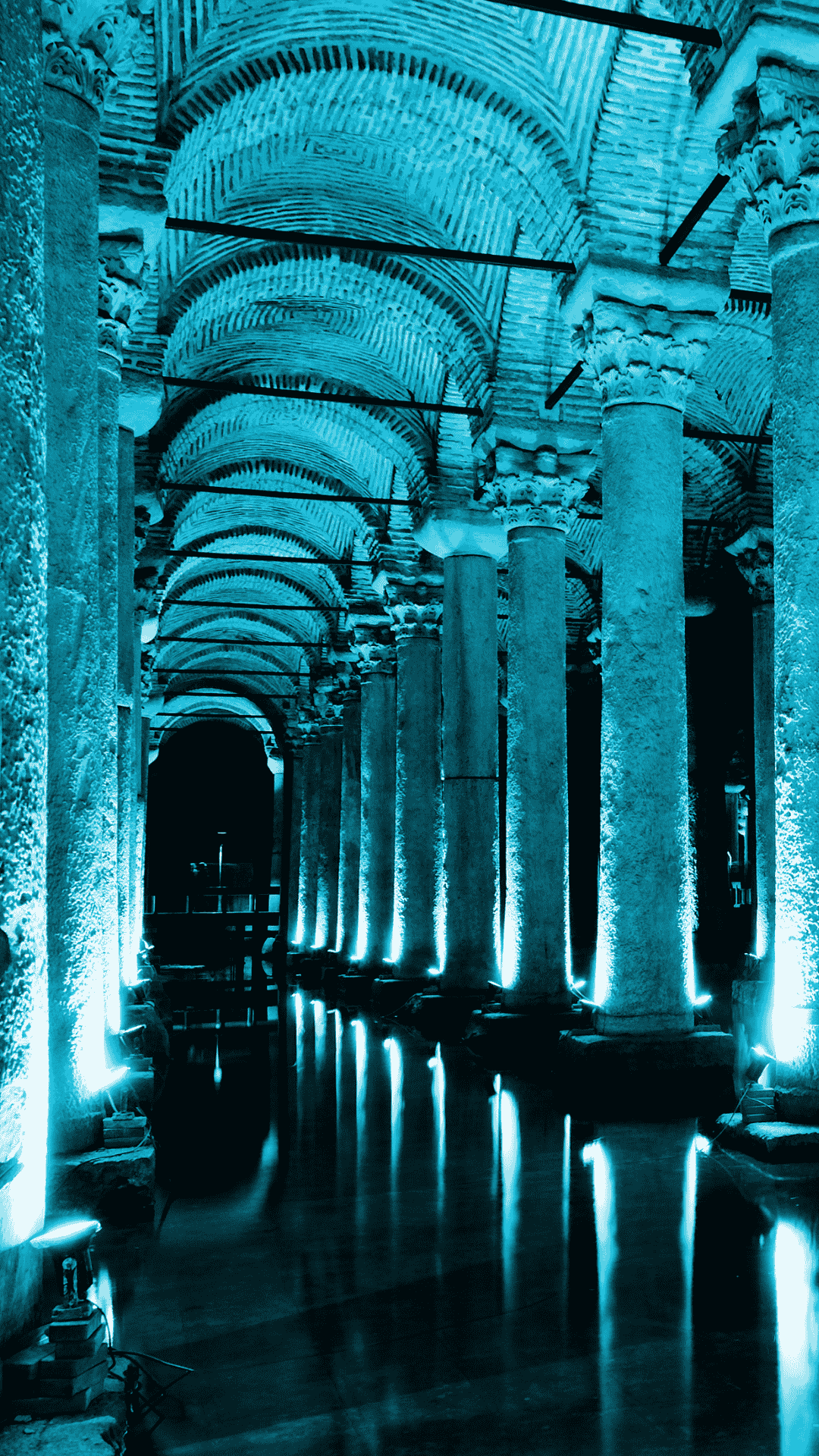
Located in the Fatih district, Hagia Sophia is one of the first places many visitors choose to see in Istanbul. Its position near major attractions makes it an easy and rewarding stop on a walking route through the old city. You can also combine it with nearby sites such as the Basilica Cistern to better understand the historic landscape around it.
More than a single monument, Hagia Sophia is a visual record of empires, faiths, restoration, and survival. Its dome, marble, mosaics, minarets, mihrab, and supporting structures all reflect different eras without erasing one another. That is why the architecture of Hagia Sophia continues to fascinate visitors from around the world.
FAQ
What is special about the architecture of Hagia Sophia?
Its uniqueness comes from the combination of Byzantine and Ottoman elements in one structure. The great central dome, semi-domes, marble surfaces, mosaics, minarets, mihrab, and Islamic calligraphy create a layered architectural identity that reflects centuries of change.
Was Hagia Sophia originally built as a mosque?
No. Hagia Sophia was first constructed as a Christian basilica. After the conquest of Istanbul in 1453, it was transformed into a mosque. In 1935 it became a museum, and in 2020 it was converted into a mosque again while remaining open to visitors.
What Christian features can visitors still see inside Hagia Sophia?
Visitors can still notice Byzantine mosaics and depictions of Christ, the Virgin Mary, saints, prophets, bishops, and angels. Gold backgrounds, rich colors, and the building’s basilica planning are among the most striking reminders of its Christian architectural heritage.
What Islamic additions were made to Hagia Sophia?
After 1453, several Islamic features were added, including a wooden minaret, altar, pulpit, library, madrasah, mihrab, additional minarets, and later structural strengthening. These elements helped adapt the building into a mosque without fully removing its earlier Byzantine character.