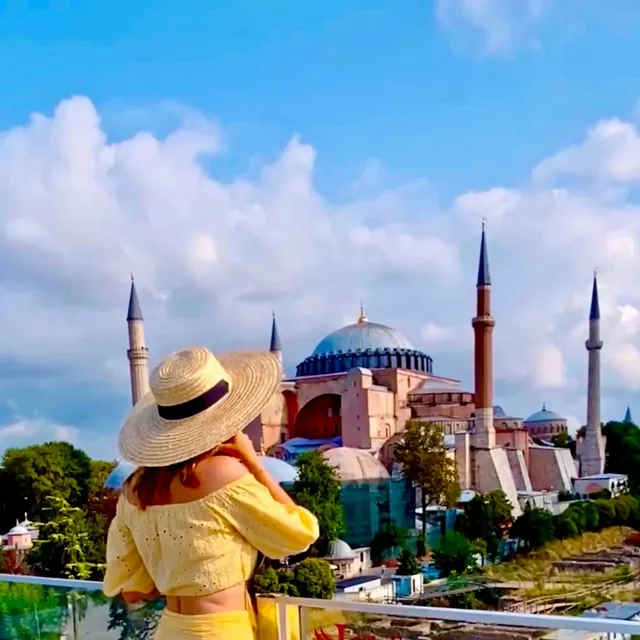
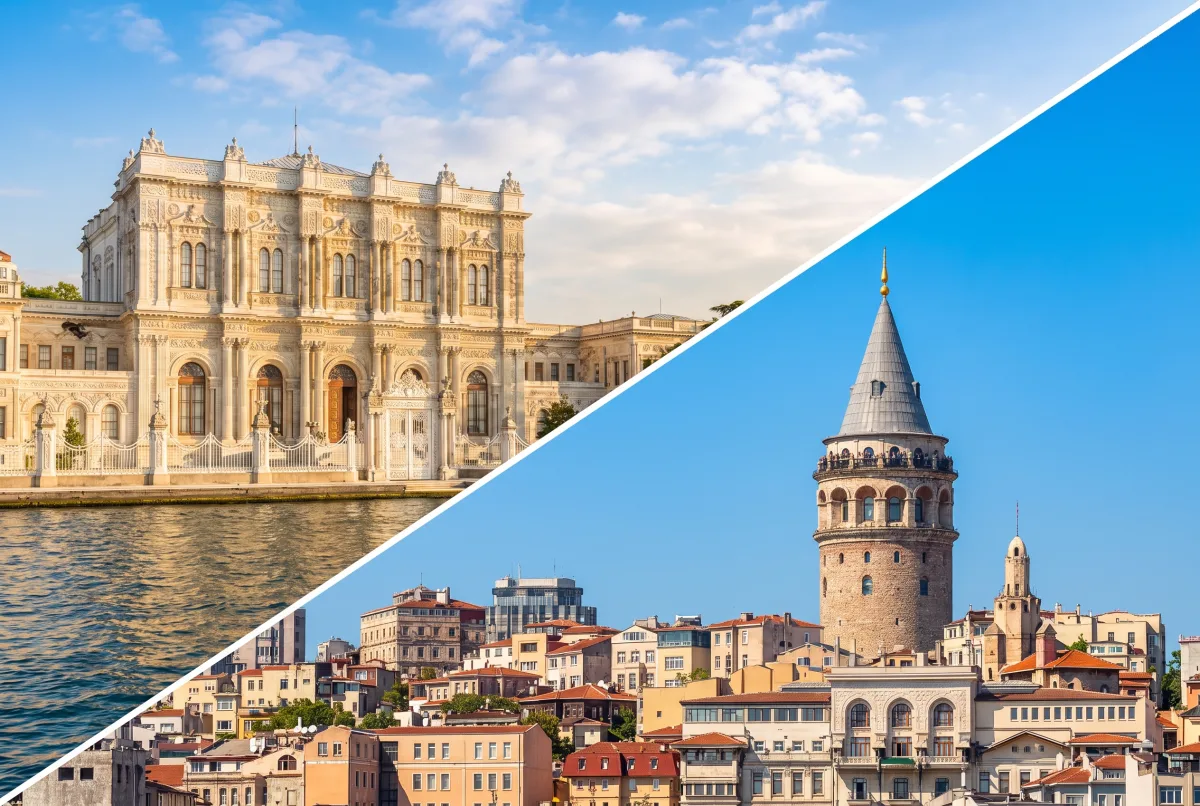
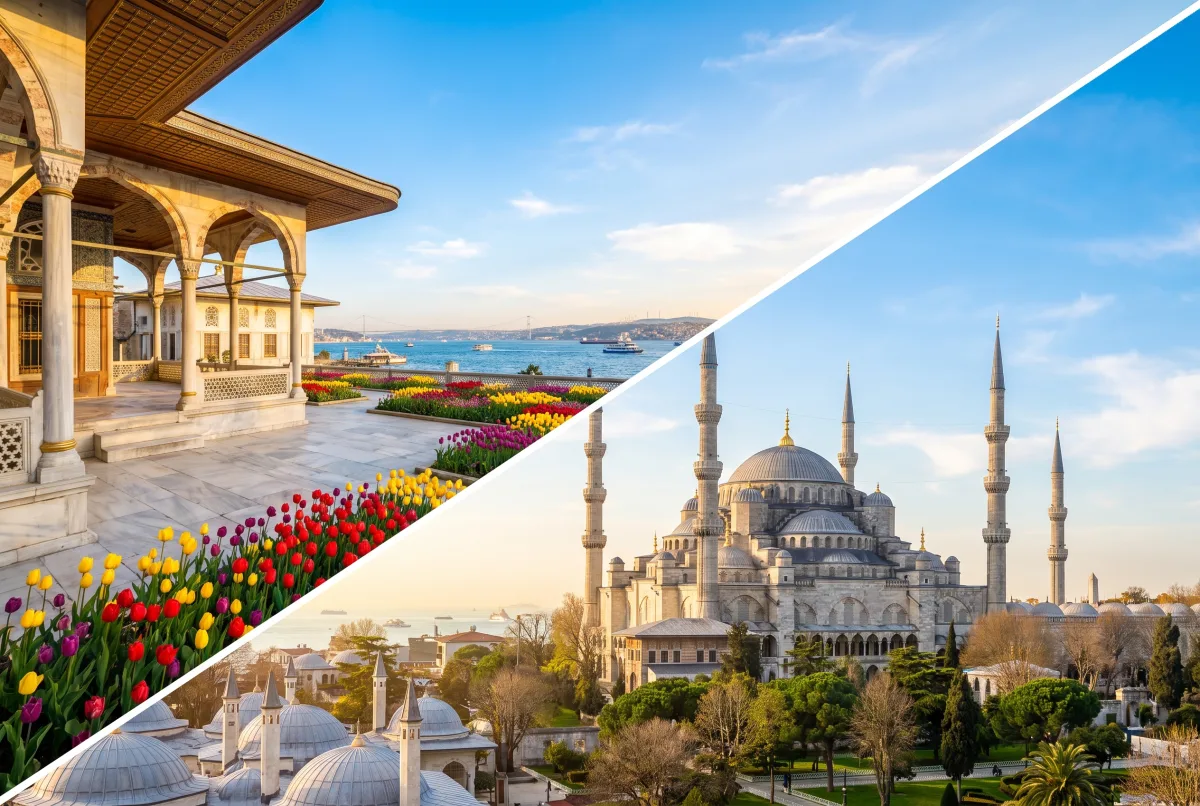
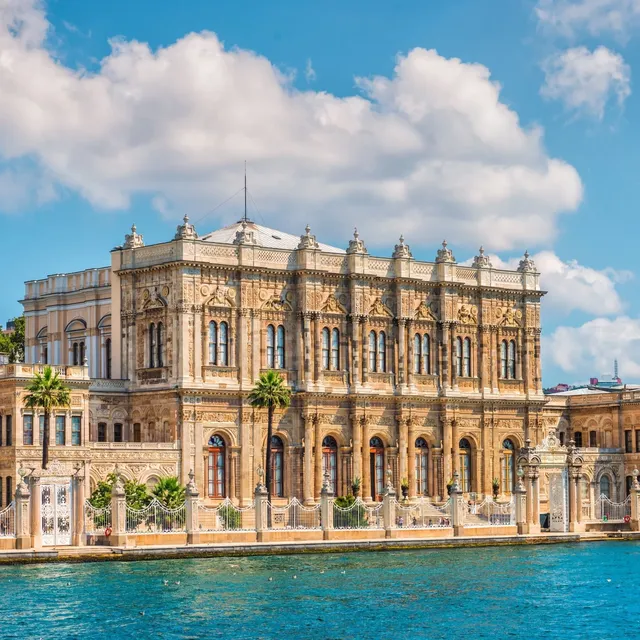
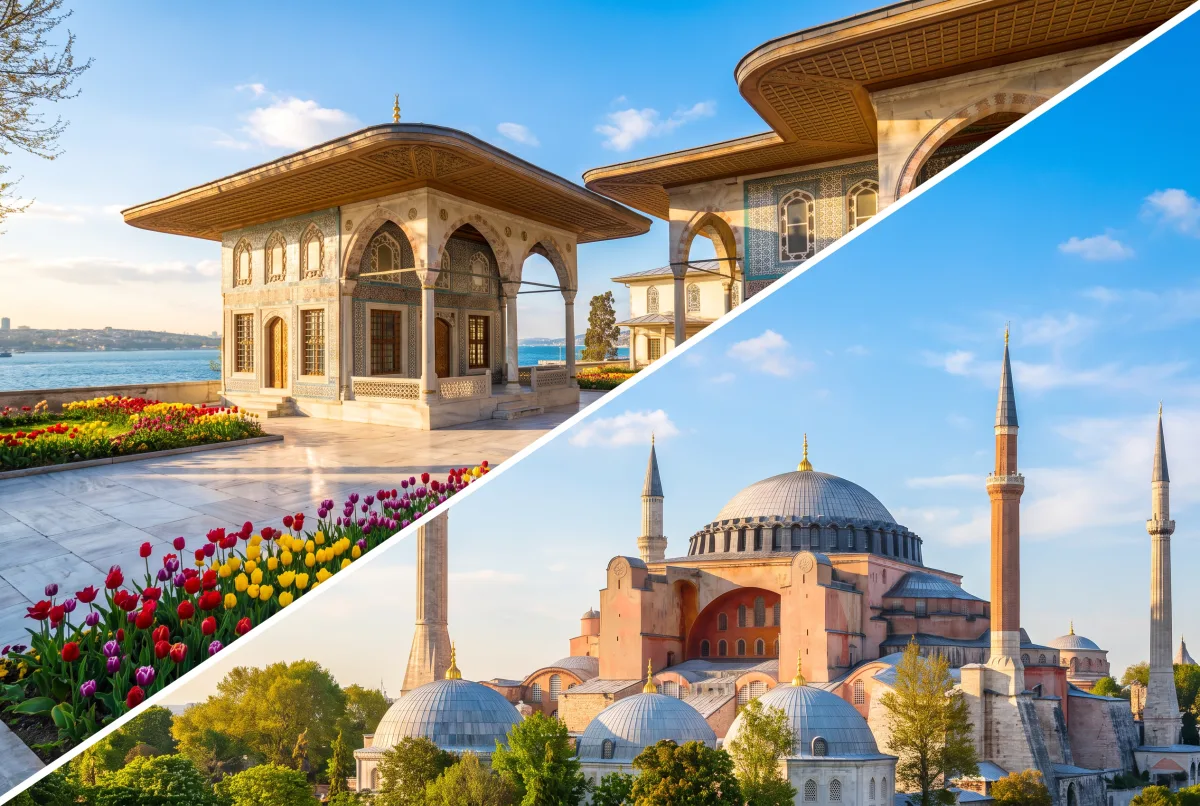
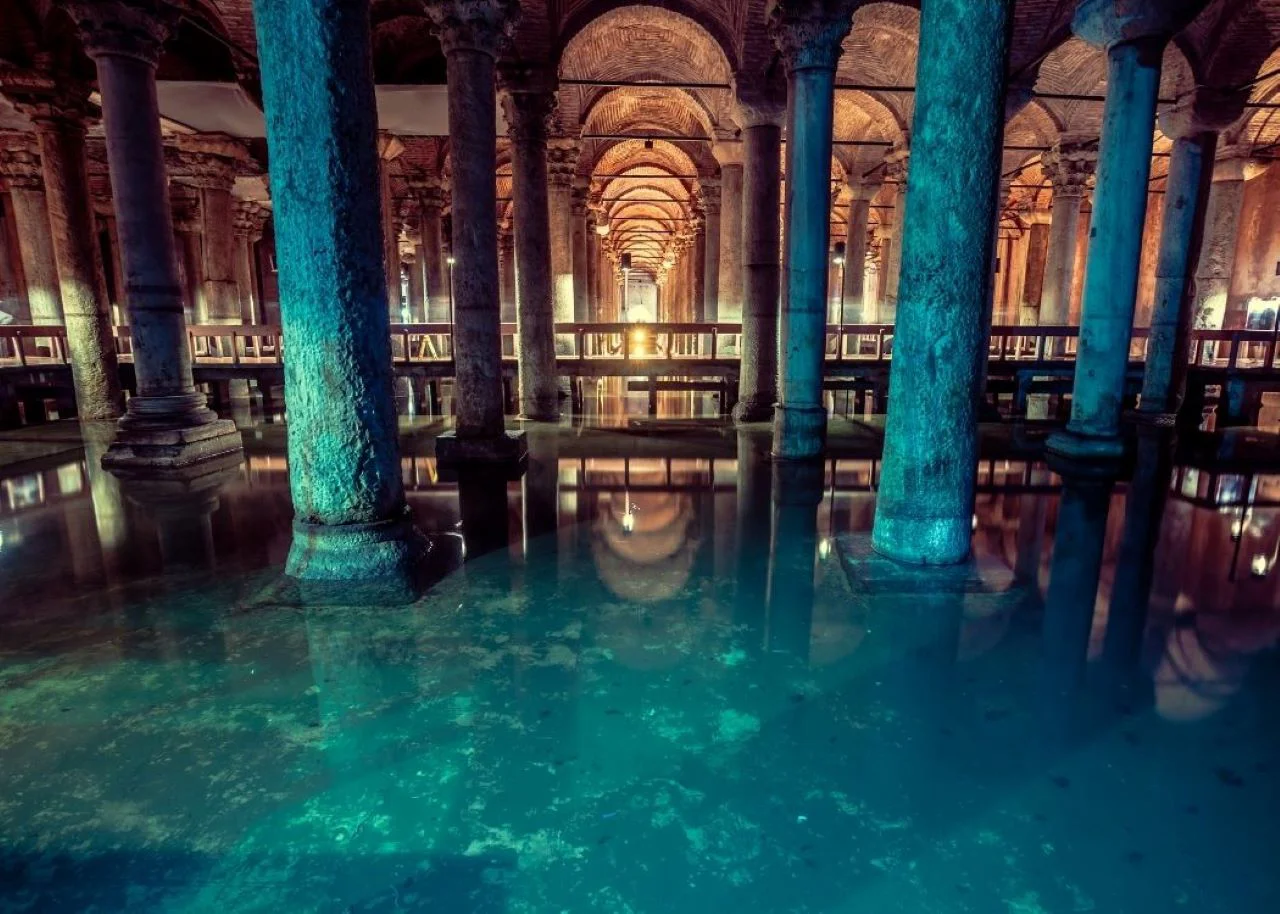
There's a version of Istanbul that first-time visitors know well: the postcard skyline of Sultanahmet, the Bosphorus cruise, the Grand Bazaar, the big-domed monuments that define the city at a glance. And then there's the Istanbul that reveals itself more slowly — through a tea glass on a quiet terrace, a side street lined with antique shops, a neighborhood café where breakfast stretches into late morning, and a ferry ride taken for the view rather than the checklist.
This guide is for travelers who want the city to feel personal, textured, and local without pretending the classics do not matter. We are not sending you on a hunt for fake "secret spots." Instead, this itinerary brings together quieter viewpoints, character-rich streets, lived-in neighborhoods, and the kind of places that make Istanbul feel less like a sightseeing sprint and more like a city you briefly belonged to.
If we were planning this trip for a friend, we would build it around rhythm: one day for old-city contrast beyond the obvious, one for hilltop districts, old apartments, and Bosphorus light, one for Asian-side neighborhood energy, and one for choosing between flea-market texture, local food, and a final terrace moment. One thing we often tell first-time visitors: Istanbul rewards curiosity, but it punishes overplanning. The smartest approach is to choose neighborhoods with atmosphere, connect them well, and leave enough room to notice details.
GO LOCAL Istanbul Beyond the Postcards Four days of quieter viewpoints, antique streets, neighborhood cafés, and ferry rides taken for the view.Hidden Istanbul in 4 Days at a Glance
| Day | Focus | Best For | Base Area |
|---|---|---|---|
| Day 1 | Fener, Balat, quiet Golden Horn viewpoints, local cafés | Colorful streets, slower old-city atmosphere, photography | Eminönü, Karaköy, Sultanahmet |
| Day 2 | Beyoğlu backstreets, Cihangir, Çukurcuma, hidden terraces | Antique streets, design-minded travelers, café culture | Karaköy, Galata, Taksim |
| Day 3 | Kadıköy and Moda, market life, seaside walks, local food | Neighborhood energy, food lovers, younger atmosphere | Kadıköy or Karaköy via ferry |
| Day 4 | Arnavutköy, Kuzguncuk or Yeldeğirmeni, final Bosphorus mood | Elegant streets, wooden houses, relaxed final day | Beşiktaş, Ortaköy, Kadıköy |
Who This 4-Day Itinerary Is For — and How It Works
- Neighborhood-led, not attraction-led. Istanbul's most memorable moments often happen between destinations: on ferries, in steep side streets, over breakfast, or while turning into a lane you did not plan to enter. Each day groups together places that make geographic and emotional sense.
- What "hidden" means here. These are not inaccessible places only locals know. They are places many visitors overlook because they prioritize the biggest landmarks: old Greek and Armenian neighborhood fabric, Bosphorus side streets where wooden houses survive, and terraces memorable for perspective rather than hype.
- Perfect for. Travelers who have already seen the major monuments and want a more local return trip; first-time visitors who want iconic Istanbul feeling without all-day tourist crowds; couples, solo travelers, photographers, architecture lovers, café people, antique lovers, and urban wanderers; visitors who prefer neighborhoods over museum marathons.
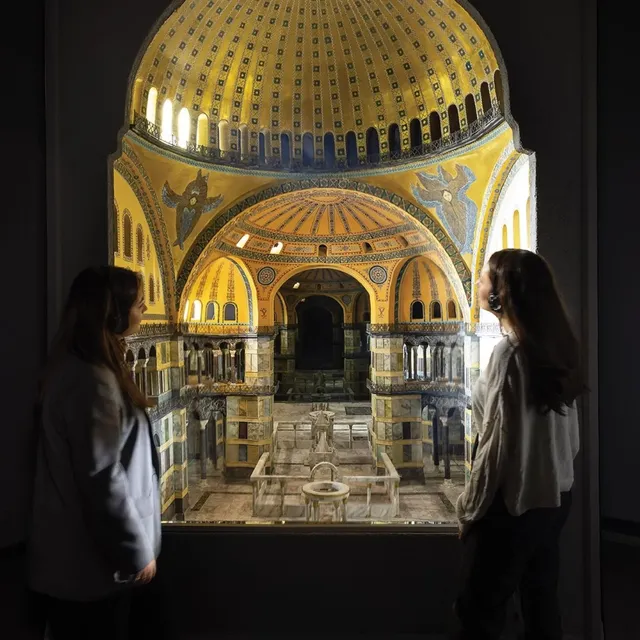
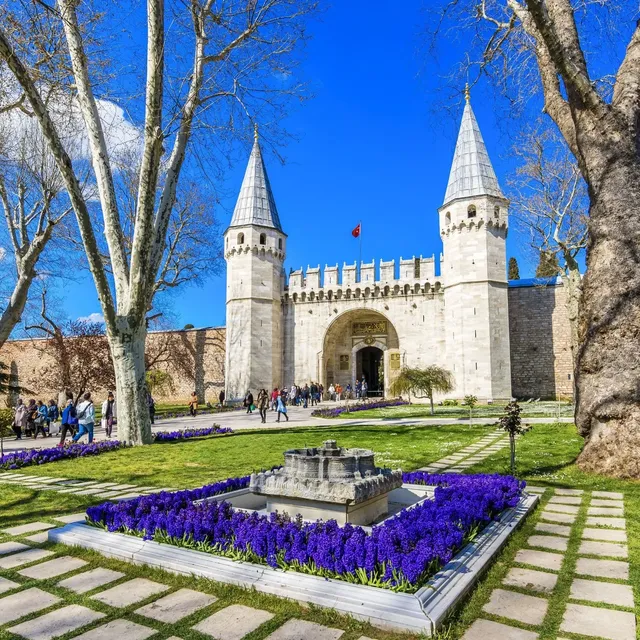
- Who should modify it. If your main priority is the top sights, pair this itinerary with an attractions guide and add Hagia Sophia, Topkapi Palace, and the Blue Mosque in a separate half day or full day. If mobility is a concern, reduce hill-heavy sections in Balat, Cihangir, and Çukurcuma and rely more on taxis or public transport. If you are traveling with children, keep Day 2 and Day 4 shorter and add more waterfront breaks.
How Many Days Do You Need?
In four days, you can see a lot — you cannot see everything. This itinerary builds one day for old-city contrast beyond the obvious, one for hilltop districts and Bosphorus light, one for Asian-side neighborhood energy, and one soft final day. Along the way you still get the essential Istanbul feeling — ferries, mosques, waterfronts, meyhanes, breakfast spreads, and skyline views — but in a way that leaves space for wandering. If your trip is shorter, compress rather than rush.
Where to Stay for a Hidden Istanbul Trip
Karaköy
One of the smartest bases for this route and the best all-around choice for connectivity and style: well connected by ferry, tram, metro, and on-foot access to Galata, Beyoğlu, and Eminönü.
Best for Best all-around base
Galata
Good for atmosphere, walkability, and easy access to Çukurcuma, Cihangir, and Istiklal-area backstreets.
Best for Atmosphere and walkability
Kadıköy
Best if you know you want a local residential feel and lots of food options — but you will commute more to the European side.
Best for Local neighborhood life
Sultanahmet
Convenient for major monuments, but less ideal if your goal is neighborhood energy after dark. Fine for monuments, weaker for evenings and local café culture.
Best for Monuments over evenings
Beşiktaş
Helpful for Bosphorus-side movement, though less atmospheric as a base for this exact itinerary.
Best for Bosphorus-side movement
Think twice about
Far-from-transit luxury zones: beautiful hotels can create constant taxi dependence. Since these four days depend on easy cross-neighborhood movement, location matters more than pure luxury.
Best for Read before booking
The 4-Day Hidden Istanbul Itinerary
 Golden Horn
 Fener, Balat, and the Golden Horn Beyond the Obvious
Ease into the city through one of Istanbul's most layered areas: visible neighborhood texture, historical depth, old housing stock, local shops, and viewpoints that feel contemplative rather than performative.
Start early in Fener before the streets fill up
Begin between 8:30 and 9:30 a.m. — earlier is better. The biggest mistake here is arriving late morning on a weekend and expecting a quiet neighborhood experience; the famous colorful streets get busy quickly with photo-seekers. Arrive by taxi, bus, or by combining tram and a short ride from Eminönü. If you are staying near Karaköy or Galata, a morning taxi can save time and spare you an uphill start.
Walk the steeper lanes of Fener before moving toward the better-known Balat streets. Notice the facades, bay windows, faded paint, old school buildings, and religious landmarks mixed into daily life; if it aligns with your interests, consider the exterior surroundings of the Greek Orthodox Patriarchate area for historical context. Do not rush to the "Instagram street" first — some of the best moments are one or two blocks away, where laundry lines, bakery scents, and older apartment details create the atmosphere people come hoping to find. Morning light is softer for photos, and please be respectful: people live here.
Keep it simple and local
Rather than hunting only for the most tagged place, choose a local café or modest breakfast spot with outdoor seating and watch the neighborhood wake up. A Turkish breakfast here is one of the easiest ways to slow the trip down and avoid turning Balat into a box-checking exercise. If you are building your own food list, our Istanbul breakfast guide and local cafés in Istanbul roundup can help you decide where to linger and where to just stop for tea.
Walk from Fener into Balat, but use side streets
The transition into Balat is short, but how you walk it matters. Most visitors follow the same few photogenic lanes and leave — give this area at least 2.5 to 3 hours total. What makes Balat worth it: layers of Jewish, Greek, Armenian, and Muslim urban history; a mix of restoration and rough edges that still feels like real city fabric; small workshops, corner stores, old staircases, and residential rhythm.
Most tourists miss this: they rush through the photogenic center and miss the atmosphere just outside it. Avoid this mistake: do not treat Balat as a two-stop photo set. The area works best when you walk slowly, pause for tea, and accept uneven streets, steep inclines, and moments that are more atmospheric than spectacular.
Neighborhood food, not a grand destination meal
Day 1 is better with an unpretentious lunch: home-style dishes, grilled items, pide, soups, or a casual lokanta rather than a long formal meal. This leaves time and energy for the afternoon. If food is a major part of your trip, you could join a carefully chosen food tour in Istanbul on a different day, but here we would keep the neighborhood feeling intact and eat simply.
Walk toward Ayvansaray and the quieter Golden Horn edge
If you enjoy urban exploration and do not mind walking, continue along the Golden Horn side. This is less about checking sights and more about seeing how the city stretches beyond its best-known frames — the waterfront roads are not uniformly beautiful, but they reveal scale and context. Choose it if you are a walker, photographer, or interested in older city geography. Skip it if you are getting tired early, the weather is very hot, or your priority is a more curated café-and-view day.
Add a hilltop viewpoint and café break
If you want a stronger visual payoff, take a taxi from Balat toward Pierre Loti or another Golden Horn viewpoint area. Not exactly hidden, but many central-sights-only travelers never make it here, and the reward is a broader understanding of the Golden Horn landscape. The trade-off: hilltop viewpoints can be atmospheric and memorable, but they are rarely peaceful in the middle of the day — go later afternoon for softer light.
Cross back to Karaköy or Eminönü for a different skyline mood
By sunset, shift away from Balat and end with contrast: head toward Karaköy, Galata Bridge, or a waterside terrace for a skyline view. Rather than chasing a viral rooftop, look for a terrace café or restaurant with a generous city view and a calmer mood — the best hidden terraces in Istanbul are not always fully hidden, they are simply not overhyped. A good terrace here should offer a broad historical peninsula view, a Golden Horn angle, or layered rooftops with mosque silhouettes. For elevated dining or evening drinks, browse our rooftop restaurants in Istanbul guide and choose based on location, not internet hype.
If you have limited time: keep only Fener, Balat, and a sunset terrace — skip any longer Golden Horn detour.
Day 1 at a glance
Best start: 8:30-9:30 a.m. Transport: taxi in, then walk, then taxi or public transport out. Walking: 8,000-11,000 steps depending on detours. Best for: photographers, history lovers, slower travelers. Common mistake: arriving too late and treating Balat like a photo stop only.
 Beyoğlu
 Çukurcuma, Cihangir, and Beyoğlu's More Beautiful Backstreets
If Day 1 was about historical depth, Day 2 is about texture, style, and lived-in elegance — antique shops, old apartment facades, stair-stepped lanes, independent cafés, and some of the city's most appealing urban views.
Begin in Çukurcuma for antique streets and quiet character
Çukurcuma is one of the best neighborhoods for travelers who love old objects, faded refinement, and streets that feel cinematic without needing a major monument. Start around 9:30 or 10:00 a.m., when the area is calm and shopkeepers are setting up. It is central but still feels tucked away, its antique shops and old buildings create visual richness without spectacle, and it connects naturally to Cihangir, Galata, and lower Beyoğlu.
Walk slowly and browse antique storefronts even if you are not shopping; look up at cornices, shutters, doorways, and apartment entrances; pause for coffee in a street-facing café instead of moving too quickly to the next district. Insider tip: this neighborhood is best experienced before lunch — morning gives you the strongest sense of place. Design lovers, writers, photographers, and browsers should linger longest.
Continue uphill into Cihangir
Cihangir is not "secret," but it remains one of the neighborhoods many travelers appreciate most once they experience it properly: residential, café-rich, and built on a slope that keeps opening up to air, trees, and distant water views. This is where Istanbul starts to feel different from its imperial-center image — more local, literary, bohemian, and quietly stylish; less about monuments and more about urban life.
Walk side streets rather than only the main café corridors, take one real break — coffee, tea, or something sweet — instead of grazing nonstop, and look for small parks, cat-filled corners, and glimpses toward the Bosphorus. Photography: steep streets with layered facades, balconies and old windows, distant water framed through buildings, street-life details rather than landmark shots.
Cihangir or nearby for a longer pause
This is a good day for a more curated lunch. You have enough café density in Cihangir and nearby Beyoğlu to choose among Turkish comfort food, modern Turkish menus, or lighter brunch-style options. Choose a place where locals are clearly spending time rather than simply moving through — from our experience, the most satisfying lunch here is usually somewhere relaxed, with tables outside or near large windows.
Drop into Galata's side streets, not just the tower zone
Galata is often reduced to the tower and the immediate tourist ring around it. That is a mistake. The surrounding streets still hold some of the most enjoyable urban walking in central Istanbul, especially if you avoid peak crowd times. Approach from the side, not directly through the busiest axis; use the tower area as a waypoint, not the sole destination; spend more time in the descending lanes toward Karaköy and less in queue-heavy zones. Browse small design stores and record shops, stop at a bakery or dessert place, and if energy is good continue on foot toward Karaköy for waterside contrast.
Avoid this mistake: do not schedule too many "must-visit cafés" in one day around Beyoğlu. Choose two excellent pauses at most and let the streets do the work.
Choose one terrace and stay long enough
This is the strongest day in the itinerary for a terrace experience. Beyoğlu, Galata, and Karaköy have several elevated places where the city opens dramatically. For a classic skyline: choose somewhere facing the Historical Peninsula. For romance: a smaller rooftop with a tighter, more intimate city view. For easier logistics: a terrace close to your dinner area so you do not lose the evening in transit.
Most tourists miss this: the best terrace experience is not always the highest rooftop. Lower terraces can feel more connected to the city and less like a viewing platform — choose proportion and mood over altitude.
Karaköy or the backstreets of Beyoğlu
Two strong directions: Karaköy works if you want a polished waterfront-adjacent evening with easy transport; Beyoğlu works if you want to keep the old-apartment, side-street mood going into dinner and drinks. If you want help deciding between districts, our Beyoğlu guide, Cihangir guide, and Galata guide can help you choose the right tone.
Day 2 at a glance
Best start: 9:30-10:00 a.m. Transport: primarily walking, with an optional short taxi ride. Walking: 9,000-12,000 steps with hills. Best for: antique lovers, couples, café travelers, architecture fans. Common mistake: staying on Istiklal only and missing the surrounding neighborhood fabric.
 Asian side
 Kadıköy and Moda for Food, Sea Air, and Everyday Istanbul
No itinerary focused on local Istanbul feels complete without time on the Asian side — this is where many visitors start to feel the city's everyday rhythm most clearly.
Take the ferry, even if it is not the fastest option
If the weather is decent, choose the ferry over an underground-heavy route — one of the easiest ways to improve your trip with almost no extra effort. Sit outside if possible, watch the skyline recede, and let the crossing reset your pace. For ferry guidance and practical route planning, see our Istanbul ferries guide. Istanbul is a city of water transitions: the ferry is not just transport, it is orientation. You understand the city better after crossing it.
Explore the Kadıköy market area without turning it into a checklist
The Kadıköy market zone is ideal for travelers who love food, atmosphere, and urban life. Walk through fishmongers, specialty food shops, bakeries, and produce sections; pause for Turkish coffee, simit, börek, or a small plate rather than a heavy early meal; browse bookstores, small shops, and side lanes around the market area. Food-focused travelers and lovers of urban energy will love it most; those seeking grand architecture or disliking market bustle might prefer a shorter visit.
Avoid this mistake: do not schedule a giant breakfast before coming here. Kadıköy rewards appetite — leave room for spontaneous eating.
Build your own progressive meal
Instead of one long lunch, consider a progressive meal: something savory in the market, something sweet later, and maybe a seaside drink in Moda. This is one of the best areas in the city to eat in stages. Use our where to eat in Kadıköy guide for neighborhood-specific help, or our broader Istanbul food guide if you are building a citywide plan.
Walk to Moda for a softer, more residential mood
The walk from central Kadıköy toward Moda shifts beautifully: the market intensity loosens, streets grow calmer, and the neighborhood turns greener and more residential. What makes Moda special: tree-lined streets and a relaxed pace, independent cafés and dessert stops, seaside edges where locals sit, talk, picnic, and watch the water. Most tourists miss this: they reach Kadıköy, stay around the busiest commercial streets, and leave — Moda is where the day starts to breathe.
Walking estimate: central Kadıköy to the Moda waterfront is around 20 to 30 minutes on foot. Photography: street scenes with tram lines and local storefronts, coastal views toward the Sea of Marmara, golden-hour portraits and candid neighborhood moments.
Seaside pause or café time
If you have been moving constantly for two days, make Day 3 your reset day. Sit by the water. Order tea. Stay longer than planned. This is not wasted time — in Istanbul, stillness in the right place is part of the experience.
Stay for dinner or cross back by ferry
Stay in Kadıköy/Moda for dinner if you want a local, unforced night with many food choices and a younger neighborhood mood. Return by ferry at dusk if you want one more skyline moment and dinner on the European side. If you feel overextended, stay on the Asian side — the biggest planning mistake in Istanbul is adding one extra cross-city move after you are already tired.
Optional upgrade: if food is your main lens on the city, Kadıköy is one of the areas where a good food tour genuinely adds value, decoding regional dishes, specialties, and market context. Compare options on our Istanbul food tours page — but if you already like exploring independently, you do not need a tour here.
Day 3 at a glance
Best start: 9:00-10:00 a.m. Transport: ferry, then walking. Walking: 7,000-10,000 steps. Best for: food lovers, younger travelers, local-neighborhood feel. Common mistake: leaving too early and never making it to Moda.
 Bosphorus finale
 Choose Your Final Hidden Istanbul Mood
By Day 4, the best itinerary is not the densest one — it is the one that fits your energy and the version of Istanbul you want to remember. Three excellent routes, one common thread: elegant streets, lower-pressure wandering, and a final sense of place.
Arnavutköy and the Bosphorus for waterside elegance
Arnavutköy is one of the most atmospheric Bosphorus neighborhoods for a final day: wooden yalı-style architecture, narrow lanes, and the long curve of the waterfront create a refined but lived-in feeling. Choose it if you want beautiful Bosphorus light and architecture, prefer strolling over formal sightseeing, and want a polished final-day mood without heavy logistics. Arrive in the morning or late morning, walk the waterfront slowly, head uphill into residential side streets, and stop for coffee or a light lunch — saving room for a seafood-focused dinner if that appeals.
Insider tip: especially rewarding in softer weather — spring, early autumn, and bright winter afternoons. In peak summer midday, the waterfront can feel more exposed than atmospheric. If energy is high, continue toward Bebek by taxi or bus, but do not overextend: the value here is atmosphere, not distance covered.
Kuzguncuk for wooden houses, residential calm, and cross-Bosphorus texture
Kuzguncuk on the Asian side is one of the most appealing low-key neighborhood visits in Istanbul: leafy streets, old houses, a gentle waterfront relationship, and a slower pace than Kadıköy. Choose it if you want a village-like feeling within the city, care about streetscape and residential character, and are looking for a final-day neighborhood with a calm emotional tone. Skip it if you want high-energy shopping or nightlife, or expect a full day of major attractions in one compact area.
Most tourists miss this: Kuzguncuk is less about "things to do" and more about how it feels. Travelers who need constant attractions may underrate it; travelers who want texture usually love it.
Yeldeğirmeni for street texture, cafés, and a more creative edge
If you liked Kadıköy but want something less market-driven and more quietly creative, Yeldeğirmeni is a strong final-day choice: residential streets, café culture, older apartment stock, and murals in some areas without feeling like an outdoor checklist. It is the smartest choice when you are staying in Kadıköy, want a lighter day close to your hotel, and prefer local cafés and neighborhood wandering to cross-city transit.
How to decide between the three
Bosphorus elegance and waterside architecture → Arnavutköy: best final-day visual polish. Residential calm and village-like charm → Kuzguncuk: most intimate neighborhood mood. Local cafés and an easy Asian-side finish → Yeldeğirmeni: best low-effort, high-character option.
Lunch and coffee strategy for Day 4
This is not the day for an ambitious reservation-led lunch unless food is your top priority. Choose one good meal and one memorable coffee stop, and let the neighborhood determine your pace.
End with one last view, not one last errand
However you spend Day 4, finish with a view: a ferry deck, a Bosphorus waterfront bench, a modest terrace, or a café with skyline distance. The key is emotional closure, not one more "thing to do." If you want to make that final evening easier, booking a selective Bosphorus cruise can make sense — especially if your feet are tired and you still want a cinematic end to the trip. But choose it only if it fits your mood; public ferries often provide a more local version of the same magic.
Day 4 at a glance
Best start: 10:00 a.m. or later for a softer final day. Transport: taxi, bus, ferry, or a mix depending on route. Walking: 5,000-9,000 steps. Best for: final-day atmosphere, couples, repeat visitors, slower endings. Common mistake: trying to cram in one last major-sight marathon.
 Cafés & terraces
 Best Local Cafés and Terrace Moments to Prioritize
This itinerary is built around mood as much as movement — so match the stop to the neighborhood and time of day rather than chasing a top-10 list across the city.
Best café moments by day
- Day 1: simple neighborhood breakfast or tea in Fener or Balat
- Day 2: a slower coffee in Çukurcuma or Cihangir, then one sunset terrace
- Day 3: multiple smaller stops in Kadıköy and one longer seaside pause in Moda
- Day 4: one elegant coffee break in Arnavutköy, Kuzguncuk, or Yeldeğirmeni
How to choose a terrace without regretting it
Prioritize location relative to your day, not internet fame. Go around sunset or blue hour when the city feels softest. Reserve only if the place is genuinely part of your route. Do not assume more expensive means more memorable.
Avoid this mistake: do not build your evenings around faraway rooftop reservations that require cross-city traffic at the worst hour. A good-enough terrace nearby often creates a much better night than a famous one reached in frustration.
 Food strategy
 Where to Eat During This 4-Day Itinerary
The smartest food strategy for hidden Istanbul is balance: mix one or two special reservations with local bakeries, casual lunches, market snacks, meze dinners, and waterfront pauses.
Best meal types for this trip
- Turkish breakfast: best on Day 1 or Day 3
- Casual lokanta lunch: ideal around Balat/Fener or transit-heavy days
- Modern café lunch: works well in Cihangir, Moda, or Yeldeğirmeni
- Meyhane dinner: great for Beyoğlu or Kadıköy evenings
- Seafood dinner: a natural fit for Arnavutköy or Bosphorus-facing areas
If you want a more structured food plan
Start with our Istanbul food guides hub, then narrow down by district. This is usually more useful than trying to memorize a citywide list.
 Seasons
 Seasonal Tips for Hidden Istanbul in 4 Days
The same four days feel different by season — adjust start times and indoor breaks rather than the route itself.
Spring
One of the best seasons for this itinerary. Hills are easier, ferry rides are pleasant, and outdoor café time feels natural.
Summer
Start earlier than suggested, especially in Balat and Bosphorus areas. Midday heat changes how enjoyable neighborhood walking feels.
Autumn
Excellent for atmosphere, color, and longer café stops. One of the best seasons for Arnavutköy and Kuzguncuk.
Winter
Very workable if you build in indoor breaks. Wind and rain matter more than temperature alone, especially for ferry-heavy days.
Transport Basics for a Better Trip
For this version of Istanbul, ferries matter almost as much as any landmark. They are scenic and inexpensive, provide a mental reset during the day, and help you understand the city's geography.
Once you are in the city, public transport is usually enough for this itinerary. Read up on routes before arrival so you can use trams, metros, buses, and ferries efficiently.
Short taxi rides can be very helpful on hill-heavy days, after long walks, or when crossing to less direct neighborhoods. A hybrid approach is usually best — you can mostly skip taxis if you stay centrally.
If you are arriving after a long flight or landing late, a pre-booked transfer is often worth it. This is one of those moments where paying a little more makes the first 12 hours of your trip much smoother.
What to Book in Advance vs. Keep Flexible
Book only what reduces friction
- An airport transfer if you are arriving tired, late, or with heavy luggage after a long flight
- One or two popular dinner reservations
- Any essential attraction tickets you already know you want
- A food tour in Kadıköy if cuisine is your main lens on the city — it decodes regional dishes and market context
- A selective Bosphorus cruise for the final evening if your feet are tired and you want a cinematic end
Keep flexible or skip
- A city pass — useful only if you are also adding major paid attractions; for a café-ferry-neighborhood trip, do not overbuy
- Cafés and terraces — choose by location and mood, and reserve only if the place is genuinely part of your route
- Guided tours in general — this itinerary works very well independently
- Faraway rooftop reservations that require cross-city traffic at the worst hour
- Anything that makes the itinerary rigid — overbooking works against a local trip
The 4 Days by Time Block
Common Mistakes and Local Habits That Help
Common first-time mistakes
- Trying to combine too many neighborhoods in one day
- Ignoring hill fatigue in Cihangir, Balat, and Beyoğlu side streets
- Overbooking restaurants and losing flexibility
- Assuming "hidden" means remote or difficult to reach
- Skipping the Asian side entirely
- Treating ferries as transport only instead of part of the experience
- Chasing viral rooftops instead of choosing convenient terrace stops
Habits that make the trip better
- Go early to Fener and Balat and use the side streets — the atmosphere lives one or two blocks off the famous lanes
- For terraces, choose proportion and mood over altitude — lower terraces often feel more connected to the city
- Two excellent café pauses per day at most; let the streets do the work
- Stillness in the right place is part of the experience — sit by the water and stay longer than planned
- If you feel overextended, stay on the side of the city you are on — never add one extra cross-city move when tired
- In summer start earlier; in winter build in indoor breaks — wind and rain matter more than temperature
Frequently Asked Questions
Is 4 days enough for Istanbul if I want a local experience?
What part of Istanbul feels most local for visitors?
Should first-time visitors skip Sultanahmet for a hidden Istanbul itinerary?
What is the best neighborhood to stay in for this itinerary?
Are Balat and Fener still worth visiting, or are they too touristy now?
Which side of Istanbul is better for local cafés and food: European or Asian?
Do I need guided tours for a hidden Istanbul trip?
Are ferries really worth taking if I am short on time?
What are the best hidden terraces in Istanbul?
Is Kuzguncuk worth visiting on a short trip?
What is the best way to get from the airport for a 4-day Istanbul trip?
Does an Istanbul pass make sense for this itinerary?
Can I do this itinerary without taxis?
What should I book in advance for this kind of Istanbul trip?
The Istanbul You Remember Is Usually the One Between the Landmarks
The most rewarding version of Hidden Istanbul in 4 Days is not about proving you found places no one else has heard of. It is about experiencing the city at a human pace, in neighborhoods where architecture, food, ferry crossings, and café pauses work together. You will remember a staircase in Cihangir, a tea in Balat, the wind on the Kadıköy ferry, a quiet street in Kuzguncuk, and a terrace view that felt earned because you arrived there naturally, at the right hour, after a day that made sense. That is usually the real secret to Istanbul: not seeing more, but seeing better.
Keep planning your Istanbul trip